
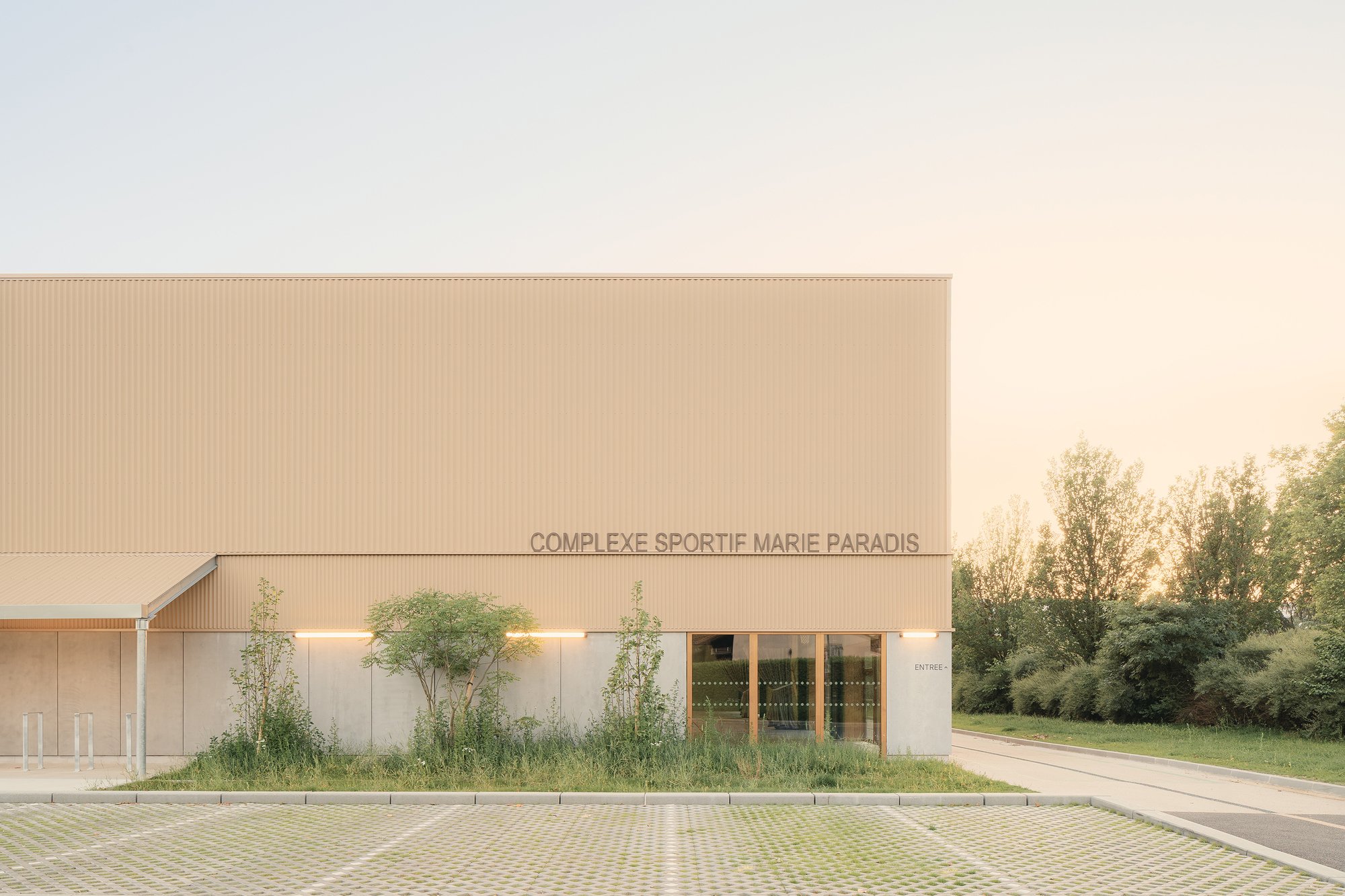
Marie Paradis Sports Complex Renovation and Extension
A transformed sports complex revitalizing industrial heritage through adaptive reuse, openness, color, and community-focused design in Neuville-sur-Saône, France.

Originally constructed in the 1970s and 1980s, the Marie Paradis Sports Complex was defined by its exposed metal framework, lattice beams, and utilitarian industrial character. Over time, the accumulation of aging equipment, limited natural light, and fragmented spatial organization rendered the building increasingly unwelcoming. The recent renovation and extension by bureau faceB and LFA: Looking for Architecture transforms this overlooked structure into a contemporary, open, and community-focused sports facility, while carefully preserving its architectural DNA.
At the heart of the project lies a delicate architectural balancing act: retaining the existing structural frames while radically reimagining the building’s identity, functionality, and relationship with its surroundings. Rather than demolishing, the architects treated the complex as a valuable resource: one to be clarified, unified, and reinvested in through strategic intervention.
A Unified Architectural Image
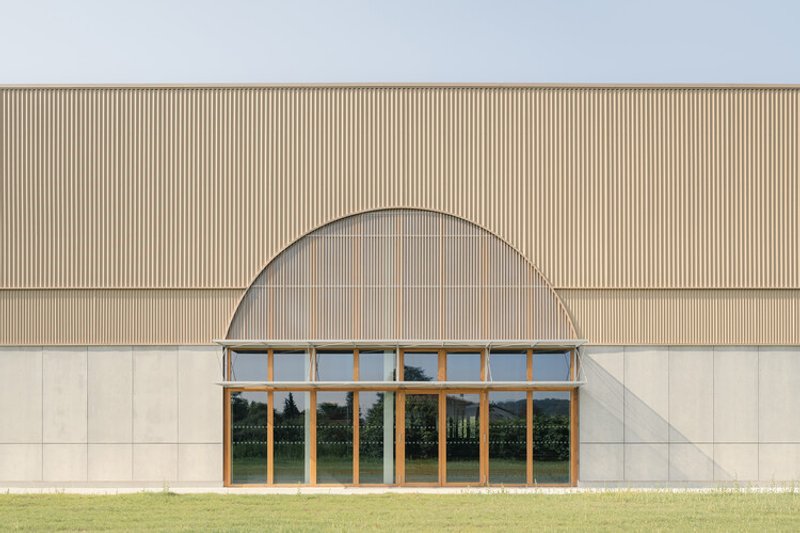
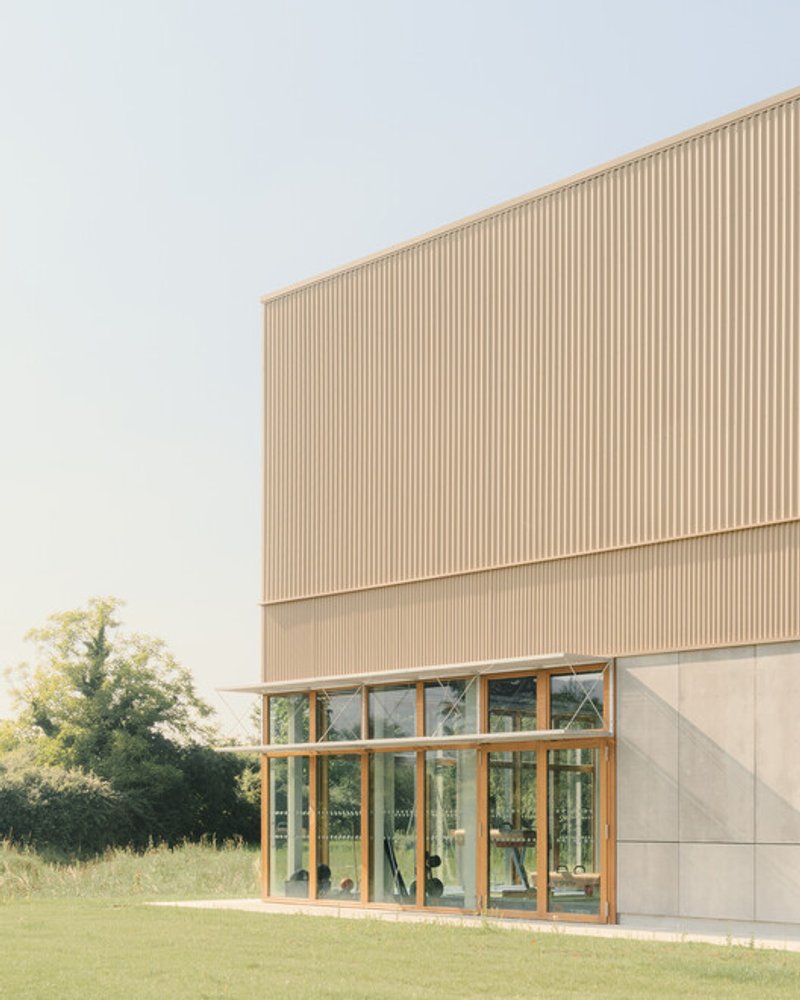
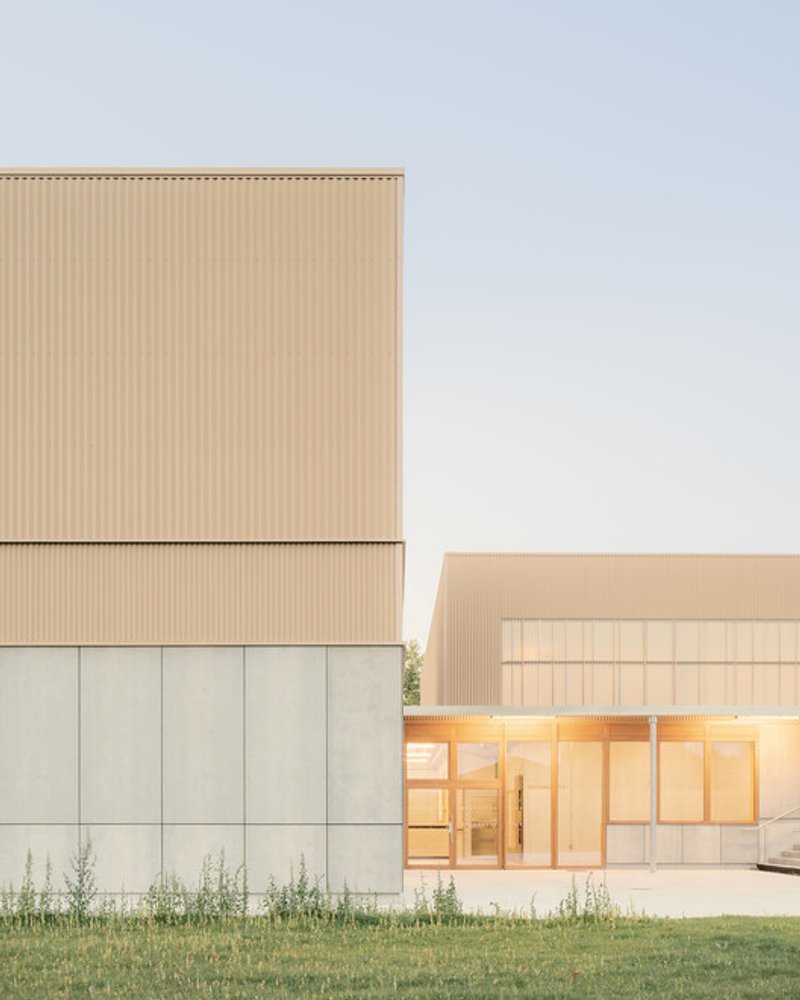
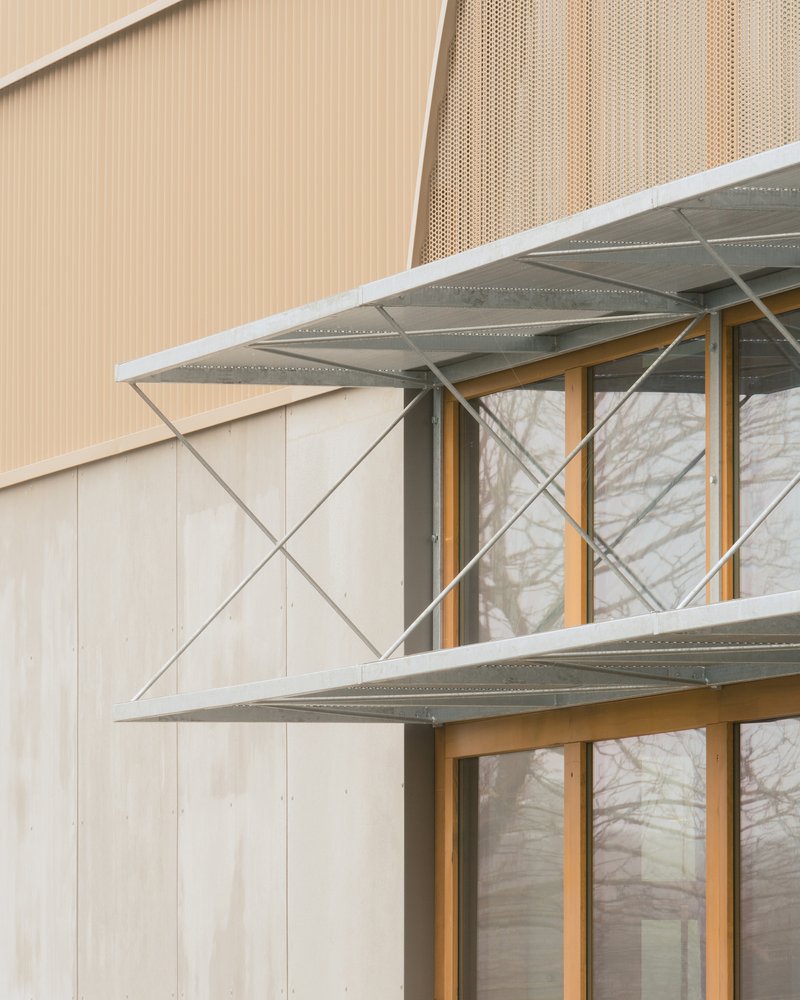
The original steel frames are preserved and visually unified by a new matte mocha-colored envelope. This refined cladding subtly references the golden stone architecture characteristic of the Monts d’Or region, grounding the project within its local context. The two main sports halls are streamlined through raised parapets that form a clean horizontal edge, concealing roof insulation and technical elements while reinforcing a cohesive volume.
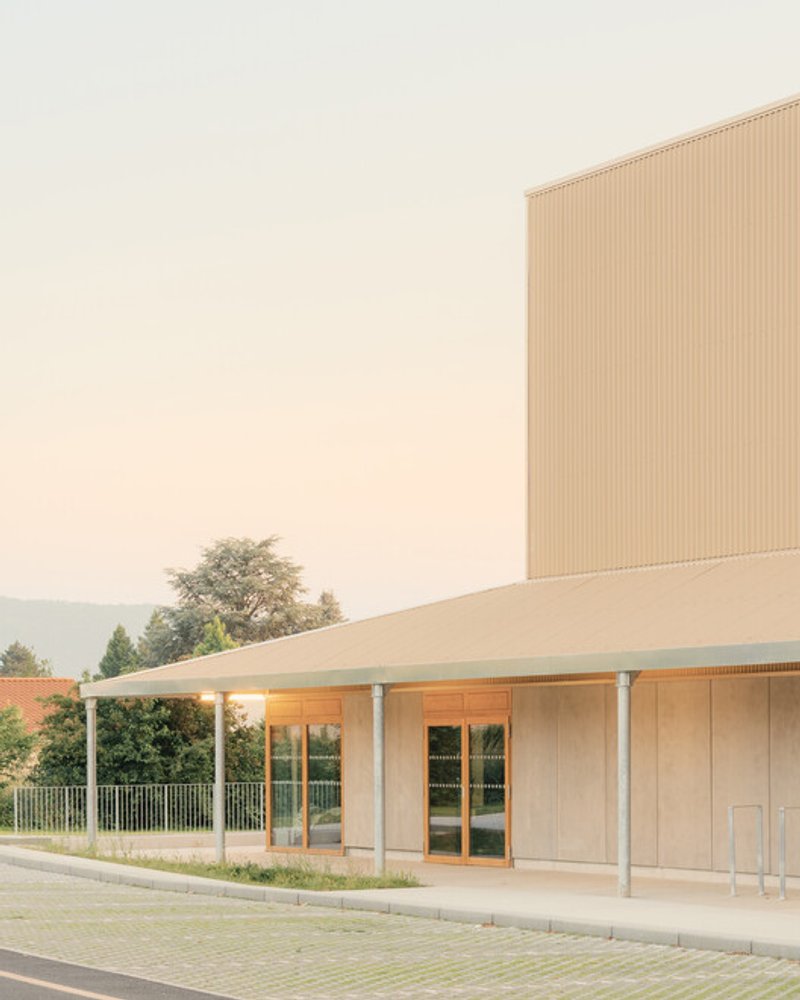
Complementing these high volumes are two lower structures housing technical spaces and services. Their gently sloping roofs establish a pedestrian-friendly scale, clearly mark the entrances, and soften the transition between the building and its surroundings.
Spatial Clarity and Reversibility
Internally, the project introduces clarity and flexibility through a reversible north, south layout. Although the two sports halls remain visually independent, they are now organized symmetrically around shared circulation spaces. To the north, the main hall connects directly to the school and outdoor sports grounds. To the south, a secondary hall accommodates competitions, spectators, and direct access to locker rooms. This dual orientation allows the complex to adapt easily to varied uses and operational needs.
Transparency, Openness, and Flow
A central ambition of the renovation was to open the building, both physically and visually. New transparent facades and carefully positioned visual corridors allow visitors to move fluidly through the complex from north to south, while also offering long views across the sports halls from east to west. These openings reconnect the interior activities with the surrounding public space, transforming sport into a visible, shared experience rather than a closed-off function.
Interior Identity Through Color and Material
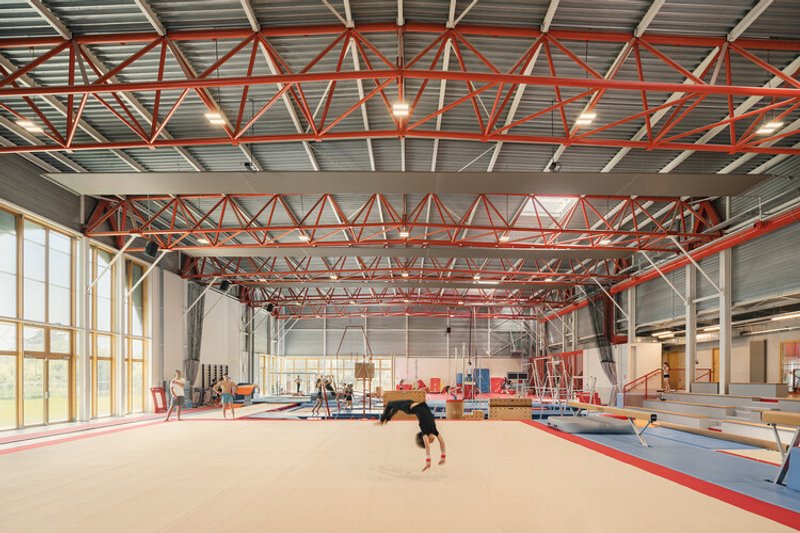
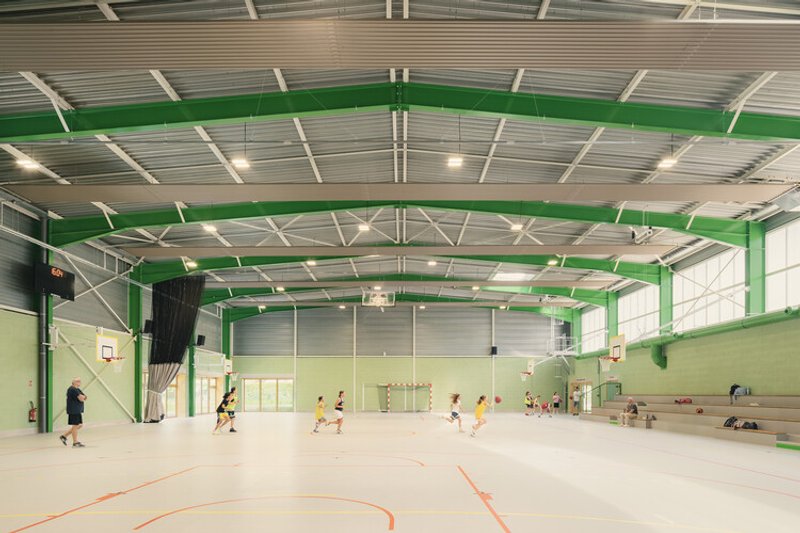
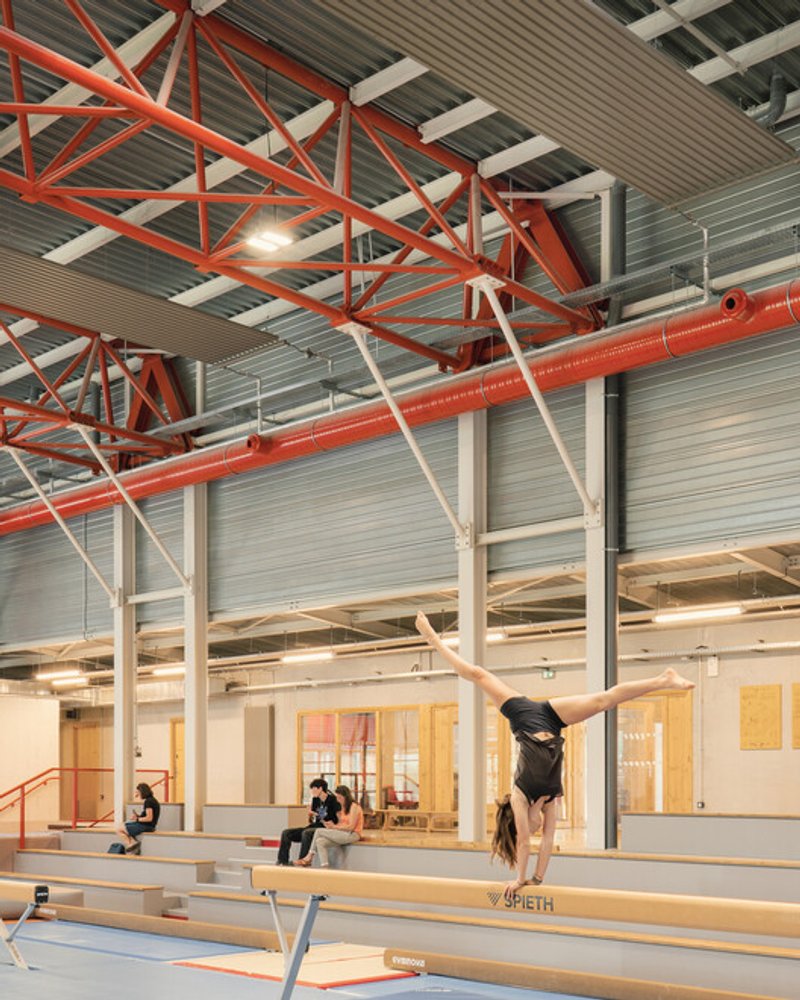
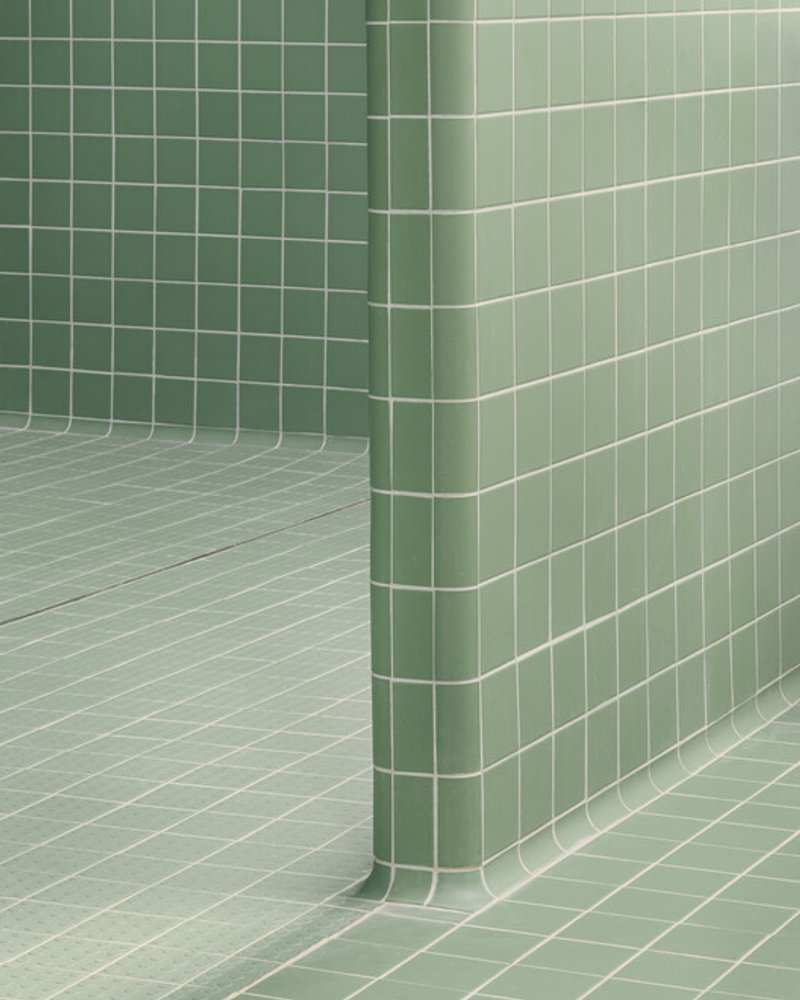
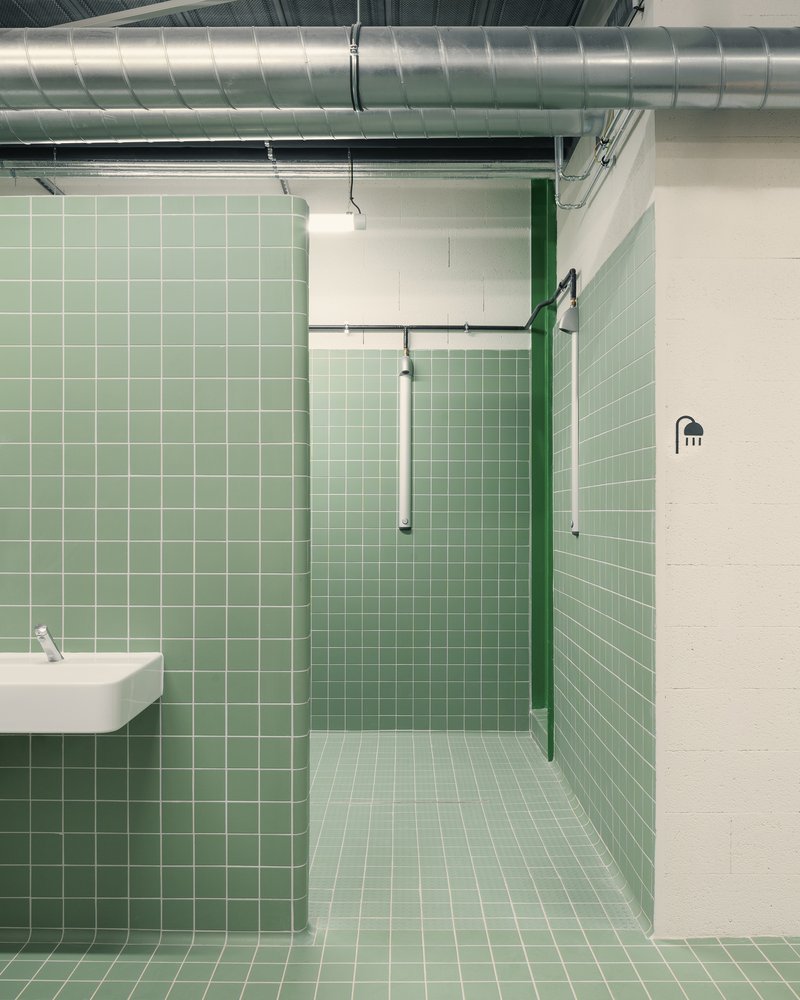
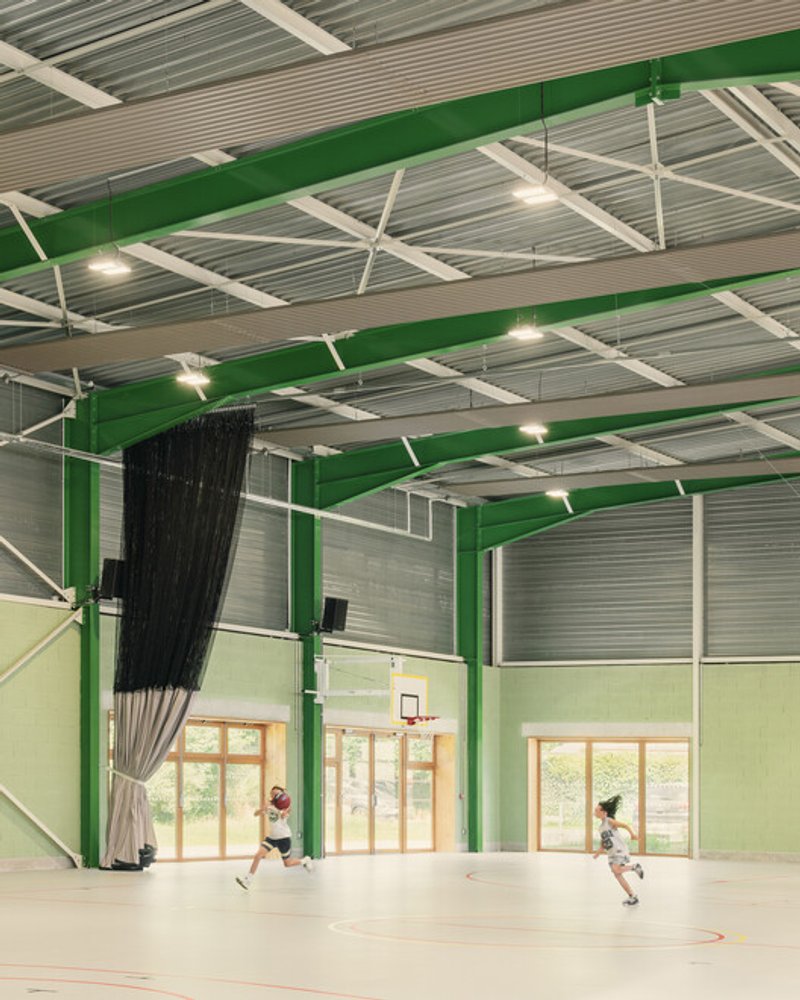
Inside, the once-cold industrial atmosphere is replaced with a vibrant yet controlled palette. Raw materials and galvanized steel are retained, but now balanced with bold color interventions. Exposed technical systems are no longer concealed; instead, they become expressive architectural elements. Each hall is defined by a distinct chromatic identity: red in the gymnasium, emphasizing the historic steel framework, and green in the multisport hall, forming a soft visual canopy that enhances spatial comfort and orientation.
A Contemporary Civic Sports Facility
The renovation of the Marie Paradis Sports Complex demonstrates how existing sports infrastructure can be thoughtfully transformed through adaptive reuse, material restraint, and spatial reorganization. The project not only improves functionality and accessibility but also repositions the building as a welcoming civic landmark: open, legible, and deeply embedded in everyday community life.
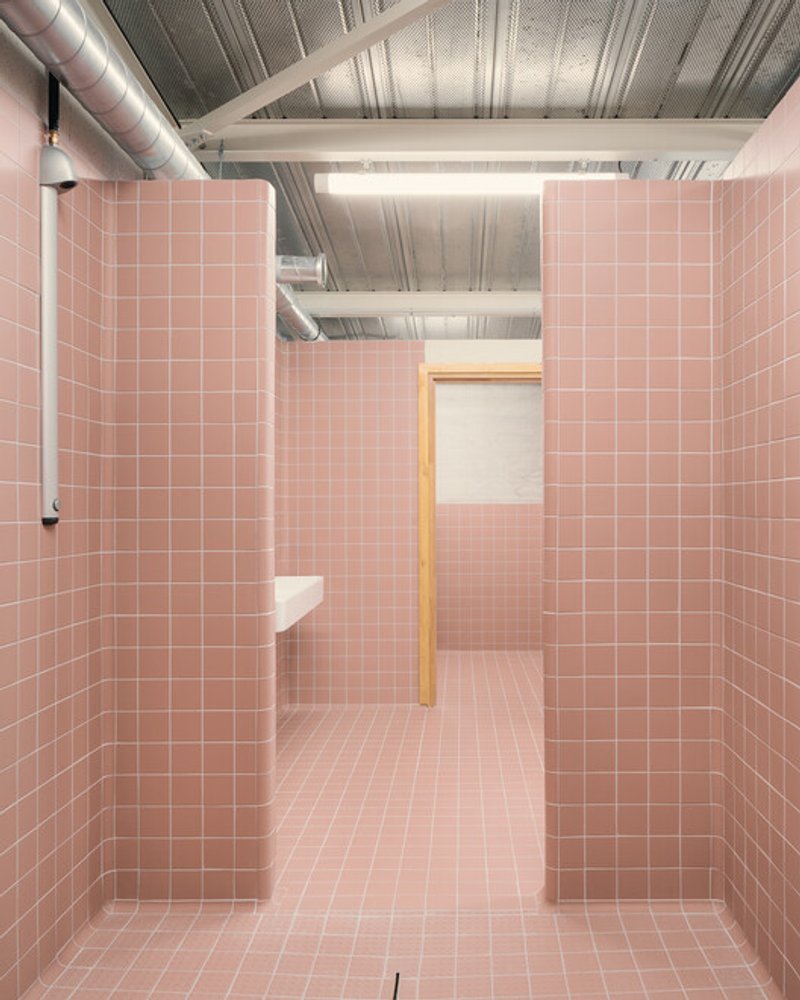
All the photographs are works of Vladimir de Mollerat du Jeu



Popular Articles
Popular articles from the community

Takeshi Hosaka Architects Suspends a Concrete Cross Above a Yokohama Cemetery
A 28-square-meter burial renovation in Yokohama lifts the symbol of resurrection into the sky so mourners see it against heaven.
RDTH architekti Rips Out Nearly Every Wall in a Prague Apartment and Replaces Them with Furniture
A 101-square-meter post-war flat in Prague trades rigid partitions for a single rotated furniture block, curtains, and glass concrete.
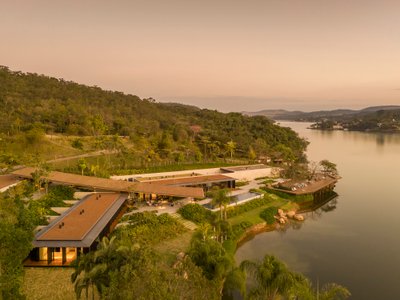
Bernardes Arquitetura Stretches a Timber Roof Along a Reservoir's Edge in Minas Gerais
Dam House in Itaúna lets a sweeping wooden canopy dissolve the boundary between hillside terrain and open water.

20 Most Popular Office Building Projects of 2025
From biophilic workspaces in India to net-positive energy offices in New Delhi, 20 office building projects that defined architecture in 2025.

Similar Reads
You might also enjoy these articles
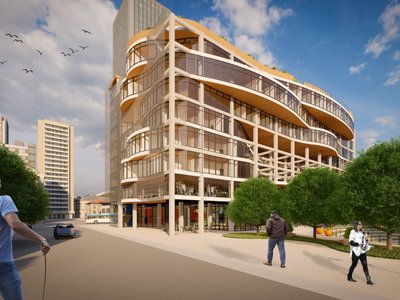
Olio Towers: A Mid-Rise for Performers That Fuses Housing, Rehearsal, and Stage
Located blocks from Houston's Theater District, this modular tower stacks living units around a central performance atrium.
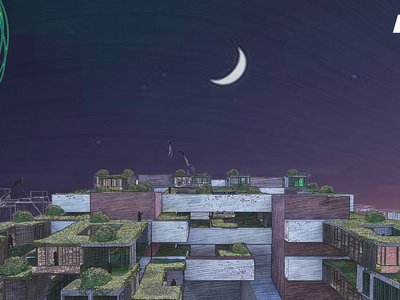
Oasis: Modular Green Housing Carved into Dhaka's Urban Fabric
A shortlisted Plugin Housing entry reclaims unauthorized settlements in Dhaka with stepped concrete volumes, green roofs, and ventilation-driven design.

Black Hole: A Floating Megastructure for the Post-Physical Era
Emiliano Mazzarotto envisions a spherical, self-scaling arena where e-sports, digital hotels, and holographic stadiums replace traditional public space.
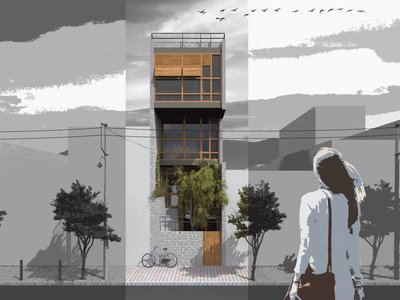
Compact & Sustainable Living in Piraeus: A Four-Level Family Home Built Around Light and Air
A narrow townhouse in one of Greece's densest port cities uses a central atrium and passive strategies to house three generations under one roof.
Explore Architecture Competitions
Discover active competitions in this discipline




The International Standard for Design Portfolios


The Global Benchmark for Architecture Dissertation Awards


The Global Benchmark for Graduation Excellence

Challenge to design a barrier free sports center
Comments (0)
Please login or sign up to add comments
No comments yet. Be the first to comment!