
Maringá House: Stone, Concrete, and Landscape in Rural Paraná
Rural Brazilian residence combining cyclopean stone walls, concrete slabs, glass living spaces, and sliding timber panels overlooking landscape.


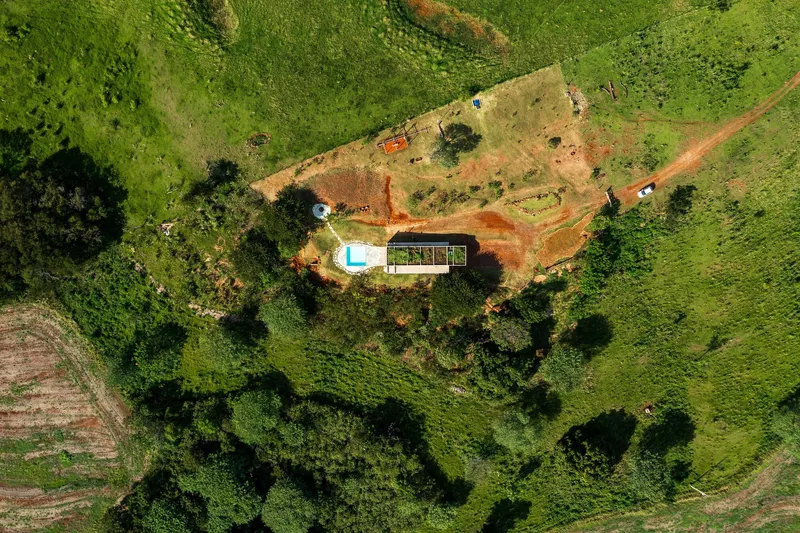
Located in the countryside of Maringá, in the interior of Paraná, Maringá House was conceived as the primary residence for a writer seeking retreat, focus, and immersion in nature. Designed by Brasil Arquitetura, the project emphasizes social spaces and leisure areas while maintaining a restrained and clear program.
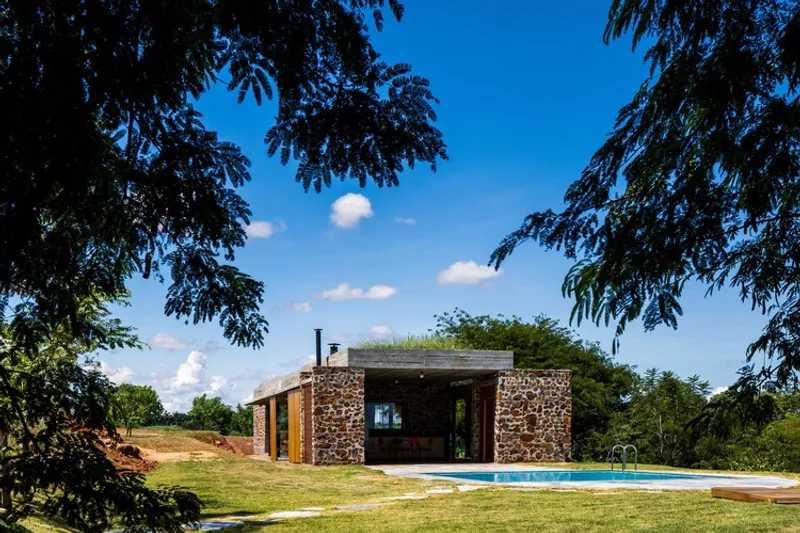
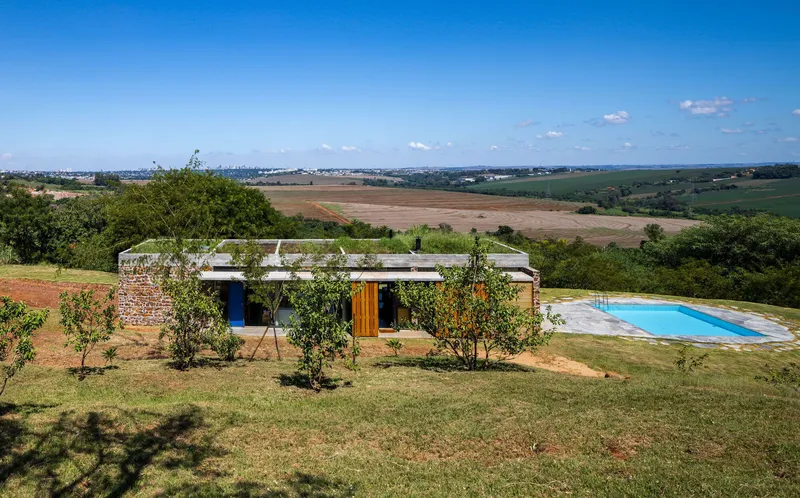
Set within a rural context, the house responds to the expansive landscape through strong material presence and openness. Its architectural language combines permanence and lightness, grounded in stone and concrete, yet softened by glass and timber.

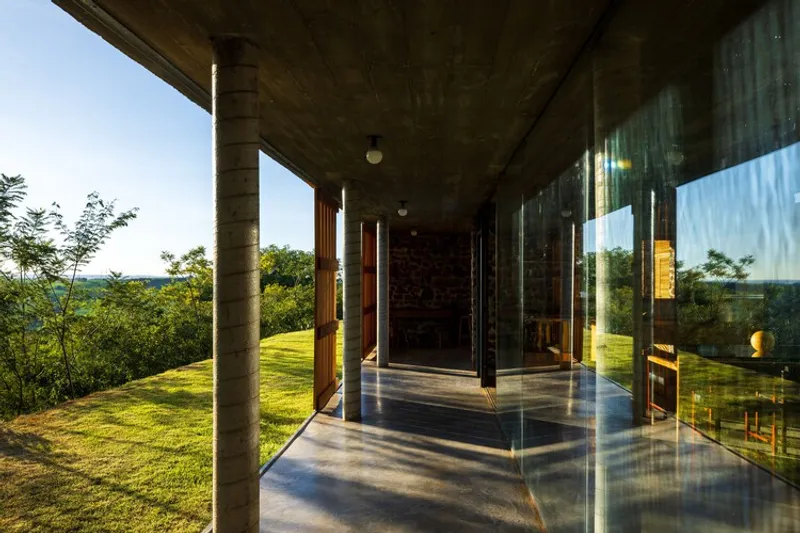
Structure Rooted in the Site
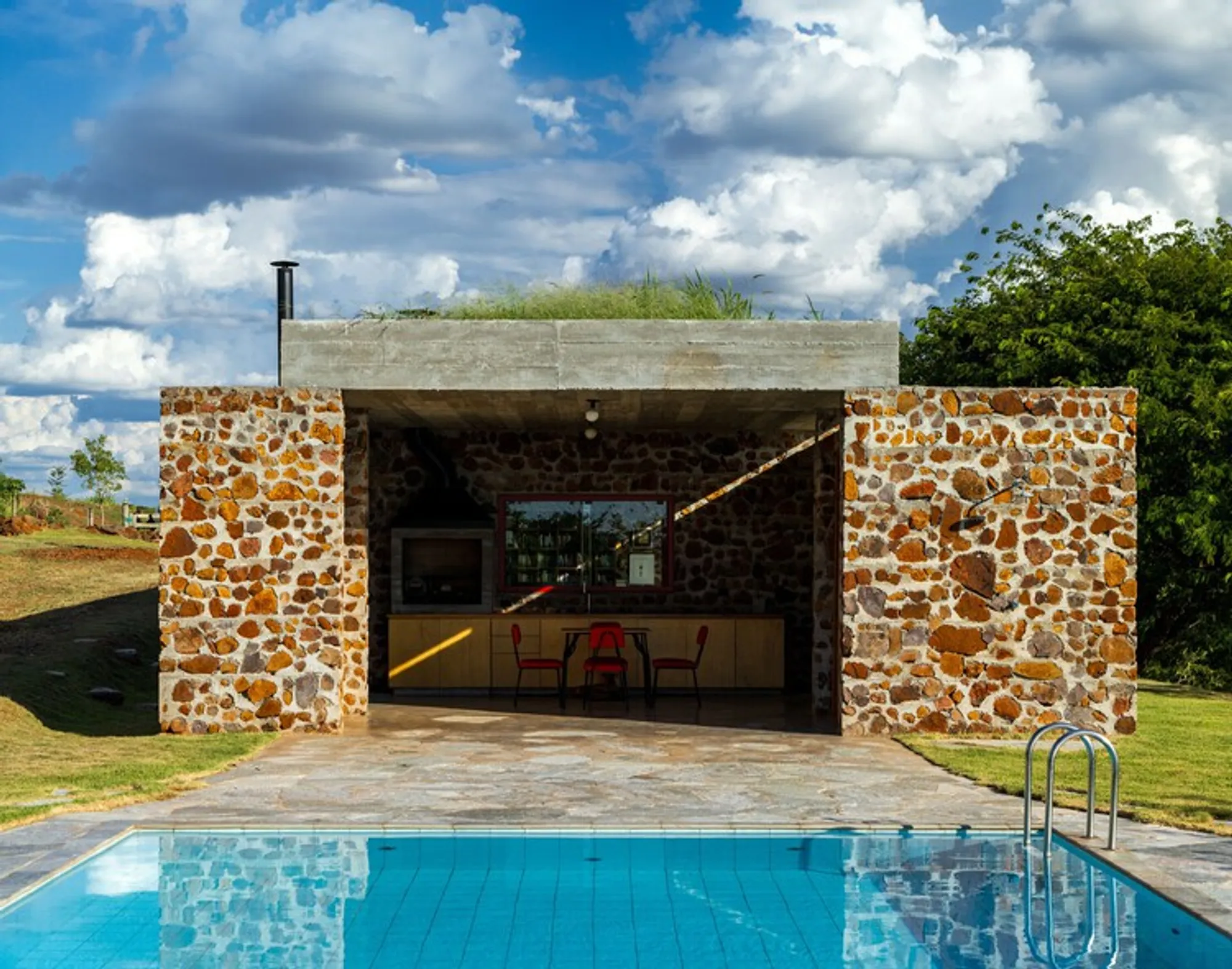
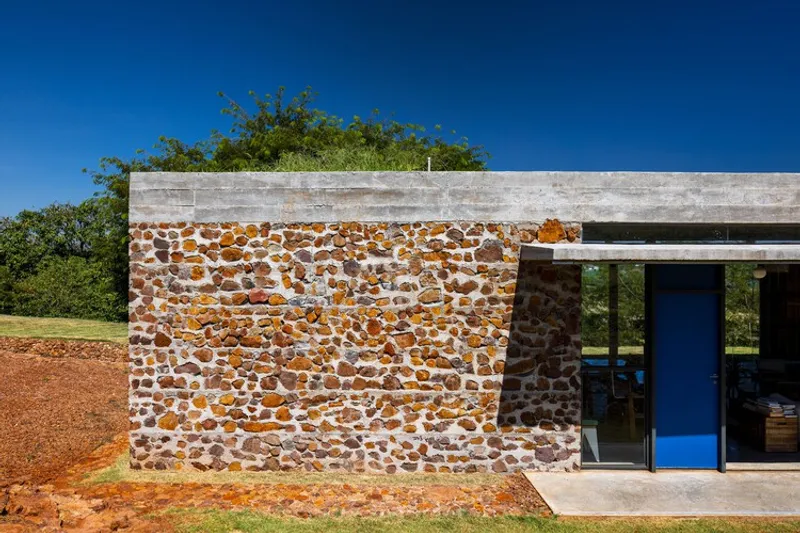
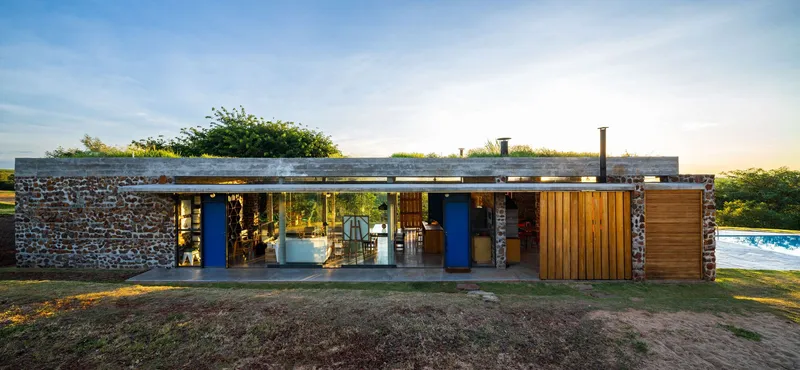
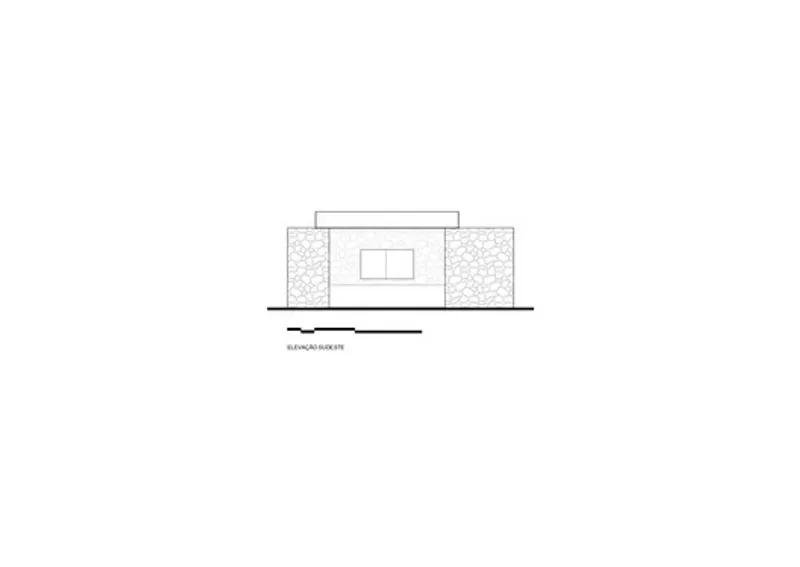
The house is defined by a robust structural system composed of reinforced concrete slabs supported by concrete pillars and cyclopean concrete walls. The latter are constructed using stones extracted directly from the site, embedding the building materially and symbolically into its terrain.
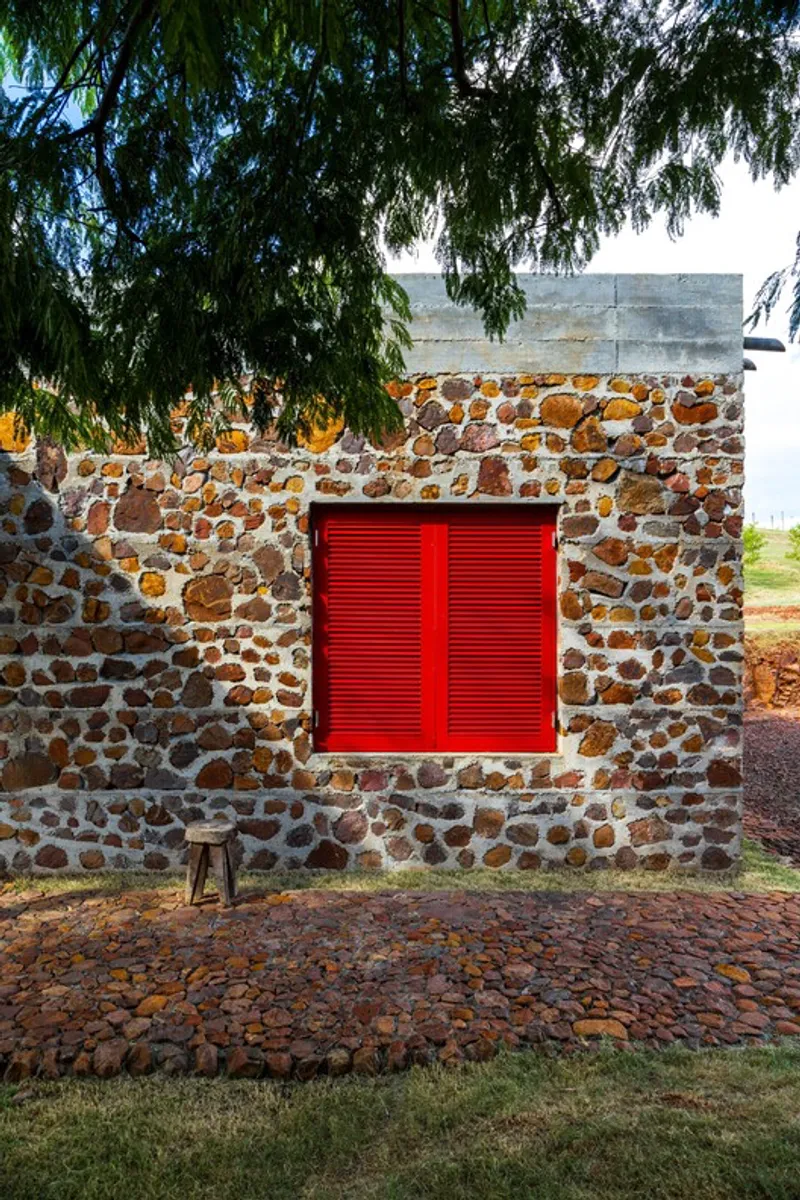
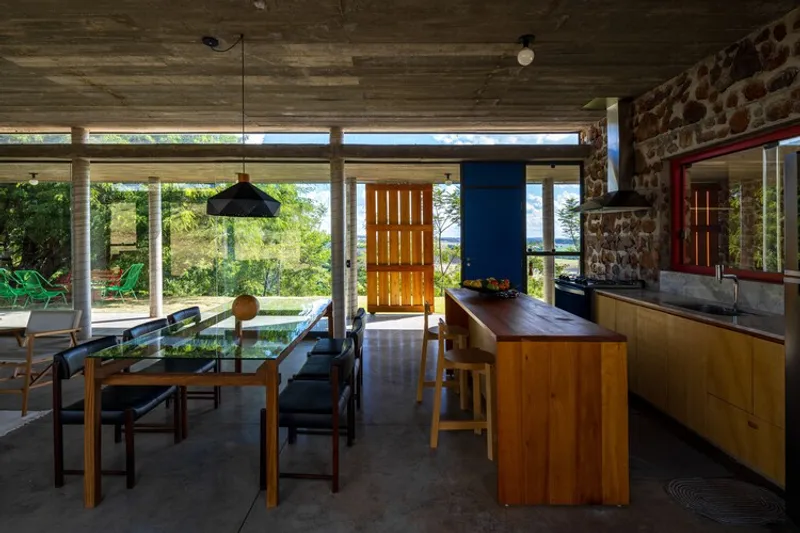
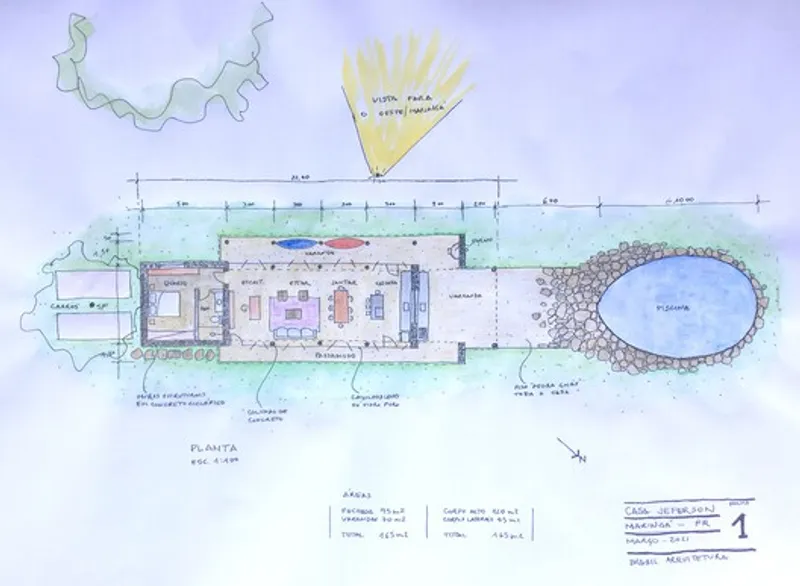
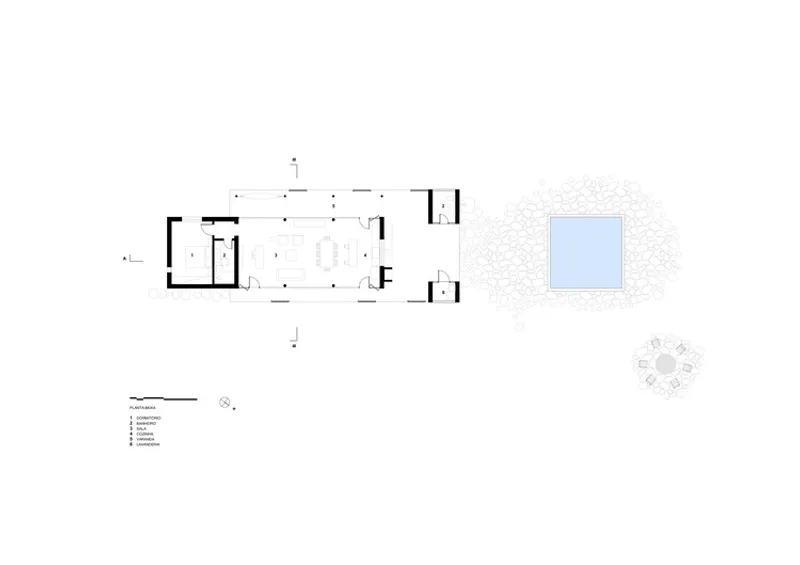
These stone walls form distinct “boxes” that contain the more intimate areas of the house, including bedrooms and service spaces. Their mass provides thermal stability and privacy, reinforcing the idea of shelter carved from the land.
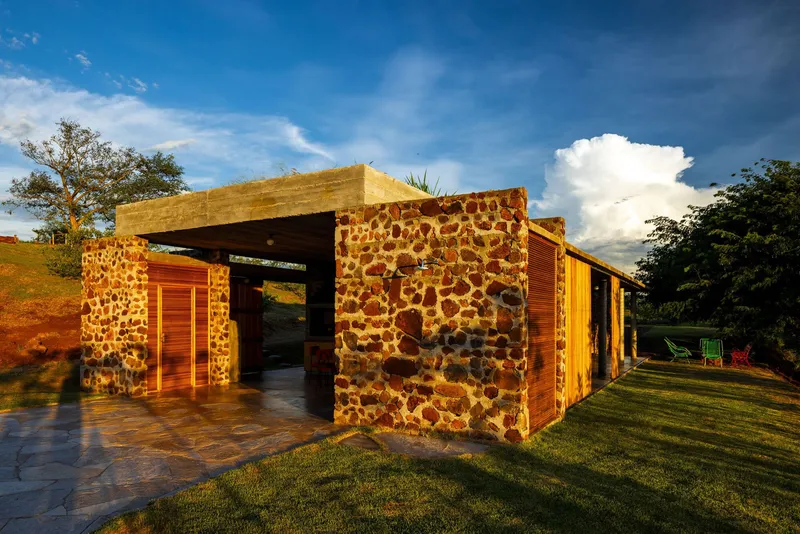
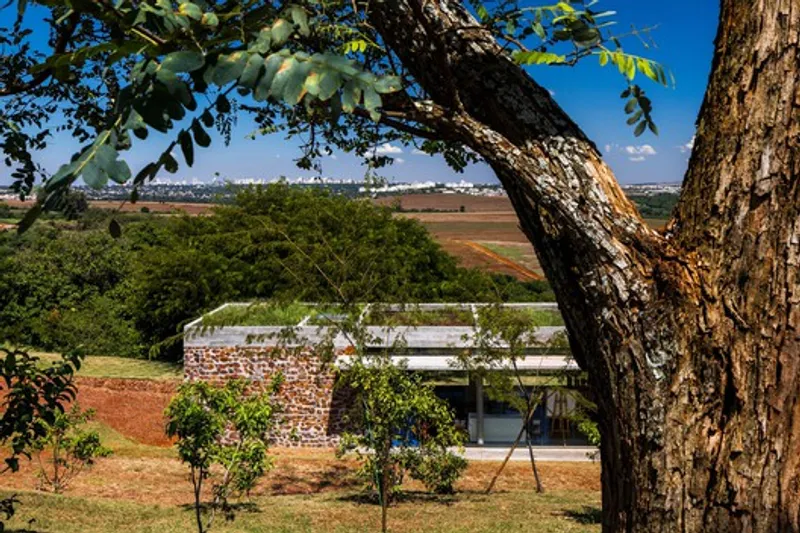
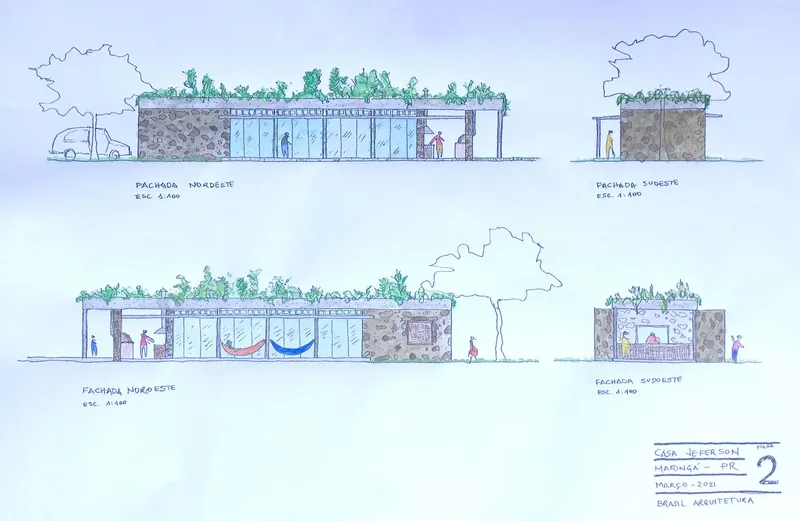
Above, a large concrete slab incorporates a garden roof, utilizing waterproofing techniques refined in previous projects by the office. This elevated garden enhances insulation and integrates the architecture with the surrounding greenery.
Transparency and Social Integration
In contrast to the solidity of the stone volumes, the living room and kitchen are enclosed in glass. These transparent spaces open fully onto a generous balcony, establishing a continuous dialogue with the landscape.
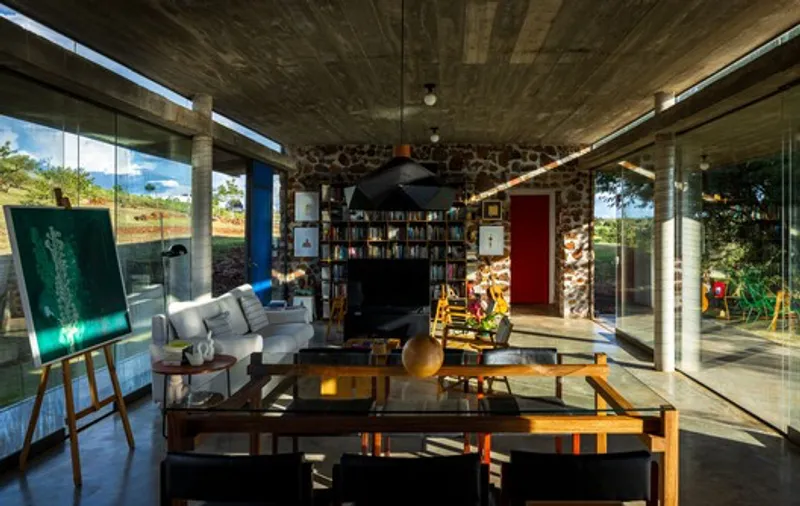
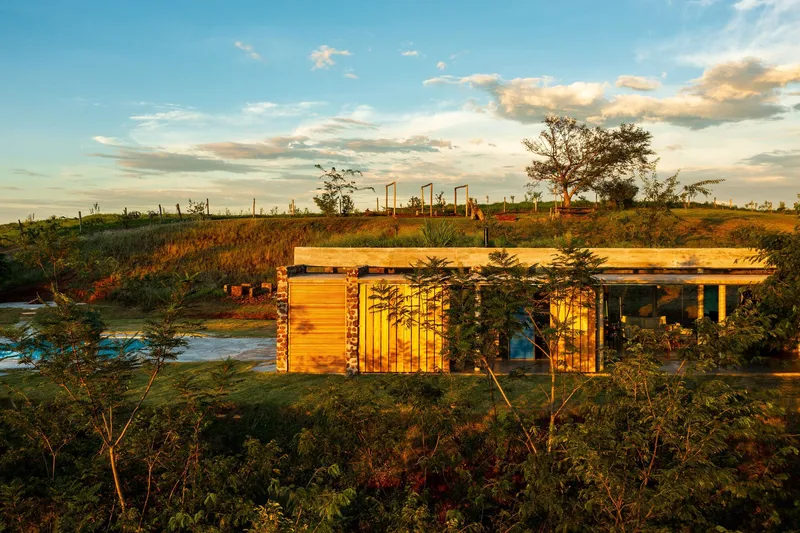
The balcony acts as an intermediary threshold, neither fully interior nor exterior, allowing daily life to unfold in close proximity to nature. This integration reflects the client’s desire for openness, contemplation, and communal gathering.

Sliding wooden panels articulate the façade, providing adjustable shading and privacy. Their rhythmic movement adds a dynamic layer to the otherwise monolithic composition, balancing heaviness with permeability.
Material Dialogue: Stone, Concrete, Wood
Materiality plays a central role in the project’s identity. The rough texture of cyclopean concrete contrasts with the smooth surfaces of reinforced slabs. Warm timber elements, visible in sliding panels and interior detailing, introduce tactility and comfort.
This interplay between raw and refined materials creates a house that feels both grounded and contemporary. The architecture does not compete with the rural setting; instead, it amplifies its qualities through thoughtful composition and material restraint.
Architecture for Contemplation
Maringá House is a study in clarity and permanence. Its spatial organization, solid cores paired with open, glazed living areas, offers both introspection and expansive views. Designed as a writer’s home, the project balances solitude with sociability, structure with landscape.
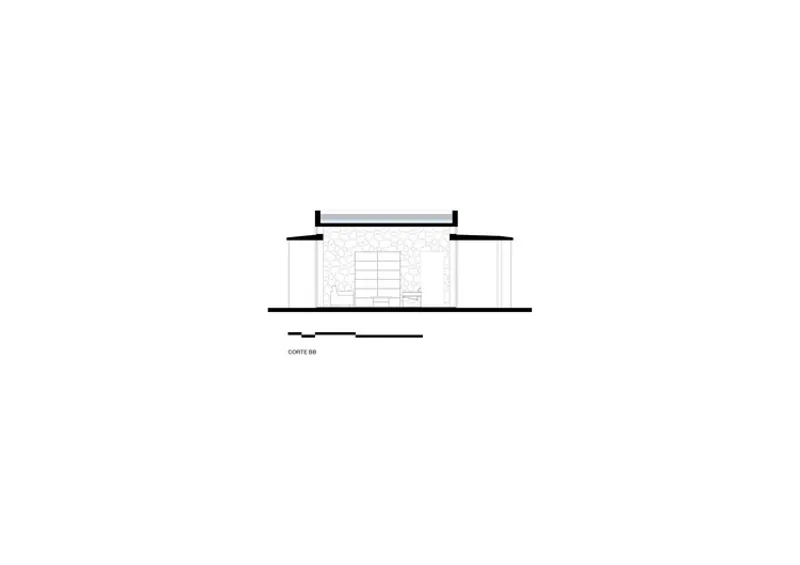
Through its careful use of site-sourced materials, reinforced concrete, and adaptable shading systems, Brasil Arquiteturacrafts a residence that is simultaneously rooted, functional, and poetically attuned to its environment.
All the Photographs are works of Manuel Sá



Popular Articles
Popular articles from the community


Conexión: Biophilic Design Reimagines High-Rise Living in Hong Kong
Conexión reimagines high-rise living in Hong Kong through biophilic design, green facades, shared spaces, daylight, water and nature within.

The Earth Pod: 3D Printed Homes for Resilient Refugee Communities
The Earth Pod reimagines refugee housing through 3D printed homes made from clay, combining resilience, self-sufficiency, and rapid shelter.

AL-JANNAH: Sustainable Architecture and Permaculture for Afghan Widows
AL-JANNAH uses sustainable architecture and permaculture to create resilient oasis of housing, learning, work and renewal for Afghan widows.

Co-Life: Senior Housing Design That Reconnects Older Adults With the City
Co-Life reimagines senior housing design through healing gardens, shared streets, workshops, and a sustainable community across generations.


Similar Reads
You might also enjoy these articles

FAMM Arquitectura Organizes Ten Villas Around Courtyards and Jungle in Nosara, Costa Rica
El Molino pairs two elongated volumes with deep overhangs and timber louvers to build a compact coastal community five minutes from the beach.
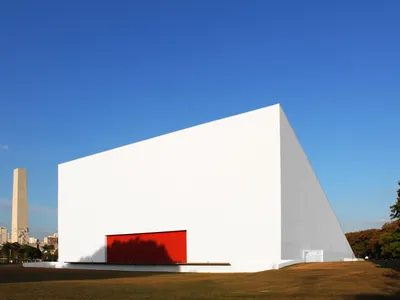
Oscar Niemeyer's Ibirapuera Park Pavilions Define São Paulo's Cultural Identity in Concrete and Curve
A constellation of modernist volumes set within São Paulo's most important urban park, conceived for the city's 400th anniversary in 1954.
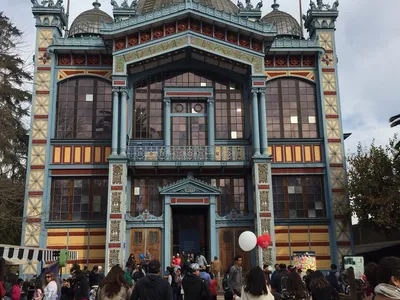
How Henri Picq's 1889 Paris Pavilion Traveled 11,000 Kilometers to Become Santiago's Artequín Museum
A prefabricated iron and glass pavilion built for the Paris Universal Exposition found a second life as a children's art museum in Chile.
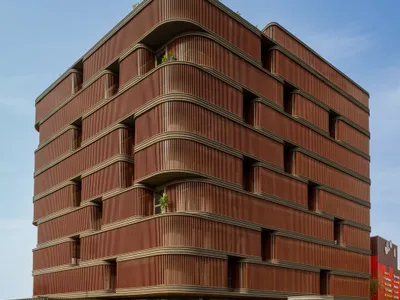
Sanjay Puri Architects Wraps a Jaipur Office Tower in Capsule-Shaped Green Buffers
A nine-level climate-responsive workplace near Jaipur Airport uses stacked planter terraces and aluminium screens to fight 40°C heat.

Explore Architecture Competitions
Discover active competitions in this discipline



Challenge to reimagine the Iron Throne


Photograph architecture without architects


Illustrate the lost glory of Angkor Wat - Render Challenge


Design challenge to reuse E-waste
Comments (0)
Please login or sign up to add comments
No comments yet. Be the first to comment!