

Mill Renovation and Winery Construction by Carmen Maurice Architecture: A Contemporary Revival of Rural Heritage
Mill Renovation and Winery Construction by Carmen Maurice Architecture blends historic mill restoration with contemporary winery design, harmonizing functionality, landscape, and visitor experience.


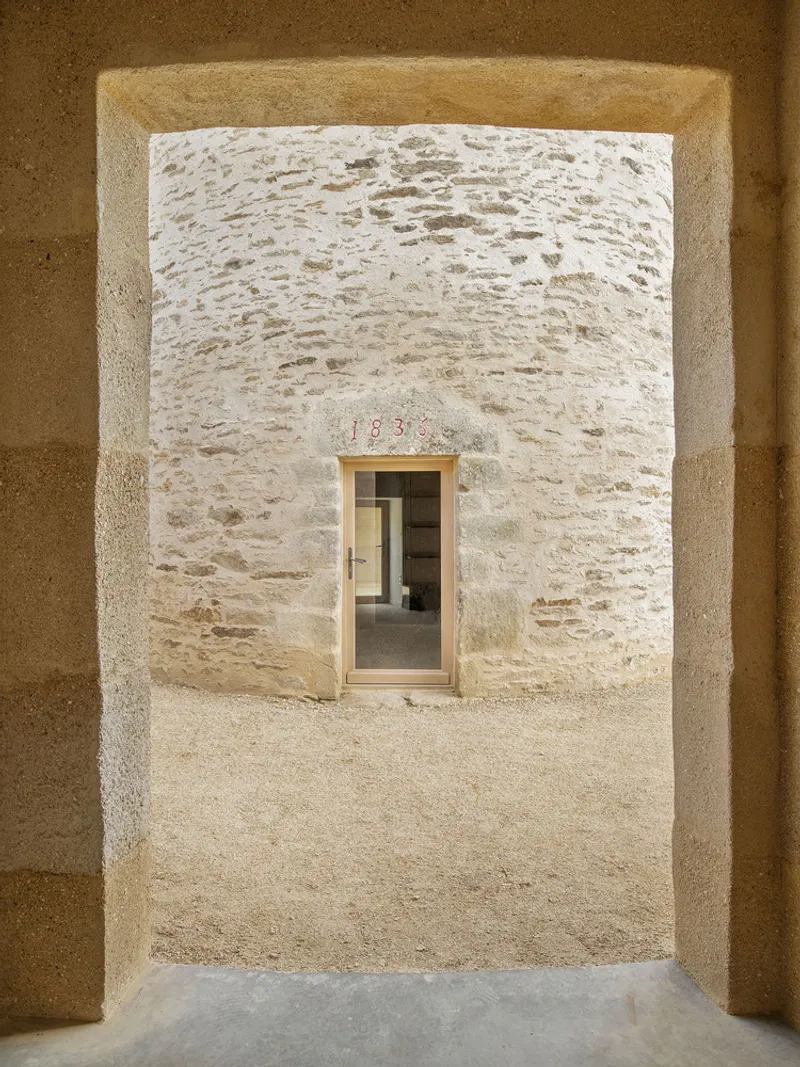
The Mill Renovation and Winery Construction project by Carmen Maurice Architecture reimagines a historic mill along the iconic “Three Mills” road in Sarzeau, France. Surrounded today by six hectares of newly established vineyards, the restored mill stands as a beacon within a transformed agricultural landscape. With only a limited buildable footprint available, the design places the new winery in close dialogue with the existing mill, forming a unified architectural ensemble rooted in context, history, and contemporary winemaking needs.
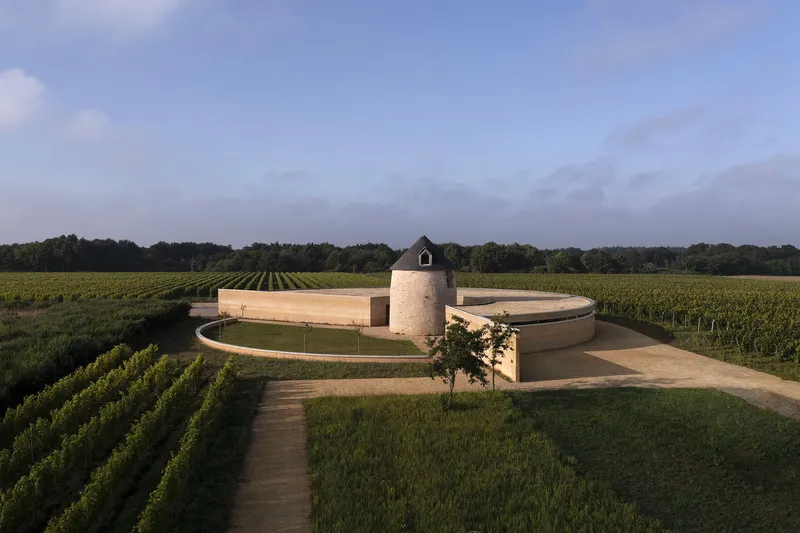
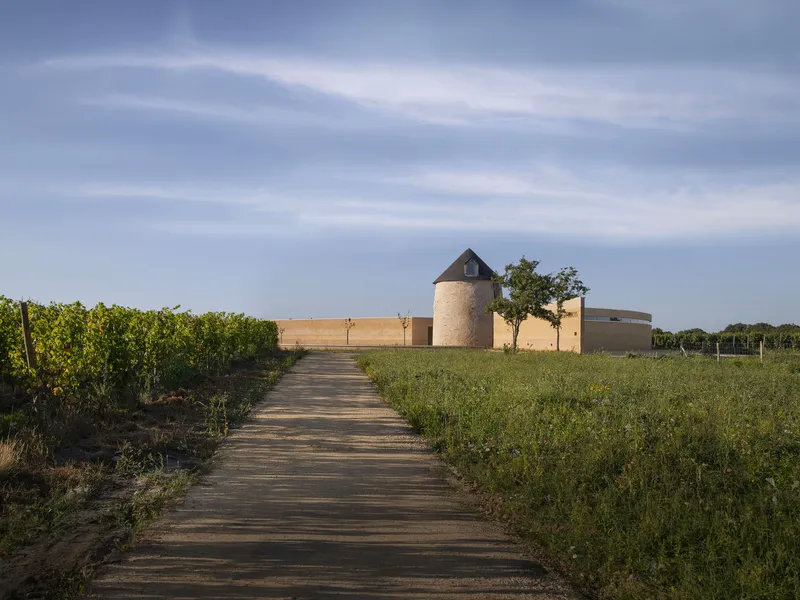
Commissioned by the municipality of Sarzeau, the project responds to three key ambitions: to provide winemakers with efficient, purpose-built facilities, to ensure a sensitive architectural integration that preserves the mill’s rural identity, and to create a cultural destination that connects visitors to the site’s agricultural heritage. Through this approach, the mill becomes both a functional anchor for viticulture and a public interface for community engagement, tastings, and events.
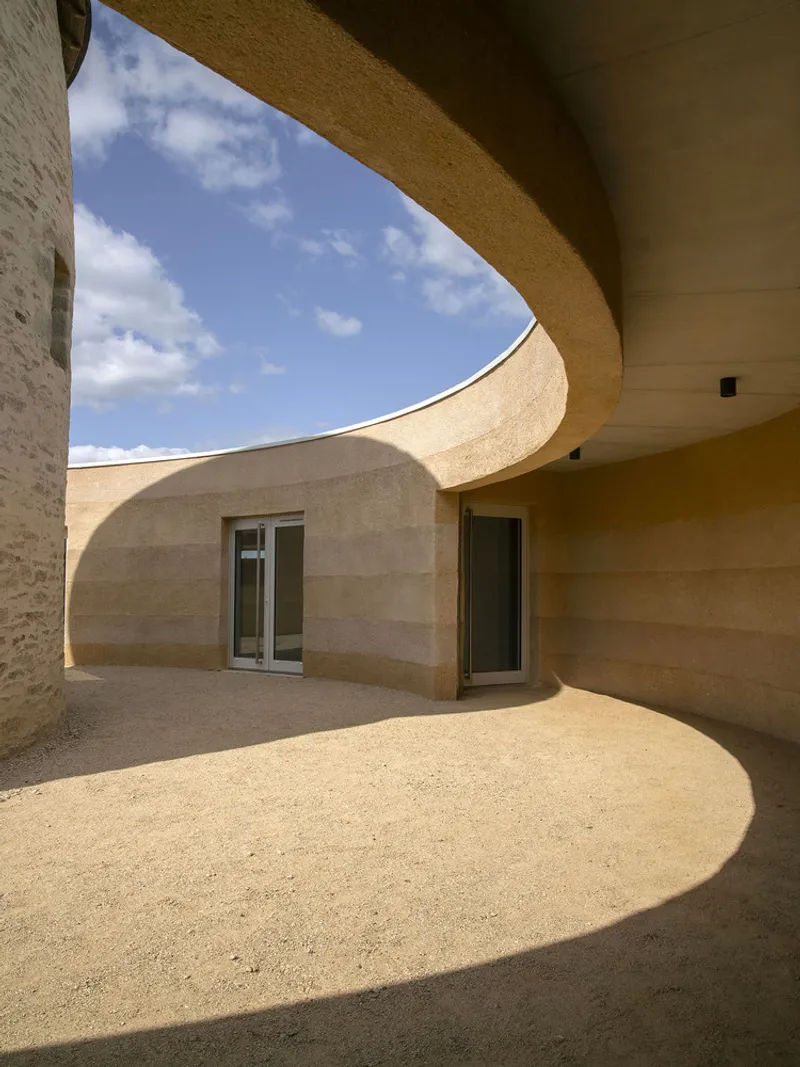
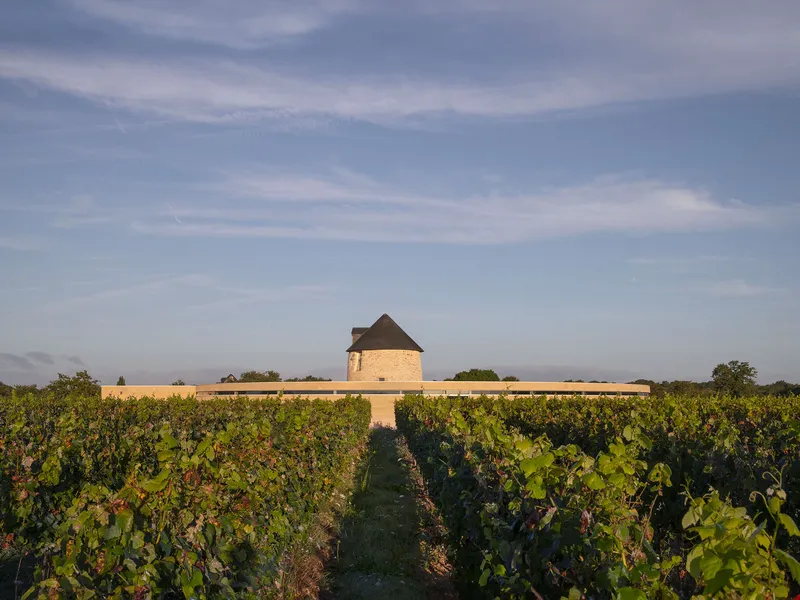
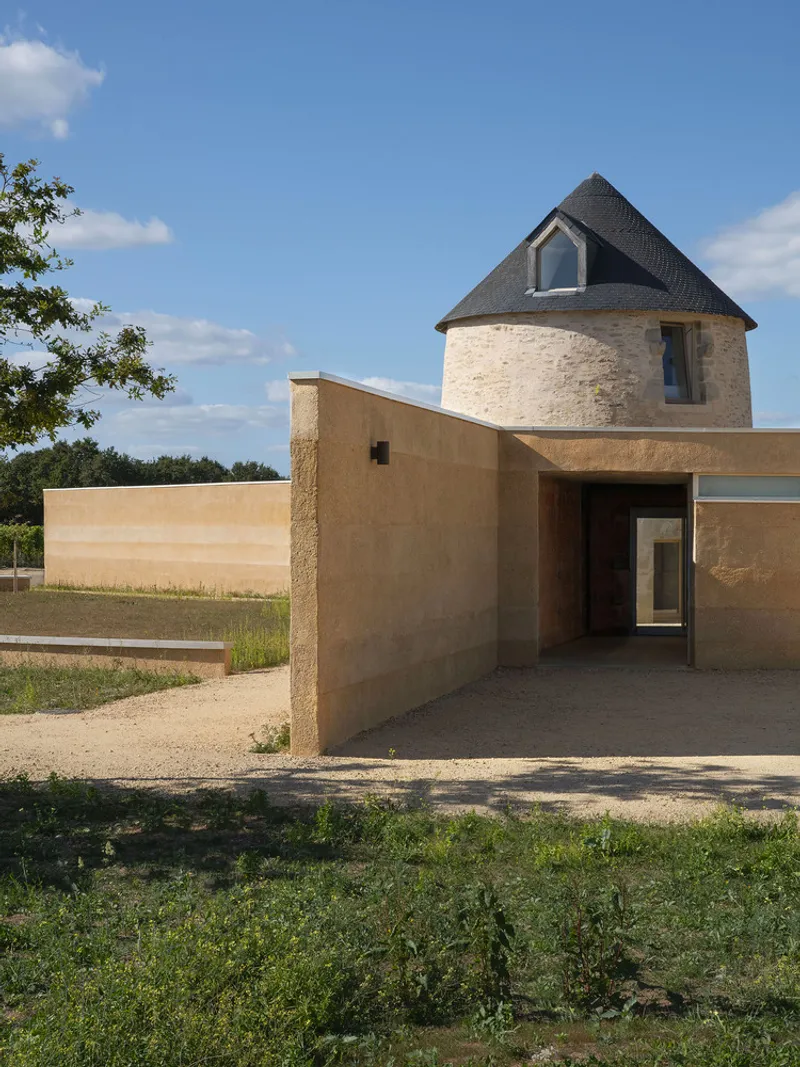
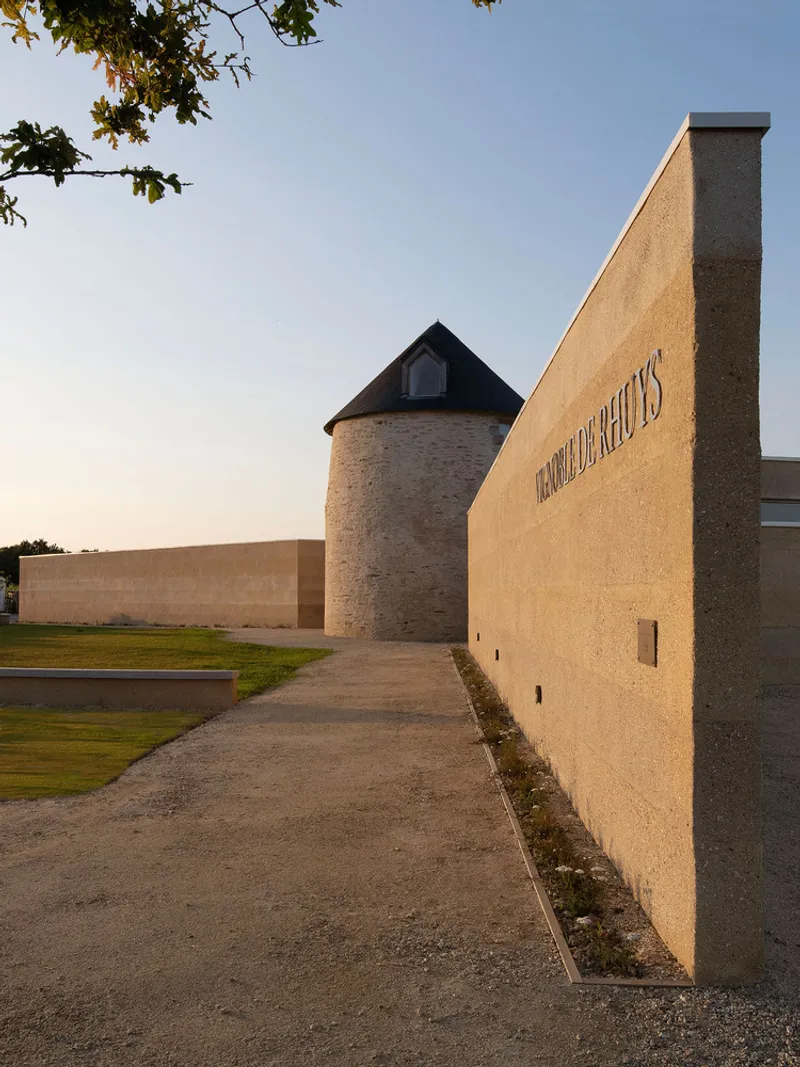
At the heart of the concept lies a semi-buried circular structure embracing the renovated mill. This gesture reinforces the symbolic centrality of the historic structure, creating a protective architectural “base” that embodies the quiet, controlled environment required for winemaking. To the east, the building’s enclosed façade conceals technical operations. Crafted with restraint and simplicity, it blends into the terrain while supporting the winemakers’ daily workflow. To the west, however, the architecture opens generously to the landscape. Two angled wings guide visitors toward a planted courtyard, framing vistas of the neighboring mills and inviting guests to experience the site as a cultural and sensorial destination.
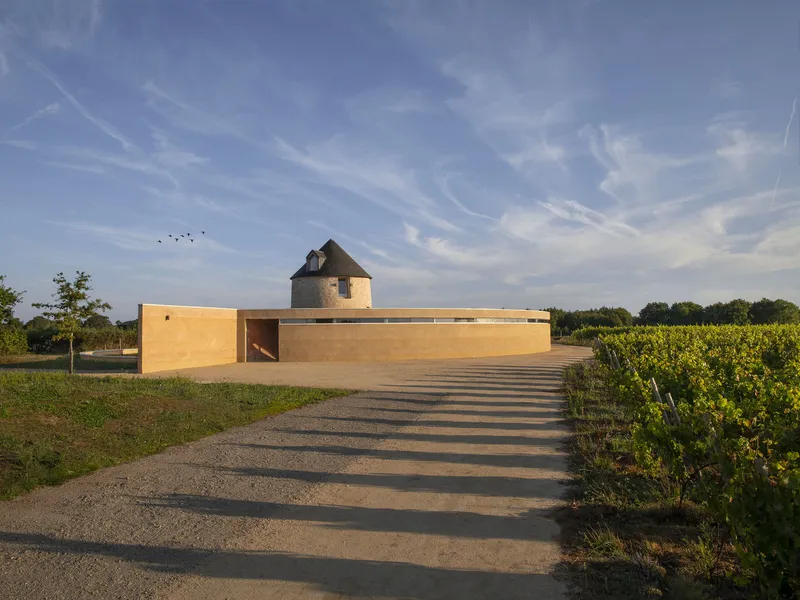
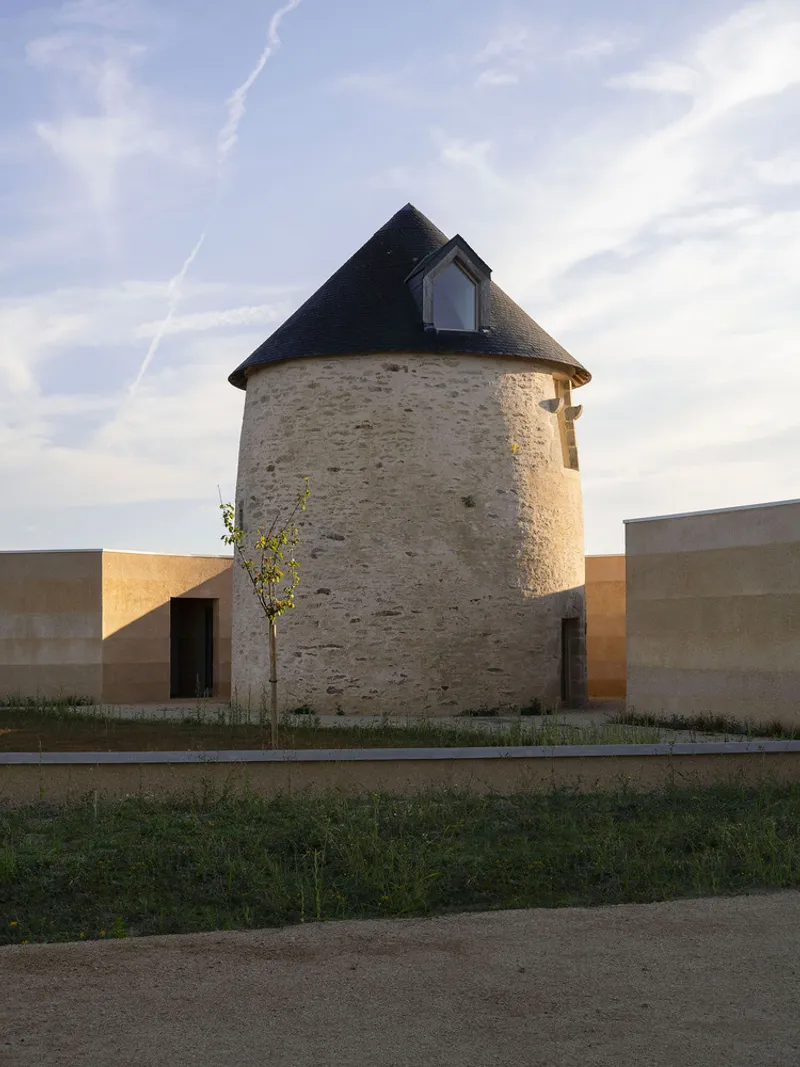
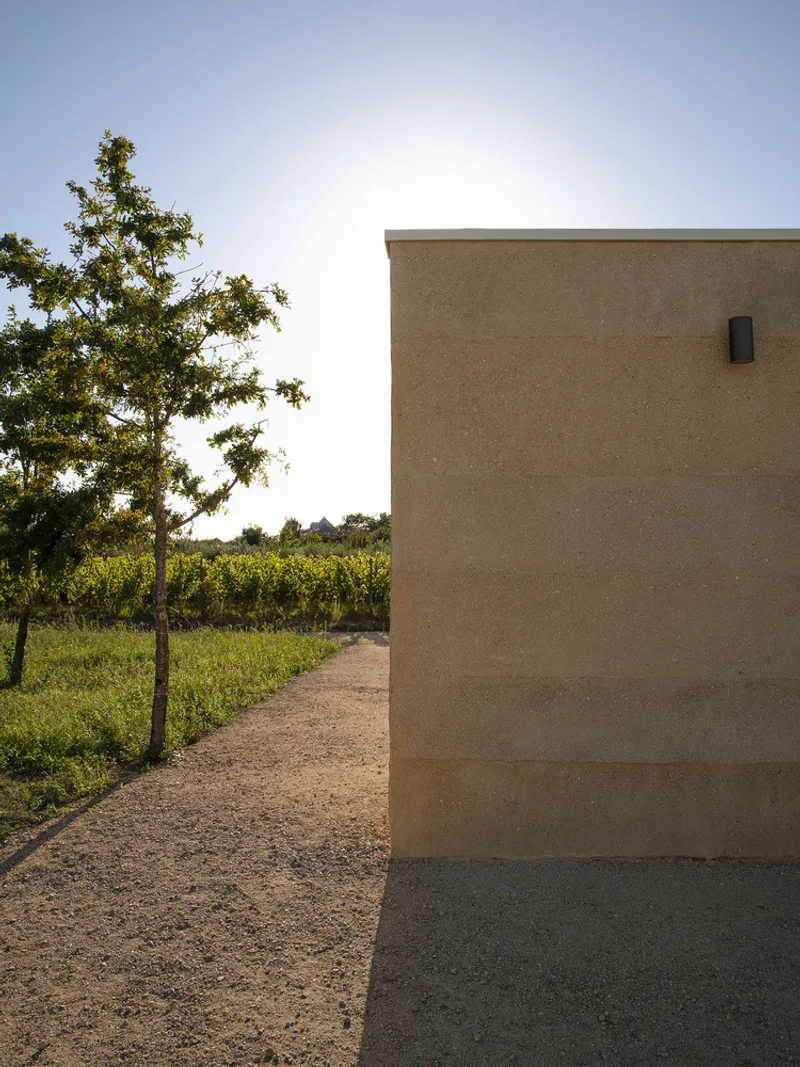
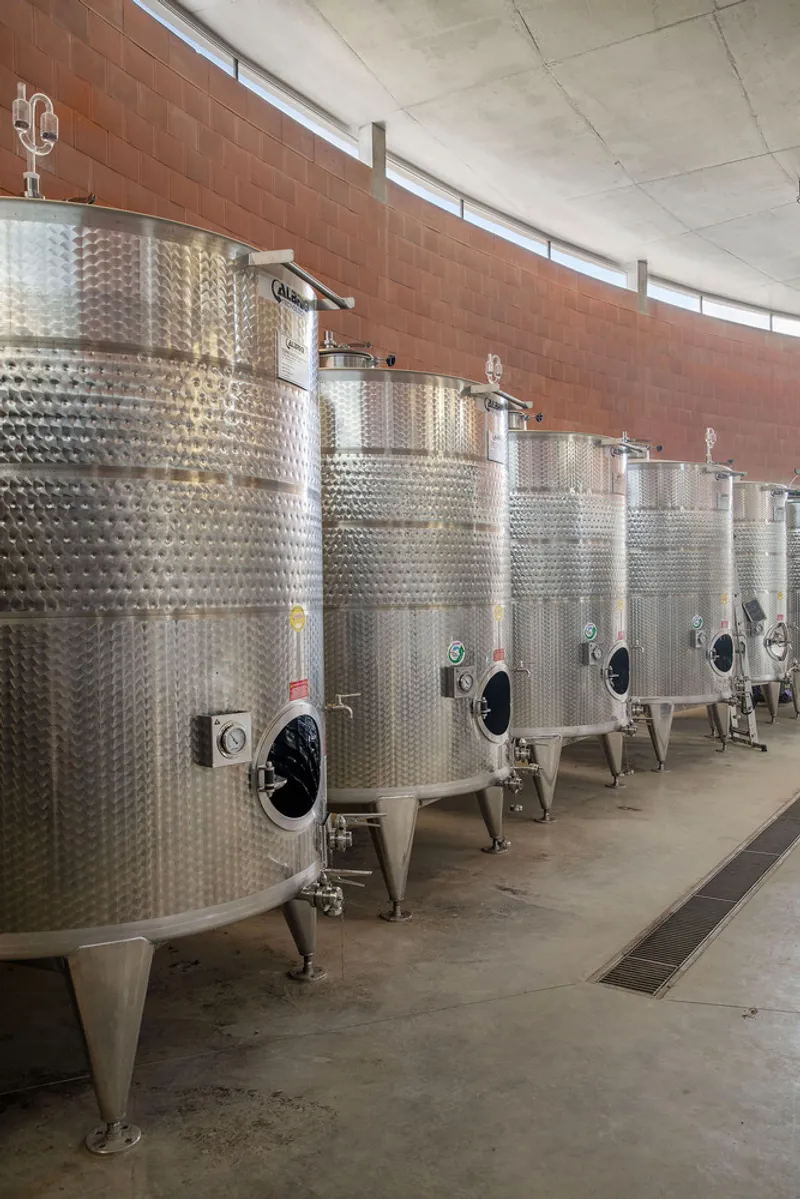
The duality of production and hospitality is also visible in the contrasting materiality of the interior and exterior. Inside, the winery reveals its industrial character: exposed brick, visible mechanical networks, raw concrete surfaces, and an honest expression of function. Outside, the façade takes on a more artisanal and site-specific identity. A custom-developed plaster integrates crushed shells, subtly referencing the region’s coastline and anchoring the project within its maritime context. The interplay between rustic heritage and material innovation strengthens the narrative of a contemporary rural landmark.
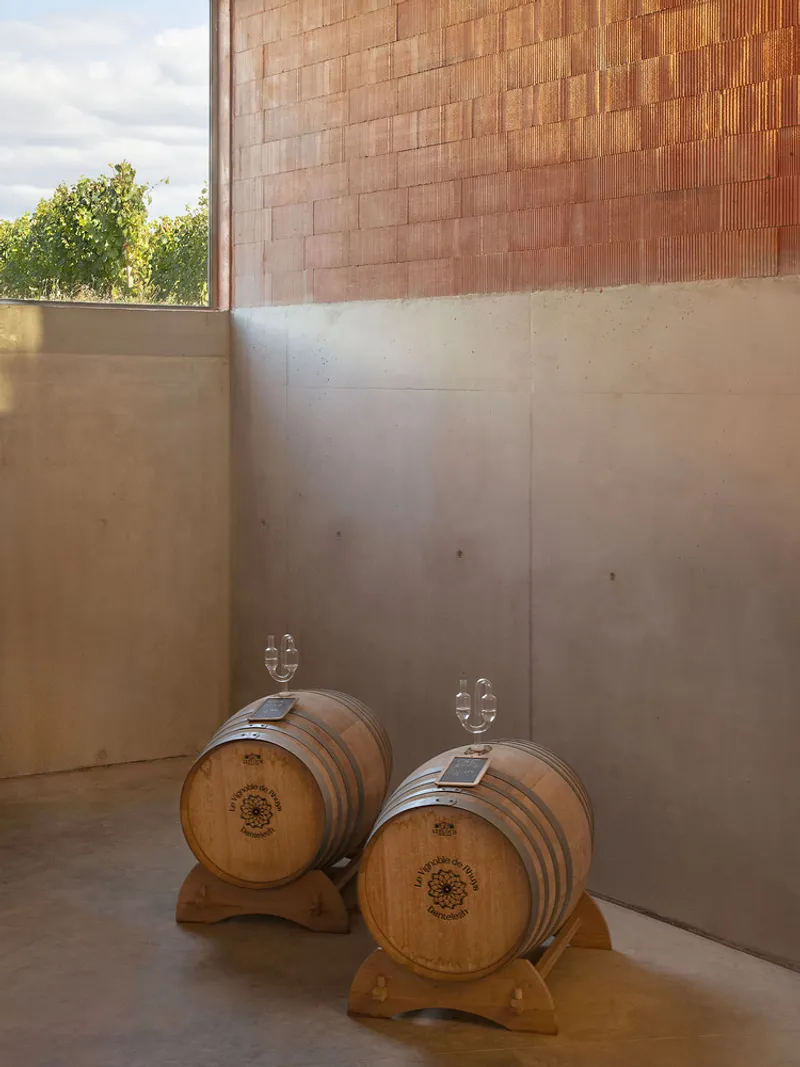
Programmatically, the building is meticulously planned to support an efficient winemaking cycle. Harvest reception occurs on the northern side, followed by fermentation, aging, and bottling toward the south. The semi-buried design optimizes gravitational flow during harvest and reinforces thermal stability in the cellar, reducing energy demand and improving environmental performance. Although currently serving six hectares of vineyards, the structure is dimensioned to support operations for more than ten hectares in the future. Generous floor space and adaptable fermentation areas accommodate evolving production needs.
Visitors circulate around the mill through an elevated path that allows them to observe winemaking processes without interrupting the work carried out on the lower level. This separation between visitor routes and production space ensures both safety and efficiency, while simultaneously enhancing the winery’s experiential and educational dimensions. The planted courtyard reinforces the project’s ambition to merge cultural activity with landscape, becoming a venue for seasonal events, tastings, and gatherings.
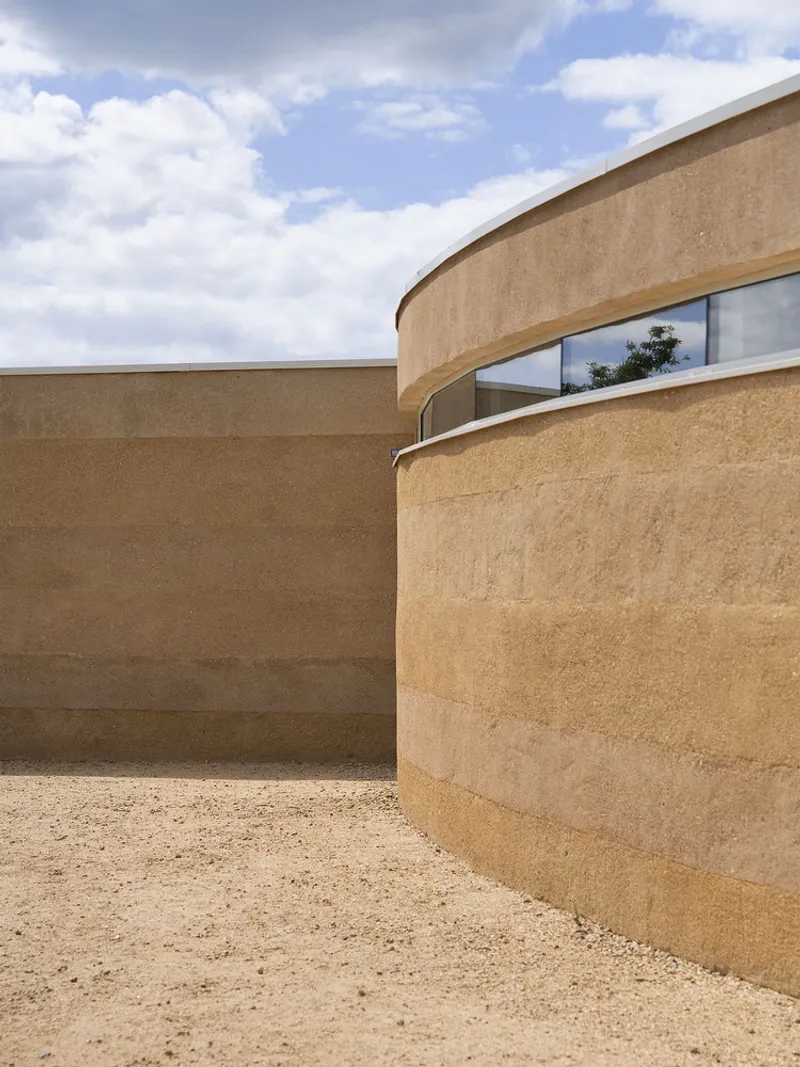
All photographs are works of Guillaume Amat


Popular Articles
Popular articles from the community


Manzana Morphosis: Stretching Barcelona's Grid into a Living Landscape for 2050
A radical reworking of the Eixample manzana turns density into a tool for generous public space, vertical ecology, and environmental performance.
Extended Shell: Retrofitting Kolkata's Balconies as Living Urban Thresholds
A modular retrofit system recovers the social and environmental intelligence of Kolkata's historic verandas for contemporary Park Street residents.

Cloaked Colonization: A Mobile Underwater Habitat That Moves Like a Fish
Micah Abaya's shortlisted EHC Pacific entry reimagines ocean settlement as a dispersed network of self-sustaining architectural organisms.

Singing Woman: Contemporary Architecture Inspired by Estonia’s Voice and the Sea
Singing Woman turns Estonia’s song culture into flowing opera house architecture, blending public life, landscape, sea, and national memory.

Similar Reads
You might also enjoy these articles


Hodi-Mandai Geram
Project Function: Preservation and revitalization of the Intangible heritage and socio-spatial identity of the Hodi by Housing, Cultural Memory Center, Sacred Grove, landscape, local tourism economy


Olio Towers: A Mid-Rise for Performers That Fuses Housing, Rehearsal, and Stage
Located blocks from Houston's Theater District, this modular tower stacks living units around a central performance atrium.

Oasis: Modular Green Housing Carved into Dhaka's Urban Fabric
A shortlisted Plugin Housing entry reclaims unauthorized settlements in Dhaka with stepped concrete volumes, green roofs, and ventilation-driven design.

Black Hole: A Floating Megastructure for the Post-Physical Era
Emiliano Mazzarotto envisions a spherical, self-scaling arena where e-sports, digital hotels, and holographic stadiums replace traditional public space.

Explore Winery Competitions
Discover active competitions in this discipline

Challenge to reimagine the Iron Throne

Photograph architecture without architects

Illustrate the lost glory of Angkor Wat - Render Challenge

Design challenge to reuse E-waste
Comments (0)
Please login or sign up to add comments
No comments yet. Be the first to comment!