

Minimalist House Design: The Petrus House by Sala Squadra Arquitetura & Interiores
The article explores the minimalist design principles of the Petrus House, focusing on natural light, privacy, and integration with nature.


In the field of architecture, minimalist house designs have gained significant popularity for their focus on simplicity, functionality, and elegance. One of the best examples of this design philosophy is the Petrus House, designed by Sala Squadra Arquitetura & Interiores. Located in Indaiatuba, Brazil, this stunning 436 m² single-story house combines minimalism with practical considerations like natural light, ventilation, and seamless integration with the surrounding landscape. This article will explore the unique features of the Petrus House and its approach to minimalist design, providing inspiration for those seeking to embrace this architectural style.
The Concept Behind Petrus House
A Family-Focused Design
The design process for the Petrus House began with a strong understanding of the client’s needs. The young family had previously worked with the architects, which led them to choose Sala Squadra Arquitetura & Interiores again when they decided to build their dream home. Their vision was for a minimalist house that would foster a strong connection between interior and exterior spaces while prioritizing natural light, ventilation, and privacy.
An L-Shaped Layout for Maximum Integration
The architectural team carefully studied the site’s topography and solar angles, which led to the development of an L-shaped layout. This design serves a dual purpose: it provides spatial separation between the public and private areas of the house, and it optimizes exposure to natural light. The layout is divided into two levels, one serving as the social and service areas, and the other, raised 50 cm, housing the private areas of the home.


Key Elements of Minimalist House Design in Petrus House
The Role of Metal Structure
One of the standout features of the Petrus House is its use of a metal structure, which enhances the minimalist aesthetic while ensuring durability and support. The flat roof design is another key aspect, enabling the use of slim metal beams that not only create a sense of lightness but also contribute to the home’s overall minimalist look.
Maximizing Natural Light and Ventilation
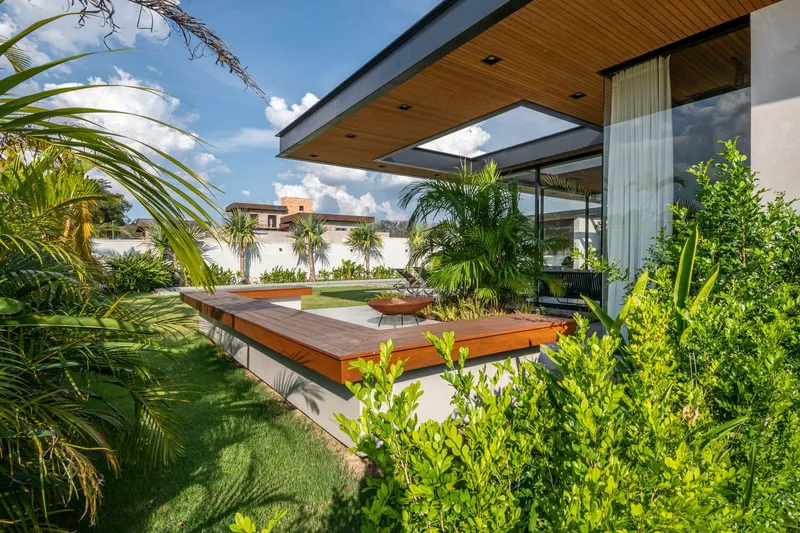
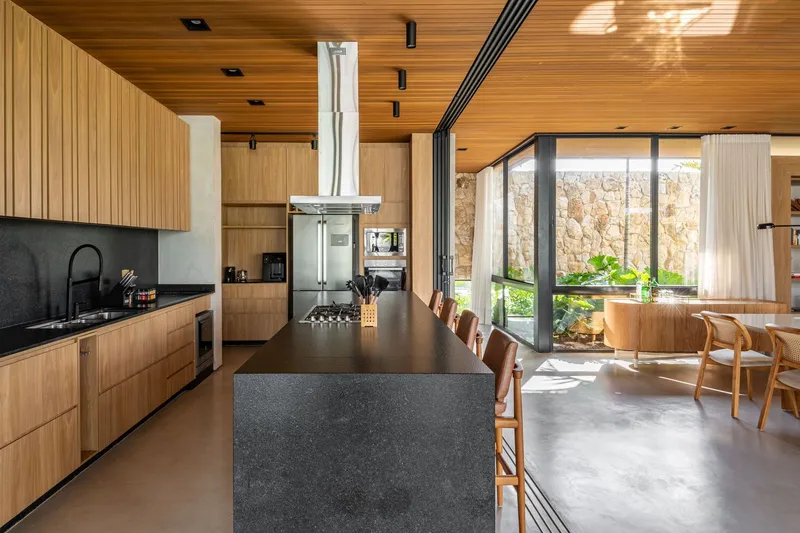
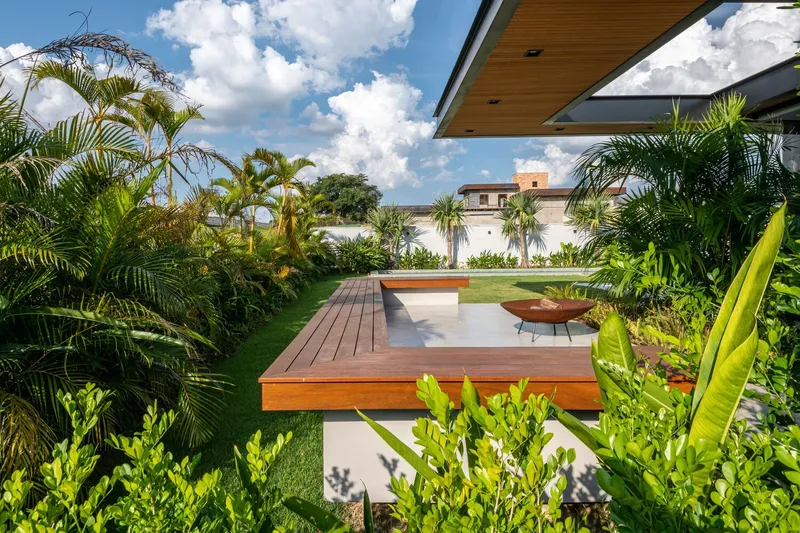
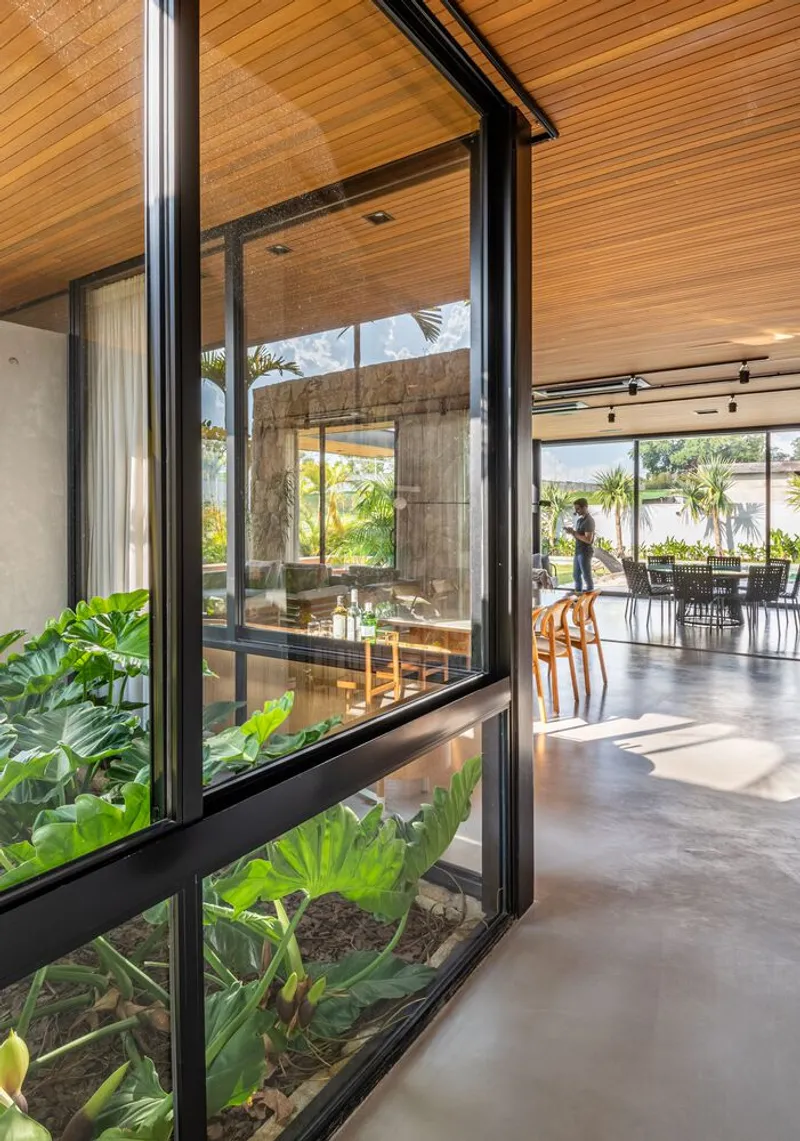
A hallmark of minimalist house designs is the emphasis on natural light and ventilation, both of which are integral to the design of the Petrus House. The entire social area of the house faces east, offering ample light throughout the day. The architects ensured that the living and dining spaces flowed seamlessly into the outdoor patio and garden area, creating a harmonious transition between indoor and outdoor spaces.
The Use of Timeless Materials
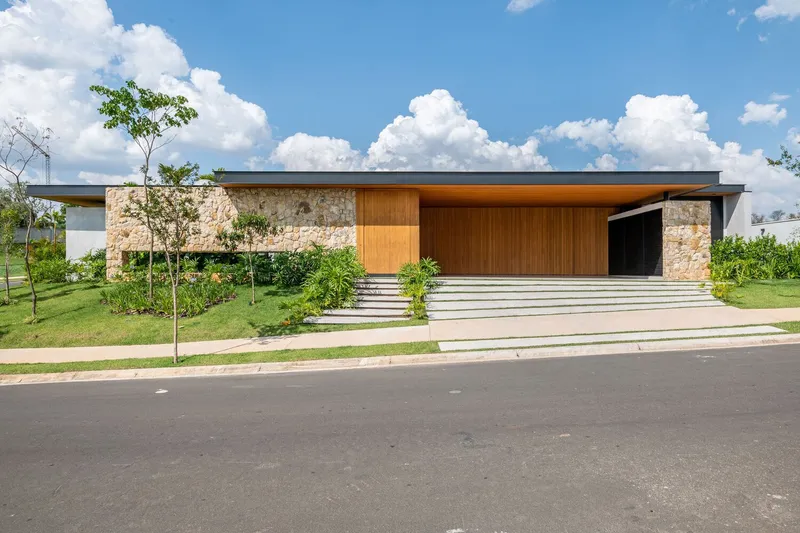
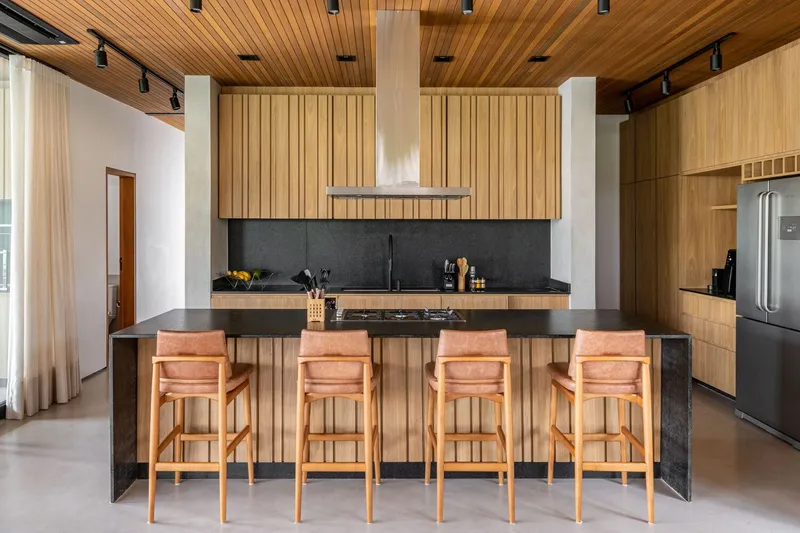
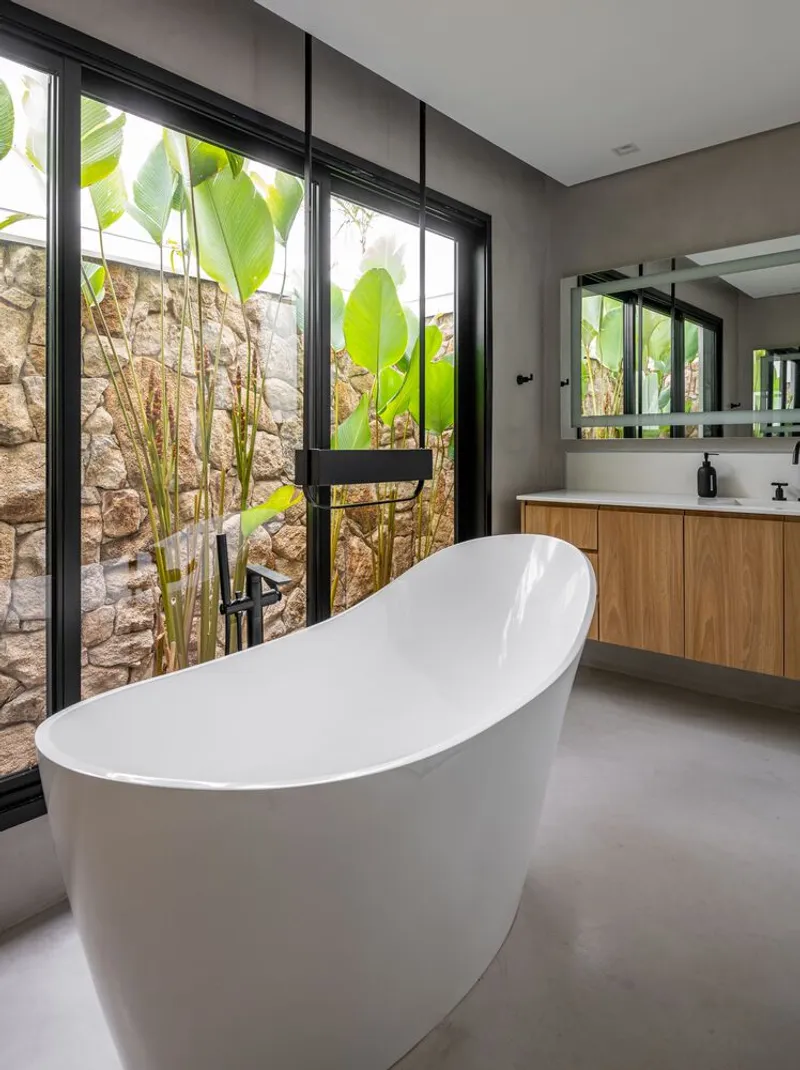
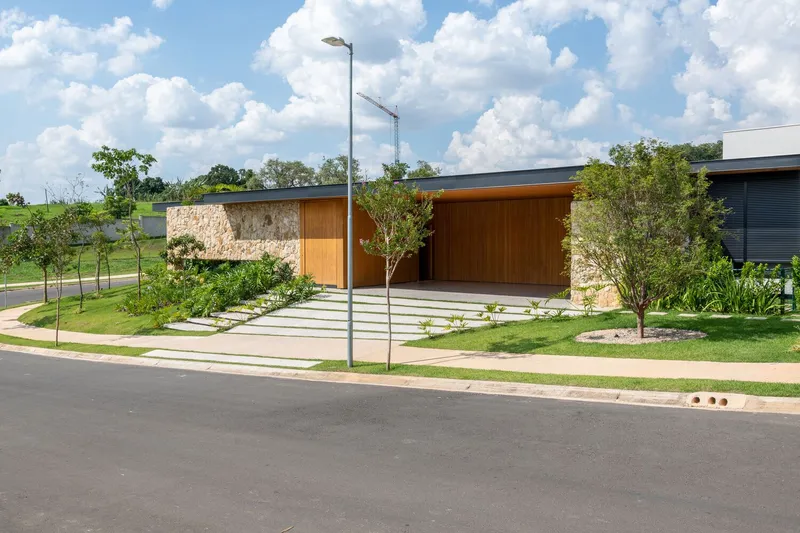
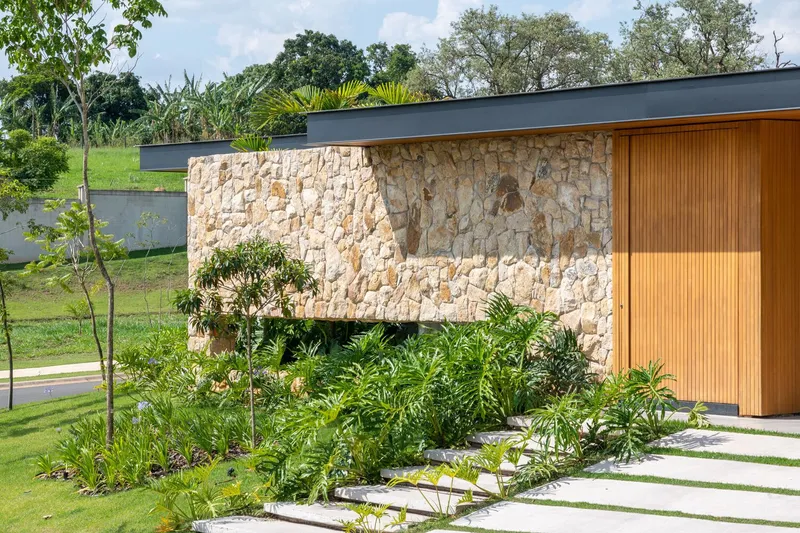
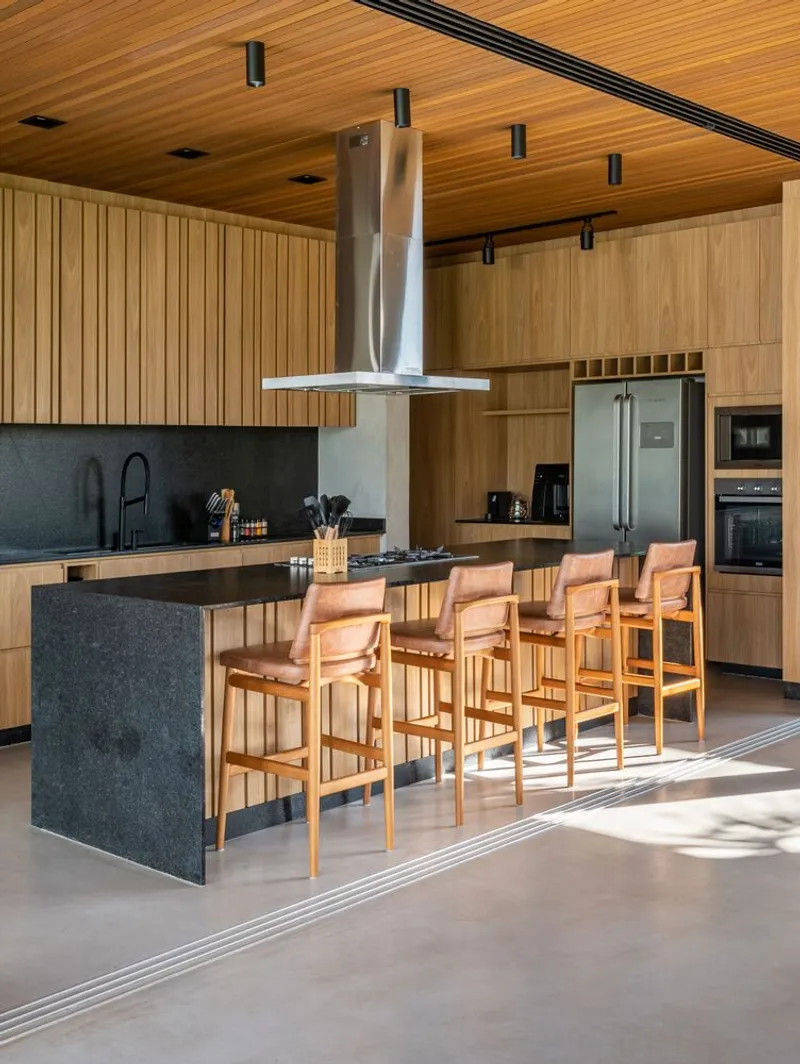
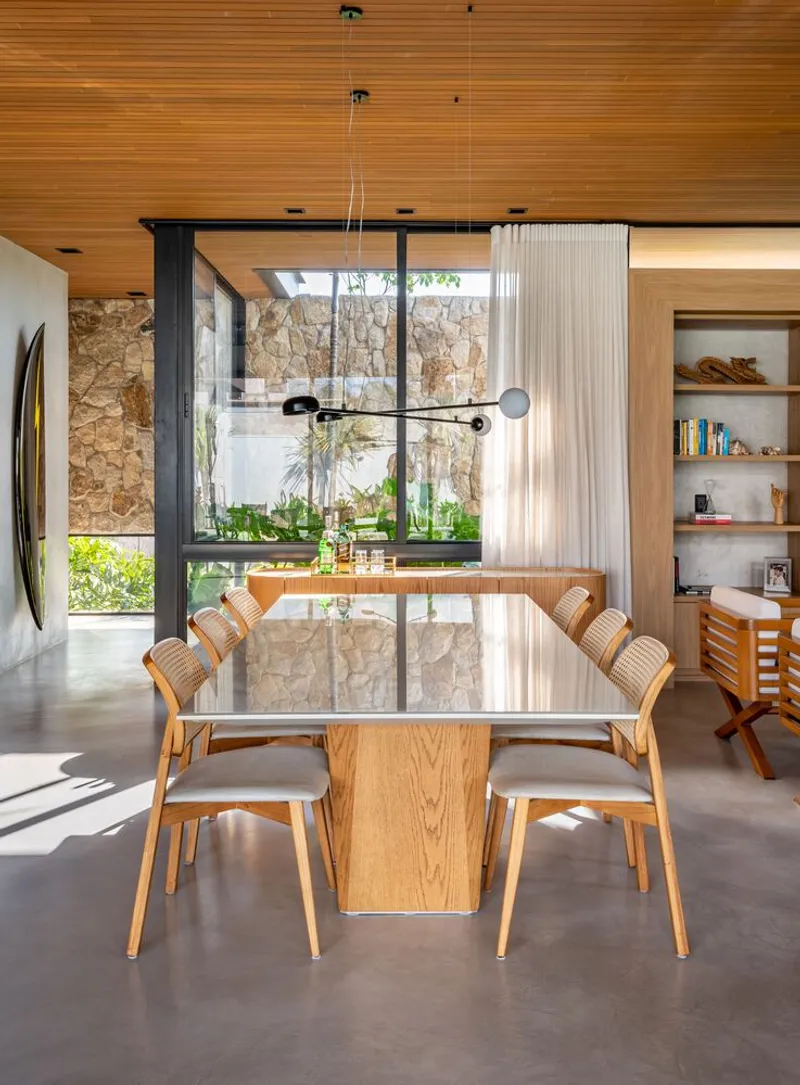
Materials play a crucial role in achieving the warmth and personality characteristic of minimalist house designs. In the case of the Petrus House, the architects selected stone and wooden cladding for the front facade, adding texture and warmth. The flooring throughout the social and service areas is made from Tecnocimento, a type of burnt cement that also extends to the bathrooms, contributing to a consistent, timeless aesthetic.

Private Spaces: Combining Intimacy and Openness
The Master Suite and Children’s Rooms
In minimalist house design, it’s important to create spaces that feel both intimate and connected to the surroundings. At the Petrus House, the master suite and children’s suites are strategically separated by lush gardens, ensuring privacy. However, they remain connected by a long suspended terrace that overlooks the leisure area, fostering a sense of openness and unity between the private zones.
Creating Privacy Through Design
The western side of the house features a long overhang and a stone wall, which not only enhances the house's privacy from the street but also serves as an elegant feature of the front facade. This wall protects the house from the harsh afternoon sun while creating a beautiful internal garden space. The strategic use of these elements helps break up the rigidity of the facade, maintaining the minimalist aesthetic without compromising on comfort or functionality.
Architectural Details and Finishing Touches
The Suspended Volume of Burnt Cement
One of the most distinctive elements of the Petrus House is the suspended burnt cement volume, which houses a large bookshelf in the living room. This feature not only adds an artistic touch to the interior but also serves a functional role in protecting the living area from the intense afternoon sunlight. Additionally, the use of this material across both the front and side facades creates a stunning visual effect that contributes to the house’s minimalist charm.
Integrating the Outdoor and Indoor Spaces
As part of the design’s focus on integration with nature, the Petrus House boasts expansive garden areas that surround the home. These spaces blur the lines between the interior and exterior, offering an inviting atmosphere that encourages residents to connect with the environment. The gardens, patios, and courtyards create an environment of tranquility and reflection, which is essential in minimalist design.
The Petrus House by Sala Squadra Arquitetura & Interiores is a prime example of minimalist house design that combines functionality with beauty. Its use of light, materials, and carefully planned spaces creates a timeless home that serves as both a private sanctuary and an open, welcoming space for family and guests. Through its thoughtful design and attention to detail, the Petrus House sets a high standard for future minimalist architectural projects.
By focusing on clean lines, simple forms, and efficient use of space, the Petrus House demonstrates how minimalist design principles can be used to create a modern, comfortable living environment that harmonizes with nature.

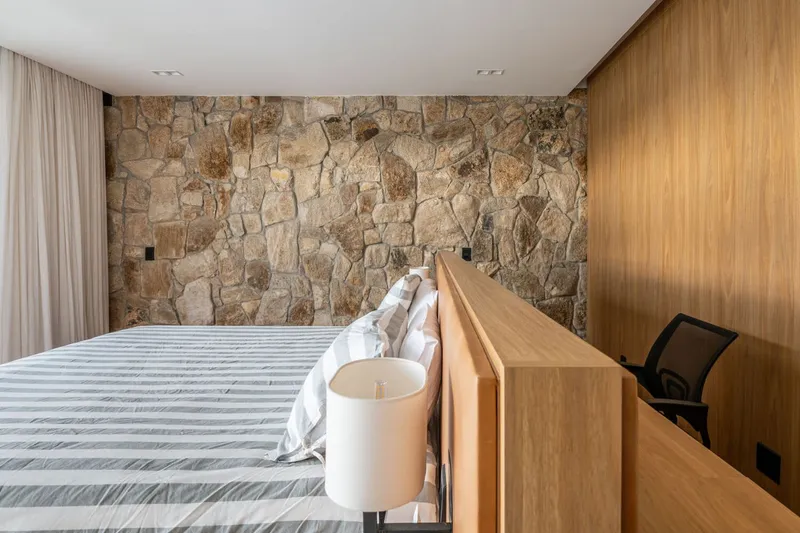
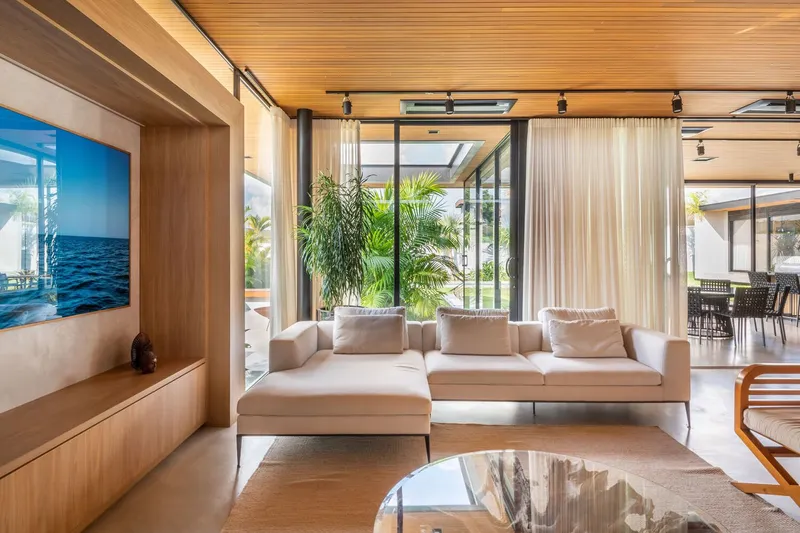
All photographs are work of Favaro Jr.



Popular Articles
Popular articles from the community


AL-JANNAH: Sustainable Architecture and Permaculture for Afghan Widows
AL-JANNAH uses sustainable architecture and permaculture to create resilient oasis of housing, learning, work and renewal for Afghan widows.

Co-Life: Senior Housing Design That Reconnects Older Adults With the City
Co-Life reimagines senior housing design through healing gardens, shared streets, workshops, and a sustainable community across generations.

The Musturak Paradise: Senior Living Architecture for a Connected Future in Temara, Morocco
The Musturak Paradise reimagines senior living architecture in Temara via private homes, social spaces, culture, community, and shared care.

EW PARK: Sustainable Architecture Reimagines the Future of Urban Parking
EW PARK reimagines city parking as a modular wooden tower combining automation, solar energy, electric mobility, and adaptable urban design.

Similar Reads
You might also enjoy these articles


Hodi-Mandai Geram
Project Function: Preservation and revitalization of the Intangible heritage and socio-spatial identity of the Hodi by Housing, Cultural Memory Center, Sacred Grove, landscape, local tourism economy


Olio Towers: A Mid-Rise for Performers That Fuses Housing, Rehearsal, and Stage
Located blocks from Houston's Theater District, this modular tower stacks living units around a central performance atrium.

Oasis: Modular Green Housing Carved into Dhaka's Urban Fabric
A shortlisted Plugin Housing entry reclaims unauthorized settlements in Dhaka with stepped concrete volumes, green roofs, and ventilation-driven design.

Black Hole: A Floating Megastructure for the Post-Physical Era
Emiliano Mazzarotto envisions a spherical, self-scaling arena where e-sports, digital hotels, and holographic stadiums replace traditional public space.


Explore Minimalism Competitions
Discover active competitions in this discipline



Challenge to reimagine the Iron Throne


Photograph architecture without architects


Illustrate the lost glory of Angkor Wat - Render Challenge


Design challenge to reuse E-waste
Comments (0)
Please login or sign up to add comments
No comments yet. Be the first to comment!