
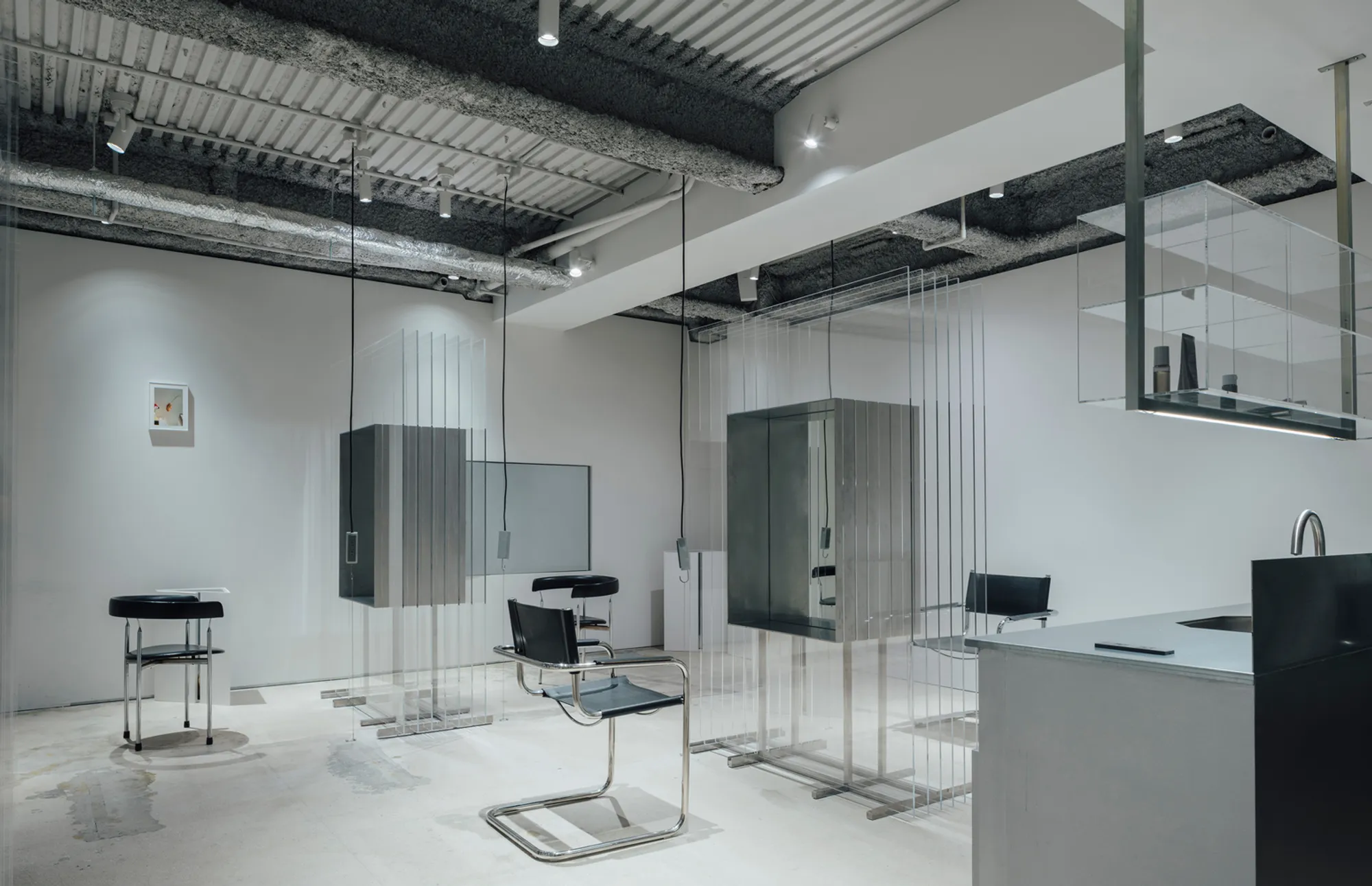
Minimalist Salon Interior Design: Hair Salon 1975 by FATHOM in Hiroshima
Hair Salon 1975 by FATHOM in Hiroshima redefines minimalist salon interior design with acrylic transparency, floating mirrors, and immersive lighting.


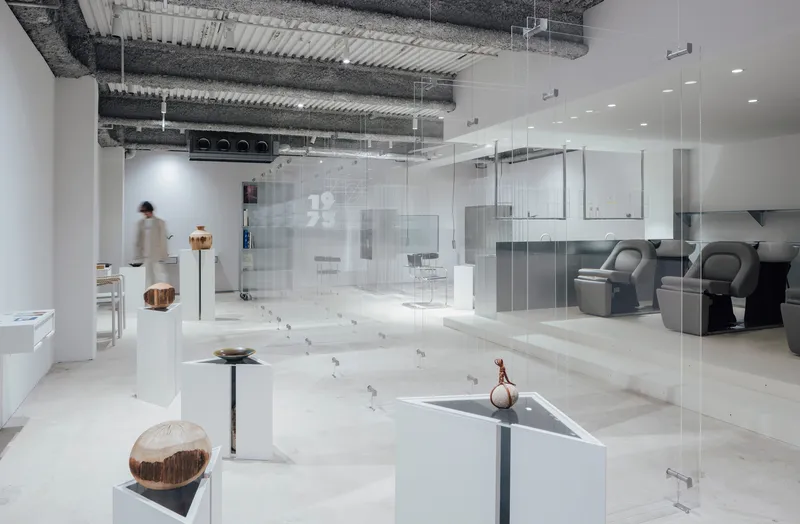
Hair Salon 1975, designed by FATHOM, is a cutting-edge minimalist salon interior design project located in Hiroshima, Japan. Situated on the third floor of a tenant building in Naka Ward, the salon transforms an otherwise obscure space into an exclusive destination, creating an immersive experience through architecture, transparency, and lighting. Inspired by the act of discovering music in record shops, the design combines fashion, art, and lifestyle, making each visit feel unique and compelling.
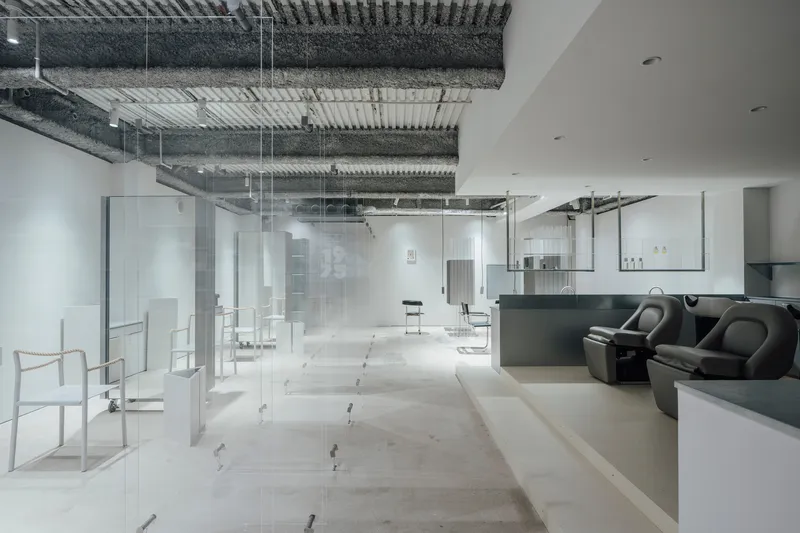
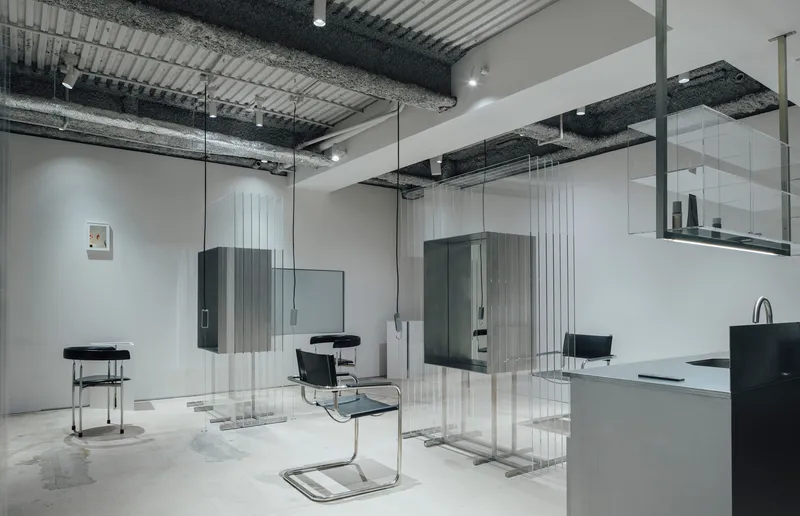
By integrating transparent acrylic elements, suspended mirrors, and a flexible gallery space, the salon redefines the concept of a traditional grooming environment. This approach creates a visually immersive setting that blends function with artistry, offering clients an intimate yet dynamic atmosphere.
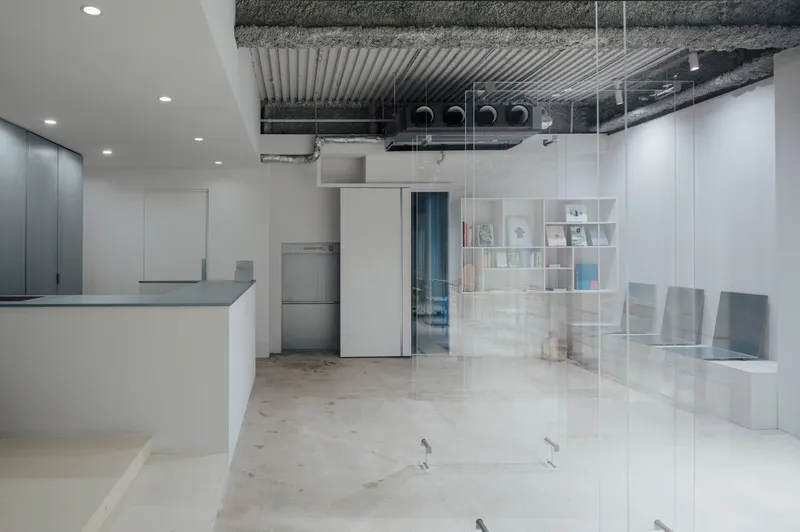
Concept and Spatial Transformation
The project embraces its hidden location by turning its poor accessibility into an advantage, crafting an environment reminiscent of a members-only club that visitors feel privileged to discover. The inspiration behind the space stems from record digging culture, where each visit reveals something new, evoking curiosity and encouraging repeat visits.
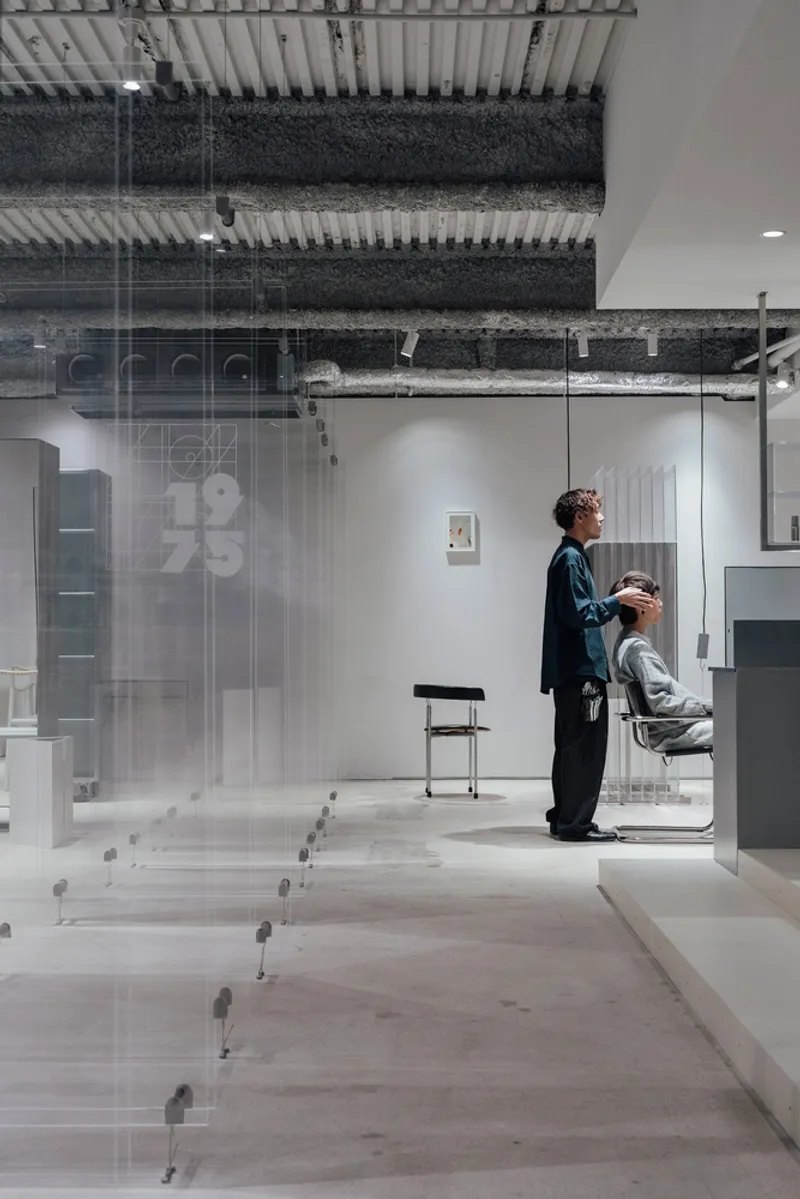
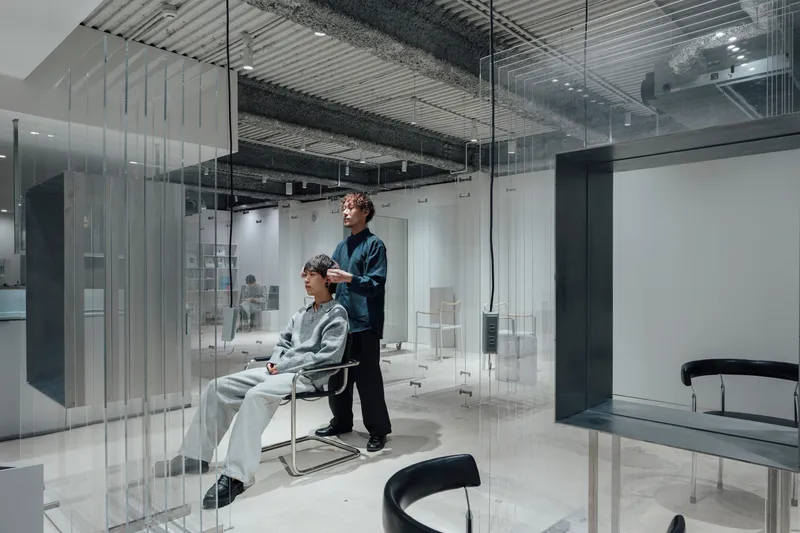
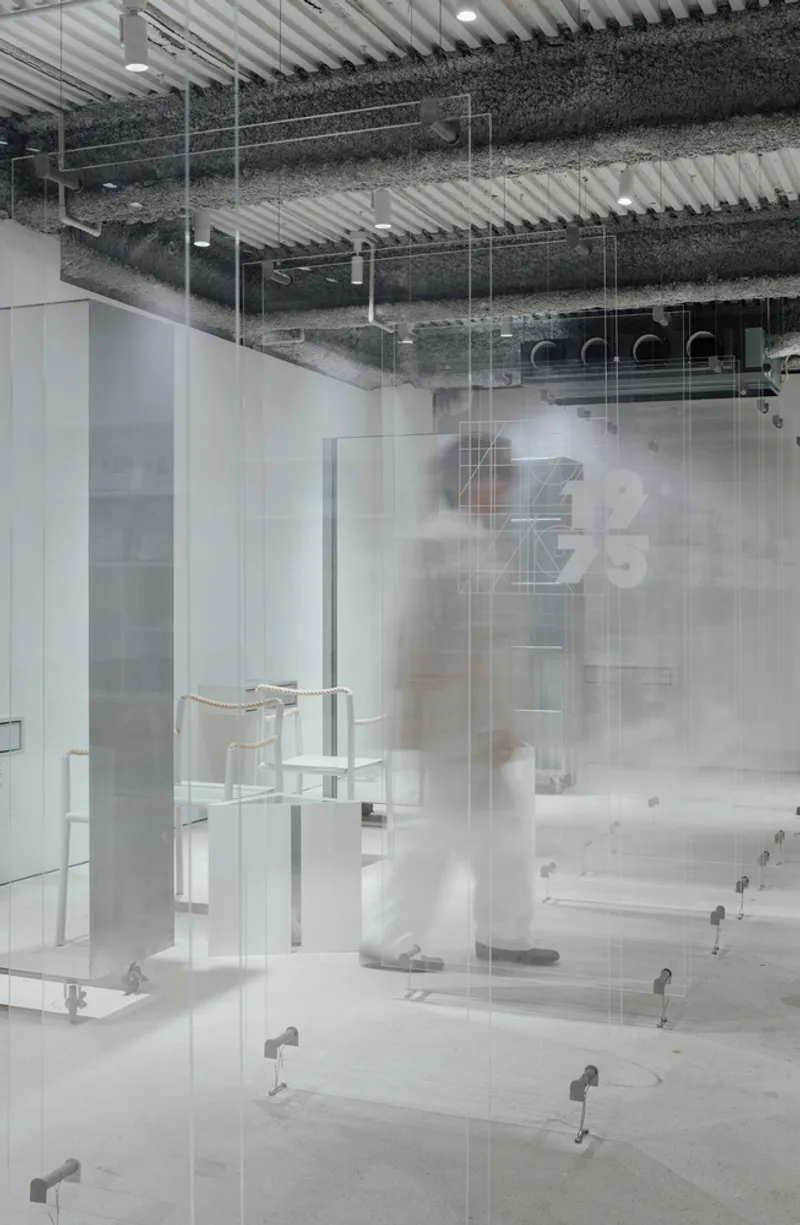
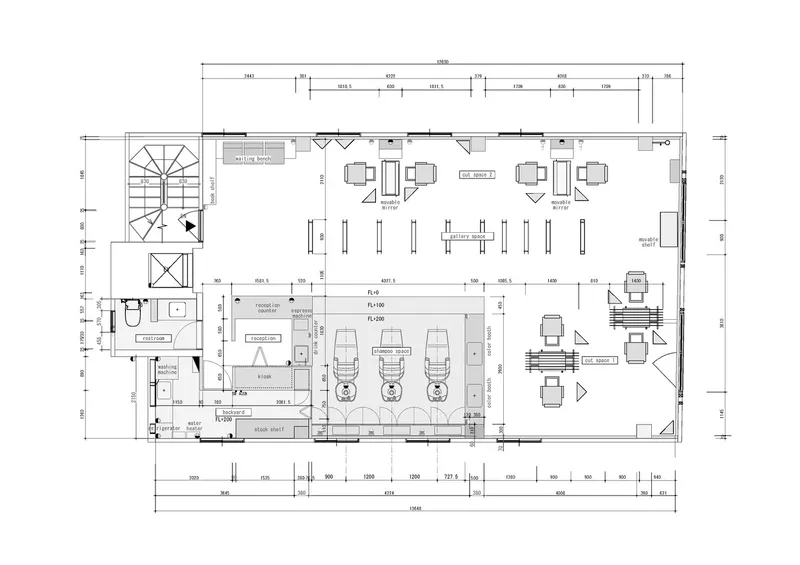
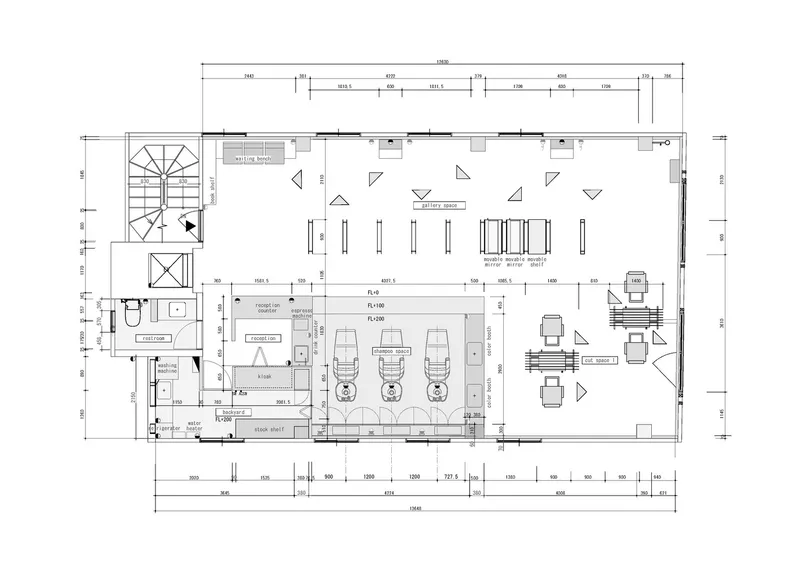
Designed to attract fashion-forward individuals with an interest in art and beauty, the salon’s interior concept goes beyond mere aesthetics. The L-shaped layout, formed by 34 large, transparent acrylic panels, provides a sense of openness while maintaining a strong visual identity. The transparency of these panels allows for layered reflections and light play, reinforcing the salon’s immersive ambiance.
Materiality and Design Elements
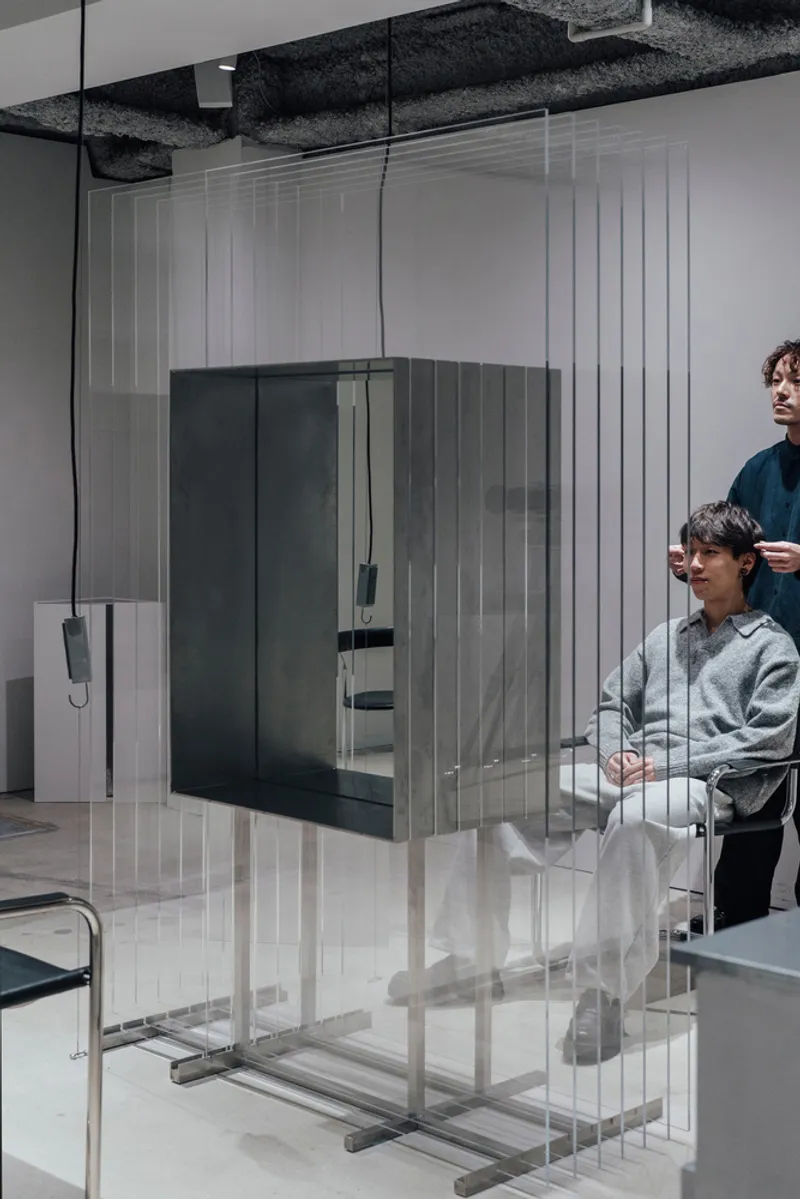
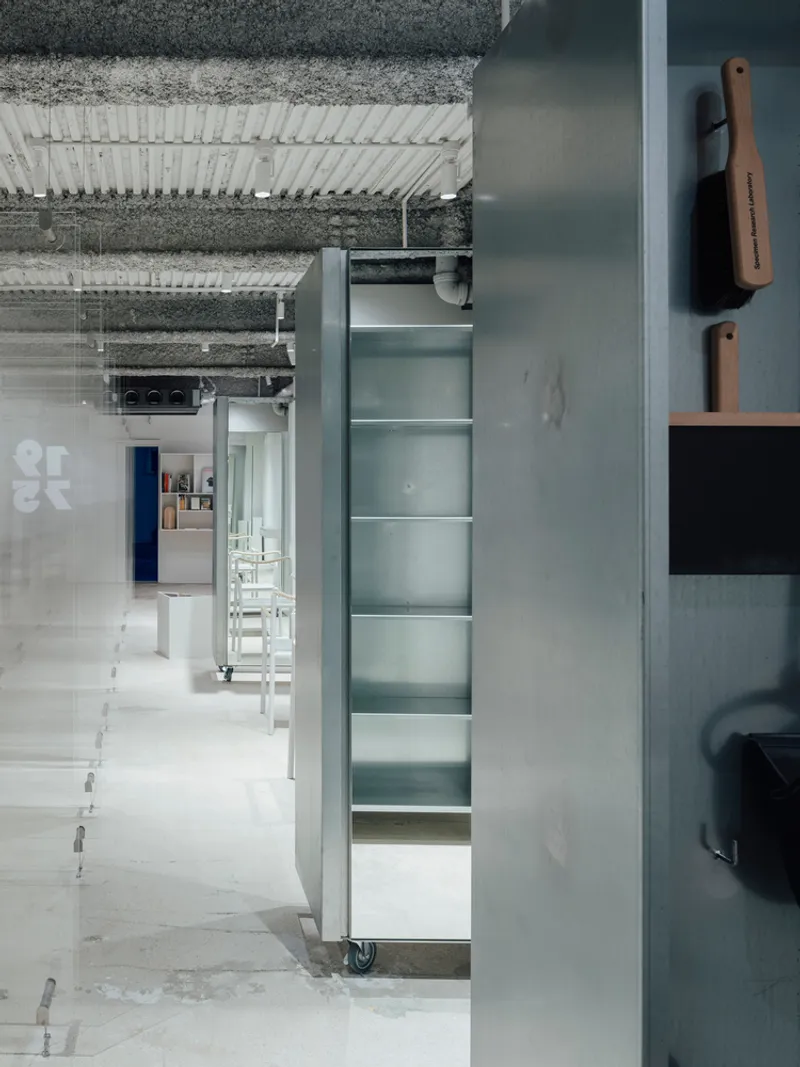
Hair Salon 1975 is a testament to minimalist salon interior design, with its restrained material palette focusing on acrylic, lighting, and mirrors. The L-shaped acrylic structure serves as both a partition and a display system, subtly dividing the cutting space from the flexible gallery area. The design highlights:
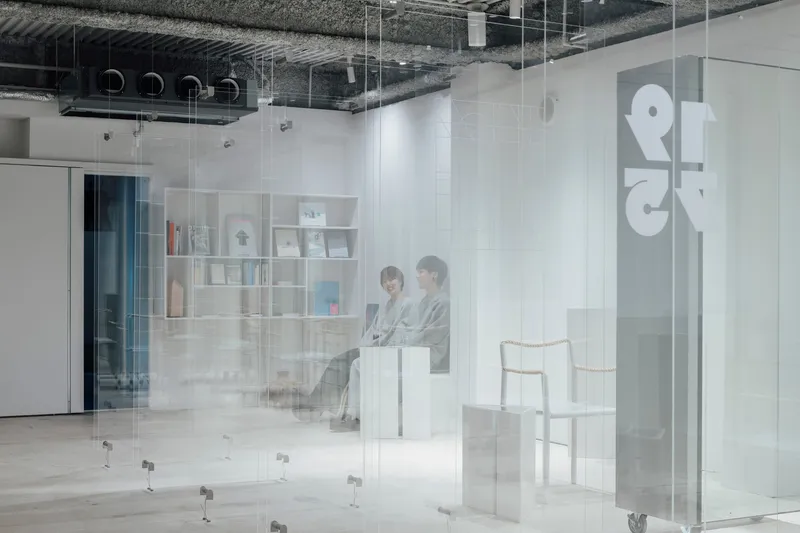
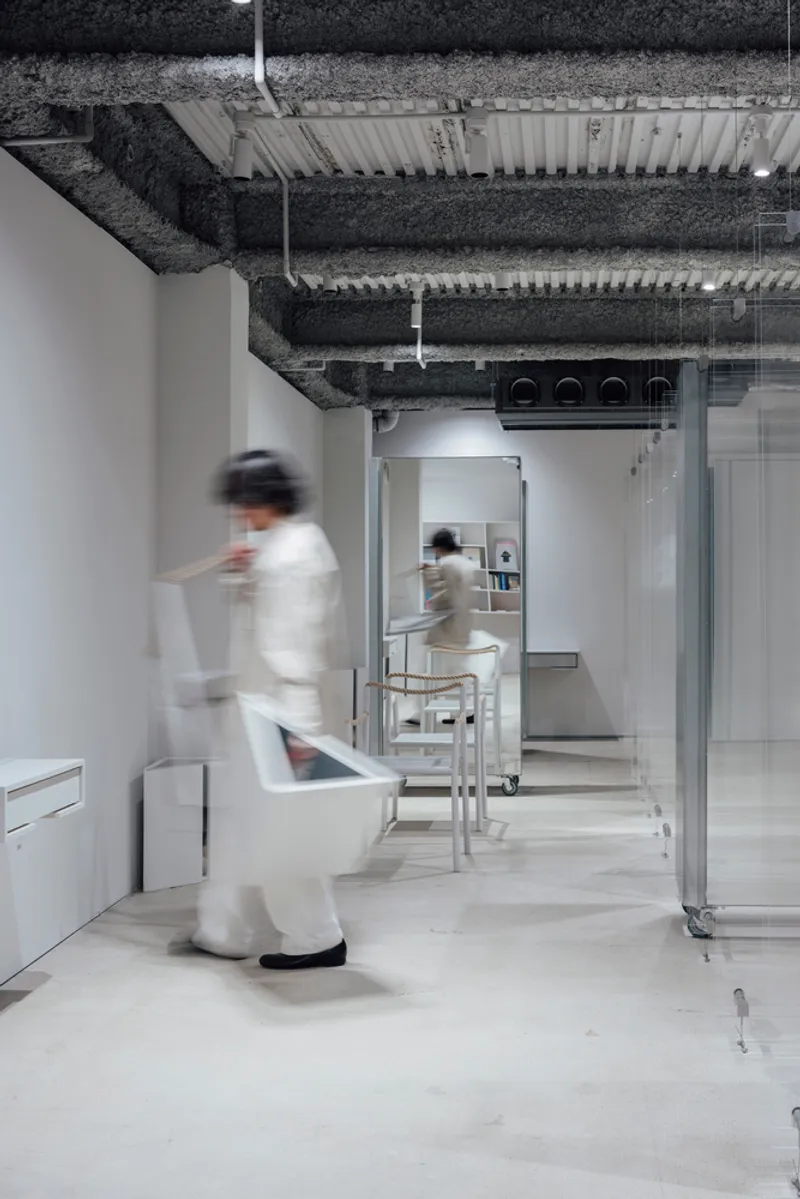
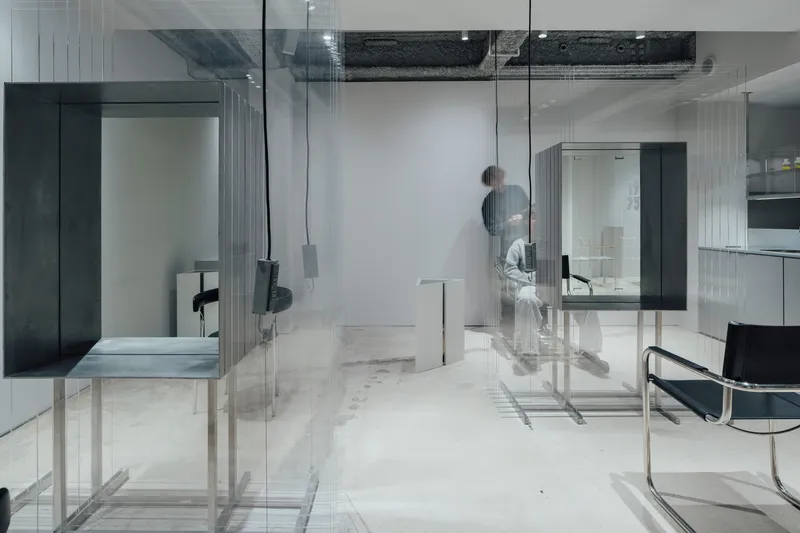
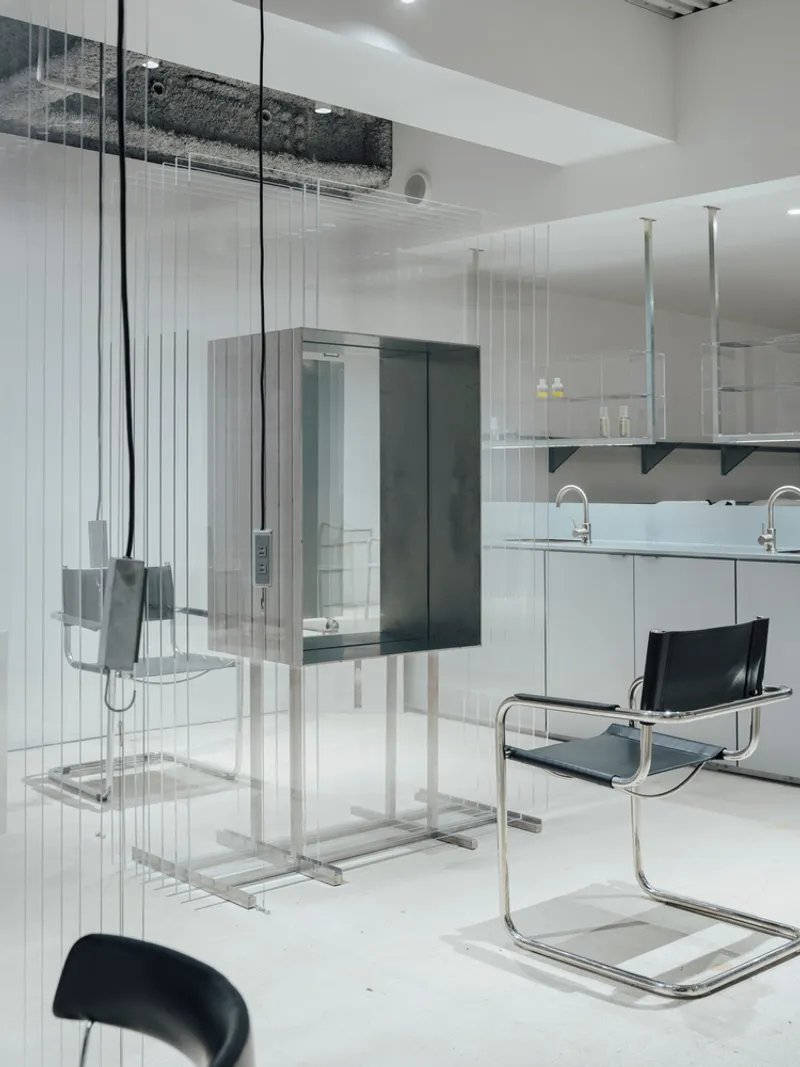
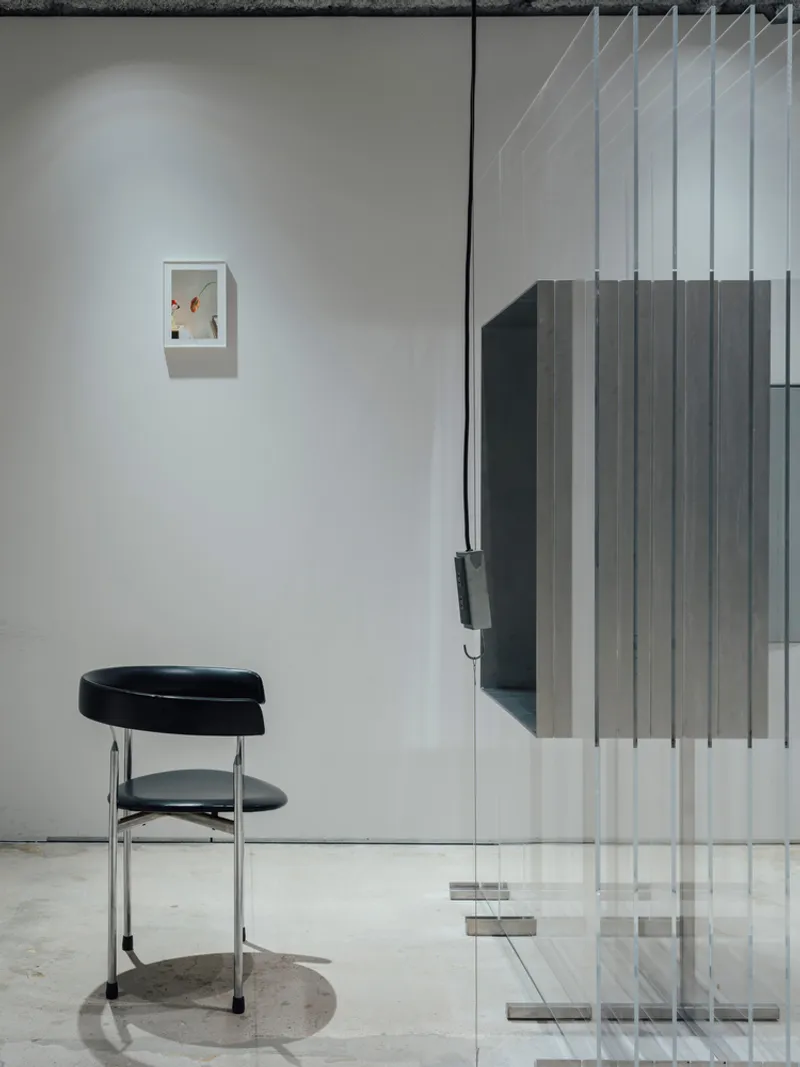
- Acrylic Panels and Spatial Fluidity The transparent acrylic walls create a sense of visual weightlessness, enhancing the feeling of openness despite the salon’s enclosed nature. These panels house embedded mirrors, which remain concealed until needed, at which point they can be pulled out like flipping through vinyl records.
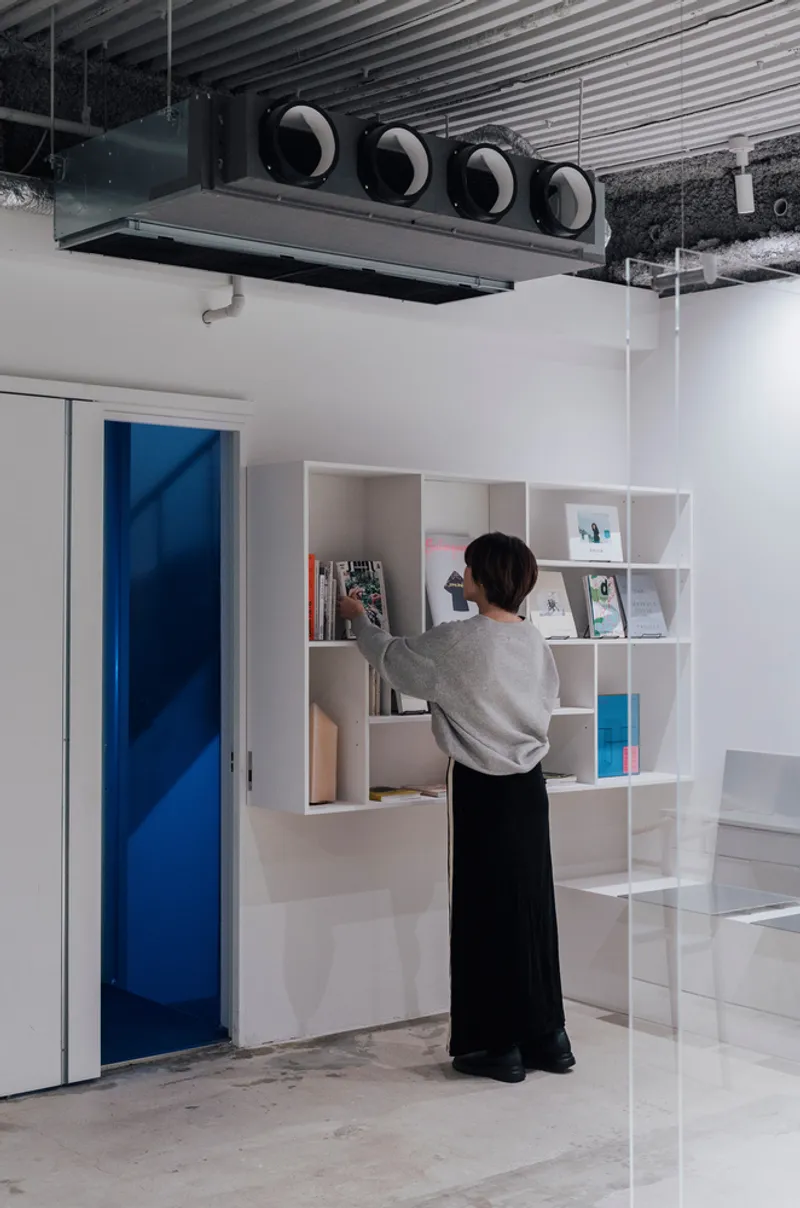
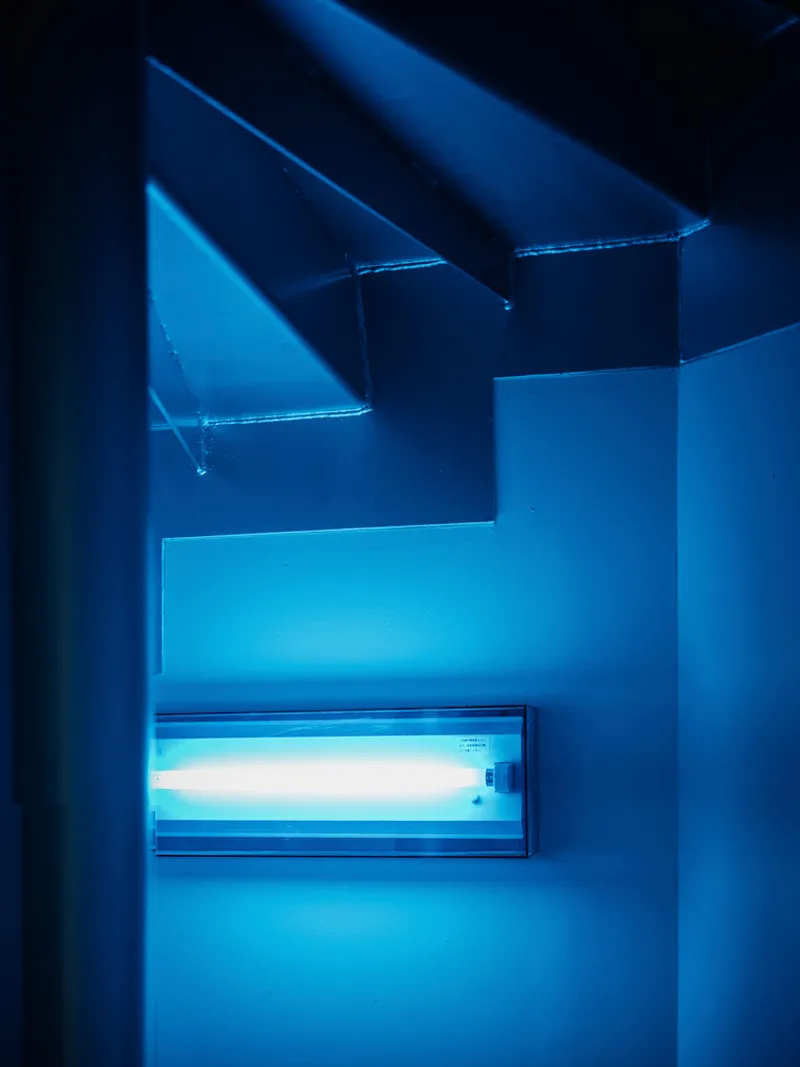
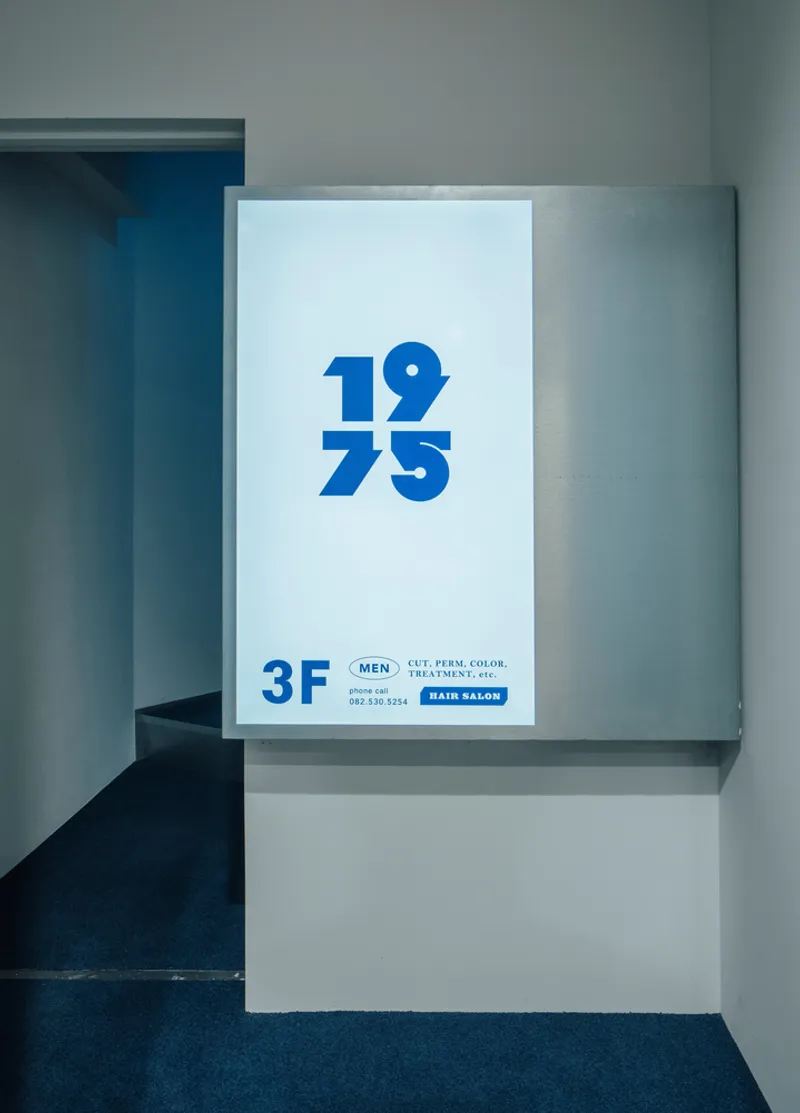
- Lighting and Color Contrast The journey into the salon begins with a dark, narrow spiral staircase, where a deep blue illumination sets the tone. This contrasts sharply with the bright, open white interior, a deliberate choice that amplifies the sense of discovery and transformation.
- Floating Infrastructure and Concealed Functions Essential salon infrastructure elements, such as outlet boxes and lighting, are suspended from the ceiling, keeping the focus on the floating acrylic partitions. The interplay between light, reflection, and material transparency further enhances the space’s unique identity.
A Multi-Layered Experience: Hair Salon Meets Art Gallery
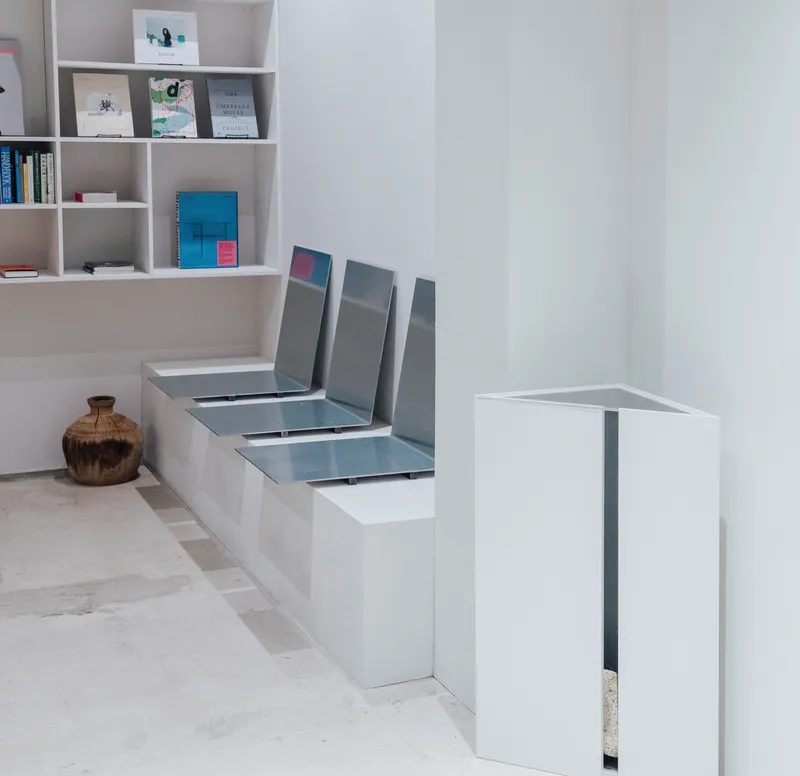
Unlike conventional salons, Hair Salon 1975 incorporates an element of flexibility, allowing the space to function as both a grooming destination and a cultural hub. The long side of the L-shaped acrylic installation houses a movable display system, where acrylic sheets can be adjusted to curate art exhibitions and pop-up events.
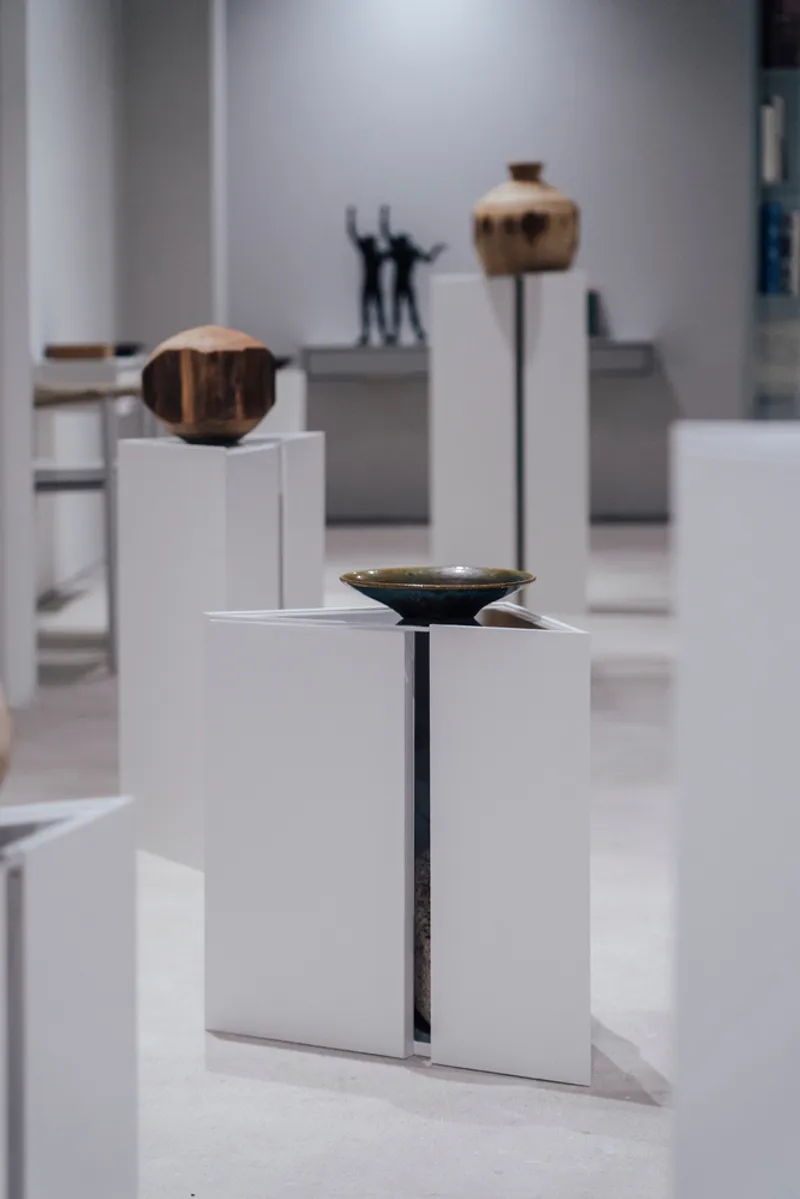
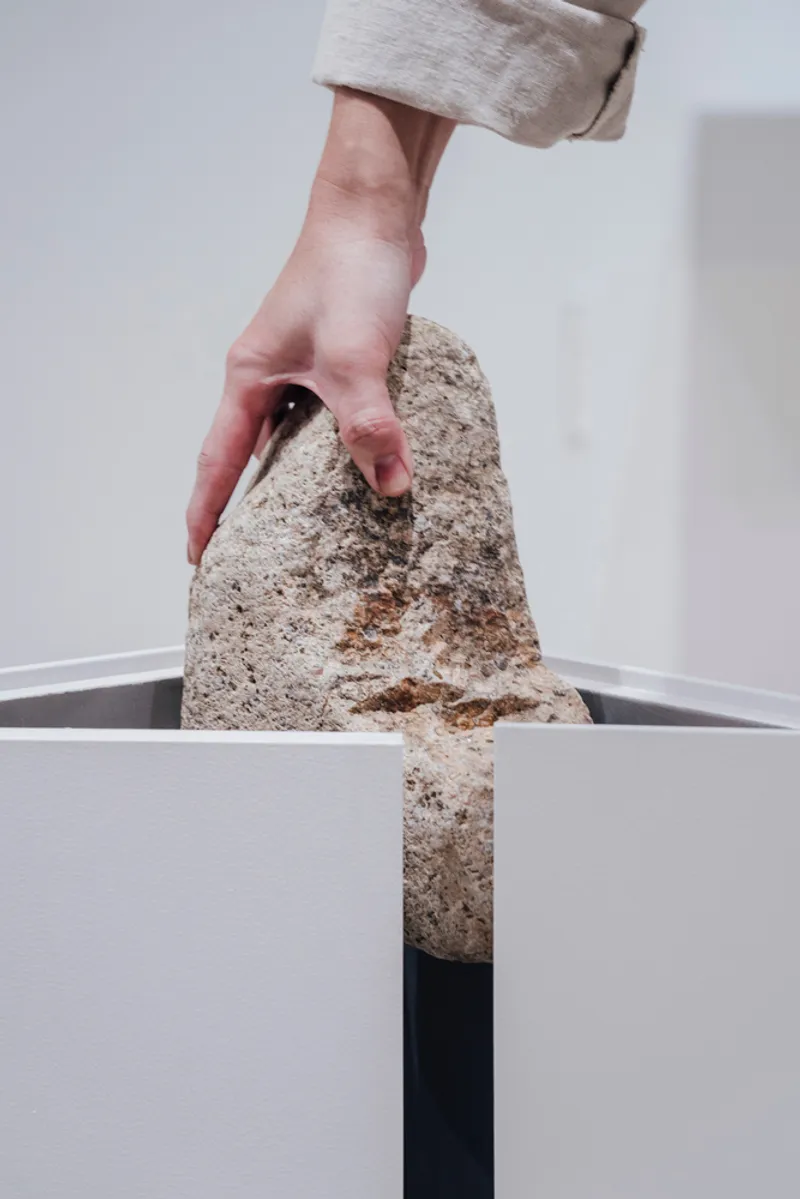
By integrating elements of a record store aesthetic, the design enables a dynamic interaction between visitors and space, turning each haircut into an artistic experience. The acrylic sheets function as display surfaces, reinforcing the gallery-like ambiance and allowing for the multilayered presentation of artwork.
Architectural Innovation in Salon Design
Hair Salon 1975 reimagines the traditional barbershop experience by merging minimalist design principles with interactive spatial storytelling. The use of transparency, floating infrastructure, and contrast between closed and open spaces creates an environment that is both visually striking and functionally sophisticated.
By emphasizing fluidity, light manipulation, and immersive storytelling, FATHOM has successfully transformed a hidden third-floor unit into a sought-after destination, proving that minimalist salon interior design can elevate both brand identity and user experience.
Hair Salon 1975 is a pioneering example of minimalist salon interior design, where architecture, materiality, and storytelling converge to create a unique and immersive grooming experience. By integrating transparency, light contrast, and gallery elements, the salon challenges conventional notions of hair salon design, turning each visit into a memorable, multi-sensory journey.
All photographs are works of Tatsuya Tabii




Popular Articles
Popular articles from the community


Conexión: Biophilic Design Reimagines High-Rise Living in Hong Kong
Conexión reimagines high-rise living in Hong Kong through biophilic design, green facades, shared spaces, daylight, water and nature within.

The Ocean Hive: Sustainable Architecture for a Self-Sufficient Civilization at Sea
The Ocean Hive imagines sustainable architecture at sea, where modular habitats, algae, wave power and ocean waste sustain a growing colony.

Co-life: Sustainable Architecture for Age-Friendly Community Living
Co-life reimagines sustainable architecture for seniors through courtyards, rammed earth, shared gardens, and spaces designed for belonging.

Riyadh For All: Intergenerational Urban Design for Active Aging in Rabat
Riyadh For All reimagines urban design in Rabat with intergenerational co-living, adaptive courtyards, and Moroccan cultural exchange today.


Similar Reads
You might also enjoy these articles


Hodi-Mandai Geram
Project Function: Preservation and revitalization of the Intangible heritage and socio-spatial identity of the Hodi by Housing, Cultural Memory Center, Sacred Grove, landscape, local tourism economy


Olio Towers: A Mid-Rise for Performers That Fuses Housing, Rehearsal, and Stage
Located blocks from Houston's Theater District, this modular tower stacks living units around a central performance atrium.

Oasis: Modular Green Housing Carved into Dhaka's Urban Fabric
A shortlisted Plugin Housing entry reclaims unauthorized settlements in Dhaka with stepped concrete volumes, green roofs, and ventilation-driven design.

Black Hole: A Floating Megastructure for the Post-Physical Era
Emiliano Mazzarotto envisions a spherical, self-scaling arena where e-sports, digital hotels, and holographic stadiums replace traditional public space.


Explore Architecture Competitions
Discover active competitions in this discipline



Challenge to reimagine the Iron Throne


Photograph architecture without architects


Illustrate the lost glory of Angkor Wat - Render Challenge


Design challenge to reuse E-waste
Comments (0)
Please login or sign up to add comments
No comments yet. Be the first to comment!