

Mirae High School of Science & Technology Cafeteria Extension: A Contemporary School Cafeteria Architecture Design by Bare Ground Architects
A contemporary cafeteria extension redefining school architecture through open, light-filled spaces and strategic site integration.


Transforming Underserved Spaces Through Strategic Design
In 2024, Bare Ground Architects completed the cafeteria extension at Mirae High School of Science & Technology in South Korea—a project that redefines school cafeteria architecture design through spatial intelligence and site sensitivity. Facing limitations in the building-to-land ratio, the architects devised a strategy that capitalized on the site’s underutilized structures while prioritizing spatial openness, natural connectivity, and aesthetic harmony with the surrounding landscape.


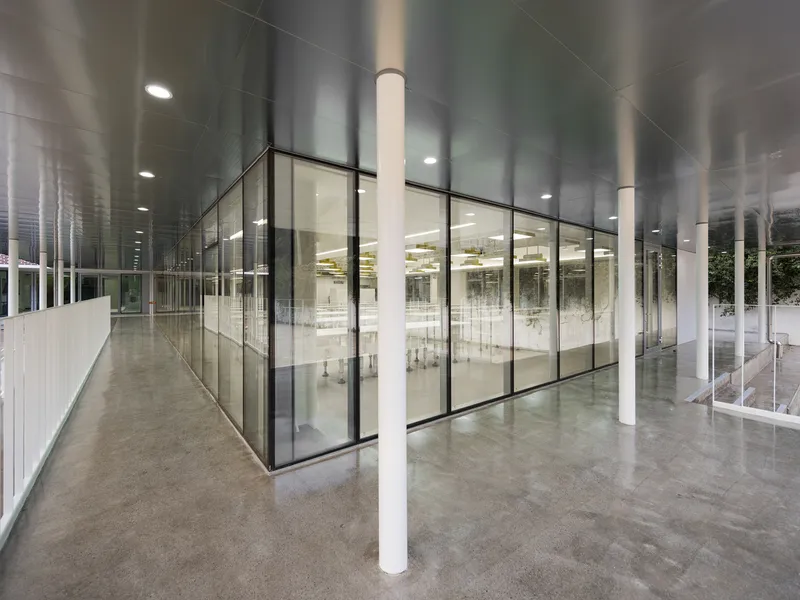
Addressing Site Challenges and Spatial Constraints
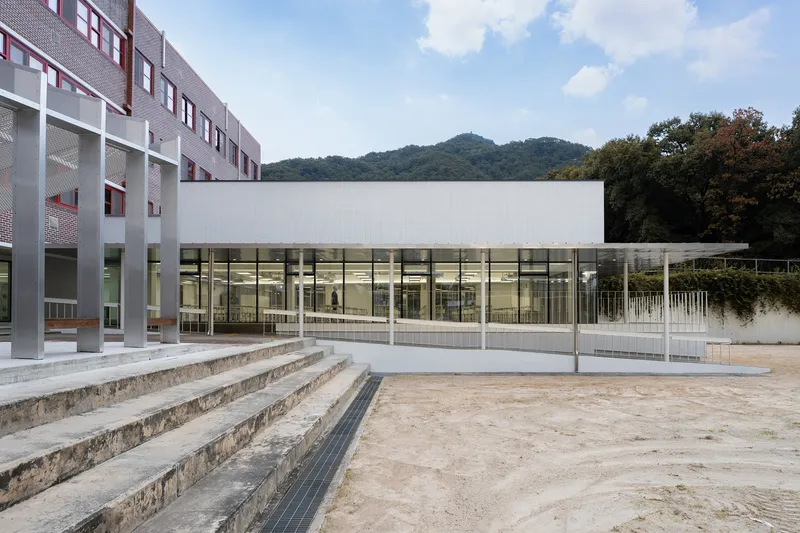
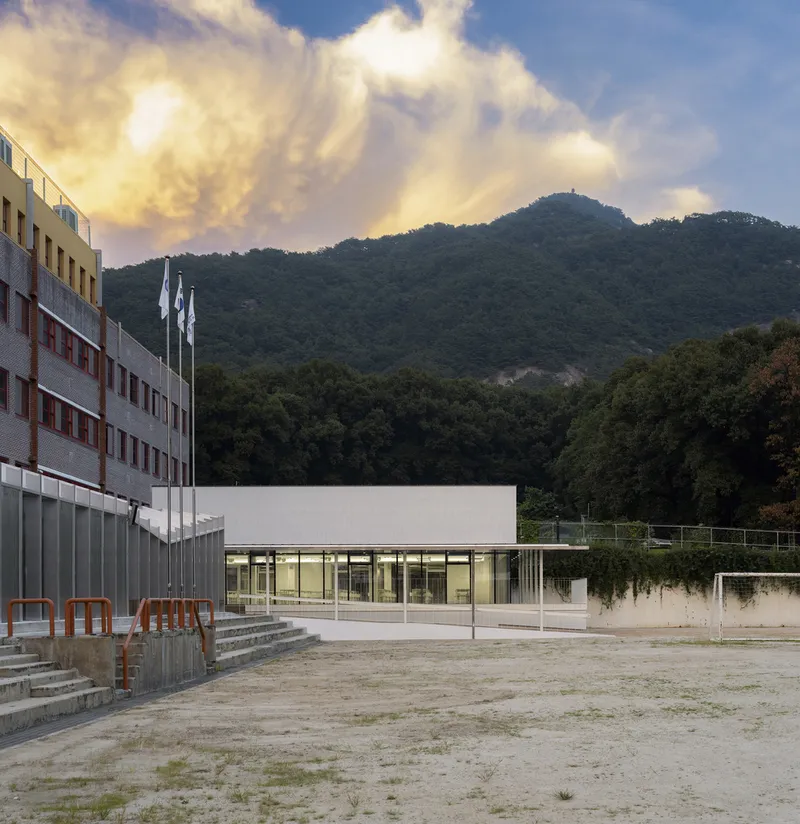
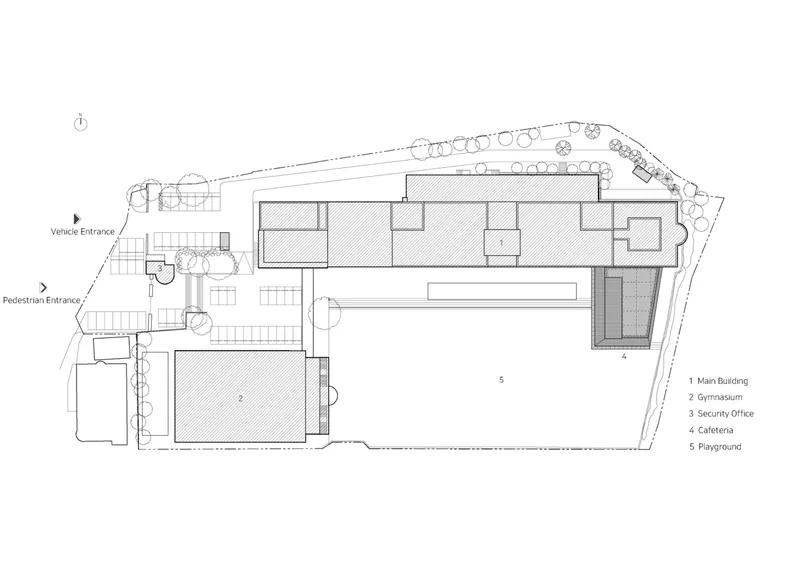
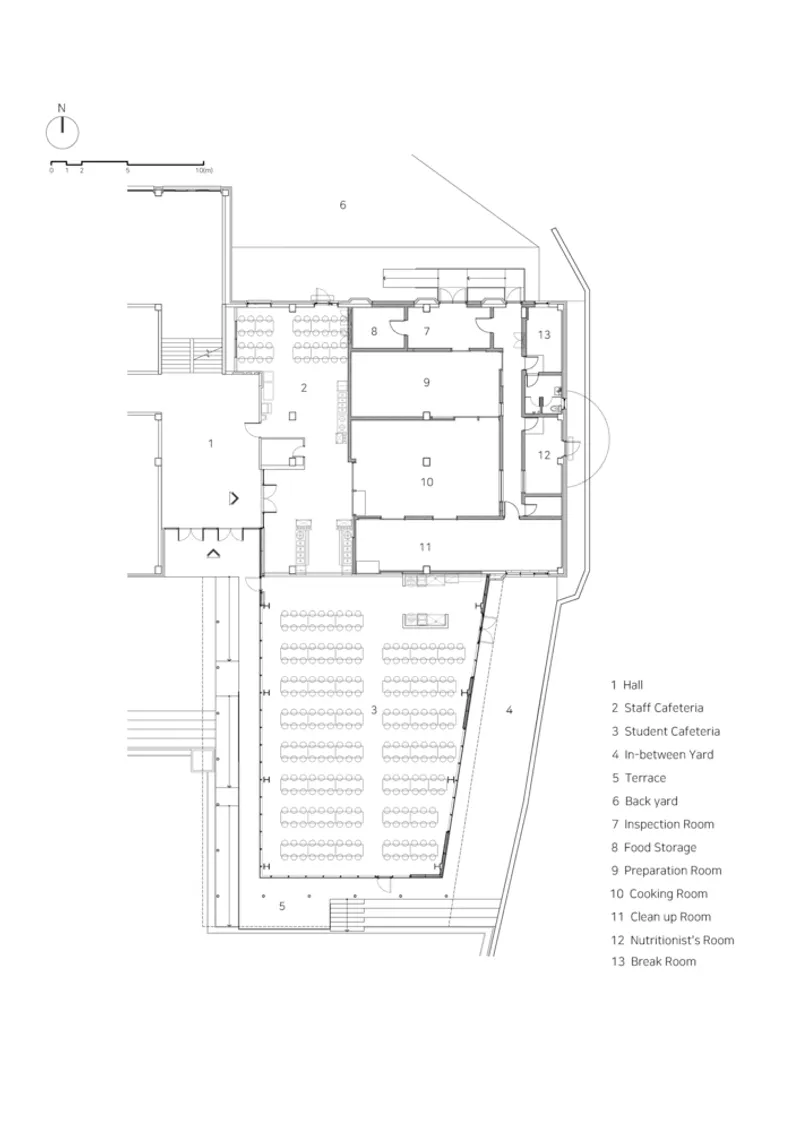
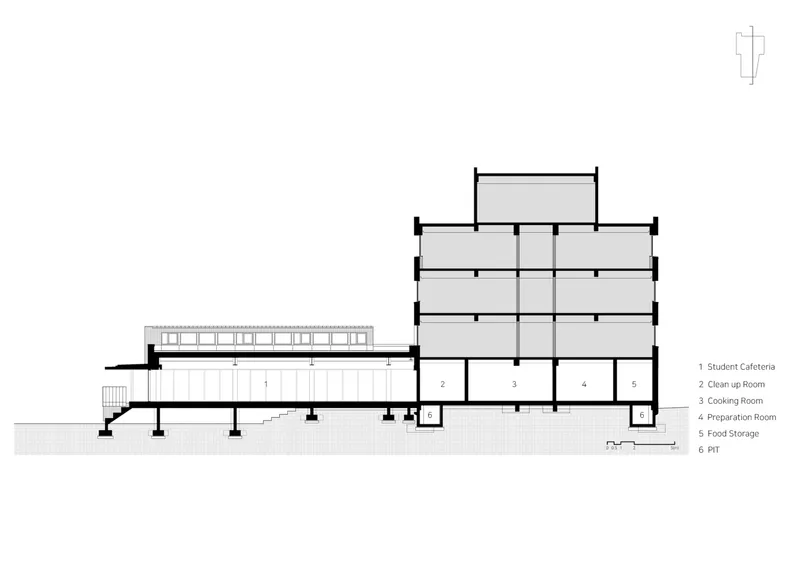
Originally, the school's plan was to allocate the new kitchen to an open extension and place the cafeteria within an existing low-ceilinged (3.3 meters) underground building. While technically logical—since commercial kitchens benefit from vertical space for ventilation and mechanical systems—Bare Ground Architects identified a more impactful solution. Rather than confining the cafeteria indoors, they proposed reorienting it toward the adjacent playground and the expansive views of Mt. Bulamsan.

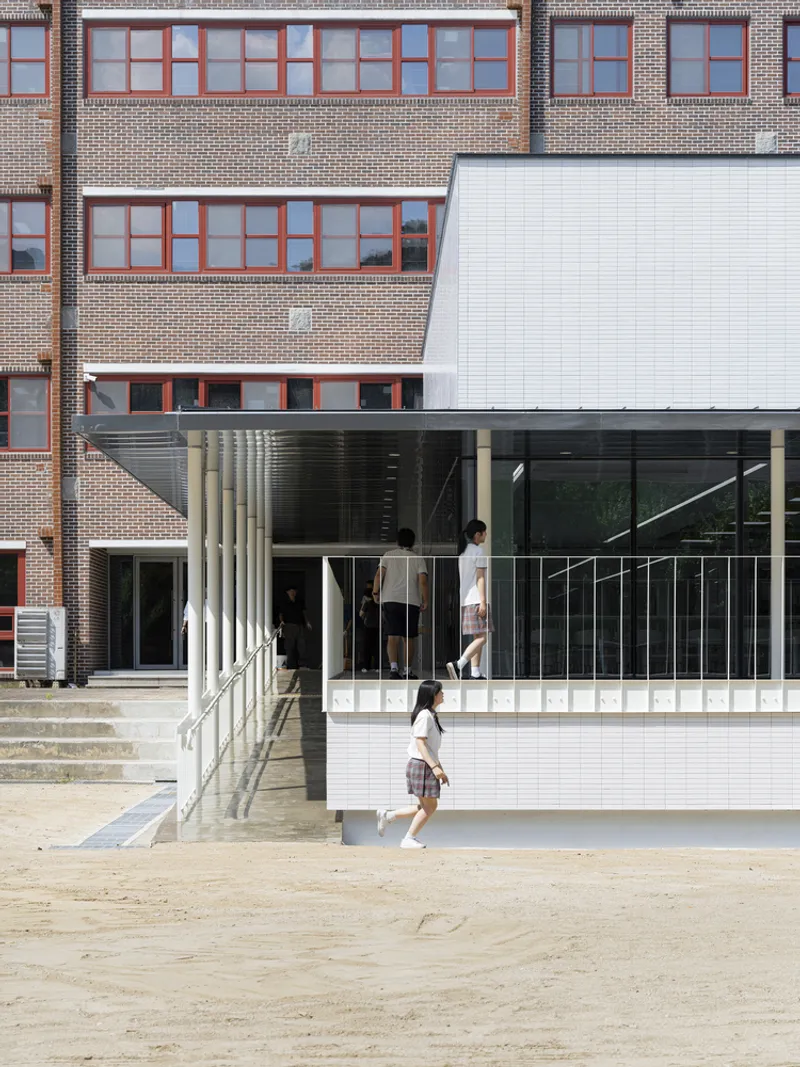
This move not only improved the experiential quality of the space but addressed circulation, daylight, and psychological well-being. The integration of stairs, terraces, and a yard made it possible to bridge the two-meter level difference between the building and the outdoor playfield, encouraging a seamless transition between interior and exterior spaces.


Designing for Light, Air, and Interaction
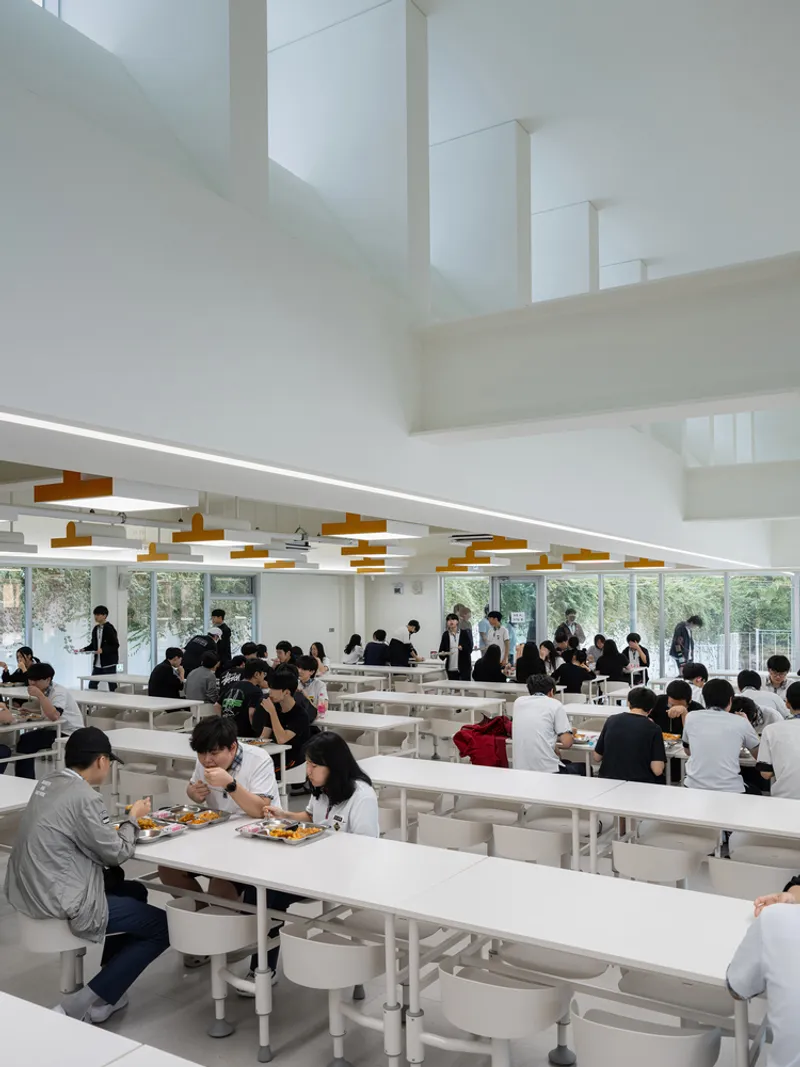
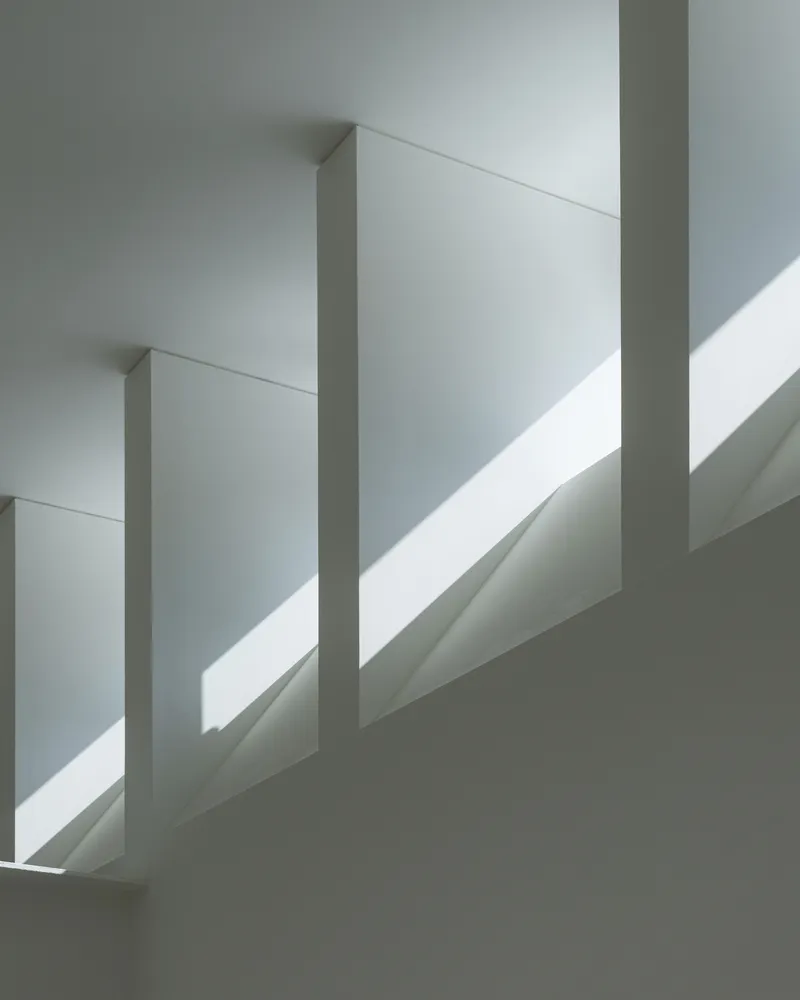
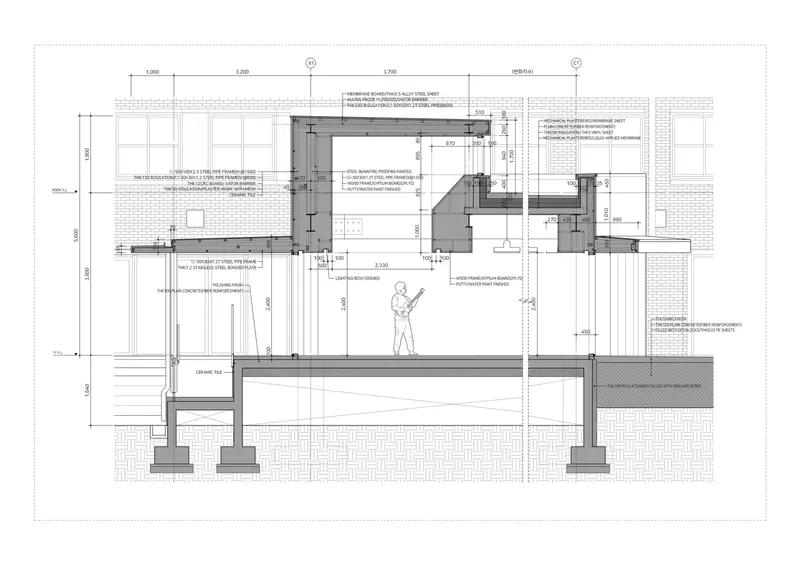
Central to the project's architectural identity is its light-filled, open-plan dining space. The architects installed clerestory windows to mitigate the low ceiling challenge and to shape a three-dimensional interior volume. These high windows, placed along the axis of movement toward the playground, allow for generous daylight penetration, softening the spatial atmosphere and encouraging visual continuity with the outdoors.

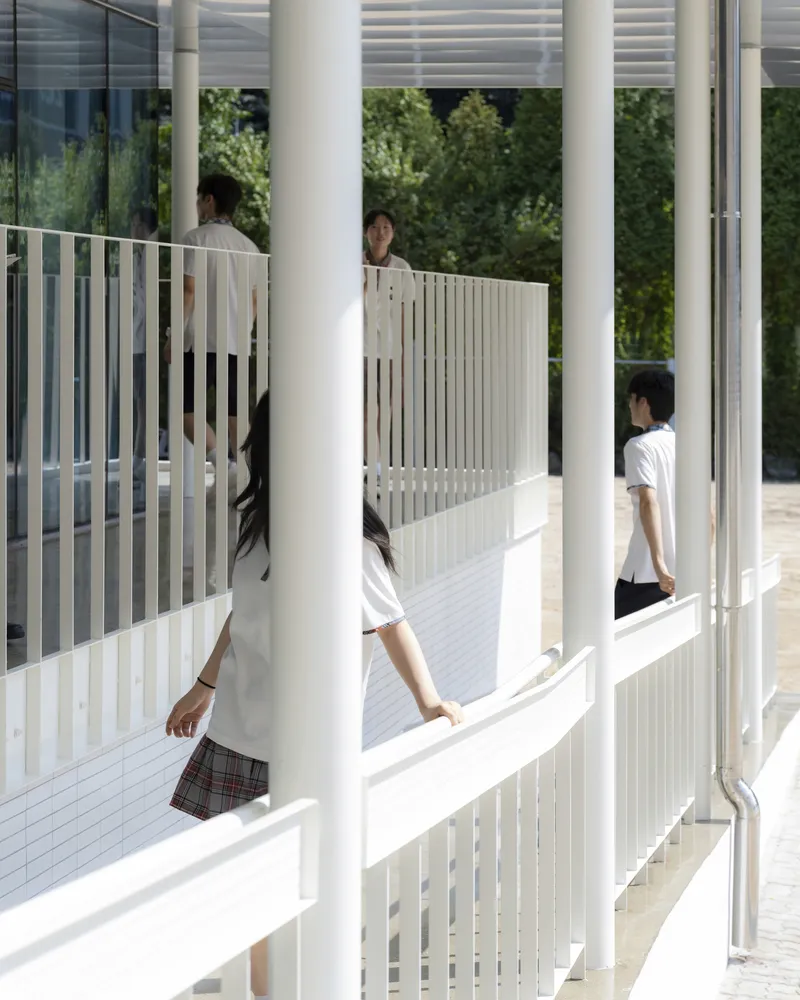
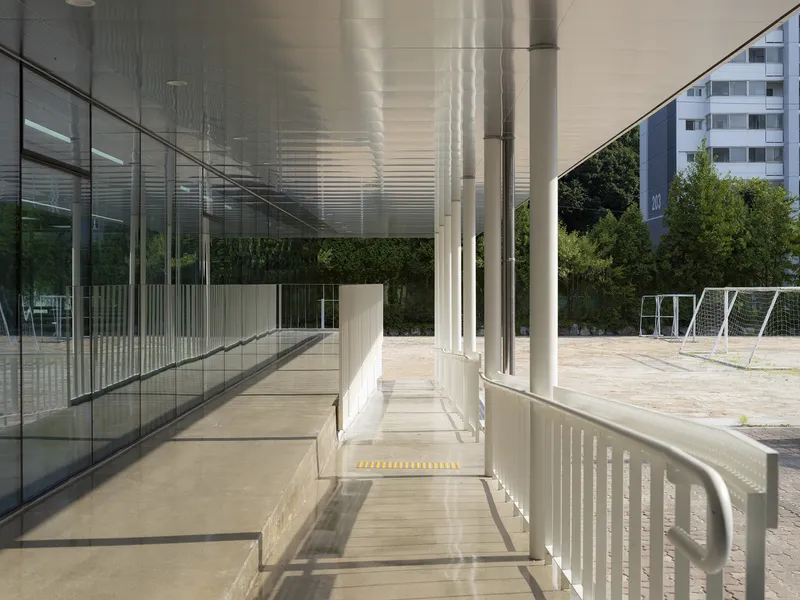
As students and faculty enter the cafeteria from the hallway, they are greeted by a ribbon of soft, filtered light that leads the eye out toward the playground. The clerestory design features deep louvers, which balance both shading and form, enhancing the building's long elevation and proportion in relation to its site and surrounding structures.


A Unified Architectural Language
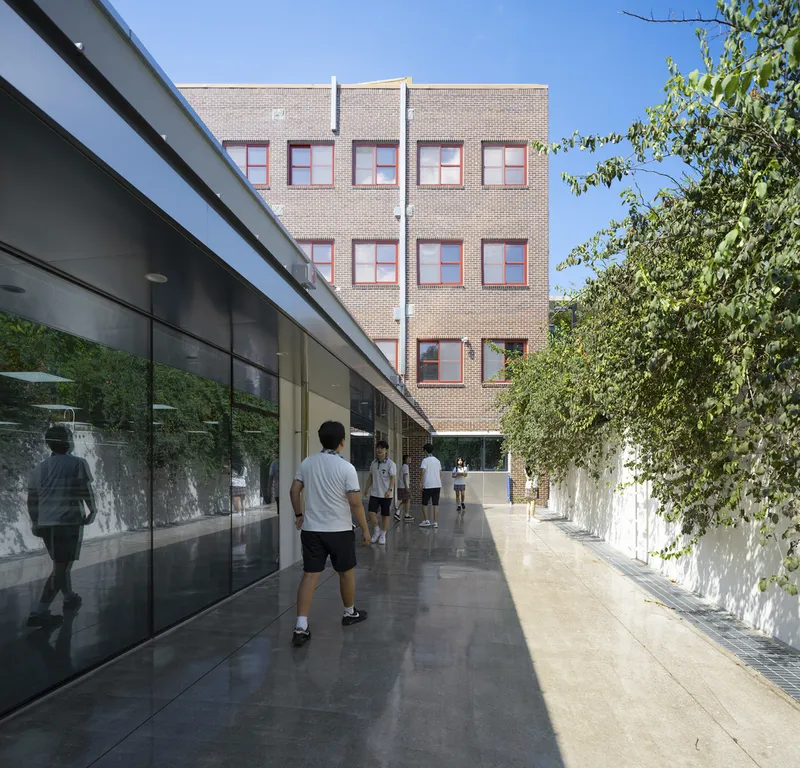
The architectural language of the extension is cohesive and refined. A generous south-facing eave not only shelters outdoor seating areas but also harmonizes the transition between internal and external movements. Transparent glazing connects the cafeteria to the yard and terrace, allowing nature and light to become integral elements of the dining experience.
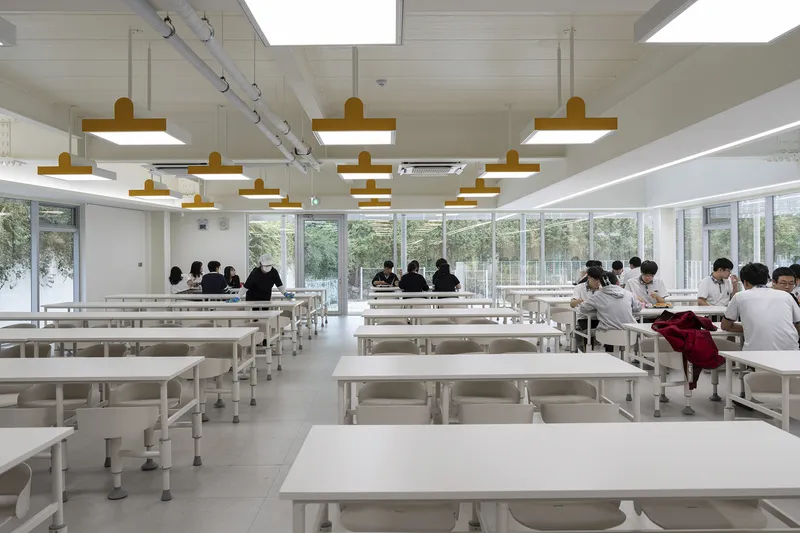


This thoughtful school cafeteria architecture design ensures that students are not confined to a traditional institutional atmosphere. Instead, they are encouraged to engage with their environment, fostering a sense of openness, community, and well-being.


A New Standard in School Dining Design
Bare Ground Architects' extension of the Mirae High School cafeteria represents a forward-thinking approach to school cafeteria architecture design. The project demonstrates how careful spatial planning, connection to nature, and light manipulation can turn a modest extension into a vibrant hub of student life. It elevates everyday routines like dining into opportunities for social interaction and visual delight, setting a new precedent for educational architecture in South Korea and beyond.


All photographs are works of Kim Yongsu


Popular Articles
Popular articles from the community


Opera by the Sea Estonia: Three Shells Dissolving Architecture into Tallinn's Coastline
A winning opera house proposal replaces monumental form with interconnected shells that blur the boundary between building, park and Baltic Sea.

Manzana Morphosis: Stretching Barcelona's Grid into a Living Landscape for 2050
A radical reworking of the Eixample manzana turns density into a tool for generous public space, vertical ecology, and environmental performance.

Singing Woman: An Opera House That Performs Before the Curtain Rises
Ovidiu Cristian Pavel's conceptual opera house translates Estonia's choral identity into a sculpted waterfront landmark facing the Baltic Sea.

Cloaked Colonization: A Mobile Underwater Habitat That Moves Like a Fish
Micah Abaya's shortlisted EHC Pacific entry reimagines ocean settlement as a dispersed network of self-sustaining architectural organisms.

Similar Reads
You might also enjoy these articles

FAMM Arquitectura Organizes Ten Villas Around Courtyards and Jungle in Nosara, Costa Rica
El Molino pairs two elongated volumes with deep overhangs and timber louvers to build a compact coastal community five minutes from the beach.
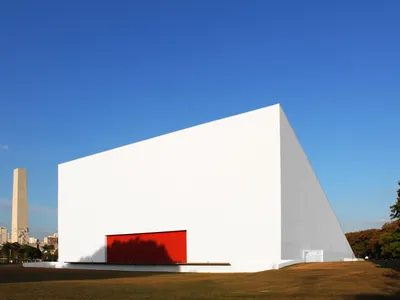
Oscar Niemeyer's Ibirapuera Park Pavilions Define São Paulo's Cultural Identity in Concrete and Curve
A constellation of modernist volumes set within São Paulo's most important urban park, conceived for the city's 400th anniversary in 1954.
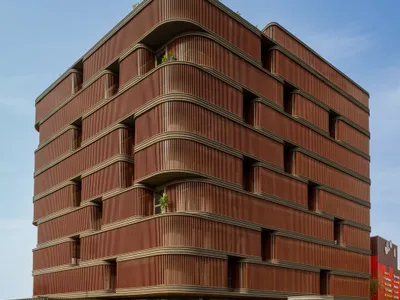
Sanjay Puri Architects Wraps a Jaipur Office Tower in Capsule-Shaped Green Buffers
A nine-level climate-responsive workplace near Jaipur Airport uses stacked planter terraces and aluminium screens to fight 40°C heat.
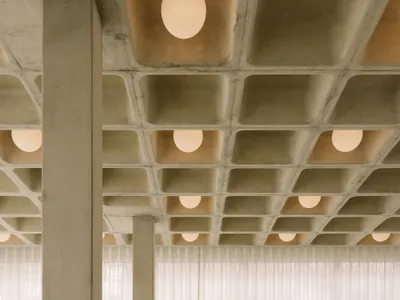
RHO Converts a Berlin Spree-Side Industrial Courtyard into Enkime's 1,000 m² Agency Headquarters
A social media agency's new home in Charlottenburg trades glossy branding for concrete waffle ceilings, glazed tile, and sheer curtains.

Explore Educational Building Competitions
Discover active competitions in this discipline

Challenge to design public laboratory

Challenge to reimagine the Iron Throne

Photograph architecture without architects

Illustrate the lost glory of Angkor Wat - Render Challenge
Comments (0)
Please login or sign up to add comments
No comments yet. Be the first to comment!