

MIRAFLOR by Camilo Rebelo: A Masterpiece in Warehouse Renovation Architecture
MIRAFLOR transforms an old warehouse into a contemporary home, preserving its historical essence while introducing a floating concrete interior volume.


A Harmonious Blend of Past and Present
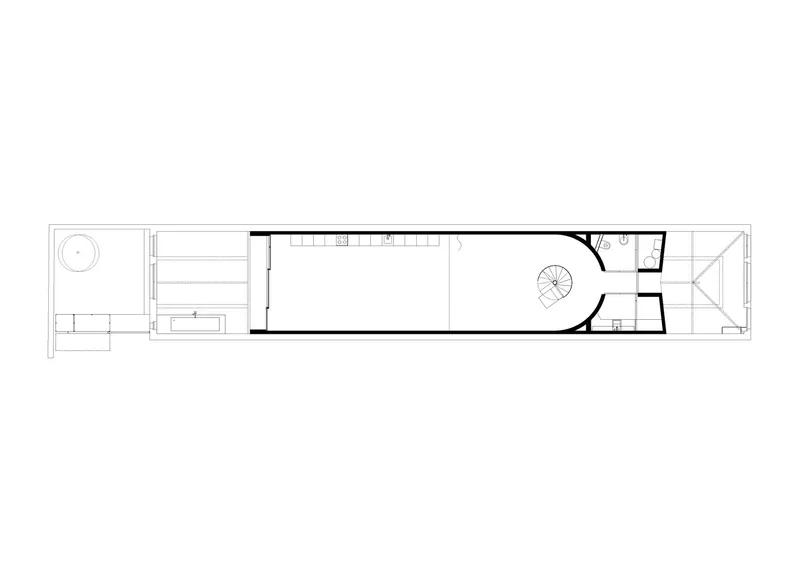
MIRAFLOR, designed by Camilo Rebelo, is an exceptional example of warehouse renovation architecture, redefining the relationship between heritage and contemporary design. Located in Portugal, this 260-square-meter project transforms an old warehouse into a sophisticated living space while preserving its historical essence. Through an innovative spatial approach, the renovation introduces a new architectural volume within the existing structure, creating a compelling dialogue between old and new.
A Floating Interior Volume
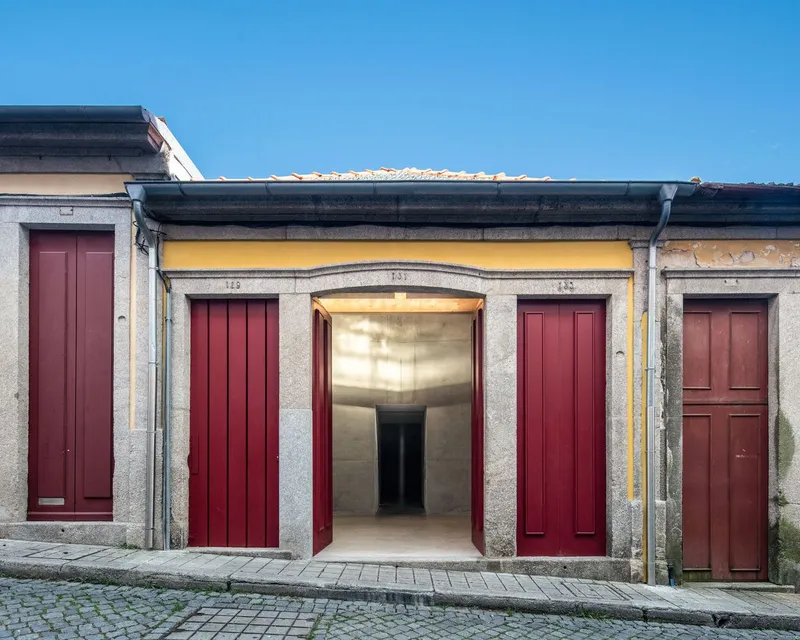
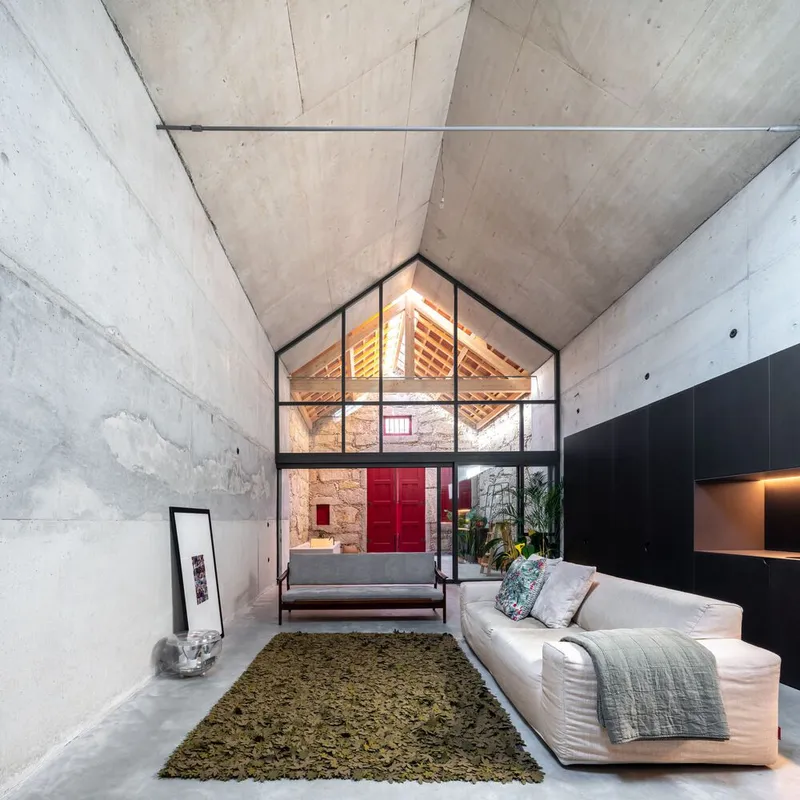
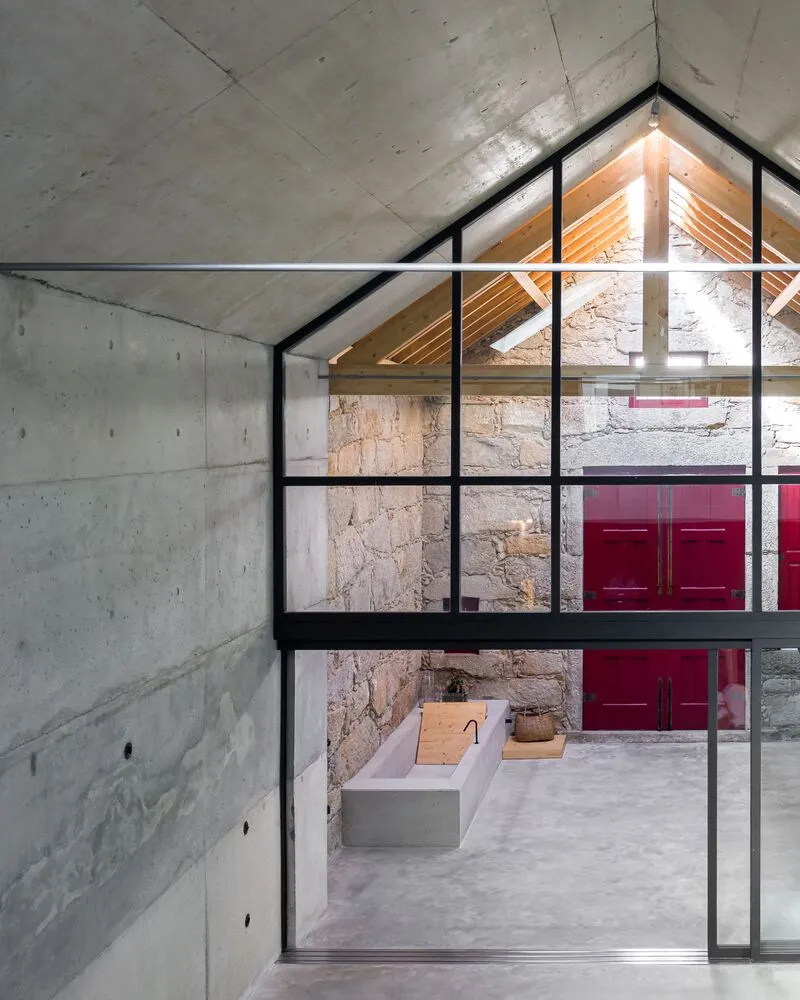
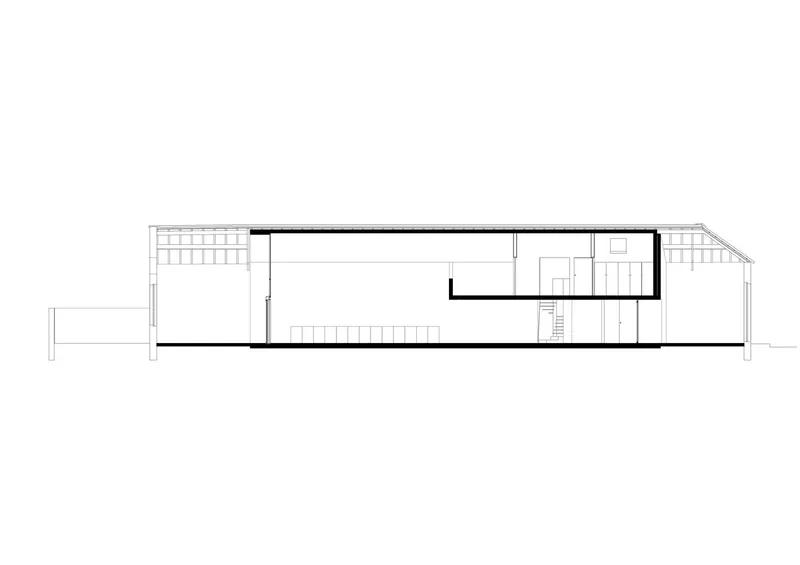
One of the defining elements of MIRAFLOR’s design is the way the new interior volume is placed within the warehouse without touching the original exterior facades. This strategy preserves the authenticity of the pre-existing structure while generating transitional spaces that blur the boundaries between history and modernity. The new volume appears to float, emphasizing the contrast between the aged granite stone walls and the contemporary concrete additions.

Material Contrast and Architectural Composition
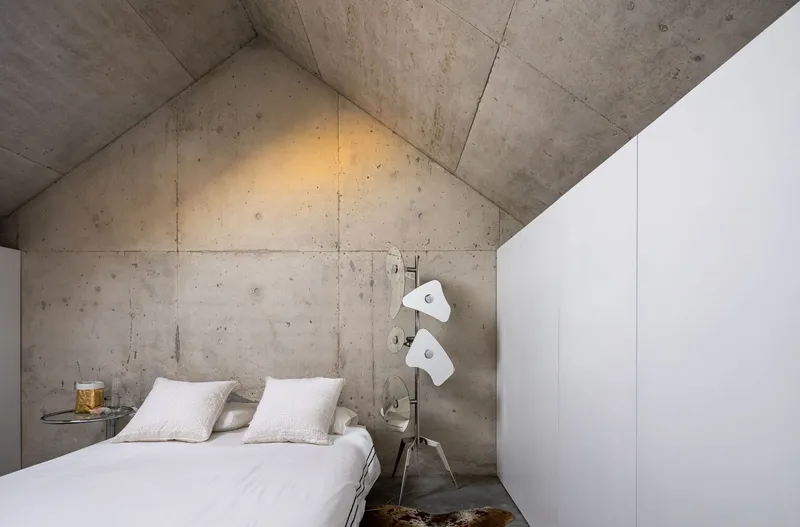
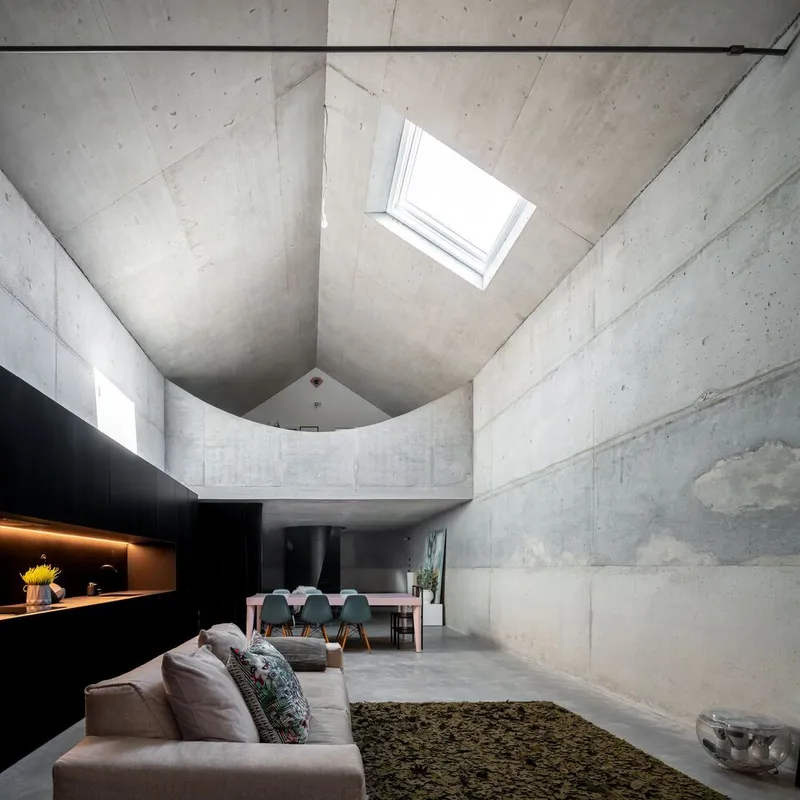
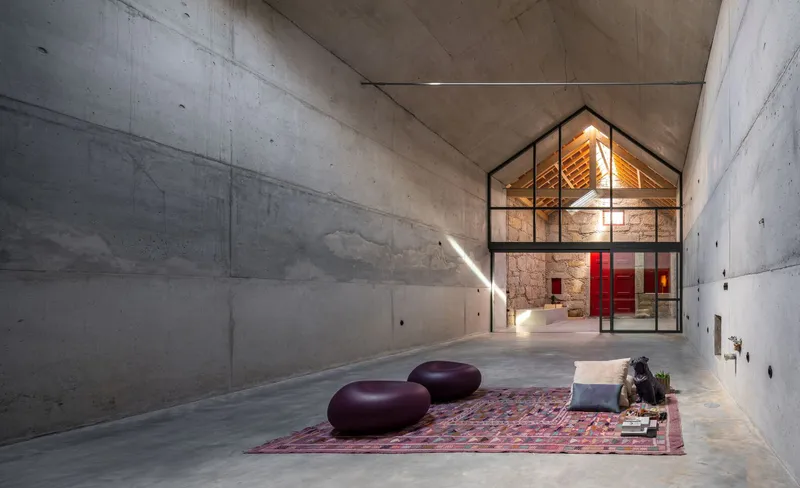
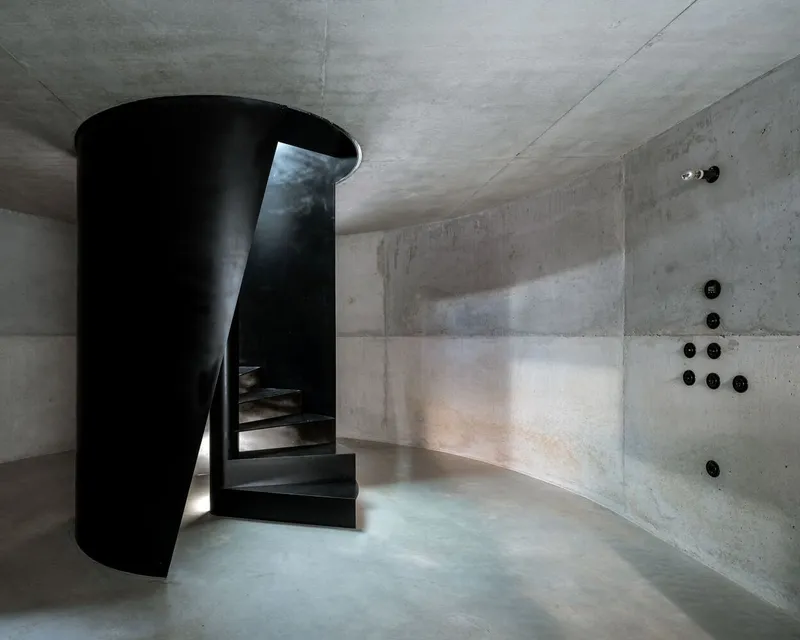
The materiality of MIRAFLOR is carefully curated to highlight different construction epochs. The interior façade facing the street adopts a figurative composition made of raw concrete, featuring a traditional central door that references historical architecture. Inside, the structure is primarily composed of natural concrete, which subtly contrasts with the rough granite walls. Additional elements, such as stucco walls and MDF-painted panels, enhance the visual and textural depth of the space.
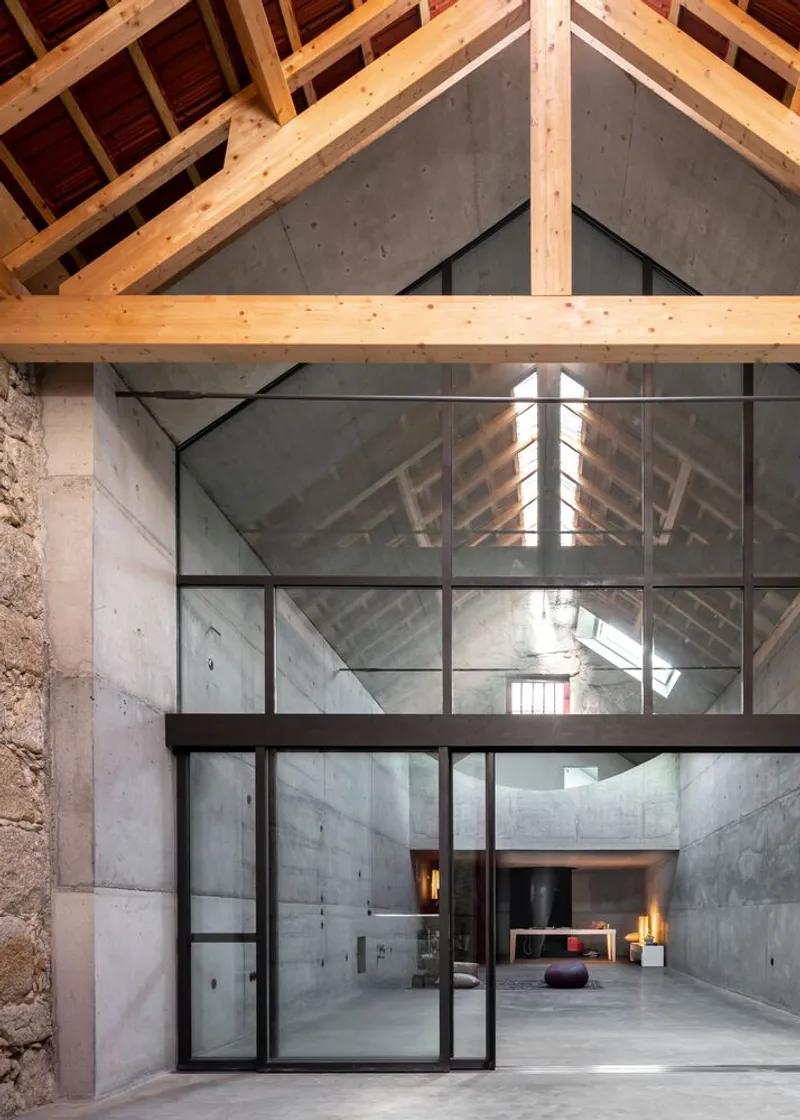
A striking feature within the residence is the black-painted iron spiral staircase, which seamlessly connects different levels. This sculptural element adds a dynamic vertical axis to the project, reinforcing the contrast between the robust industrial character of the warehouse and the refined elegance of the renovated interiors.
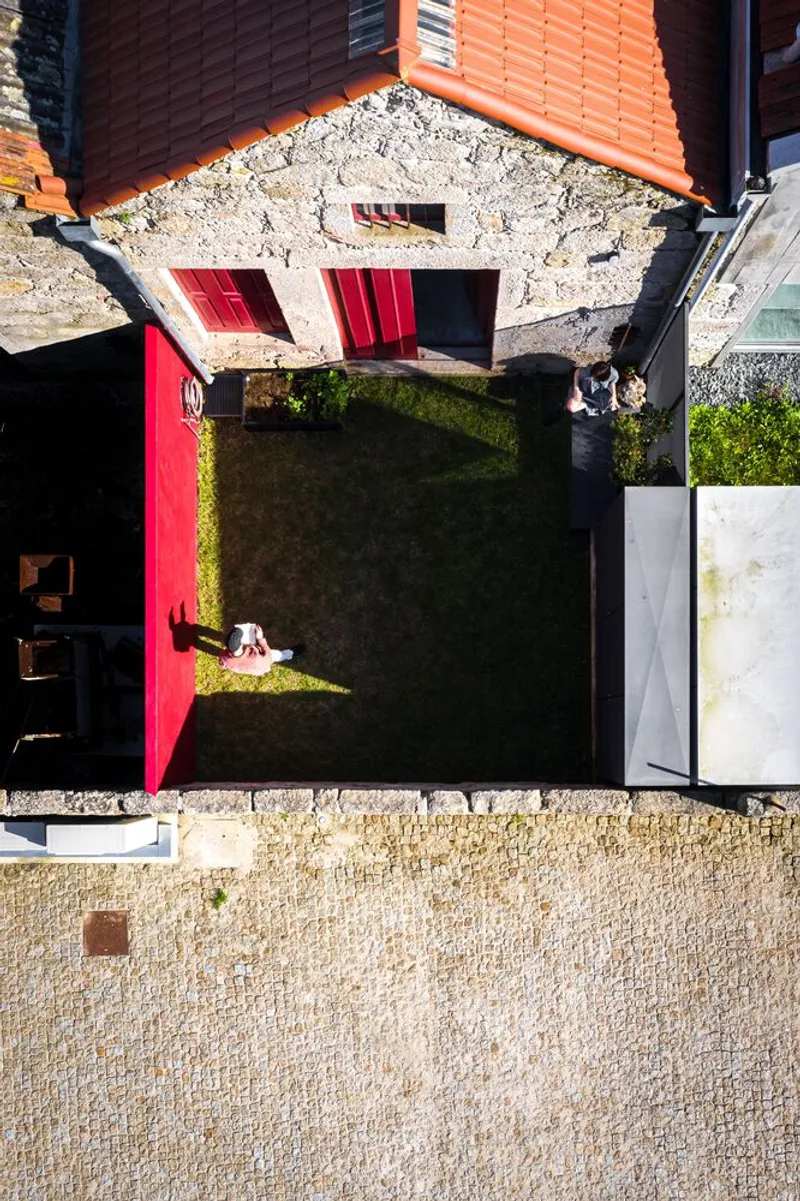
Light and Spatial Experience
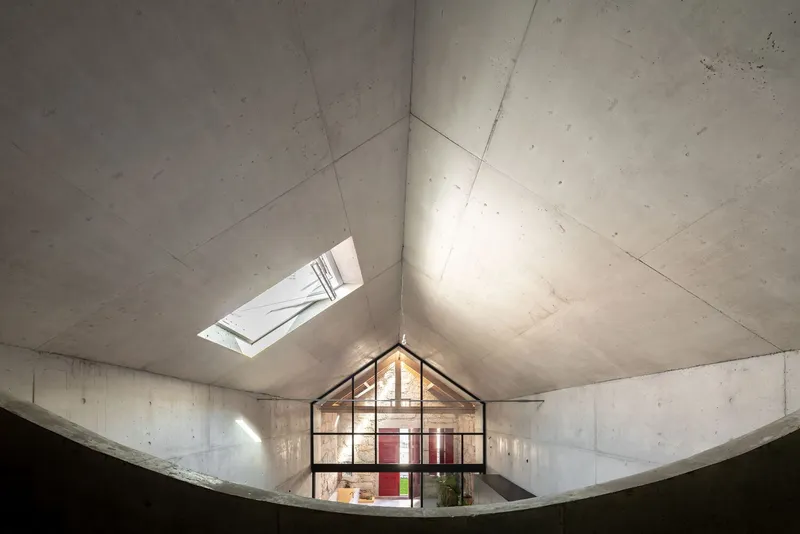
Lighting plays a crucial role in shaping the spatial experience of MIRAFLOR. The dominant source of illumination is zenithal, allowing natural light to filter through and highlight different moments within the interior. This interplay between light and shadow accentuates the architectural details, further enriching the atmosphere of the space.
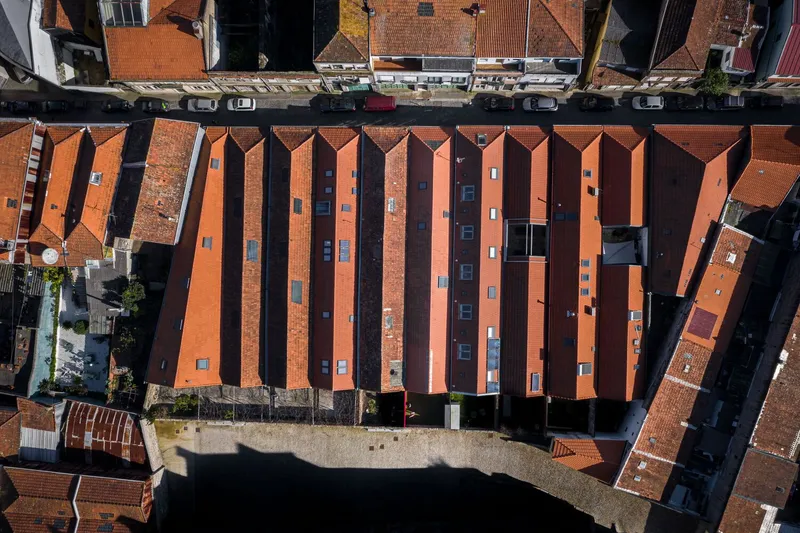
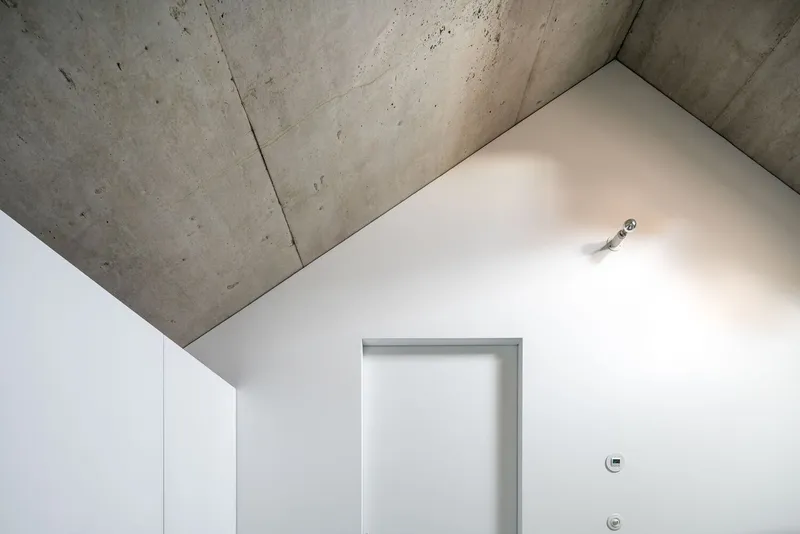
At the rear of the house, a winter garden introduces a natural refuge within the structure, offering a serene connection to the outdoors. Externally, a small landscaped garden complements the project, creating a balance between urban density and intimate green spaces.
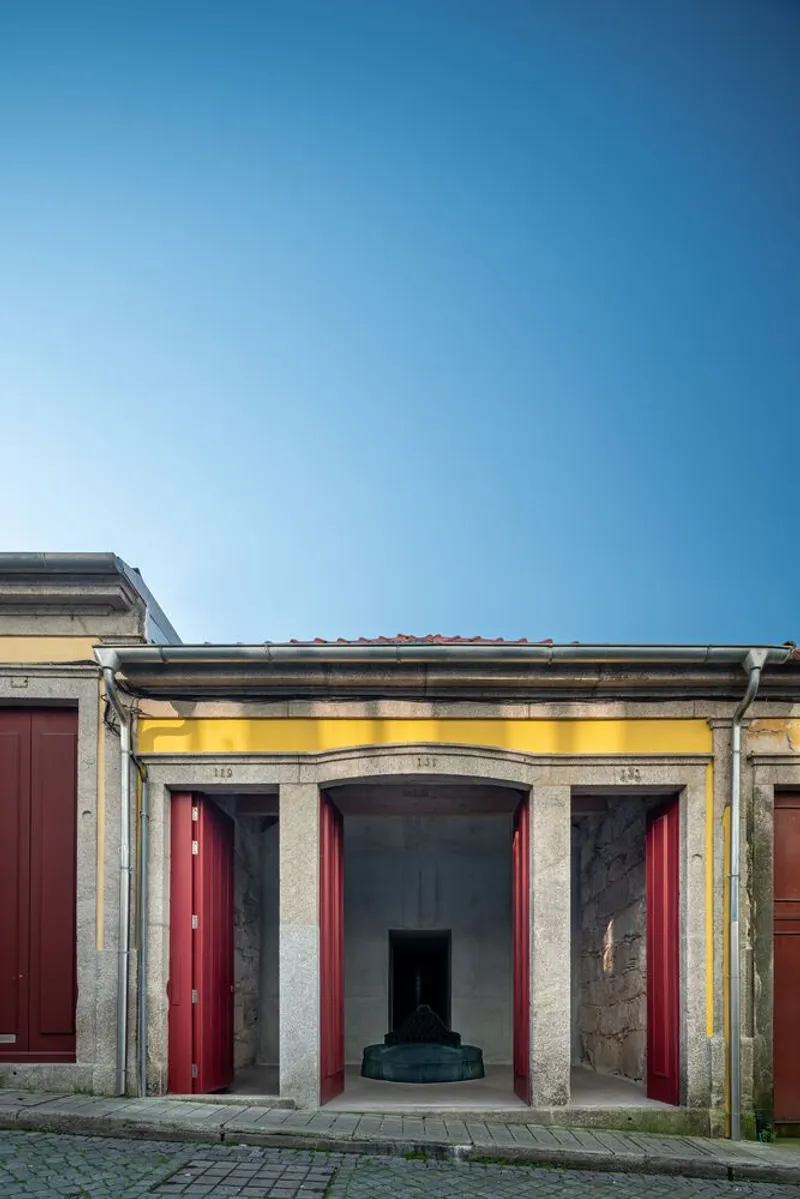
A Case Study in Adaptive Reuse
MIRAFLOR exemplifies how warehouse renovation architecture can preserve historical identity while introducing contemporary functionality. By respecting the original structure and introducing a bold yet sensitive interior intervention, Camilo Rebelo has crafted a living space that embodies architectural innovation. The project serves as a case study in adaptive reuse, demonstrating how industrial heritage can be repurposed into modern, sustainable residential environments.

All photographs are works of Nuno Pinto




Popular Articles
Popular articles from the community

EW PARK: Sustainable Architecture Reimagines the Future of Urban Parking
EW PARK reimagines city parking as a modular wooden tower combining automation, solar energy, electric mobility, and adaptable urban design.

The Ocean Hive: Sustainable Architecture for a Self-Sufficient Civilization at Sea
The Ocean Hive imagines sustainable architecture at sea, where modular habitats, algae, wave power and ocean waste sustain a growing colony.

Conexión: Biophilic Design Reimagines High-Rise Living in Hong Kong
Conexión reimagines high-rise living in Hong Kong through biophilic design, green facades, shared spaces, daylight, water and nature within.

Co-life: Sustainable Architecture for Age-Friendly Community Living
Co-life reimagines sustainable architecture for seniors through courtyards, rammed earth, shared gardens, and spaces designed for belonging.


Similar Reads
You might also enjoy these articles


FAMM Arquitectura Organizes Ten Villas Around Courtyards and Jungle in Nosara, Costa Rica
El Molino pairs two elongated volumes with deep overhangs and timber louvers to build a compact coastal community five minutes from the beach.

Oscar Niemeyer's Ibirapuera Park Pavilions Define São Paulo's Cultural Identity in Concrete and Curve
A constellation of modernist volumes set within São Paulo's most important urban park, conceived for the city's 400th anniversary in 1954.
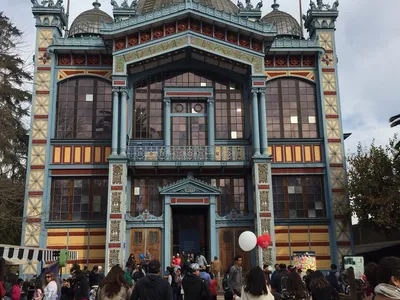
How Henri Picq's 1889 Paris Pavilion Traveled 11,000 Kilometers to Become Santiago's Artequín Museum
A prefabricated iron and glass pavilion built for the Paris Universal Exposition found a second life as a children's art museum in Chile.

Sanjay Puri Architects Wraps a Jaipur Office Tower in Capsule-Shaped Green Buffers
A nine-level climate-responsive workplace near Jaipur Airport uses stacked planter terraces and aluminium screens to fight 40°C heat.


Explore Architecture Competitions
Discover active competitions in this discipline



Challenge to reimagine the Iron Throne


Photograph architecture without architects


Illustrate the lost glory of Angkor Wat - Render Challenge


Design challenge to reuse E-waste
Comments (0)
Please login or sign up to add comments
No comments yet. Be the first to comment!