
Mirrors of Zlín: An Immersive Landscape Installation by Loom on the Moon
Immersive mirror installation in Zlín blends history, sound, and light, creating a poetic, interactive landscape reflecting time, nature, and memory.

The Mirrors of Zlín Installation is a poetic and immersive architectural intervention located in Zlín, created to commemorate 700 years of the city’s cultural and historical evolution. Designed by the experimental studio Loom on the Moon, this multimedia exhibition transforms a historic château park into a dynamic narrative landscape where architecture, sound, light, and storytelling converge.
Curated by Paula Pintos, the project reimagines how public installations can engage with history, not as static memory, but as a living, sensory experience. Through a trilogy of installations, the exhibition explores the relationship between time, perception, and place, offering visitors an evolving journey through past, present, and speculative futures.
A Narrative Rooted in History and Interpretation
At the core of the installation lies an interpretive dialogue inspired by writer Pavel Kosatík, whose reflections on Zlín’s transformation provide a conceptual framework. His narrative is translated into a visual and spatial language through illustrations and architectural elements, forming an intergenerational exchange between text and imagery.
This interplay creates moments of harmony and contrast, where storytelling unfolds not only through written history but also through spatial experience. Visitors are invited to interpret the city’s identity through layered perspectives, bridging memory and imagination.

Immersive Cinema: Reconstructing Time Through Visual Art
One of the central components of the installation is an immersive audiovisual experience that functions as a temporal gateway. This “living cinema” presents Zlín across multiple eras, from rural beginnings and industrial expansion to moments of crisis and contemporary life.
The film is uniquely crafted as a frame-by-frame painted animation, where each frame becomes an individual artwork. This meticulous approach transforms the cinematic experience into a gallery of moving paintings, blurring the boundaries between fine art, film, and architecture.
Through shifting seasons, changing light conditions, and historical milestones such as the arrival of the railway and the industrial boom, visitors are enveloped in a multisensory reconstruction of time.
The Mirrors: A Lyrical Constellation in Nature
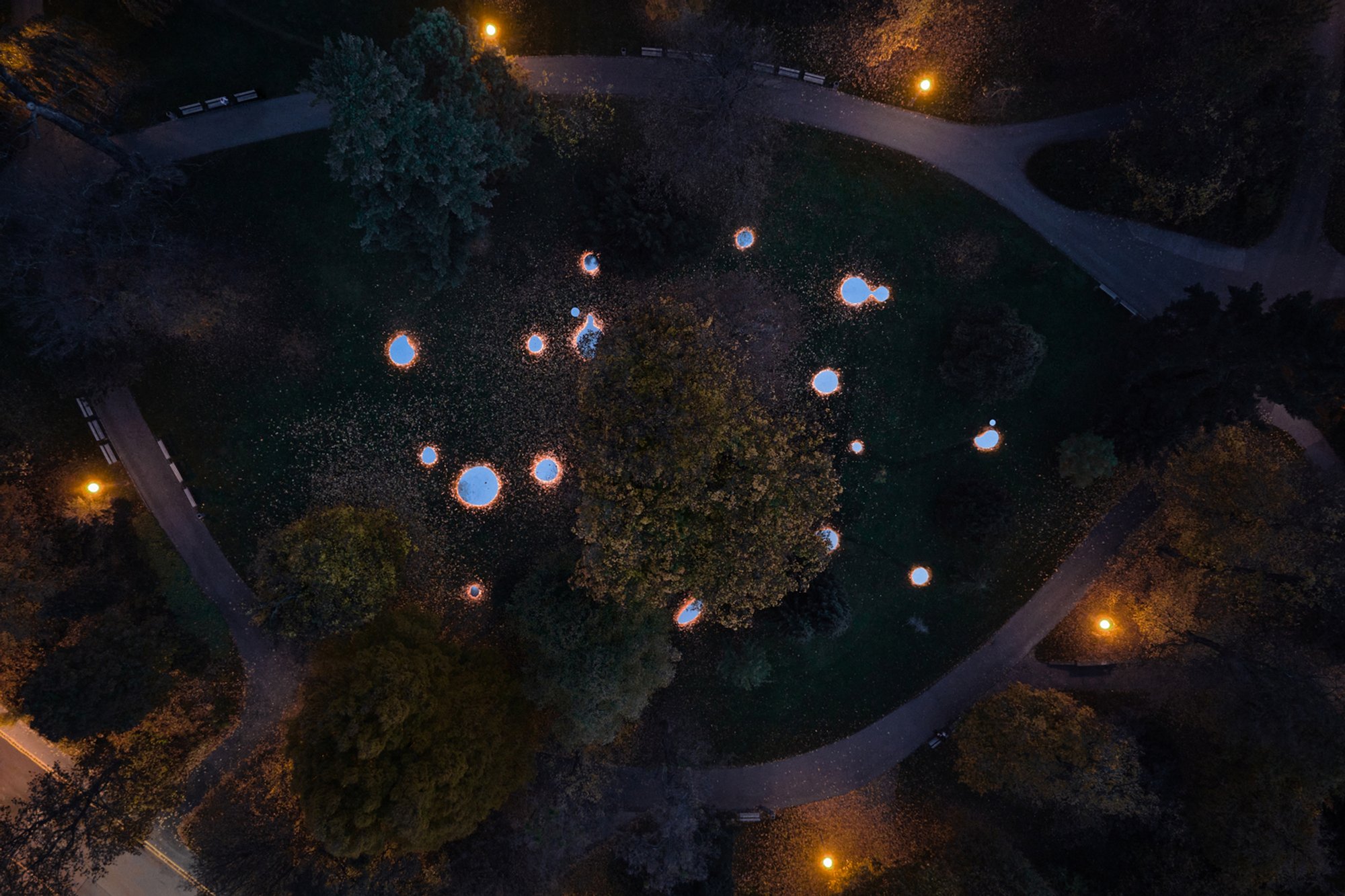
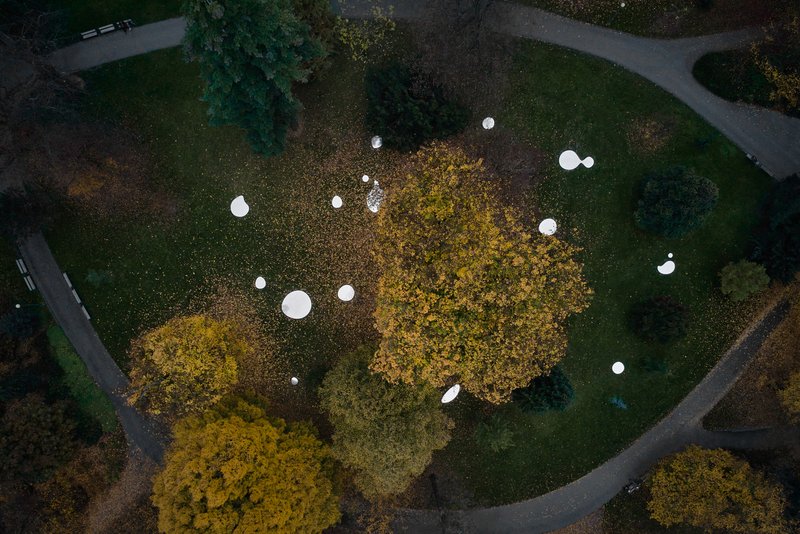
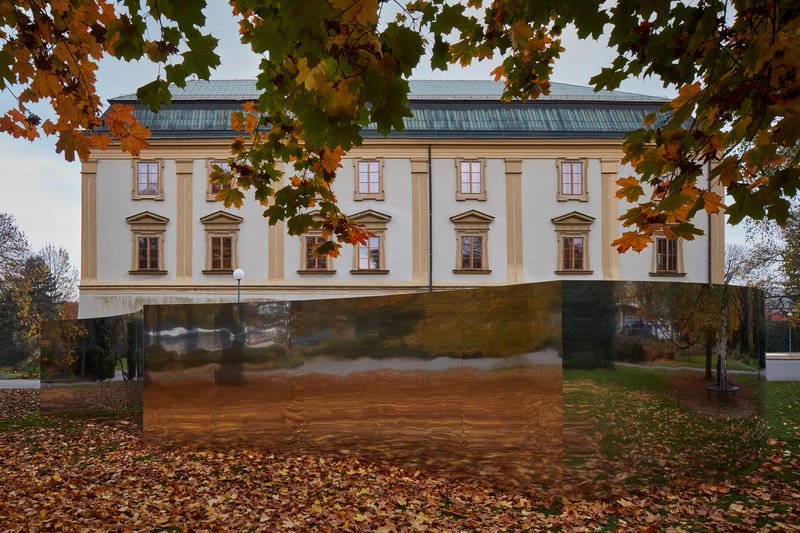
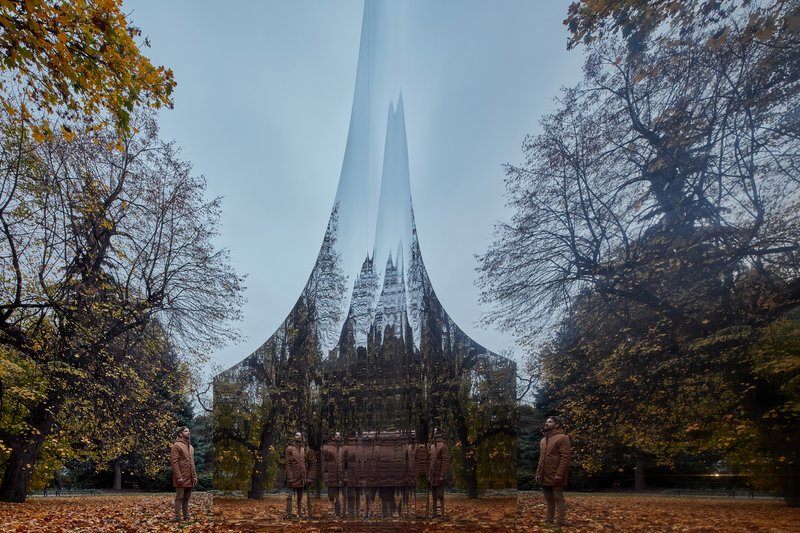
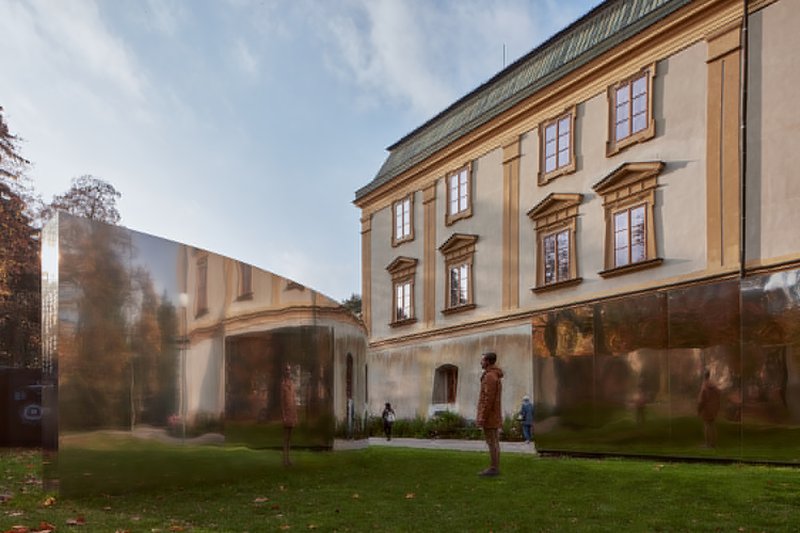
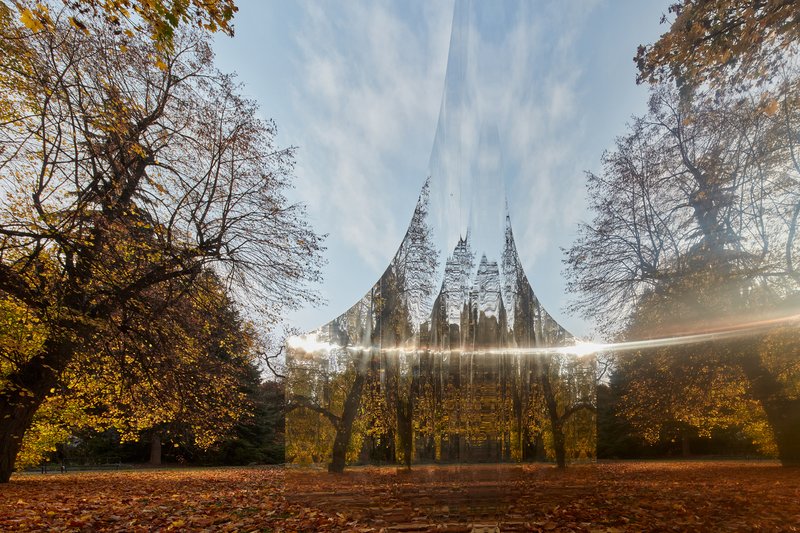
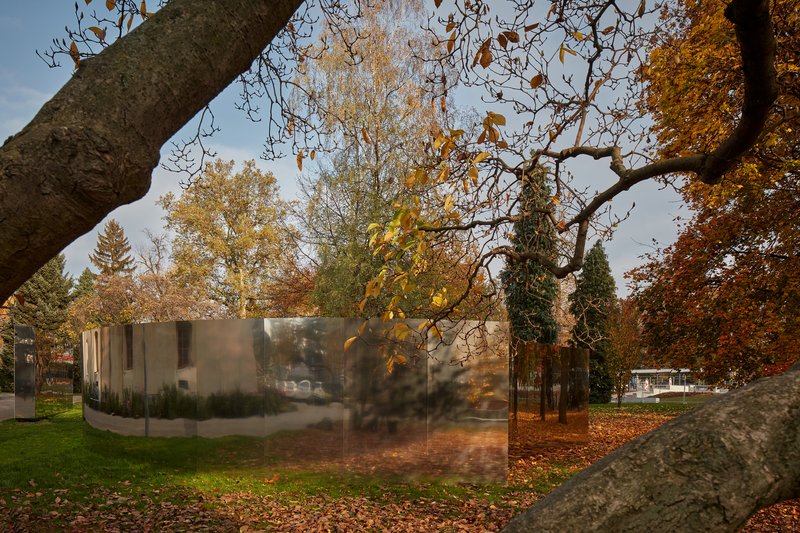
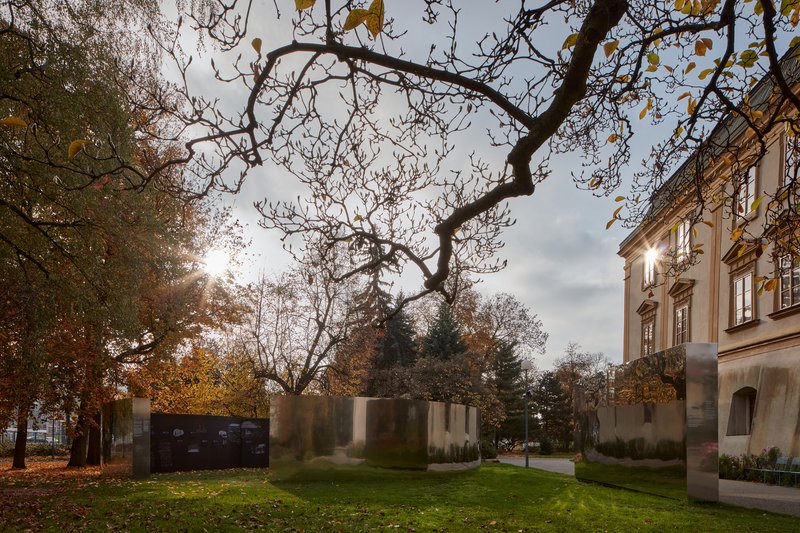
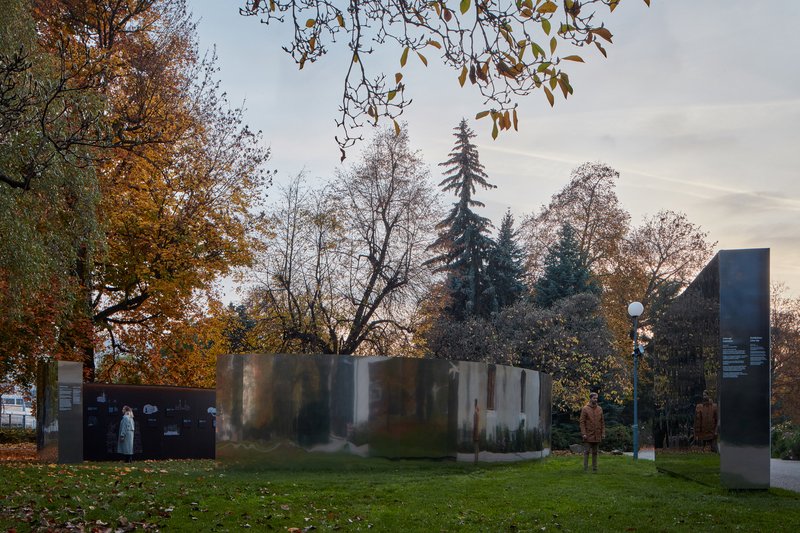
The most iconic element of the installation is the “Mirrors of Zlín”, a constellation of fluid, reflective forms scattered across the park landscape. These mirror-like surfaces are carefully positioned among trees, capturing fragments of sky, foliage, and human presence.
Rather than imposing on the environment, the mirrors dissolve into it, creating a constantly shifting visual dialogue between nature and observer. The reflections transform with every movement, making each visit unique and deeply personal.
Accompanying this visual experience is a site-specific sound composition, inspired by the rhythms of nature and celestial cycles. The installation acts as a poetic timekeeping device: an astrological clock that responds to equinoxes, solstices, and seasonal transitions.
Sound, Light, and the Passage of Time
The auditory dimension of the project is rooted in extensive research into the bell sounds of the Zlín region. These recordings form the basis of a multi-channel composition that resonates throughout the park, creating a sonic map of the region’s cultural identity.
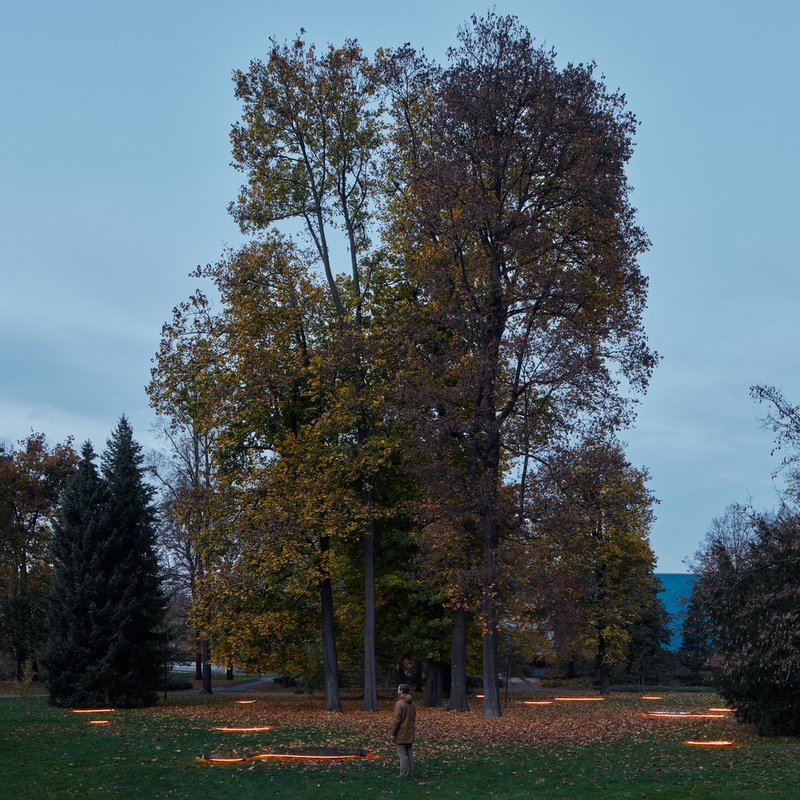
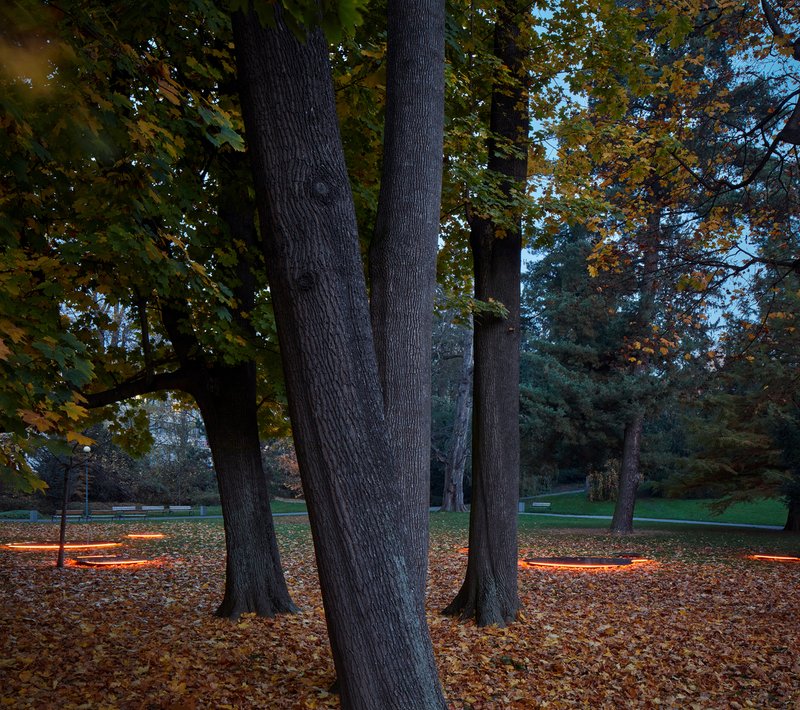
The soundscape evolves throughout the year, synchronized with solar and stellar movements. This temporal layering is further enhanced by subtle lighting interventions, which interact with the mirrors to produce a dreamlike nocturnal environment.
The result is a seamless integration of natural and artificial light, sound, and spatial design, an ever-changing installation that exists in harmony with its surroundings.
Architectural Components and Material Strategy
The installation is composed of three interconnected elements, each contributing to the overall narrative and spatial experience:
Encyclopedia: A Circular Archive of Memory
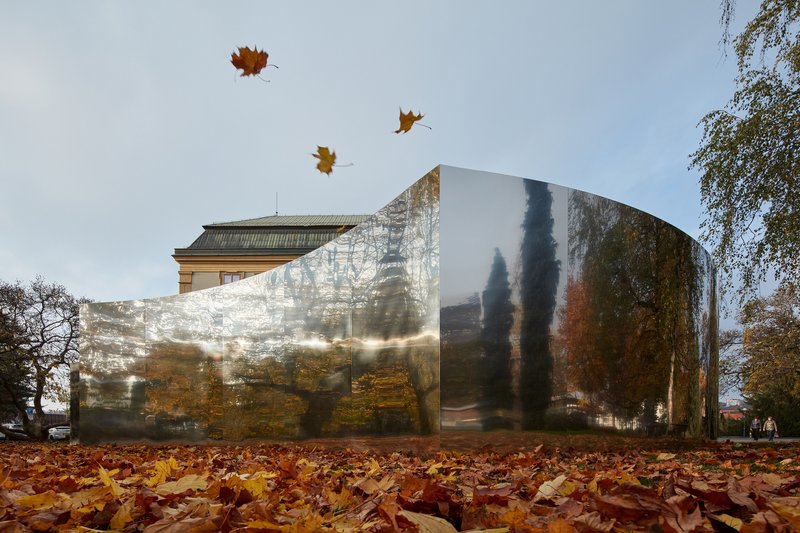
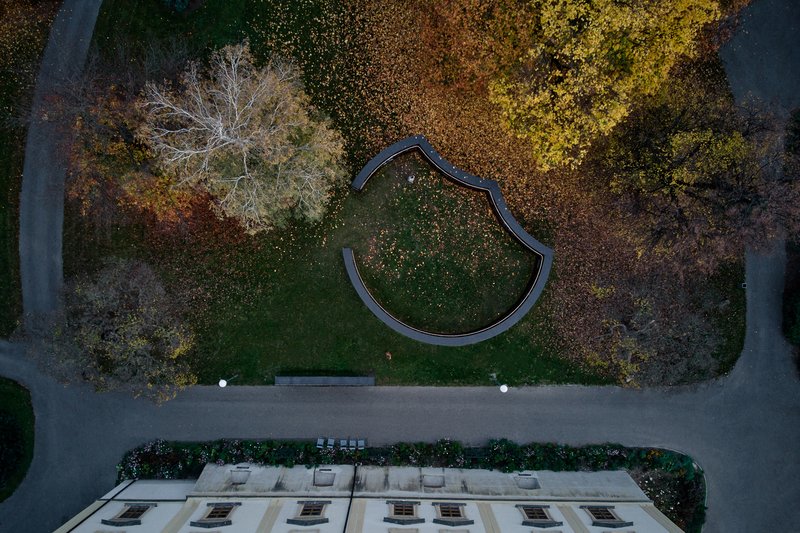
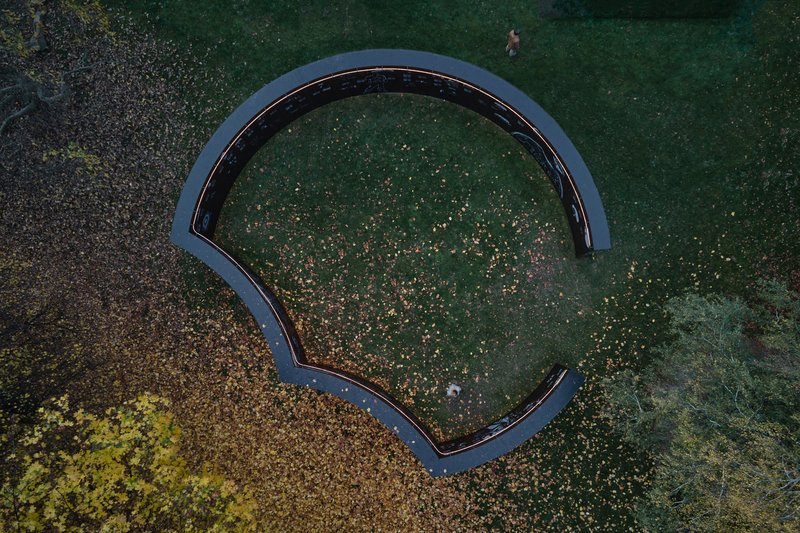
The “Encyclopedia” is a 40-meter-long circular wooden structure that adapts organically to the existing trees. Its mirrored steel exterior reflects the surrounding landscape, while the interior plywood surface serves as a canvas for artistic depictions of Zlín’s 700-year history.
This duality, reflective outside, narrative inside, symbolizes the relationship between external perception and internal memory.
Immerse: A Reflective Cinema Space
The “Immerse” section functions as an open-air cinema with mirrored surfaces that create an optical illusion. The interplay between flat and curved reflections enhances the cinematic experience, turning the audience into active participants within the visual field.
Statements: Reflective Installations as Landscape Elements
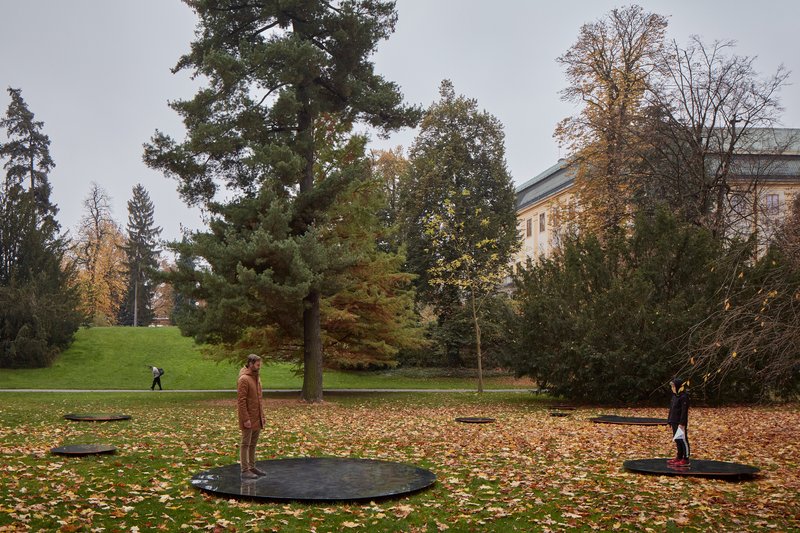
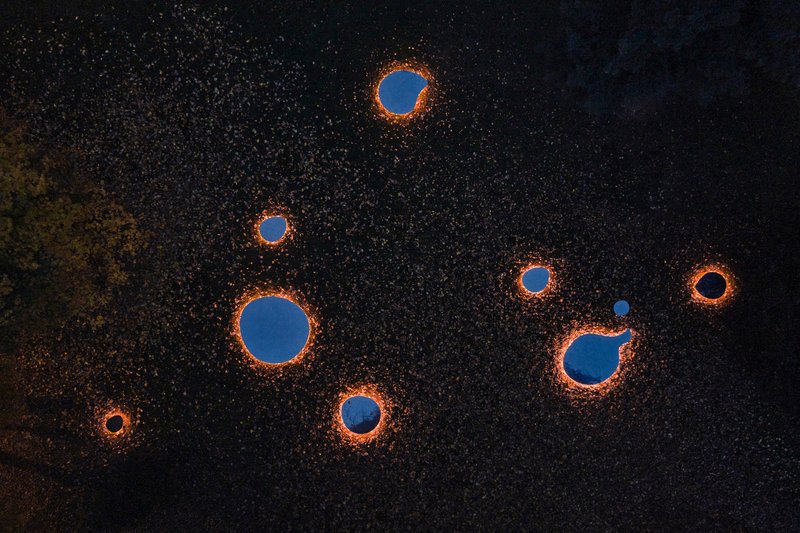
The “Statements” are a series of mirror installations resembling rain puddles scattered across the lawn. Lightweight and non-invasive, these elements are anchored discreetly and equipped with integrated sound and lighting systems.
Each piece varies in shape and size, reinforcing the organic, fluid aesthetic. Together, they form a synchronized network of sensory experiences, blending seamlessly into the natural environment.
A Site-Specific Experience Beyond Time
What makes the Mirrors of Zlín truly unique is its site-specific and time-dependent nature. The installation cannot be separated from its context: it evolves with the seasons, the movement of light, and the presence of visitors.
It is not merely an exhibition but a living system, an architectural composition that responds to environmental and temporal conditions. By merging storytelling, technology, and landscape, Loom on the Moon has created a project that redefines how we experience public space.
The Mirrors of Zlín Installation stands as a powerful example of contemporary experiential architecture: where history, art, and environment intersect. It invites visitors to reflect, literally and metaphorically, on the passage of time and the identity of place.
Through its innovative use of mirrors, sound, and narrative, the project transforms a park into a multidimensional archive of memory and imagination, offering a deeply immersive and poetic encounter with the city of Zlín.
All photographs are works of
BoysPlayNice



Popular Articles
Popular articles from the community

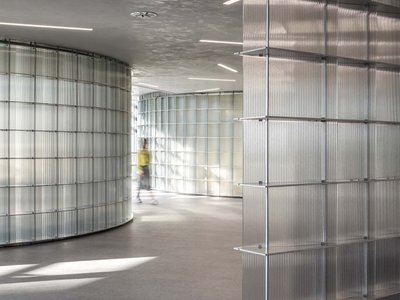
HCCH Studio Wraps a Shanghai High-Rise Office in Curved Walls of Translucent Glass
A 1,000 square meter fit-out in Lujiazui replaces the typical tech-office palette with layered glass, micro-cement, and quiet rigor.
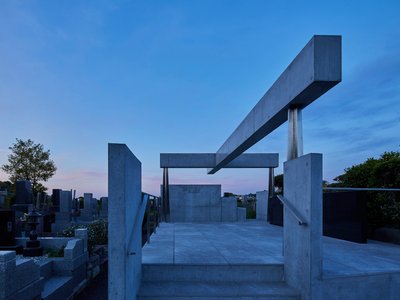
Takeshi Hosaka Architects Suspends a Concrete Cross Above a Yokohama Cemetery
A 28-square-meter burial renovation in Yokohama lifts the symbol of resurrection into the sky so mourners see it against heaven.
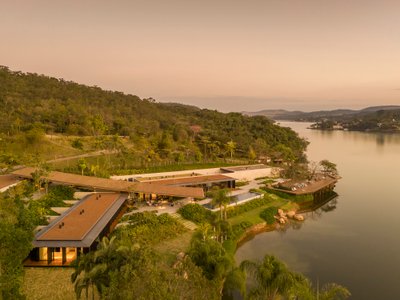
Bernardes Arquitetura Stretches a Timber Roof Along a Reservoir's Edge in Minas Gerais
Dam House in Itaúna lets a sweeping wooden canopy dissolve the boundary between hillside terrain and open water.

20 Most Popular Furniture Design Projects of 2025
Modular street systems, parametric benches, and insect hotels: the furniture design projects that captivated architects on uni.xyz in 2025.
Similar Reads
You might also enjoy these articles

Kokaistudios Wraps a Shanghai Retail Podium in Horizontal Louvers That Echo Its Foster + Partners Neighbor
A four-storey glass-roofed gateway links an underground commercial valley to the revitalized north bank of Shanghai's Suzhou River.

Fausto Terán and Toro Fuse Japanese Craft with Mexican Tradition in a Lakeside Retreat
Nakamura House pairs Shou-Sugi-Ban charred pine with handmade clay tile at the foot of Atlangatepec Lagoon in Mexico.
RDTH architekti Rips Out Nearly Every Wall in a Prague Apartment and Replaces Them with Furniture
A 101-square-meter post-war flat in Prague trades rigid partitions for a single rotated furniture block, curtains, and glass concrete.

SWA Group Spirals a Landscape Memorial into the Woods of Sandy Hook
A 1.8-acre clearing in Newtown, Connecticut, honors 26 lives lost with water, stone, and a single sycamore tree.

Explore Architecture Competitions
Discover active competitions in this discipline




The International Standard for Design Portfolios


The Global Benchmark for Architecture Dissertation Awards


The Global Benchmark for Graduation Excellence

Challenge to design a portable theatre
Comments (0)
Please login or sign up to add comments
No comments yet. Be the first to comment!