

Modern Brazilian Residential Architecture: Unveiling the FG House by Caracho Arquitetos
The article showcases the FG House by Caracho Arquitetos, a modern Brazilian residence emphasizing natural cooling, privacy, and seamless indoor-outdoor integration.


Brazilian residential architecture is renowned for its innovative approach and tropical modernism. The FG House in Bauru, designed by Caracho Arquitetos, exemplifies this with its unique composition and integration with nature, marking a significant contribution to modern Brazilian residential architecture.
Design Philosophy and Structure of the FG House
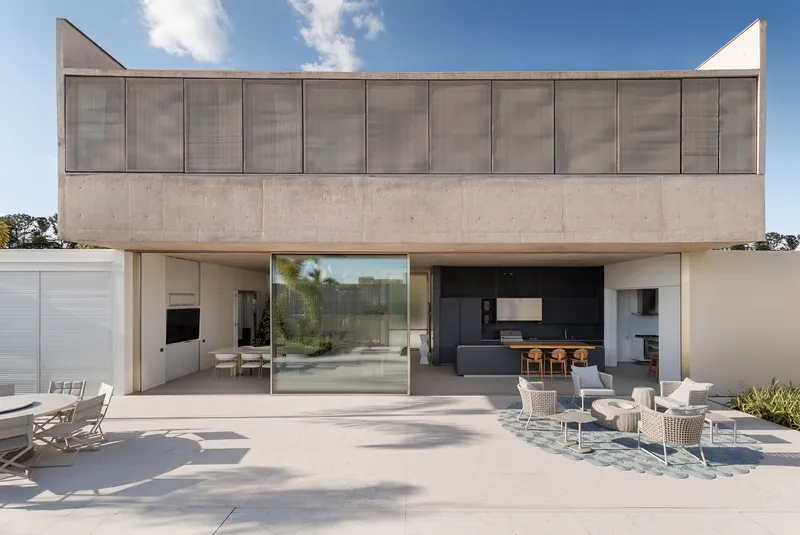
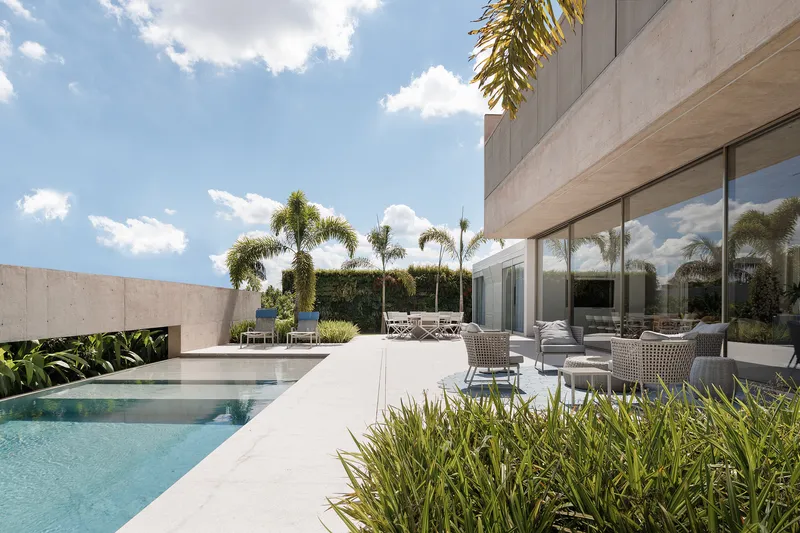
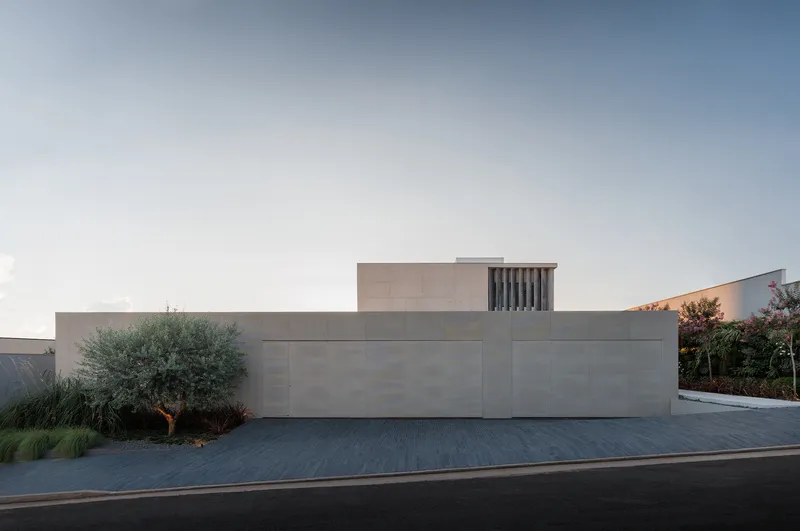
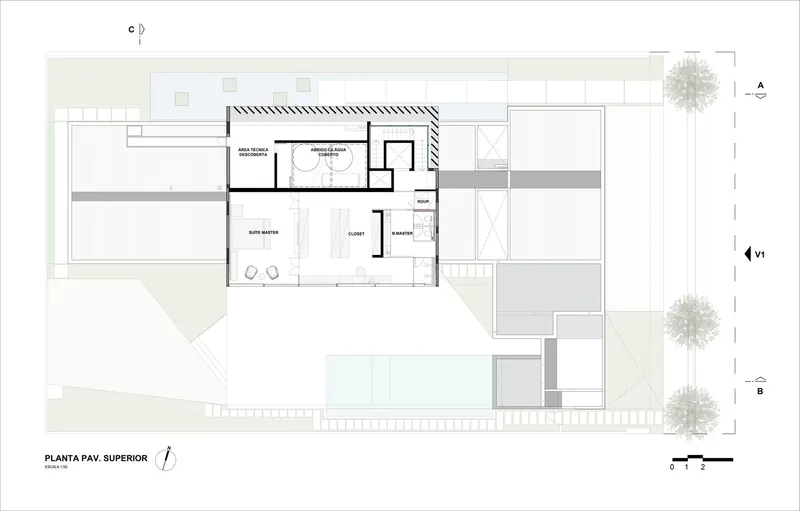
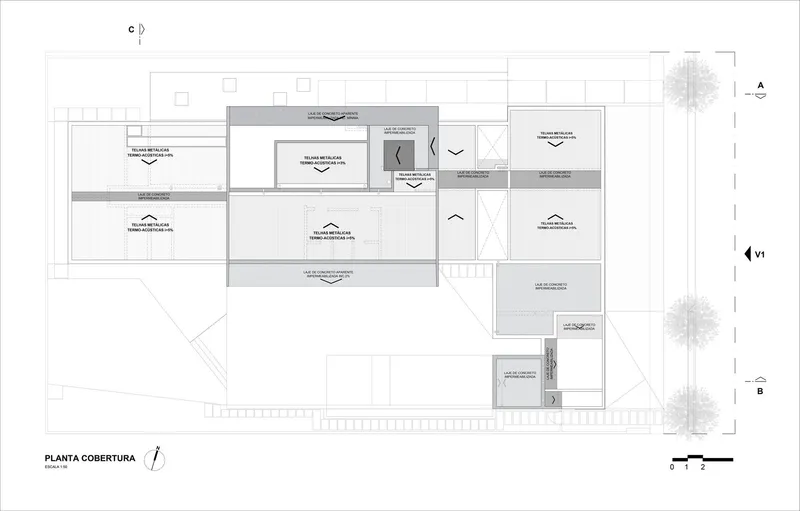
The FG House is strategically situated to optimize natural cooling, avoiding the harsh western sun. This 6308 ft² residence is divided into three distinct blocks, each serving a unique purpose while promoting seamless indoor-outdoor living.


Functional Division into Three Blocks
The house's layout consists of three aligned blocks, each contributing to the residence's functionality and aesthetic appeal:
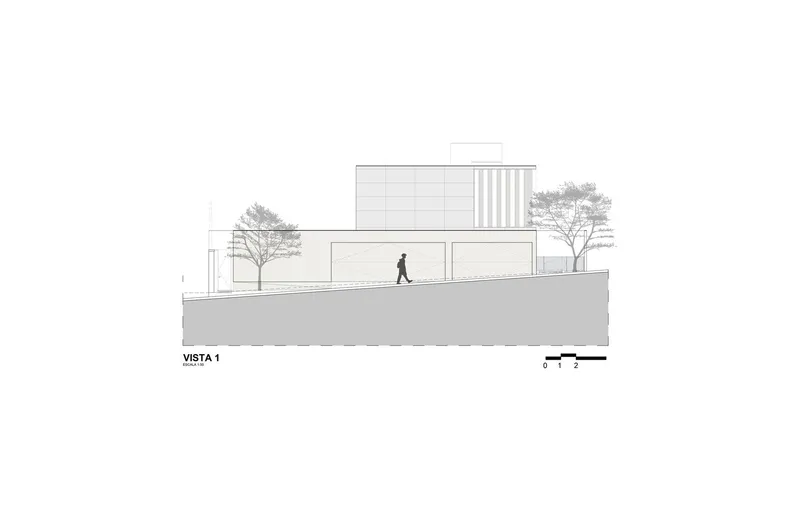
- The Front Block: Housing the garage, service areas, and support facilities, this section ensures operational efficiency while maintaining street-side privacy.
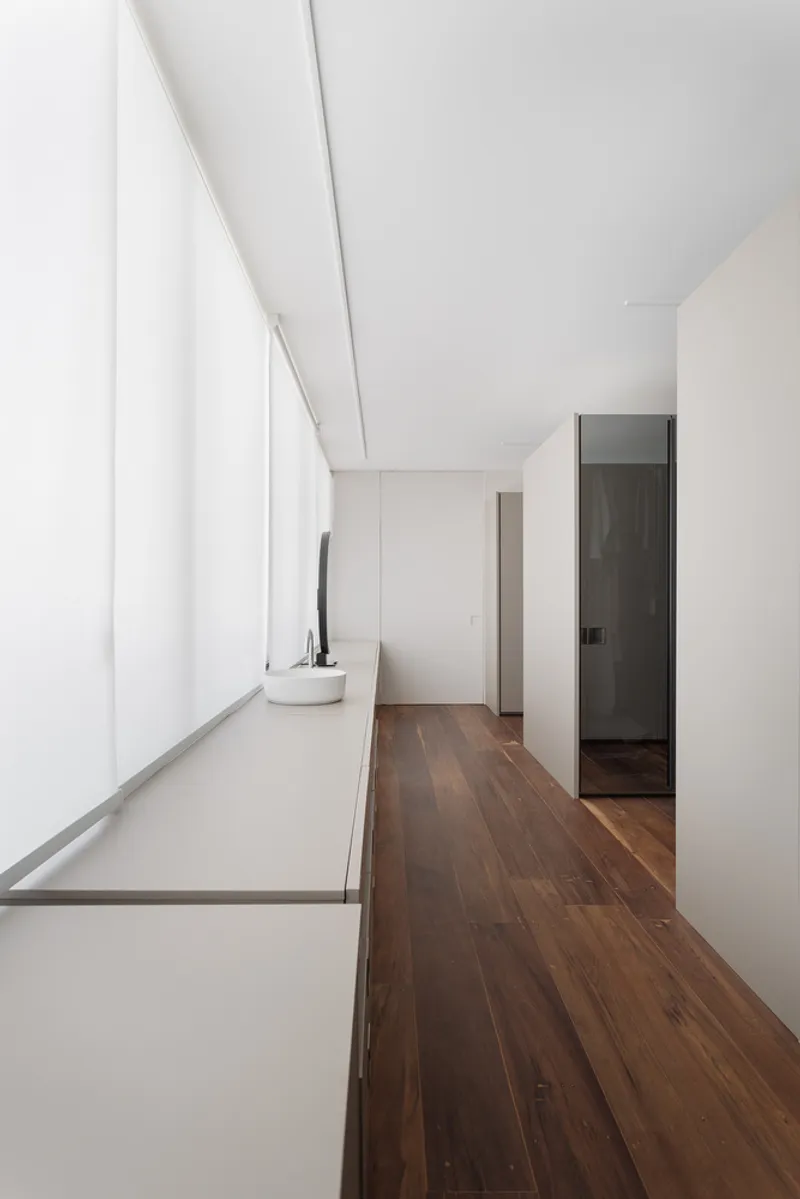
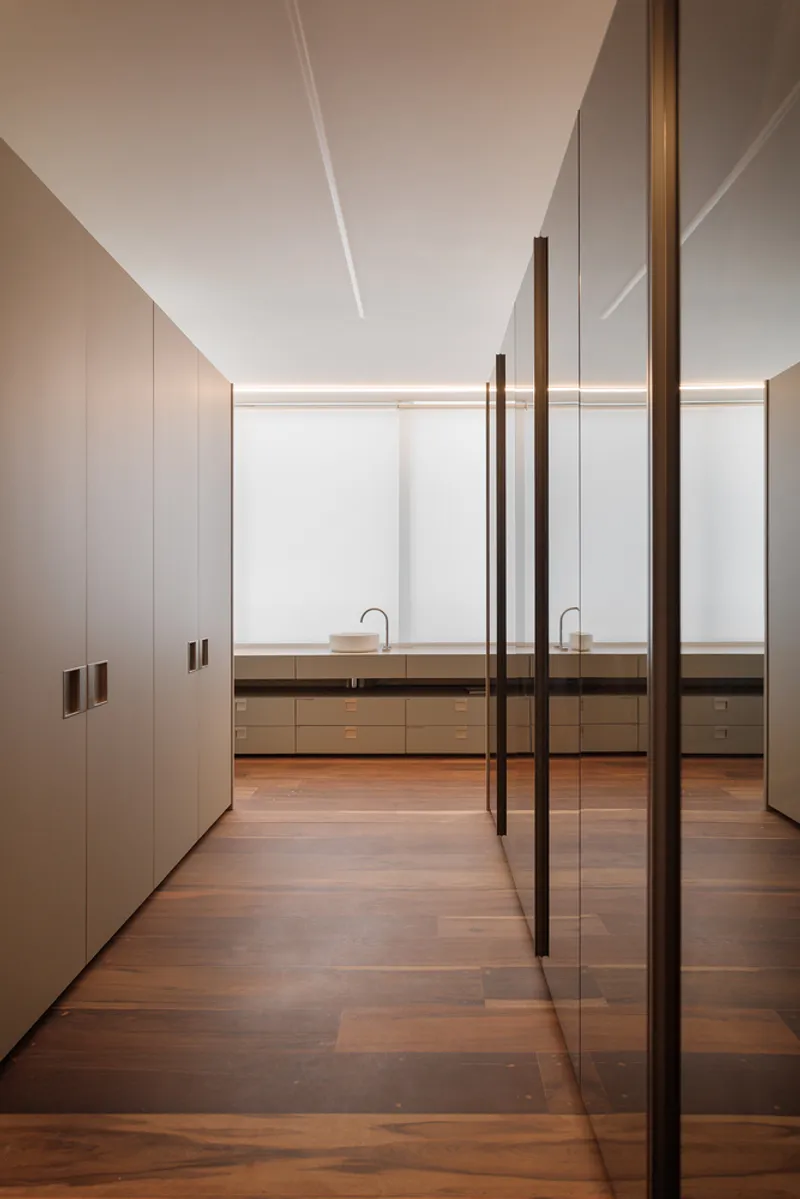
- The Rear Block: Dedicated to the private quarters, including bedrooms and intimate spaces, this area guarantees privacy and tranquility, harmonizing with the lush side garden.
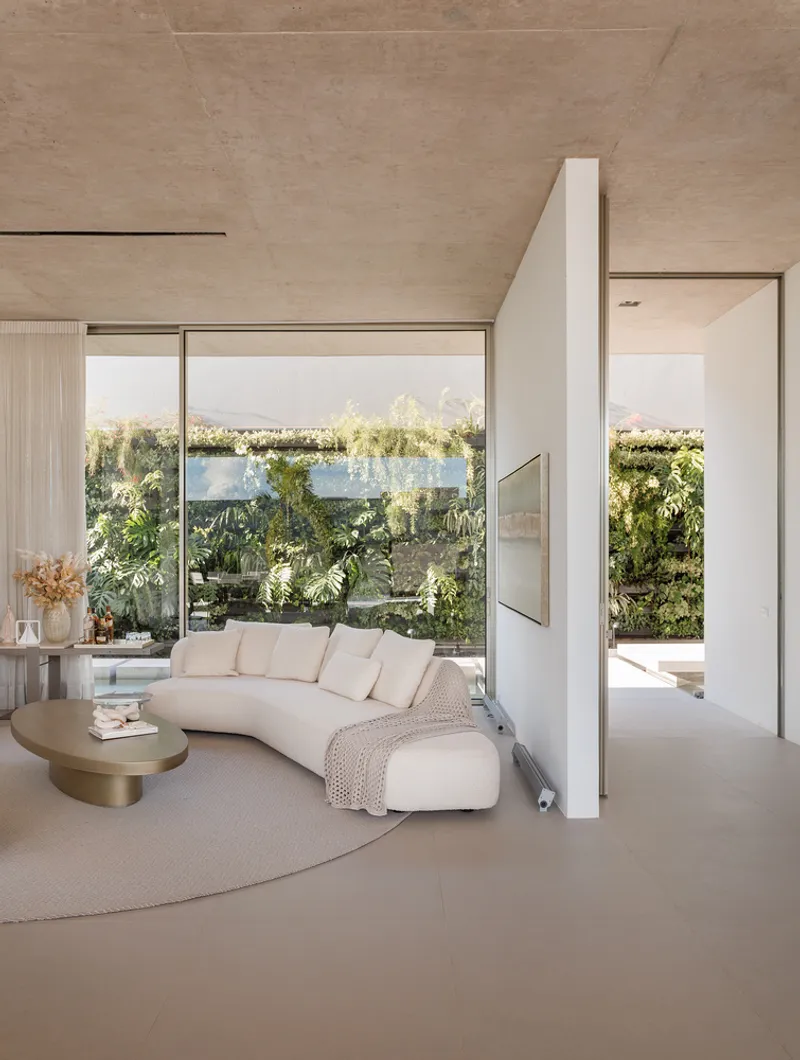
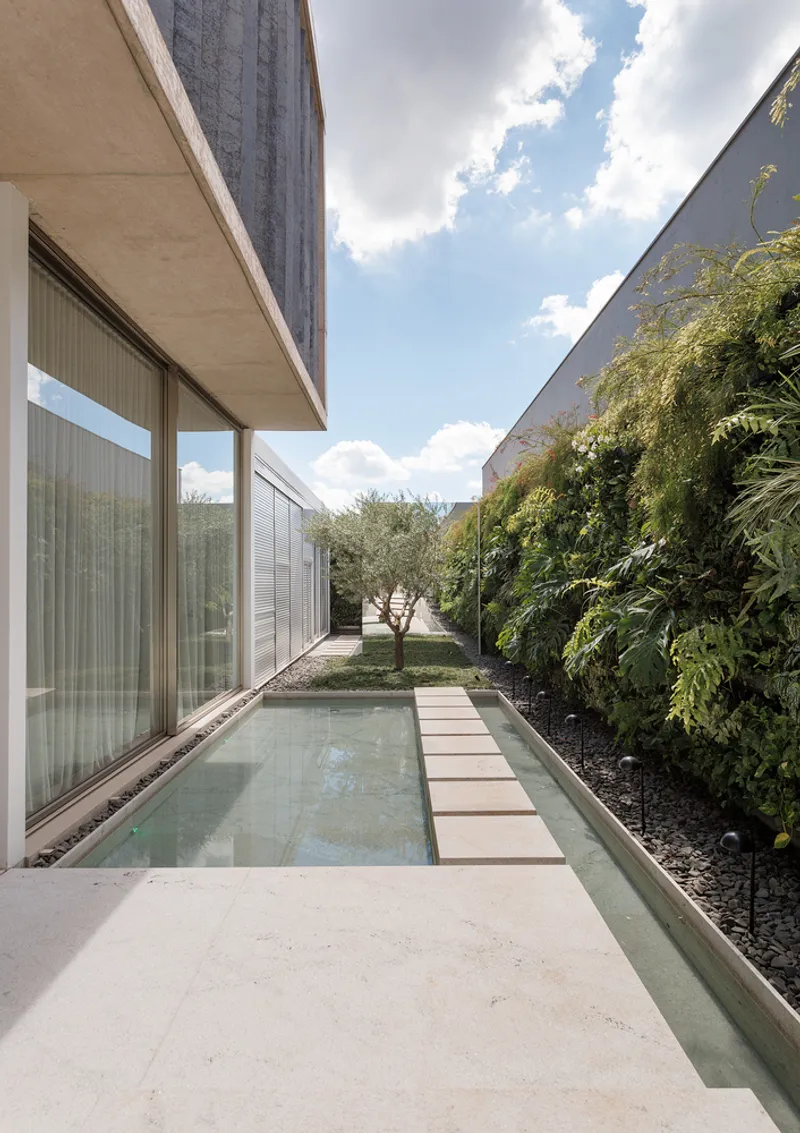
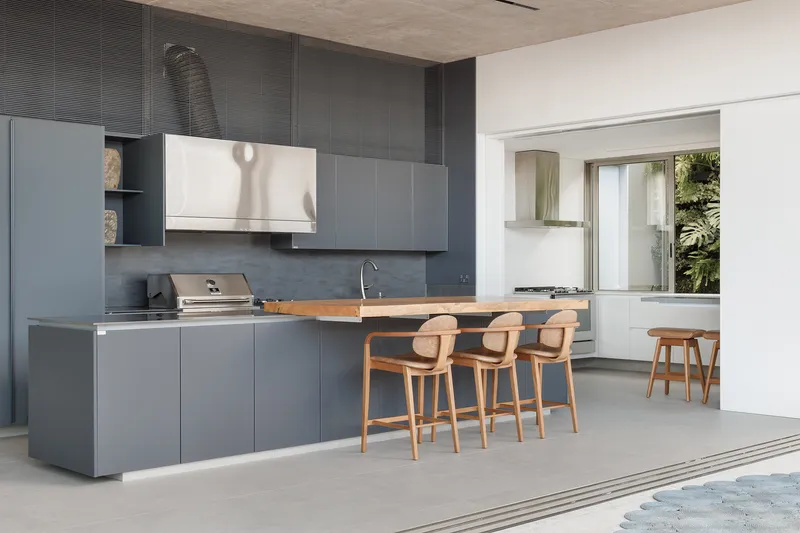
- The Central Living Area: Formed by the gap between the two ground-level blocks, this space encompasses the living room, dining area, and gourmet kitchen, flowing into a vast terrace that connects with the gardens and the leisure area.


Elevated Design and Leisure Integration
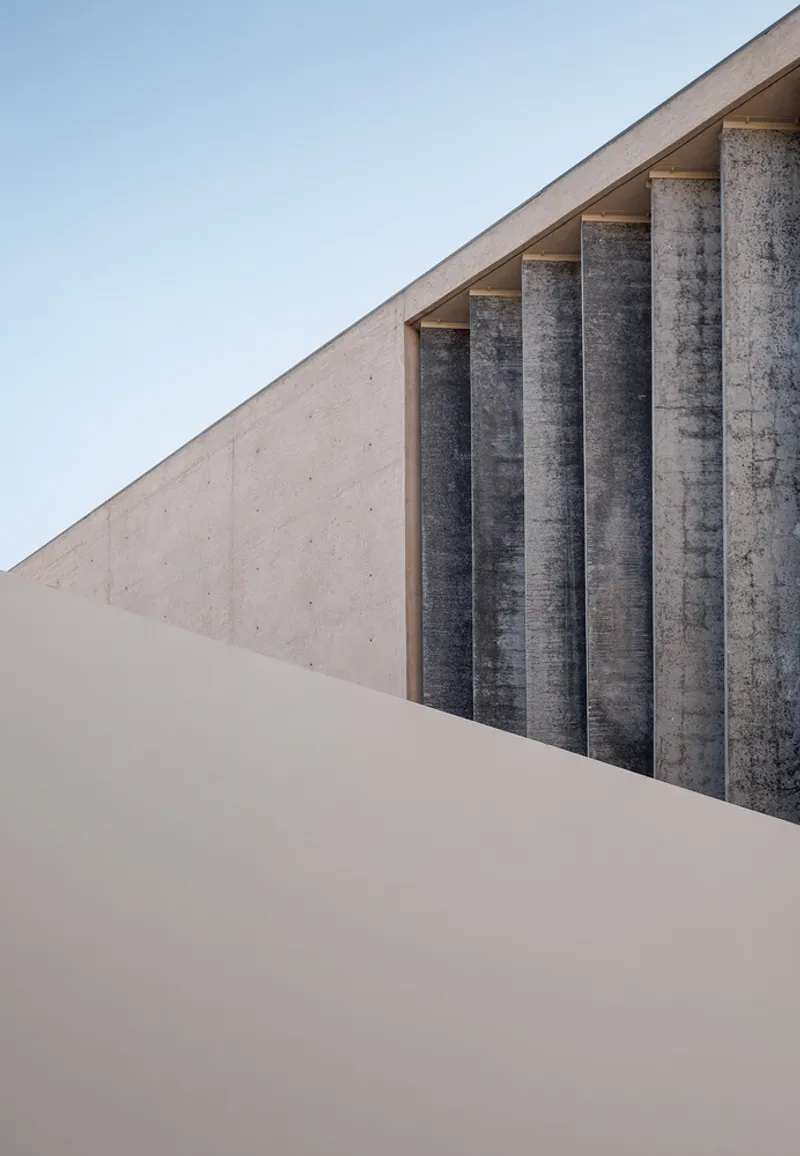
The elevated third block, crafted from exposed concrete, houses the master suite, offering panoramic views and privacy. This section stands out architecturally with its brise-soleil façade, enhancing both the aesthetic and environmental performance of the home.

Environmental Adaptation and Aesthetics
The FG House adopts several strategies to align with the tropical Brazilian climate:
- Orientation and Ventilation: The longitudinal layout minimizes heat exposure while maximizing natural ventilation, creating comfortable living conditions year-round.
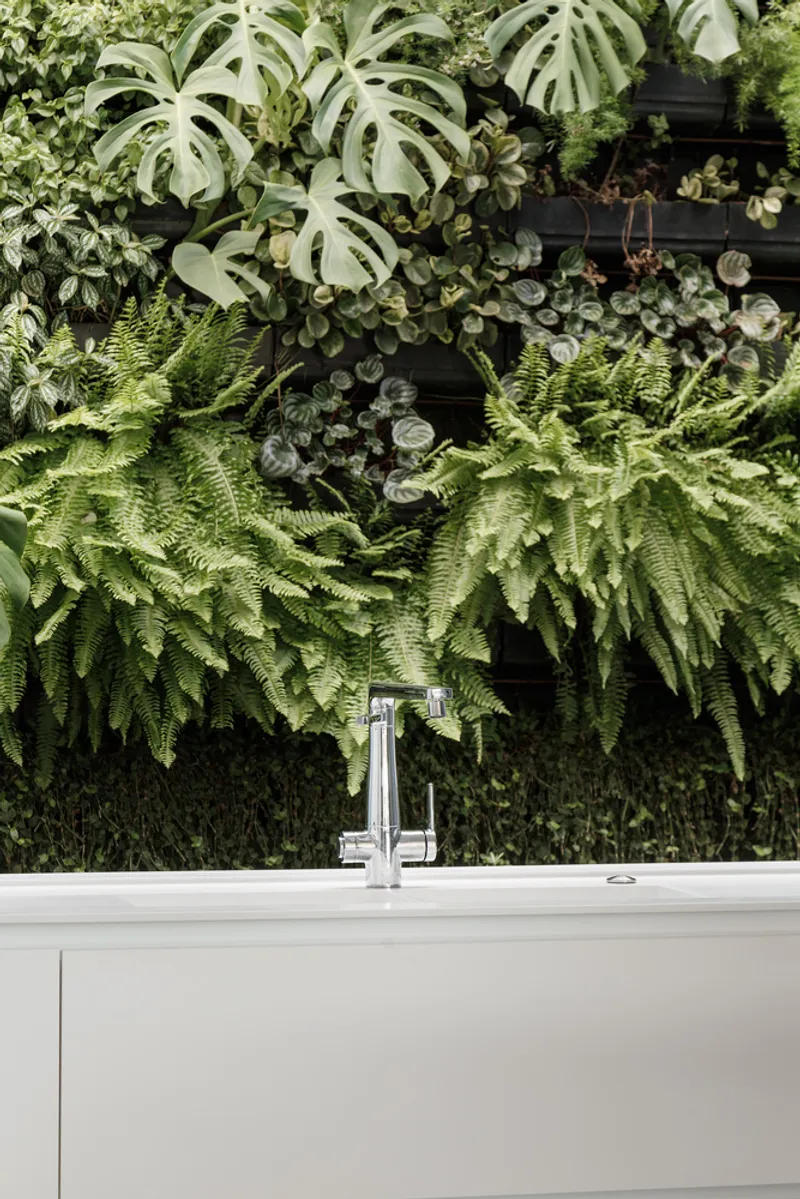
- Indoor-Outdoor Connection: Large glass panels and strategic layout foster a deep connection with the surrounding gardens, enhancing the quality of life for residents.
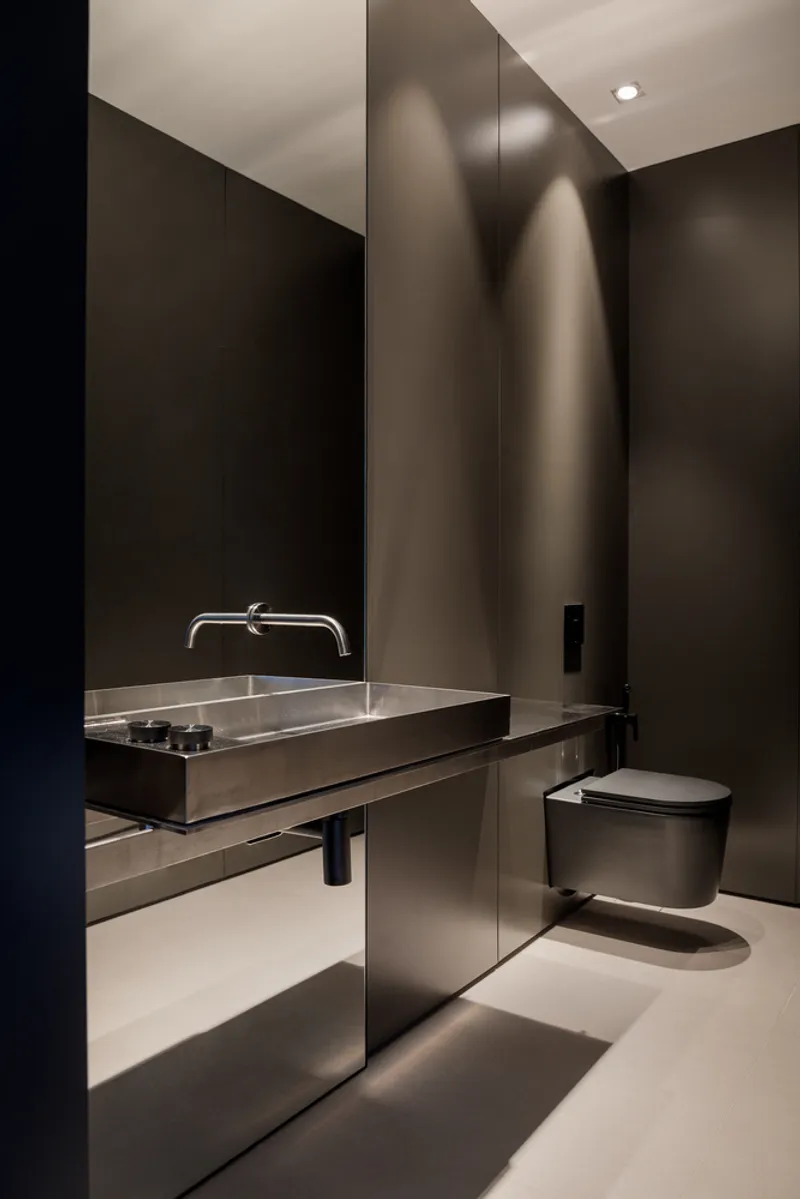
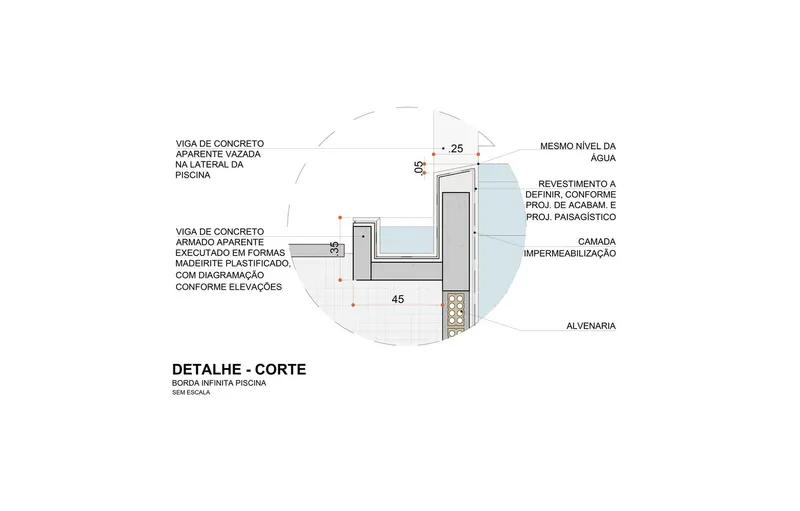
- Material Selection: The use of exposed concrete and aluminum brises reflects a modern material palette that is both functional and visually appealing.
A New Paradigm in Brazilian Homes
The FG House by Caracho Arquitetos sets a new standard for modern Brazilian residential architecture, combining innovative design with environmental strategies. It stands as a testament to contemporary living, where comfort, aesthetics, and nature converge seamlessly.



All photographs are work of Daniel Santo




Popular Articles
Popular articles from the community


The Musturak Paradise: Senior Living Architecture for a Connected Future in Temara, Morocco
The Musturak Paradise reimagines senior living architecture in Temara via private homes, social spaces, culture, community, and shared care.
EW PARK: Sustainable Architecture Reimagines the Future of Urban Parking
EW PARK reimagines city parking as a modular wooden tower combining automation, solar energy, electric mobility, and adaptable urban design.

AL-JANNAH: Sustainable Architecture and Permaculture for Afghan Widows
AL-JANNAH uses sustainable architecture and permaculture to create resilient oasis of housing, learning, work and renewal for Afghan widows.

Riyadh For All: Intergenerational Urban Design for Active Aging in Rabat
Riyadh For All reimagines urban design in Rabat with intergenerational co-living, adaptive courtyards, and Moroccan cultural exchange today.


Similar Reads
You might also enjoy these articles

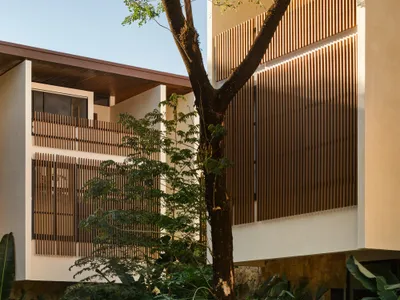
FAMM Arquitectura Organizes Ten Villas Around Courtyards and Jungle in Nosara, Costa Rica
El Molino pairs two elongated volumes with deep overhangs and timber louvers to build a compact coastal community five minutes from the beach.
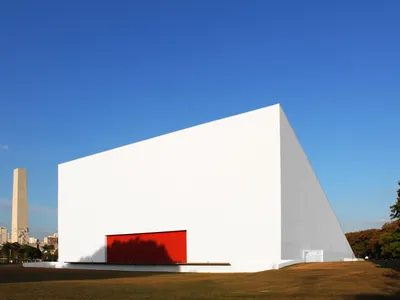
Oscar Niemeyer's Ibirapuera Park Pavilions Define São Paulo's Cultural Identity in Concrete and Curve
A constellation of modernist volumes set within São Paulo's most important urban park, conceived for the city's 400th anniversary in 1954.
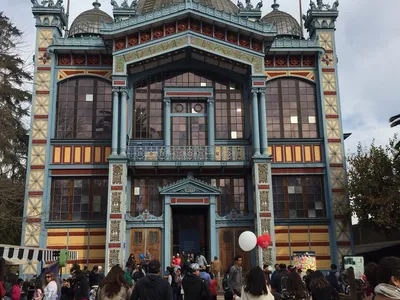
How Henri Picq's 1889 Paris Pavilion Traveled 11,000 Kilometers to Become Santiago's Artequín Museum
A prefabricated iron and glass pavilion built for the Paris Universal Exposition found a second life as a children's art museum in Chile.
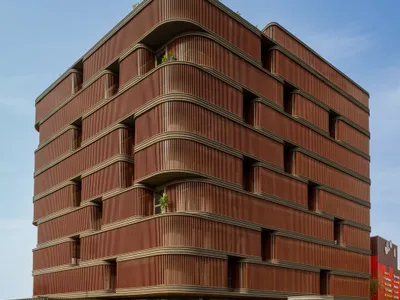
Sanjay Puri Architects Wraps a Jaipur Office Tower in Capsule-Shaped Green Buffers
A nine-level climate-responsive workplace near Jaipur Airport uses stacked planter terraces and aluminium screens to fight 40°C heat.


Explore Architecture Competitions
Discover active competitions in this discipline



Challenge to reimagine the Iron Throne


Photograph architecture without architects


Illustrate the lost glory of Angkor Wat - Render Challenge


Design challenge to reuse E-waste
Comments (0)
Please login or sign up to add comments
No comments yet. Be the first to comment!