

Modern Sustainable Architecture: A Look at BV House by Bruno Vanbesien
The article explores the design of BV House, showcasing modern sustainable architecture with eco-friendly features and innovative design solutions.


Modern sustainable architecture has become one of the most sought-after design philosophies in today's world. It focuses not only on aesthetics but also on creating homes that are energy-efficient, environmentally conscious, and liveable. One stunning example of this is the BV House, designed by the renowned architect Bruno Vanbesien, located in Jette, Belgium. Completed in 2021, this house redefines sustainable living in an urban setting. Let’s explore how the BV House blends cutting-edge design with eco-friendly solutions to create a home that stands as a testament to modern sustainable architecture.
The Vision Behind BV House: Combining Urban Living and Sustainability
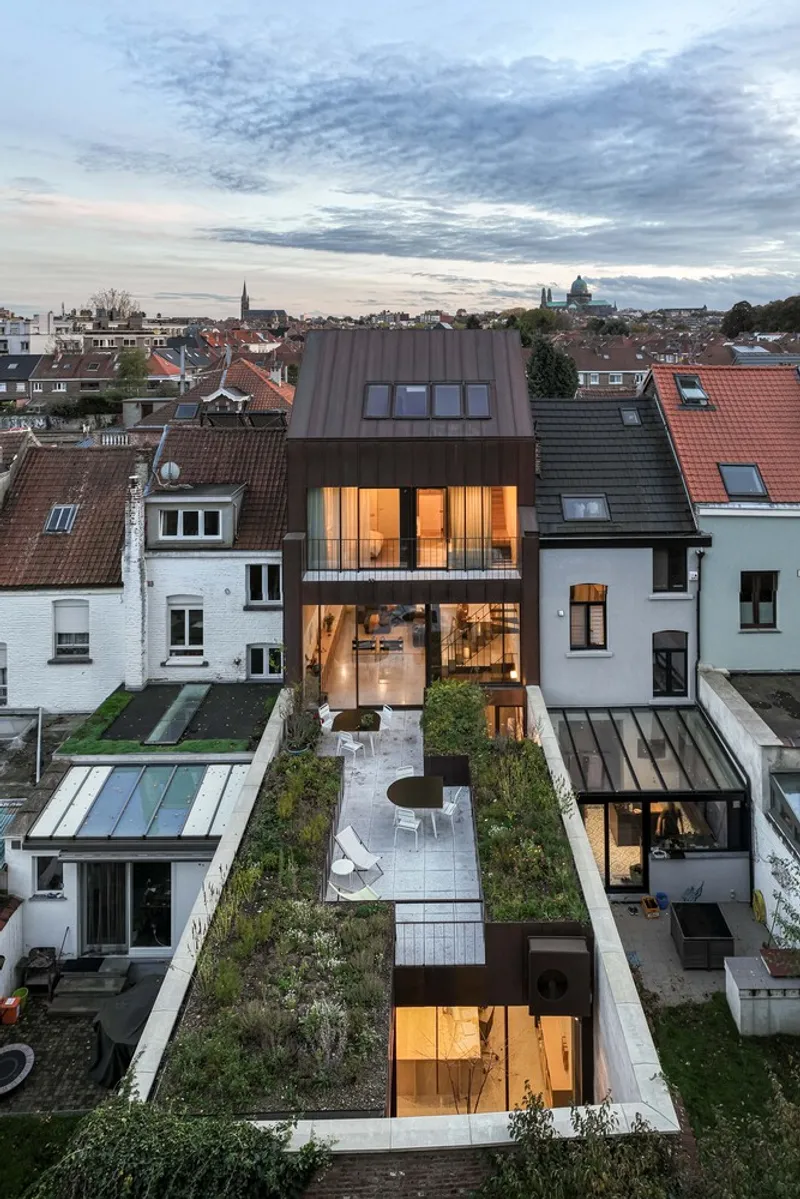
As cities become more crowded, many families are moving away from urban centers in search of space and greenery. However, BV House proves that it’s possible to incorporate modern, sustainable design into a city setting. The house is built on a site that was entirely surrounded by other buildings, which posed a unique challenge for the architects. Rather than building more, they chose to "remove" elements that obstructed the natural flow of light and air.
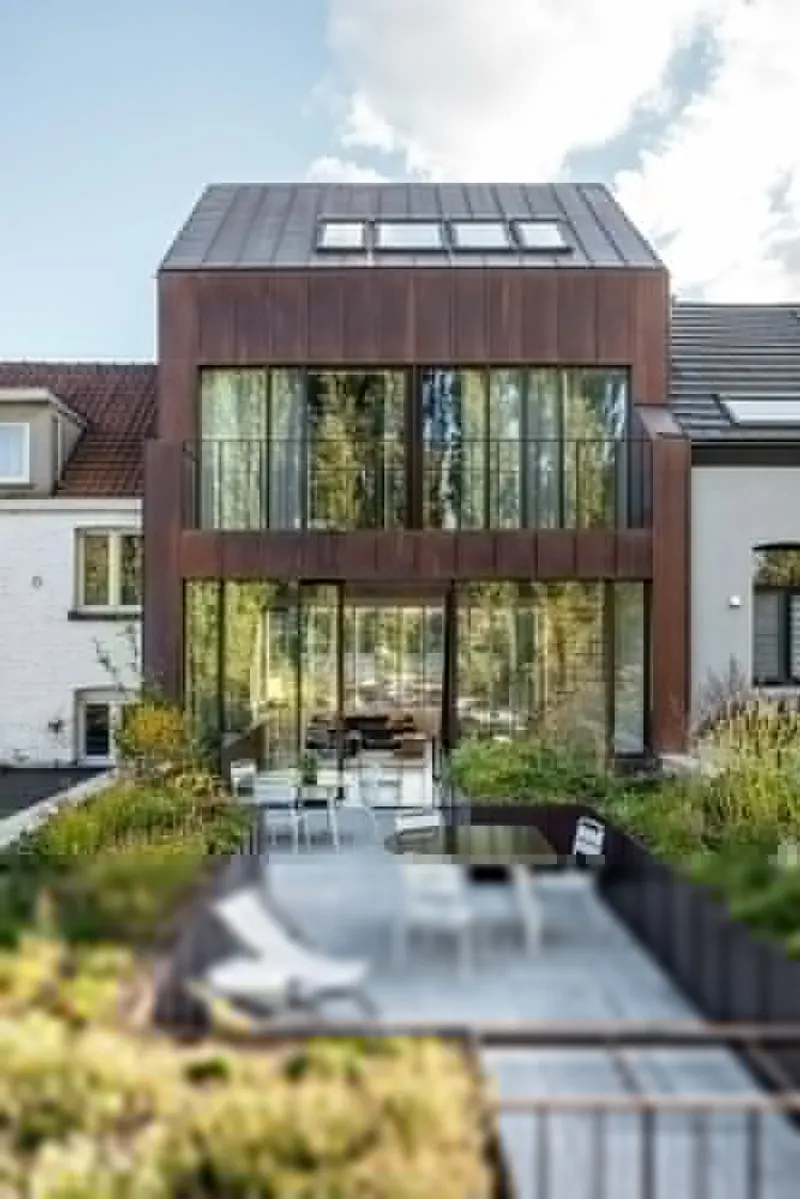
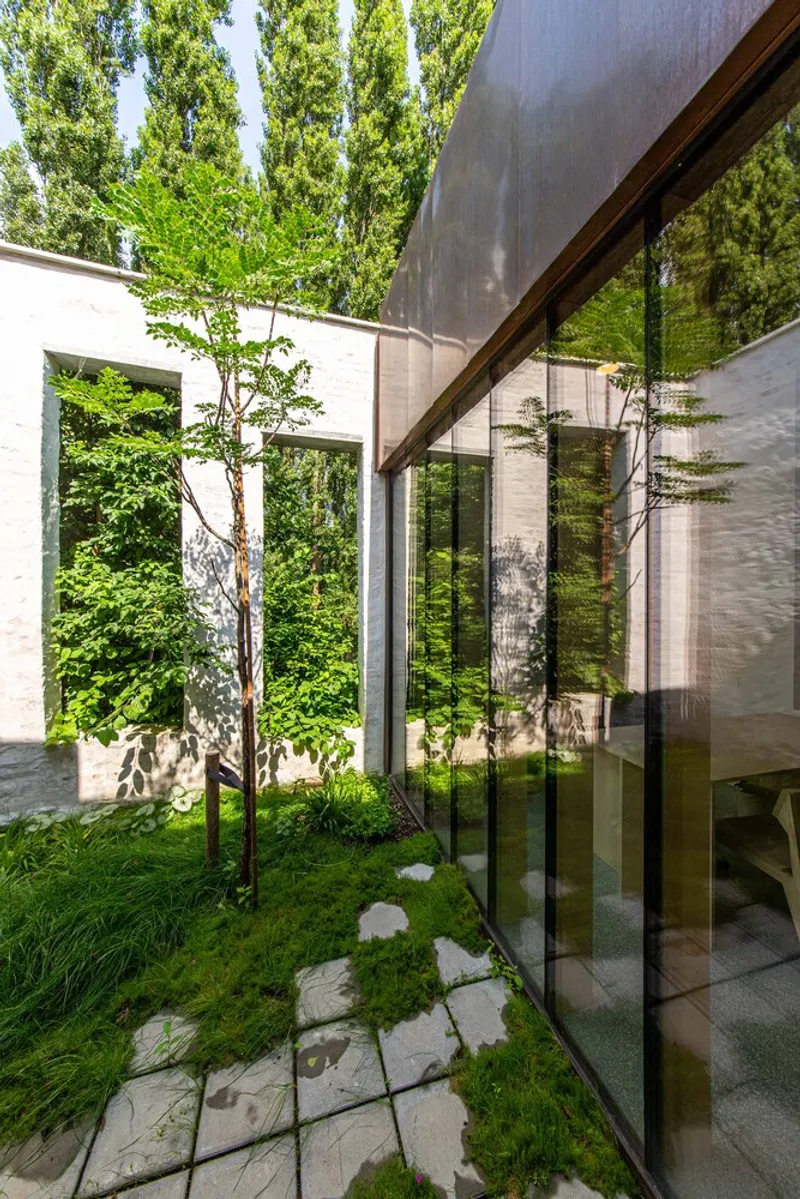
The strategic incorporation of a garden and courtyard on the property introduces natural elements into the house, offering light, ventilation, and a strong connection to the outdoors. These features are essential in modern sustainable architecture, as they not only improve the aesthetic appeal of the home but also enhance its ecological footprint.
Sustainable Design Features: Green Roof, Courtyards, and Open Facades
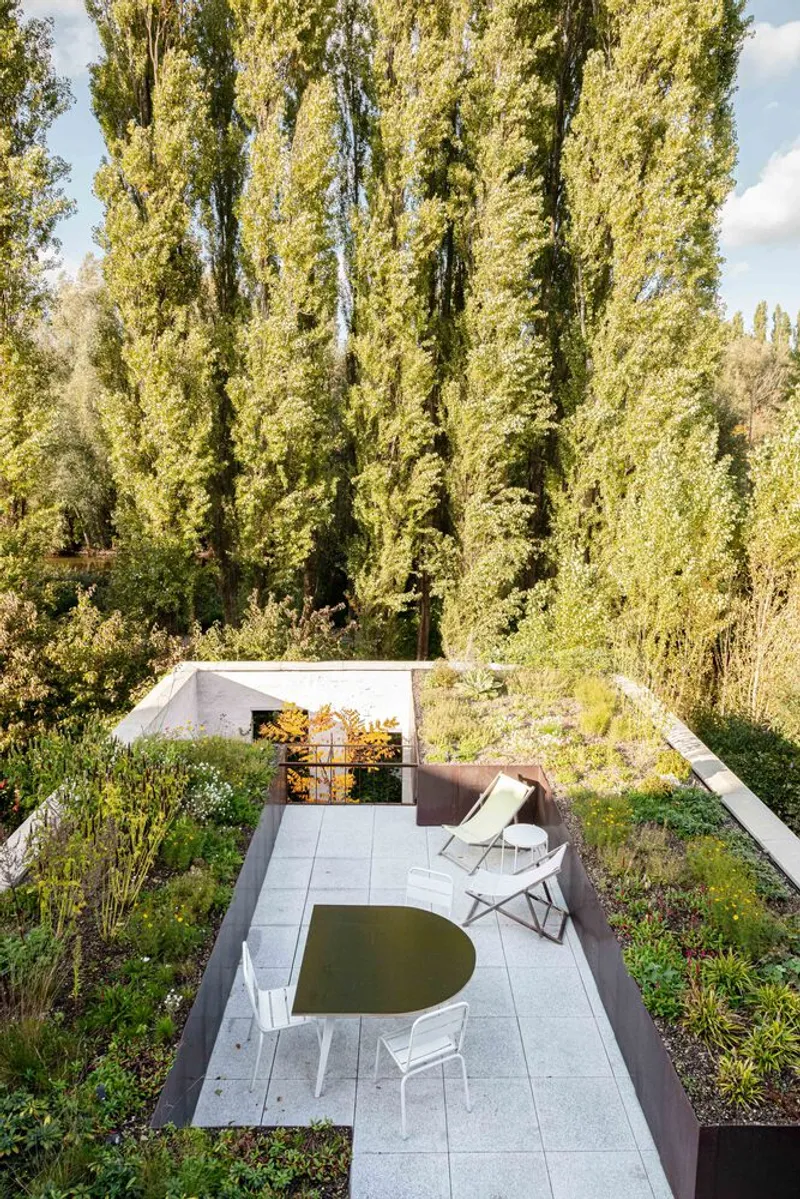
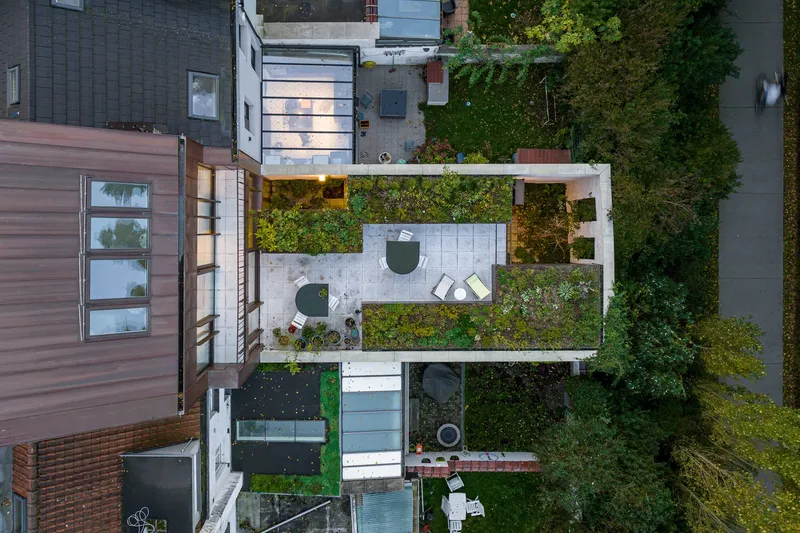
One of the most striking features of BV House is the green roof, which plays an integral part in the home’s energy-efficient design. The green roof is created by raising the ceiling heights on the ground level, allowing for better insulation and reducing the energy needed for heating and cooling. By integrating natural elements into the design, the roof helps regulate the home’s temperature, ensuring a sustainable living environment throughout the year.
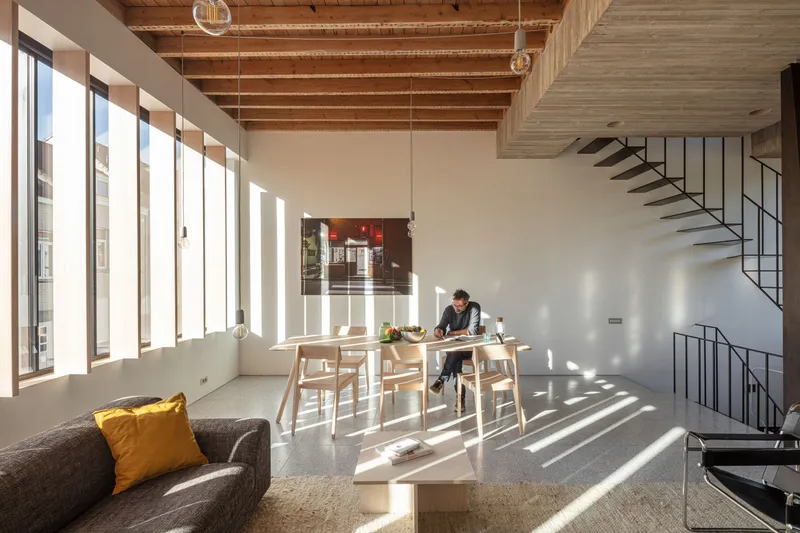
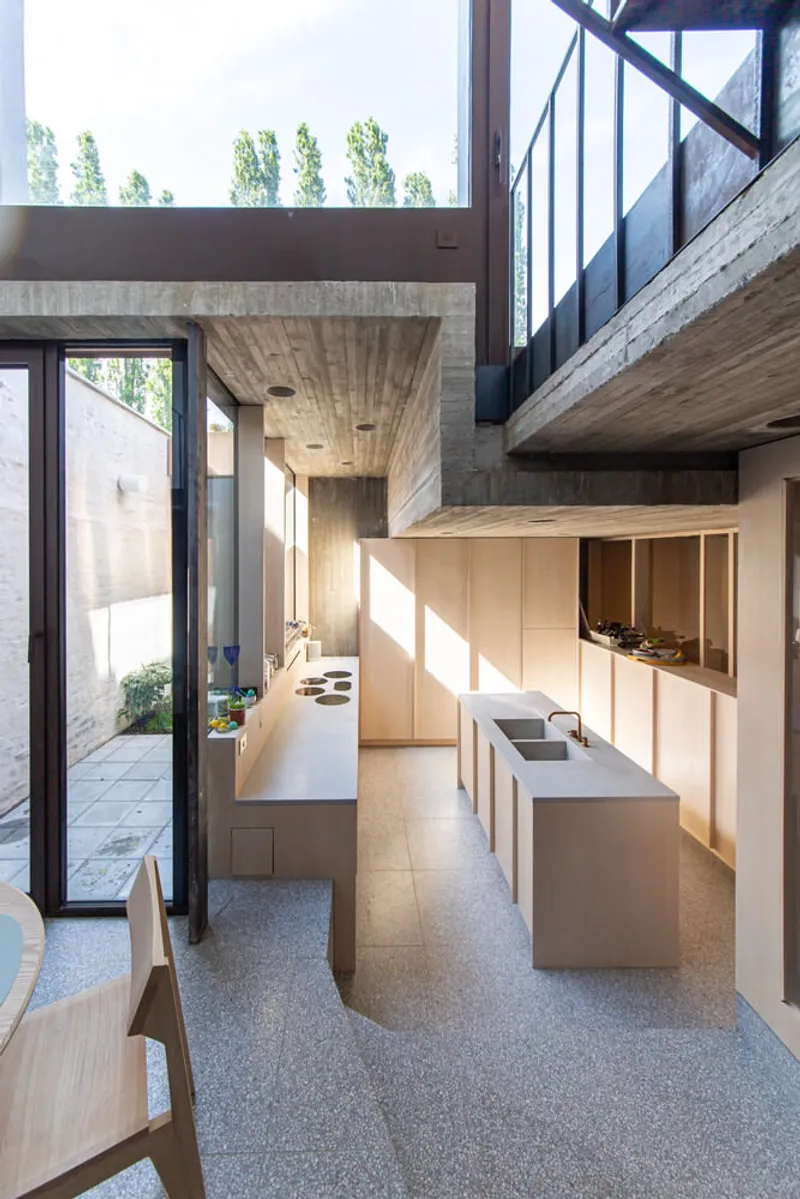
The open facades of the house allow light to flood the interior, reducing the need for artificial lighting and improving the overall energy efficiency of the space. On the first floor, large windows on both facades bring natural light into the living areas, especially the kitchen and living room, creating a seamless connection between the indoors and the garden outside.


The Role of Materials in Sustainable Architecture
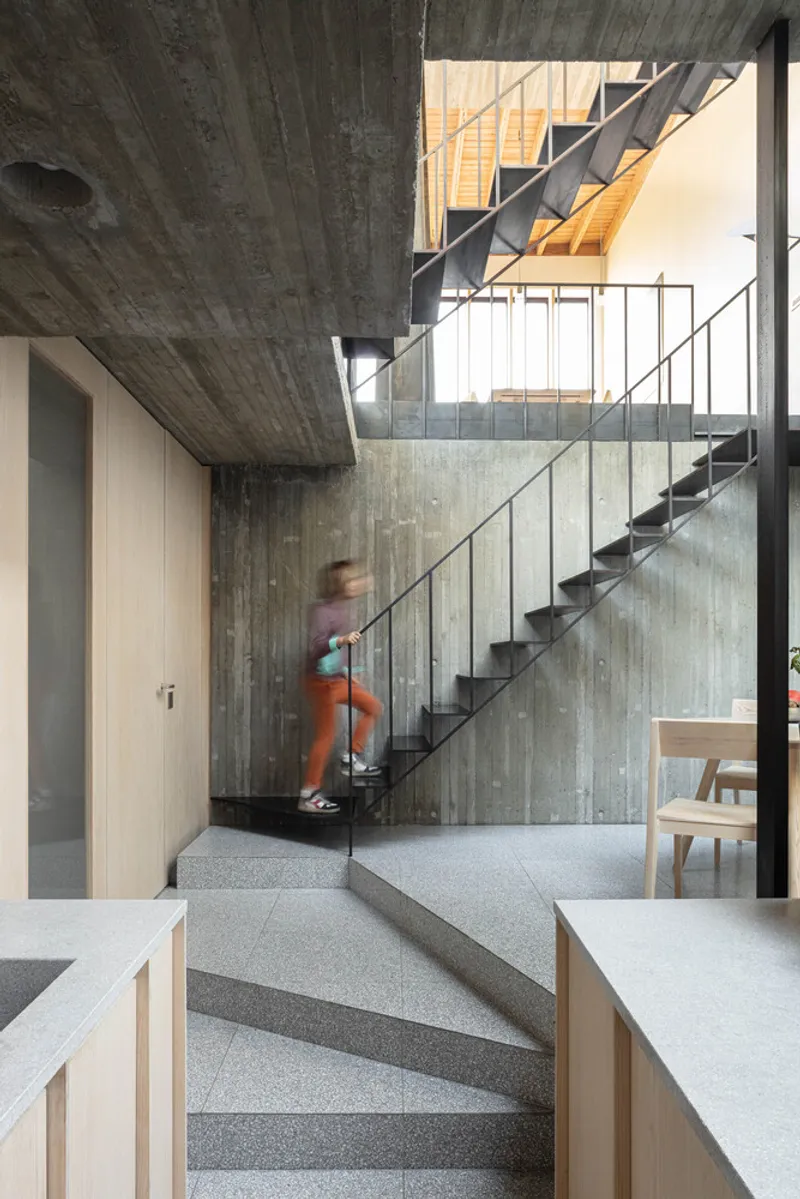
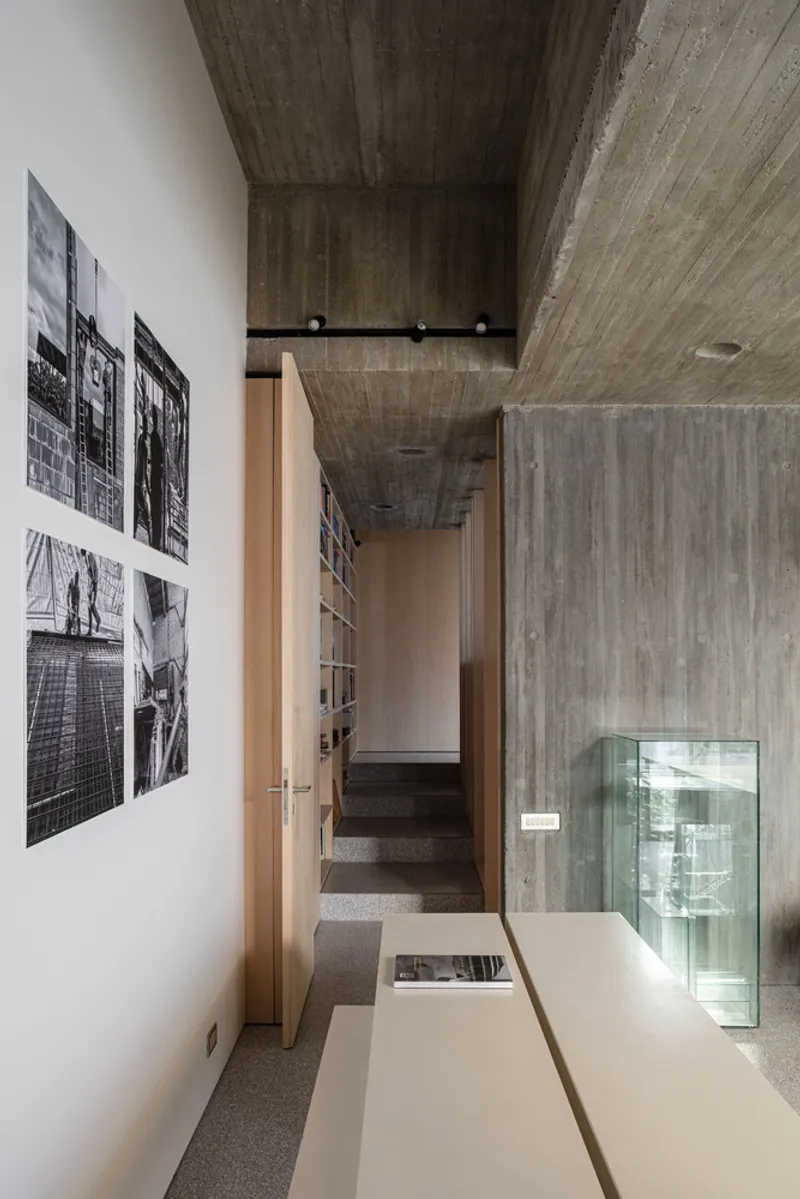
Sustainability is not just about the spaces within a home but also about the materials used in its construction. BV House exemplifies this through its careful selection of materials. Concrete, steel, terrazzo, and ash tree wood are featured throughout the house, most of which were crafted specifically for the project. These materials are durable, energy-efficient, and require minimal maintenance, reducing the home’s environmental impact.
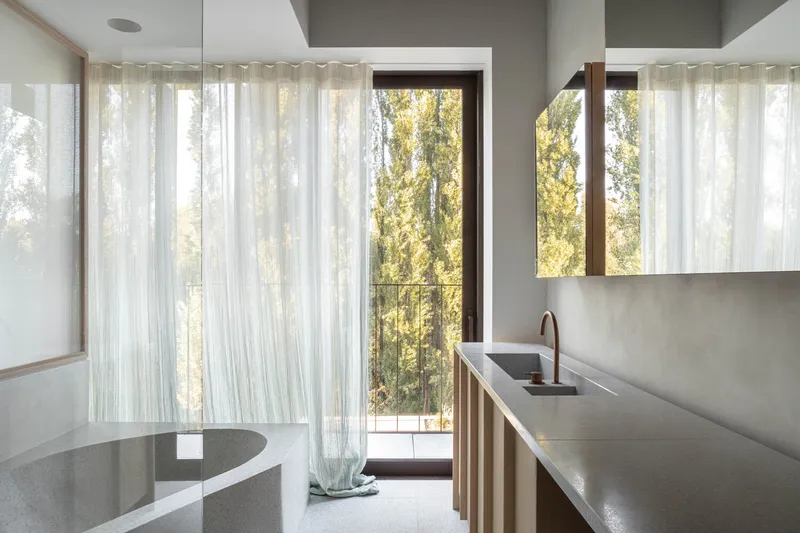
The use of terrazzo in the bathroom and the custom-made steel columns and welded stairs show how materials can be both functional and artistic in modern sustainable architecture. Each detail in the BV House was carefully designed to ensure that the home not only serves its purpose but also minimizes waste and energy consumption.
Privacy and Light: A Balanced Approach to Urban Living
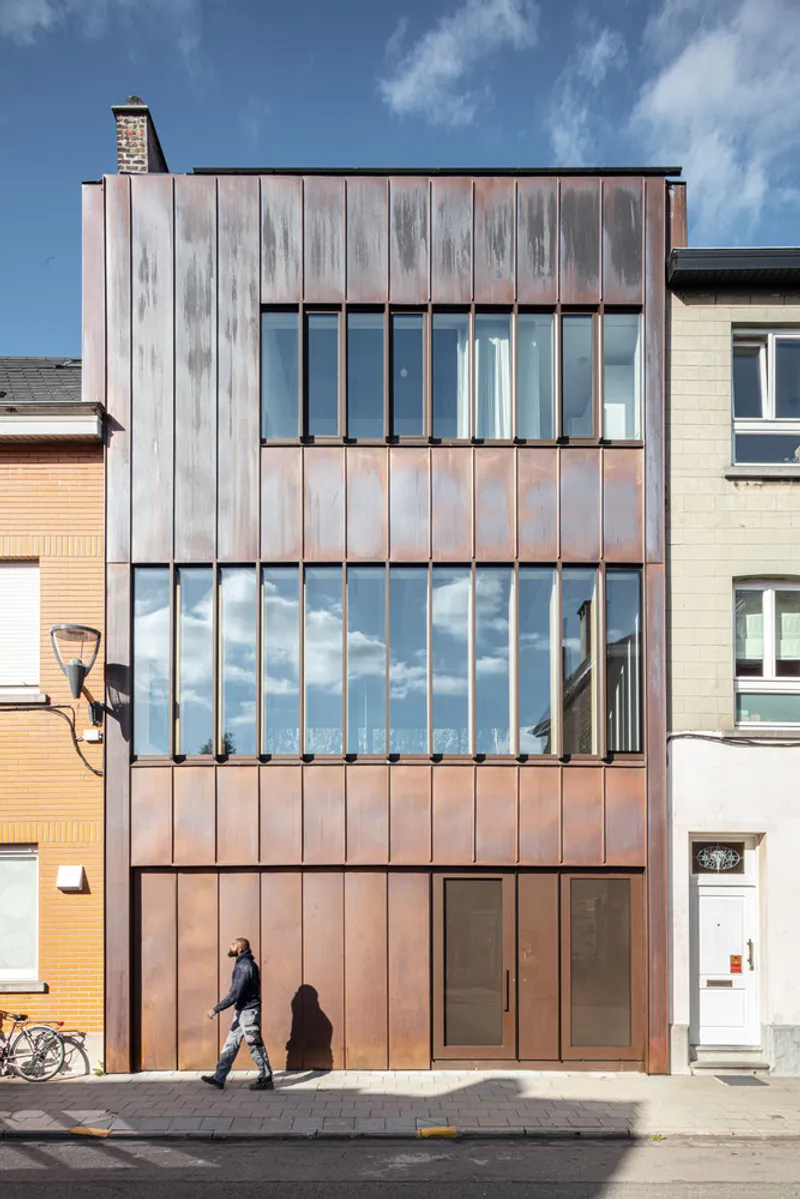
In a densely built urban environment like Jette, privacy is often a major concern. To address this, the BV House incorporates thoughtful design strategies to maintain privacy while still allowing natural light to flood the interior. The external and internal slats on the first floor facades provide privacy from passersby while also allowing for a dynamic play of light that changes throughout the day.
The house’s living room opens up to a deep terrace at the back, ensuring that the homeowners can enjoy outdoor space without compromising their privacy. Additionally, a distance of 1.9 meters from the dividing walls guarantees that the neighbors' privacy is respected, which is an important consideration in urban areas where space is limited.


A Home that Adapts to Its Environment
One of the most remarkable aspects of BV House is its adaptability. The house's design is fluid, with each of the four floors contributing to the overall experience of living in the space. The video, which is a unique feature of the home, creates a sense of openness and connection between the kitchen and living room, despite them being on separate floors. This intentional flow between the floors encourages a feeling of spaciousness and light.
Moreover, the careful attention to the house’s orientation ensures that every room benefits from the sun’s warmth and natural light, improving both the visual appeal and energy efficiency of the home. Whether it's the high ceilings in the living areas or the functional spaces downstairs with lower ceilings, each design choice contributes to the house’s overall sustainable philosophy.
BV House: A Model for the Future of Sustainable Living
The BV House by Bruno Vanbesien is a beautiful example of how modern sustainable architecture can transform urban living. With its thoughtful design, eco-friendly materials, and commitment to energy efficiency, BV House provides a blueprint for creating homes that are not only modern and beautiful but also sustainable.
As the world continues to face environmental challenges, the BV House stands as a reminder that architecture can play a vital role in reducing our carbon footprint. The integration of green roofs, natural light, energy-efficient materials, and innovative design solutions offers a glimpse into the future of sustainable living in urban environments.
By embracing sustainability in design and construction, the BV House exemplifies how modern homes can be both functional and eco-conscious, serving as an inspiration for future generations of architects, builders, and homeowners alike.
The BV House is a stellar example of how modern sustainable architecture can create functional, beautiful, and environmentally responsible homes. Its innovative design, use of eco-friendly materials, and focus on natural light and ventilation prove that it’s possible to achieve sustainability without sacrificing style. This project demonstrates that sustainability is not a trend but the future of architecture, offering a roadmap for creating urban homes that are as efficient as they are inspiring.
By following in the footsteps of projects like BV House, we can look forward to a future where sustainable homes are the norm, contributing to a healthier planet for generations to come.

All photographs are work of Tim Van de Velde




Popular Articles
Popular articles from the community


Hill & Cross Opera: Sculptural Opera House Architecture Shaped by Tallinn’s Landscape and Identity
Hill & Cross Opera reimagines opera house architecture in Tallinn through its sculptural hill, civic plaza, glass wave and a luminous cross.

Lunar Spiral: Space Architecture Shaped by the Mathematics of the Universe
Lunar Spiral reimagines space architecture through Fibonacci geometry, lunar regolith, levitating habitats, and self-sustaining Moon living.

The Ocean Hive: Sustainable Architecture for a Self-Sufficient Civilization at Sea
The Ocean Hive imagines sustainable architecture at sea, where modular habitats, algae, wave power and ocean waste sustain a growing colony.

Riyadh For All: Intergenerational Urban Design for Active Aging in Rabat
Riyadh For All reimagines urban design in Rabat with intergenerational co-living, adaptive courtyards, and Moroccan cultural exchange today.


Similar Reads
You might also enjoy these articles


Hodi-Mandai Geram
Project Function: Preservation and revitalization of the Intangible heritage and socio-spatial identity of the Hodi by Housing, Cultural Memory Center, Sacred Grove, landscape, local tourism economy


Olio Towers: A Mid-Rise for Performers That Fuses Housing, Rehearsal, and Stage
Located blocks from Houston's Theater District, this modular tower stacks living units around a central performance atrium.

Oasis: Modular Green Housing Carved into Dhaka's Urban Fabric
A shortlisted Plugin Housing entry reclaims unauthorized settlements in Dhaka with stepped concrete volumes, green roofs, and ventilation-driven design.

Black Hole: A Floating Megastructure for the Post-Physical Era
Emiliano Mazzarotto envisions a spherical, self-scaling arena where e-sports, digital hotels, and holographic stadiums replace traditional public space.
Explore Architecture Competitions
Discover active competitions in this discipline



Challenge to reimagine the Iron Throne


Photograph architecture without architects


Illustrate the lost glory of Angkor Wat - Render Challenge


Design challenge to reuse E-waste
Comments (0)
Please login or sign up to add comments
No comments yet. Be the first to comment!