
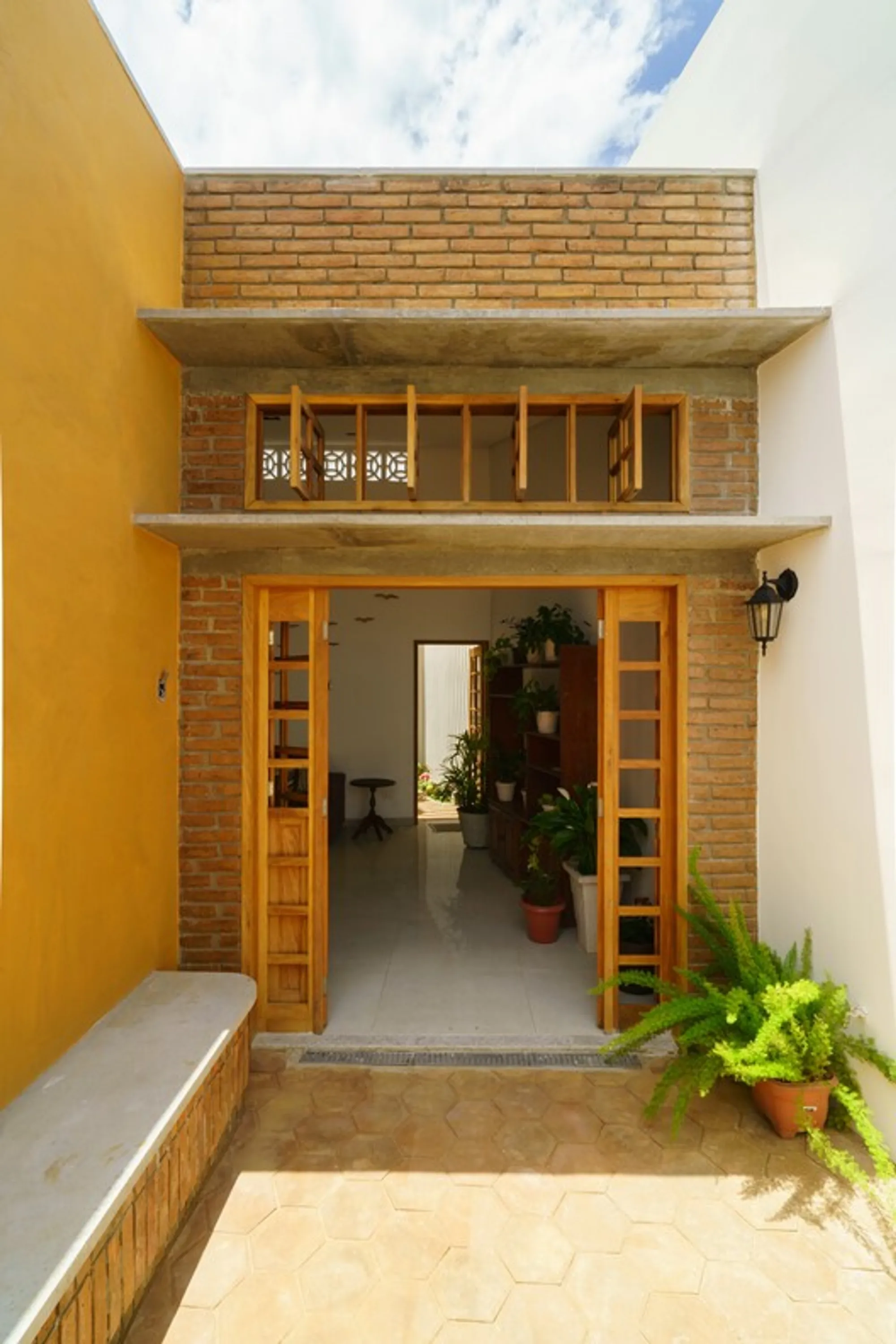
Mom’s House by Studio Zé
A climate-responsive renovation in Brazil reinterprets adobe vernacular architecture using local materials, passive ventilation, and socially engaged design


Located in Feira Nova, a small town of approximately 20,000 inhabitants in the Pernambuco hinterlands of Brazil, Mom’s House is a sensitive residential renovation designed by Studio Zé. The project transforms the longtime home of the architect’s mother, originally built in the 1980s using traditional adobe construction, into a healthier, more functional living environment while preserving its cultural and material identity.
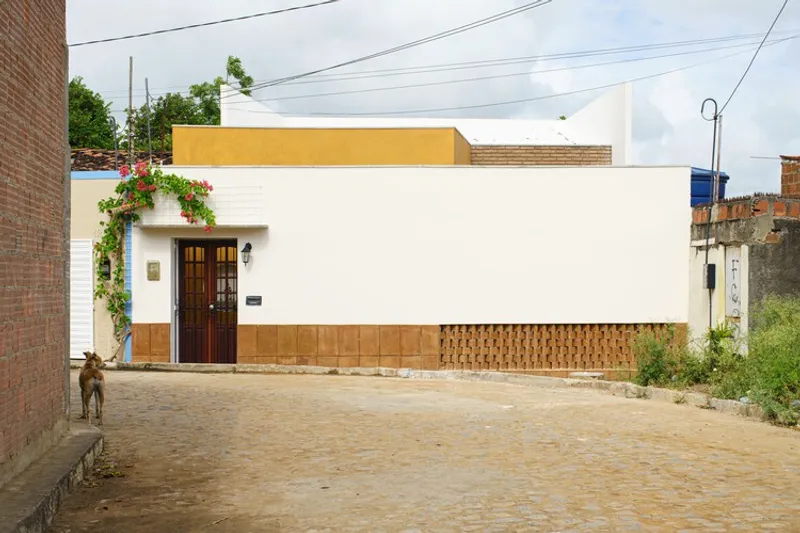
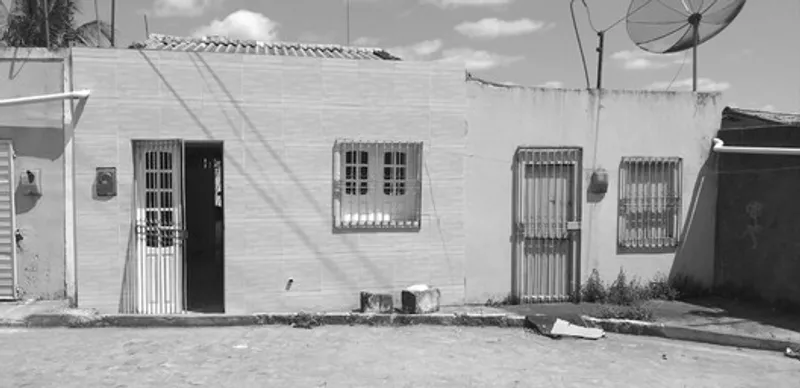
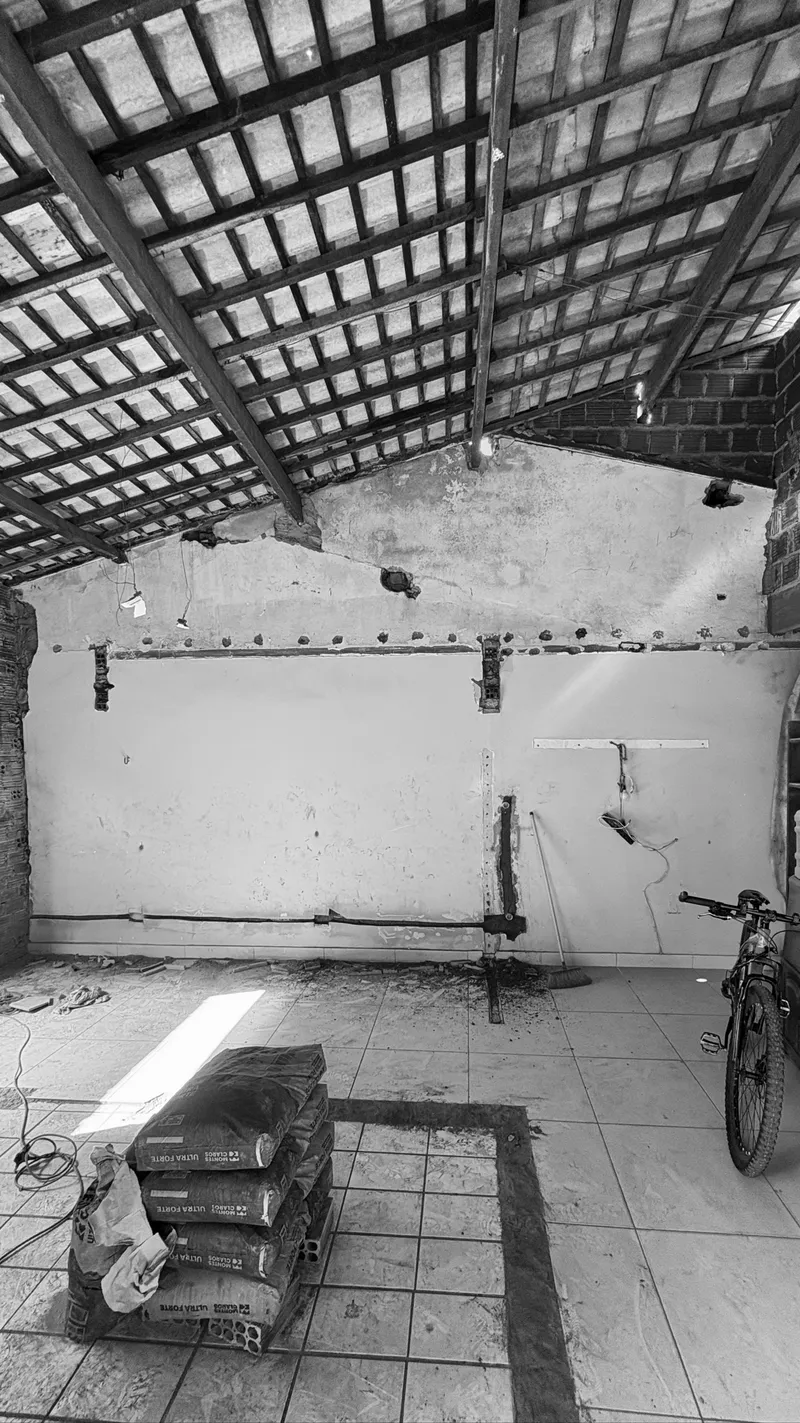
Feira Nova is widely recognized for its cassava flour production, and the house reflects the construction logic and social dynamics common to low-income households in the region. Over several decades, the residence underwent multiple informal expansions—an adaptive but often problematic practice—resulting in overcrowded interiors, poor ventilation, insufficient natural lighting, and compromised spatial organization. As the resident aged and developed respiratory illnesses, these environmental deficiencies became a critical concern, motivating a comprehensive yet economically viable renovation.
Design Approach and Conceptual Framework
The project is grounded in the principles outlined by Armando de Holanda’s “Roteiro para construir no Nordeste” (2010), which advocates climate-responsive architecture rooted in local knowledge. Studio Zé prioritized natural materials, cross-ventilation, and passive lighting strategies, all while maintaining low construction and maintenance costs.
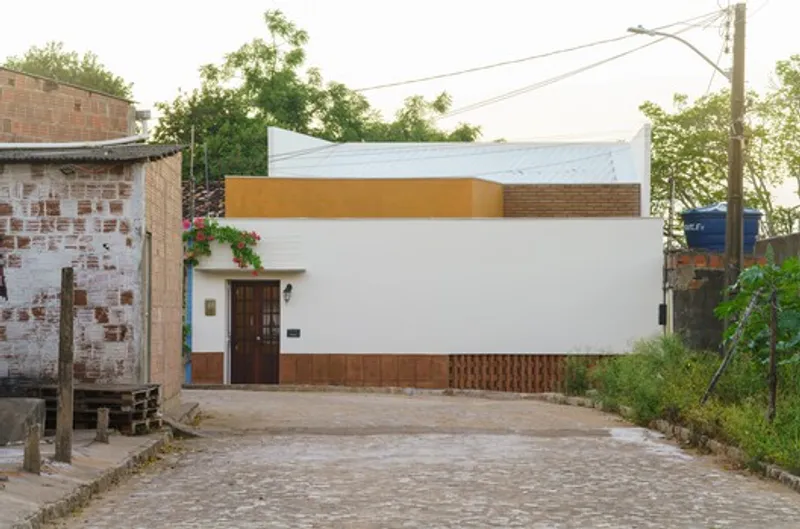
Importantly, the renovation was designed to be executed by locally available, minimally specialized labor, reinforcing regional building traditions and ensuring practical feasibility. Rather than erasing the house’s history, the intervention embraces its layered past, refining it through architectural clarity.
Spatial Reorganization and Environmental Performance
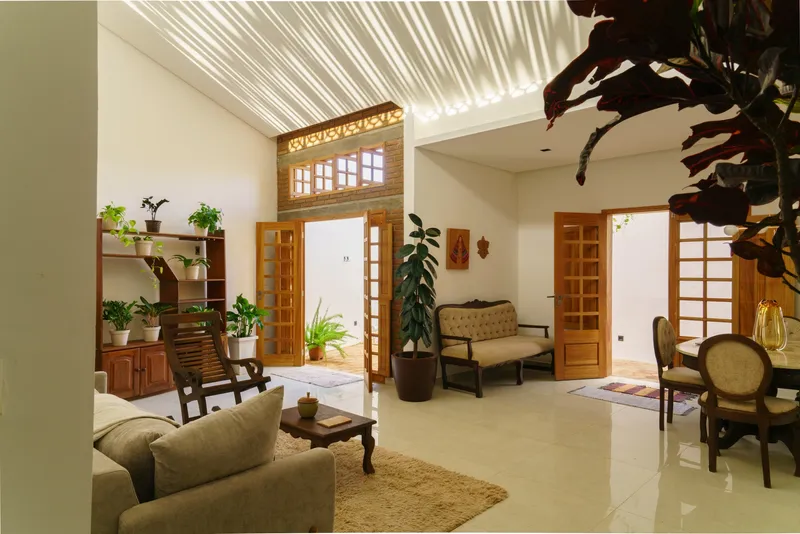
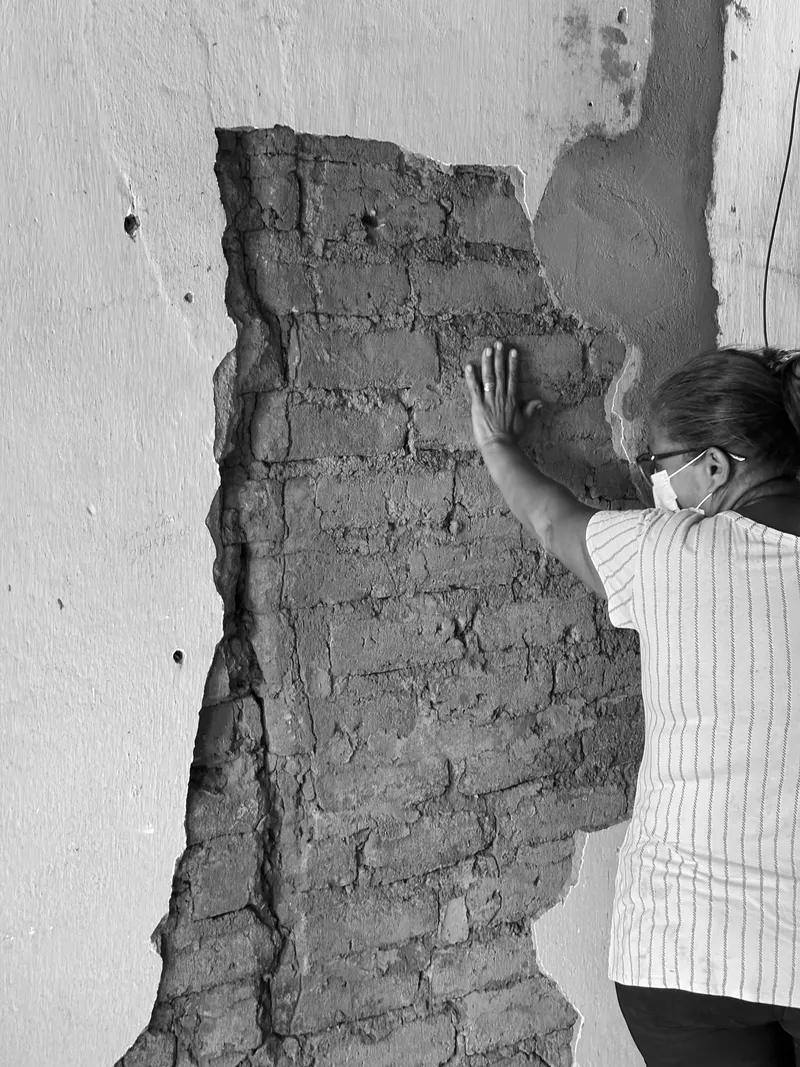
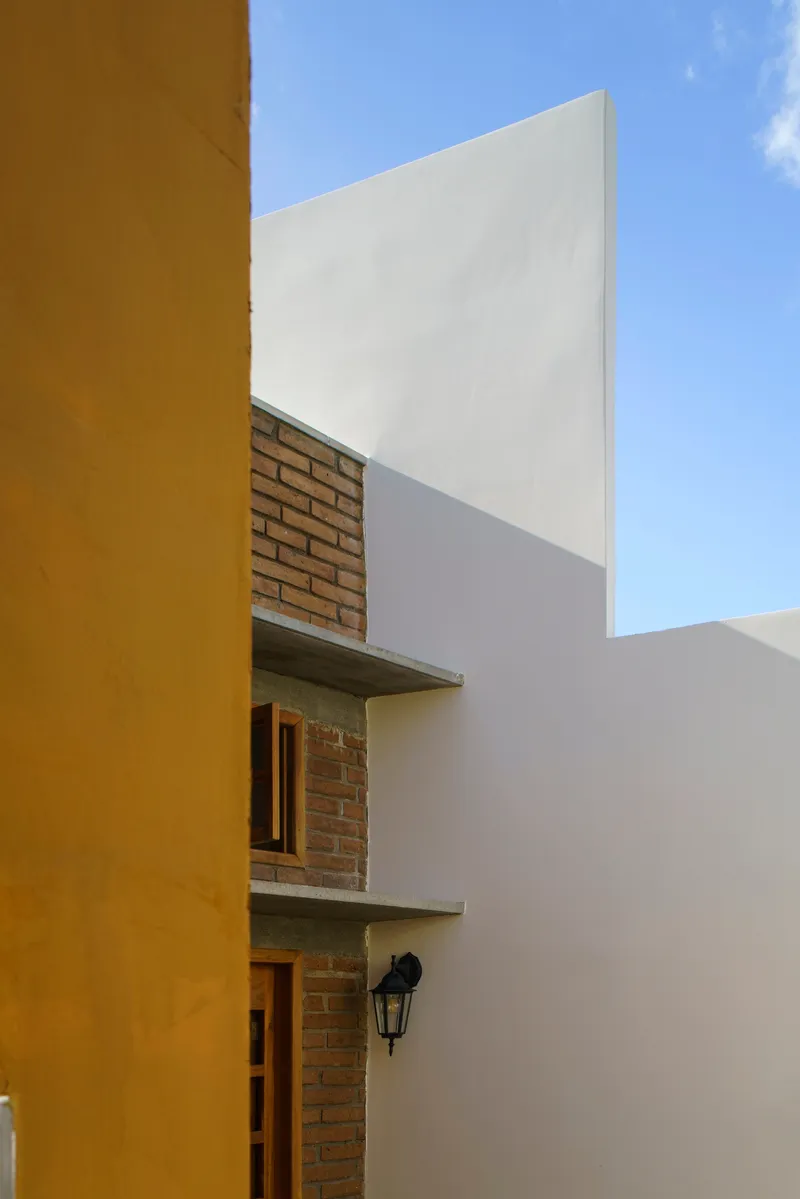
Due to financial limitations, the renovation focused primarily on the facade and social areas, preserving the original adobe walls. These walls, beyond their cultural value, significantly contribute to improved thermal performance, offering natural insulation suited to the hot, semi-arid climate.
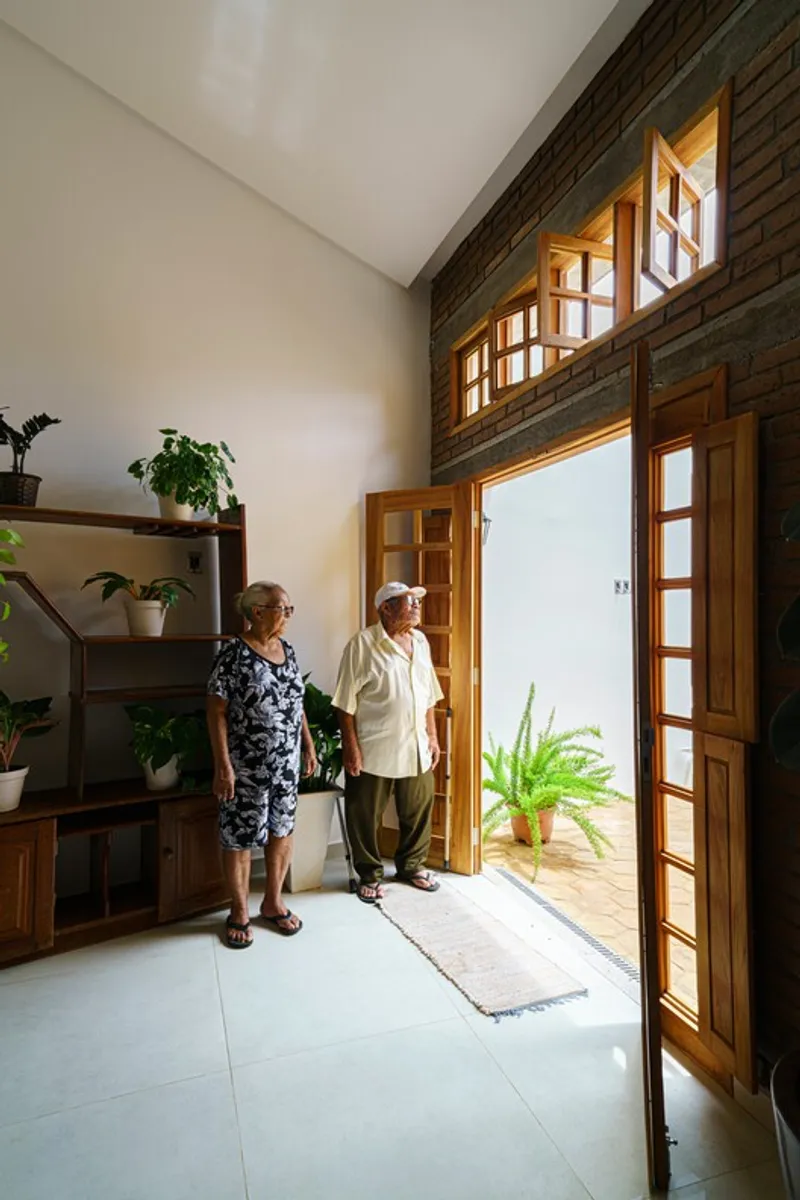
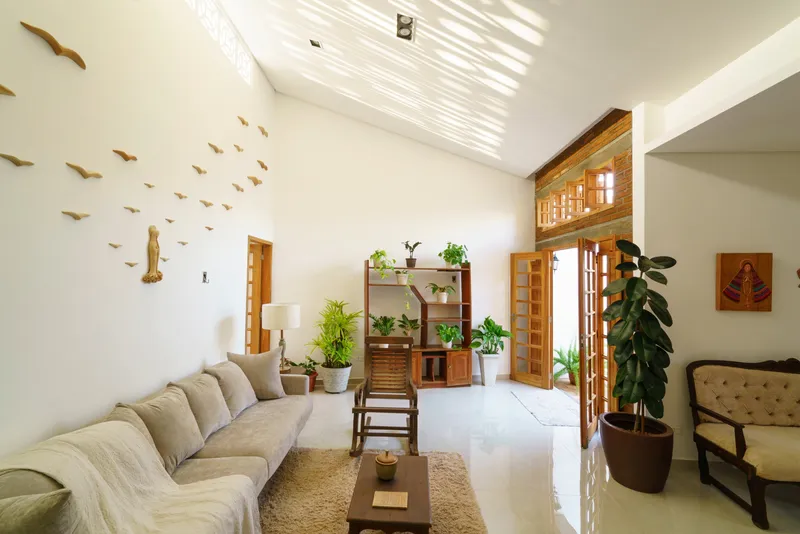
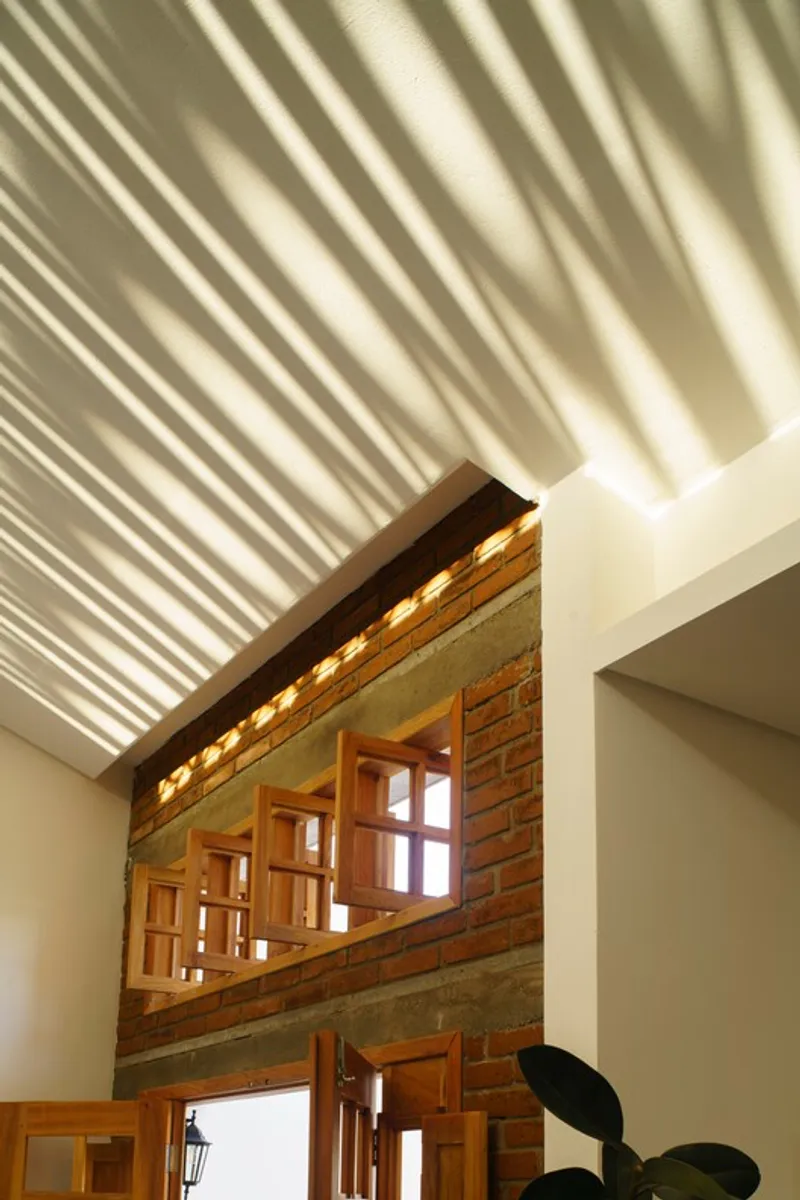
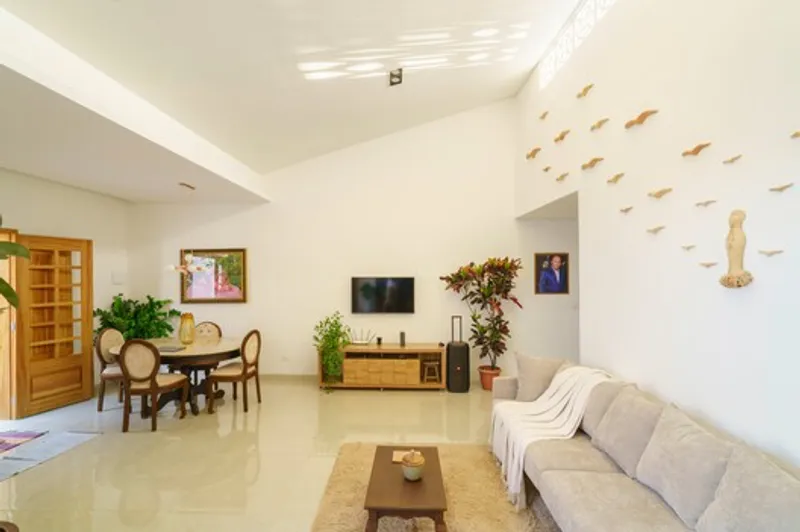
A key architectural gesture involved raising the ceiling height in one section of the house and introducing uneven roof slopes. This move created a continuous ventilation gap, allowing hot air to escape while drawing cooler air through a line of cobogós on the west-facing facade. This passive ventilation strategy greatly enhances indoor comfort without mechanical systems.
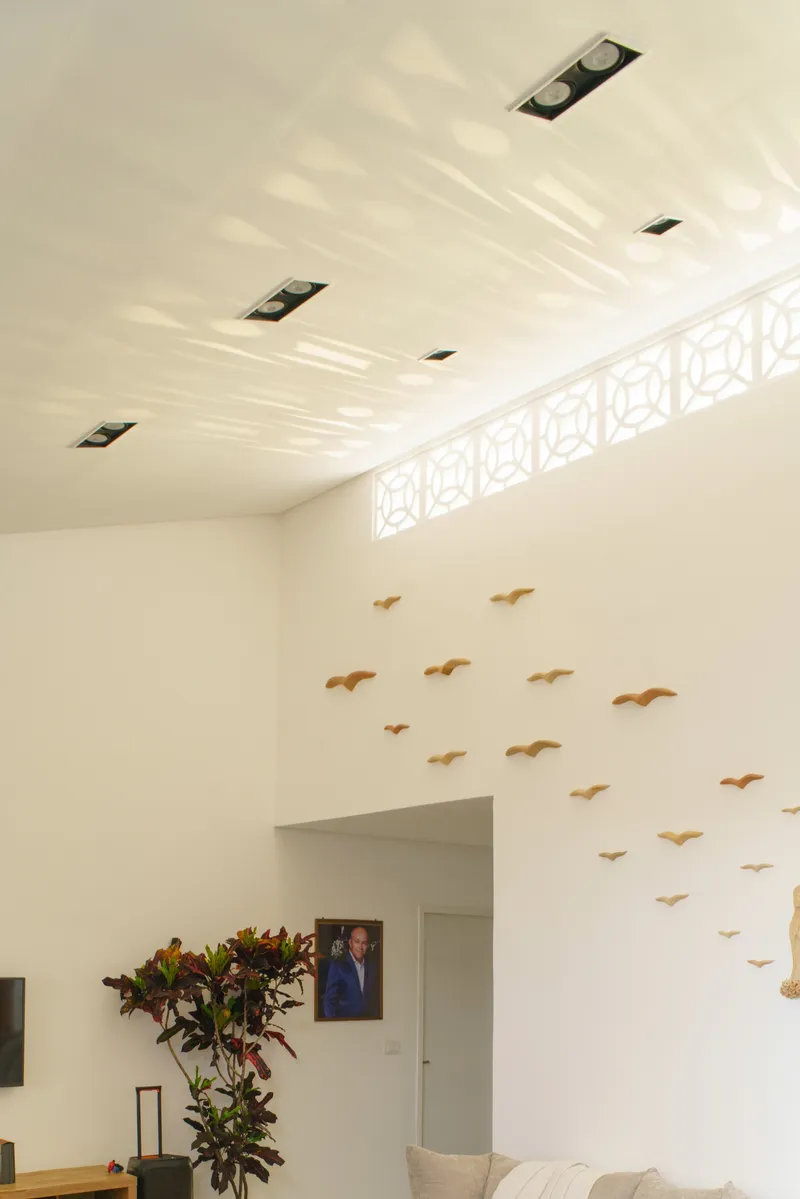
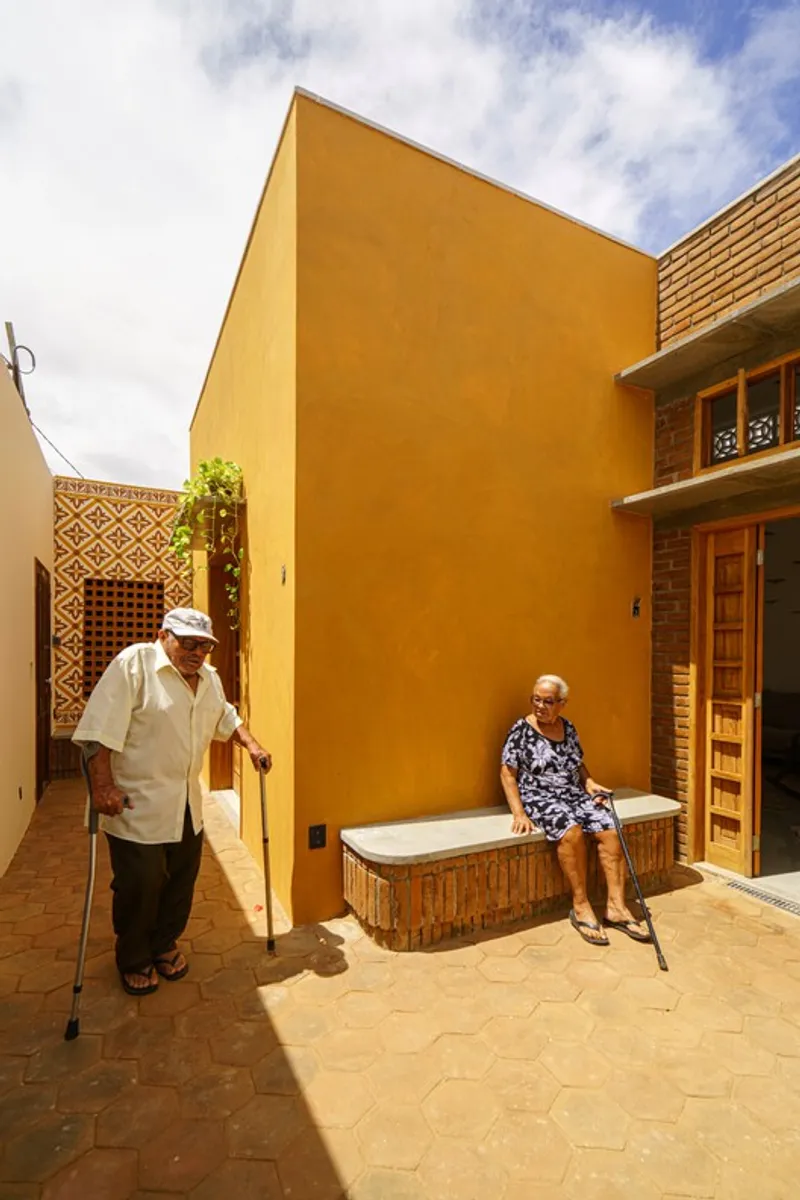
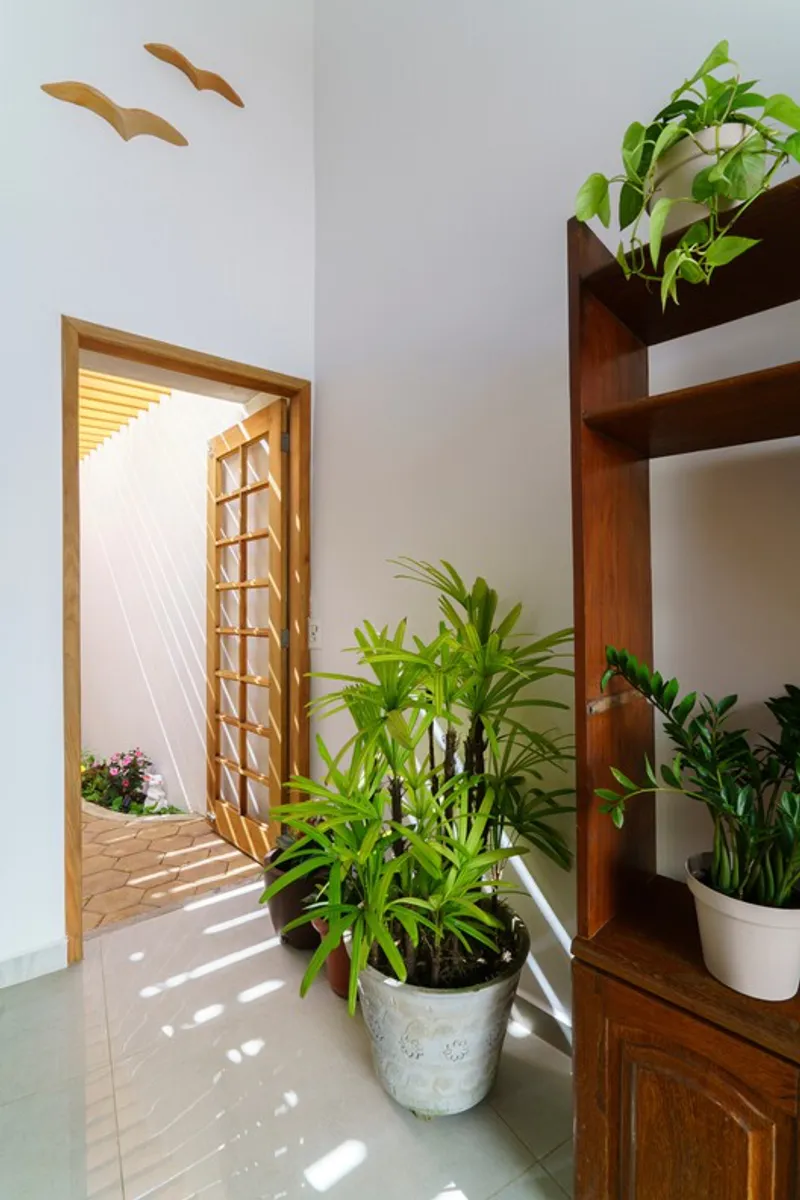
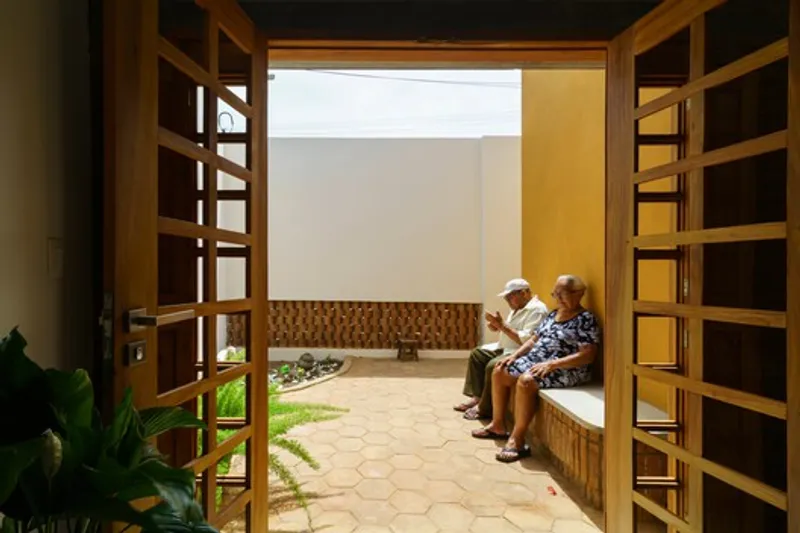
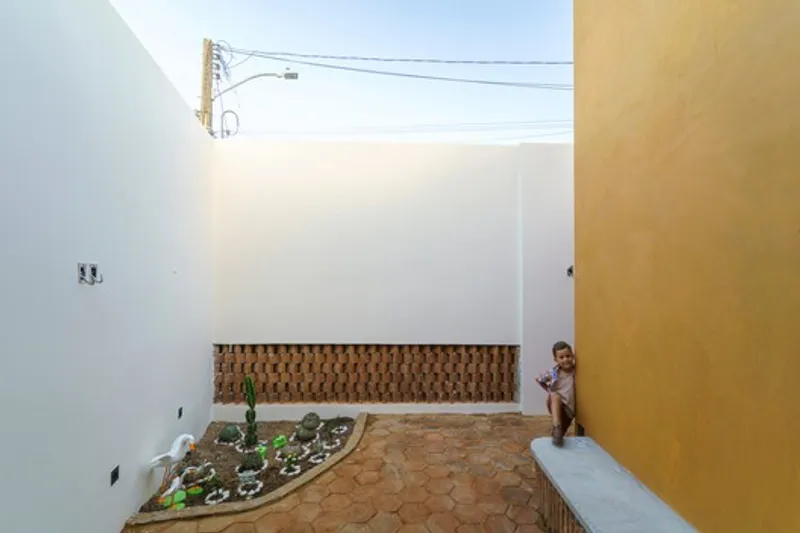
Five underused and poorly lit rooms were demolished to create a generous living room, an internal garden, and an open terrace. These new spaces reinforce the home’s inherent sociability, strengthening connections between interior and exterior environments.
Materiality and Local Craft
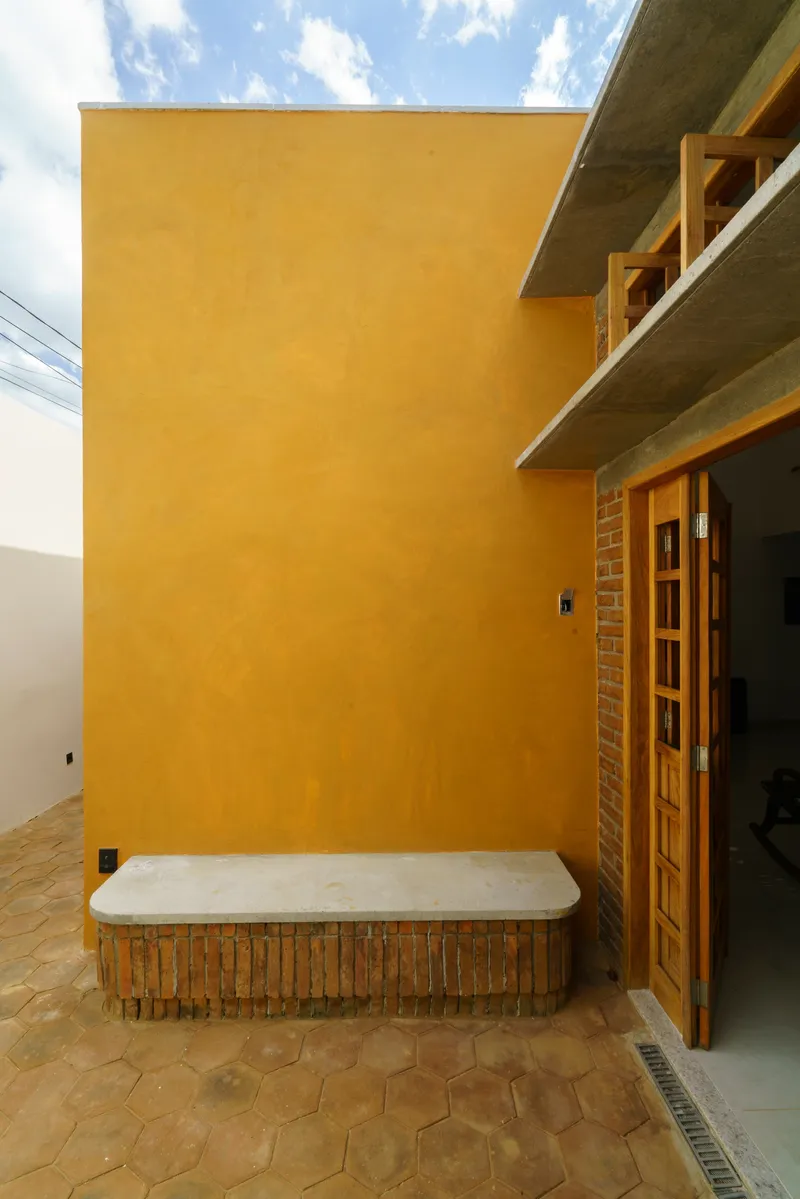
Material choices throughout the project are deeply rooted in local practices. The restored entrance doors are shaded by precast concrete panels, repurposed as horizontal brise-soleil elements. These same panels also form seating for the terrace, demonstrating efficient, multifunctional design.
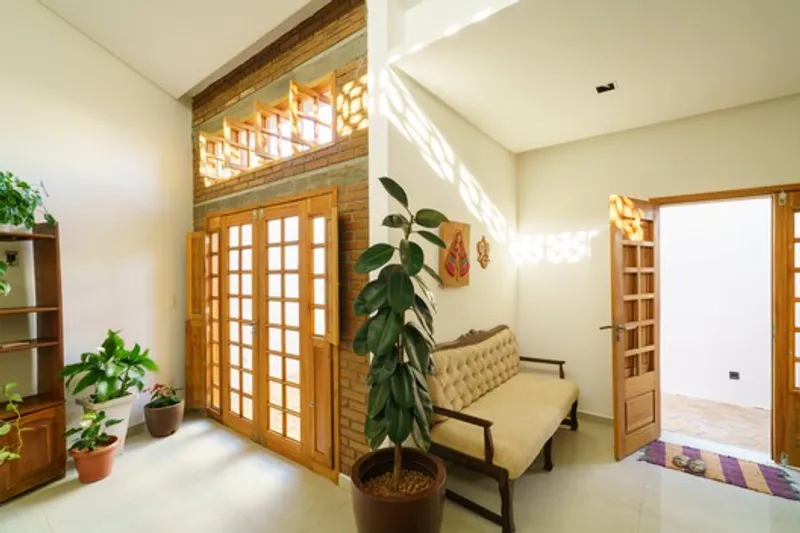
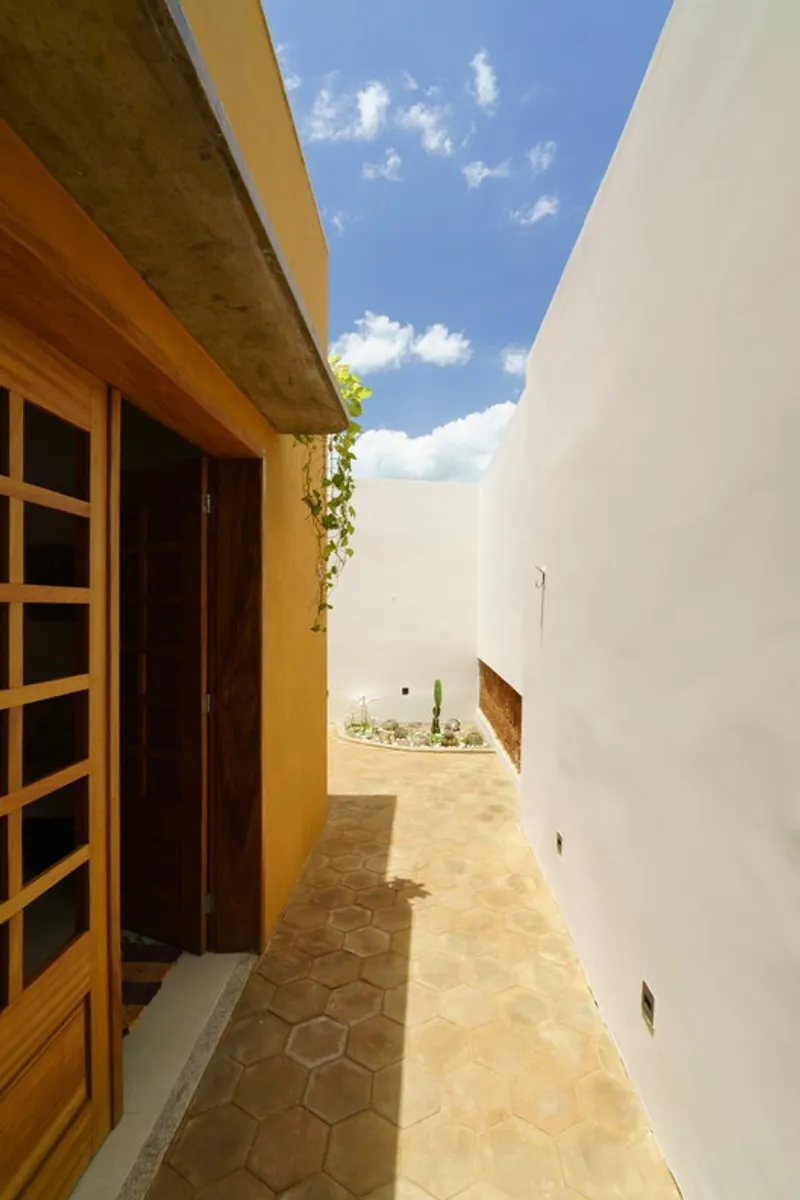
At the resident’s request, the original facade wall was retained but reimagined with a perforated pattern of ceramic bricks, inspired by the way bricks are stacked to dry in nearby factories. The base of the facade is clad in ceramic tiles typically used in cassava flour ovens, reinforcing the project’s strong relationship with local industry and culture.
Architecture as Dignified Permanence
Mom’s House exemplifies an architectural approach that values popular knowledge, social continuity, and environmental responsibility. Rather than imposing an external aesthetic, Studio Zé reinterprets vernacular construction through contemporary climatic strategies, proving that thoughtful design can emerge from modest means.
The project stands as a model for socially engaged residential architecture, advocating for dignified living conditions and long-term permanence within historically marginalized territories.
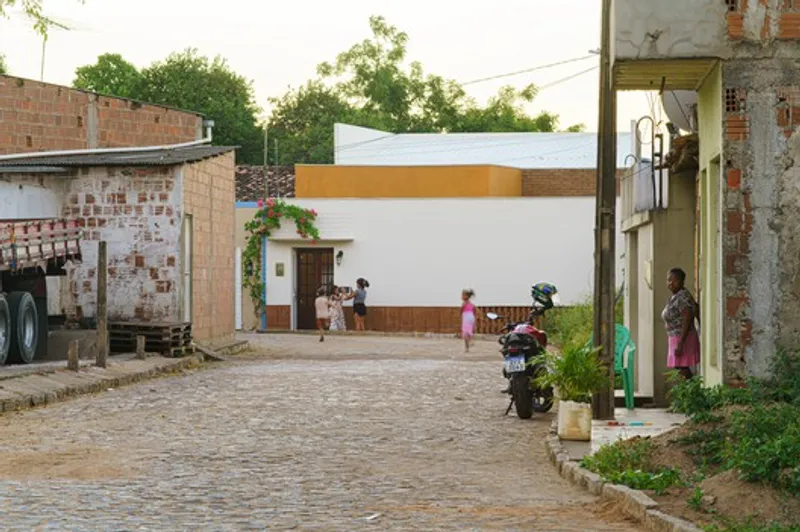
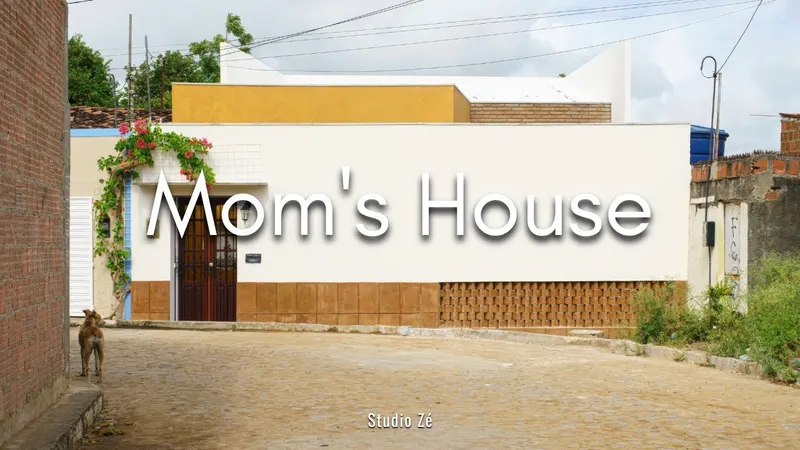
All the Photographs are works of Hélder Santana



Popular Articles
Popular articles from the community


Riyadh For All: Intergenerational Urban Design for Active Aging in Rabat
Riyadh For All reimagines urban design in Rabat with intergenerational co-living, adaptive courtyards, and Moroccan cultural exchange today.

Hill & Cross Opera: Sculptural Opera House Architecture Shaped by Tallinn’s Landscape and Identity
Hill & Cross Opera reimagines opera house architecture in Tallinn through its sculptural hill, civic plaza, glass wave and a luminous cross.

Lunar Spiral: Space Architecture Shaped by the Mathematics of the Universe
Lunar Spiral reimagines space architecture through Fibonacci geometry, lunar regolith, levitating habitats, and self-sustaining Moon living.

Play: Fragments of Their World
Familiar architecture becomes modular playground design, creating safe spaces where displaced children can learn, connect, imagine and play.

Similar Reads
You might also enjoy these articles


Hodi-Mandai Geram
Project Function: Preservation and revitalization of the Intangible heritage and socio-spatial identity of the Hodi by Housing, Cultural Memory Center, Sacred Grove, landscape, local tourism economy


Olio Towers: A Mid-Rise for Performers That Fuses Housing, Rehearsal, and Stage
Located blocks from Houston's Theater District, this modular tower stacks living units around a central performance atrium.

Oasis: Modular Green Housing Carved into Dhaka's Urban Fabric
A shortlisted Plugin Housing entry reclaims unauthorized settlements in Dhaka with stepped concrete volumes, green roofs, and ventilation-driven design.

Black Hole: A Floating Megastructure for the Post-Physical Era
Emiliano Mazzarotto envisions a spherical, self-scaling arena where e-sports, digital hotels, and holographic stadiums replace traditional public space.

Explore Housing Competitions
Discover active competitions in this discipline



Challenge to reimagine the Iron Throne


Photograph architecture without architects


Illustrate the lost glory of Angkor Wat - Render Challenge


Design challenge to reuse E-waste
Comments (0)
Please login or sign up to add comments
No comments yet. Be the first to comment!