
Montlaur Bonifacio Nursery by Buzzo Spinelli: A Harmonious Blend of Heritage and Innovation
Montlaur Bonifacio Nursery blends historic charm and sustainable design, using lime concrete, passive cooling, and eco-friendly techniques for optimal comfort.


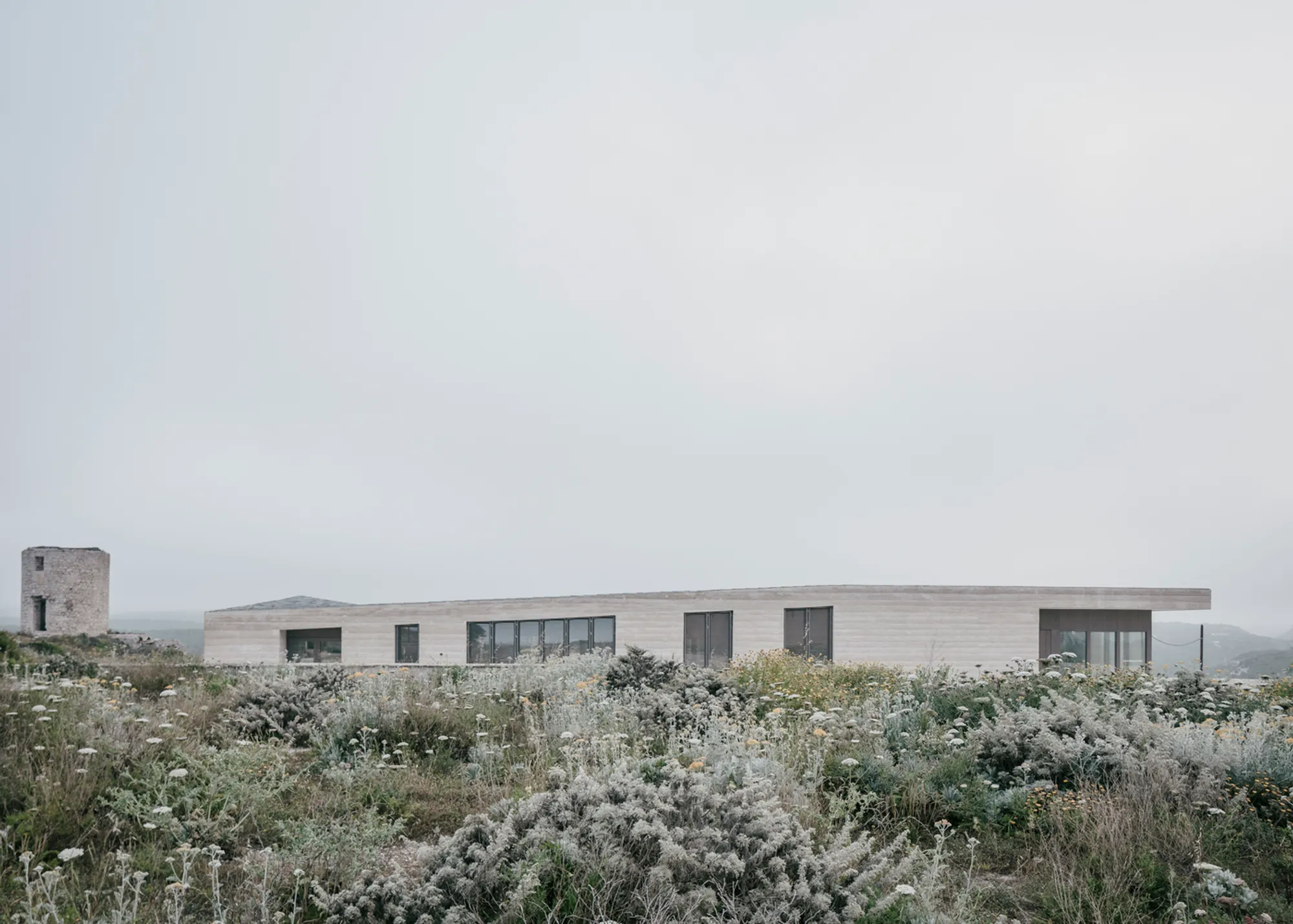
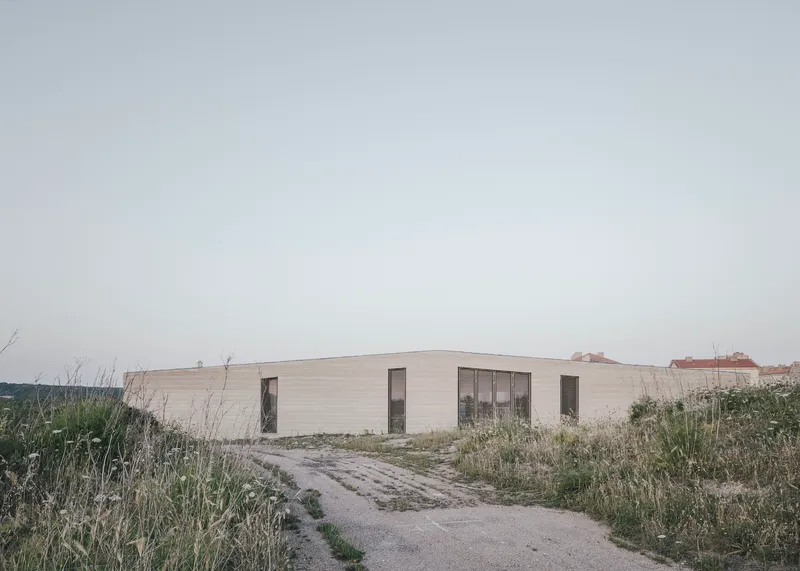
Located in the heart of the ancient citadel of Bonifacio, the Montlaur Nursery by Buzzo Spinelli Architects reflects a perfect blend of heritage and innovation. The nursery is integrated into the historic military and geological landscape of the region, bordered by imposing limestone walls, fortifications, and Genoese windmills that echo the site’s rich history. Through meticulous craftsmanship and sustainable construction techniques, the project breathes new life into the former Montlaur military district, preserving its essence while adapting to modern needs.
Design Concept: Honoring Historical Layers
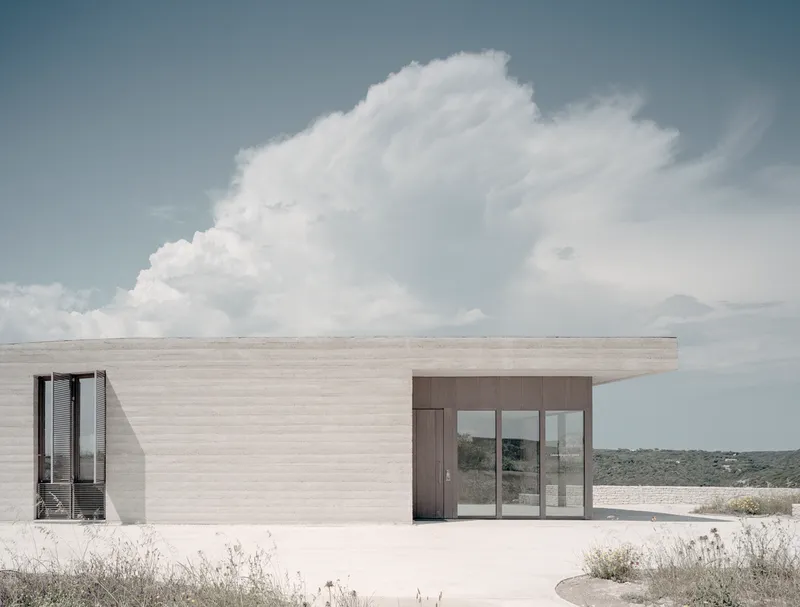
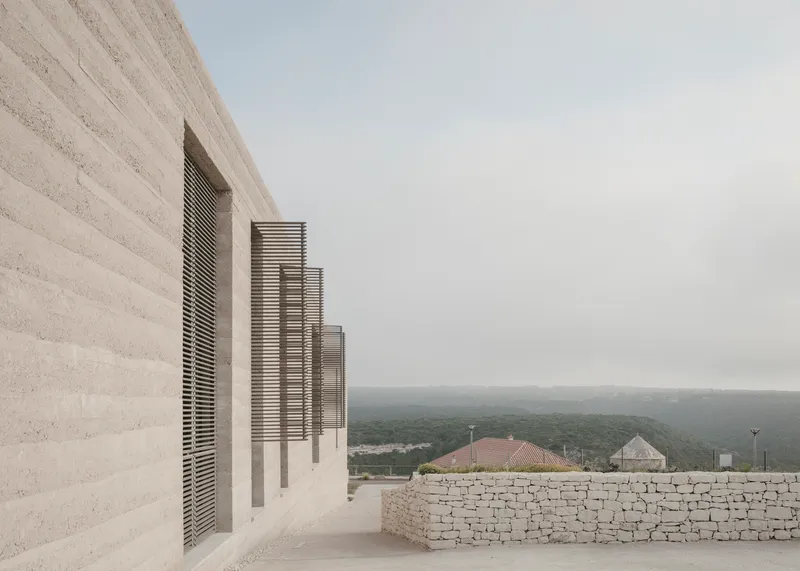
The nursery’s design is inspired by the historic identity of Bonifacio, where limestone ramparts and Roman concrete once shaped the city’s character. Using lime concrete—a material devoid of cement or reinforcement—the architects achieved a visually striking structure that mimics the rough textures and horizontal layers of the limestone cliffs. This experimental material, coupled with traditional building techniques, perpetuates the geological stratification inherent to the region.

Material and Craftsmanship: A Tribute to Tradition
The lime concrete, which was meticulously tested and refined, incorporates locally sourced limestone aggregates and lime binders historically produced in Bonifacian kilns. This not only enhances the structure’s durability but also establishes a deep-rooted connection to the local heritage. Additionally, Genoa slate roofing, Laricio Pine woodwork, and rammed lime concrete walls contribute to the architectural narrative, seamlessly blending old-world charm with modern functionality.
Sustainable Construction Techniques
A hallmark of the Montlaur Nursery is its emphasis on sustainability and energy efficiency. By employing ancestral techniques, the project minimizes reliance on modern mechanical systems. The building’s thick facades, natural building inertia, and passive cooling methods ensure optimal thermal comfort. This approach significantly reduces the environmental footprint by eliminating the need for imported materials, transportation, or high-energy processes.
Innovative Passive Cooling Strategies
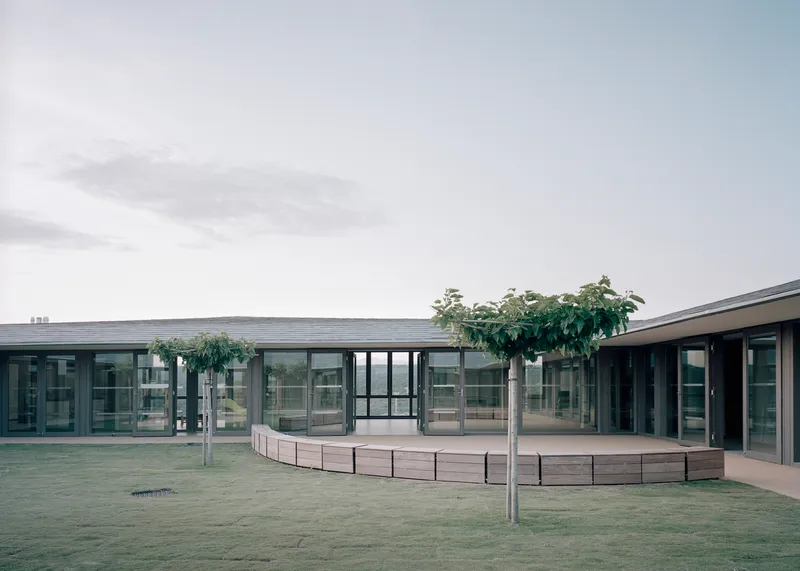
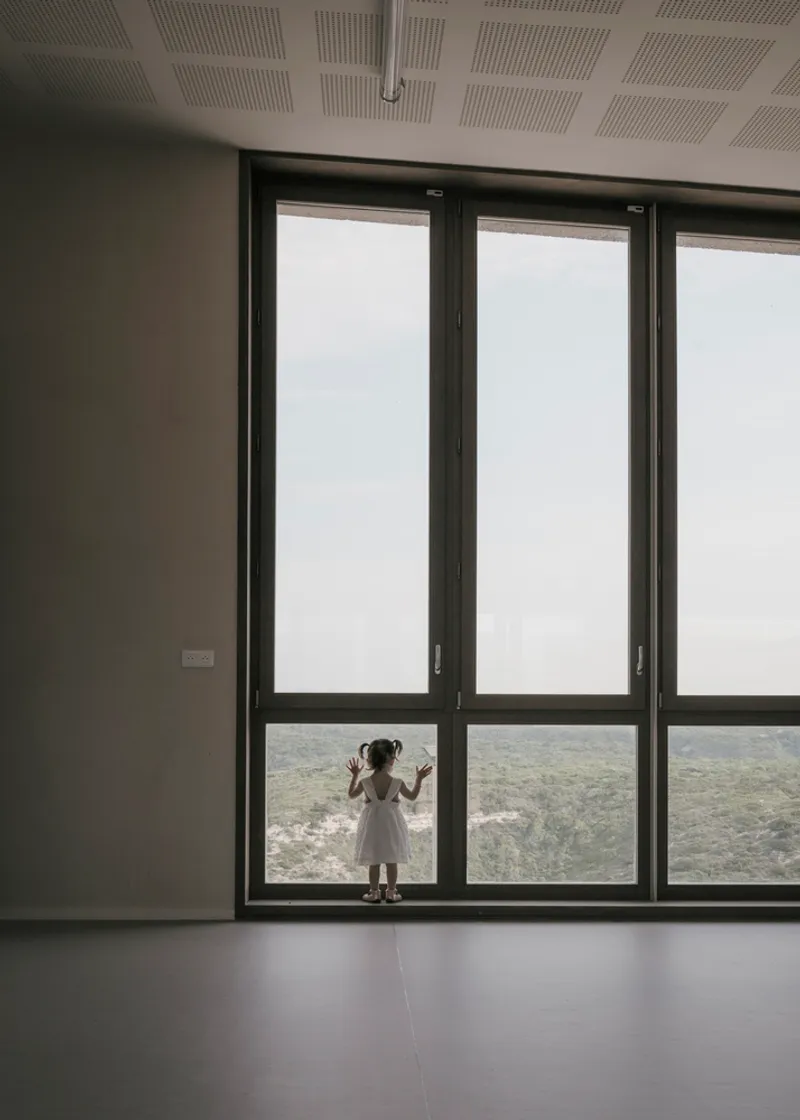
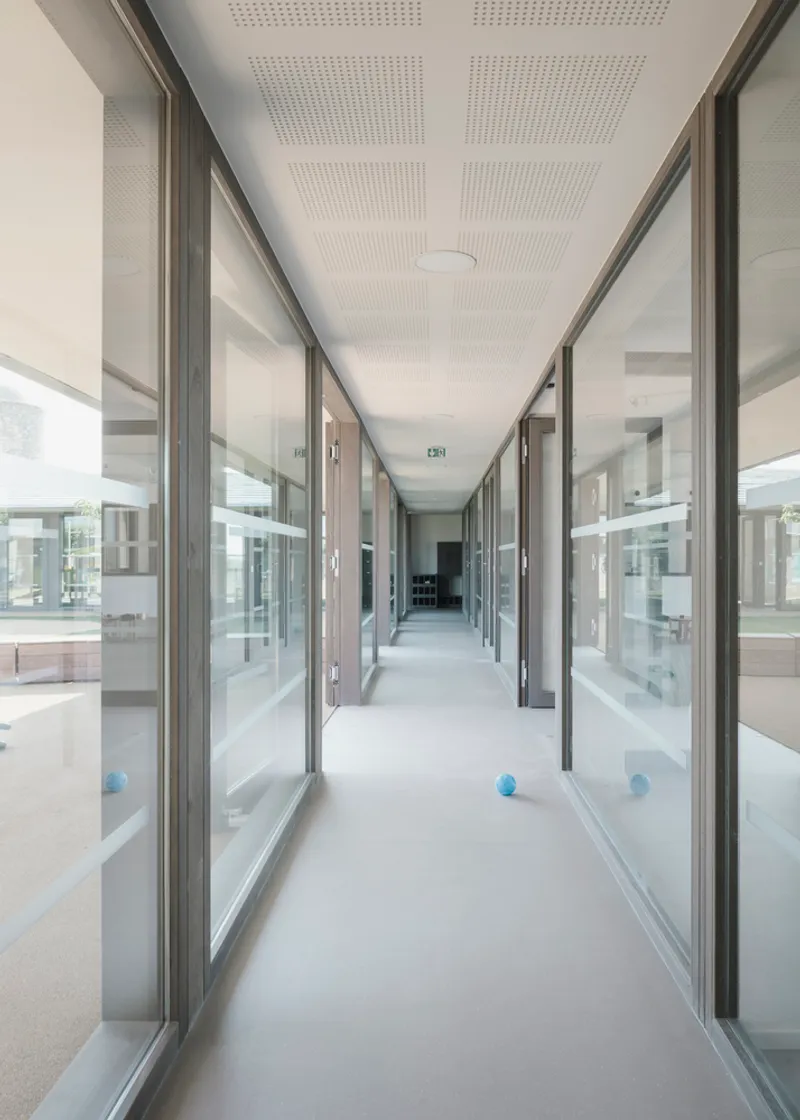
The project integrates innovative passive cooling techniques to enhance comfort while maintaining sustainability. Double-sided spaces offer views of both the city and the inner courtyard, promoting cross-ventilation. The addition of Mediterranean wells, brick walls with lime plaster, bio-sourced insulation, and wood pellet boilers ensures year-round energy efficiency. The central courtyard, with its lush lawn and strategically planted mulberry trees, creates a microclimate that cools the surrounding spaces in summer while allowing sunlight to penetrate during winter.
Reimagining Space with Purpose
The spatial configuration of the nursery reflects a thoughtful balance between openness and privacy. The interior courtyard, bordered by gallery-like walkways, serves as a vibrant and serene space where children can play and explore nature. This enclosed yet breathable environment fosters a connection between indoor and outdoor spaces, enriching the sensory experiences of the young inhabitants.
Energy Efficiency and Eco-Friendly Design
In addition to passive cooling systems, the Montlaur Nursery is equipped with floor heating powered by a wood pellet boiler. The design minimizes energy consumption by leveraging natural processes and materials. The facade thickness, orientation, and material choices ensure reduced energy dependence, making the project a model for environmentally conscious architecture.
All photographs are works of Aldo Amoretti




Popular Articles
Popular articles from the community


EW PARK: Sustainable Architecture Reimagines the Future of Urban Parking
EW PARK reimagines city parking as a modular wooden tower combining automation, solar energy, electric mobility, and adaptable urban design.

Co-life: Sustainable Architecture for Age-Friendly Community Living
Co-life reimagines sustainable architecture for seniors through courtyards, rammed earth, shared gardens, and spaces designed for belonging.

Conexión: Biophilic Design Reimagines High-Rise Living in Hong Kong
Conexión reimagines high-rise living in Hong Kong through biophilic design, green facades, shared spaces, daylight, water and nature within.

Co-Life: Senior Housing Design That Reconnects Older Adults With the City
Co-Life reimagines senior housing design through healing gardens, shared streets, workshops, and a sustainable community across generations.


Similar Reads
You might also enjoy these articles


Hodi-Mandai Geram
Project Function: Preservation and revitalization of the Intangible heritage and socio-spatial identity of the Hodi by Housing, Cultural Memory Center, Sacred Grove, landscape, local tourism economy


Olio Towers: A Mid-Rise for Performers That Fuses Housing, Rehearsal, and Stage
Located blocks from Houston's Theater District, this modular tower stacks living units around a central performance atrium.

Oasis: Modular Green Housing Carved into Dhaka's Urban Fabric
A shortlisted Plugin Housing entry reclaims unauthorized settlements in Dhaka with stepped concrete volumes, green roofs, and ventilation-driven design.

Black Hole: A Floating Megastructure for the Post-Physical Era
Emiliano Mazzarotto envisions a spherical, self-scaling arena where e-sports, digital hotels, and holographic stadiums replace traditional public space.


Explore Architecture Competitions
Discover active competitions in this discipline



Challenge to design public laboratory


Challenge to reimagine the Iron Throne


Photograph architecture without architects


Illustrate the lost glory of Angkor Wat - Render Challenge
Comments (0)
Please login or sign up to add comments
No comments yet. Be the first to comment!