
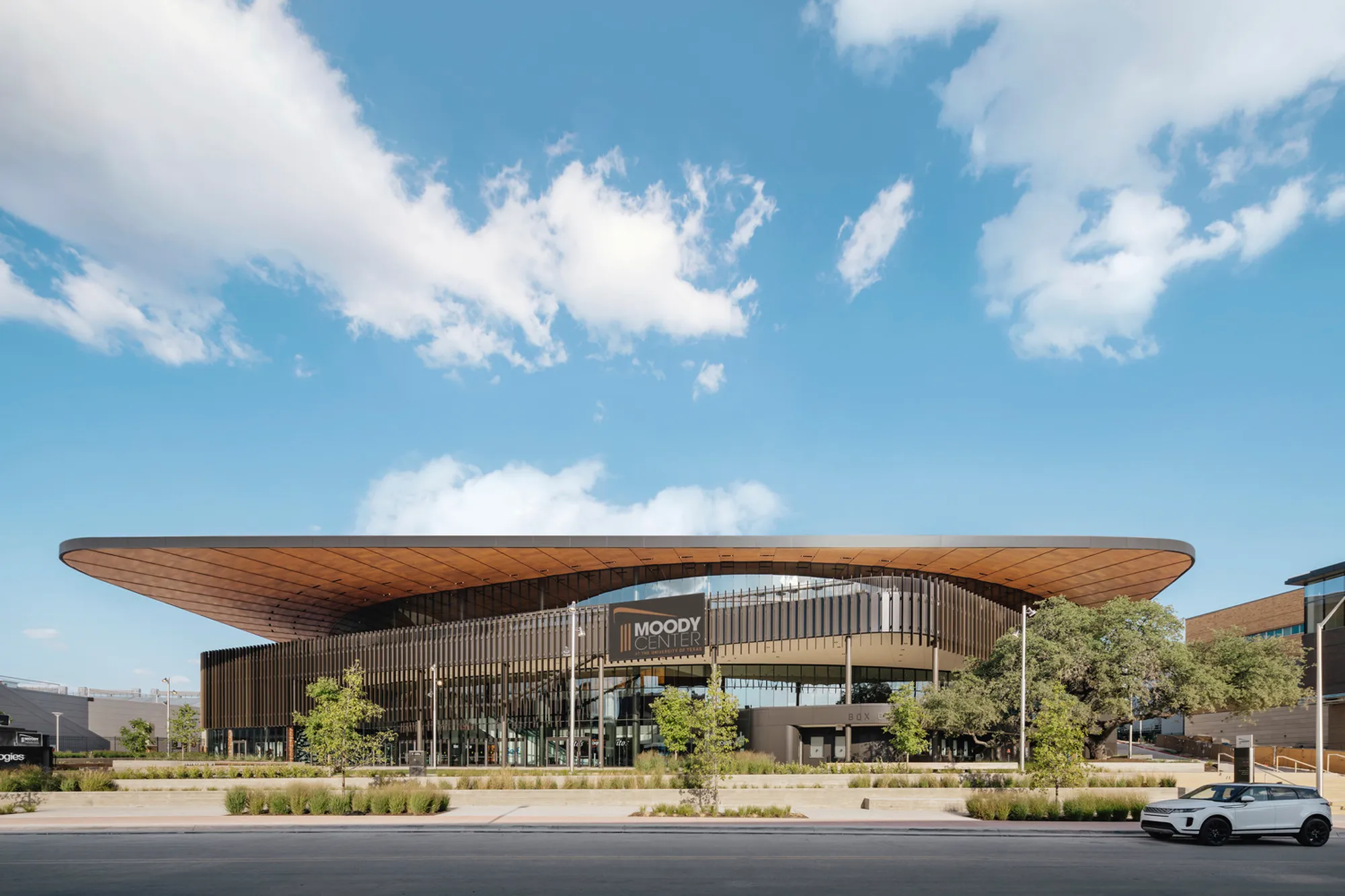
Moody Center Arena at the University of Texas at Austin by Gensler
Modern arena blending sports, concerts, technology, and sustainable design, creating an iconic fan experience hub at the University of Texas Austin.


The Moody Center Arena at the University of Texas at Austin, designed by Gensler, stands as a transformative sports and entertainment destination in Austin, Texas. Completed in 2022, the 15,000+ seat arena creates a dynamic environment where athletics, music, and large-scale public events converge within a thoughtfully designed urban setting.
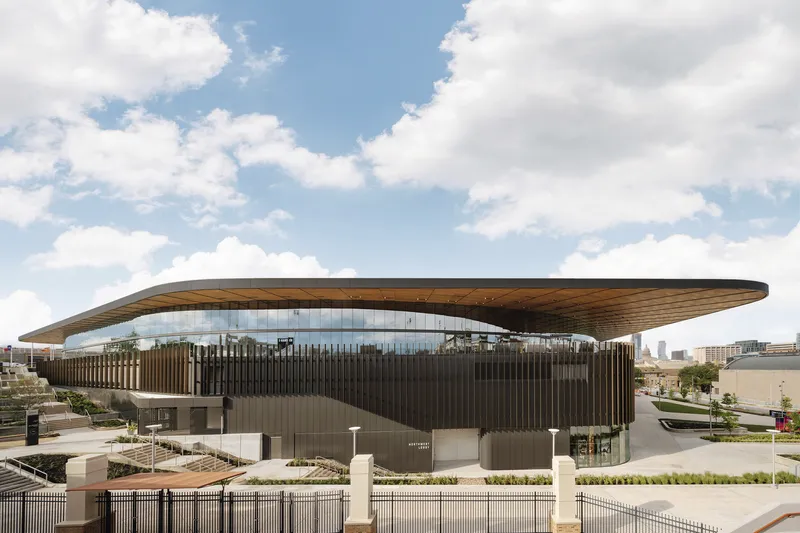
Strategically positioned within the university’s athletics district, the Moody Center was conceived as a central hub that connects the campus community, fans, and the surrounding city. The arena forms part of a broader campus master plan aimed at strengthening relationships between sports facilities, public gathering spaces, and future development initiatives. Through an innovative architectural approach, the building merges indoor and outdoor experiences, creating an energetic environment that reflects Austin’s vibrant cultural identity.
Urban Integration and the Game Day Experience
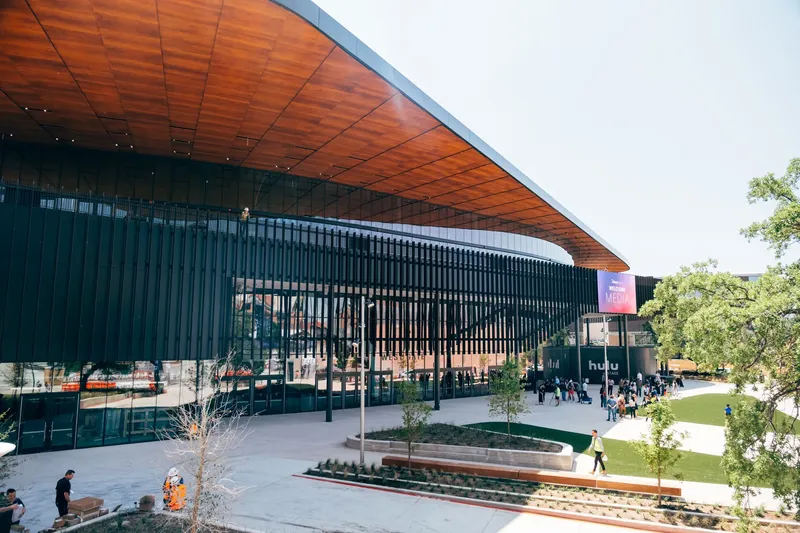
One of the defining elements of the Moody Center is the Dell Technologies Plaza, a large interactive public space that welcomes visitors before and after events. This plaza functions as a social hub where fans gather, enjoy food trucks, attend pre-game festivities, or simply experience the lively atmosphere of a major sports venue.
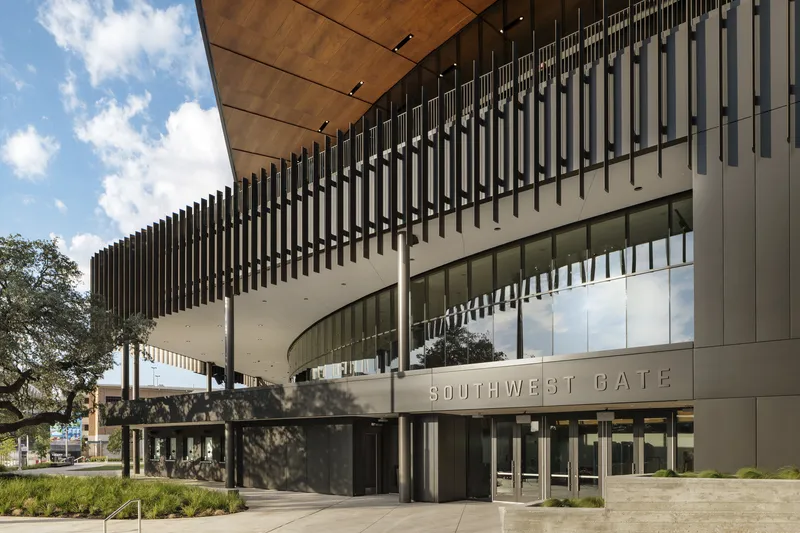
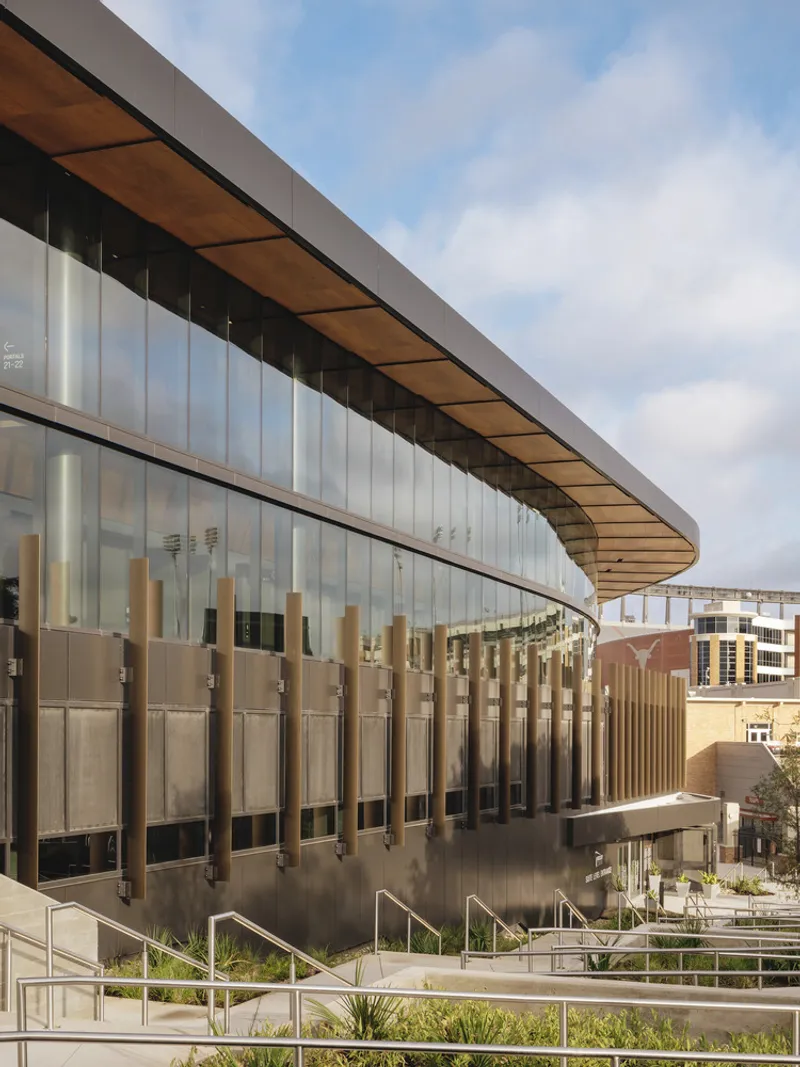
The design prioritizes engagement and connectivity, encouraging movement between exterior and interior spaces. Large windows encircle the arena, allowing passersby to glimpse the excitement inside while maintaining a visual connection between the campus, the Austin skyline, and nearby urban landmarks. This transparency reinforces the arena’s role as a civic destination rather than an isolated sports facility.
Architectural Identity Inspired by Texas
Although the Moody Center introduces a contemporary architectural language, it carefully respects the material palette and scale of surrounding University of Texas buildings. The structure balances innovation with contextual sensitivity, ensuring it complements the existing campus environment.
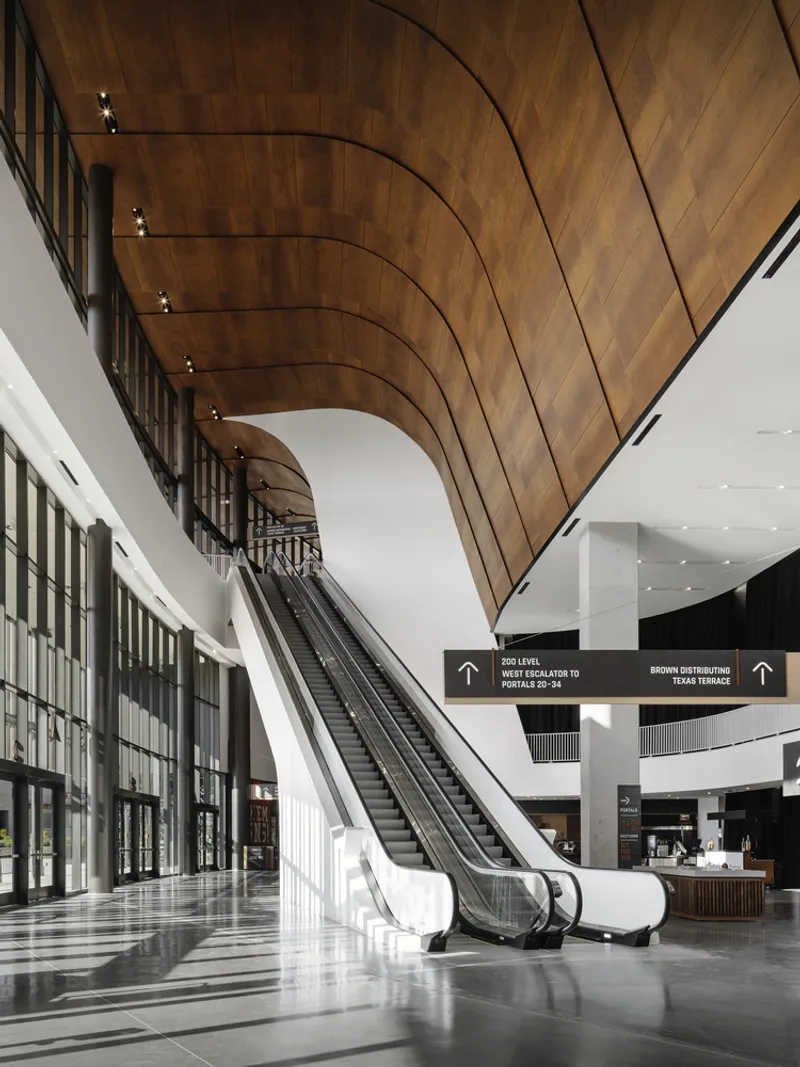
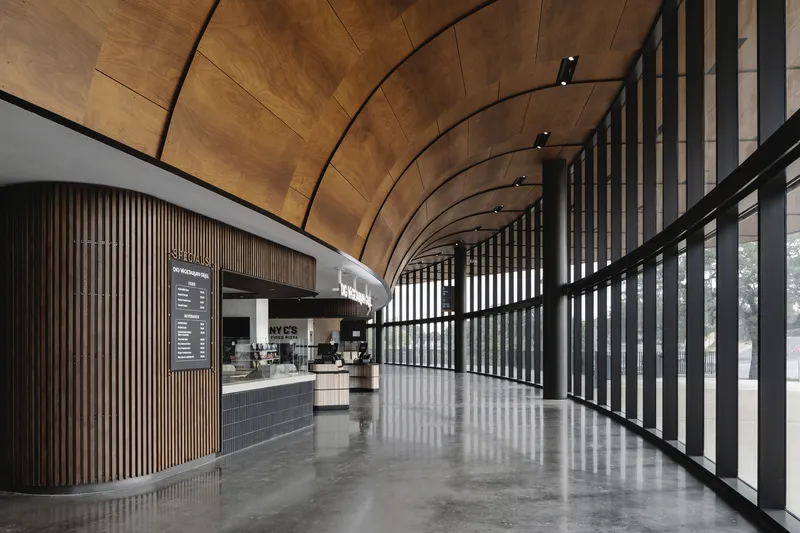
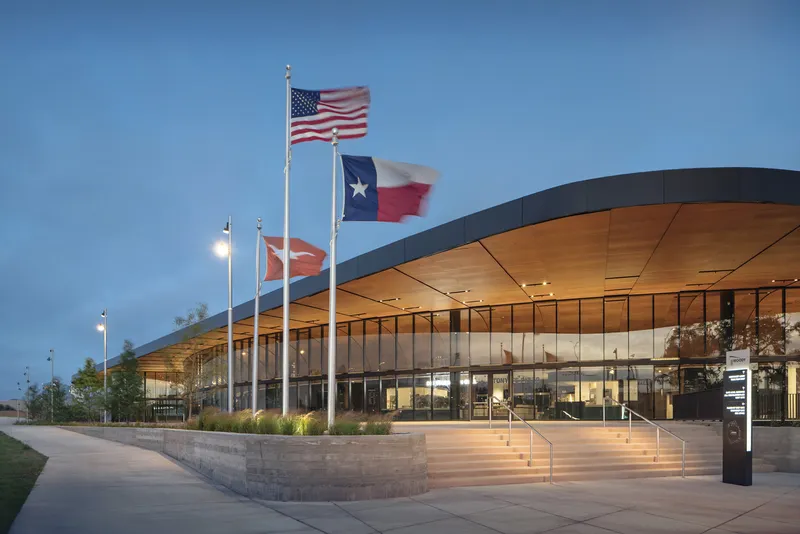
A distinctive architectural feature is the wood canopy that crowns the arena. Crafted from real timber, the canopy references traditional Texas architecture while serving practical environmental functions. It provides shade for outdoor terraces, reduces solar heat gain, and enhances the building’s visual warmth and character.
Flexible Interior Spaces for Diverse Events
Inside the arena, the spatial organization prioritizes comfort, flexibility, and accessibility. Multiple concourses, expansive lobbies, and open terraces create welcoming gathering spaces where visitors can socialize before, during, and after events.
The arena’s seating bowl accommodates more than 15,000 spectators, yet the venue can scale down to host more intimate events for approximately 5,000 guests. This adaptability allows the Moody Center to support basketball games, concerts, live performances, and large-scale entertainment productions.
Advanced logistics infrastructure ensures efficient operations for performers and event organizers. The venue includes large loading areas and backstage facilities capable of accommodating major international tours and productions, making it one of the most versatile entertainment venues in Texas.
Premium Clubs Reflecting Austin Culture
The Moody Center introduces several exclusive hospitality spaces that enhance the fan experience while celebrating the cultural identity of Austin.
The Indeed Club draws inspiration from the city’s legendary music scene, referencing iconic venues such as the Continental Club and the Broken Spoke. The space blends concert-inspired design with comfortable social areas for fans.
The Dell Technologies Club integrates advanced digital technologies with interior design influenced by the Texas Hill Country. Natural materials and warm finishes create a refined yet relaxed environment for premium guests.
Another distinctive venue, the Germania Club, offers a speakeasy-style atmosphere with hidden entrances and exceptional stage views. This intimate club delivers a unique concert experience within the larger arena environment.
Despite their exclusivity, the premium levels maintain a strong visual and spatial connection with the rest of the building, reinforcing a sense of shared community among all spectators.
Smart Technology and Energy Efficiency
The Moody Center incorporates innovative building technologies designed to improve environmental performance and visitor comfort. One notable feature is the displacement ventilation system, which cools the arena from the bottom up instead of from the ceiling. This strategy increases energy efficiency while providing cleaner and more comfortable air circulation throughout the space.
Multiple entry points across different levels help distribute visitors evenly throughout the arena, reducing congestion and improving crowd flow during major events.
Sustainable Design Strategies
Sustainability was a central consideration throughout the design and construction process. The Moody Center aims to achieve LEED Gold certification, reflecting its commitment to environmentally responsible architecture.
Several measurable strategies contribute to this goal. Approximately 95 percent of construction waste was diverted from landfills through recycling and material reuse initiatives. Outdoor water consumption was reduced by 71 percent thanks to drought-tolerant landscaping and efficient irrigation systems. Interior plumbing fixtures further reduced indoor water usage by 36 percent, while energy modeling demonstrates nearly 14 percent savings in operational energy costs.
Large windows maximize natural daylight, while shaded exterior terraces improve thermal comfort and reduce reliance on mechanical cooling. The landscape design also preserved many of the site’s heritage trees, transforming them into natural amenities within the plaza environment.
Strengthening Mobility and Urban Connectivity
Beyond the arena itself, the project contributed to broader urban infrastructure improvements in Austin. The development supported new bike lanes, pedestrian routes, and public transportation connections, encouraging sustainable mobility across the city.
The realignment of Red River Street created an improved roadway network linking downtown Austin, the Dell Medical Center, the Innovation District, and the university campus. This enhanced connectivity ensures that the Moody Center functions as both a campus landmark and a key component of the city’s evolving urban fabric.
A New Cultural and Athletic Icon
Today, the Moody Center stands as one of the most advanced sports and entertainment venues in the United States. By combining architectural innovation, sustainable design, and community engagement, the project successfully transforms the game-day experience while supporting Austin’s dynamic cultural scene.
Through its flexible design, public plazas, and technologically advanced infrastructure, the arena demonstrates how modern stadium architecture can serve not only athletes and performers but also the broader community.
All photographs are works of
Chase Daniel, Ryan Conway, Ryan Gobuty




Popular Articles
Popular articles from the community


The Earth Pod: 3D Printed Homes for Resilient Refugee Communities
The Earth Pod reimagines refugee housing through 3D printed homes made from clay, combining resilience, self-sufficiency, and rapid shelter.

Hill & Cross Opera: Sculptural Opera House Architecture Shaped by Tallinn’s Landscape and Identity
Hill & Cross Opera reimagines opera house architecture in Tallinn through its sculptural hill, civic plaza, glass wave and a luminous cross.

Riyadh For All: Intergenerational Urban Design for Active Aging in Rabat
Riyadh For All reimagines urban design in Rabat with intergenerational co-living, adaptive courtyards, and Moroccan cultural exchange today.

Co-Life: Senior Housing Design That Reconnects Older Adults With the City
Co-Life reimagines senior housing design through healing gardens, shared streets, workshops, and a sustainable community across generations.


Similar Reads
You might also enjoy these articles

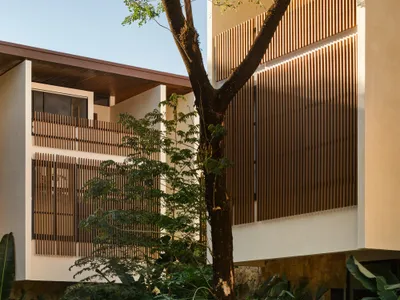
FAMM Arquitectura Organizes Ten Villas Around Courtyards and Jungle in Nosara, Costa Rica
El Molino pairs two elongated volumes with deep overhangs and timber louvers to build a compact coastal community five minutes from the beach.
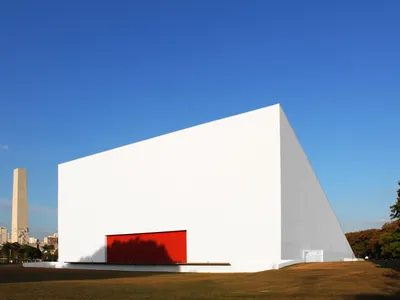
Oscar Niemeyer's Ibirapuera Park Pavilions Define São Paulo's Cultural Identity in Concrete and Curve
A constellation of modernist volumes set within São Paulo's most important urban park, conceived for the city's 400th anniversary in 1954.
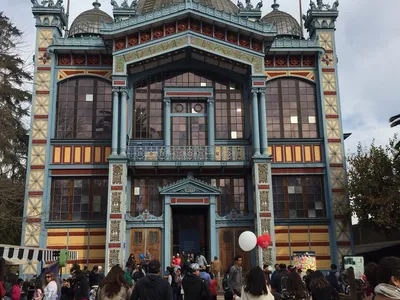
How Henri Picq's 1889 Paris Pavilion Traveled 11,000 Kilometers to Become Santiago's Artequín Museum
A prefabricated iron and glass pavilion built for the Paris Universal Exposition found a second life as a children's art museum in Chile.
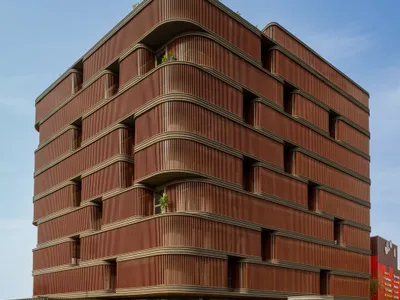
Sanjay Puri Architects Wraps a Jaipur Office Tower in Capsule-Shaped Green Buffers
A nine-level climate-responsive workplace near Jaipur Airport uses stacked planter terraces and aluminium screens to fight 40°C heat.


Explore Architecture Competitions
Discover active competitions in this discipline



Challenge to reimagine the Iron Throne


Photograph architecture without architects


Illustrate the lost glory of Angkor Wat - Render Challenge


Design challenge to reuse E-waste
Comments (0)
Please login or sign up to add comments
No comments yet. Be the first to comment!