
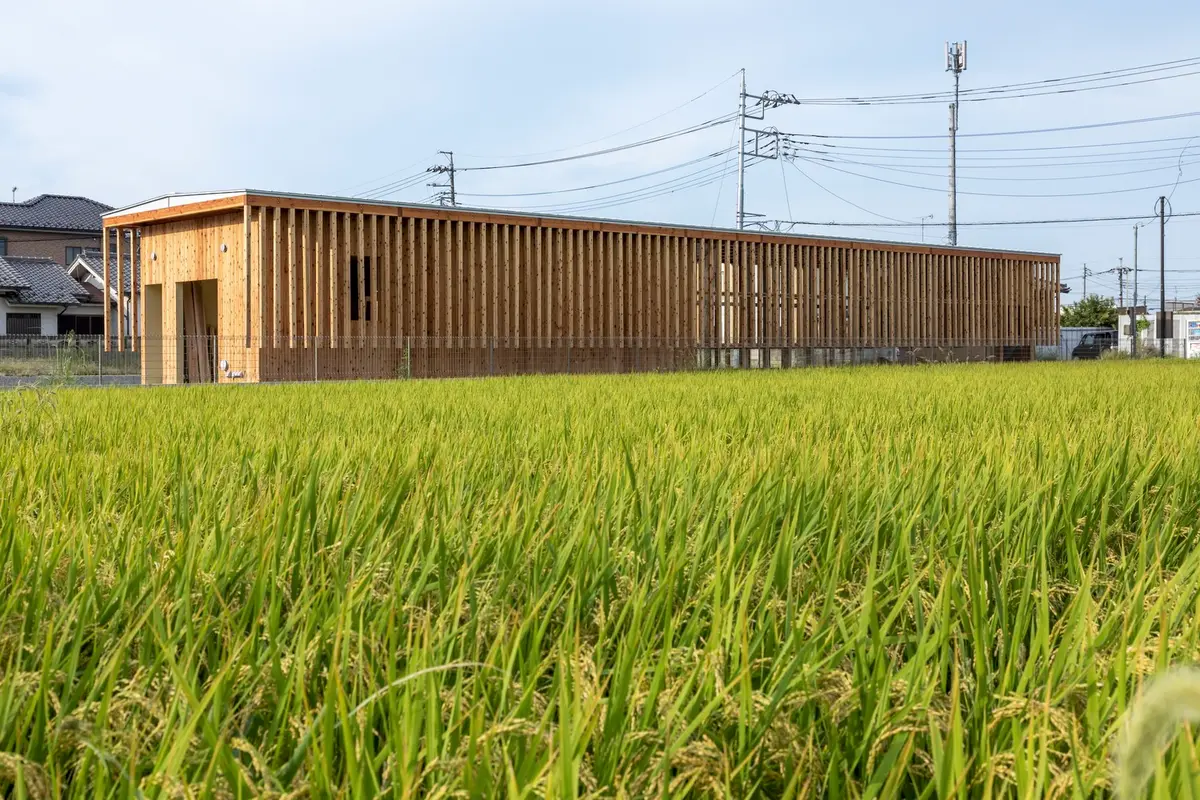
MORI-TOYO Udon Restaurant: An Architectural Jewel by atelier N
The article explores the sustainable and minimalist architecture of MORI-TOYO Udon Restaurant, blending seamlessly with its rice field surroundings.


Nestled in the tranquil residential area near Lake Town in Koshigaya, Saitama Prefecture, MORI-TOYO Udon Restaurant stands as an architectural marvel that seamlessly blends into its natural surroundings. Designed by the renowned architectural firm atelier N, this udon restaurant not only serves delicious traditional udon and tempura but also offers an immersive experience that connects diners with the scenic beauty of the rice fields surrounding the building. With its minimalist design, sustainable materials, and thoughtful integration into the environment, the restaurant exemplifies modern udon restaurant architecture.
Architectural Concept: Respecting the Rice Fields
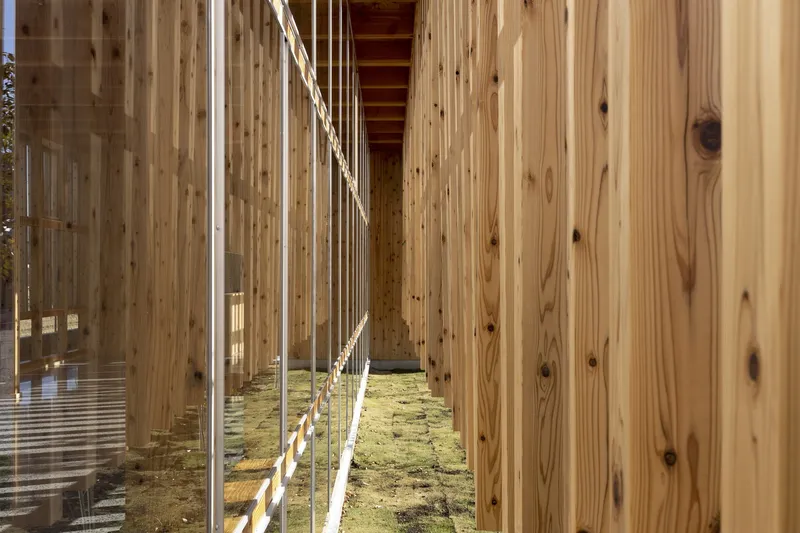
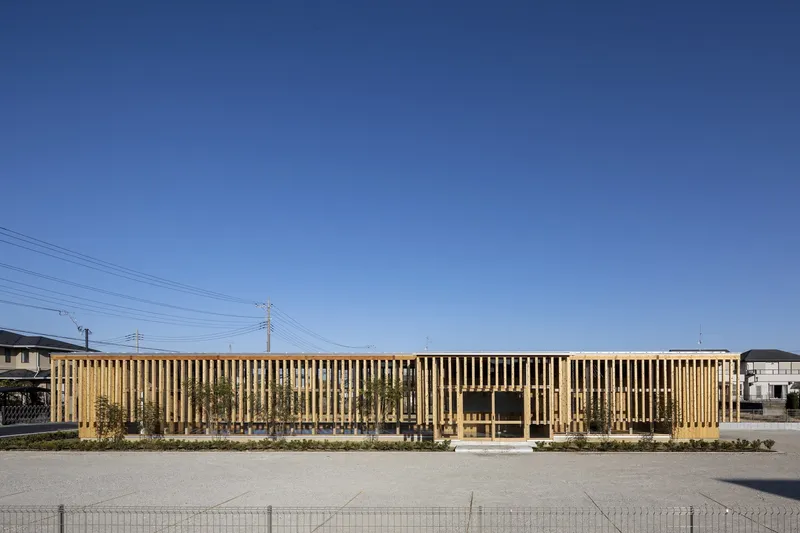
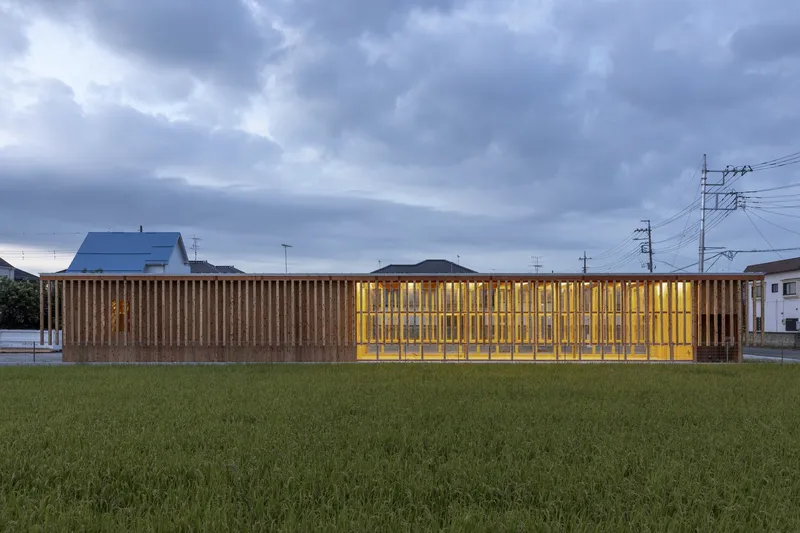
The design of MORI-TOYO Udon Restaurant is rooted in a deep respect for the location’s historical and natural context. The site, once a rice field, is surrounded by other fields that remain as a reminder of the area’s agricultural past. atelier N took these elements into account while developing the restaurant’s layout. By designing the building to mirror the rectangular shape of the adjacent rice field, the structure elongated itself, creating a unique spatial experience that connects the interior with the expansive natural landscape. The building's proportions—a short side of 4.55 meters and a long side stretching 27 meters—reflect the nearby rice field, creating harmony between the structure and its setting.
Emphasizing the Natural Environment
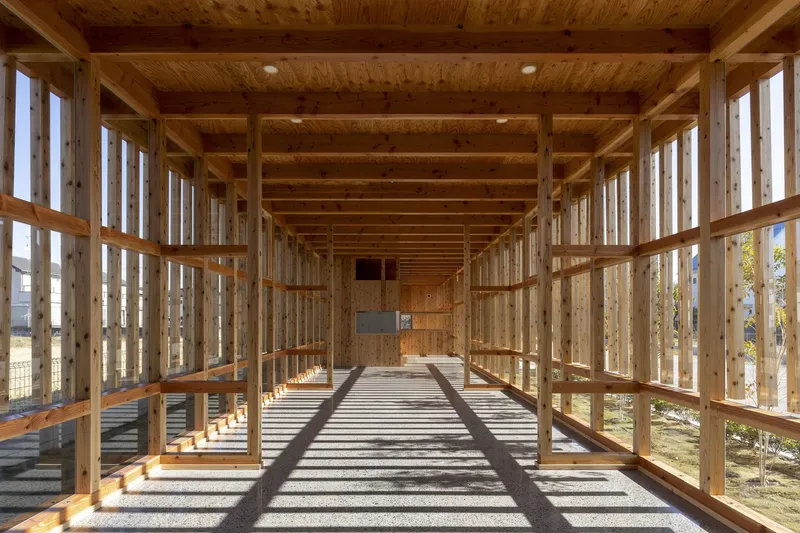
One of the most compelling features of MORI-TOYO Udon Restaurant’s architecture is the focus on maximizing the connection between the interior and the surrounding rice fields. The restaurant’s design intentionally allows diners to enjoy uninterrupted views of the fields while savoring their meal. The wind, a vital part of the area’s climate, flows naturally from south to north, passing through the restaurant and spilling out into the rice fields on the northern side. This wind movement, paired with the sight of rice swaying in the breeze, creates an immersive dining atmosphere that celebrates the local environment.
Sustainable and Minimalist Design
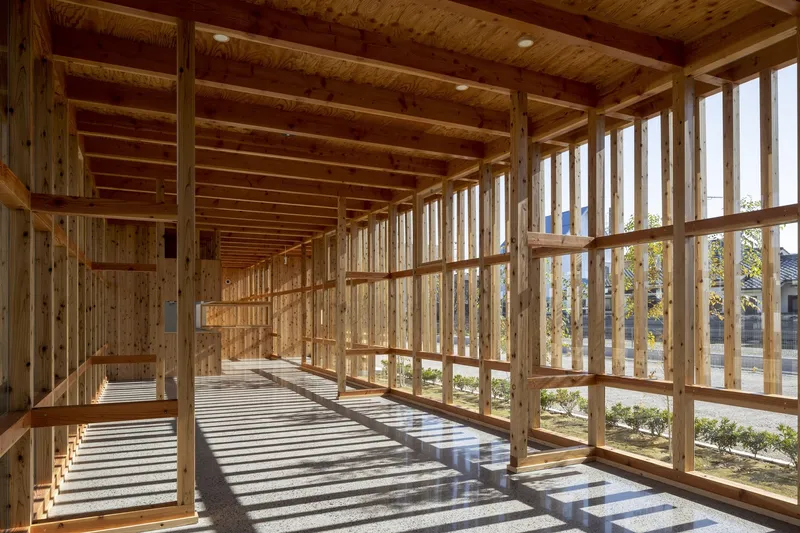
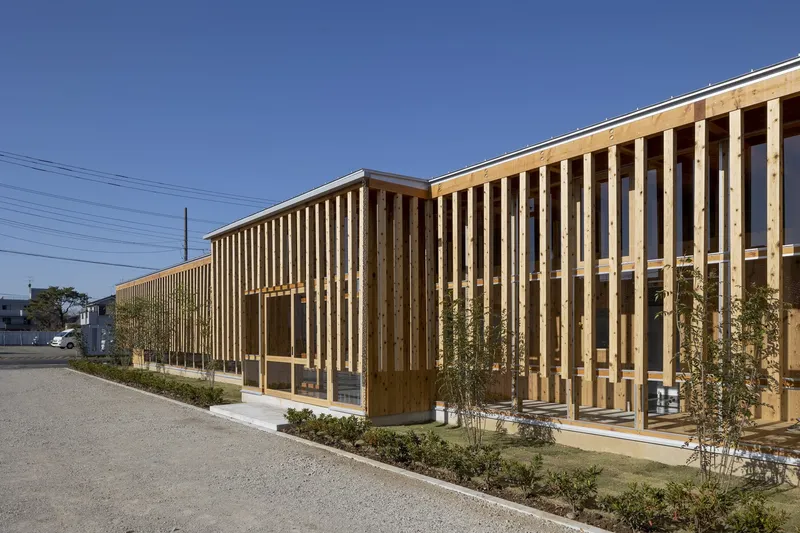
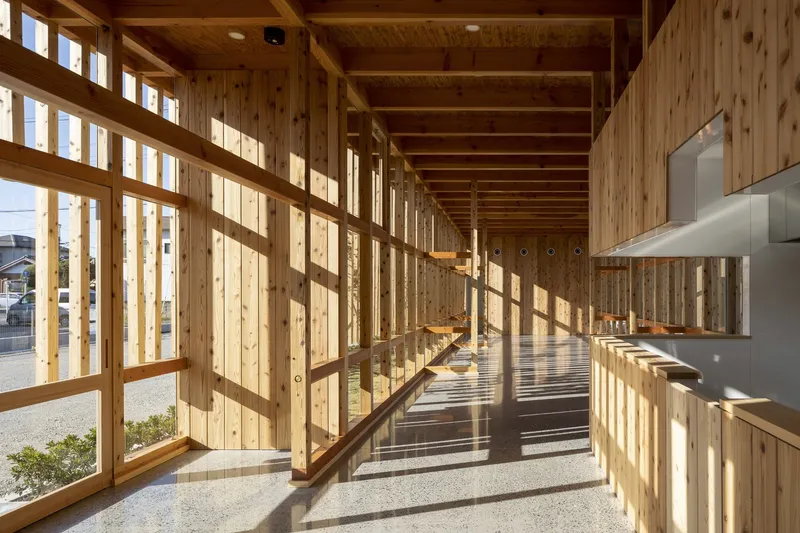
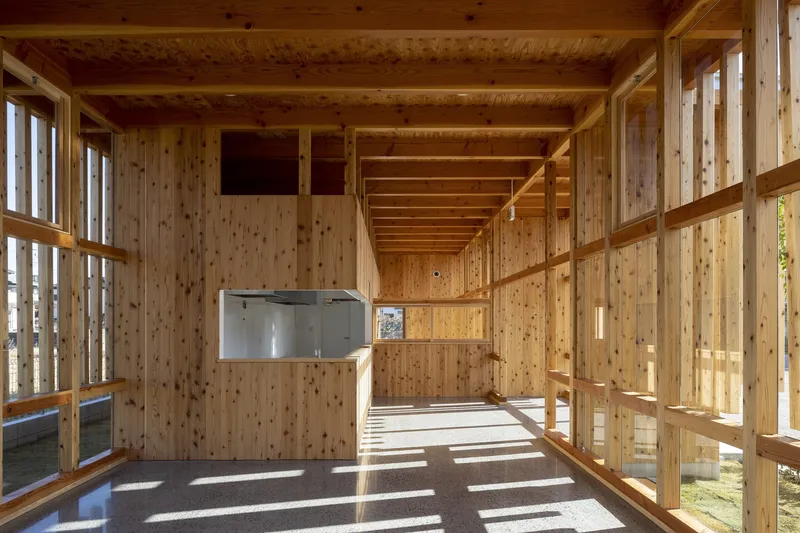
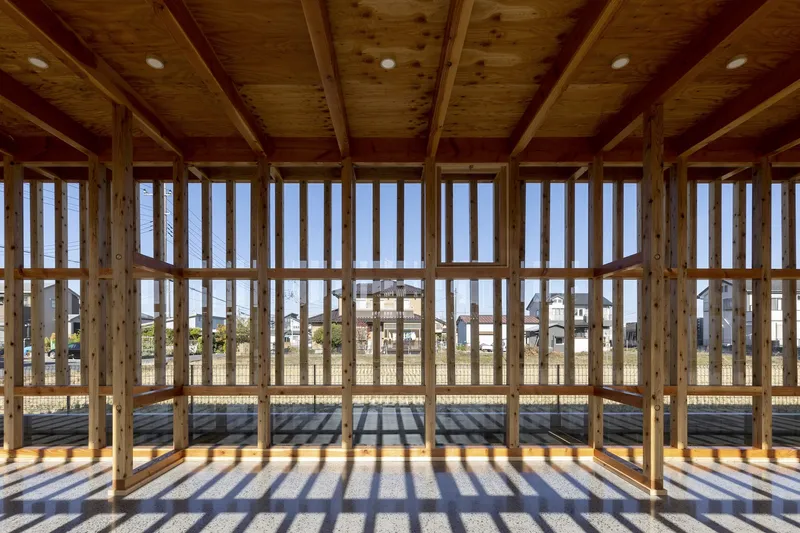
The architecture of MORI-TOYO Udon Restaurant is intentionally minimalistic, with an emphasis on sustainability and the use of raw, natural materials. The design prioritizes simplicity, exposing the fundamental elements of the structure such as the foundation, pillars, and beams. Glass panels form a boundary between the interior and exterior, allowing the restaurant to merge seamlessly with its environment. No additional finishes were applied beyond the essential surface hardening to the concrete floor, preserving the building’s primitive, unrefined beauty.
Natural Materials for a Timeless Feel
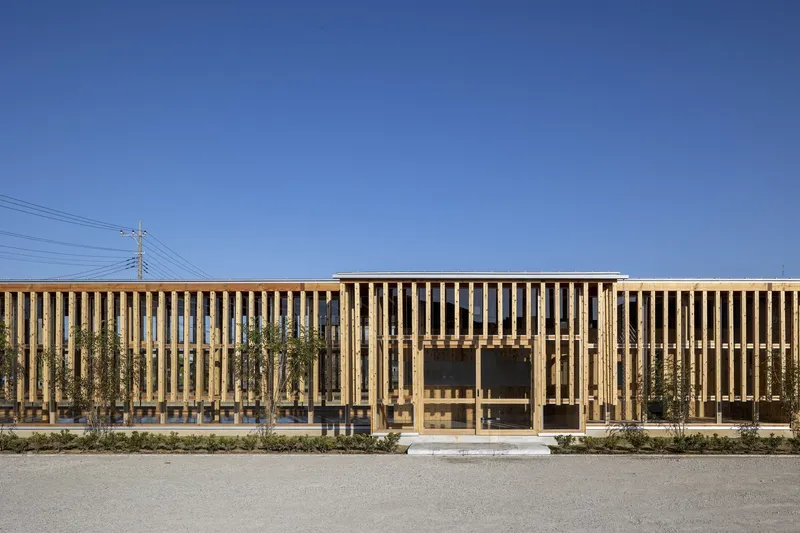
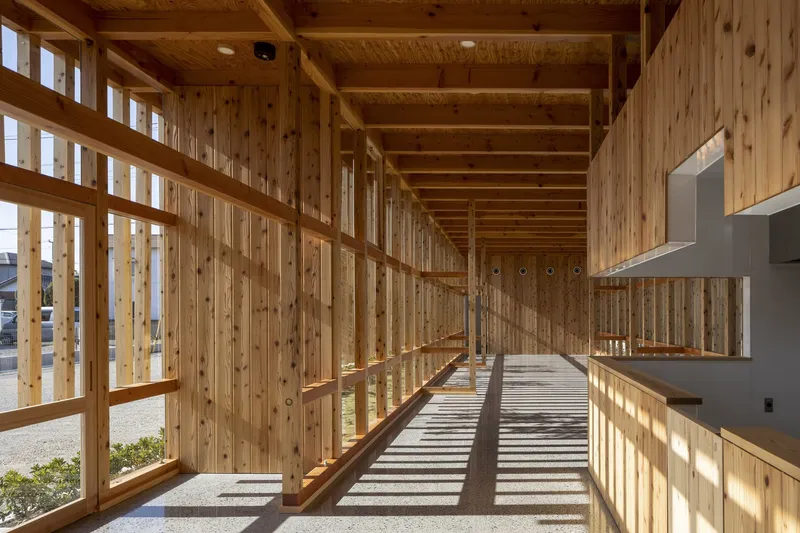
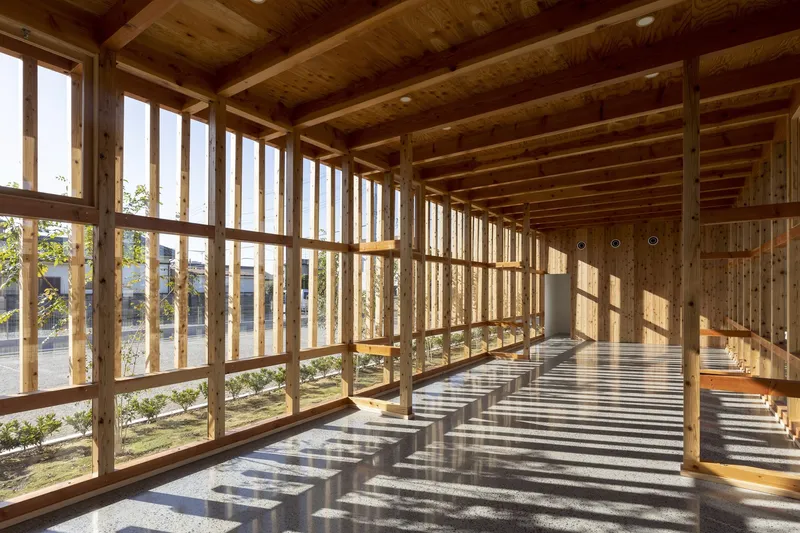
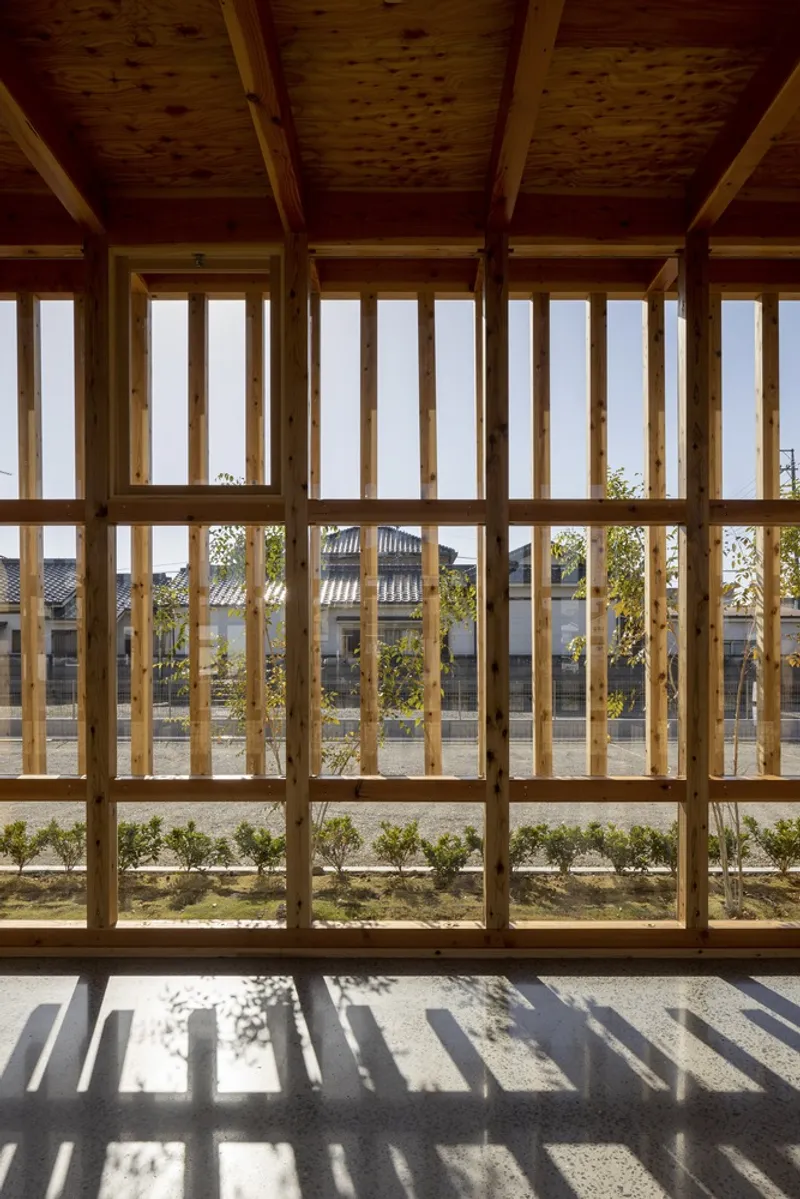
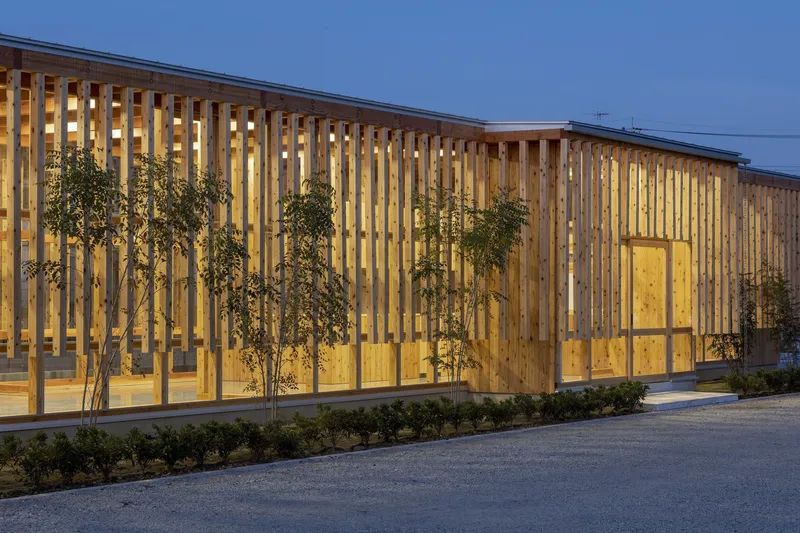
The materials used in MORI-TOYO Udon Restaurant reflect the firm’s commitment to sustainability and authenticity. Approximately 300 cedar pillars, each measuring 90mm square and 3 meters long, hang around the outer perimeter of the building. These pillars not only serve as louvers but also mimic the appearance of traditional noren curtains, creating a welcoming and distinctive facade. This design choice adds texture and depth to the building’s exterior while staying true to the Japanese architectural tradition.
Seamless Integration with the Rice Fields
From the exterior, the restaurant looks like a part of the surrounding landscape. The cedar pillars, resembling giant noren curtains, act as a visual invitation for visitors to enter the space. Upon entering, diners are welcomed into an open and airy environment where they can enjoy both the food and the view. The building's design allows the rice fields to become a focal point of the dining experience, enhancing the atmosphere and making it an integral part of the overall concept.
The Role of the Open Space and Raw Materials
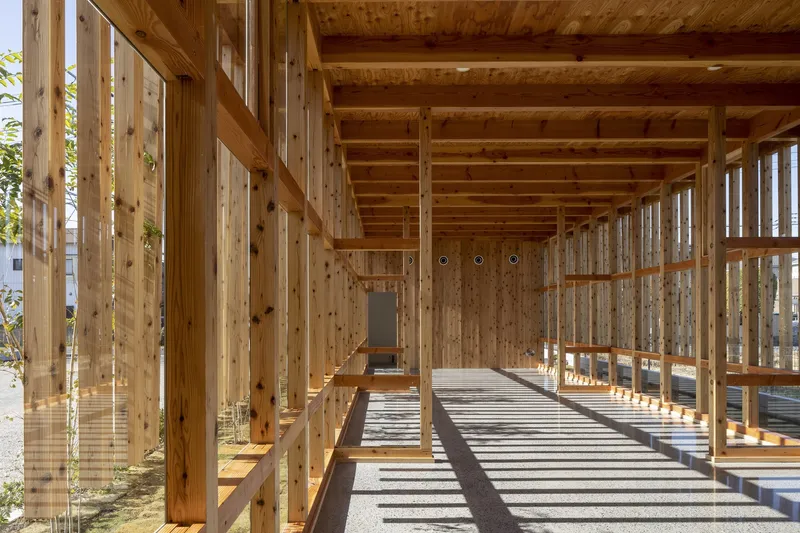
Inside the restaurant, the space is open and unpretentious. The rough gravel parking lot, a simple and unrefined material choice, contrasts with the polished concrete floor inside. This creates an approachable ambiance that makes customers feel at ease. The scent of the wood, the clean lines of the exposed beams, and the sound of bustling customers make the interior feel alive and connected to the environment outside. It’s a space that encourages relaxation, enjoyment, and immersion in the moment—an ideal setting for enjoying udon and tempura.
A New Standard in Udon Restaurant Architecture
The design of MORI-TOYO Udon Restaurant sets a new benchmark for udon restaurant architecture, combining simplicity with sustainability, and tradition with innovation. By focusing on the interplay between natural materials, architectural elements, and the surrounding rice fields, atelier N has created a dining experience that is as much about the architecture as it is about the food. It’s a place where every detail has been carefully crafted to enhance the connection between space, food, and nature. For those interested in the future of restaurant architecture, MORI-TOYO offers a compelling example of how modern design can harmonize with the environment while serving a specific culinary experience.
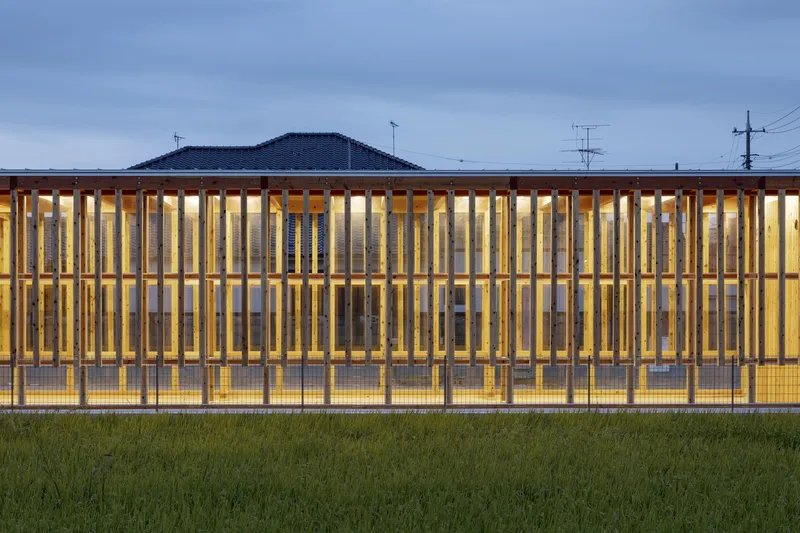
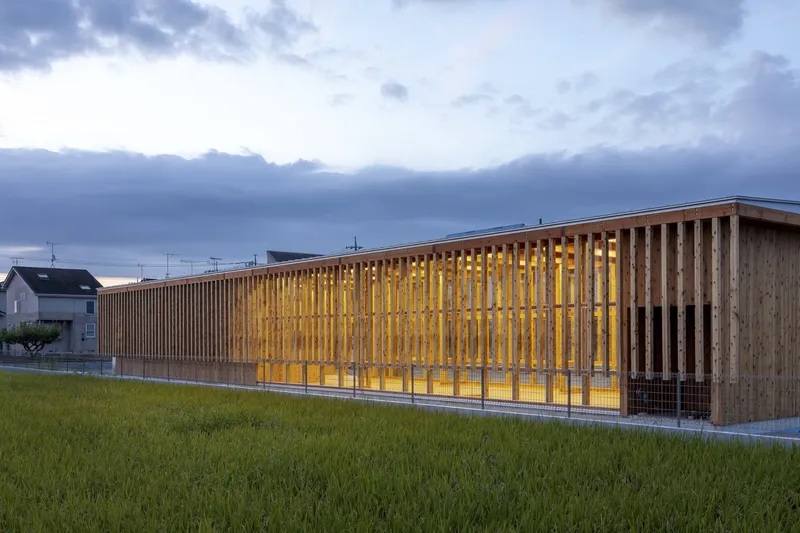
All photographs are work of Kai Nakamura


Popular Articles
Popular articles from the community


GROUP A Strips a 1969 Rotterdam Harbor Headquarters to Its Frame and Wraps It in Timber Louvers
In Rotterdam's M4H harbor district, Ferro Offices reuses a 1969 frame, adds one timber storey and reaches BREEAM-NL Outstanding.

Juan García Correa, John González and Claudia Rueda Sink a Circular Amphitheater into a Manizales Engineering Building
On the La Nubia campus in Manizales, Colombia, the S1 Building folds labs and offices into a hillside of ramped lawns that double as a campus route.

longwave studio Reorganizes a 112 m² Tainan Apartment Around the Daily Routines of a Family and Two Cats
In Tainan, Taiwan, birch plywood, rust-red furniture and a freestanding plaster wall link arrival, storage, work and family life in one apartment.

Jaramillo Van Sluys Arquitectura and Urbanismo Turn a Demolished Registry Lot in Quito into an Orchard Plaza
In Quito's Centro Histórico, a 2,800 m² plaza exposes the San Agustín convent wall and redraws its lost Augustinian orchard in volcanic stone.

Similar Reads
You might also enjoy these articles


Hodi-Mandai Geram
Project Function: Preservation and revitalization of the Intangible heritage and socio-spatial identity of the Hodi by Housing, Cultural Memory Center, Sacred Grove, landscape, local tourism economy


Olio Towers: A Mid-Rise for Performers That Fuses Housing, Rehearsal, and Stage
Located blocks from Houston's Theater District, this modular tower stacks living units around a central performance atrium.

Oasis: Modular Green Housing Carved into Dhaka's Urban Fabric
A shortlisted Plugin Housing entry reclaims unauthorized settlements in Dhaka with stepped concrete volumes, green roofs, and ventilation-driven design.

Black Hole: A Floating Megastructure for the Post-Physical Era
Emiliano Mazzarotto envisions a spherical, self-scaling arena where e-sports, digital hotels, and holographic stadiums replace traditional public space.

Explore Architecture Competitions
Discover active competitions in this discipline

Challenge to reimagine the Iron Throne

Photograph architecture without architects

Illustrate the lost glory of Angkor Wat - Render Challenge

Design challenge to reuse E-waste
Comments (0)
Please login or sign up to add comments
No comments yet. Be the first to comment!