

MUSICAL CENTER “HÒA ÂM
Harmonious integration of culture and landscape

The concept of the project is born from the quest for harmonious integration with the surrounding natural landscape. It is designed with the purpose of maximizing the use of existing natural resources, with water playing a fundamental role in the design's consolidation. This is achieved by integrating urban voids that serve as visual connection courtyards between the two existing bodies of water in the space (Lake Tây Hồ and Lake Đầm Trị). Several water features are also incorporated into the project to provide lightness to the concrete buildings and create a visual perception that the volumes float on this element. Additionally, water bodies at various levels are created to diversify the use of this resource. Another strategy for harmonious composition with the environment is based on a vegetation study aimed at determining which plants can be incorporated into the project to enhance the magnificent views next to the site. This research reveals interesting information about the only existing tree in the park adjacent to the project, as it is a heritage tree that cannot be cut down and requires precise urban planning to ensure its maintenance. Therefore, certain plant species are chosen to connect the project with nature, creating environments that reflect the serenity of the space and provide shade for its users.
The main objective of the project is the revival of the Ca trù musical tradition. To achieve this goal, a precise architectural plan is in place that includes dedicated spaces for the promotion and teaching of this art. Several workshops focused on teaching this type of music are designed, featuring interior decorations from Hanoi's culture, creating a unique atmosphere inside. The project includes a museum and a gallery with both permanent and changing exhibitions to showcase Vietnamese art at its finest. For organizing various cultural and artistic events, the project features an open-air theater surrounded by an aquarium, with a circular stage offering direct views of Lake Tây Hồ. Additionally, there is an underground auditorium capable of accommodating around 300 people. As Ca trù music is the central element of the concept, a recording studio is also included to popularize songs of this genre. The project also offers leisure and relaxation spaces, such as a two-story café with views of Lake Đầm Trị to the east and an underground library with a view of the aquarium on the ground floor.
Materiality plays a fundamental role in the composition, with exposed concrete chosen for all facades to integrate this element with water and grass. Simplicity is sought through finishes with metal framing and glass, which aesthetically enhance the project and complement the grayish color of the chosen concrete. Interior walls feature similar finishes and gain color through the placement of various artworks that provide a cozy character to the space. Contemporary furniture is predominantly wooden in the interior design aesthetic and is combined with the use of primary colors for the rest of the decorations and elements. The specific classrooms for teaching Ca Trù music feature various carpets that allow users to sit directly on the floor.
Regarding architectural organization, modularity is essential to ensure construction efficiency and the creation of spaces with simple circulation. Longitudinal elements of a single floor delimit interior courtyards that serve as circulation and external viewing spaces. One of the setbacks between buildings includes a water feature that spans two levels: one housing an aquarium with local marine fauna species, and the other providing a shallower level where users can enjoy walking on water, with their feet slightly wet. The volumes on the east wing are the only ones with more than one floor, and they define the main entrances to the project. They feature glass facades on the ground floor that integrate the building with its surroundings through the delicacy of the material. In the underground, there are several spaces that do not require natural light, such as the auditorium and recording studios. The entrance to the underground is marked by a longitudinal corridor where a reception area receives natural light through the main water feature located on the ground floor, redirecting users to the various spaces found there.
In terms of solar utilization, façade perforations are studied to allow direct and indirect light into the spaces. These perforations have a specific inclination that redirects light into the interior spaces. There are also roof perforations that allow light to pass into the main circulation corridors. The water feature in the main courtyard allows natural light to enter the underground area. The lower facades of the two-story buildings reflect light, creating a peaceful and harmonious atmosphere.
The projected space aims to be multifunctional, with certain areas divided on the floor plan. The main goal of the project is its adaptability to the needs of users. Being one of the few cultural centers designed in Hanoi, the project seeks to reach residents of neighboring cities and promote tourism within the city. Culture is constantly evolving, architecture is constantly changing, but good music is immortal.

Popular Articles
Popular articles from the community


Tsunami Convergenics: Turning Catastrophic Ocean Forces into Underwater Housing Infrastructure
A speculative underwater settlement off the coast of Onagawa, Japan, treats tsunamis and typhoons as energy sources rather than threats.

Manzana Morphosis: Stretching Barcelona's Grid into a Living Landscape for 2050
A radical reworking of the Eixample manzana turns density into a tool for generous public space, vertical ecology, and environmental performance.

Cloaked Colonization: A Mobile Underwater Habitat That Moves Like a Fish
Micah Abaya's shortlisted EHC Pacific entry reimagines ocean settlement as a dispersed network of self-sustaining architectural organisms.
Faces of the Soviet Avant-Garde: Turning Moscow's Street Names into an Open-Air Museum
A network of sculptural installations across a Moscow residential district transforms forgotten architect names into spatial encounters with cultural memor

Similar Reads
You might also enjoy these articles
The Rhythm of Seasons
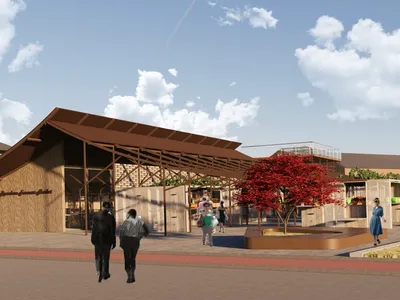
A Farmers' Market Connecting Nature and the City
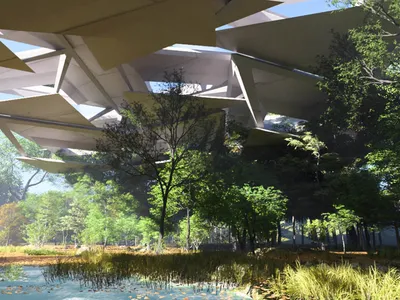

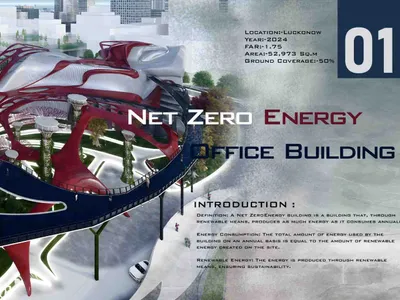
More Than a Building-Designing a Living System
More Than a Building-Designing a Living System
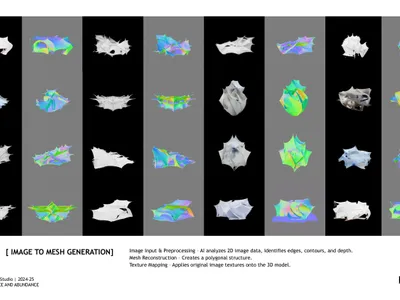
Base Beyond
DESERT COMPOUND ARID: TOURISM OF ABSENCE AND ABUNDANCE

Explore Architecture Competitions
Discover active competitions in this discipline


Challenge to reimagine the Iron Throne

Photograph architecture without architects

Illustrate the lost glory of Angkor Wat - Render Challenge

Design challenge to reuse E-waste
Comments (0)
Please login or sign up to add comments
No comments yet. Be the first to comment!