
Nami Play Pavilion: Redefining Urban Play Spaces in Prague
The Nami Play Pavilion in Prague is a circular, interactive playground promoting free play, creativity, and community engagement with sustainable materials.

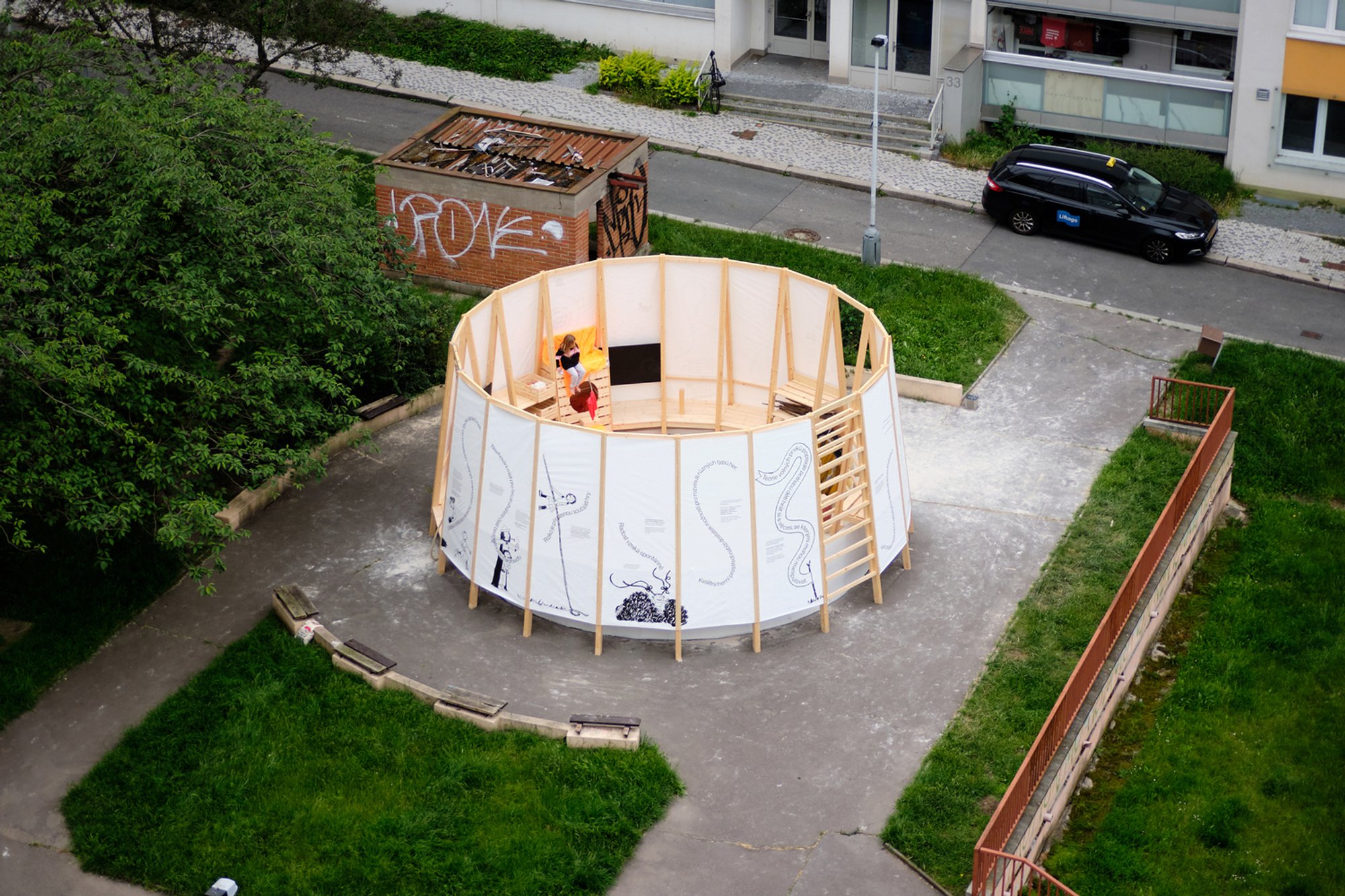
Located in the heart of Praha 3, Czechia, the Nami Play Pavilion by Nami ñami studio is transforming how children experience play in urban environments. Completed in 2024, this innovative playground spans 33 m² and serves as both a functional play area and an interactive public art installation. Photographed by the studio itself, the pavilion highlights the possibilities of free play, sustainable materials, and creative urban design.
A Playground Beyond Standardization
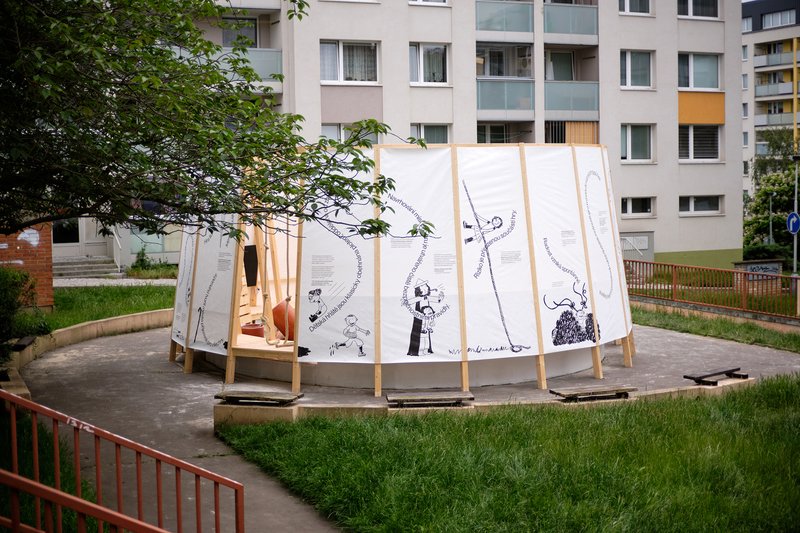
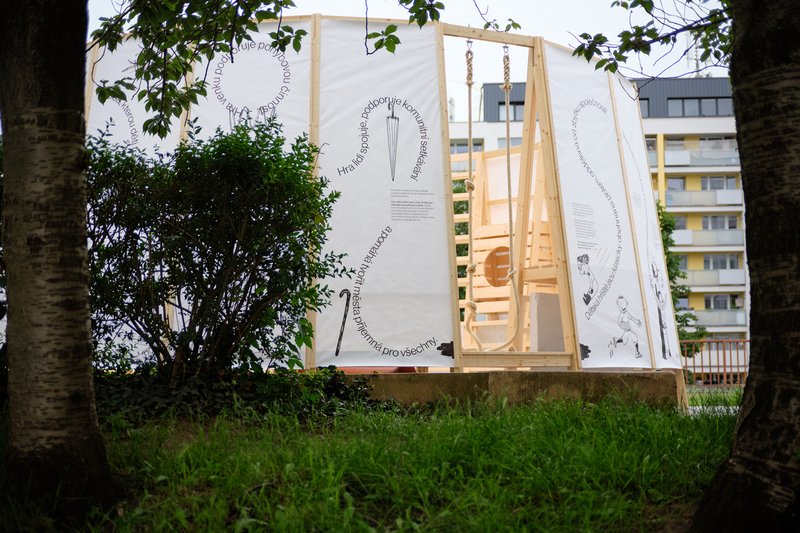
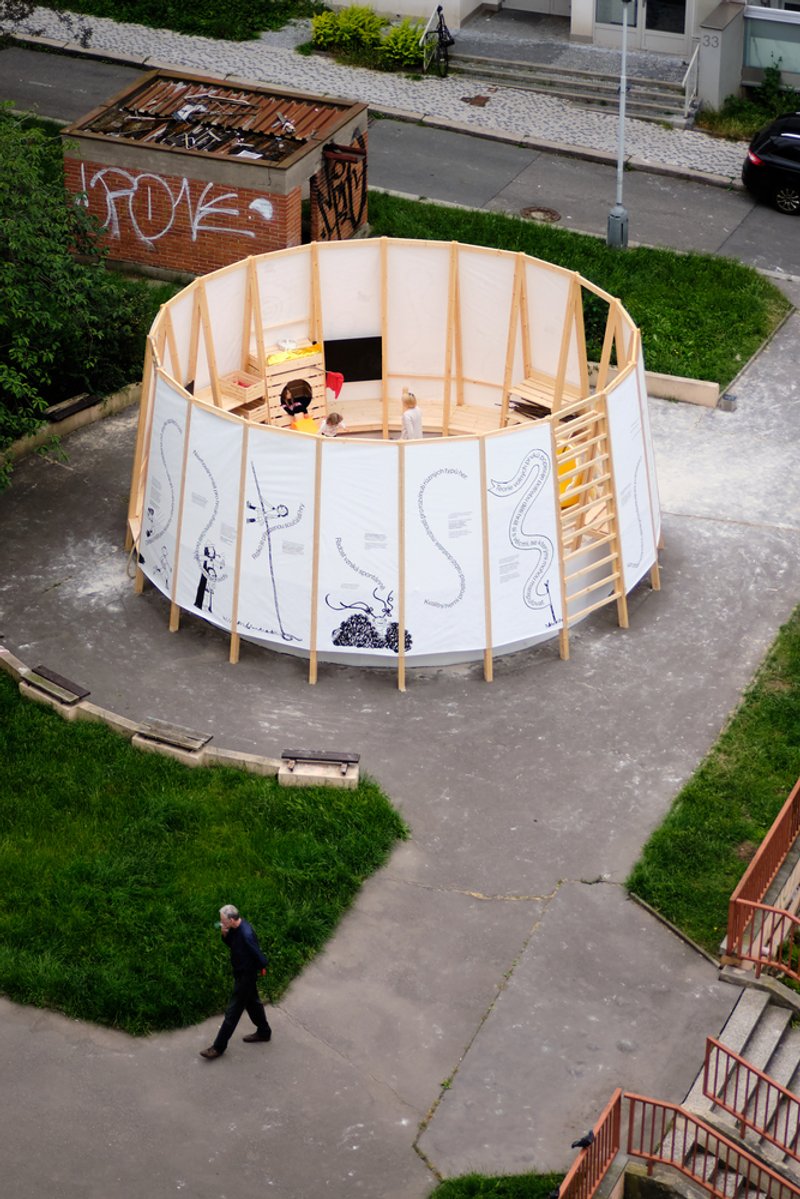
The Nami Play Pavilion stands out in Prague’s apartment block landscape as a circular, open-ended playground designed to challenge conventional ideas of children’s play. Traditional playgrounds often rely on standardized equipment like swings and slides on rubber surfaces, which, while safe, limit children’s creativity and imagination. As Eduard Herrmann of Nami ñami studio explains, “Children deserve more, both functionally and aesthetically.”
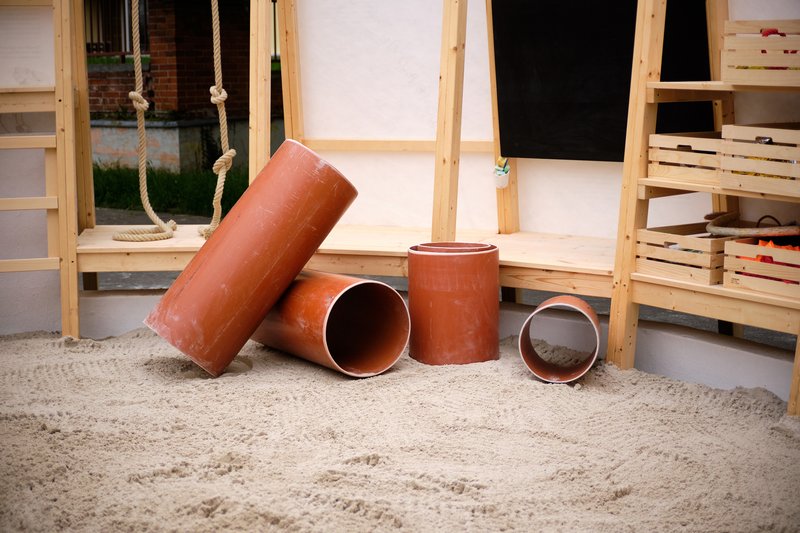
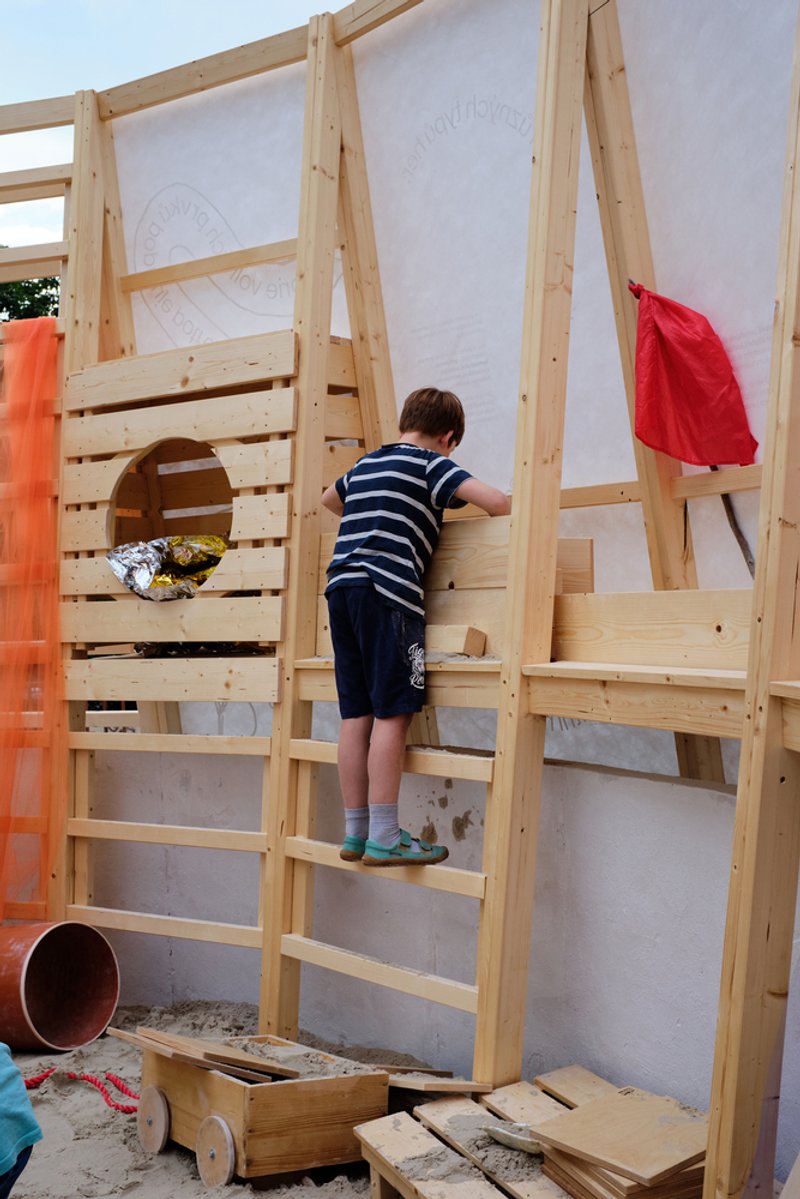
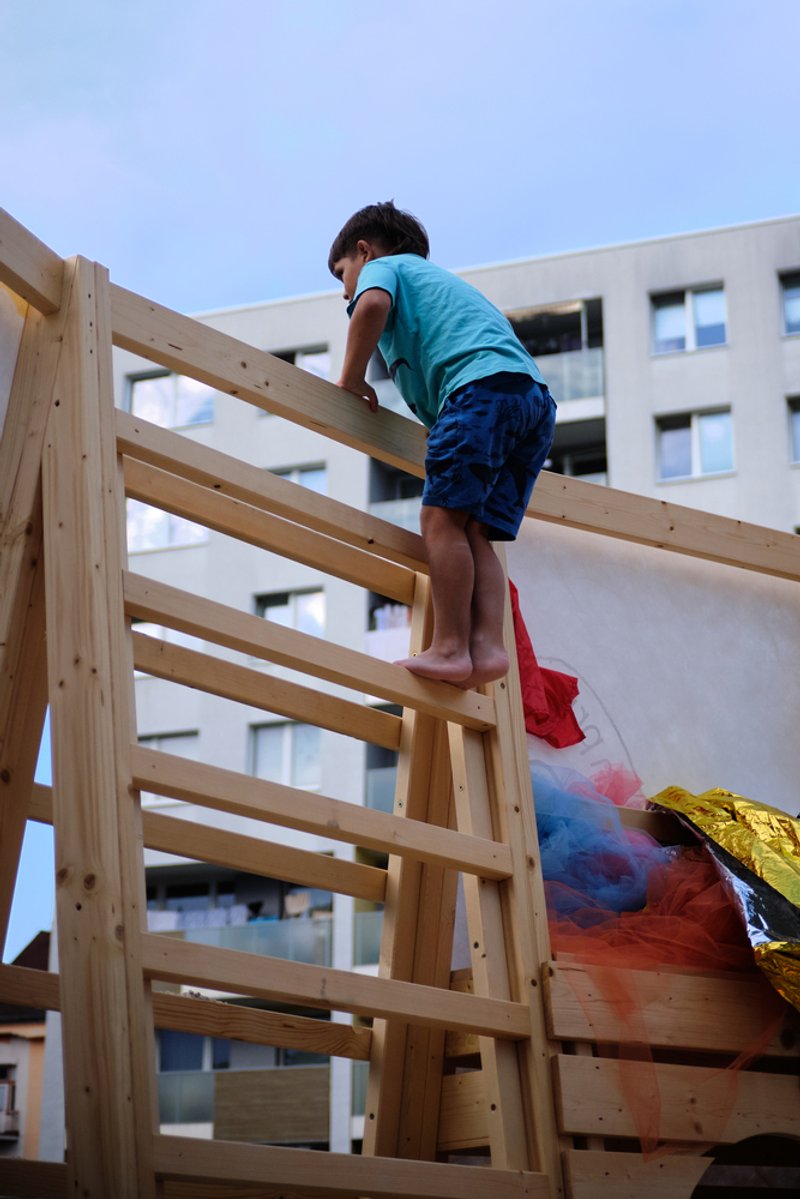
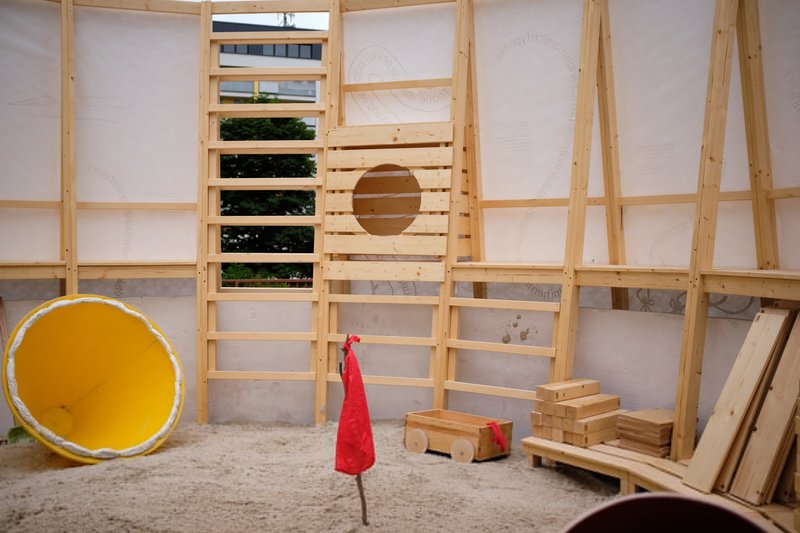
Curated for the Prague Landscape Festival, the pavilion encourages imaginative play, offering children the freedom to manipulate, move, and engage with the environment through the theory of loose parts. The pavilion integrates objects like colorful fabrics, stones, ropes, large pipes, and custom wooden play pieces, allowing each child to shape their play experience.
Interactive Learning for Adults
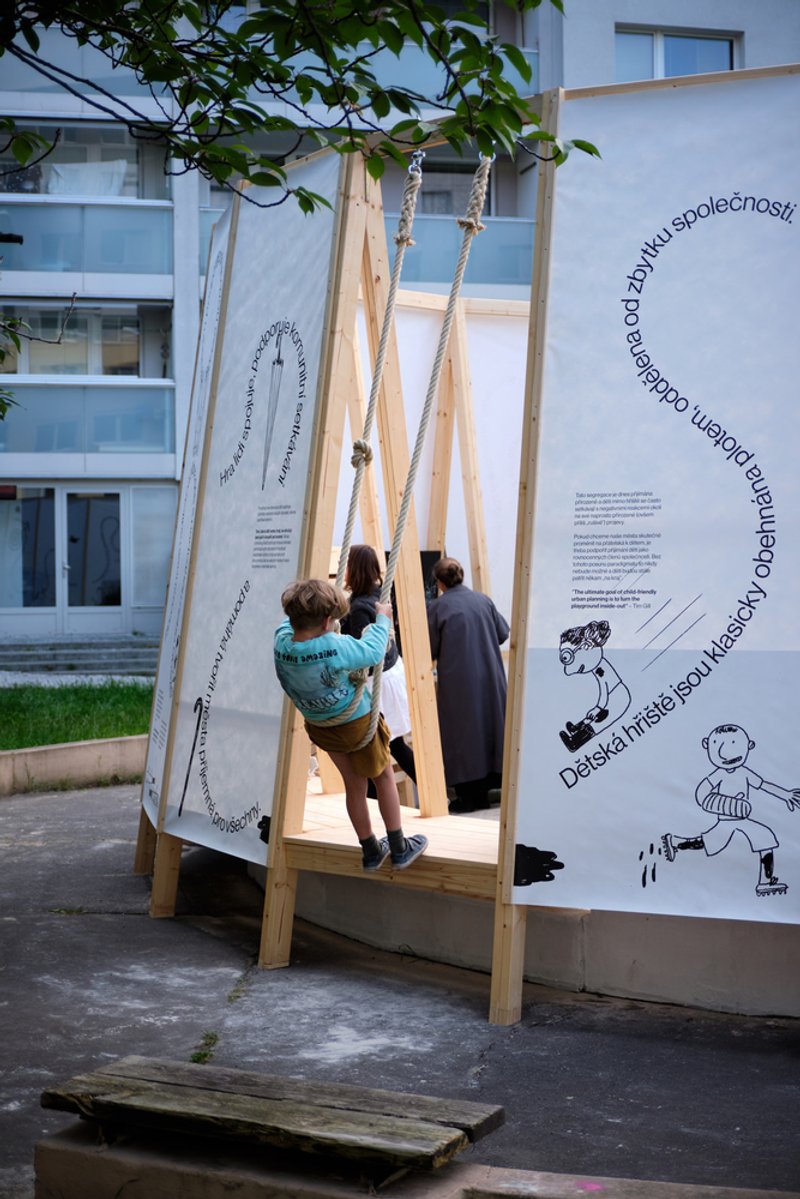
The pavilion also emphasizes educational engagement for adults. Panels around the structure guide caregivers to observe rather than intervene, promoting the philosophy of free play. As co-creator Klára Koldová explains, “Free play allows children to express themselves and make decisions independently, fostering their creativity and understanding of their own needs.” This dual approach, combining child-centered play with adult awareness, makes the pavilion both a community hub and a space for learning.
Thoughtful Materials and Design
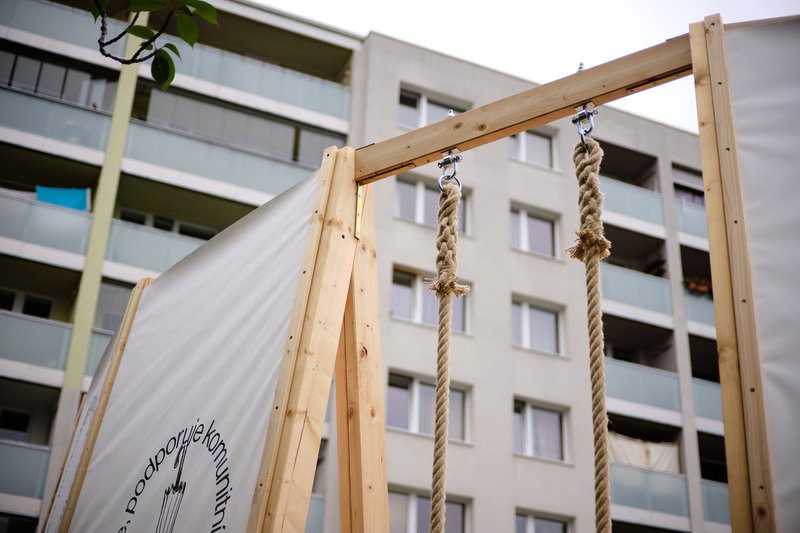
Constructed primarily from spruce wood treated with natural oils, the pavilion reflects sustainable design principles. The circular form references a pre-existing concrete wall, integrating seamlessly into the site. The space features built-in benches, hiding spots, storage, climbing ropes, ladders, drawing boards, and performance stages, all designed with simplicity and durability in mind.
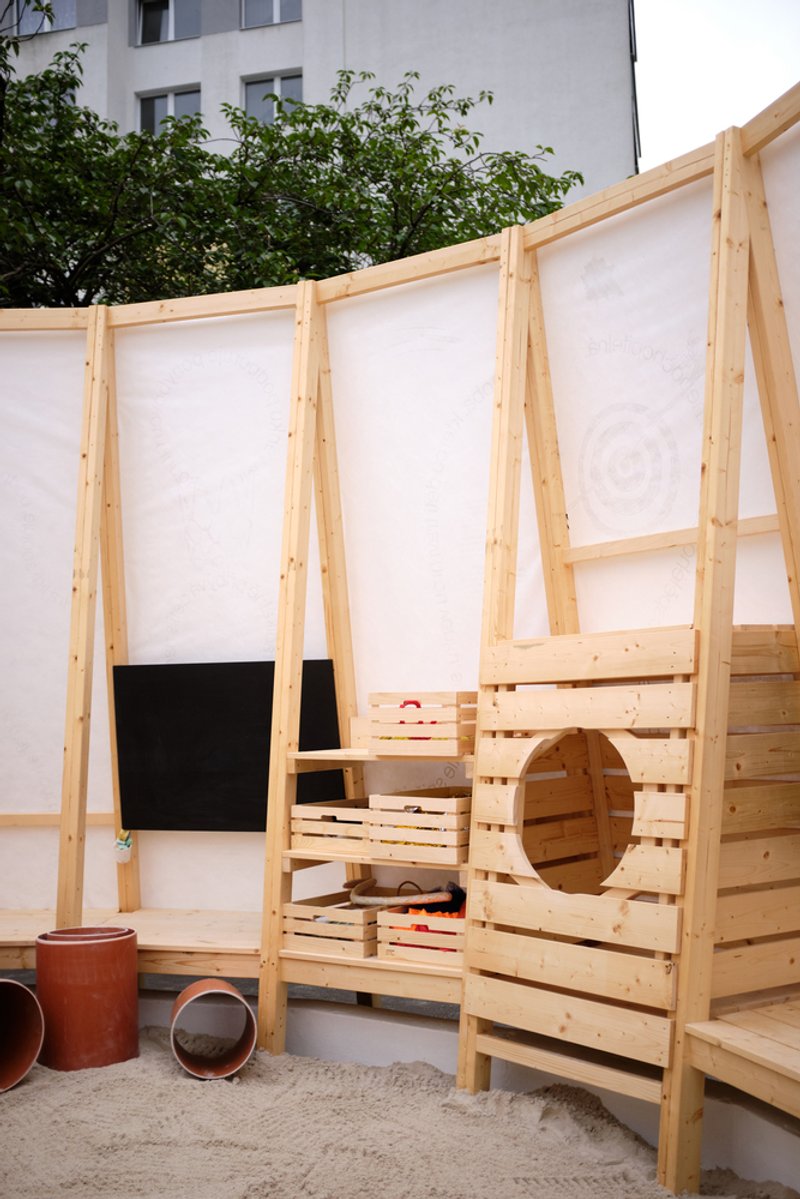
The floor is layered with fine sand, providing tactile play for children of all ages, while handmade sand tools crafted from recycled plastic add an artistic, eco-conscious touch. The pavilion’s playful, minimalist design bridges the gap between art and functional public architecture, offering both aesthetic value and a platform for exploration.
Fostering Community and Creativity
More than a playground, the Nami Play Pavilion is a statement about the role of play in urban life. It encourages children to experiment, imagine, and collaborate, while prompting the community to rethink the possibilities of public spaces. By combining art, sustainability, and child-focused design, Nami ñami studio has created a landmark that enriches Prague’s urban landscape and inspires future playgrounds worldwide.
All photographs are works of
Nami ñami studio




Popular Articles
Popular articles from the community

Guangzhou's Twin Towers Interiors Move Like Water
DuShe Architectural Design shapes the lobbies of a massive Guangzhou transit hub with undulating ceilings and deep geological materiality.
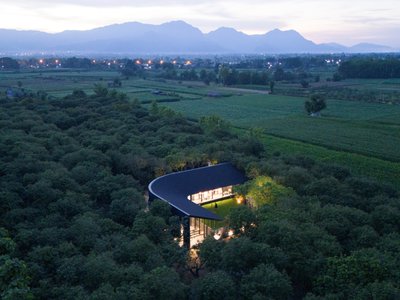
Cafe MADA: A Chiang Rai Pavilion in a Mango Orchard
BodinChapa Architects threaded a 254 m² black-roofed cafe through an existing mango orchard in Chiang Rai, Thailand, built around mature trees.

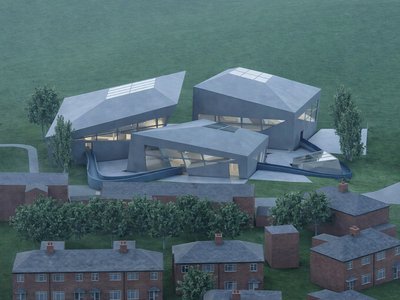
Filtering Space: A Gradual Spatial Experience
From urban intensity to spatial calm.
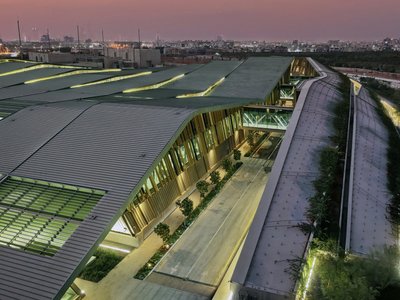
A Park Building That Wants to Be a Landscape
Omrania's Operations & Maintenance Building at King Salman Park dissolves industrial program into Riyadh's largest green infrastructure.


Similar Reads
You might also enjoy these articles
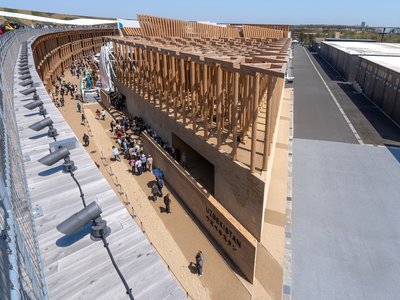
ATELIER BRÜCKNER Grows a Garden of Knowledge for Uzbekistan's Expo 2025 Pavilion in Osaka
A triangular timber canopy and blue-tiled courtyards translate Uzbek craft traditions into a 1,272-square-meter landscape of learning.
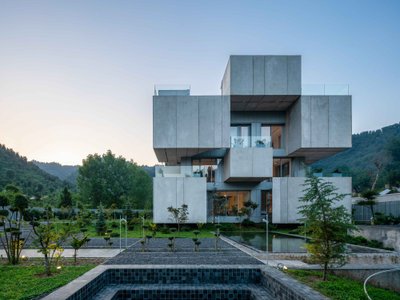
Bood Design Bureau Splits a Gilan Residence in Two to Let the Forest In
Double Side House negotiates privacy and openness through interlocking concrete volumes and planted courtyards in northern Iran's humid Caspian lowlands.
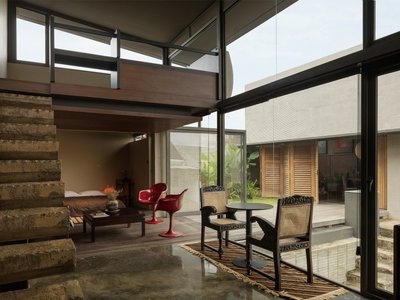
suatudio Splits a Multigenerational Home into Interlocking Concrete Volumes in West Java
Rumah Tahu House in Sumedang, Indonesia adapts to sloping terrain with split levels, timber decks, and deep overhangs for two generations.
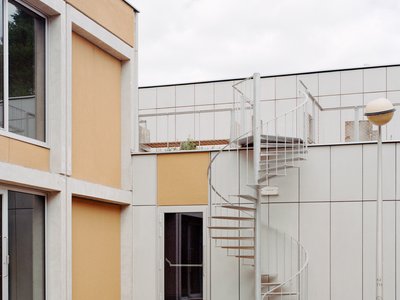
MAKER architecten Rewire a 1972 Brutalist Dormitory on the VUB Campus as a Living Lab
A modular renovation strategy in Belgium breathes new life into Willy Van Der Meeren's modernist student housing without erasing its concrete bones.


Explore Architecture Competitions
Discover active competitions in this discipline




The International Standard for Design Portfolios


The Global Benchmark for Architecture Dissertation Awards


The Global Benchmark for Graduation Excellence


Challenge to reimagine the Iron Throne
Comments (0)
Please login or sign up to add comments
No comments yet. Be the first to comment!