
Namia River Retreat: A Sustainable Wellness Sanctuary by LJ-Group Landscape Architecture and T3 Architects
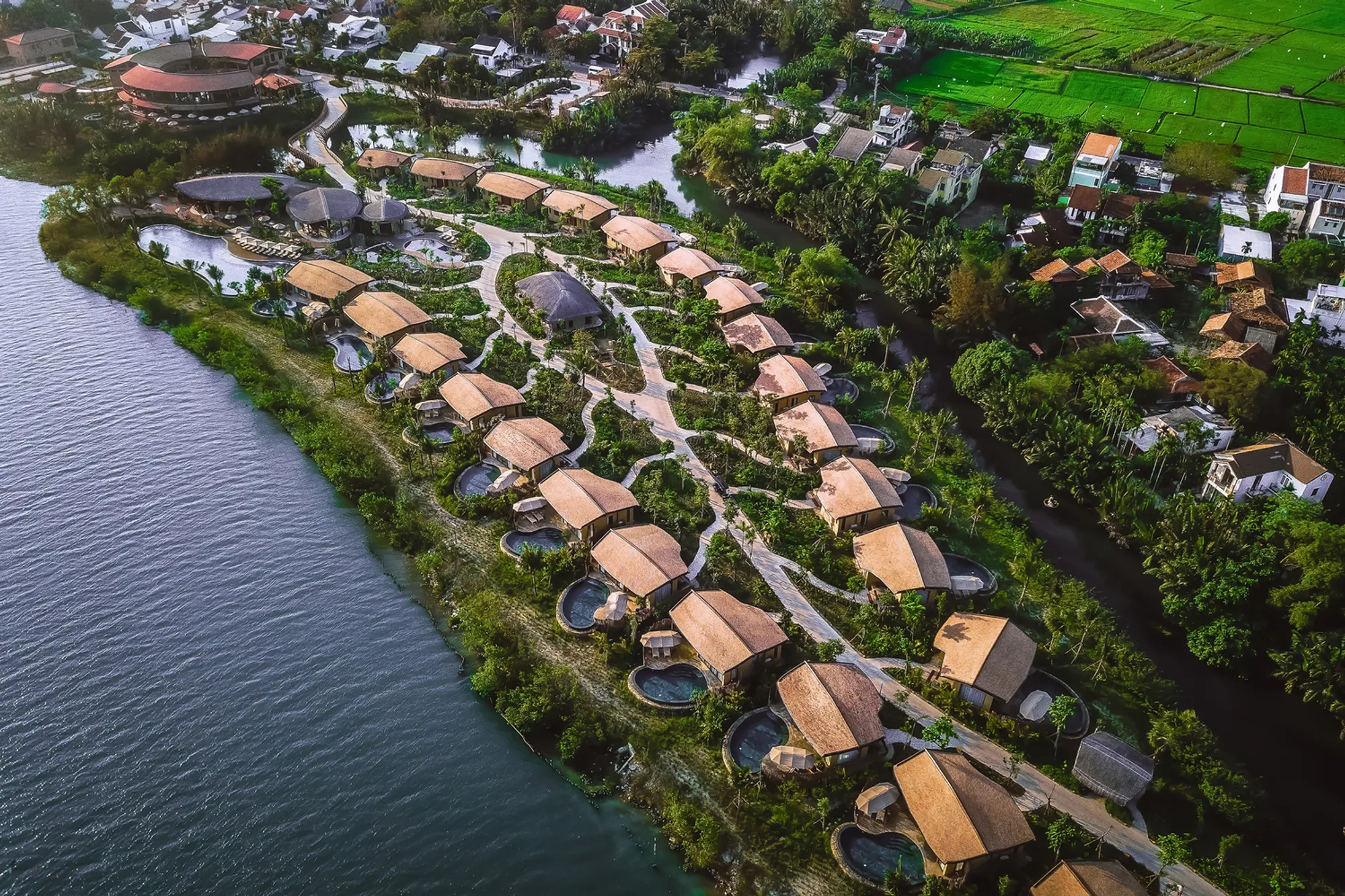
Namia River Retreat is a sustainable, wellness-focused luxury resort in Hoi An, blending nature, culture, and eco-friendly architecture along the Thu Bon River.


Nestled on a serene five-hectare private island on the Thu Bon River, Namia River Retreat stands as a new benchmark for sustainable hospitality and wellness architecture in Central Vietnam. Located less than two kilometers from the UNESCO-recognized Hoi An Ancient Town, this five-star eco-resort merges environmental sensitivity, cultural preservation, and contemporary design.
Developed through a collaborative vision by T3 Architects and LJ-Group Landscape Architecture, the project honors the rich heritage and natural abundance of Quang Nam Province, creating a destination where nature, culture, and wellbeing are seamlessly interwoven.
A Vision Rooted in Cultural and Ecological Identity
The design philosophy behind Namia River Retreat draws deeply from the unique character of the region. As part of a landscape shaped by history, craftsmanship, and the rhythms of the Thu Bon River, the project embraces Vietnam’s traditional values while presenting them through a refined, modern lens.
The architects reference the area’s UNESCO World Heritage status, ensuring that every intervention respects the surrounding ecosystem and cultural context. The architectural language emphasizes preservation, low-impact development, and therapeutic immersion in nature, aligning the resort with global standards in regenerative design.
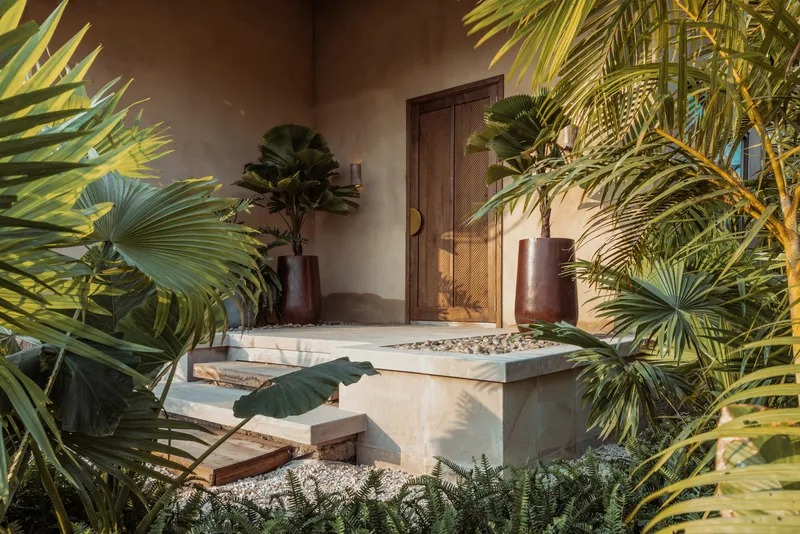
A Dialogue Between Landscape and Architecture
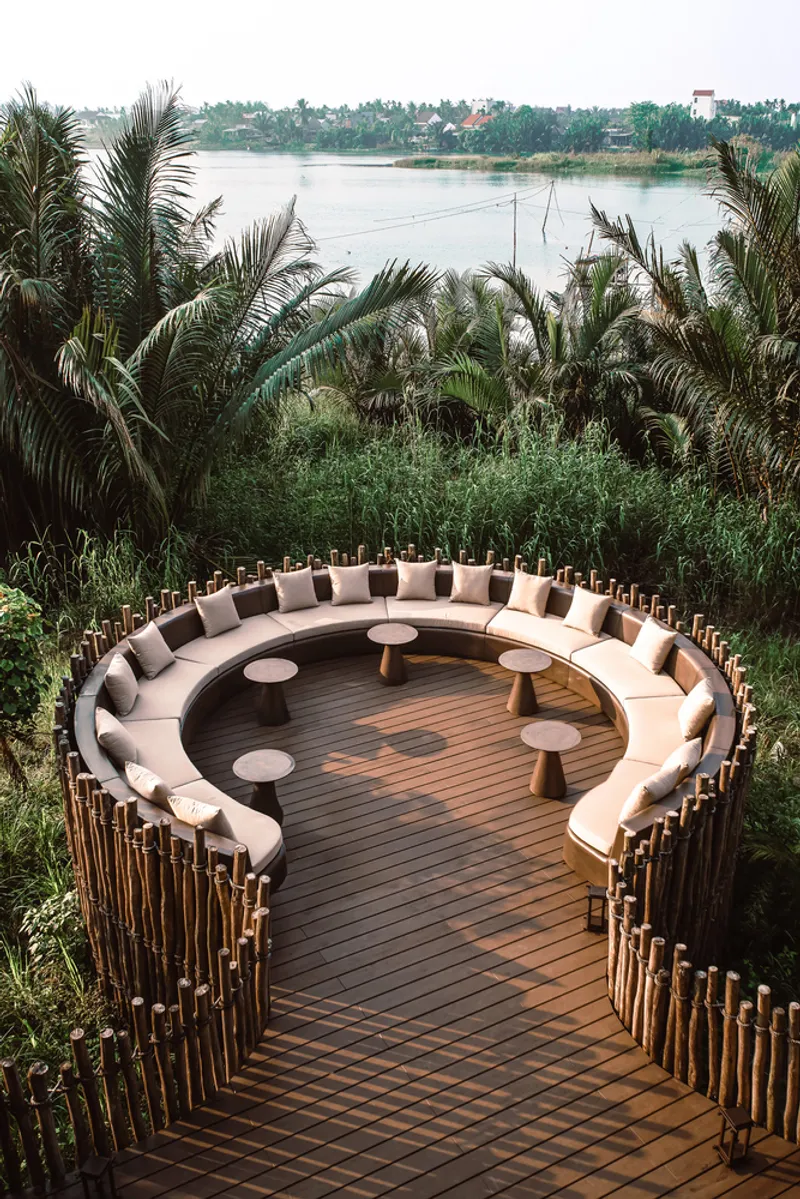
A defining element of the retreat is the fluid connection between built and natural environments. The layout is orchestrated around gentle, flowing lines that reflect the movement of the river.
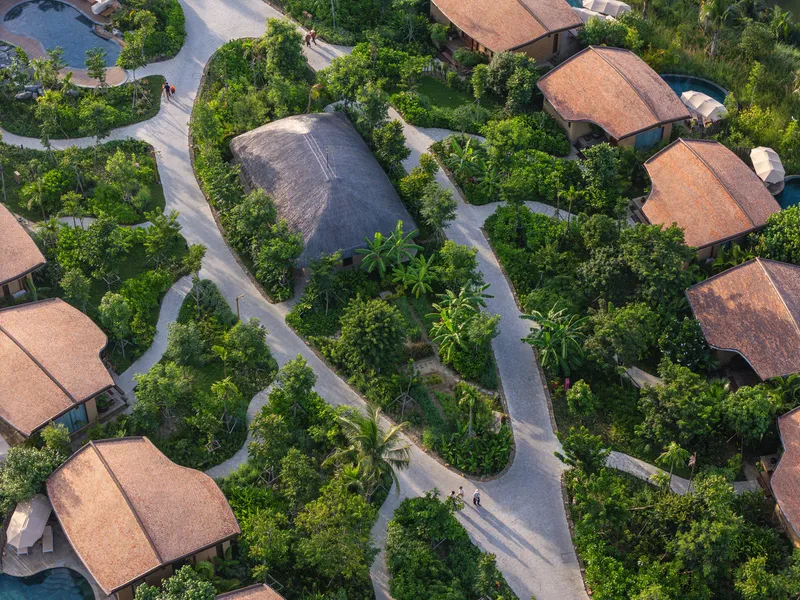
Key Spatial Features Include:
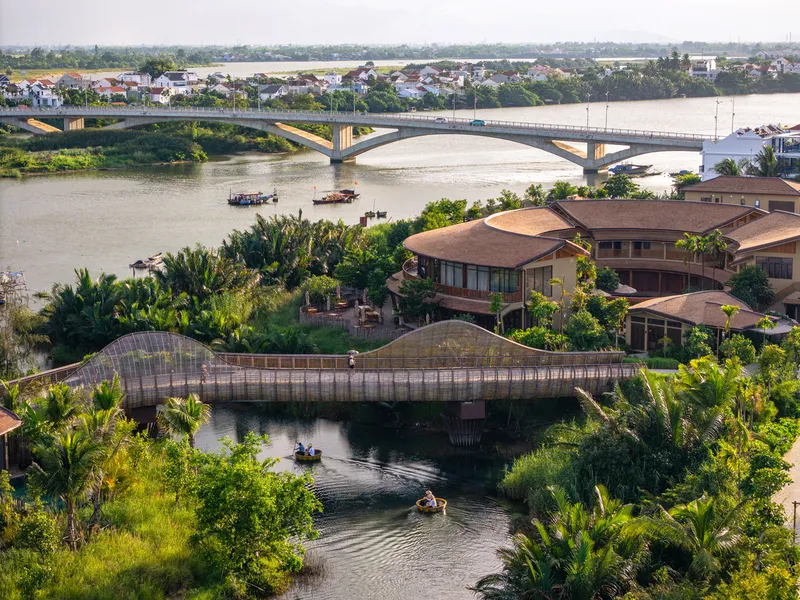
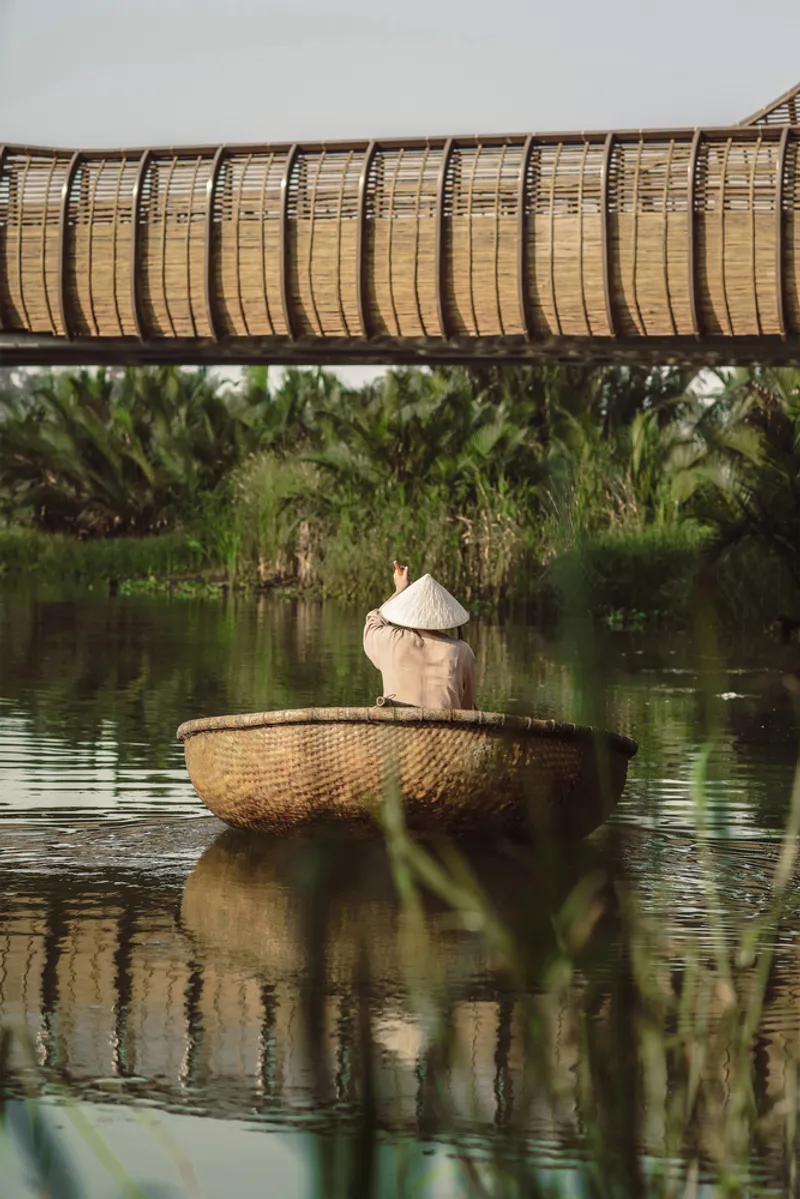
- A gracefully curved pedestrian bridge linking the island to the mainland—both a functional connector and a symbolic gesture of harmony.
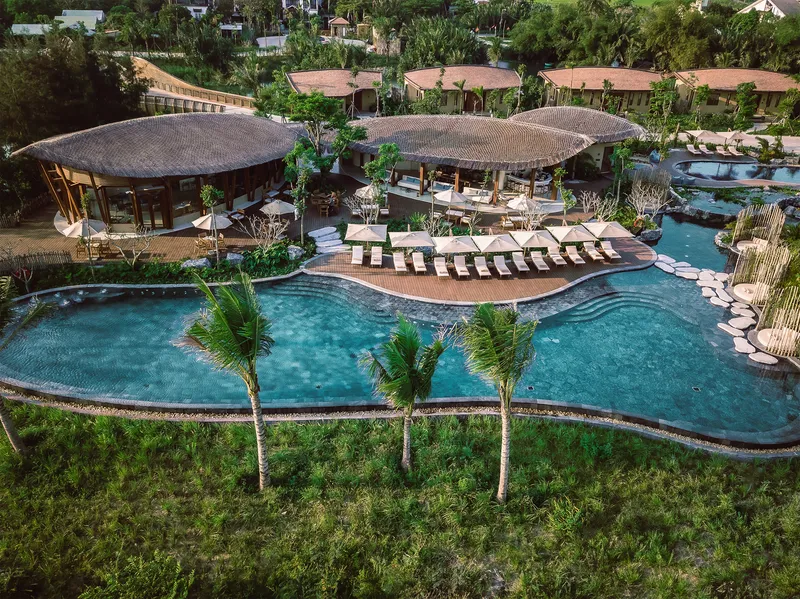
- Shaded pavilions and timber riverfront decks, offering intimate spaces for meditation, reading, or absorbing the riverscape.
- Traditional sampan boats gliding past, reinforcing the timeless relationship between local communities and the waterways of Quang Nam.
These carefully choreographed spaces evoke a sense of calm, encouraging guests to slow down and reconnect with their surroundings.
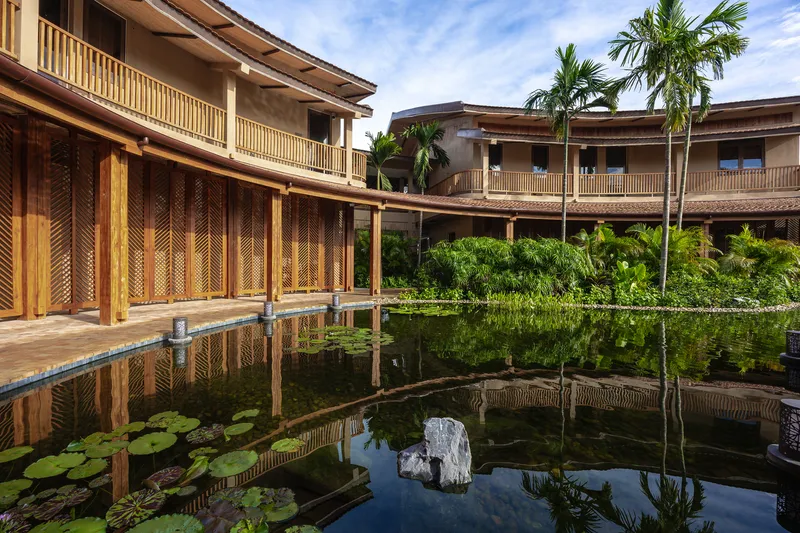
Immersive Pathways Through Tropical Abundance
Visitors navigate the resort through meandering pathways bordered by native plants and lush gardens that highlight the region’s biodiversity. The landscape architects curated a series of experiential zones that engage the senses:
- Herbal gardens filled with lemongrass, basil, and medicinal plants
- Open lawns designed for yoga, tai chi, and outdoor wellness activities
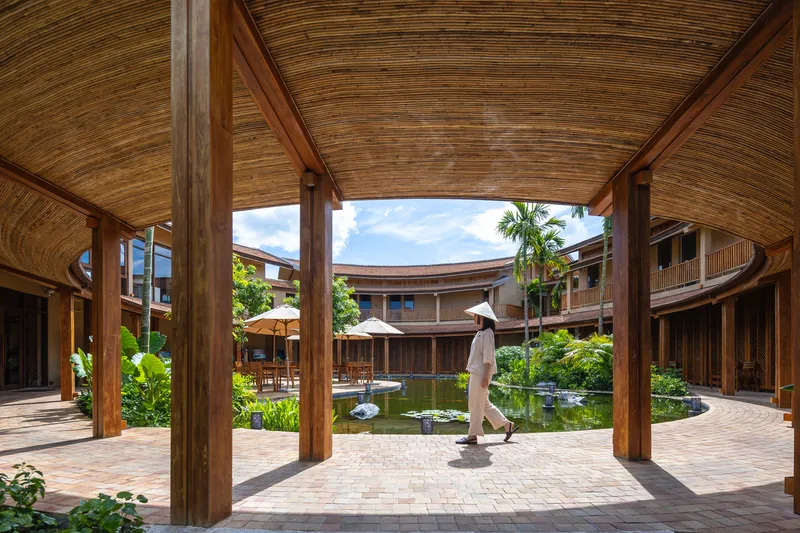
- Quiet courtyards framed by bamboo and tropical trees
- Cooling stone pathways and timber walkways that guide guests across varying textures and terrain
The material palette—rich in wood, local stone, bamboo, and natural textures—creates harmony between architecture and landscape, ensuring durability while enhancing the retreat’s organic character.
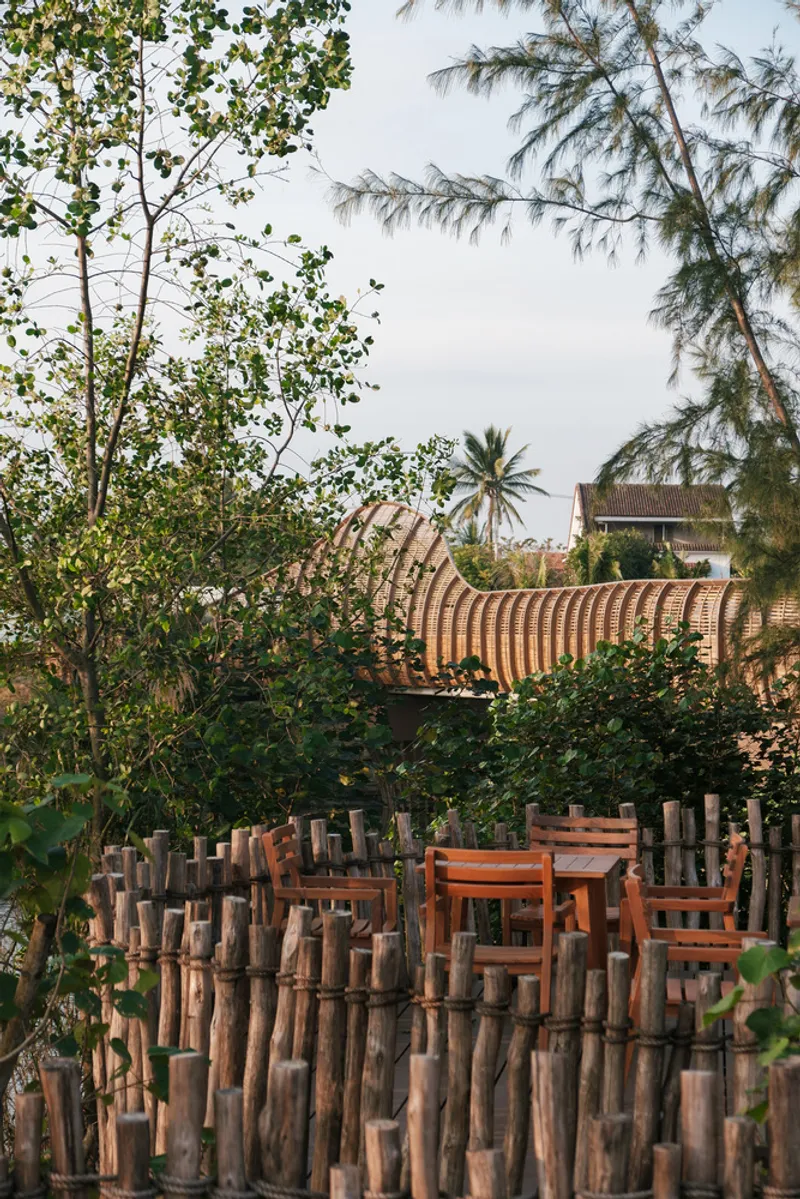
Sustainability as Philosophy and Practice
Given the region’s susceptibility to flooding, T3 Architects and LJ-Group applied a resilient and regenerative approach to the master plan. The “Sanctuary” concept extends beyond aesthetic considerations to include systems that support long-term ecological health:
- Soil conservation measures to maintain fertility and prevent erosion
- Rainwater management and water-saving strategies integrated throughout the site
- Local plant species chosen for adaptability and ecological resilience
- Organic vegetable and herbal gardens that supply fresh produce to the resort’s kitchens
This holistic model aligns with principles of Pro-Active Wellness Tourism, where physical health, environmental stewardship, and cultural authenticity converge.
A New Benchmark for Wellness Tourism in Vietnam
Namia River Retreat redefines the concept of luxury in Vietnam by prioritizing serenity, sustainability, and cultural immersion over extravagance. The resort serves as a peaceful refuge where visitors can embrace mindfulness, reconnect with nature, and experience the gentle rhythms of the Thu Bon River.
All photographs are works of Trieu Chien,




Popular Articles
Popular articles from the community


Co-life: Sustainable Architecture for Age-Friendly Community Living
Co-life reimagines sustainable architecture for seniors through courtyards, rammed earth, shared gardens, and spaces designed for belonging.

The Musturak Paradise: Senior Living Architecture for a Connected Future in Temara, Morocco
The Musturak Paradise reimagines senior living architecture in Temara via private homes, social spaces, culture, community, and shared care.

The Ocean Hive: Sustainable Architecture for a Self-Sufficient Civilization at Sea
The Ocean Hive imagines sustainable architecture at sea, where modular habitats, algae, wave power and ocean waste sustain a growing colony.

Hill & Cross Opera: Sculptural Opera House Architecture Shaped by Tallinn’s Landscape and Identity
Hill & Cross Opera reimagines opera house architecture in Tallinn through its sculptural hill, civic plaza, glass wave and a luminous cross.
Similar Reads
You might also enjoy these articles


Hodi-Mandai Geram
Project Function: Preservation and revitalization of the Intangible heritage and socio-spatial identity of the Hodi by Housing, Cultural Memory Center, Sacred Grove, landscape, local tourism economy


Olio Towers: A Mid-Rise for Performers That Fuses Housing, Rehearsal, and Stage
Located blocks from Houston's Theater District, this modular tower stacks living units around a central performance atrium.

Oasis: Modular Green Housing Carved into Dhaka's Urban Fabric
A shortlisted Plugin Housing entry reclaims unauthorized settlements in Dhaka with stepped concrete volumes, green roofs, and ventilation-driven design.

Black Hole: A Floating Megastructure for the Post-Physical Era
Emiliano Mazzarotto envisions a spherical, self-scaling arena where e-sports, digital hotels, and holographic stadiums replace traditional public space.

Explore Hospitality Building Competitions
Discover active competitions in this discipline



Challenge to reimagine the Iron Throne


Photograph architecture without architects


Illustrate the lost glory of Angkor Wat - Render Challenge


Design challenge to reuse E-waste
Comments (0)
Please login or sign up to add comments
No comments yet. Be the first to comment!