
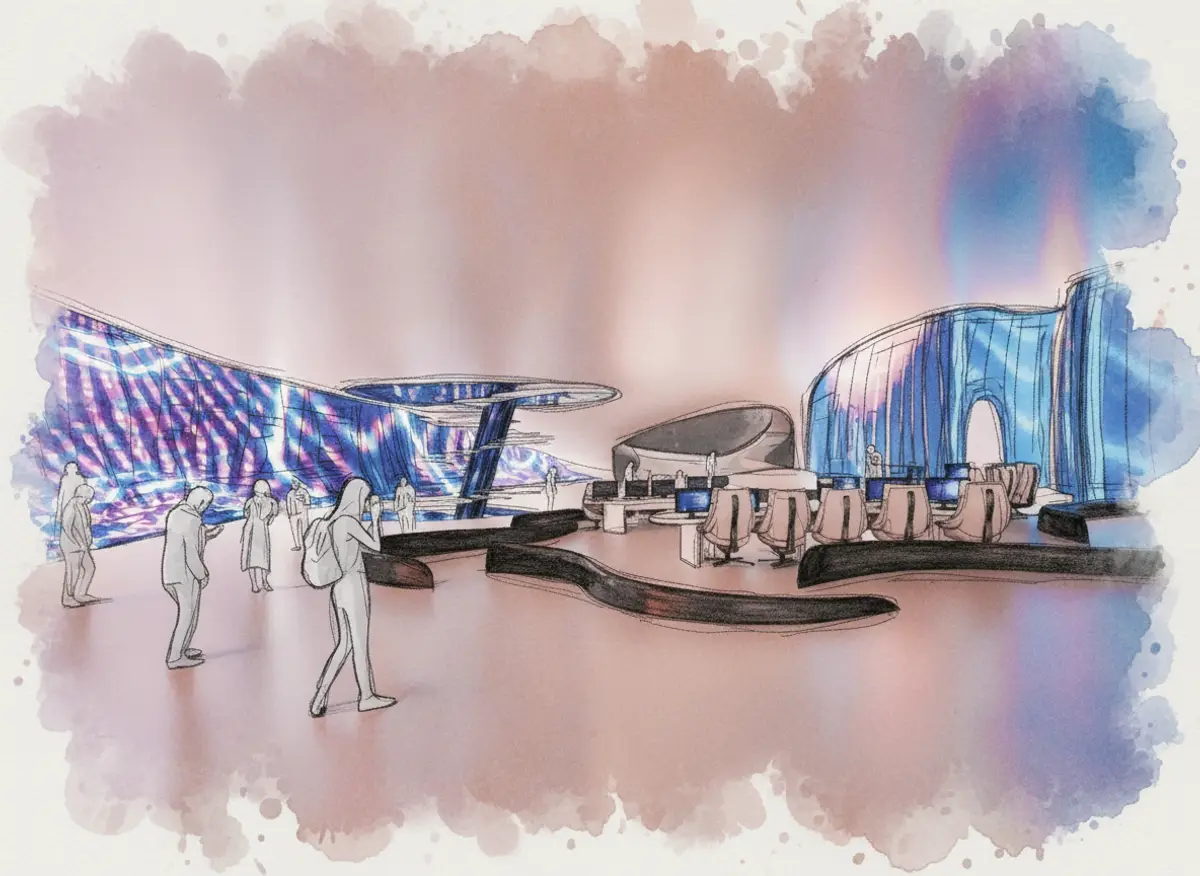
Nexus Arena: Where Digital Gaming Meets Public Space
This journal presents the design journey of Nexus Arena, an interactive e-sports arena where movement, digital engagement, and public space converge. It outlines the project’s conceptual foundations,
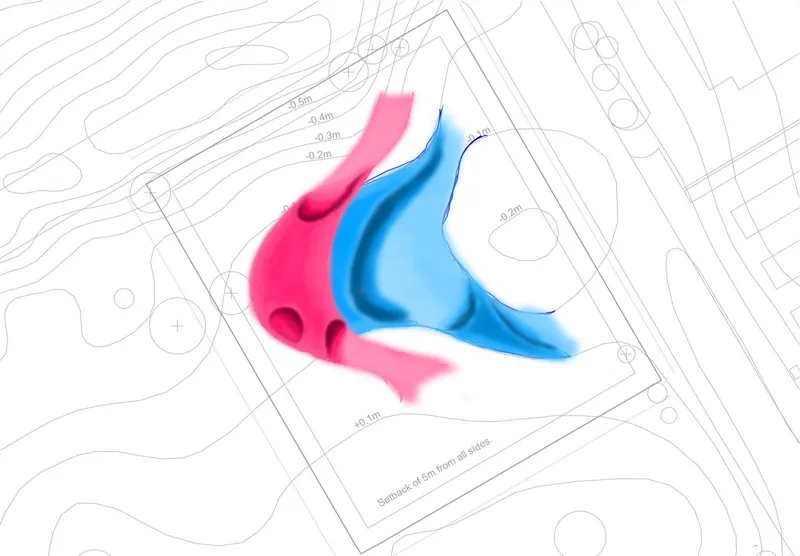
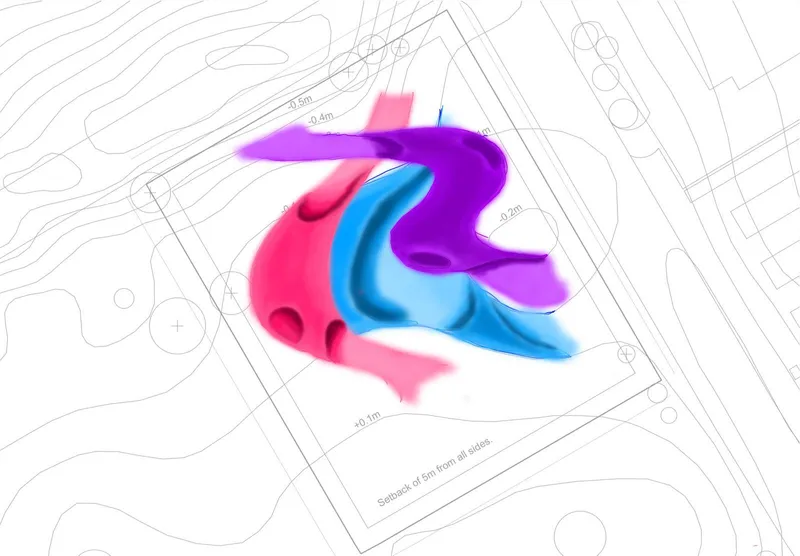
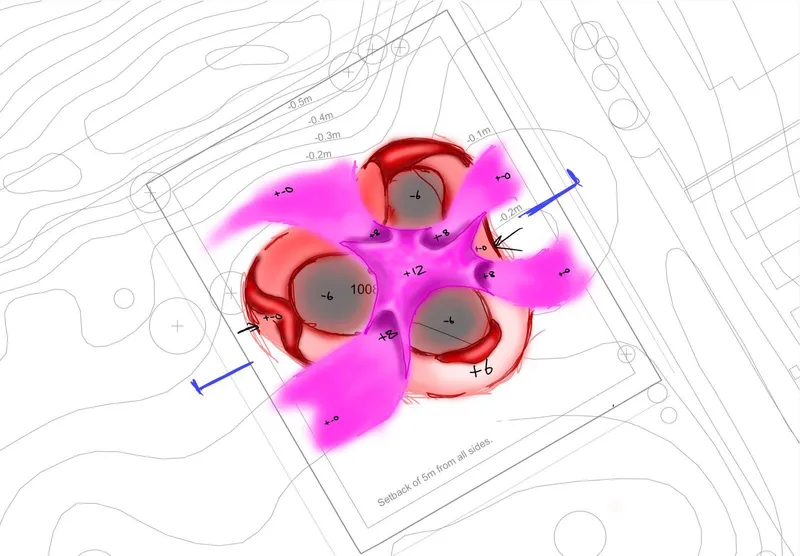
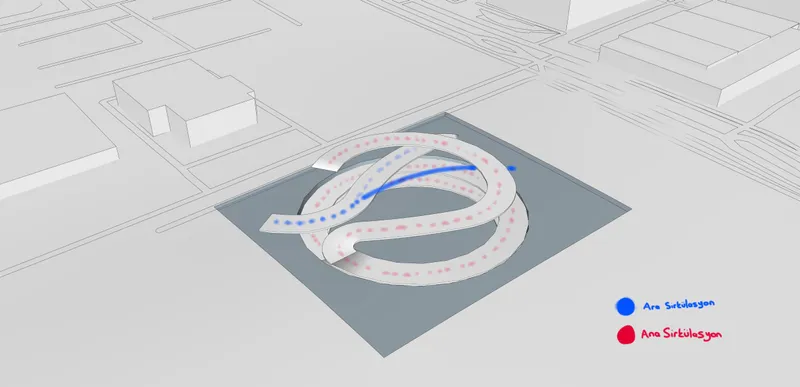
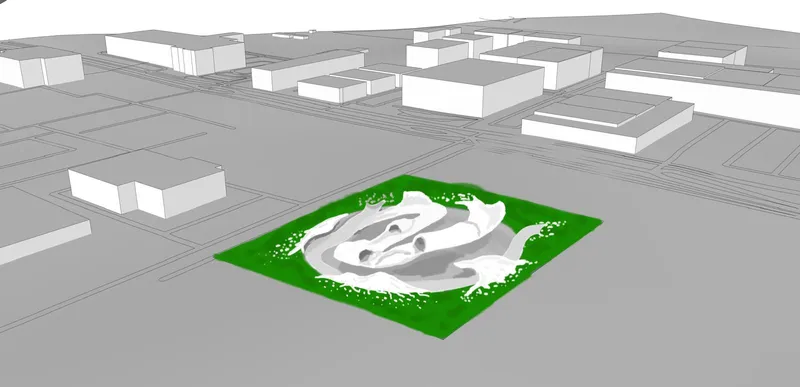
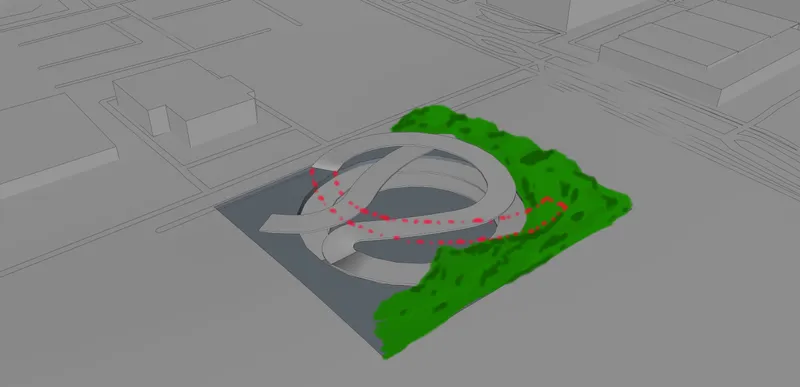
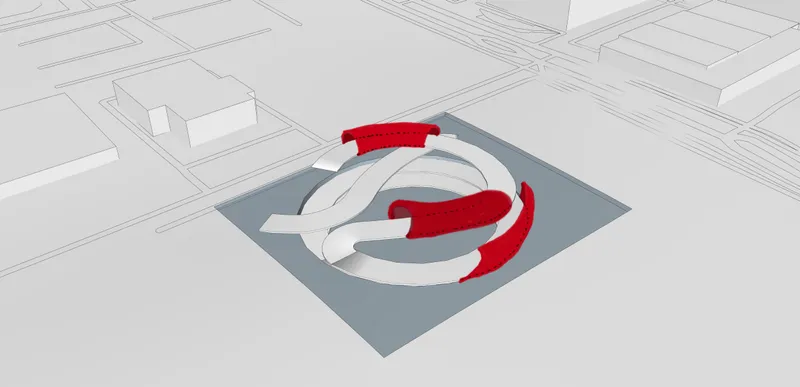
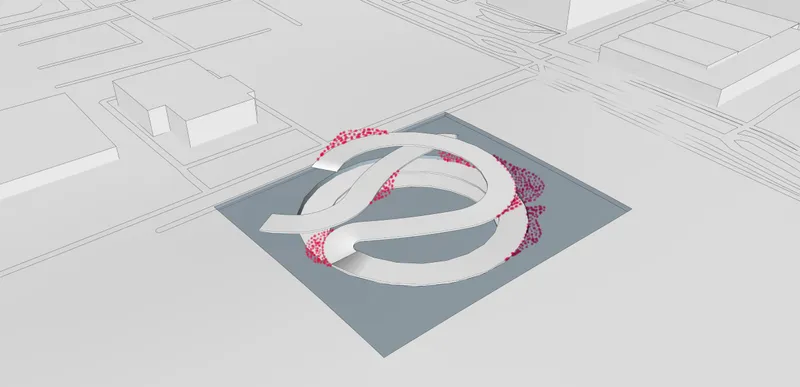
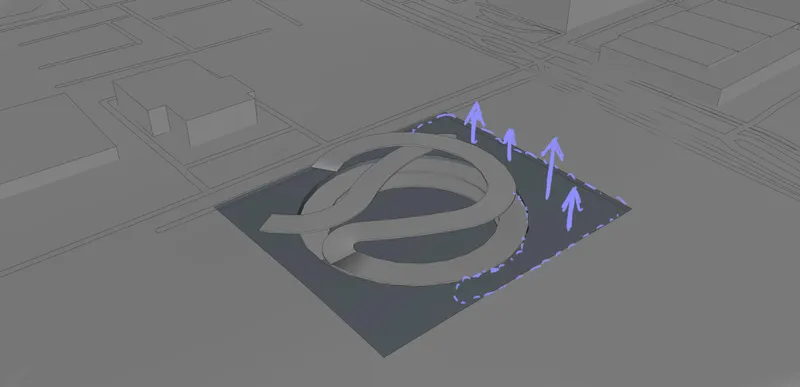
In the initial phase of the design process, conceptual and abstract studies were conducted. These studies are presented from Image 1 to Image 9.
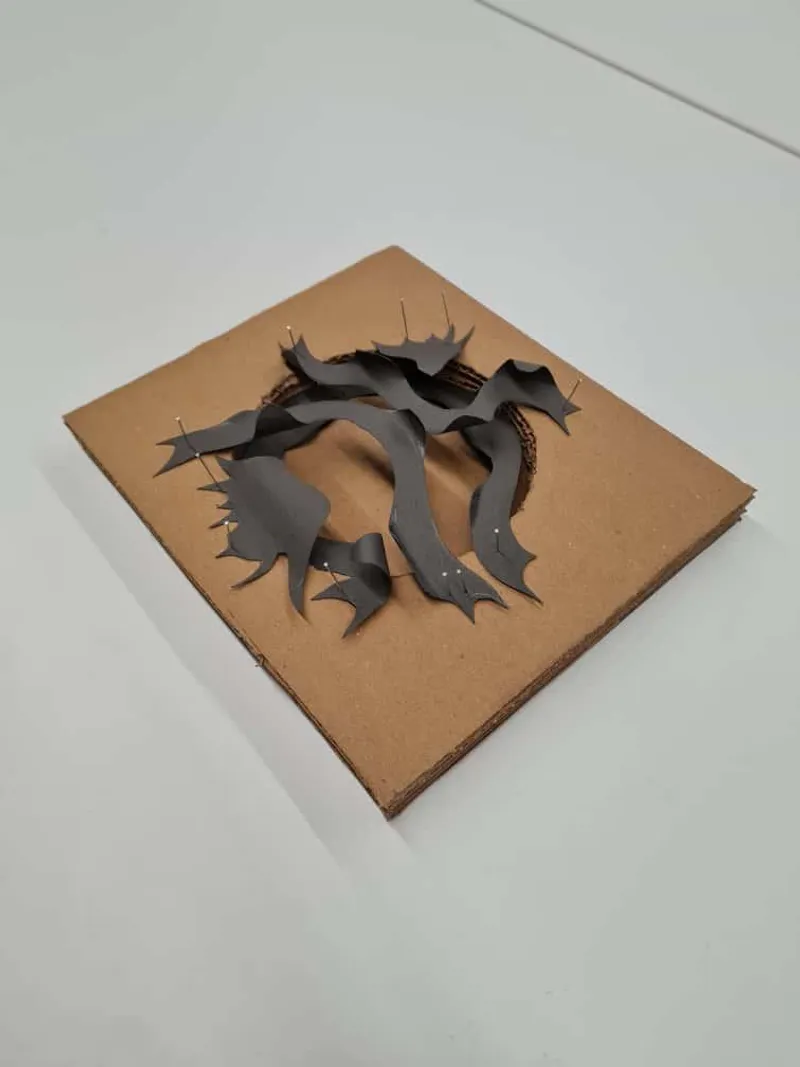
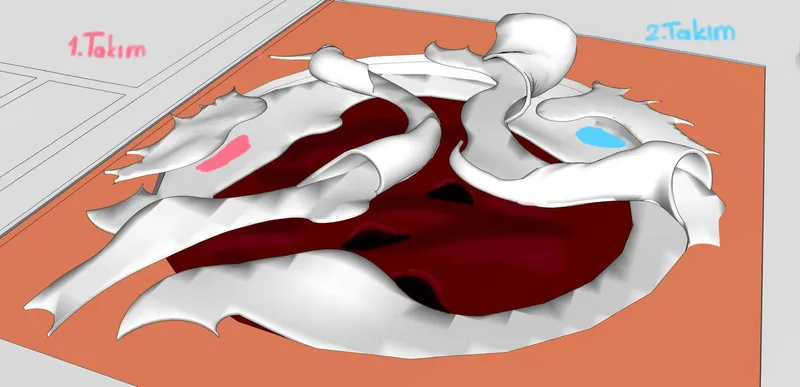
Following this stage, the design was developed in three dimensions through the use of model-making and physical modeling techniques. During this process, various spatial explorations were conducted to evaluate how the site could be utilized. (image 10, image 11)
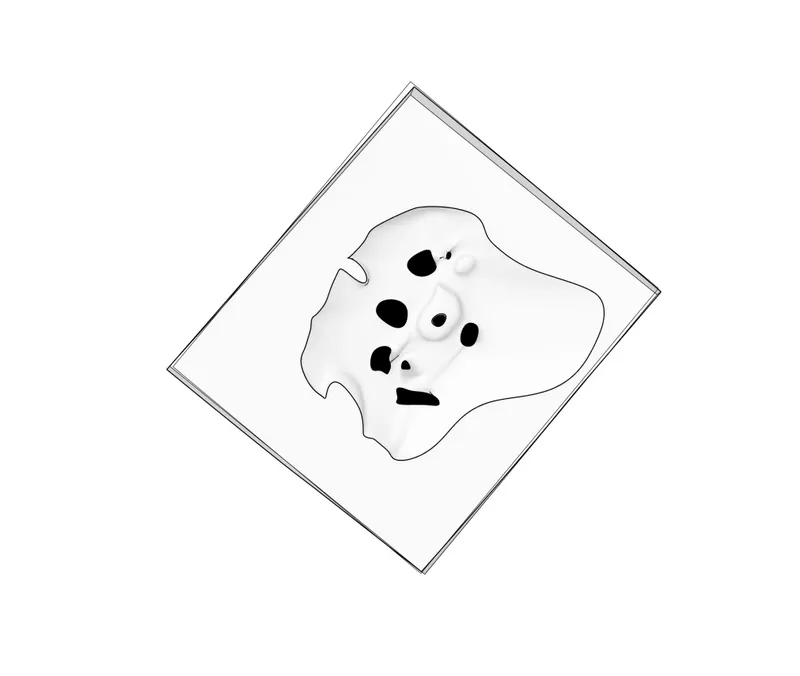
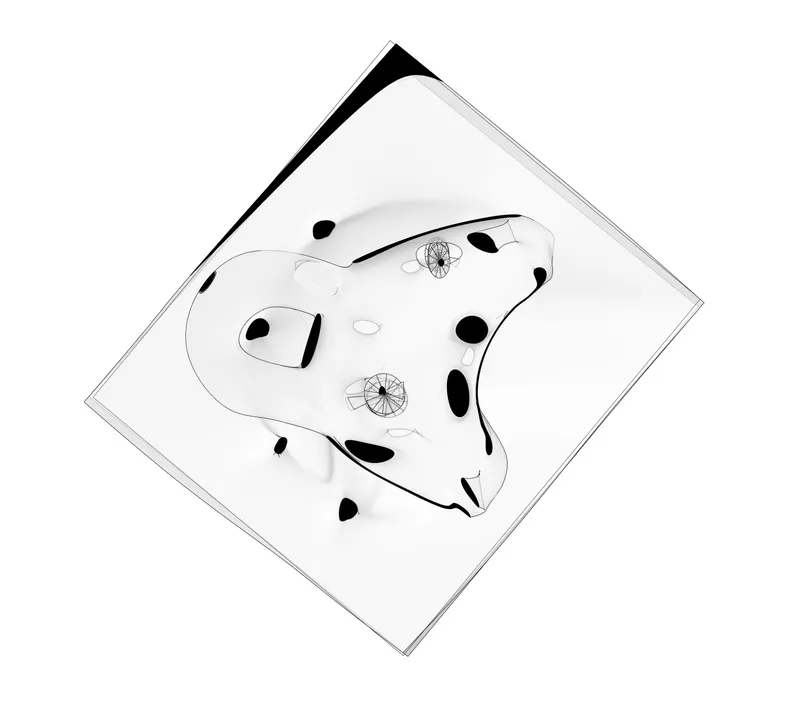
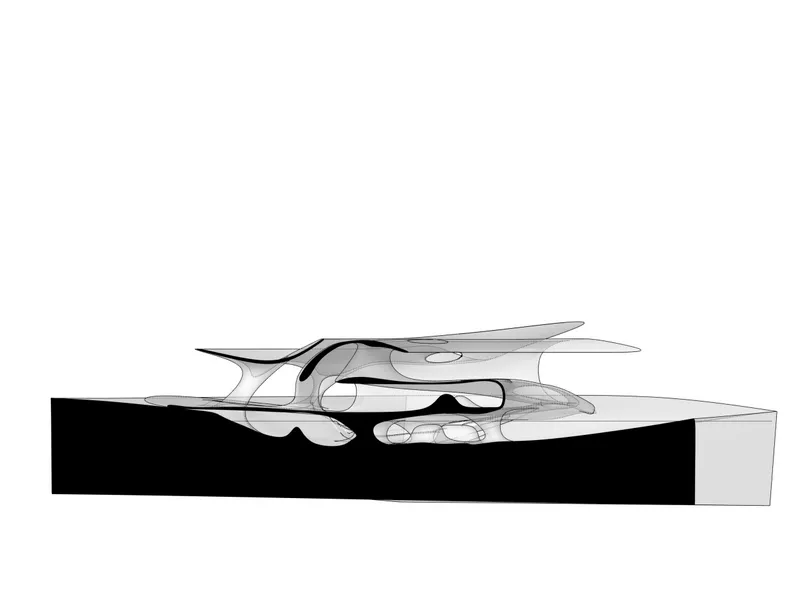
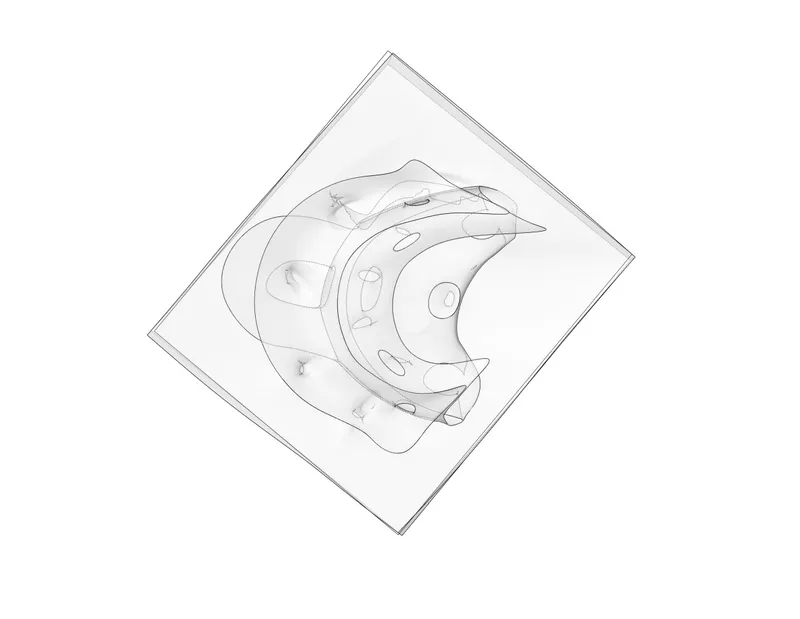
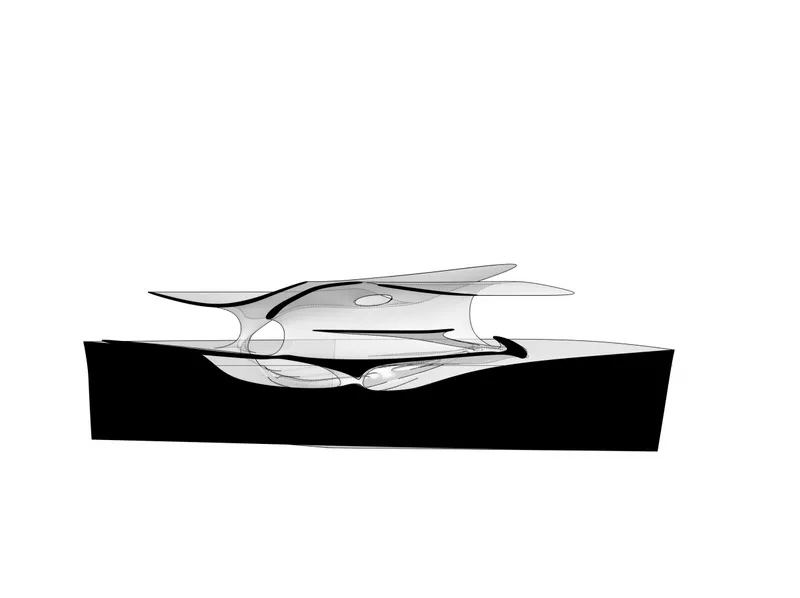
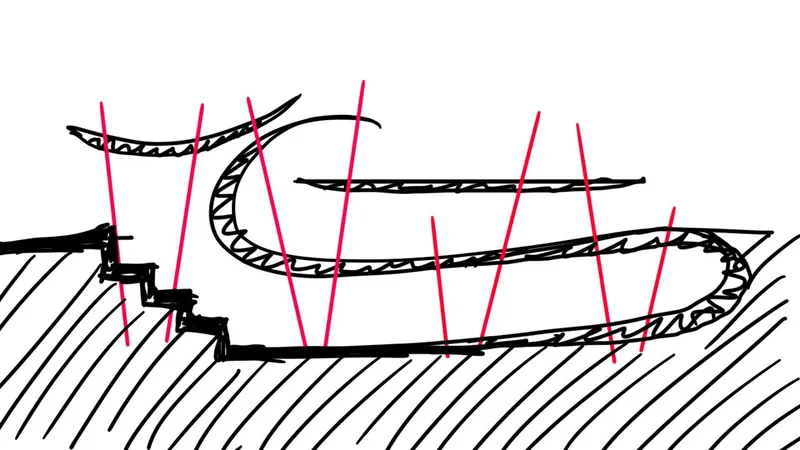
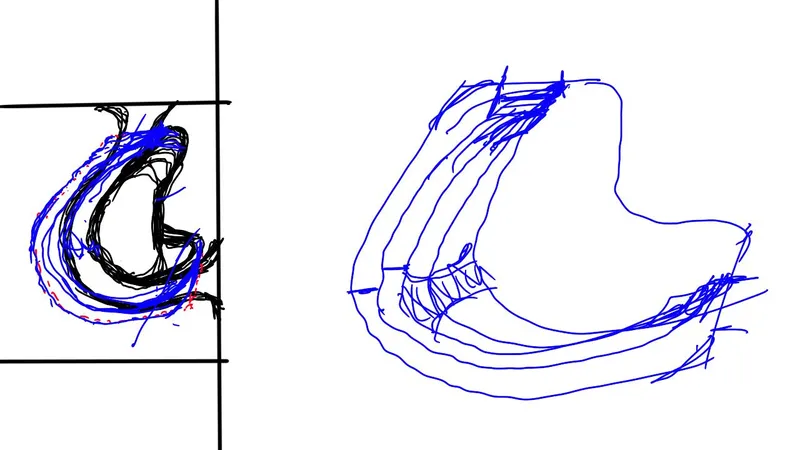
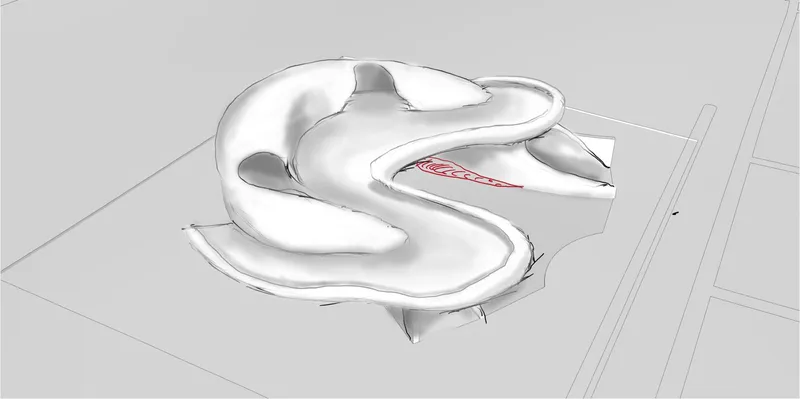
Subsequently, sketch studies were carried out using sections extracted from the model. (image 12 to image 19)
The architectural organization of the project is shaped around the idea of experiencing e-sports through movement rather than from a fixed point. For this reason, the conventional amphitheater seating layout has been deliberately avoided. Instead, a spatial system was developed in which spectators can observe the arena from multiple perspectives while circulating through the building. The arena is positioned as the central core of the structure, while ramps, terraces, bridges, and transitional spaces are layered around it. This configuration strengthens the relationship between the user and the space, while offering a continuously changing experience.
Circulation is treated not merely as a means of movement, but as one of the main design components of the project. The building is almost entirely defined through circulation, ensuring that spectators maintain visual contact with the arena while moving through the structure. In this way, the act of watching is transformed from a static condition into a spatial process. Visitors perceive the arena from different heights and distances, creating a dynamic and immersive experience at every moment.
At the site scale, the project aims to establish a strong connection with the ground. The parts of the building that are directly related to the site are constructed using concrete in order to emphasize continuity with the public realm. This material choice allows the building to feel grounded, solid, and permanent, reinforcing its role as a civic platform. The ground level is not designed merely as an entrance zone, but as a permeable public surface that accommodates pedestrian flows and remains active even outside of event times. As a result, the building becomes an integrated part of the urban fabric rather than an isolated object.
In contrast, lighter architectural elements such as the building envelope and canopies are proposed to be constructed using steel. Steel is chosen for its structural efficiency in spanning large distances and for its ability to convey lightness and dynamism in architectural expression. The contrast between concrete and steel helps articulate the dual character of the building: firmly connected to the ground while opening upward and outward. This material duality also reinforces the hierarchy between the public ground plane and the arena mass above.
One of the key objectives of the project is to question the conventional separation between spectator and player, and to spatially bring these roles closer together. In line with this approach, interactive screens placed along circulation walls allow visitors to become players themselves. These screens function both as surfaces for following live e-sports matches and as interactive interfaces where users can actively engage in gaming. Through this dual use, the arena becomes not only a place to watch but also a participatory and experiential public environment.
The programmatic organization of Nexus Arena considers e-sports not merely as a competitive event, but as an ongoing cultural and educational ecosystem. While the arena forms the primary core of the building, supporting spaces are distributed to address different user groups and activities. Training areas located on the lower levels are designed to support the education and development of future e-sports players. These spaces ensure that the building remains active throughout the day, beyond the limited timeframe of tournaments or events.
Also located on the lower level is an exhibition space that presents content related to e-sports culture, gaming history, and digital production. This space is designed to be flexible, accommodating exhibitions, community gatherings, and cosplay events. The multifunctional nature of the exhibition area strengthens the public character of the arena by attracting diverse user groups and encouraging social interaction.
Over time, Nexus Arena is envisioned to evolve into a permanent and active component of urban life rather than a venue used only during competition days. Thanks to its modular and flexible spatial organization, the building has the potential to adapt to future programs and technological developments. Scenarios for expansion and transformation are embedded within the design, allowing the project to function as a long-term public infrastructure.
In conclusion, Nexus Arena proposes an architectural framework that transforms e-sports into a spatial experience, redefines the relationship between spectator and player, and merges public space with digital culture. Positioned at the intersection of architecture, technology, and urban life, the project aspires to grow, adapt, and transform over time as a hybrid civic environment.

Popular Articles
Popular articles from the community


Co-life: Sustainable Architecture for Age-Friendly Community Living
Co-life reimagines sustainable architecture for seniors through courtyards, rammed earth, shared gardens, and spaces designed for belonging.

Play: Fragments of Their World
Familiar architecture becomes modular playground design, creating safe spaces where displaced children can learn, connect, imagine and play.

Little Red Riding Hood: Architectural Design as a Journey Through Fear, Light, and Storytelling
Little Red Riding Hood reimagines the fairy tale through architectural design shaped by fear, light, scale, memory, uncertainty, and choice.

Hill & Cross Opera: Sculptural Opera House Architecture Shaped by Tallinn’s Landscape and Identity
Hill & Cross Opera reimagines opera house architecture in Tallinn through its sculptural hill, civic plaza, glass wave and a luminous cross.

Similar Reads
You might also enjoy these articles
The Rhythm of Seasons
A Farmers' Market Connecting Nature and the City

More Than a Building-Designing a Living System
More Than a Building-Designing a Living System
Base Beyond
DESERT COMPOUND ARID: TOURISM OF ABSENCE AND ABUNDANCE

Explore E-Sport Arena Competitions
Discover active competitions in this discipline


Challenge to design a barrier free sports center

Challenge to visualize a collision of the future and past

Challenge to visualize future spaces of waste

Challenge to visualize slums of 2080
Comments (0)
Please login or sign up to add comments
No comments yet. Be the first to comment!