

Nhà Bè House by Tropical Space: A Tranquil Retreat Rooted in Nature
Nhà Bè House is a nature-integrated sanctuary with passive cooling, fostering family connection through sustainable design and climate-responsive architecture.


Nhà Bè House, designed by Tropical Space, is an architectural sanctuary nestled in Phu Xuan, Vietnam. Spanning 432 square meters, this residence is a heartfelt retreat for four middle-aged women and their mother, offering a peaceful environment where they can reconnect, care for their aging matriarch, and relive cherished childhood memories.


A Harmonious Blend of Space and Nature
The site follows a long rectangular layout, integrating five bedrooms, an open-plan living area, and a series of interconnected communal spaces. The architectural design prioritizes natural ventilation and light, ensuring a seamless blend between the indoor and outdoor environments. The home is arranged around a central void, fostering family interaction while maintaining privacy.
A key environmental feature is the presence of a palm canal adjacent to the site. This natural water body enhances the microclimate, keeping the residence cool even during the sweltering summer months. Moist air from the canal permeates through the house, creating a comfortable and refreshing atmosphere.


Sustainable and Climate-Responsive Design
The architectural approach leverages passive cooling techniques, with a pitched roof and an attic space that acts as a buffer against solar radiation. This attic, serving as a worship area, absorbs heat while allowing hot air to escape through strategically placed roof openings. Meanwhile, moisture-rich breezes flow through perforated brick walls, maintaining an optimal indoor climate without the need for excessive mechanical cooling.
The sponge wall technique plays a crucial role in the home’s thermal comfort. These specially designed walls provide shade, privacy, and airflow, allowing a controlled amount of natural light to enter while shielding the interiors from harsh sunlight and rain. The result is a living environment that remains cool, airy, and energy-efficient throughout the year.


A Living Space That Encourages Connection
Nhà Bè House is structured to encourage interaction among its residents. At its core, a square corridor surrounds a central courtyard, where lush greenery and natural light enhance the ambiance. The staircase, dining area, and communal spaces are arranged around this core, ensuring continuous engagement among family members. The large dining table, positioned near the central void, is a focal point for daily conversations, seamlessly integrating with the living, reading, and kitchen areas.
Each bedroom opens to private and shared garden spaces, reinforcing the connection with nature. The mother’s bedroom, notably, is designed with an open concept, ensuring ease of movement and constant interaction with family members.


Escaping the Urban Hustle for a Serene Lifestyle
Located on the outskirts of Ho Chi Minh City, Nhà Bè House embodies the growing trend of urban dwellers seeking refuge in nature. In the wake of the COVID-19 pandemic, many city residents are prioritizing spacious living environments, fresh air, and green surroundings over densely packed urban dwellings.
This shift reflects a broader movement towards sustainable and community-oriented architecture, where design prioritizes well-being, connection, and environmental harmony. Nhà Bè House stands as a testament to this philosophy, offering its residents a tranquil, nature-integrated sanctuary that enhances both their quality of life and their deep-rooted family bonds.


Project Details
- Architects: Tropical Space
- Location: Phu Xuan, Vietnam
- Area: 432 m²
- Year: 2022
- Photography: Hiroyuki Oki


Popular Articles
Popular articles from the community

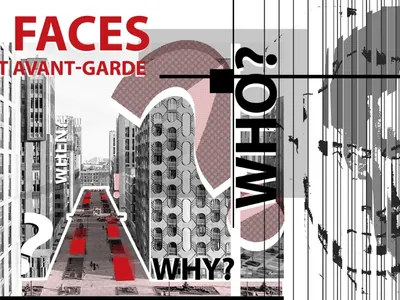
Faces of the Soviet Avant-Garde: Turning Moscow's Street Names into an Open-Air Museum
A network of sculptural installations across a Moscow residential district transforms forgotten architect names into spatial encounters with cultural memor
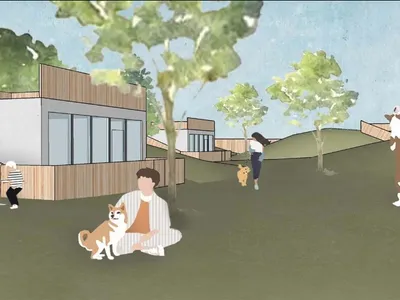
Temporary Home for Dogs: A Reversed Zoo Rethinks Animal Shelter Architecture
In Bucharest, a sinuous corridor and freed landscape flip the logic of containment, designing a shelter that works to make itself unnecessary.
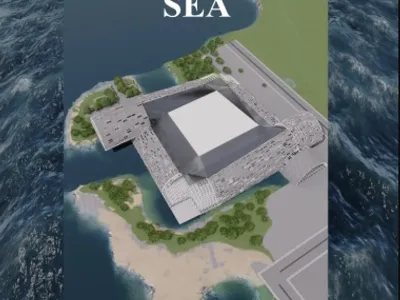
Opera on the Sea: Driftwood Logic Shapes a Timber Opera House on Estonia's Coast
Trevor Orgill's opera house translates the entangled drift of floating timber into a civic building where wood, water, and music converge.
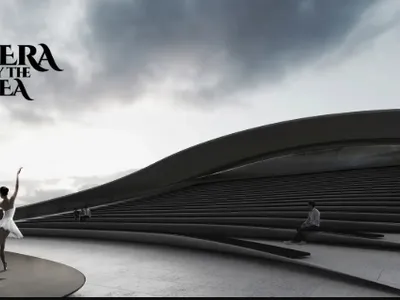
Opera by the Sea Estonia: Three Shells Dissolving Architecture into Tallinn's Coastline
A winning opera house proposal replaces monumental form with interconnected shells that blur the boundary between building, park and Baltic Sea.

Similar Reads
You might also enjoy these articles

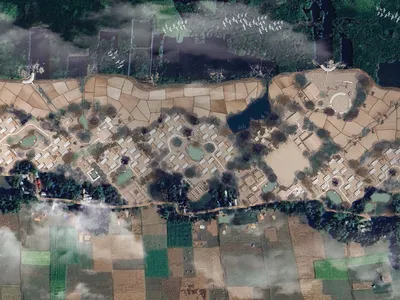
Hodi-Mandai Geram
Project Function: Preservation and revitalization of the Intangible heritage and socio-spatial identity of the Hodi by Housing, Cultural Memory Center, Sacred Grove, landscape, local tourism economy

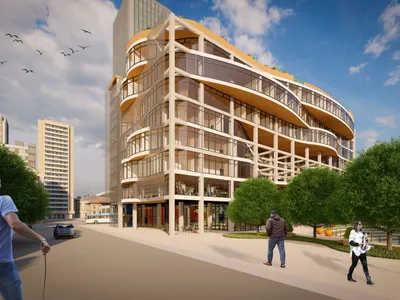
Olio Towers: A Mid-Rise for Performers That Fuses Housing, Rehearsal, and Stage
Located blocks from Houston's Theater District, this modular tower stacks living units around a central performance atrium.
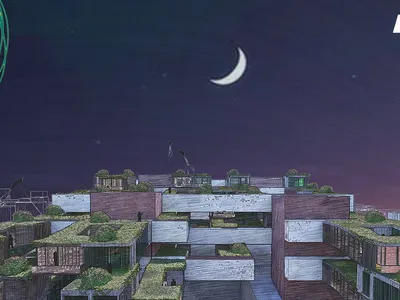
Oasis: Modular Green Housing Carved into Dhaka's Urban Fabric
A shortlisted Plugin Housing entry reclaims unauthorized settlements in Dhaka with stepped concrete volumes, green roofs, and ventilation-driven design.

Black Hole: A Floating Megastructure for the Post-Physical Era
Emiliano Mazzarotto envisions a spherical, self-scaling arena where e-sports, digital hotels, and holographic stadiums replace traditional public space.

Explore Housing Competitions
Discover active competitions in this discipline

Challenge to reimagine the Iron Throne

Photograph architecture without architects

Illustrate the lost glory of Angkor Wat - Render Challenge

Design challenge to reuse E-waste
Comments (0)
Please login or sign up to add comments
No comments yet. Be the first to comment!