
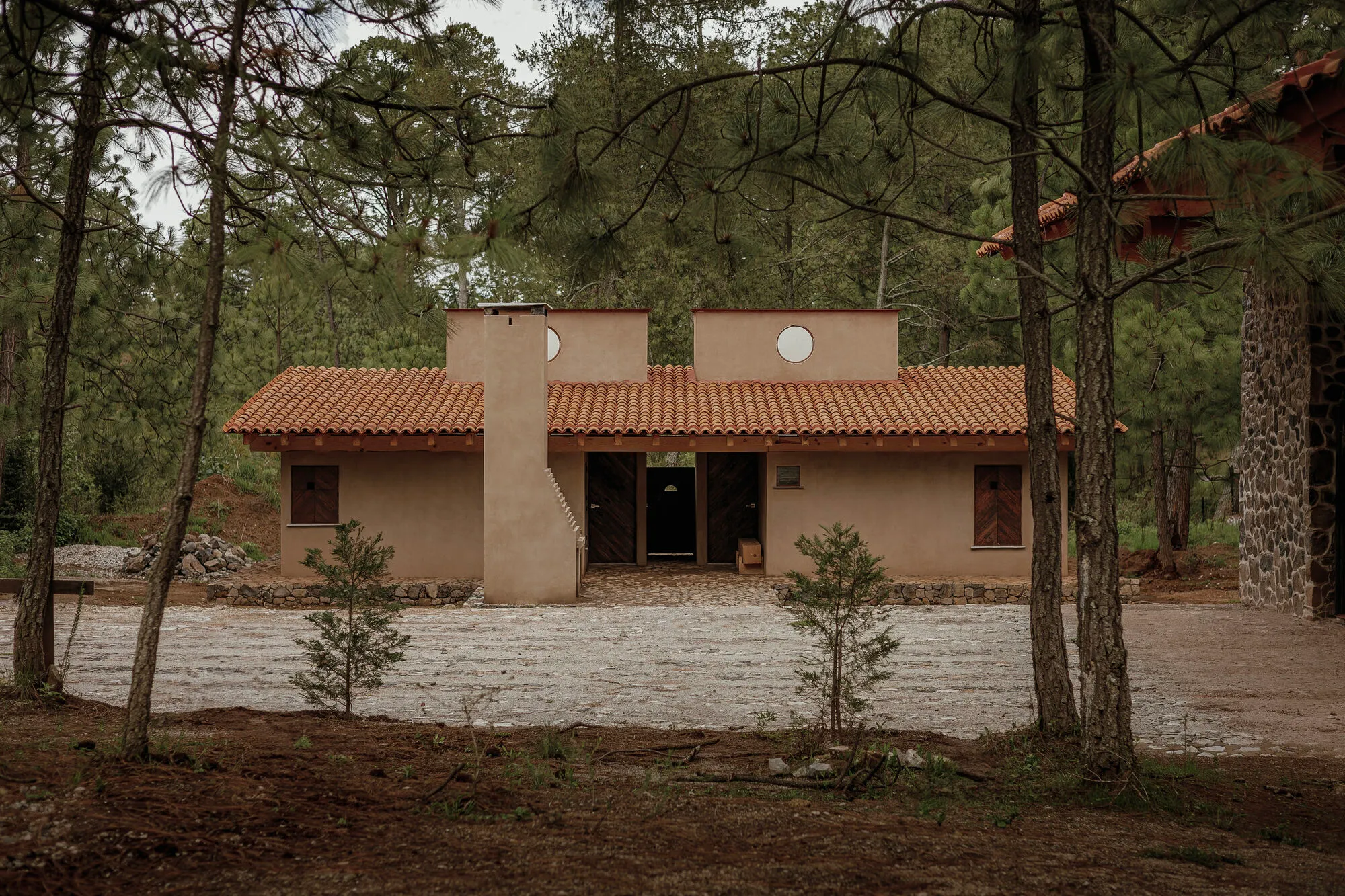
Night Watchman’s Cabin: A Minimal Forest Dwelling Rooted in Stone, Timber, and Silence
Small forest cabin with stone base and terracotta skin, blending into landscape while providing simple, functional, and climate-responsive living spaces.


Located within the dense forests of Tapalpa, Mexico, the Shed for the Night Watchman by Eduardo Garretti Studio is a modest yet deeply contextual architectural intervention. Designed as an 80 m² residence for a caretaker, the project serves both as a functional dwelling and as the initial point of contact for a larger future development. Despite its small scale, the structure demonstrates a strong sensitivity to landscape, material, and purpose.
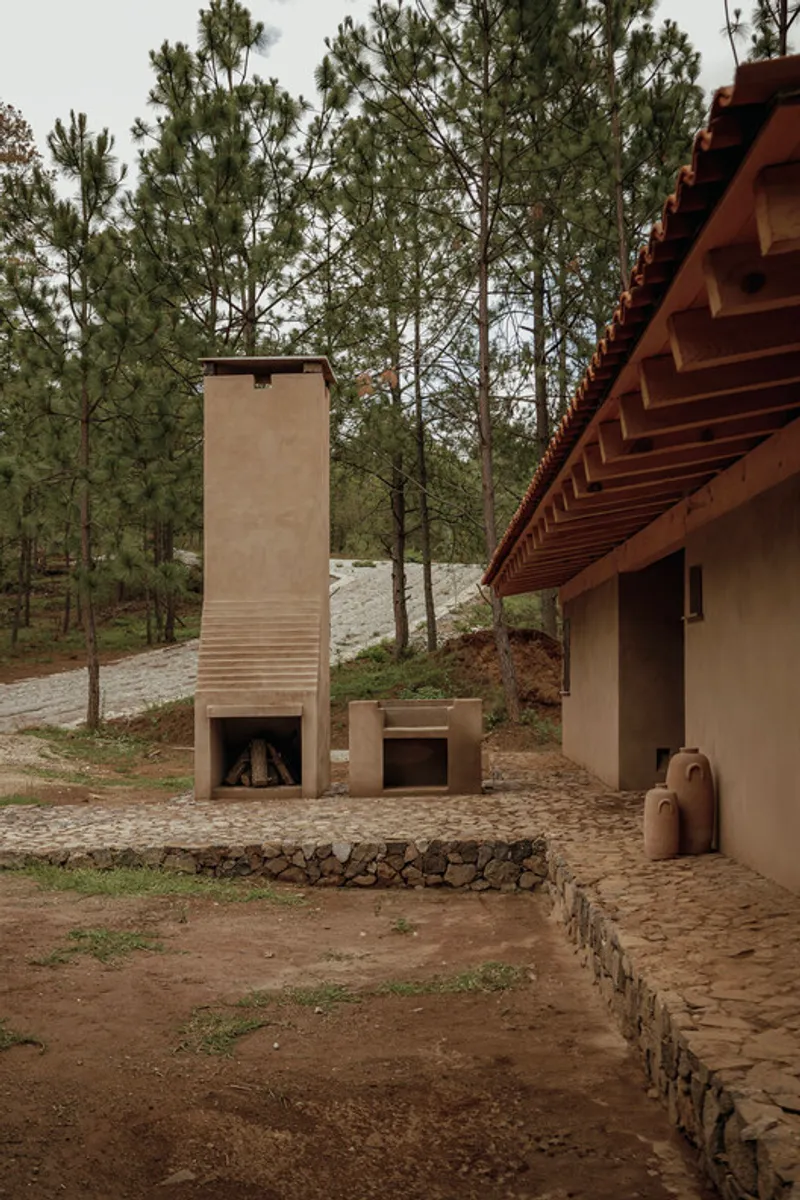
The project begins with the ground itself. A solid stone base, constructed from materials sourced directly from the site, anchors the building within the forest. This stereotomic foundation not only provides structural stability but also establishes a visual and tactile continuity with the surrounding terrain. The cabin appears to emerge naturally from the earth, reinforcing its connection to place.
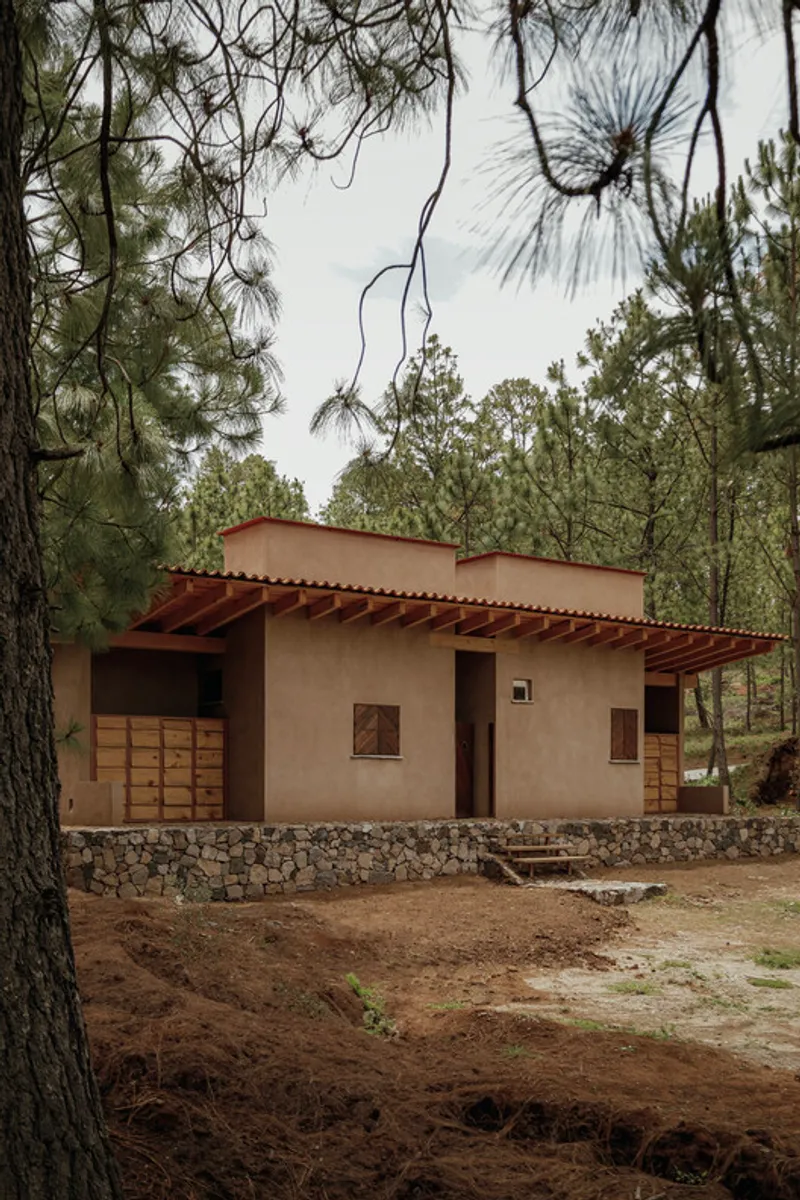
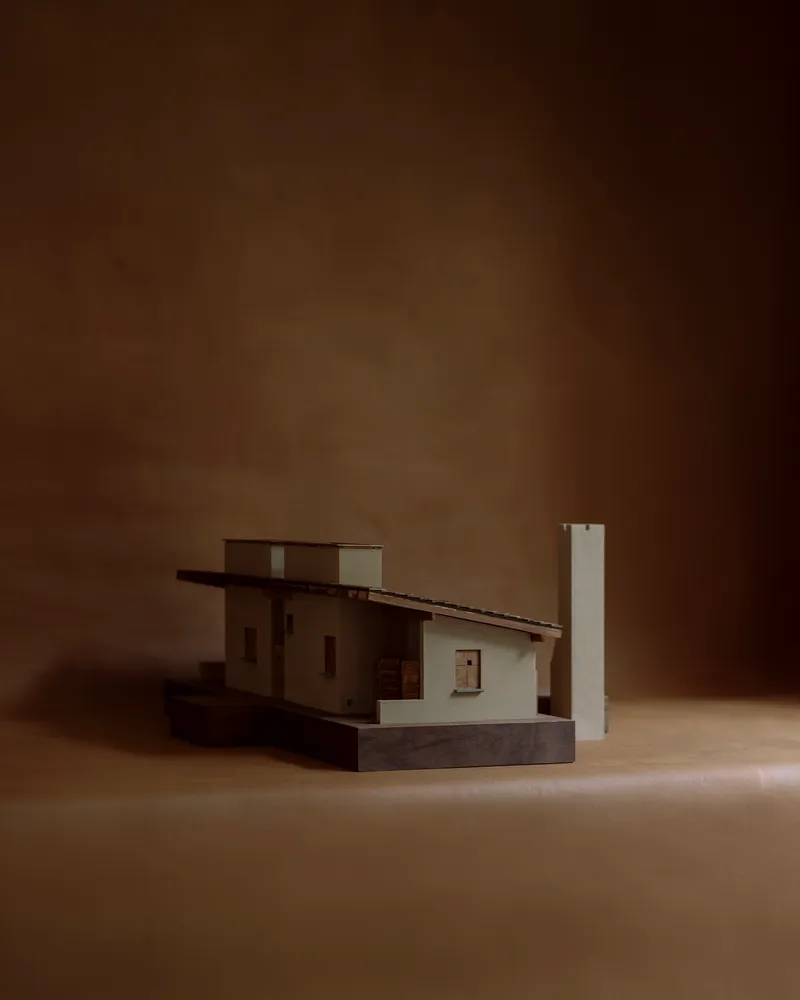
Above this base, the architecture is organized into two mirrored volumes that contain the essential functions of living. These twin units house private and communal spaces, creating a clear yet compact spatial arrangement. The volumes are unified by a single roof, which extends to form a semi-exterior threshold. This transitional space acts as an entrance and gathering area, mediating between Inside and Outside while connecting the cabin to an adjacent barbecue zone.
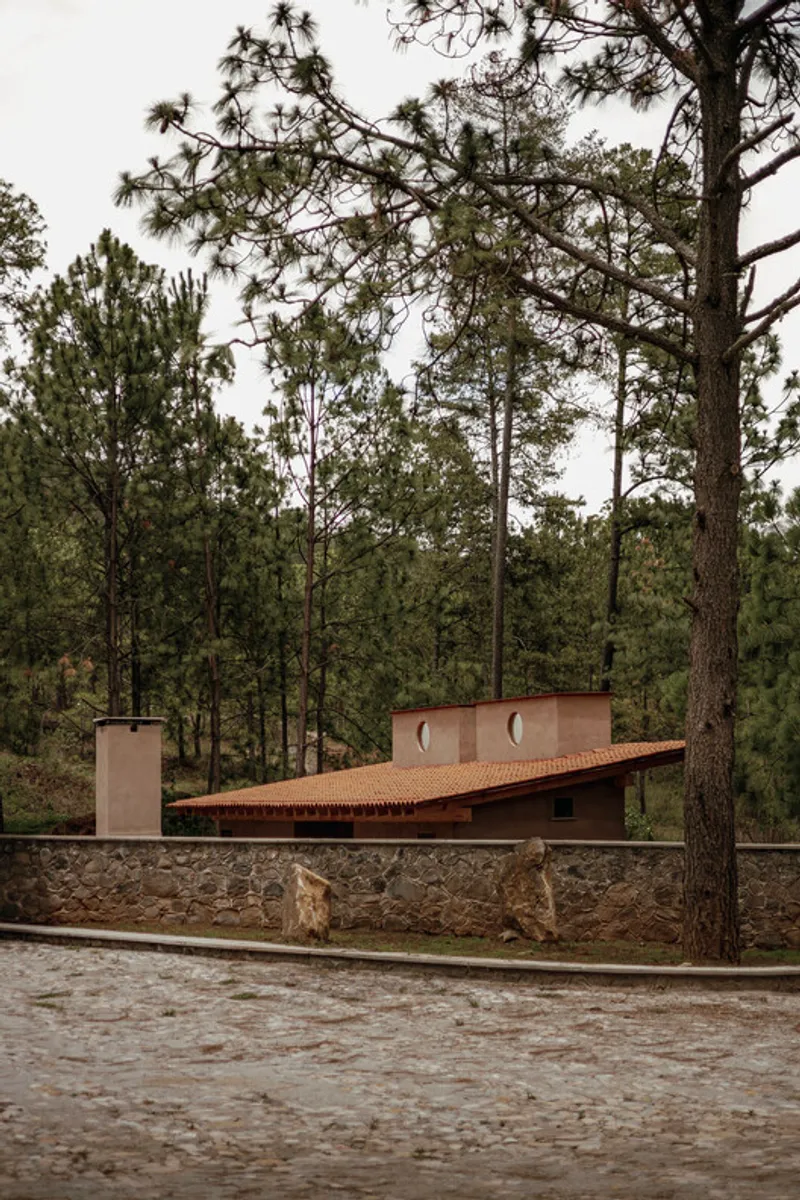
The simplicity of the design is central to its identity. Rather than relying on complex forms or gestures, the architecture focuses on clarity, proportion, and material expression. The exterior is clad in a terracotta-toned skin, chosen for its ability to blend harmoniously with the natural hues of the forest. This chromatic integration allows the building to camouflage itself within its environment, becoming almost indistinguishable from the surrounding landscape.

Material selection is both practical and poetic. Timber and local construction techniques are employed to create a warm and tactile interior, while also ensuring efficient thermal and acoustic performance suited to the region’s cool climate. The combination of stone, wood, and earth-toned finishes results in a balanced palette that is both durable and contextually appropriate.
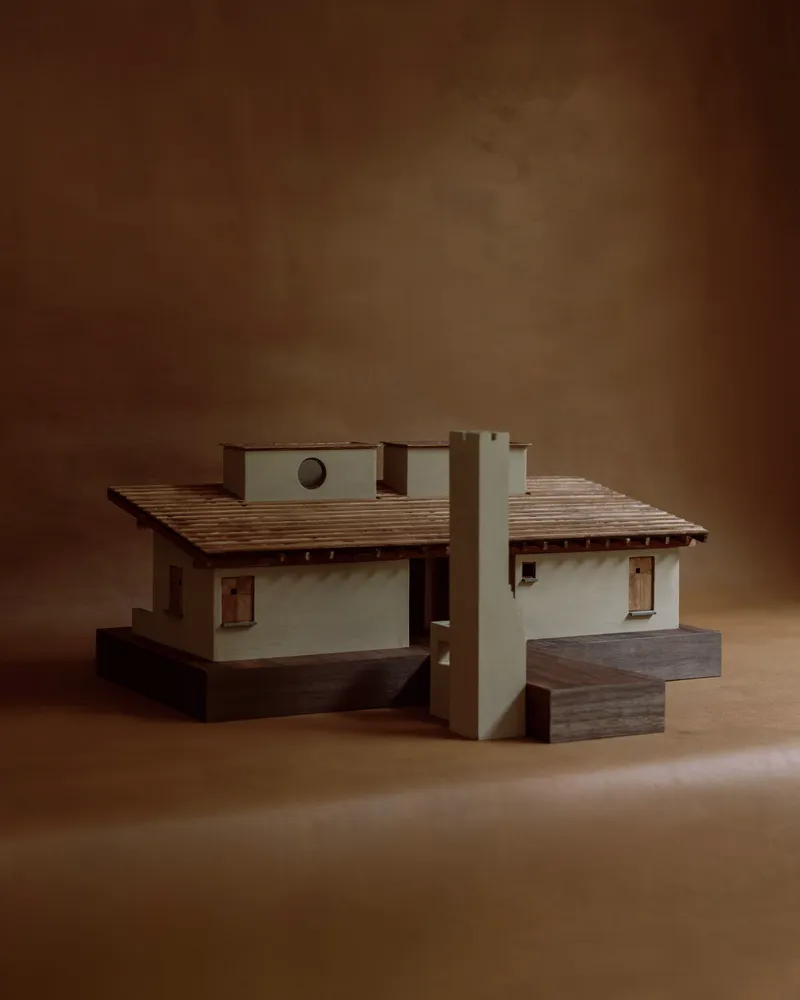
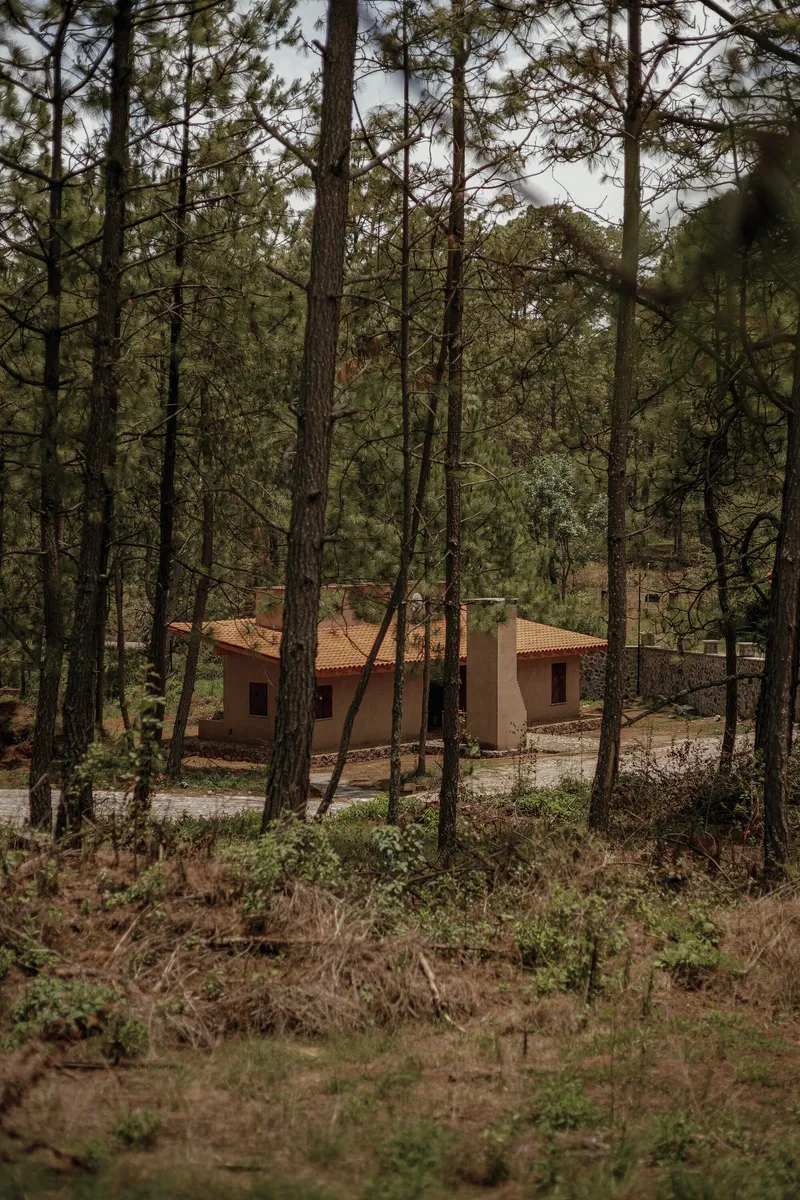
The cabin’s role extends beyond its immediate function as a dwelling. Positioned at the entrance of the property, it acts as a threshold between the natural environment and the anticipated development beyond. As such, it embodies a sense of arrival and presence, establishing an architectural language that is grounded, restrained, and respectful of its surroundings.
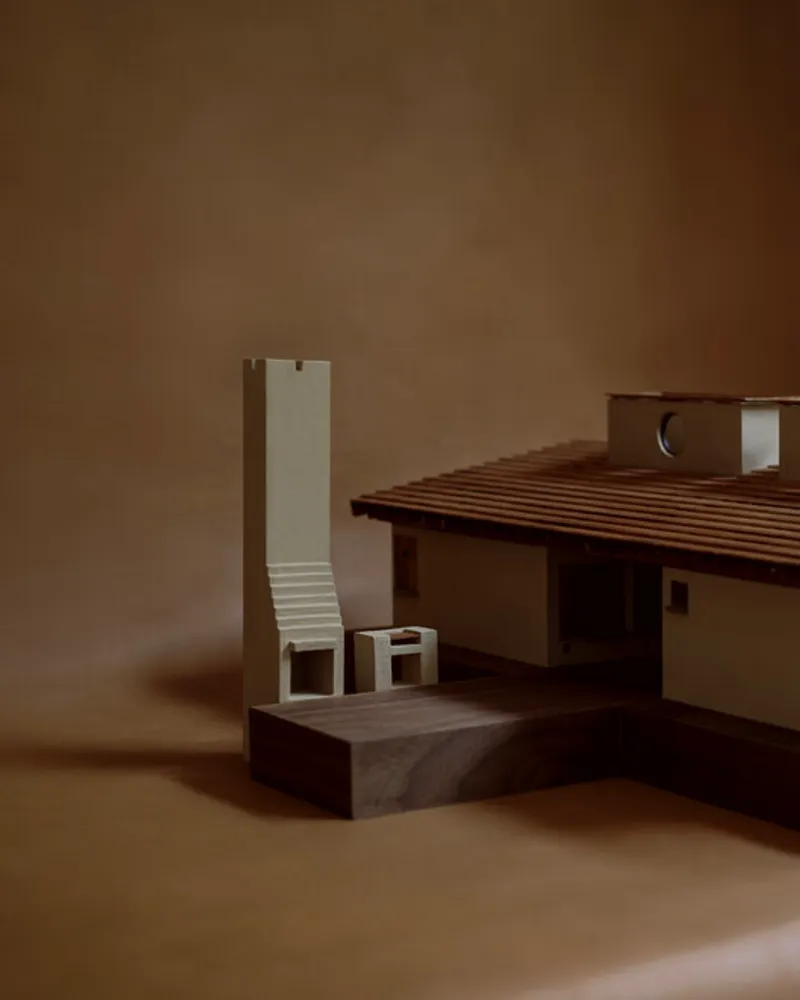
Spatially, the project emphasizes a close relationship between Inside and outside. Openings are carefully positioned to frame views of the forest while allowing natural light and ventilation to permeate the interior. The semi-exterior spaces further blur this boundary, encouraging a mode of living that is closely attuned to the rhythms of nature.
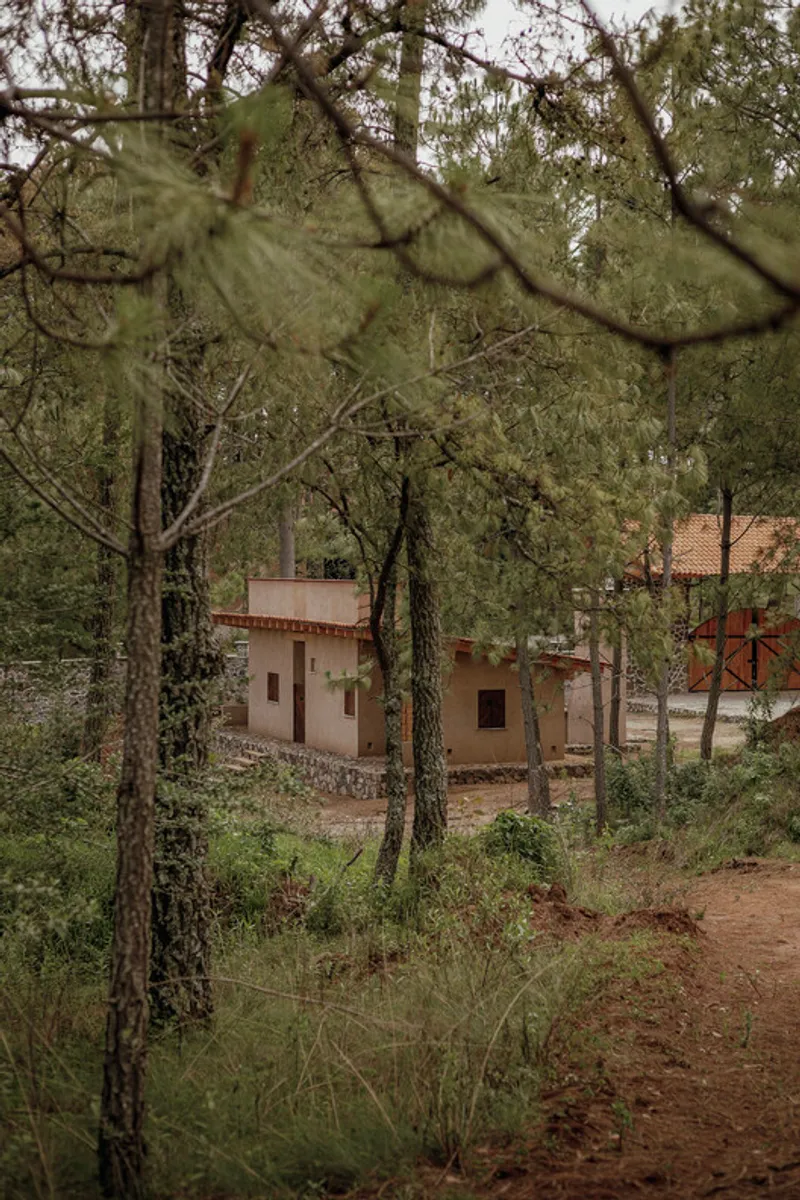
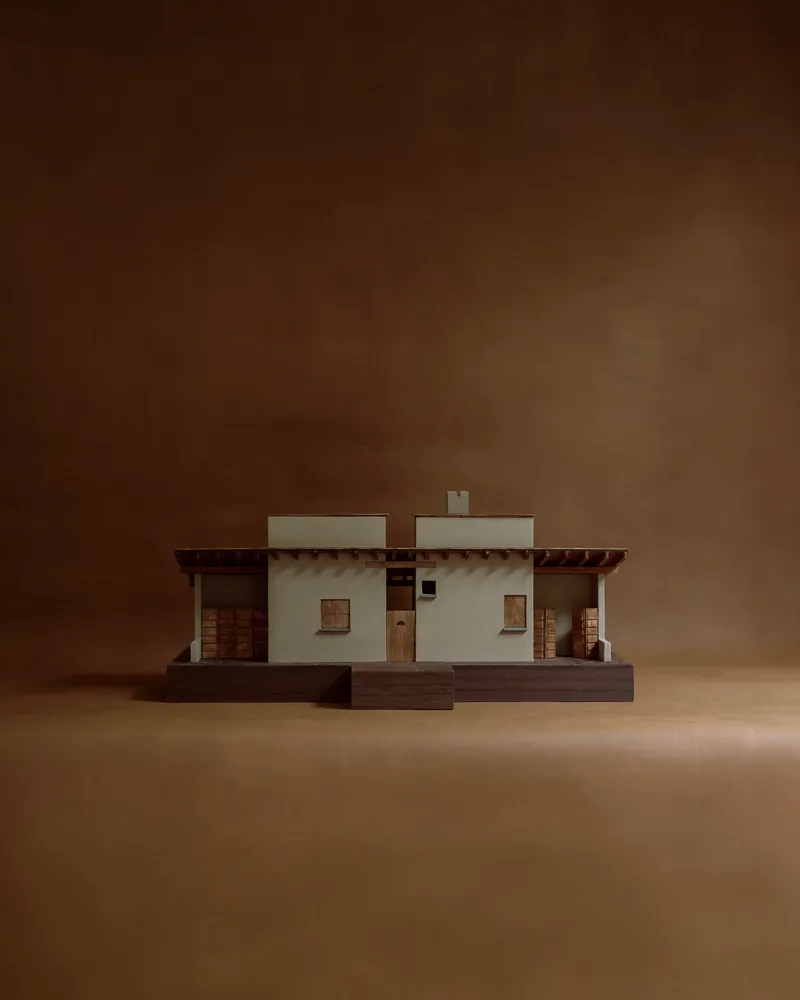
Ultimately, the Shed for the Night Watchman is an exercise in essential architecture. It demonstrates how a small-scale project can achieve depth and meaning through careful attention to context, materiality, and function. By embracing simplicity and working with the inherent qualities of the site, the design creates a dwelling that is both humble and enduring, an architecture that quietly belongs to its place.
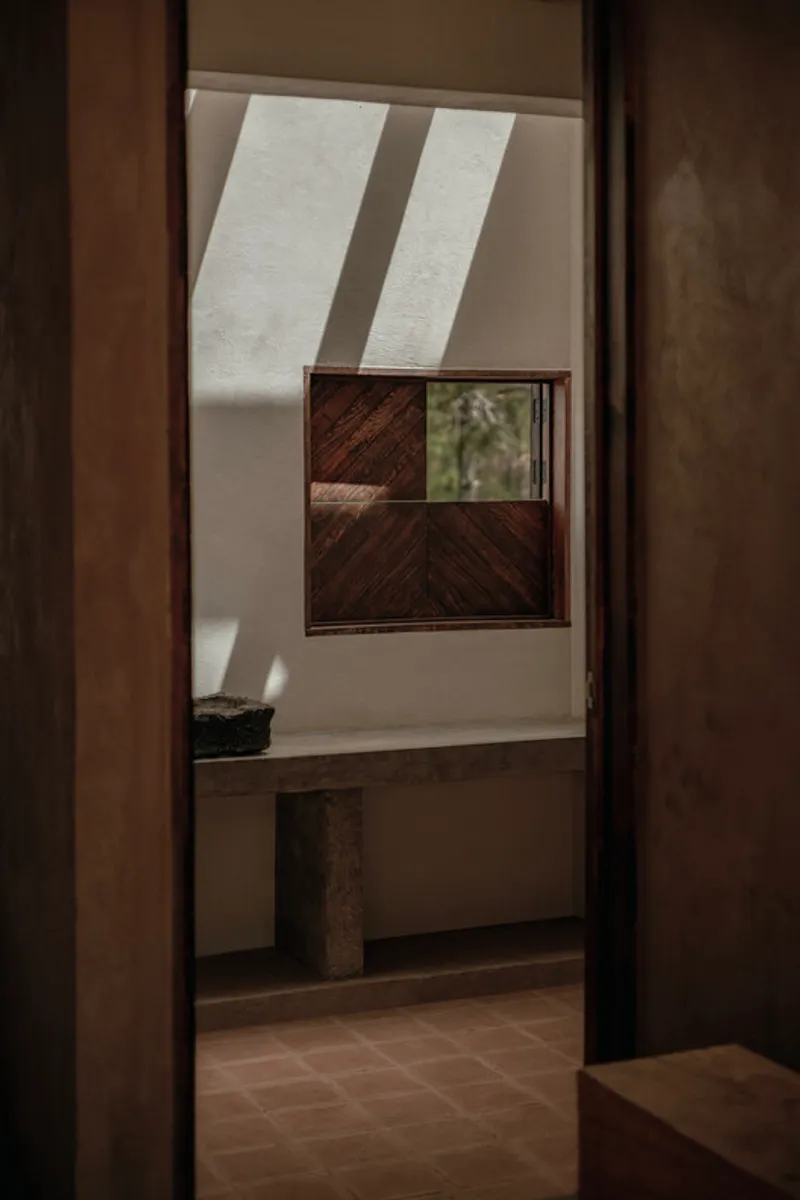
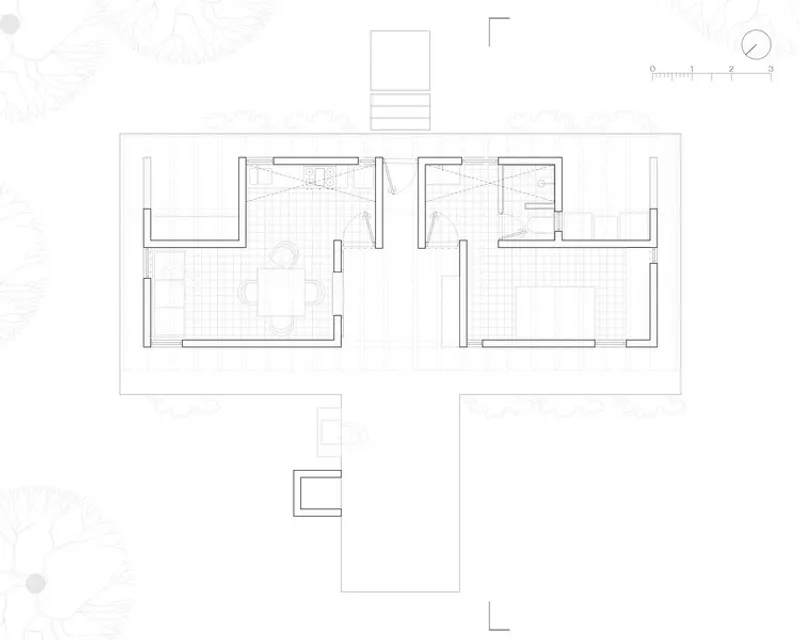

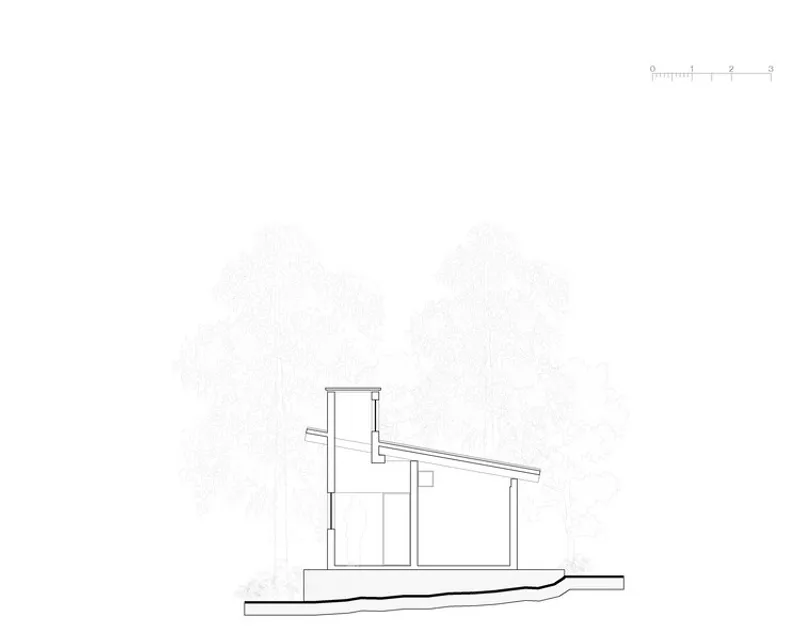
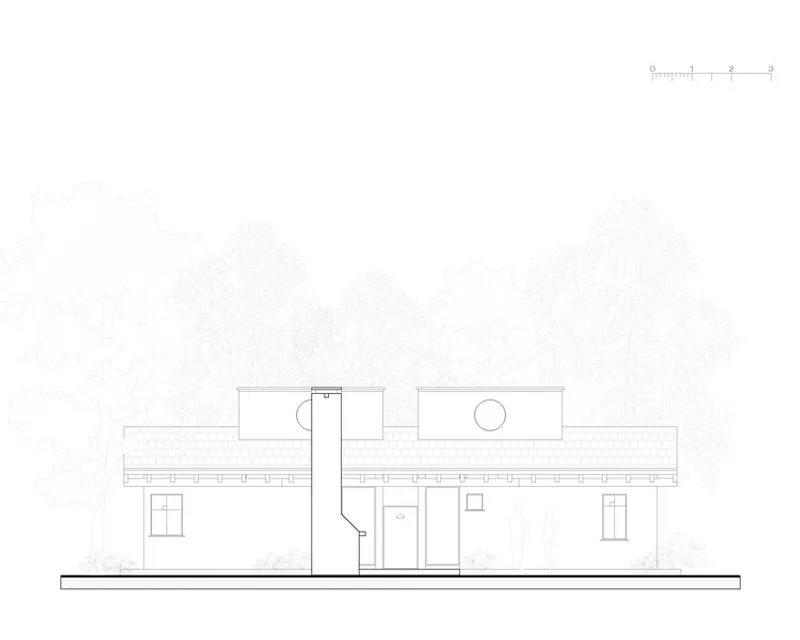
All the Photographs are works of Ansatz / Fernando Sánchez




Popular Articles
Popular articles from the community


Hill & Cross Opera: Sculptural Opera House Architecture Shaped by Tallinn’s Landscape and Identity
Hill & Cross Opera reimagines opera house architecture in Tallinn through its sculptural hill, civic plaza, glass wave and a luminous cross.
EW PARK: Sustainable Architecture Reimagines the Future of Urban Parking
EW PARK reimagines city parking as a modular wooden tower combining automation, solar energy, electric mobility, and adaptable urban design.

Co-life: Sustainable Architecture for Age-Friendly Community Living
Co-life reimagines sustainable architecture for seniors through courtyards, rammed earth, shared gardens, and spaces designed for belonging.

Conexión: Biophilic Design Reimagines High-Rise Living in Hong Kong
Conexión reimagines high-rise living in Hong Kong through biophilic design, green facades, shared spaces, daylight, water and nature within.


Similar Reads
You might also enjoy these articles

FAMM Arquitectura Organizes Ten Villas Around Courtyards and Jungle in Nosara, Costa Rica
El Molino pairs two elongated volumes with deep overhangs and timber louvers to build a compact coastal community five minutes from the beach.
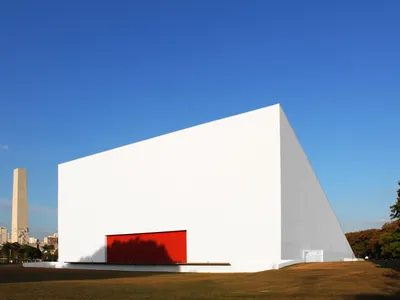
Oscar Niemeyer's Ibirapuera Park Pavilions Define São Paulo's Cultural Identity in Concrete and Curve
A constellation of modernist volumes set within São Paulo's most important urban park, conceived for the city's 400th anniversary in 1954.
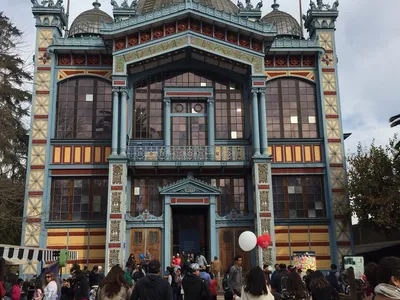
How Henri Picq's 1889 Paris Pavilion Traveled 11,000 Kilometers to Become Santiago's Artequín Museum
A prefabricated iron and glass pavilion built for the Paris Universal Exposition found a second life as a children's art museum in Chile.
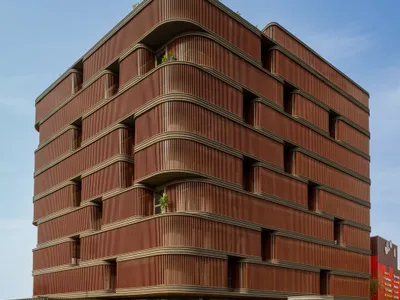
Sanjay Puri Architects Wraps a Jaipur Office Tower in Capsule-Shaped Green Buffers
A nine-level climate-responsive workplace near Jaipur Airport uses stacked planter terraces and aluminium screens to fight 40°C heat.


Explore Architecture Competitions
Discover active competitions in this discipline



Challenge to reimagine the Iron Throne


Photograph architecture without architects


Illustrate the lost glory of Angkor Wat - Render Challenge


Design challenge to reuse E-waste
Comments (0)
Please login or sign up to add comments
No comments yet. Be the first to comment!