
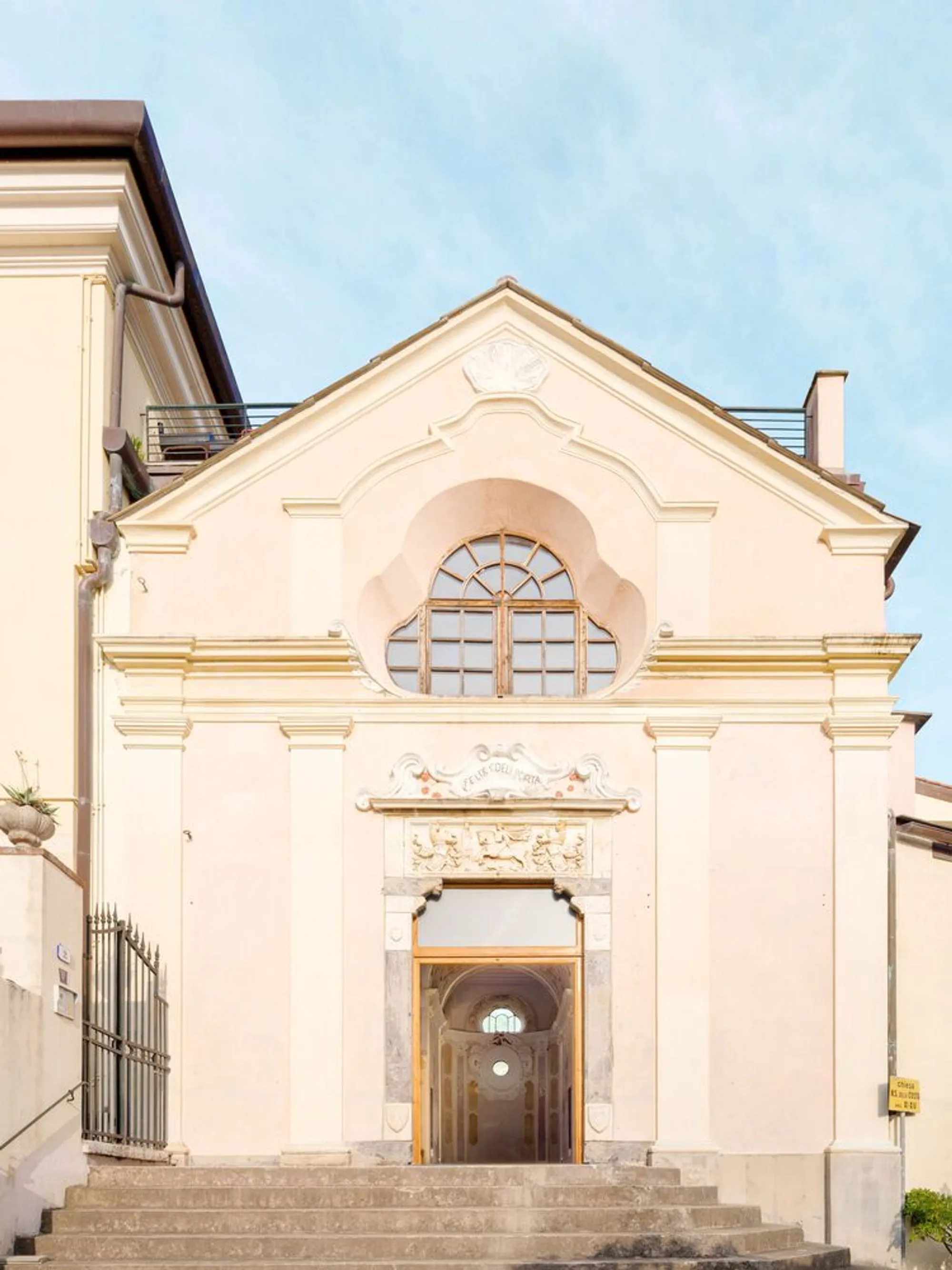
Nostra Signora della Costa Cultural and Experiential Training Center by caarpa
A historic church transformed into a cultural center, blending restoration and modern design for conferences, events, and experiential learning in Levanto.


A Historic Landmark Transformed into a Cultural Hub
The Nostra Signora della Costa Cultural and Experiential Training Center in Levanto, Italy, is a remarkable example of architectural restoration and adaptive reuse. Designed by caarpa, an architecture and landscape studio based in Genoa, this project seamlessly blends historical preservation with modern functionality.
A Legacy Rooted in History
The origins of Nostra Signora della Costa remain uncertain. An inscription from the 19th century suggests a consecration date of 1334, though the structure is likely even older. The church was under the ownership of the Community of Borgo di Levanto for centuries until 1528, when it was acquired by the noble Genoese Da Passano family.
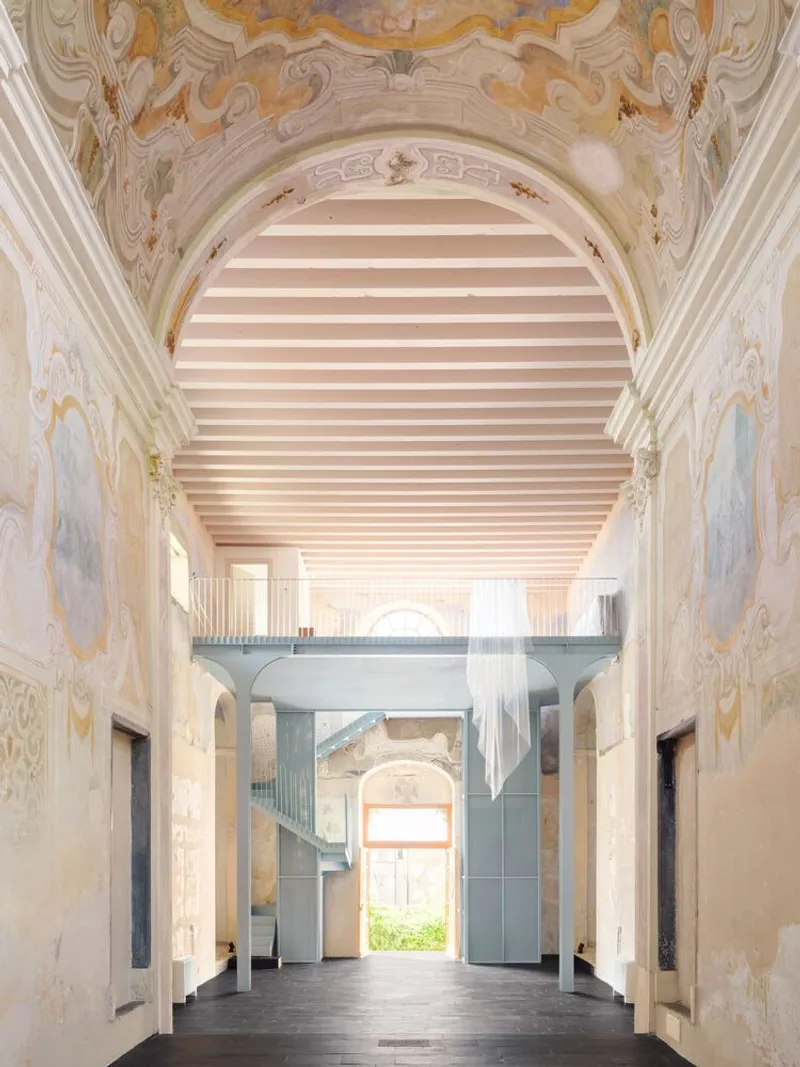
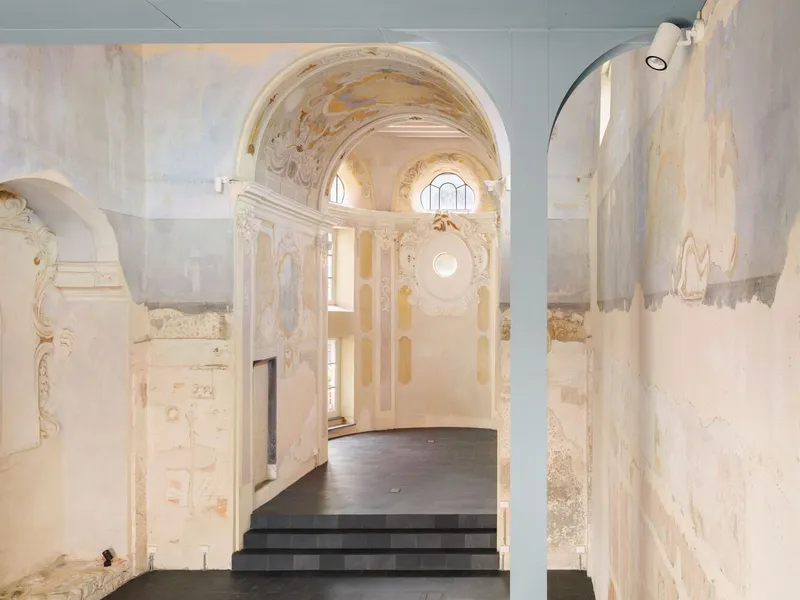
By the 18th century, the church underwent significant renovations, including the expansion of the presbytery and the addition of intricate frescoes and stucco decorations. An episcopal inspection in 1872 described the interior as a masterpiece, adorned with scenes depicting the Assumption of Mary, the Nativity, the Annunciation, and the Visitation of St. Elizabeth. However, after World War II, the building fell into decline. It was sold to a religious congregation, which led to drastic structural alterations—lowering the original floor by 50 cm, removing altars and balustrades, and horizontally dividing the hall with a concrete slab. The once-sacred space even served as a school for a period before being left in disrepair.
By the 2000s, efforts to salvage the structure began. The intrusive slab was removed, and a new laminated wooden roof was installed, setting the stage for its transformation.
A Vision for Cultural and Experiential Learning
In 2018, the site was purchased by PF Economy with a vision to repurpose it as a cultural and experiential training center. The space was reimagined to accommodate conventions, conferences, seminars, and events, while preserving the essence of its historic character.
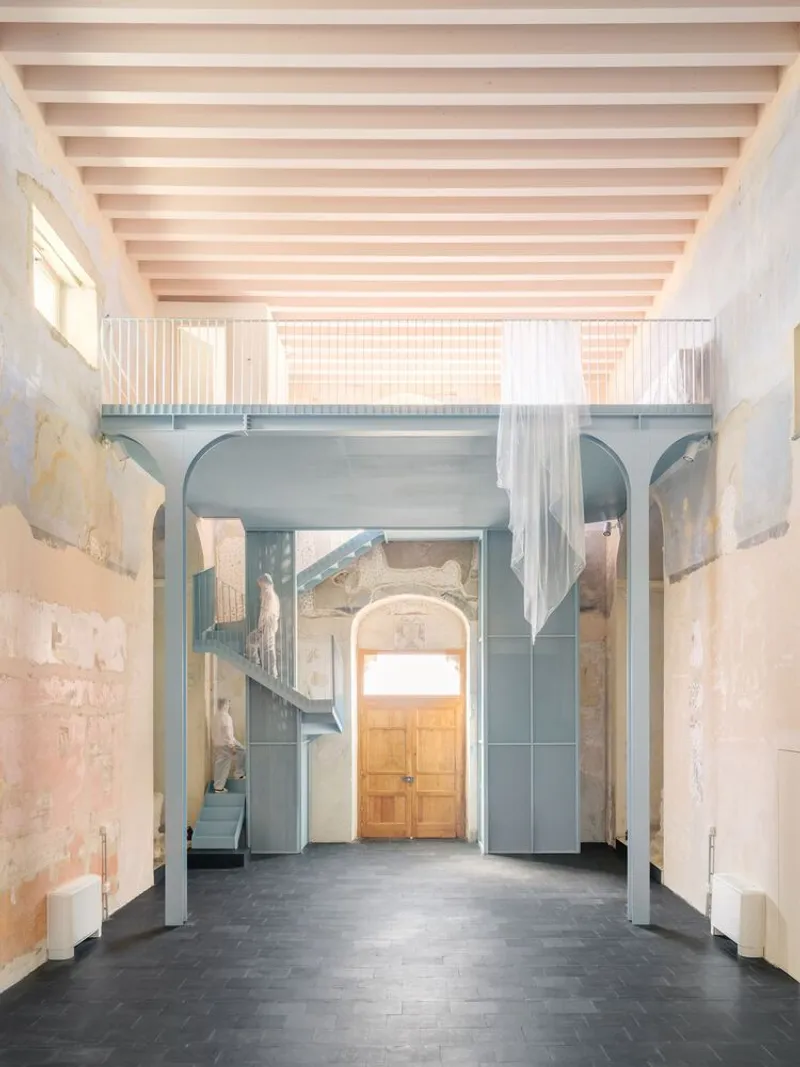
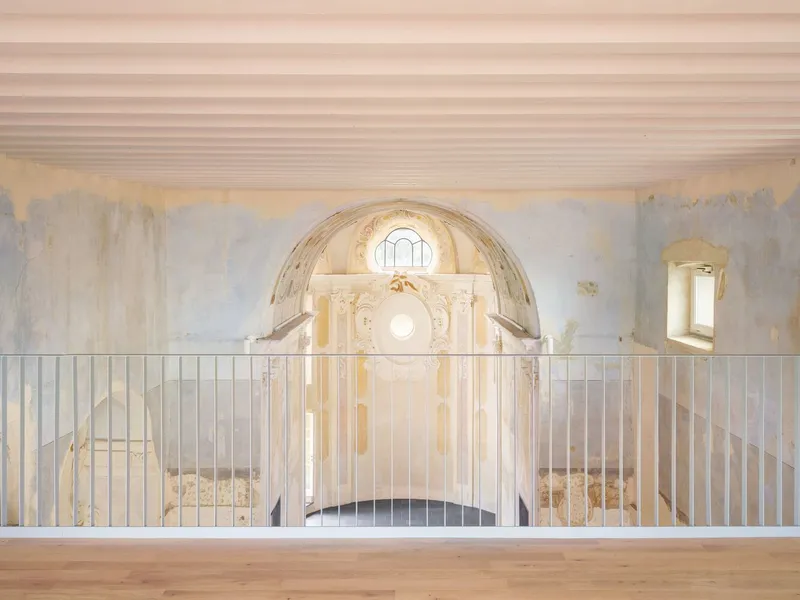
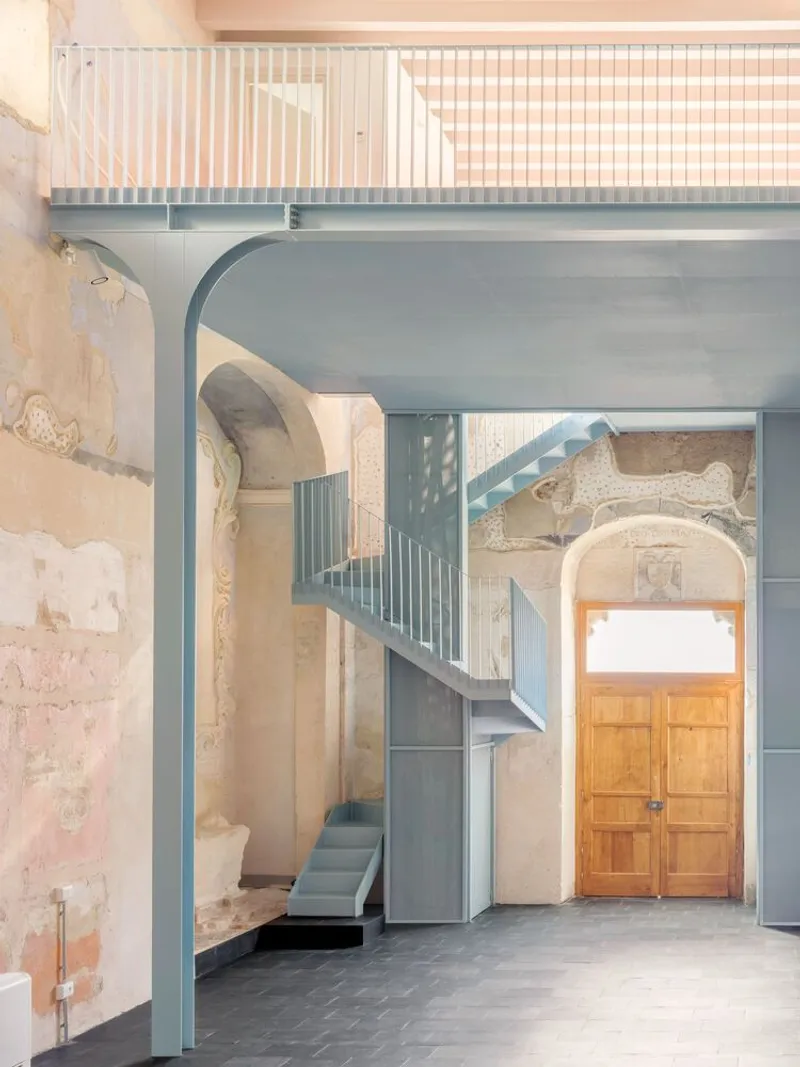
The design concept by caarpa introduced a contemporary architectural intervention inspired by the traditional cantoria, a choir loft commonly found in Italian churches. This modern interpretation features an elegant steel structure that integrates seamlessly with the historic fabric of the building, creating a dynamic interplay between past and present.
Architectural Design: A Dialogue Between Old and New
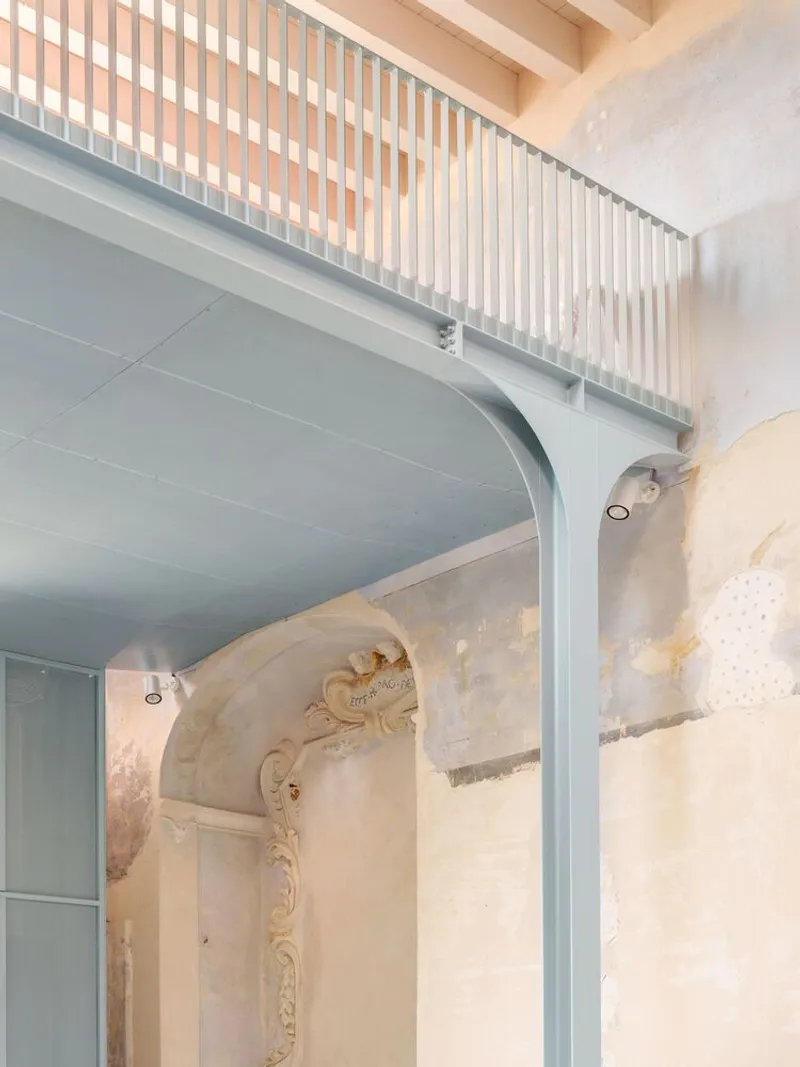
The cantoria is a carefully crafted architectural element that redefines the entrance of the church. Its minimalist design is punctuated by two curved capitals, subtly referencing classical architecture while maintaining a contemporary aesthetic. This addition is more than just an architectural feature—it serves as a spatial mediator, enhancing the visual and experiential qualities of the interior.
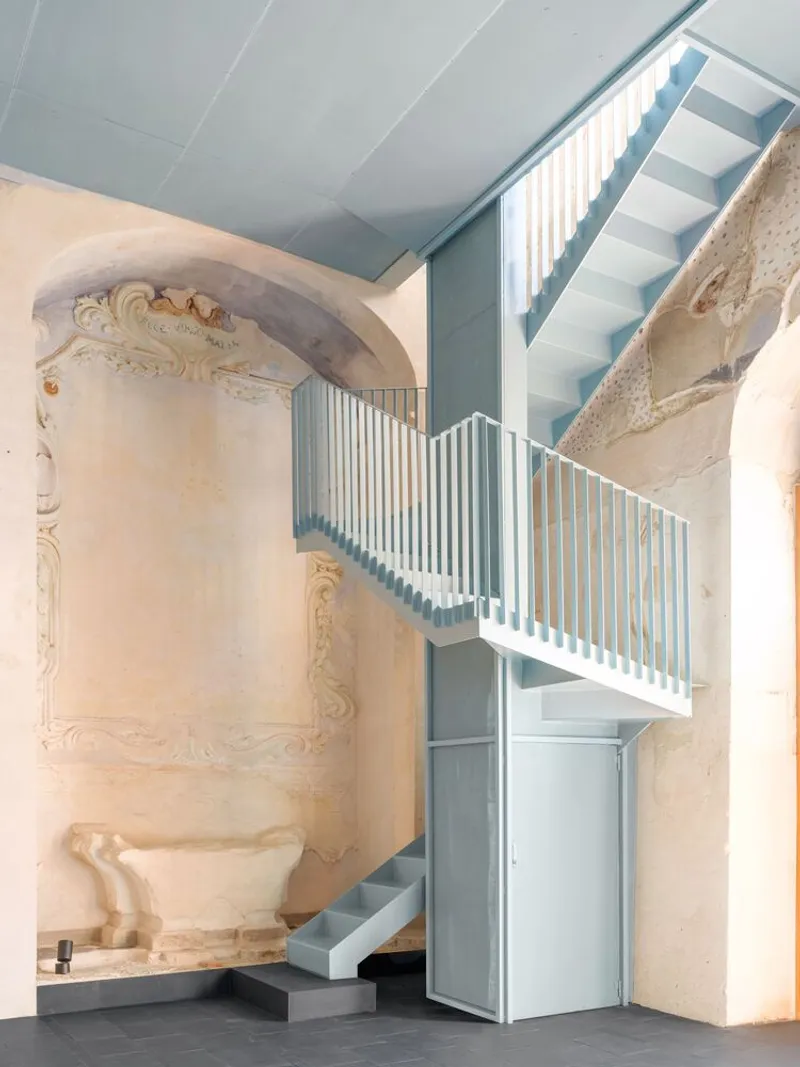
A key focal point is the staircase, which spirals around the steel structure, offering visitors an intimate view of the 18th-century stucco decorations. This carefully planned circulation route creates new sightlines and perspectives, enriching the experience of the space.
Preserving the Past, Embracing the Future
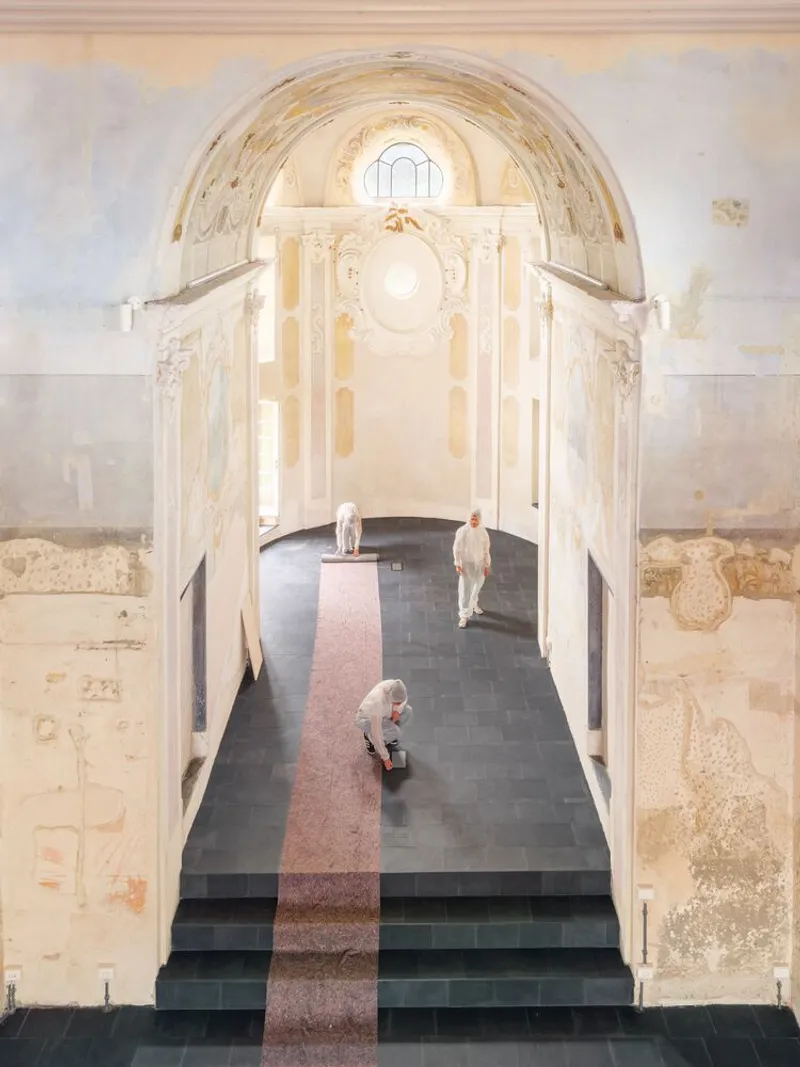
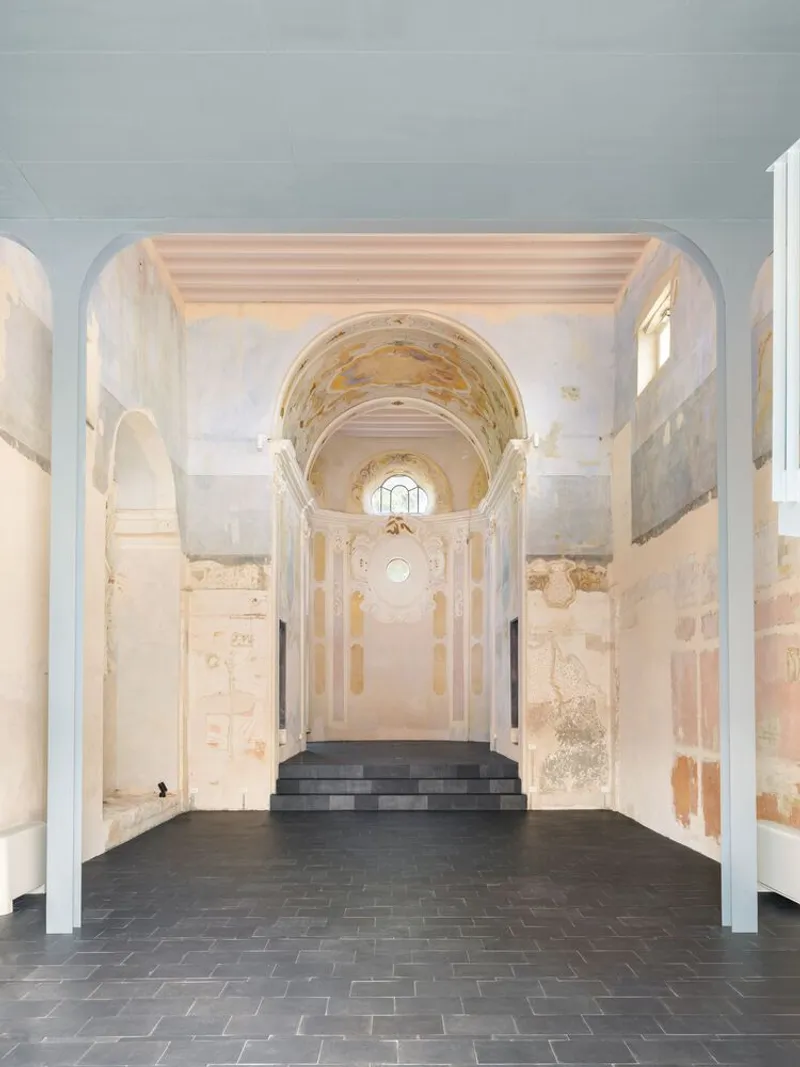
The restoration approach balances historical integrity with modern interventions. The presbytery frescoes have been meticulously restored, standing in contrast to the raw, unfinished surfaces of the hall, which intentionally expose the layered history of the building. The remnants of 20th-century modifications, including covered traces and missing plaster, are left visible as an informal expression of time and memory.
The side altars, stripped of their original embellishments, have been coated with a thin layer of lime putty, subtly revealing their former shapes. Stucco elements were carefully cleaned to unveil traces of their original hues, while the new slate flooring, arranged in linear patterns, maintains a dialogue with the building’s historical materials.
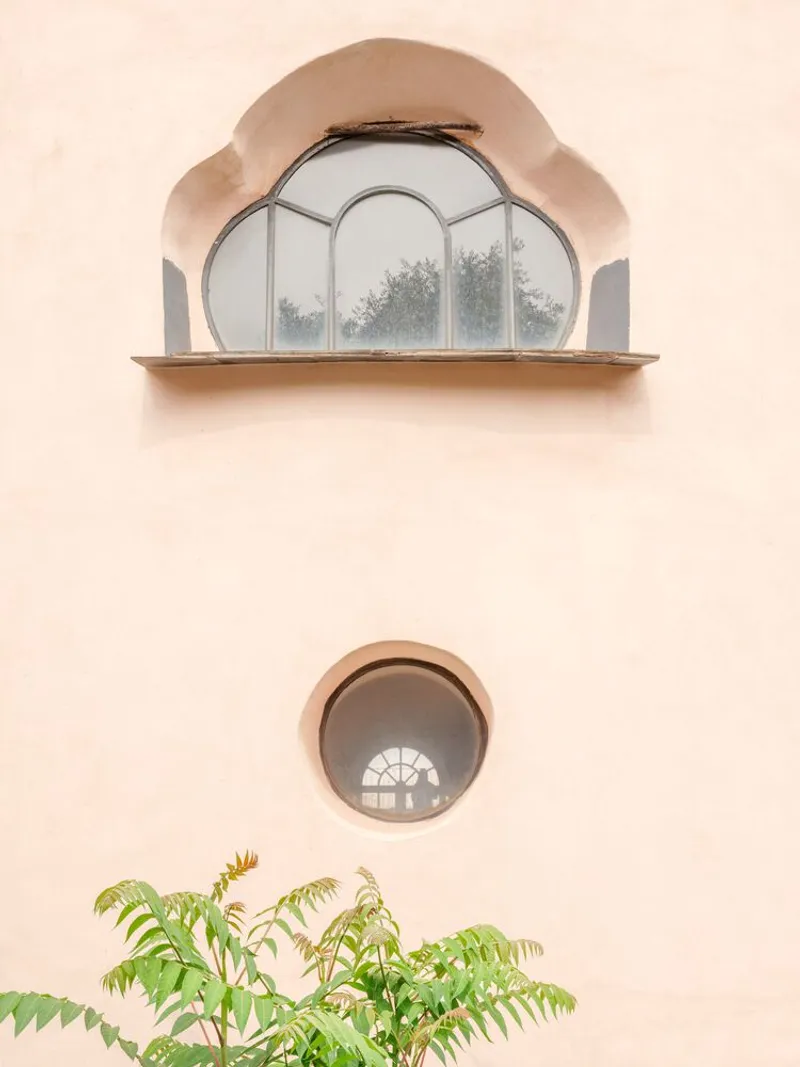
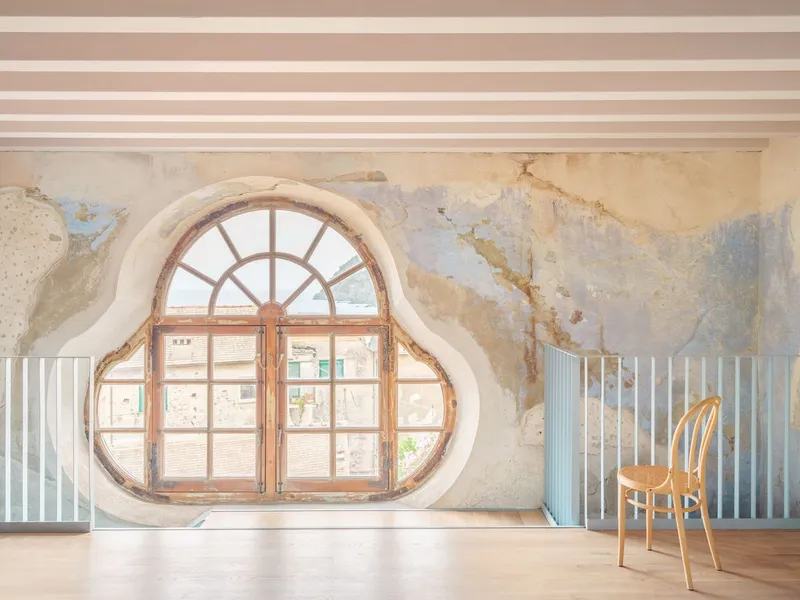
The mezzanine level, an open-plan space, overlooks the main hall, offering breathtaking views through the large trefoil window, which frames the picturesque landscape of Levanto and the distant Ligurian Sea.
A Testament to Sustainable Architectural Restoration
The Nostra Signora della Costa Cultural and Experiential Training Center stands as a testament to the power of architectural restoration, proving that historic structures can be repurposed for contemporary use while maintaining their cultural and historical significance. By merging innovative design strategies with sensitive preservation techniques, caarpa has transformed this once-abandoned church into a vibrant cultural landmark.
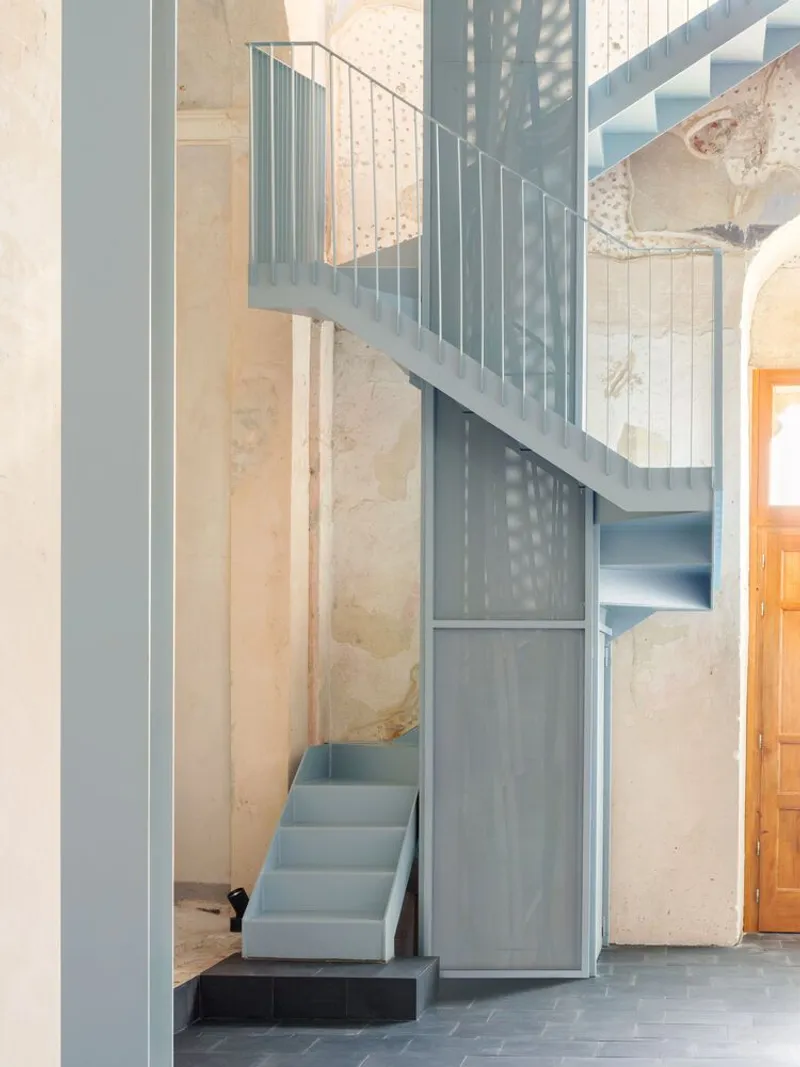
All Photographs are works of Anna Positano



Popular Articles
Popular articles from the community


Lunar Spiral: Space Architecture Shaped by the Mathematics of the Universe
Lunar Spiral reimagines space architecture through Fibonacci geometry, lunar regolith, levitating habitats, and self-sustaining Moon living.

Co-Life: Senior Housing Design That Reconnects Older Adults With the City
Co-Life reimagines senior housing design through healing gardens, shared streets, workshops, and a sustainable community across generations.

The Earth Pod: 3D Printed Homes for Resilient Refugee Communities
The Earth Pod reimagines refugee housing through 3D printed homes made from clay, combining resilience, self-sufficiency, and rapid shelter.

Play: Fragments of Their World
Familiar architecture becomes modular playground design, creating safe spaces where displaced children can learn, connect, imagine and play.

Similar Reads
You might also enjoy these articles


Hodi-Mandai Geram
Project Function: Preservation and revitalization of the Intangible heritage and socio-spatial identity of the Hodi by Housing, Cultural Memory Center, Sacred Grove, landscape, local tourism economy


Olio Towers: A Mid-Rise for Performers That Fuses Housing, Rehearsal, and Stage
Located blocks from Houston's Theater District, this modular tower stacks living units around a central performance atrium.

Oasis: Modular Green Housing Carved into Dhaka's Urban Fabric
A shortlisted Plugin Housing entry reclaims unauthorized settlements in Dhaka with stepped concrete volumes, green roofs, and ventilation-driven design.

Black Hole: A Floating Megastructure for the Post-Physical Era
Emiliano Mazzarotto envisions a spherical, self-scaling arena where e-sports, digital hotels, and holographic stadiums replace traditional public space.

Explore Cultural Architecture Competitions
Discover active competitions in this discipline



Challenge to reimagine the Iron Throne


Photograph architecture without architects


Illustrate the lost glory of Angkor Wat - Render Challenge

Bring back Drive In's
Comments (0)
Please login or sign up to add comments
No comments yet. Be the first to comment!