
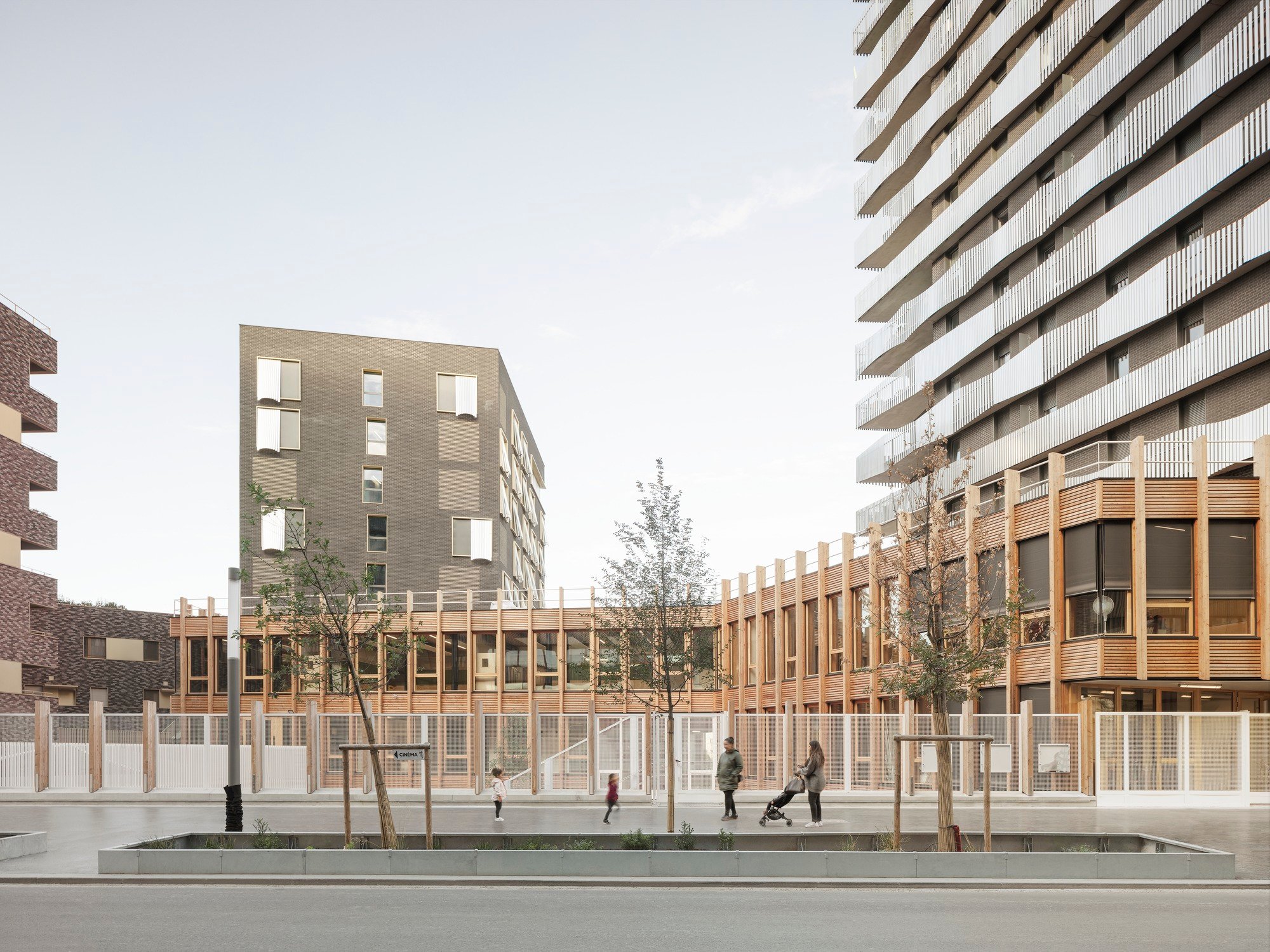
O6A LOT Housing by SAM Architecture + Querkraft: Redefining Urban Living in Paris
O6A LOT Housing in Paris by SAM Architecture + Querkraft blends housing, kindergarten, sustainability, raw materials, and adaptive flexible urban design.

The O6A LOT Housing project, designed by SAM Architecture in collaboration with Querkraft, represents a bold step in the urban regeneration of Clichy-Batignolles—one of Paris’ most ambitious redevelopment projects. Completed in 2019, this mixed-use housing and kindergarten complex spans over 9,554 m² and showcases how innovative design can merge sustainability, community needs, and modern architectural expression.
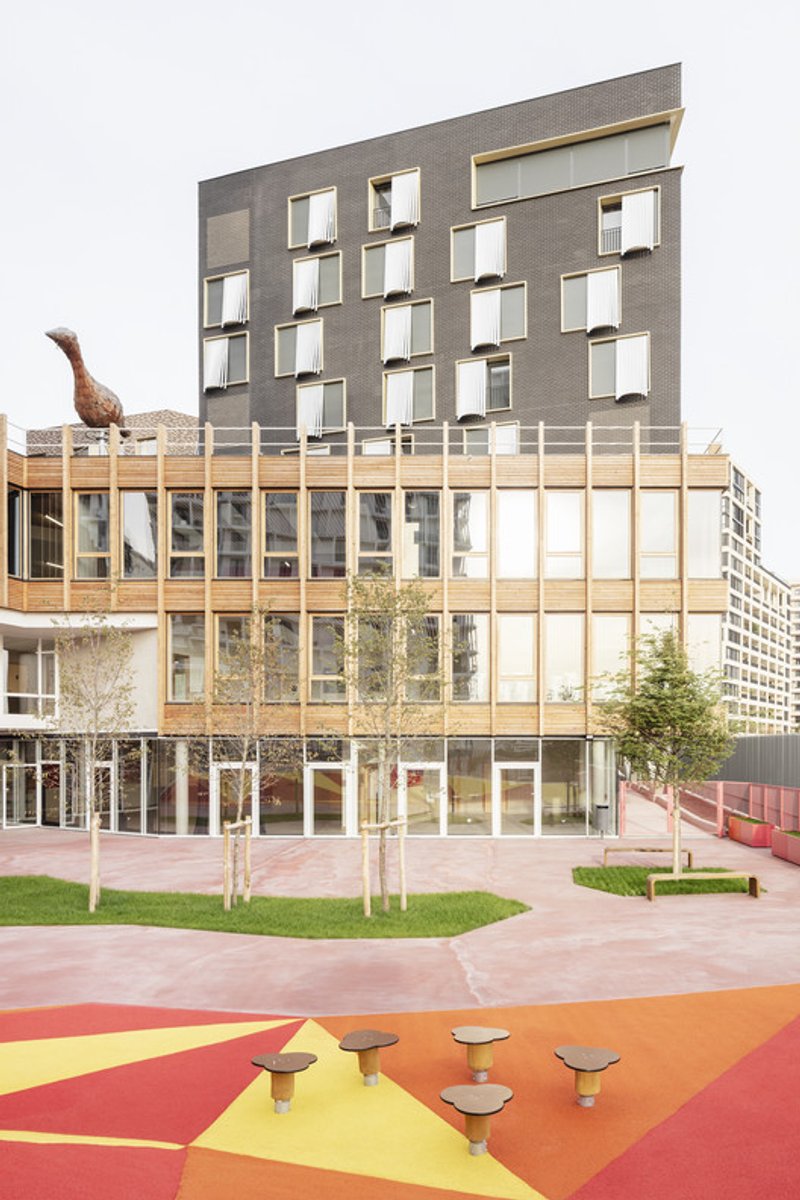
A Landmark Within Paris’ Clichy-Batignolles Regeneration
Situated in the 17th arrondissement of Paris, the Clichy-Batignolles district covers 54 hectares of revitalized land. Once dominated by railway and logistics infrastructure, the area has been transformed into a hub of sustainable urban living.
At the heart of this regeneration lies Martin Luther King Park, which serves as the green lung of the district. The O6A parcel plays a critical role by bridging the urbanized road Mstislav Rostropovitch to the west with the expansive parkland to the east, creating a fluid connection between city and nature.
Design Concept: Light, Space, and Porosity
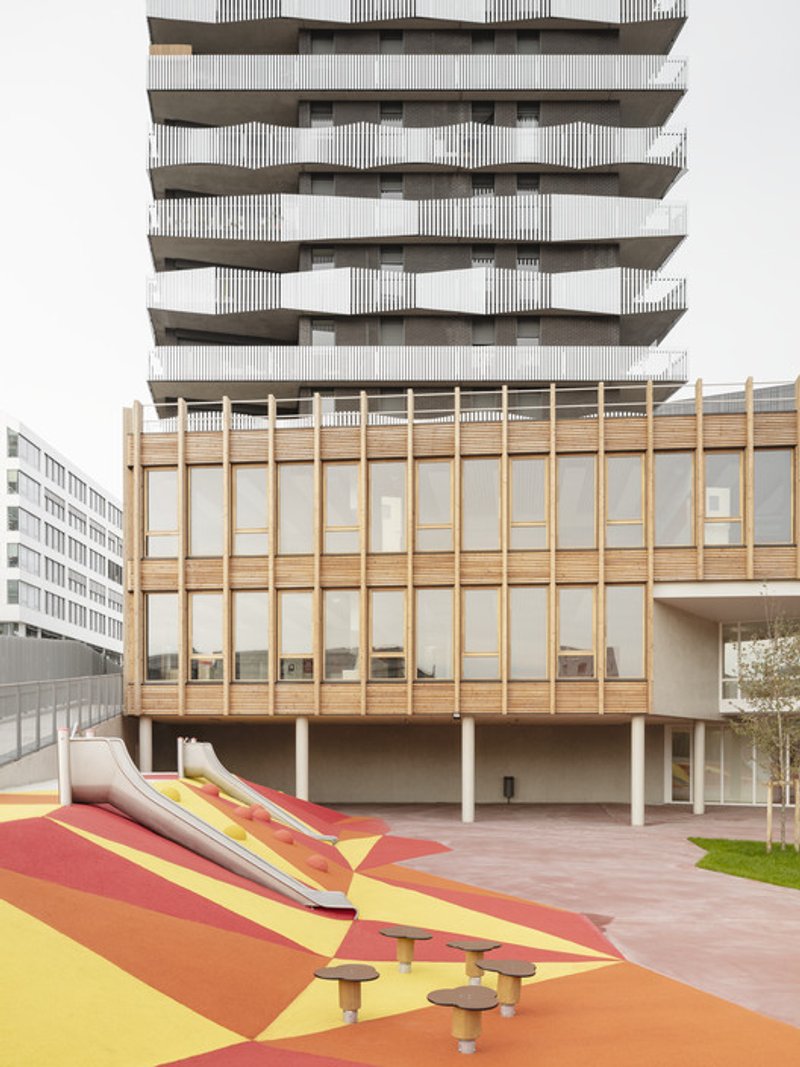
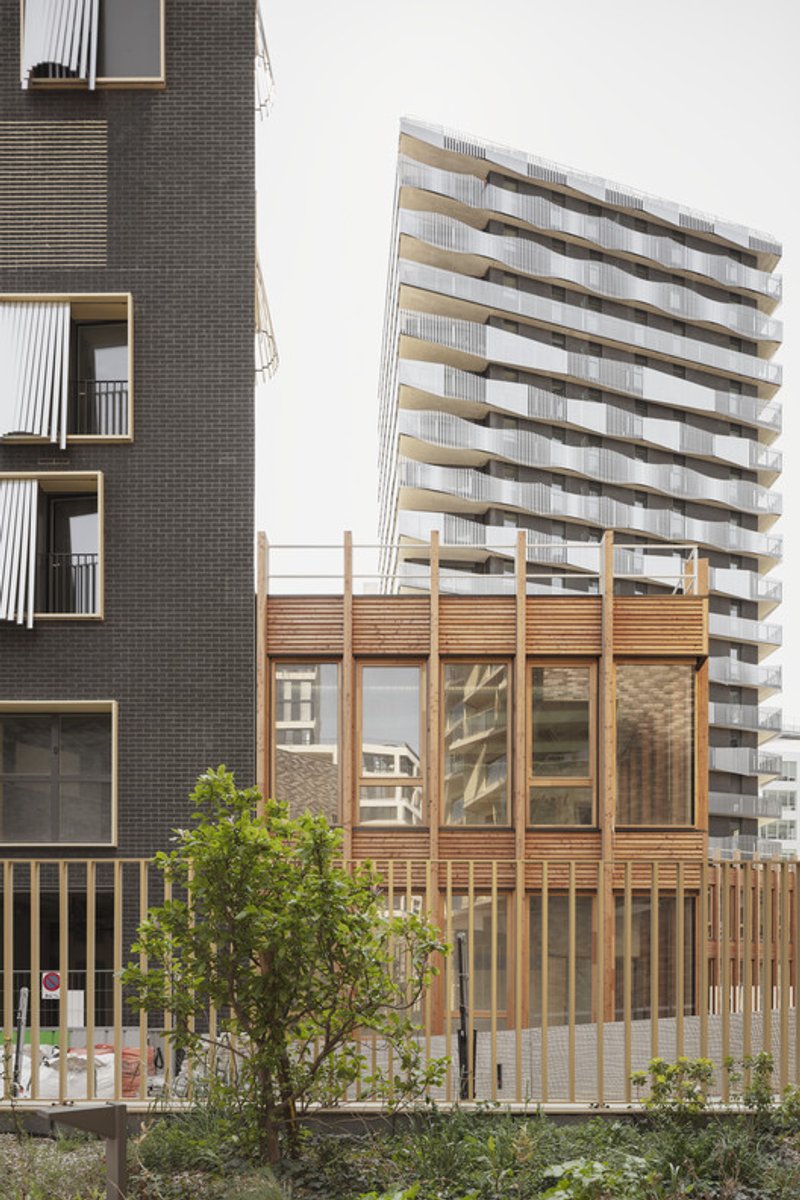
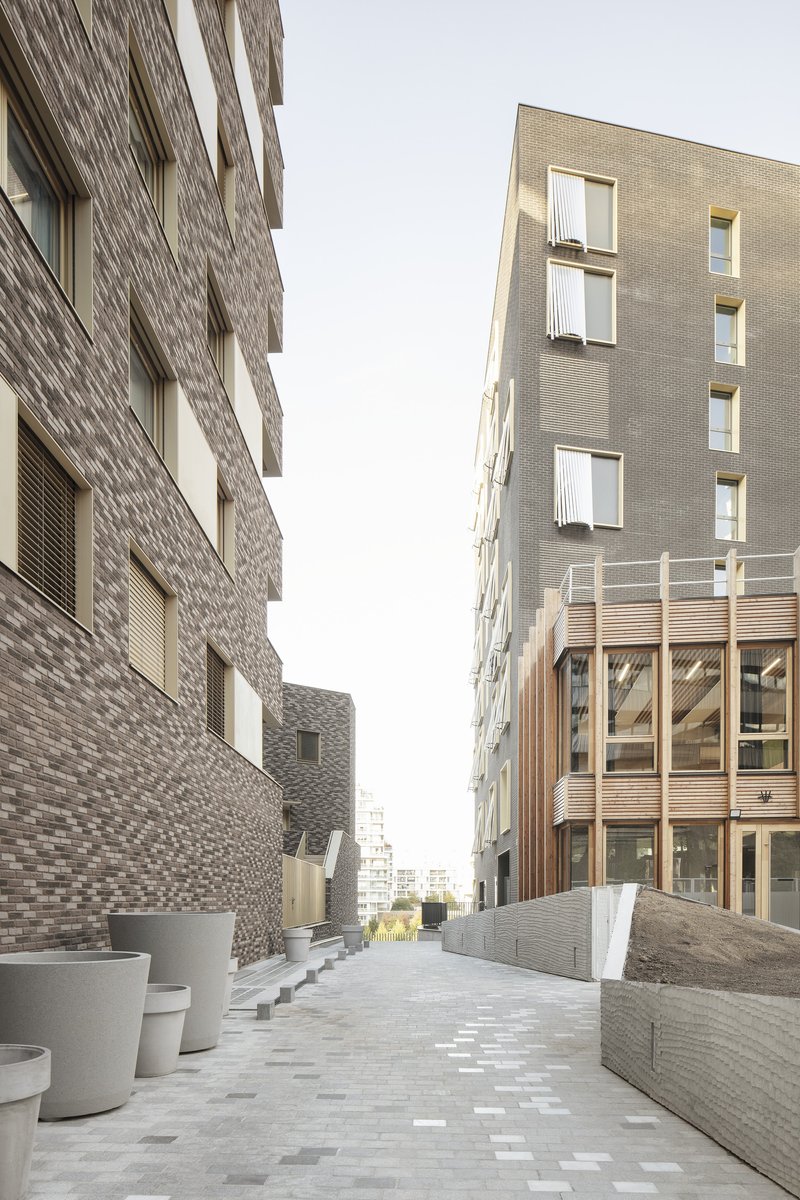
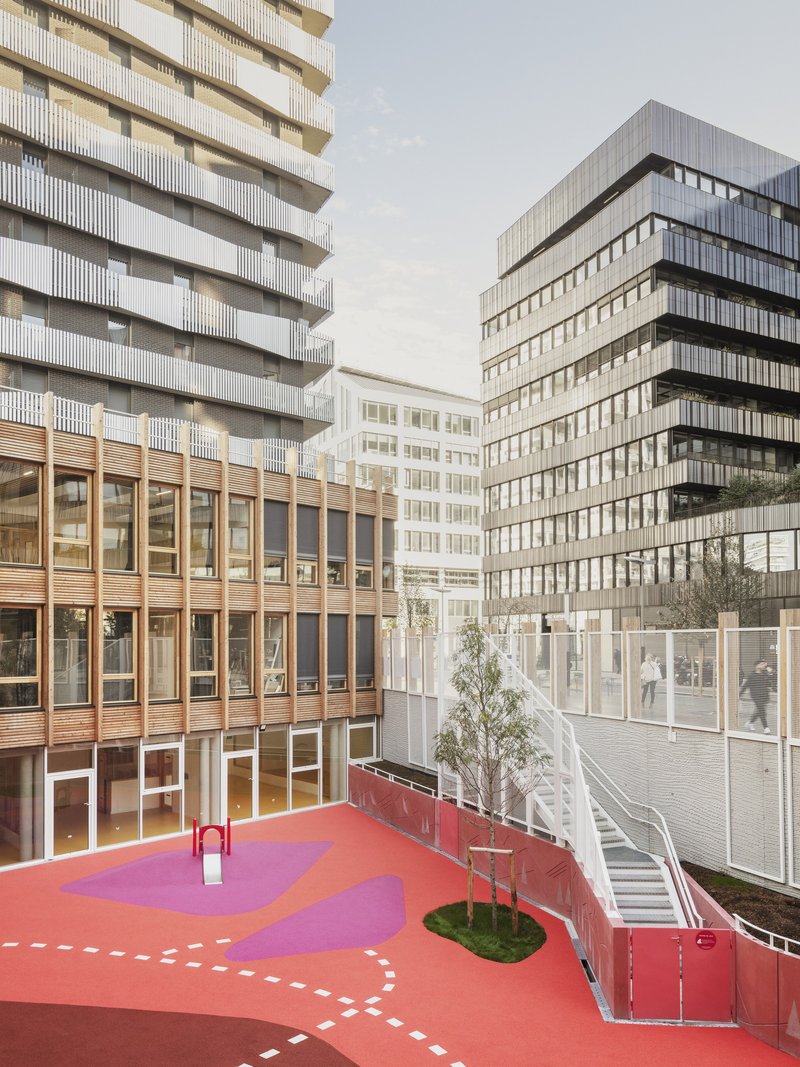
The O6A LOT Housing project is defined by its volumetric clarity and careful response to site constraints. The architects sought to maximize natural sunlight and outdoor space for the kindergarten and daycare, both integral to the design.
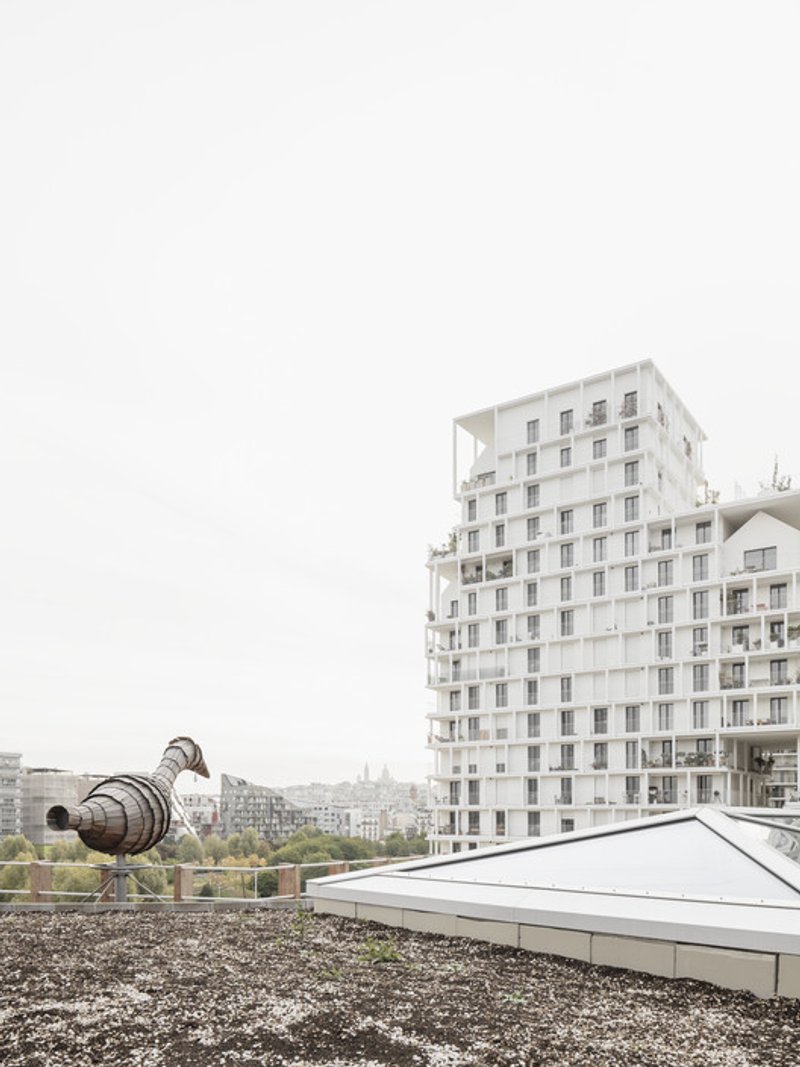
To achieve this, housing was concentrated into two vertical towers, rising up to 50 meters, aligned along the site’s north-south axis. This placement ensures that shadows fall minimally across the playgrounds, granting children access to sunlight throughout the day. At noon, the tower shadow only grazes the kindergarten roof—an intentional gesture to protect outdoor play areas.
Architectural Honesty: Raw Materials and Exposed Structures
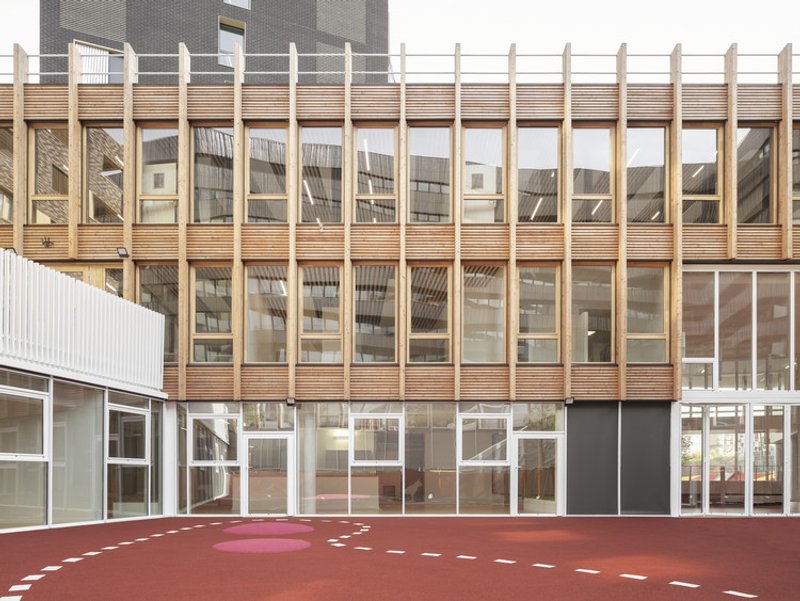
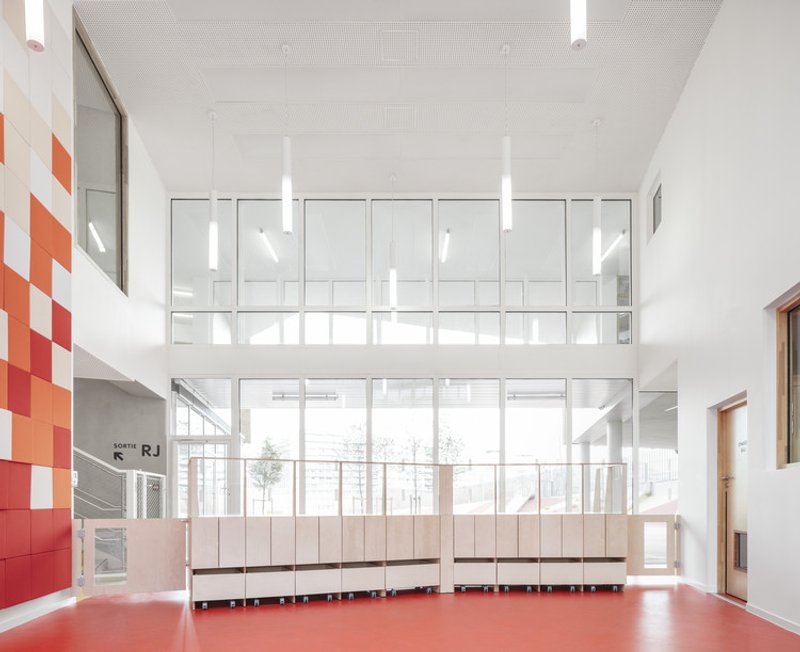
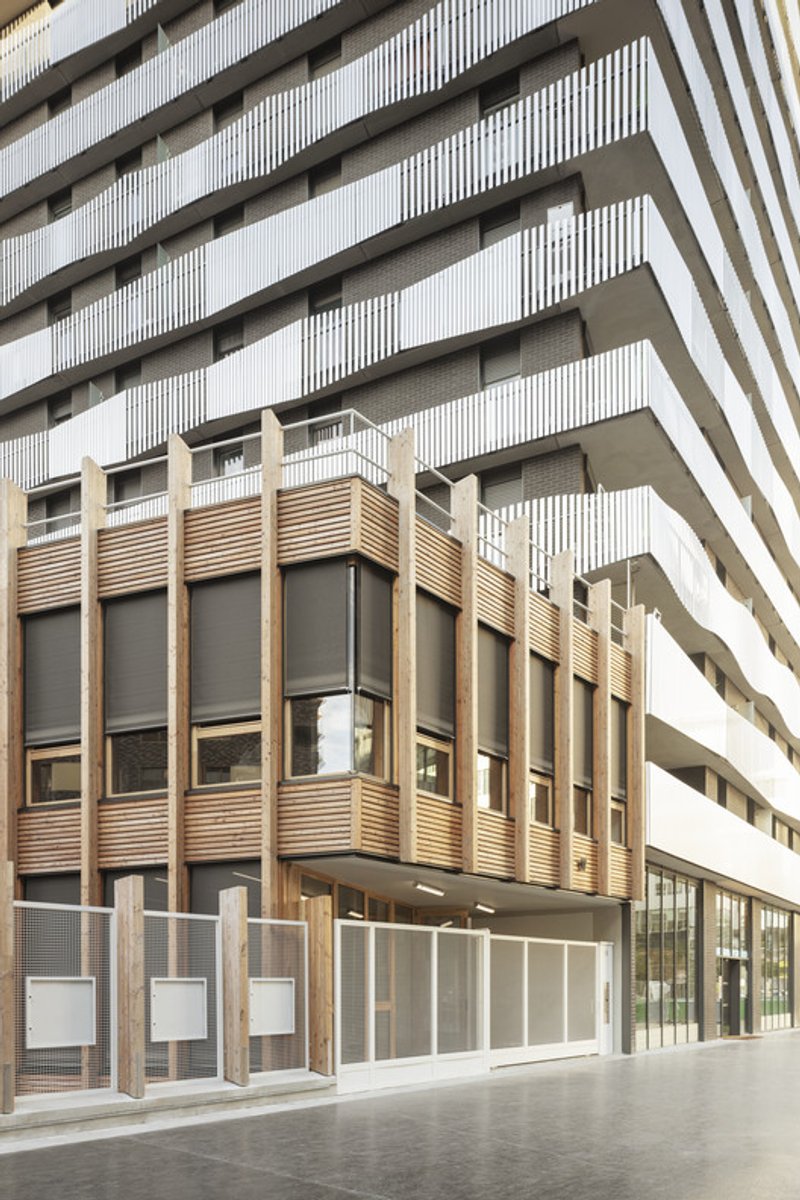
One of the most striking aspects of the project is its commitment to truth in construction. Instead of hiding technical components, the design celebrates them.
- Raw concrete walls highlight structural strength without the need for decorative finishes.
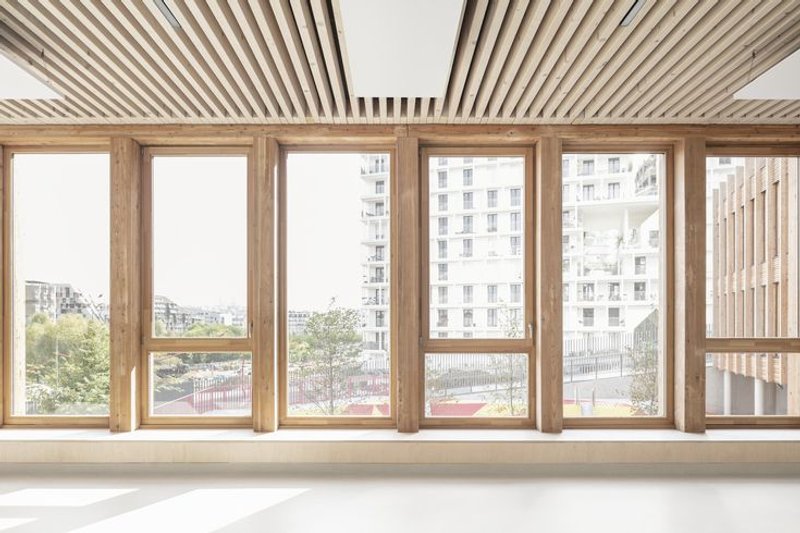
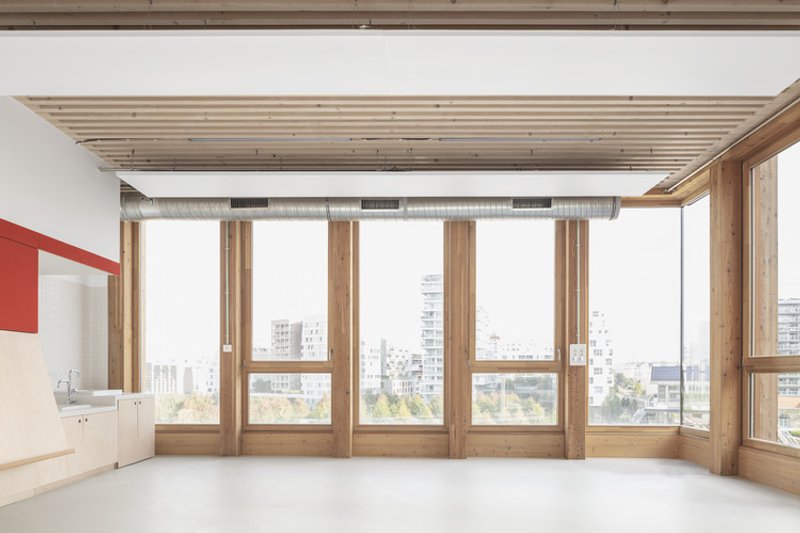
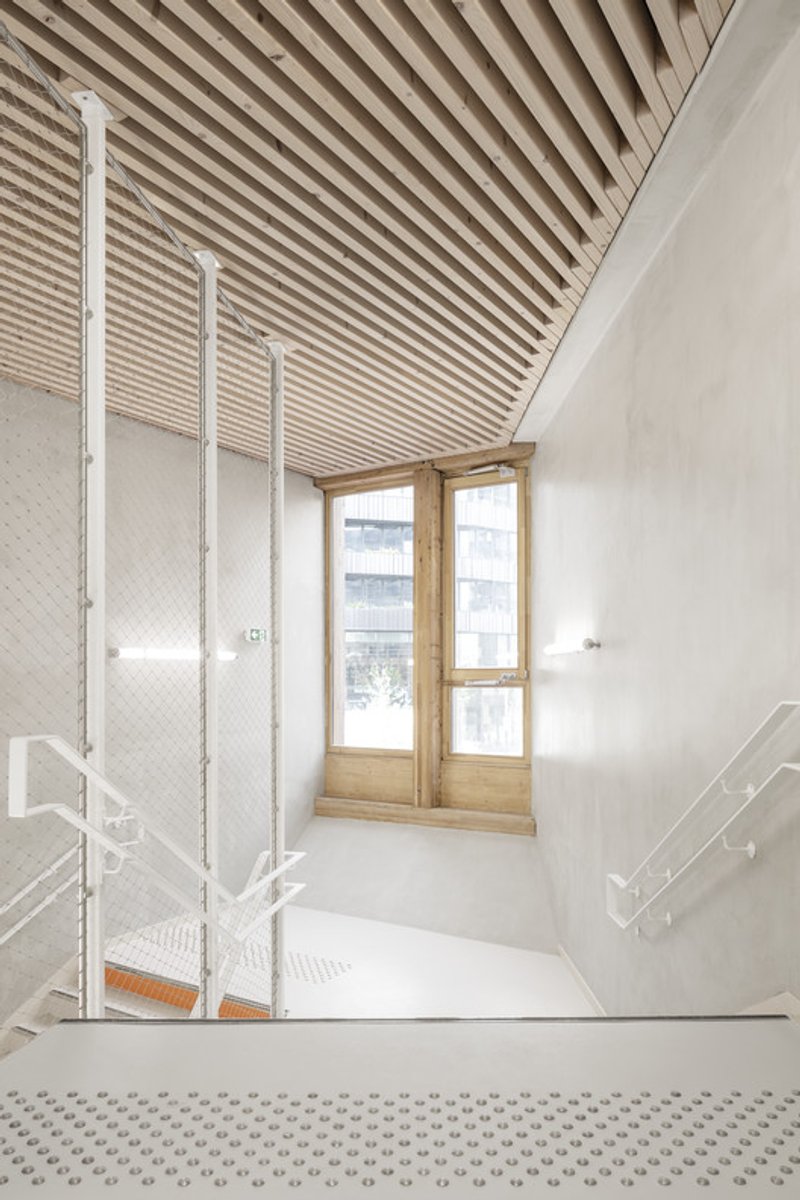
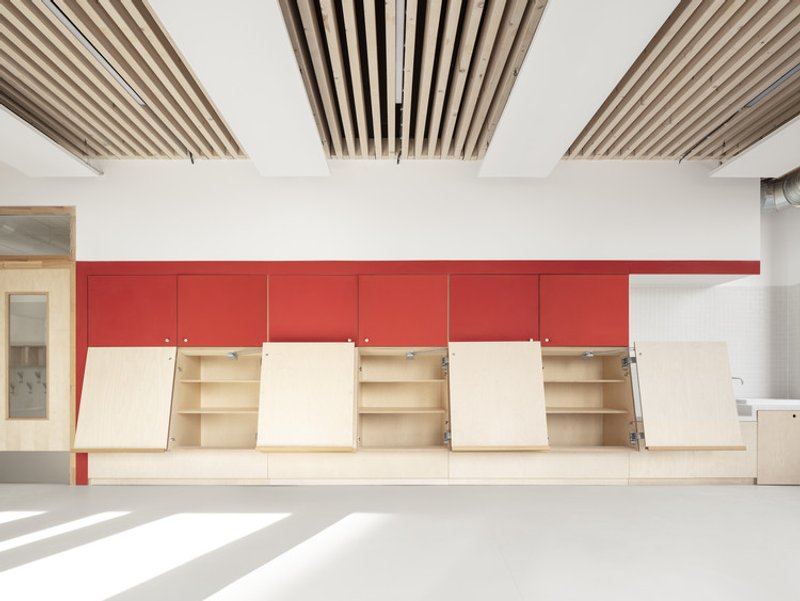
- Exposed wooden elements in the school and kindergarten emphasize warmth and natural beauty.
- Visible technical systems showcase how the building functions, creating transparency in architecture.
This approach not only reduces unnecessary material use but also enhances sustainability by valuing raw, noble materials in their purest form.
Adaptive, Flexible Spaces for Community Use
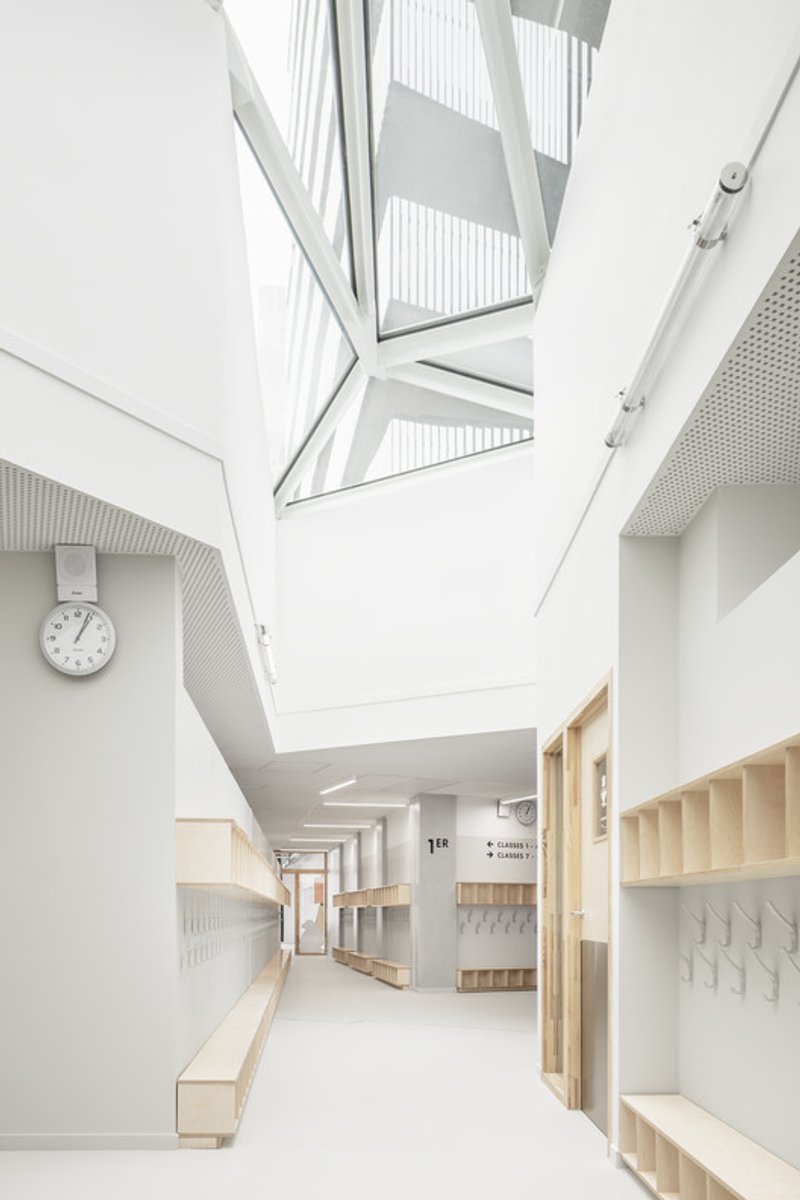
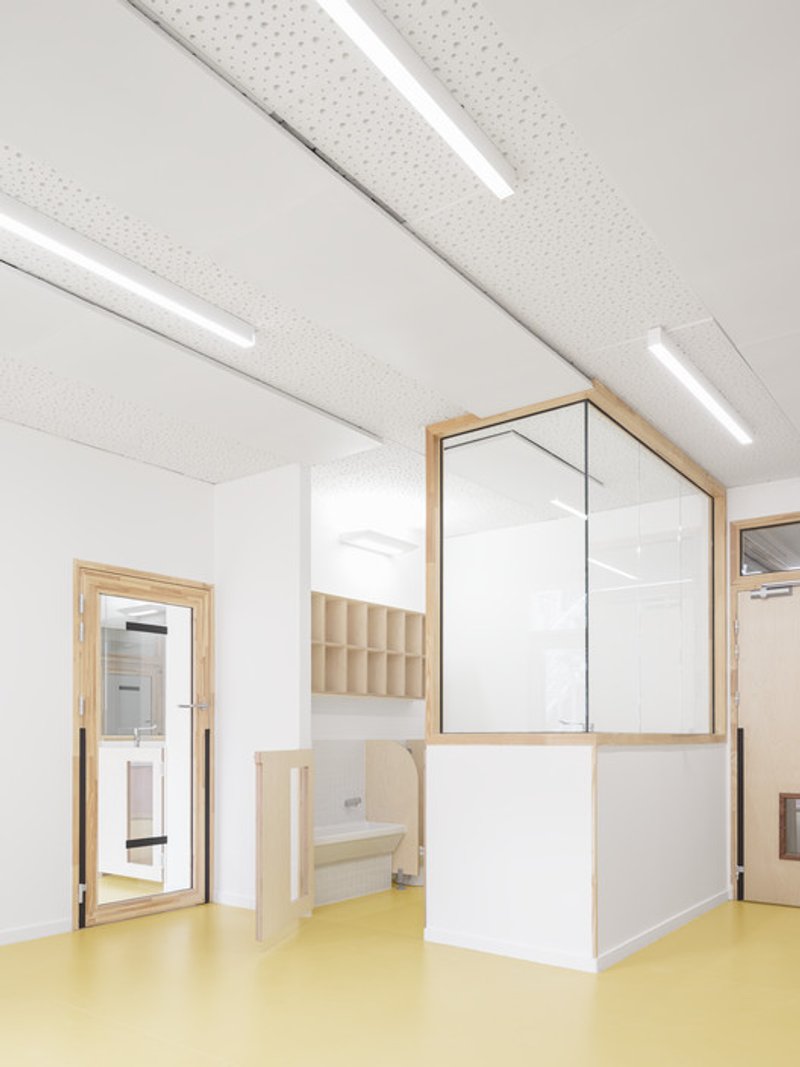
The O6A LOT Housing project reimagines how every corner of a building can be used. The design team envisioned flexible, multifunctional spaces where corridors become more than passageways—they can transform into small-group learning areas or breakout zones for students.
This adaptive architecture ensures longevity and evolving usability, making the project resilient against changing community needs.
A Socially-Driven Urban Housing Model
More than just residential towers, the O6A project integrates:
- Kindergarten and daycare facilities for young families.
- Housing units designed for density and daylight access.
- Public green connections linking the urban fabric to Martin Luther King Park.
The project reflects Paris’ vision for inclusive, sustainable urban neighborhoods, merging housing, education, and community spaces in one unified development.
The O6A LOT Housing by SAM Architecture and Querkraft is a testament to how architecture can reshape urban life. Through its commitment to sustainability, transparency, sunlight optimization, and community-driven design, the project sets a new standard for mixed-use developments in Paris and beyond.
It is not merely a housing complex—it is an urban ecosystem, fostering community, adaptability, and sustainable growth.
All the photographs are works of Schnepp Renou



Popular Articles
Popular articles from the community

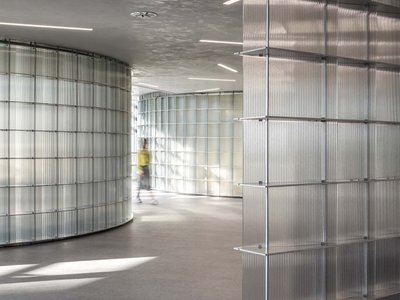
HCCH Studio Wraps a Shanghai High-Rise Office in Curved Walls of Translucent Glass
A 1,000 square meter fit-out in Lujiazui replaces the typical tech-office palette with layered glass, micro-cement, and quiet rigor.

20 Most Popular Office Building Projects of 2025
From biophilic workspaces in India to net-positive energy offices in New Delhi, 20 office building projects that defined architecture in 2025.
Ippolito Fleitz Group Identity Architects Turn Eight Floors in Shanghai into a Vertical Creative City
Publicis Groupe's new headquarters in Xintiandi reimagines the office as a courtyard-driven urban landscape stacked across eight floors.
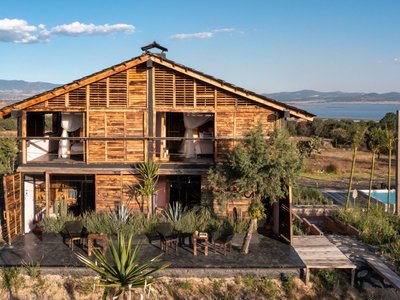
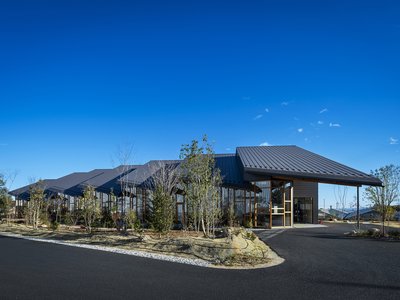
Fausto Terán and Toro Fuse Japanese Craft with Mexican Tradition in a Lakeside Retreat
Nakamura House pairs Shou-Sugi-Ban charred pine with handmade clay tile at the foot of Atlangatepec Lagoon in Mexico.


Similar Reads
You might also enjoy these articles
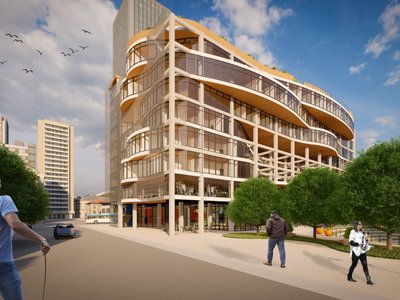
Olio Towers: A Mid-Rise for Performers That Fuses Housing, Rehearsal, and Stage
Located blocks from Houston's Theater District, this modular tower stacks living units around a central performance atrium.
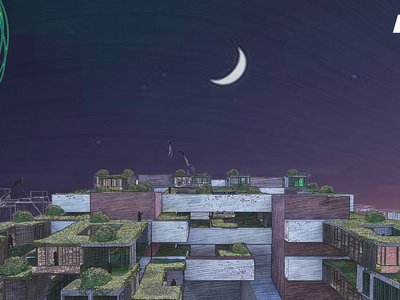
Oasis: Modular Green Housing Carved into Dhaka's Urban Fabric
A shortlisted Plugin Housing entry reclaims unauthorized settlements in Dhaka with stepped concrete volumes, green roofs, and ventilation-driven design.

Black Hole: A Floating Megastructure for the Post-Physical Era
Emiliano Mazzarotto envisions a spherical, self-scaling arena where e-sports, digital hotels, and holographic stadiums replace traditional public space.
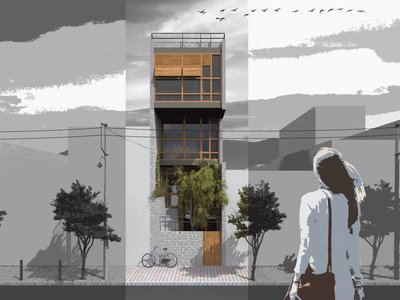
Compact & Sustainable Living in Piraeus: A Four-Level Family Home Built Around Light and Air
A narrow townhouse in one of Greece's densest port cities uses a central atrium and passive strategies to house three generations under one roof.


Explore Architecture Competitions
Discover active competitions in this discipline




The International Standard for Design Portfolios


The Global Benchmark for Architecture Dissertation Awards


The Global Benchmark for Graduation Excellence


Challenge to design mud housing for contemporary communities
Comments (0)
Please login or sign up to add comments
No comments yet. Be the first to comment!