

Octo Maidan
rethinking of Mina Tents City RETURN OF HAJJI EXPERIENCE: - lack of orientation within each maqtab - desert cooler equal to sand blaster and leaded to many pneumonia - sanitary block are far away from minimum standards of hygiene, and are not enough in number: 108 for 6,000 people= 0,018 per person... ablution, toilet and shower are fused into one sole space... - density was higher than the said occupancy ratio; more around 56 people for 64 sqm, then 1,14 sqm per person only... which put it higher than UNHCR refugee camps (set in 2021 at 2,6. sqm/person). - same place for every moment of the day: resting/sleeping, praying, eating, reading... - no buffer sas with exterior: dust, shoes mess, loss of cooled air - all generation cannot bear the same rustic experience - food typical tray was prepared on site on dirty kitchen - trash collection and management is feeding an army of illegal migrants, while many enhancement could be pursued WHAT COULD BE ENHANCED: generally provide more sense of location by: different typical buildings: living / multifunction / sanitary reset/allow the worshipping activities to be at the core of the facilities during Mina stay work out a better thermal insulation and cooling/venting system of the living module rethink the sanitary hygiene facing the 5 days a year peak load radically change the approach of pilgrims meal preparation and distribution and setup higher standards of practice for trash management: remove the plastic bottles from all pilgrims hands, right from airport landing in KSA by banning single use plastic, and setting up drinkable water funtains all across the maqtabs food trays shall be washable for reuse, in aluminum instead of plastic again ending up piling in the bins preferably organise an industrial kitchen outside Mina, delivering hygienicly prepared food trays, which may reflect a bit more the diversity of the world culinary ... SPIRIT OF HAJJ: coming together in humility for a lifetime journey.



Popular Articles
Popular articles from the community

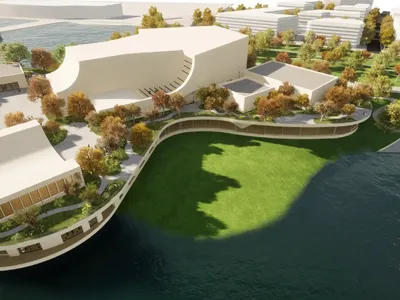
The Amber Palace Opera: A Geological Fiction Surfaces on Tallinn's Baltic Waterfront
Pierre Brillard reimagines a Baltic legend as a public landscape, opera house, and waterfront promenade rooted in Tallinn's coastal identity.
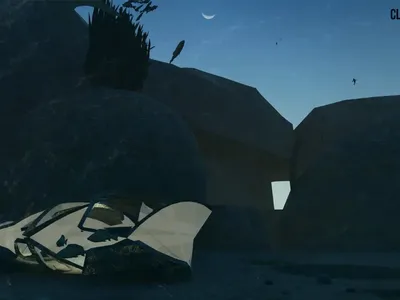
Cloaked Colonization: A Mobile Underwater Habitat That Moves Like a Fish
Micah Abaya's shortlisted EHC Pacific entry reimagines ocean settlement as a dispersed network of self-sustaining architectural organisms.
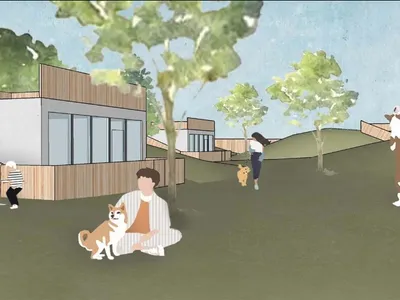
Temporary Home for Dogs: A Reversed Zoo Rethinks Animal Shelter Architecture
In Bucharest, a sinuous corridor and freed landscape flip the logic of containment, designing a shelter that works to make itself unnecessary.
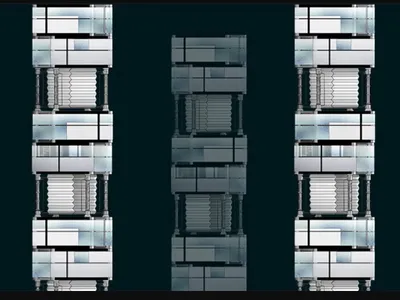
Tsunami Convergenics: Turning Catastrophic Ocean Forces into Underwater Housing Infrastructure
A speculative underwater settlement off the coast of Onagawa, Japan, treats tsunamis and typhoons as energy sources rather than threats.

Similar Reads
You might also enjoy these articles

Shakur's House: Exposed Brick as an Interior Organiser in a 168 m² Mashhad Residence
Brick moves indoors in this Mashhad residence, where masonry walls, glass partitions and teal planes sequence a compact home without closing it off.
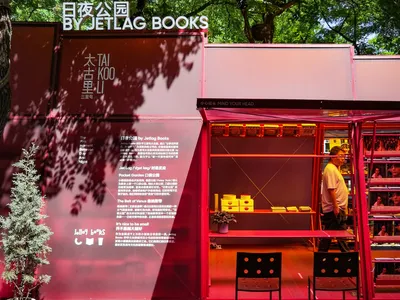
Day and Night Park: A Time-Based Urban Newsstand in Beijing
A temporary urban newsstand in Beijing blending travel, light, and reading through poetic colors, compact form, and community-focused design.

Modernist Patio Renovation in El Masnou, Barcelona by Oliver Segura Arquitectura + Cebrià Arquitectura
Modernist patio renovation blending tradition and innovation with a movable pool, leveled floors, and Catalan materials in El Masnou.
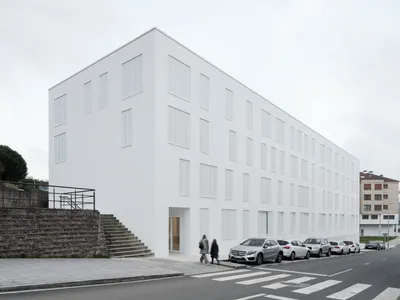
Alto Residencial Coop: Cooperative Housing Development in Santiago de Compostela by Carbajo Barrios Arquitectos
A linear cooperative housing complex blending white volumes and perforated metal façades, enhancing community living, natural light, privacy, and urban integration.


Comments (0)
Please login or sign up to add comments
No comments yet. Be the first to comment!