
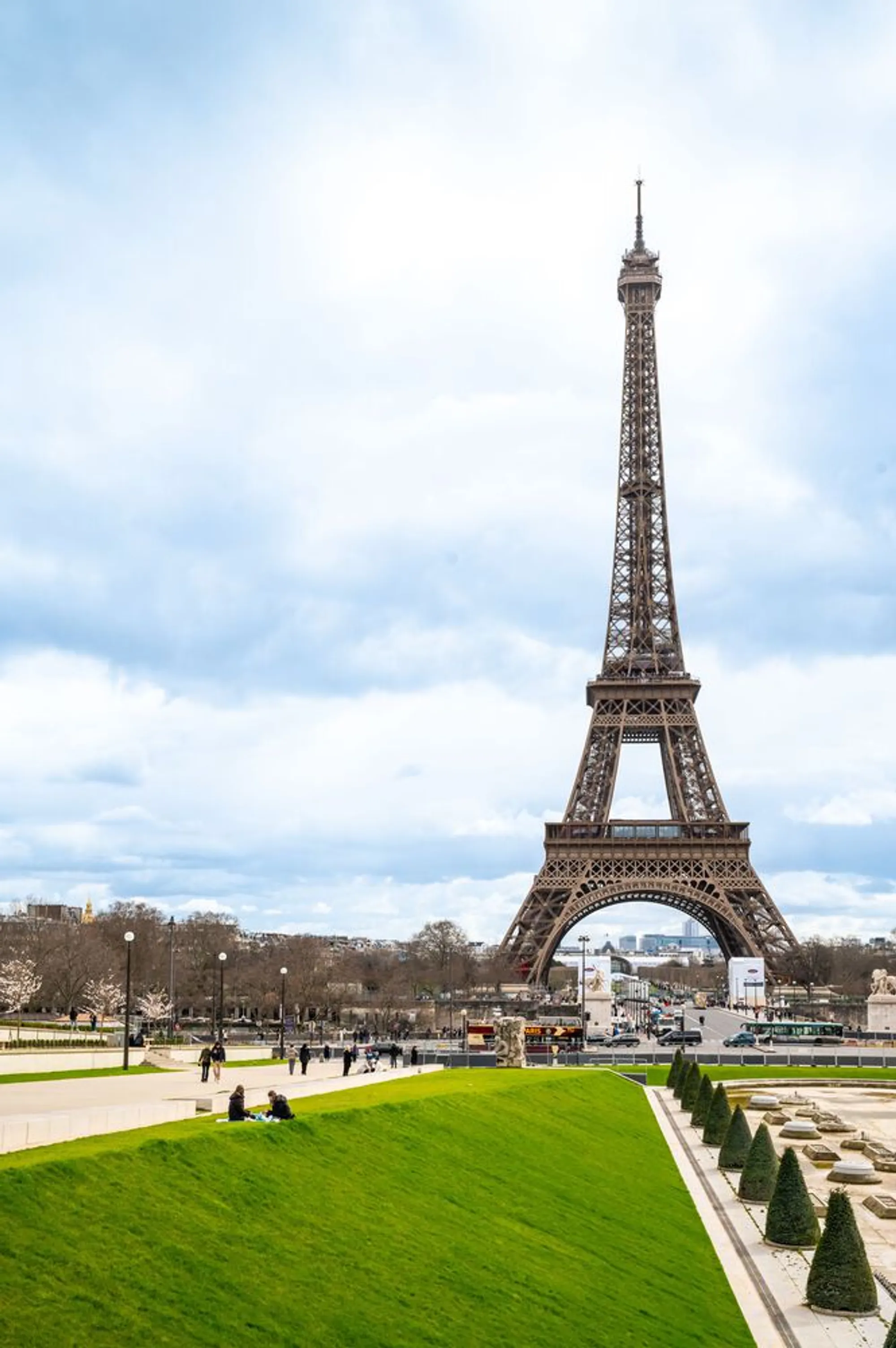
Olympic Services at the East Gardens of Trocadéro: Restoring a Hidden Infrastructure for Paris 2024
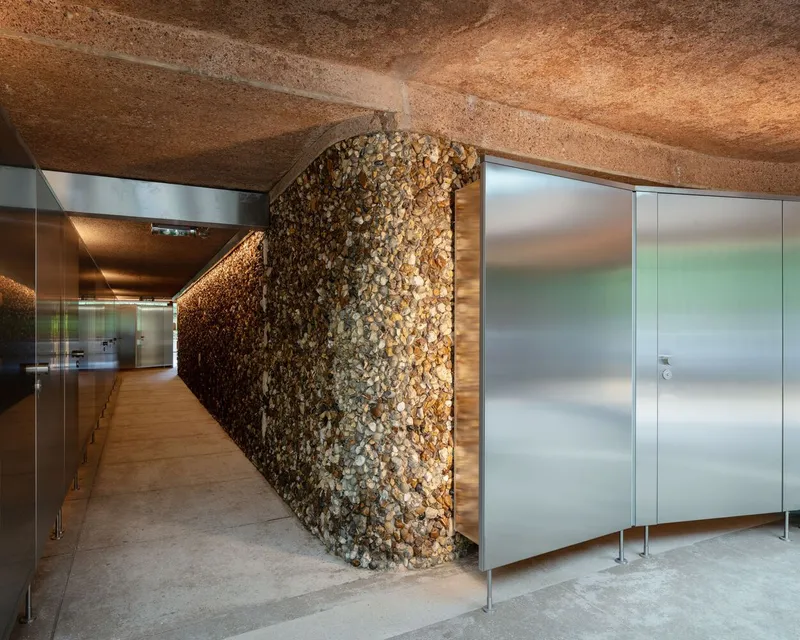
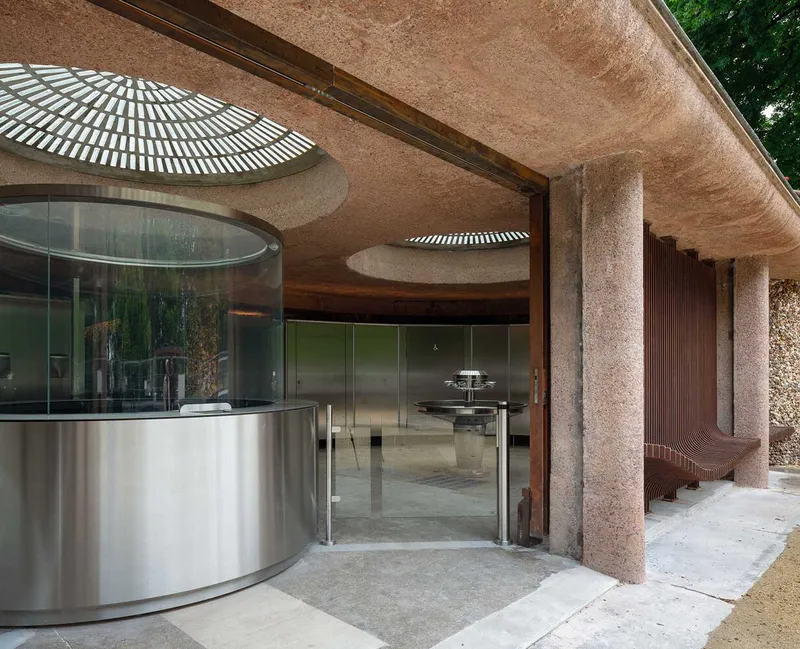
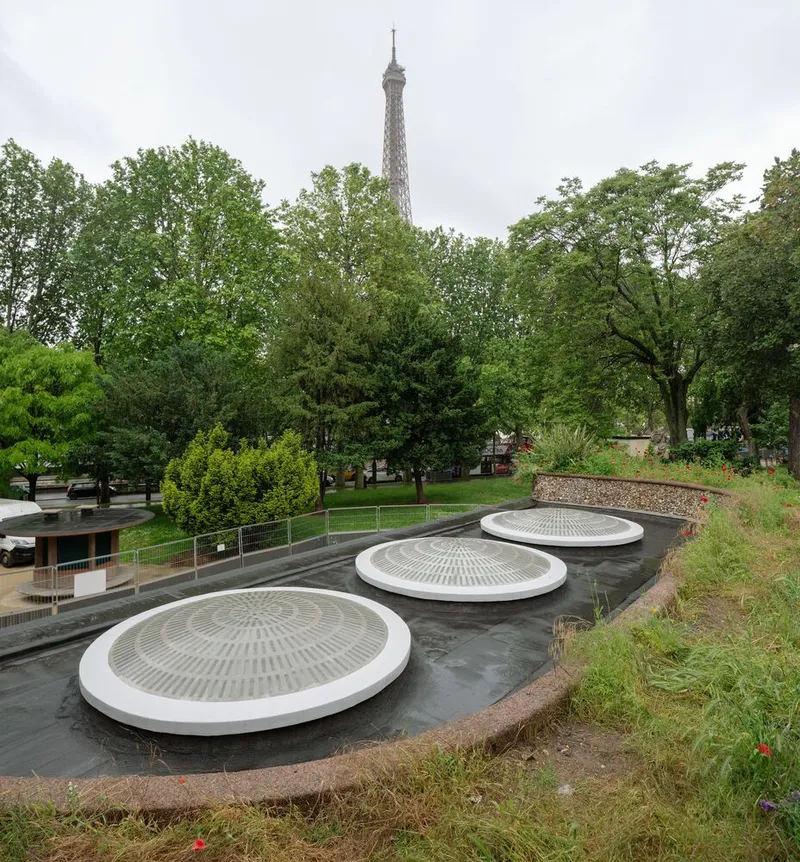
Restored underground Olympic service passage at Trocadéro, combining stainless steel interventions with historic flint, pink concrete, and carefully integrated architectural lighting.


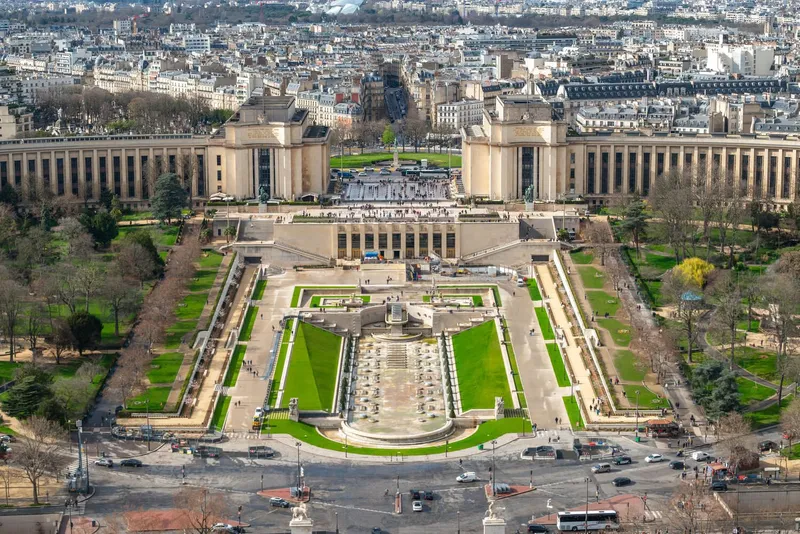
Located beneath one of Paris’s most emblematic urban landscapes, the Olympic Services of the East Gardens of Trocadéro project represents a precise and restrained act of architectural restoration. Designed by Chartier-Corbasson Architects, the intervention reactivates an underground passage beneath Avenue des États-Unis, transforming a formerly utilitarian storage space into a functional, legible, and historically sensitive infrastructure in preparation for the Olympic Games.
Part of the broader OnE (Olympic and Eiffel) redevelopment strategy, the project contributes to the comprehensive rehabilitation of the Eiffel Tower axis, stretching from the École Militaire to the Trocadéro Gardens. Rather than erasing traces of the past, the architects chose to reveal, preserve, and subtly enhance the layered history embedded within the site.
A Site Marked by History and Memory
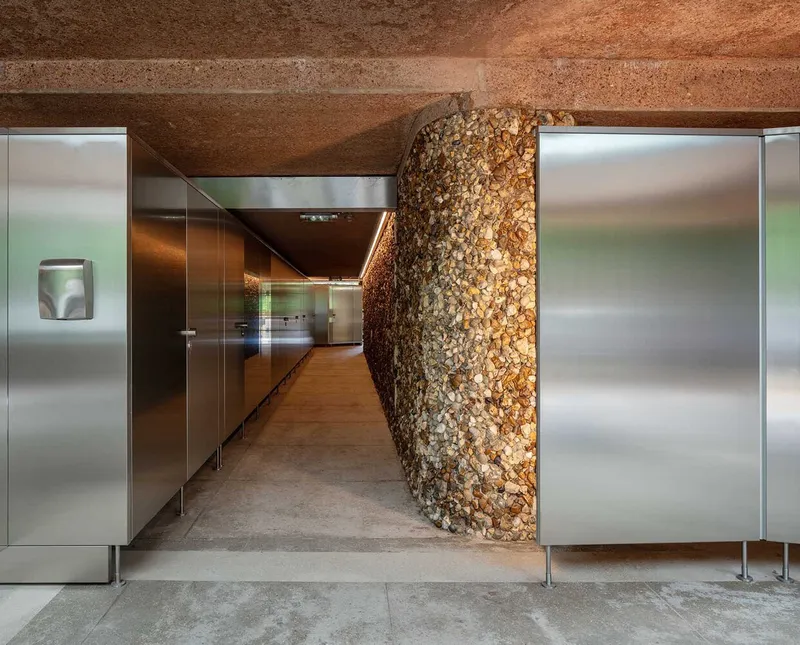
Originally designed in the 1930s, the underground structure belongs to a family of bush-hammered pink concrete constructions built in 1937 by architect Roger Lardat, symmetrically framing the Trocadéro Gardens. Over decades, the passage accumulated physical and symbolic layers, including flint stones engraved with the names of American soldiers and U.S. states, dated between 1944 and 1945, silent witnesses to Paris’s wartime liberation.
These historical traces became a central narrative driver of the project. Rather than concealing them, Chartier-Corbasson Architects emphasized their presence, allowing the site’s memory to coexist with contemporary Olympic functionality.
Minimal Intervention, Maximum Readability
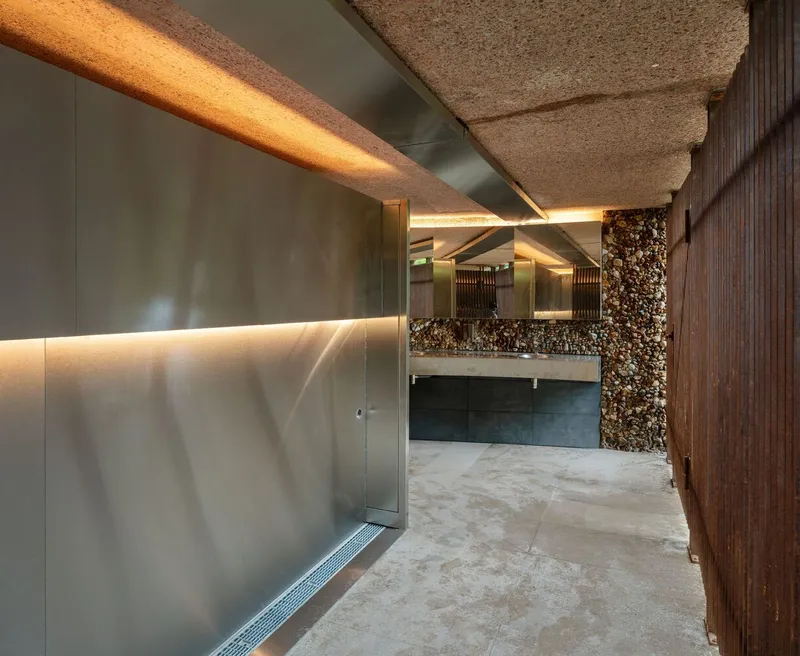
The architectural strategy is defined by radical restraint. The entire contemporary intervention is executed in stainless steel, deliberately contrasting with the existing palette of flint walls and pink concrete. This single-material approach ensures immediate legibility between old and new, allowing visitors and users to clearly distinguish the historical structure from the contemporary additions.
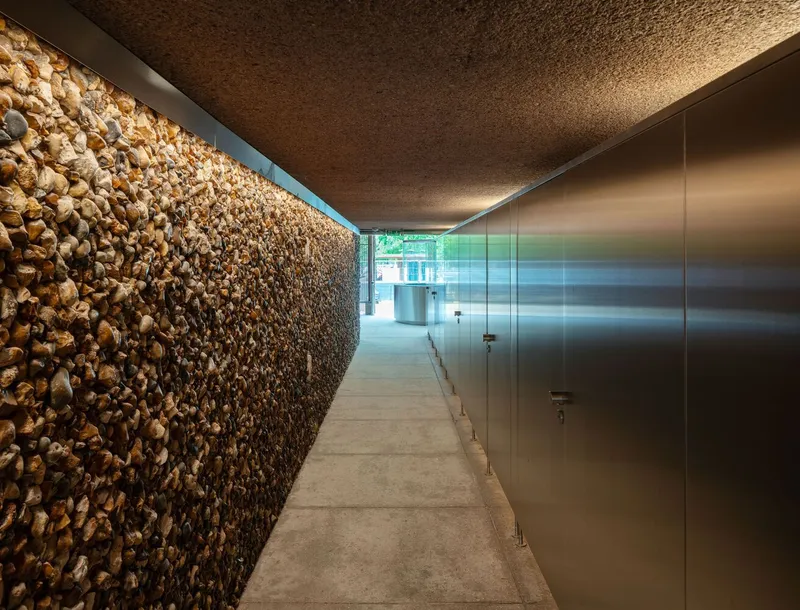
The passage typology itself is reinterpreted as an outdoor, naturally ventilated space, perfectly suited to its new role as an Olympic service facility. Artificial lighting is used sparingly and strategically, grazing the textured surfaces of the flint and concrete to heighten their material presence and reveal construction details otherwise lost to darkness.
Precision Restoration of a Fragile Structure
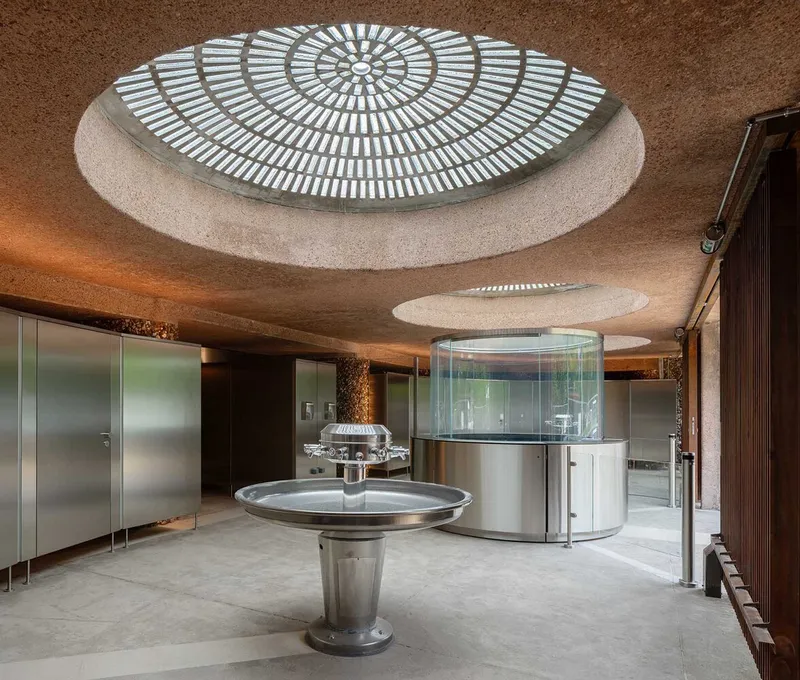
Beyond architectural clarity, the project demanded meticulous technical restoration. The original glass domes were reconstructed using newly manufactured glass blocks, precisely matching the original dimensions and textures. Flint stones lining the passage walls were removed, cleaned, and reattached individually, ensuring material continuity.
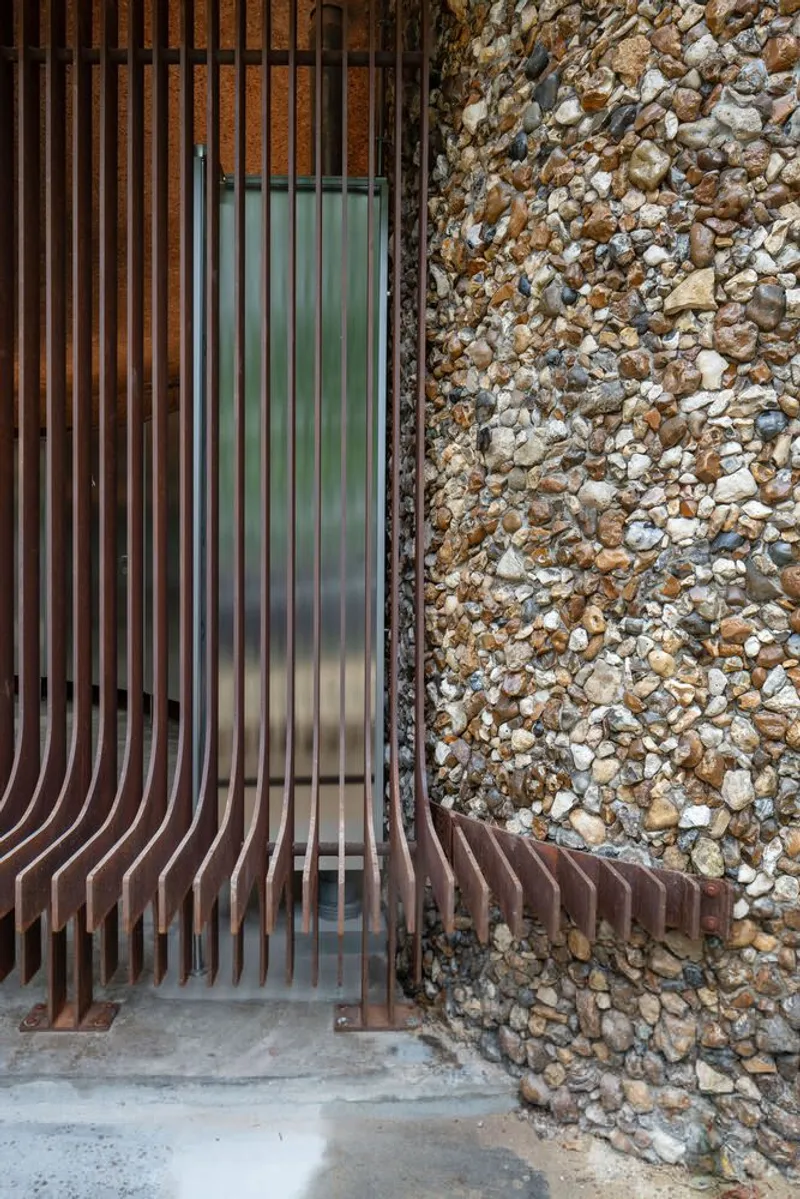
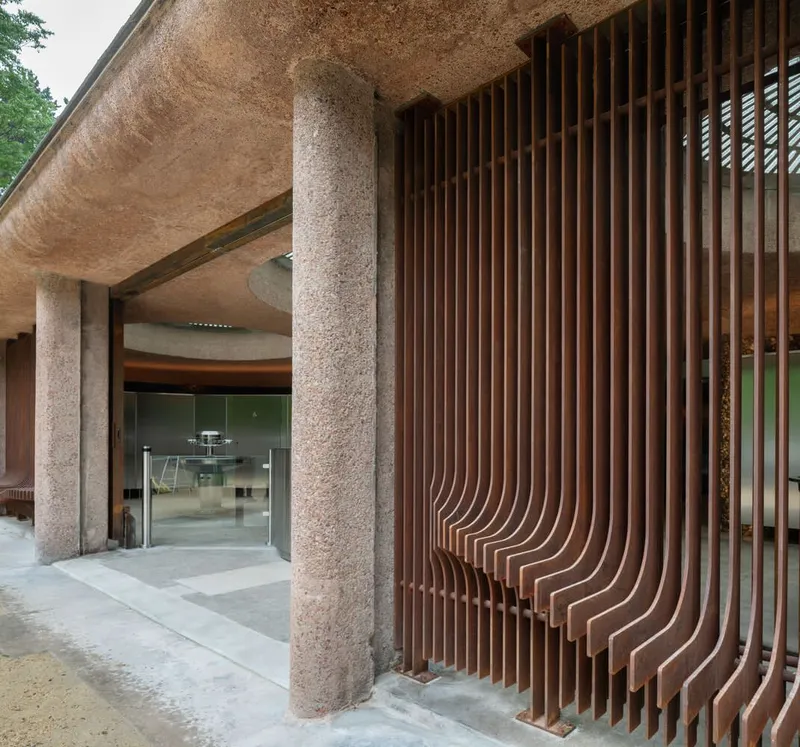
The pink concrete structures underwent hydro-blasting to remove decades of degradation. Where necessary, partial demolition exposed corroded reinforcement, allowing new concrete pours to be integrated seamlessly. A final sandblasted finish unified old and new surfaces, preserving the original architectural language while meeting contemporary performance standards.
Engineering Responses to Urban Constraints
Situated directly beneath a heavily trafficked roadway where tour buses regularly park, the passage is subjected to intense structural and environmental stress. Rather than intervening at street level, the design team opted for an internal solution to water infiltration.
Custom stainless steel internal gutters collect and manage infiltrated water from below, extending into sculptural soffits that also conceal linear lighting systems. This dual-purpose design elegantly merges technical necessity with architectural expression.
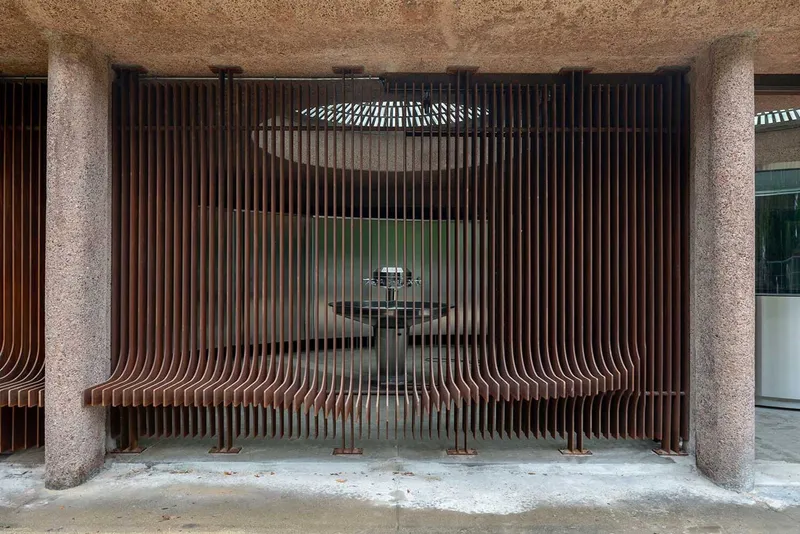
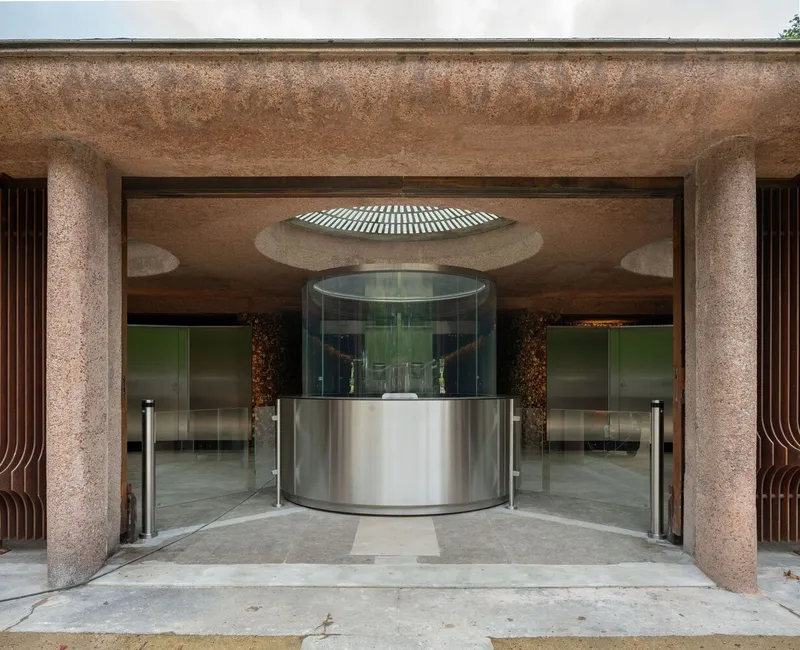
At the facade, a sliding Corten steel grille closes the space when not in use. More than a security element, the grille integrates sculptural seating, transforming waiting time into a spatial experience while reinforcing the project’s urban furniture dimension.
Extending the Restoration: Warsaw Fountain
Closely associated with the tunnel rehabilitation, the renovation of the Warsaw Fountain, located beneath the Trocadéro square, formed an integral part of the project scope. Originally built in 1937 by architects Henri Expert, Paul Maître, and Adolphe Thiers, the fountain restoration continues the broader ambition of preserving and reactivating the monumental infrastructures surrounding the Eiffel Tower precinct.
Infrastructure as Cultural Architecture
The Olympic Services of the East Gardens of Trocadéro exemplify how infrastructure can transcend pure functionality. Through careful restoration, minimal material intervention, and respect for historical layers, the project transforms a forgotten underground passage into a dignified architectural space that serves both the logistical needs of a global event and the cultural continuity of Paris.
This project demonstrates that sustainable urban transformation is not always about adding more: but about revealing what already exists, allowing history, materiality, and contemporary use to coexist in quiet balance.
Project Details
Architects: Chartier-Corbasson Architects Location: Paris, France Year: 2024 Photographs: Yves Marchand, Romain Meffre, Hervé Piraud MEP Consultants: Inex Structural Engineer: Bollinger+Grohmann Acoustics Consultant: Avel Construction Project Manager: Planet Management
All photographs are works of
Yves Marchand, Romain Meffre, Hervé Piraud


Popular Articles
Popular articles from the community


The Ocean Hive: Sustainable Architecture for a Self-Sufficient Civilization at Sea
The Ocean Hive imagines sustainable architecture at sea, where modular habitats, algae, wave power and ocean waste sustain a growing colony.

Co-Life: Senior Housing Design That Reconnects Older Adults With the City
Co-Life reimagines senior housing design through healing gardens, shared streets, workshops, and a sustainable community across generations.

Play: Fragments of Their World
Familiar architecture becomes modular playground design, creating safe spaces where displaced children can learn, connect, imagine and play.

Riyadh For All: Intergenerational Urban Design for Active Aging in Rabat
Riyadh For All reimagines urban design in Rabat with intergenerational co-living, adaptive courtyards, and Moroccan cultural exchange today.

Similar Reads
You might also enjoy these articles

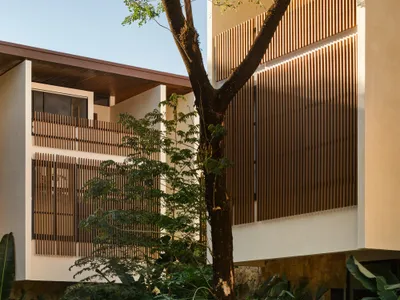
FAMM Arquitectura Organizes Ten Villas Around Courtyards and Jungle in Nosara, Costa Rica
El Molino pairs two elongated volumes with deep overhangs and timber louvers to build a compact coastal community five minutes from the beach.
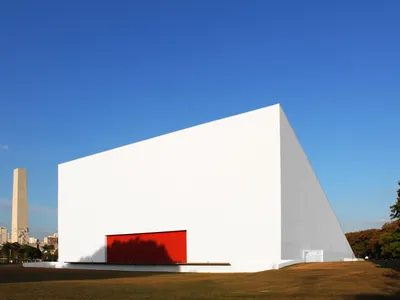
Oscar Niemeyer's Ibirapuera Park Pavilions Define São Paulo's Cultural Identity in Concrete and Curve
A constellation of modernist volumes set within São Paulo's most important urban park, conceived for the city's 400th anniversary in 1954.
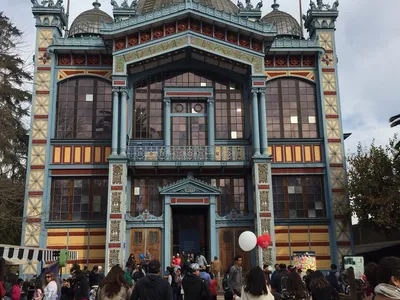
How Henri Picq's 1889 Paris Pavilion Traveled 11,000 Kilometers to Become Santiago's Artequín Museum
A prefabricated iron and glass pavilion built for the Paris Universal Exposition found a second life as a children's art museum in Chile.
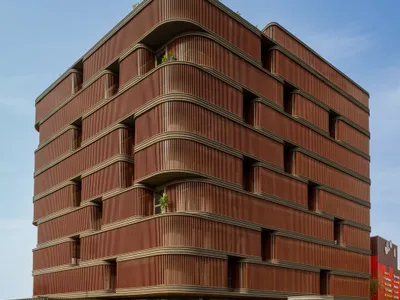
Sanjay Puri Architects Wraps a Jaipur Office Tower in Capsule-Shaped Green Buffers
A nine-level climate-responsive workplace near Jaipur Airport uses stacked planter terraces and aluminium screens to fight 40°C heat.

Explore Public Building Competitions
Discover active competitions in this discipline


Challenge to design locus for the upliftment of human rights


Challenge to reimagine the Iron Throne


Photograph architecture without architects


Illustrate the lost glory of Angkor Wat - Render Challenge
Comments (0)
Please login or sign up to add comments
No comments yet. Be the first to comment!