
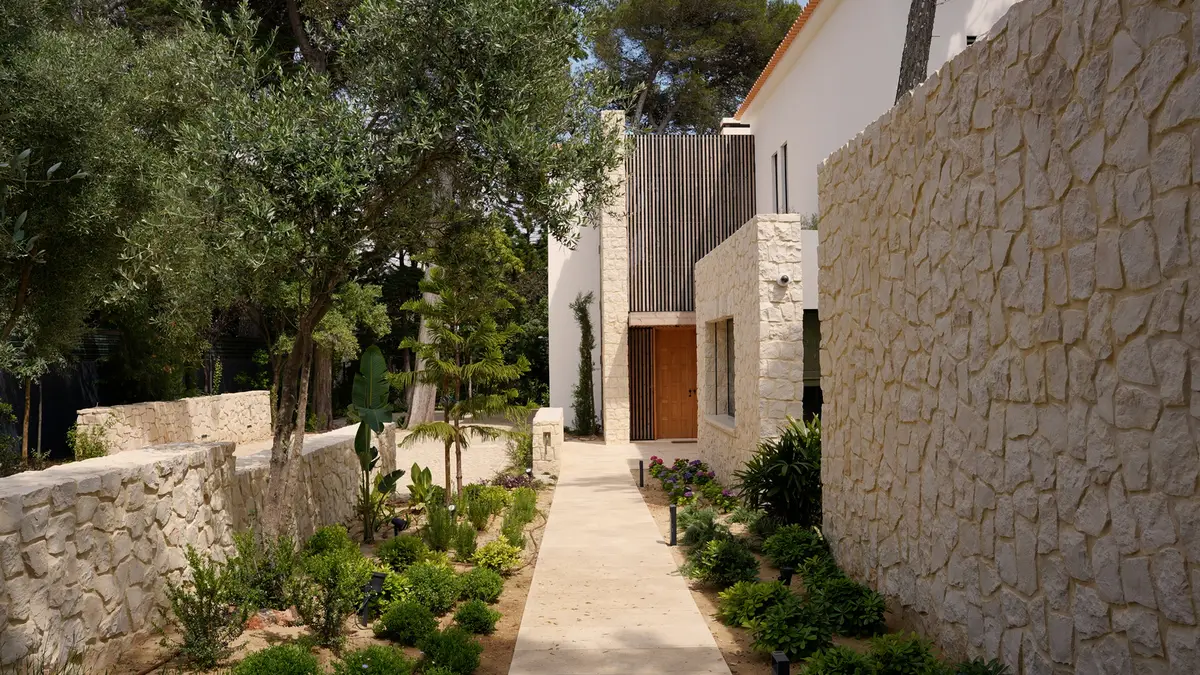
Opening Up: Exploring Lisbon’s Light Through a Minimalist Villa in Cascais
Minimalist Cascais villa by Bruno Novo blends natural light, coastal elements, and open spaces, creating a serene modern holiday retreat.


Located in the coastal town of Cascais, just a short distance from Lisbon, this minimalist Portuguese villa exemplifies how architecture can be shaped by light, landscape, and simplicity. Part of the ongoing “Opening Up” series, this project highlights the work of architect Bruno Novo, who reimagines a holiday home through the lens of natural illumination and spatial openness.
Set along the scenic Riviera Portuguesa, the villa is deeply connected to its surroundings. Designed as a tranquil retreat, the home embraces its seaside context, allowing ocean light, coastal breezes, and natural textures to define the living experience. The architecture prioritizes calmness and clarity, offering a seamless blend between indoor and outdoor environments.
Minimalist Architecture Rooted in Nature
The design philosophy centers on minimalist architecture, where less becomes more. Clean lines, uncluttered interiors, and neutral materials create a serene atmosphere that enhances the presence of natural light. Large openings and carefully positioned apertures allow sunlight to flow freely throughout the space, transforming the villa into a dynamic environment that changes throughout the day.
Natural elements such as stone, wood, and soft-toned finishes reinforce the connection to the landscape. These materials not only add warmth but also ground the home within its coastal setting. The result is a balanced composition where architecture and nature coexist harmoniously.
Designing for Light, Space, and Family Living
This Portuguese villa is more than a visual statement, it is designed for functionality and comfort. Conceived as a family holiday home, the layout emphasizes openness, flexibility, and fluid movement. Living areas extend դեպի outdoor terraces, encouraging a lifestyle that embraces both privacy and social interaction.
The integration of light becomes a central architectural feature, shaping how spaces are experienced. From soft morning illumination to warm evening tones, light defines the mood of each room. This approach reflects a broader trend in contemporary architecture, where natural light is treated as a fundamental design element rather than a secondary feature.
A Contemporary Story of Lisbon’s Architectural Identity
As part of the “Stories of Lisbon’s Light” series, this project captures the essence of modern Portuguese architecture. It showcases how thoughtful design can elevate everyday living while remaining deeply rooted in local context. Through simplicity, material honesty, and an emphasis on light, the villa stands as a refined example of contemporary coastal living.


Popular Articles
Popular articles from the community


Faces of the Soviet Avant-Garde: Turning Moscow's Street Names into an Open-Air Museum
A network of sculptural installations across a Moscow residential district transforms forgotten architect names into spatial encounters with cultural memor
Tsunami Convergenics: Turning Catastrophic Ocean Forces into Underwater Housing Infrastructure
A speculative underwater settlement off the coast of Onagawa, Japan, treats tsunamis and typhoons as energy sources rather than threats.

Singing Woman: An Opera House That Performs Before the Curtain Rises
Ovidiu Cristian Pavel's conceptual opera house translates Estonia's choral identity into a sculpted waterfront landmark facing the Baltic Sea.
Extended Shell: Retrofitting Kolkata's Balconies as Living Urban Thresholds
A modular retrofit system recovers the social and environmental intelligence of Kolkata's historic verandas for contemporary Park Street residents.

Similar Reads
You might also enjoy these articles

FAMM Arquitectura Organizes Ten Villas Around Courtyards and Jungle in Nosara, Costa Rica
El Molino pairs two elongated volumes with deep overhangs and timber louvers to build a compact coastal community five minutes from the beach.
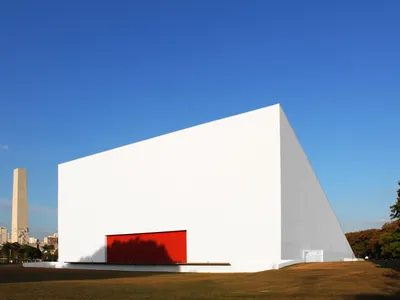
Oscar Niemeyer's Ibirapuera Park Pavilions Define São Paulo's Cultural Identity in Concrete and Curve
A constellation of modernist volumes set within São Paulo's most important urban park, conceived for the city's 400th anniversary in 1954.
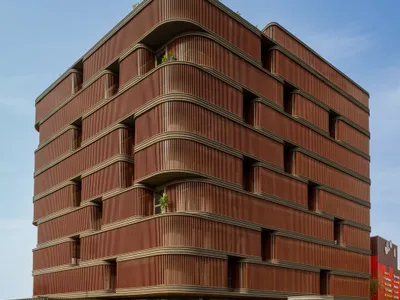
Sanjay Puri Architects Wraps a Jaipur Office Tower in Capsule-Shaped Green Buffers
A nine-level climate-responsive workplace near Jaipur Airport uses stacked planter terraces and aluminium screens to fight 40°C heat.
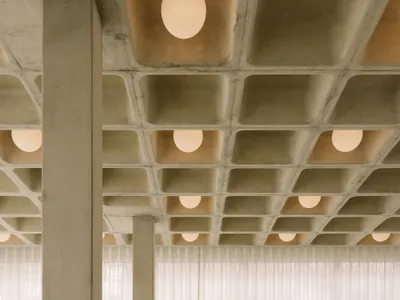
RHO Converts a Berlin Spree-Side Industrial Courtyard into Enkime's 1,000 m² Agency Headquarters
A social media agency's new home in Charlottenburg trades glossy branding for concrete waffle ceilings, glazed tile, and sheer curtains.

Explore Blocs Competitions
Discover active competitions in this discipline

Challenge to reimagine the Iron Throne

Photograph architecture without architects

Illustrate the lost glory of Angkor Wat - Render Challenge

Design challenge to reuse E-waste
Comments (0)
Please login or sign up to add comments
No comments yet. Be the first to comment!