
Palazzo Residential Building Paleiskwartier: A Landmark by Benthem Crouwel Architects
Palazzo Paleiskwartier is a modern residential landmark blending open public spaces, lush courtyard gardens, and warm architectural design in ’s-Hertogenbosch.


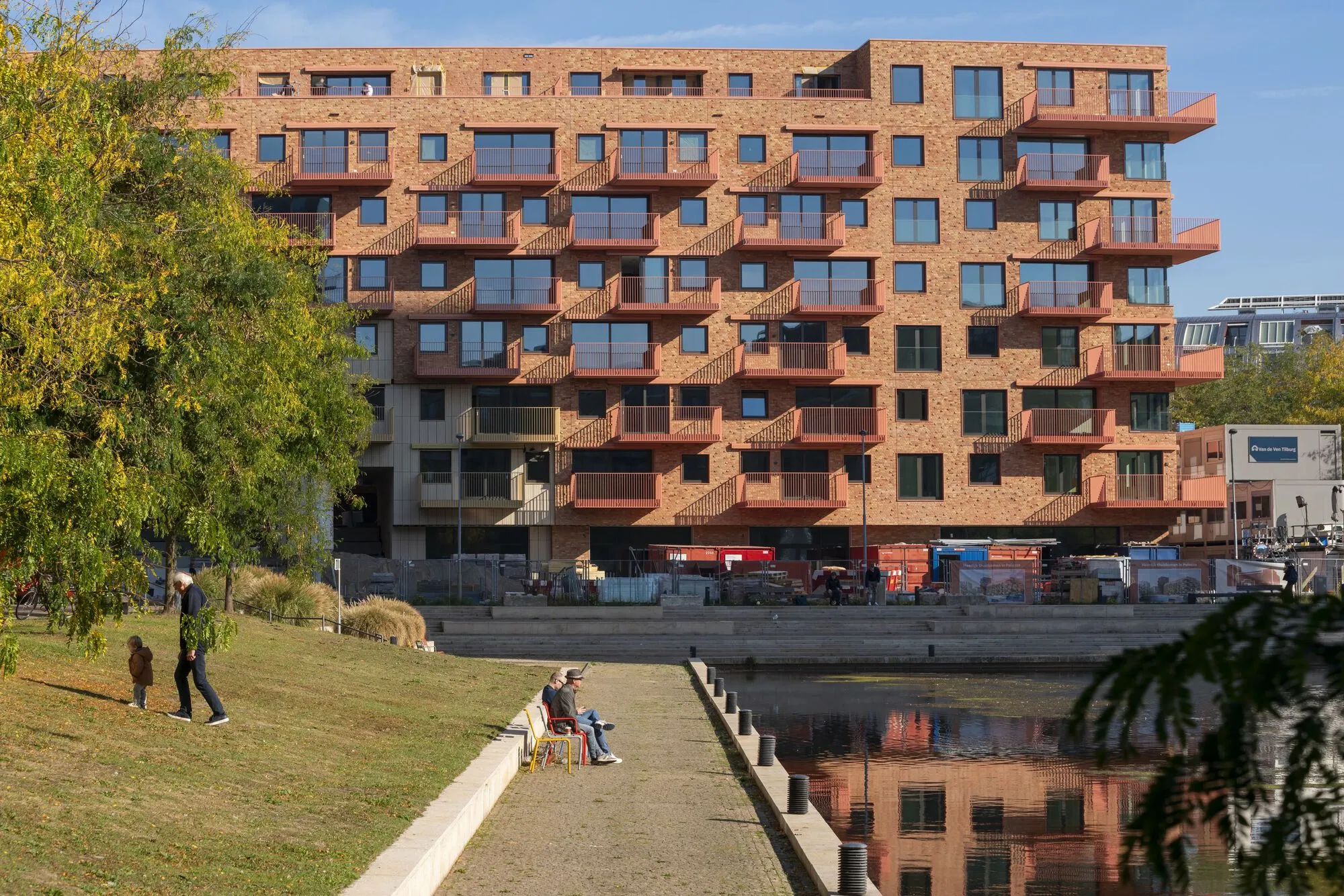
The Palazzo Residential Building in Paleiskwartier, designed by Benthem Crouwel Architects, stands as the final milestone in the decades-long transformation of ’s-Hertogenbosch’s central district. With its bold architectural language, warm material palette, and thoughtful integration into the urban landscape, Palazzo completes more than 30 years of urban development in the Paleiskwartier district. The project was developed for BV Ontwikkelingsmaatschappij Paleiskwartier and represents a harmonious convergence of living, working, and public interaction around the Central Station area.


A Building That Embraces the City
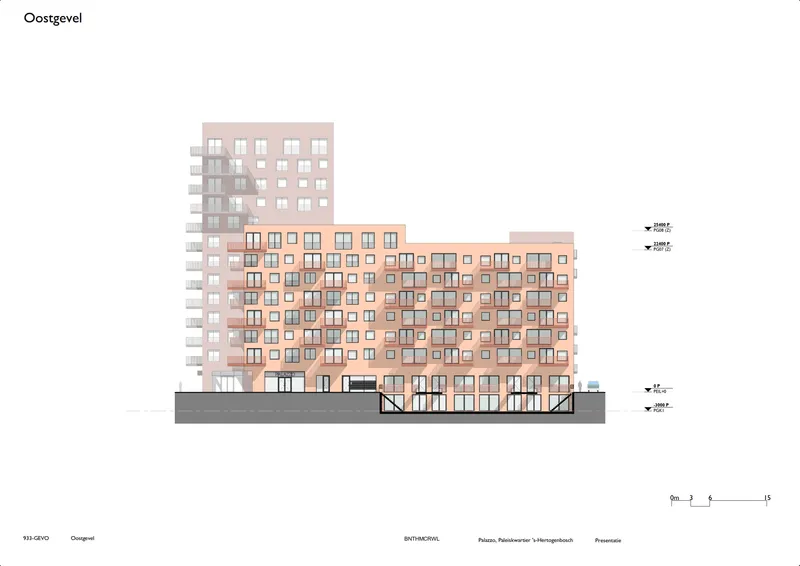
Palazzo is envisioned as a building that welcomes rather than separates. The architects designed it to physically and visually embrace the city, offering openness instead of acting as a boundary. The southern façade gently steps back from the tower, creating more light, air, and space for the surrounding plaza.
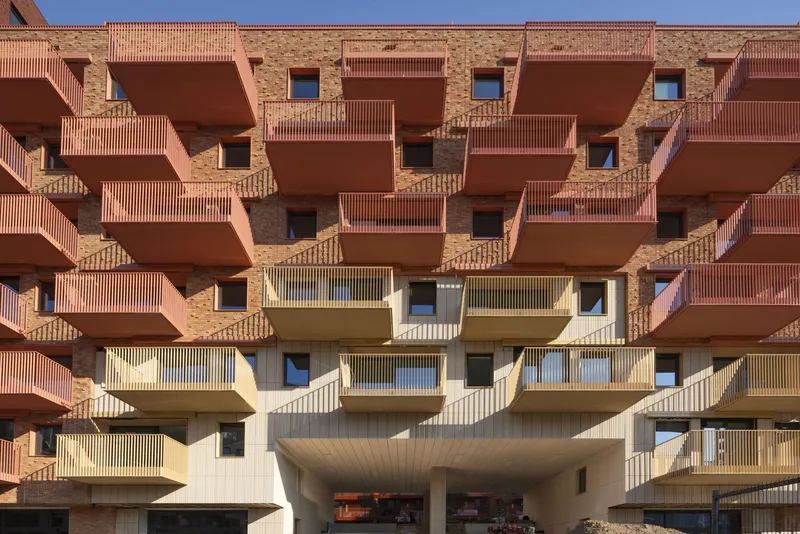
At the heart of this façade lies the Paleispoort, a dramatic architectural opening that connects the courtyard garden directly to Residentieplein. A wide public staircase rises from the square, functioning as an informal amphitheater during events and a vibrant gathering place for residents and visitors. This intentional public accessibility makes the building an integral part of the city’s social fabric.

A Courtyard Garden Designed as a “Transparent Forest”
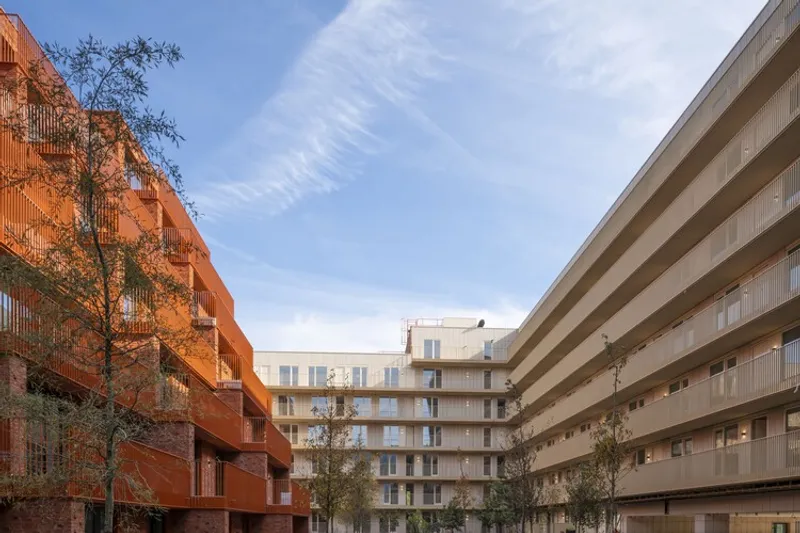
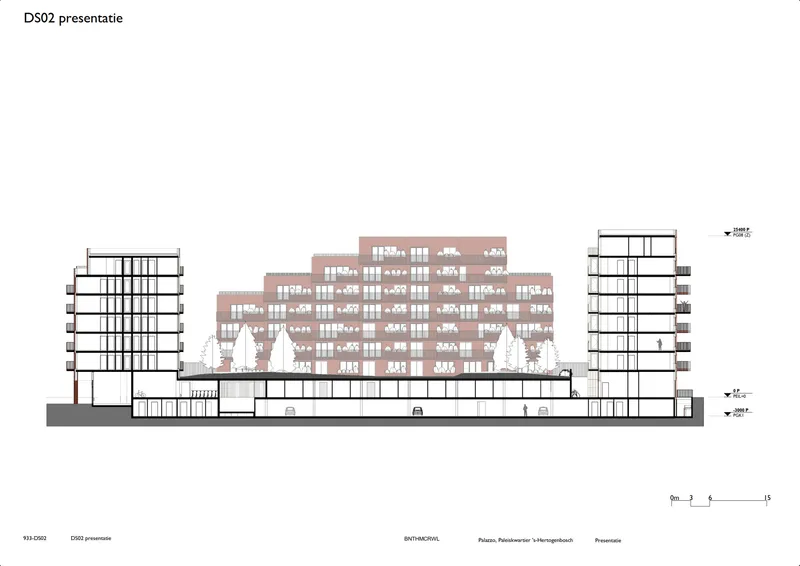
At the center of the building, a lush green courtyard garden serves as a peaceful retreat. Benthem Crouwel Architects designed it as a “transparent forest”—an open, daylight-filled green space featuring real trees, layered planting, and stepped terraces.
By separating the north block from the carré structure, the courtyard receives ample light from three sides. The space is not just for viewing; it is designed for walking, relaxing, socializing, and community-building. Integrated planters and vertical greenery climb toward the upper levels, creating a seamless visual transition between indoor and outdoor environments.
A Democratic Residential Vision
Palazzo brings together 233 rental and owner-occupied homes, varying from compact 30 m² studios to expansive loft-style apartments. The goal was to design a democratic residential building, where all residents—regardless of apartment size or pricing—enjoy equal access to natural light, views, and high-quality communal spaces.
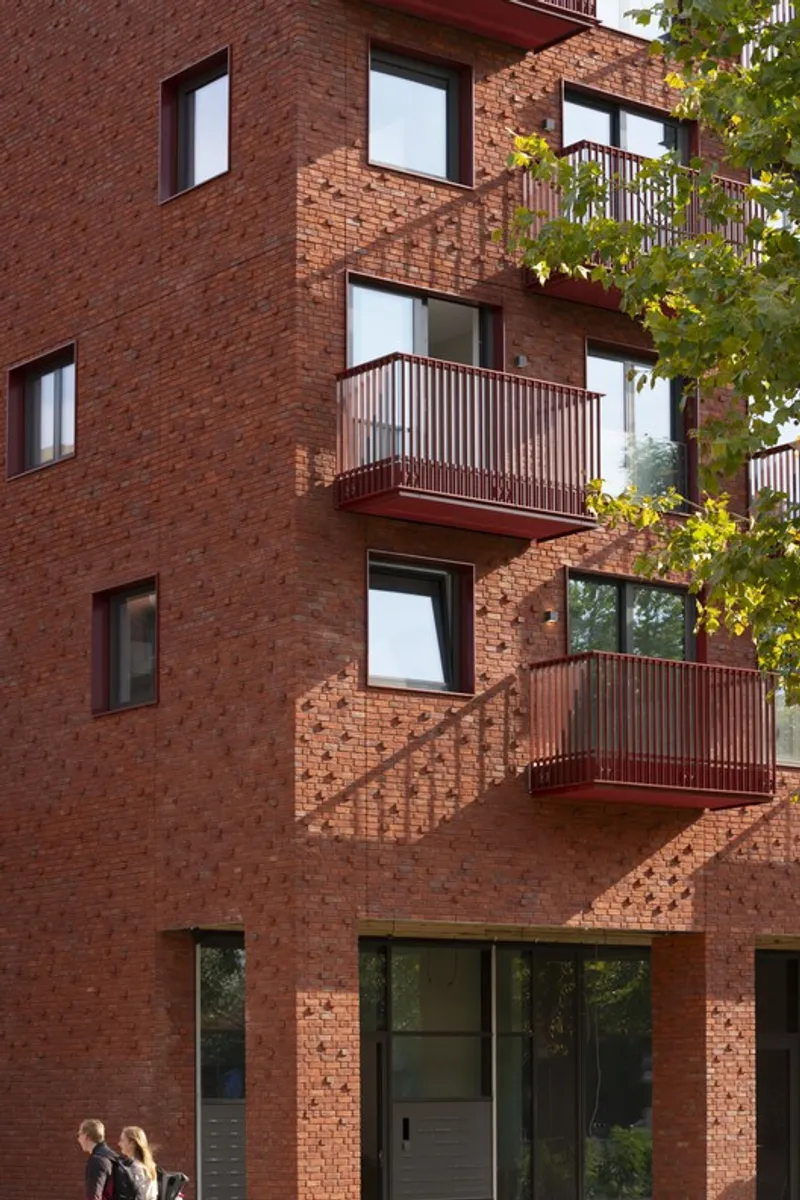
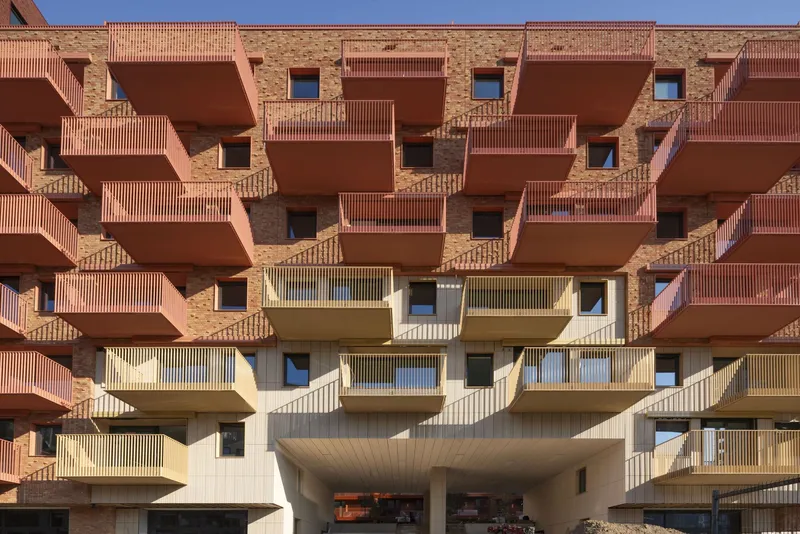
The façade showcases a distinctive brick pattern with protruding headers, creating a textured surface that catches the changing daylight. This dynamic façade is complemented by elegant window frames and staggered balconies, giving each residence a unique identity within the architectural ensemble.

Materiality That Connects and Distinguishes
Palazzo harmonizes with the architectural language of Paleiskwartier while still establishing a unique presence. Its façade uses three warm tones—red, orange, and soft pink—combined with robust brickwork and refined ceramic details.
In key urban connection points such as the Paleispoort and the northern plinth, the architects incorporated ceramic cladding with soft, undulating tiles, giving the surfaces a curtain-like elegance. This transforms typically overlooked north-facing areas into visually compelling façades, making the building engaging from every angle.

The Culmination of an Urban Vision
As the final chapter in the development of Paleiskwartier, Palazzo reflects connection, transformation, and modern urban quality. Within the guidelines of the supervising architect, Benthem Crouwel Architects found opportunities for creative expression. The result is a layered, contemporary residential landmark—a building that completes the district while adding its own architectural narrative.
Palazzo stands today as a symbol of urban renewal, communal living, and architectural craftsmanship, reinforcing ’s-Hertogenbosch’s identity as a thriving and forward-looking city.
All the photographs are works of Jannes Linders



Popular Articles
Popular articles from the community


The Musturak Paradise: Senior Living Architecture for a Connected Future in Temara, Morocco
The Musturak Paradise reimagines senior living architecture in Temara via private homes, social spaces, culture, community, and shared care.

Play: Fragments of Their World
Familiar architecture becomes modular playground design, creating safe spaces where displaced children can learn, connect, imagine and play.

Lunar Spiral: Space Architecture Shaped by the Mathematics of the Universe
Lunar Spiral reimagines space architecture through Fibonacci geometry, lunar regolith, levitating habitats, and self-sustaining Moon living.

Co-life: Sustainable Architecture for Age-Friendly Community Living
Co-life reimagines sustainable architecture for seniors through courtyards, rammed earth, shared gardens, and spaces designed for belonging.

Similar Reads
You might also enjoy these articles


Hodi-Mandai Geram
Project Function: Preservation and revitalization of the Intangible heritage and socio-spatial identity of the Hodi by Housing, Cultural Memory Center, Sacred Grove, landscape, local tourism economy


Olio Towers: A Mid-Rise for Performers That Fuses Housing, Rehearsal, and Stage
Located blocks from Houston's Theater District, this modular tower stacks living units around a central performance atrium.

Oasis: Modular Green Housing Carved into Dhaka's Urban Fabric
A shortlisted Plugin Housing entry reclaims unauthorized settlements in Dhaka with stepped concrete volumes, green roofs, and ventilation-driven design.

Black Hole: A Floating Megastructure for the Post-Physical Era
Emiliano Mazzarotto envisions a spherical, self-scaling arena where e-sports, digital hotels, and holographic stadiums replace traditional public space.

Explore Architecture Competitions
Discover active competitions in this discipline



Challenge to reimagine the Iron Throne


Photograph architecture without architects


Illustrate the lost glory of Angkor Wat - Render Challenge


Design challenge to reuse E-waste
Comments (0)
Please login or sign up to add comments
No comments yet. Be the first to comment!