
Pangyo Housing: Innovative Low-Rise Social Housing in Seongnam-si by Riken Yamamoto
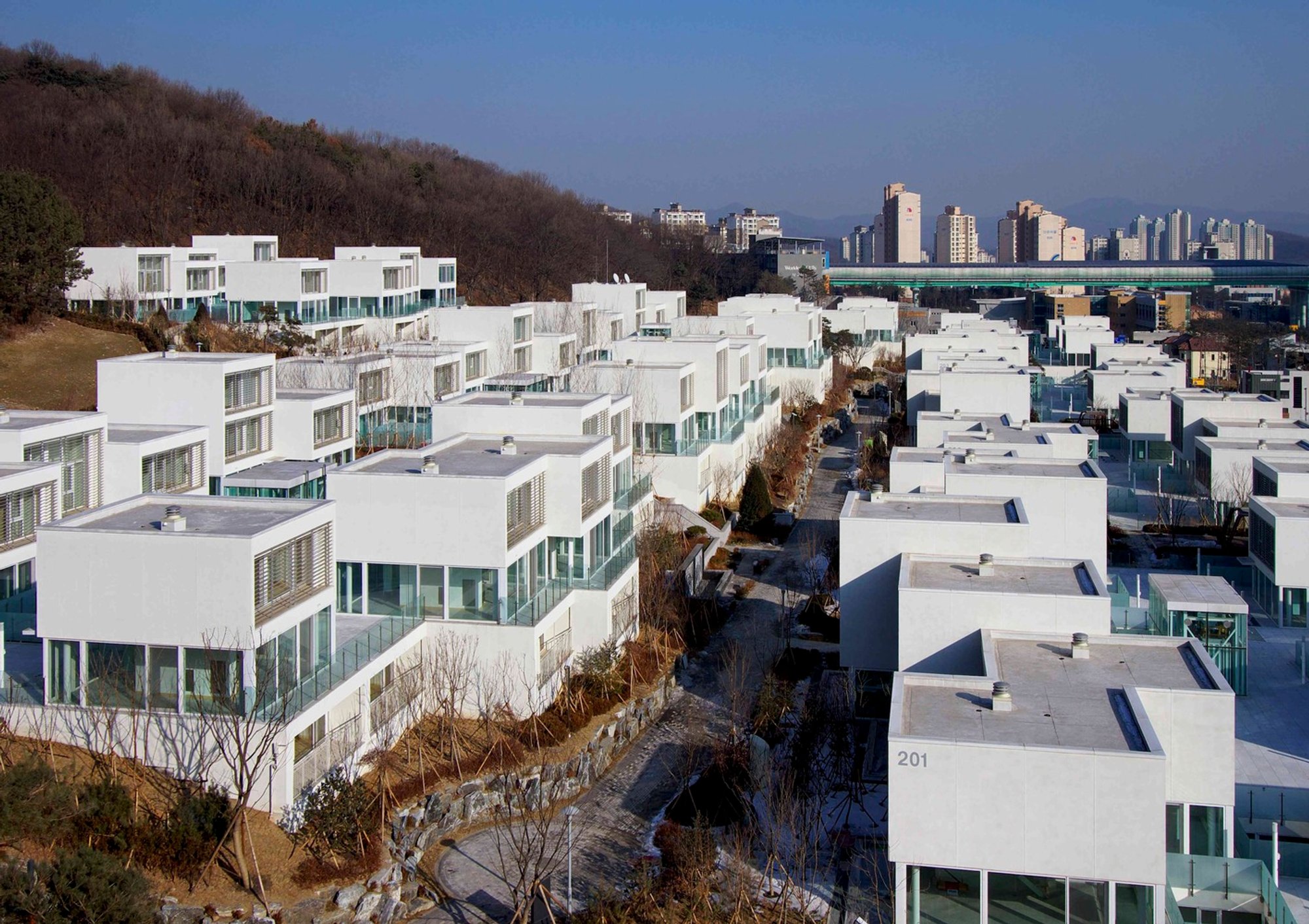
Pangyo Housing by Riken Yamamoto is a low-rise, cluster-based social housing project in South Korea featuring multifunctional Shiki spaces.

Located in the vibrant new town of Pangyo, Seongnam-si, South Korea, Pangyo Housing stands as a benchmark for creative and environmentally conscious low-rise multi-family housing. Completed in 2010, this project was realized by the collaboration of Riken Yamamoto, Field Shop, and KUNWON Architects Planners Engineers, with structural engineering support from Structural Design Office Plus One Co., Ltd. Covering an area of 34,000 m², the development showcases innovative architectural strategies that merge social living, sustainability, and context-sensitive design.Pangyo Housing by Riken Yamamoto is a low-rise, cluster-based social housing project in South Korea featuring multifunctional Shiki spaces.
An International Design Vision
The project began with a high-profile international competition, held by the Korea National Corporation in February 2006. Architects from around the world, including Pekka Helin (Finland) and Mark Mack (U.S.A.), were invited to propose visionary solutions for a low-rise, socially and environmentally responsive housing complex. The winning concept by Riken Yamamoto and collaborators emphasized cluster-based planning and community-driven spatial design to enhance interaction while respecting the surrounding urban context.
Cluster-Based Design and Communal Living
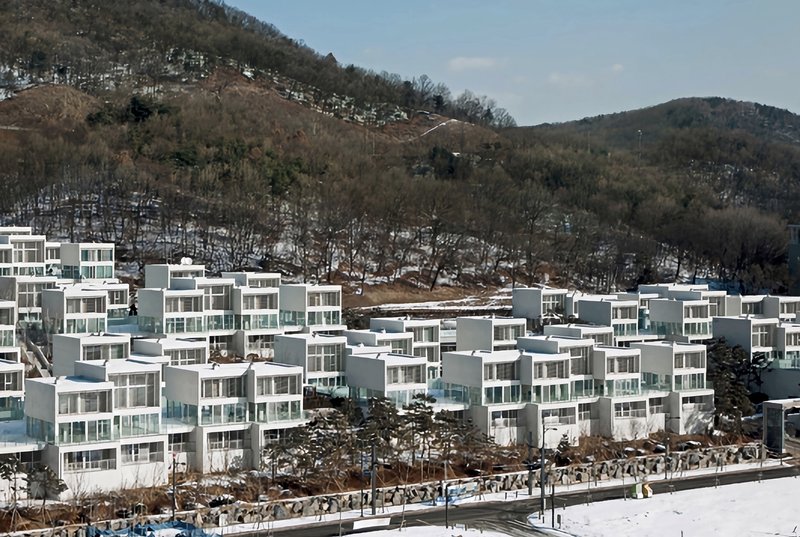
The site is organized into nine distinct clusters, each consisting of 9 to 13 residential units spread over 3 to 4 stories. This low-rise cluster approach ensures a human-scale urban environment that integrates harmoniously with the surrounding landscape and cityscape.
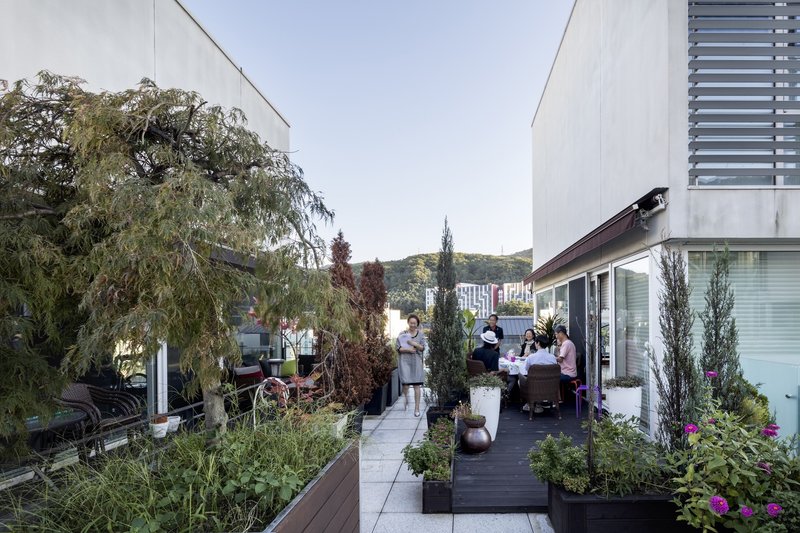
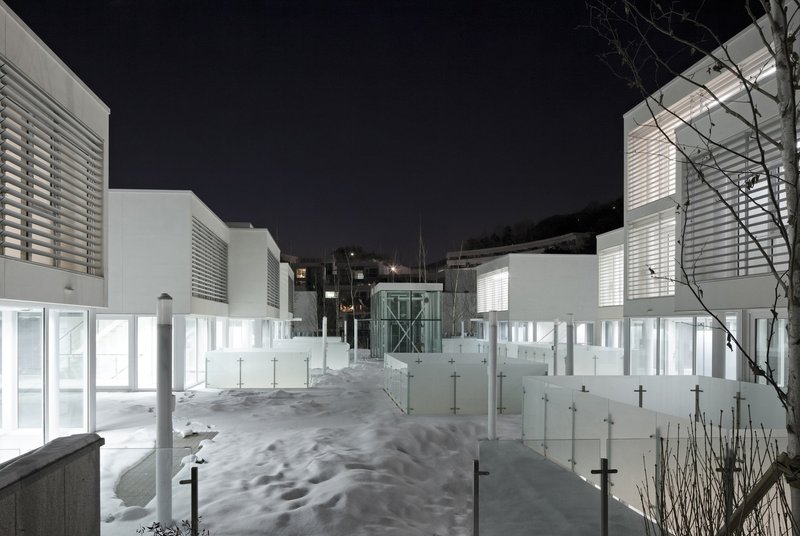
A standout feature is the second-level communal deck, which serves as a connective tissue between individual housing units. Each home incorporates a unique “Shiki” space, a transparent and multifunctional area akin to a spacious porch. The Shiki space offers flexibility for residents, functioning as a living room, home office, atelier, or recreational area, encouraging creative use and personalization. This architectural element strengthens community bonds while fostering interaction between neighbors.
Contextual Integration and Environmental Responsiveness
The cluster-based configuration not only promotes communal living but also responds to the natural and urban context of Pangyo. By aligning the clusters with environmental and spatial cues, the design achieves visual permeability, natural ventilation, and daylighting, which enhance the overall sustainability of the project. Materials and structural systems were carefully selected to balance durability, environmental performance, and aesthetic appeal, resulting in a housing complex that is both functional and inspiring.
Social Housing with a Modern Twist
Pangyo Housing exemplifies how low-rise social housing can transcend conventional residential design by integrating flexible interior spaces, communal areas, and environmentally conscious planning. By fostering both privacy and community, the project sets a precedent for sustainable urban living in South Korea and serves as a model for international low-rise housing developments.




Popular Articles
Popular articles from the community

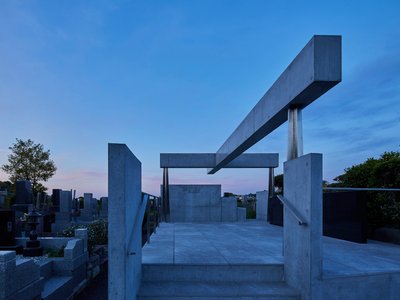
Takeshi Hosaka Architects Suspends a Concrete Cross Above a Yokohama Cemetery
A 28-square-meter burial renovation in Yokohama lifts the symbol of resurrection into the sky so mourners see it against heaven.
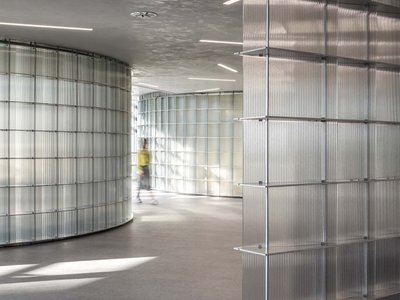
HCCH Studio Wraps a Shanghai High-Rise Office in Curved Walls of Translucent Glass
A 1,000 square meter fit-out in Lujiazui replaces the typical tech-office palette with layered glass, micro-cement, and quiet rigor.

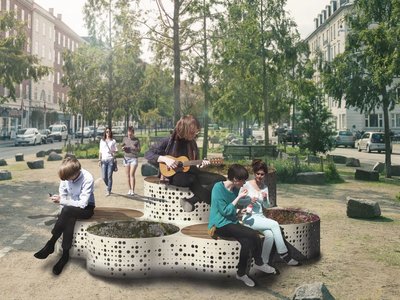
20 Most Popular Furniture Design Projects of 2025
Modular street systems, parametric benches, and insect hotels: the furniture design projects that captivated architects on uni.xyz in 2025.
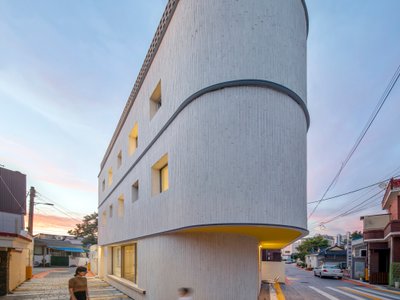
YOAP Architects Round a Corner in Yeongcheon with a Cylindrical Community Hub
A 197-square-meter brick and ribbed-clad tower turns a forgotten alley corner in South Korea into a public garden with a low threshold.


Similar Reads
You might also enjoy these articles

Kokaistudios Wraps a Shanghai Retail Podium in Horizontal Louvers That Echo Its Foster + Partners Neighbor
A four-storey glass-roofed gateway links an underground commercial valley to the revitalized north bank of Shanghai's Suzhou River.
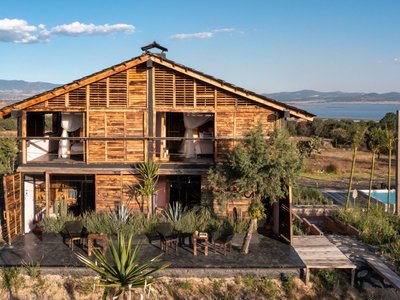
Fausto Terán and Toro Fuse Japanese Craft with Mexican Tradition in a Lakeside Retreat
Nakamura House pairs Shou-Sugi-Ban charred pine with handmade clay tile at the foot of Atlangatepec Lagoon in Mexico.
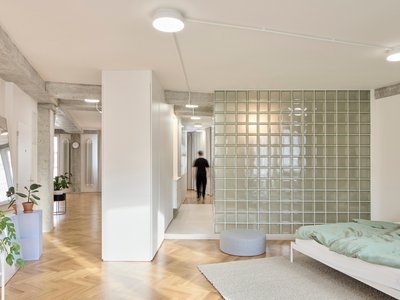
RDTH architekti Rips Out Nearly Every Wall in a Prague Apartment and Replaces Them with Furniture
A 101-square-meter post-war flat in Prague trades rigid partitions for a single rotated furniture block, curtains, and glass concrete.

SWA Group Spirals a Landscape Memorial into the Woods of Sandy Hook
A 1.8-acre clearing in Newtown, Connecticut, honors 26 lives lost with water, stone, and a single sycamore tree.

Explore Architecture Competitions
Discover active competitions in this discipline




The International Standard for Design Portfolios


The Global Benchmark for Architecture Dissertation Awards


The Global Benchmark for Graduation Excellence


Challenge to reimagine the Iron Throne
Comments (0)
Please login or sign up to add comments
No comments yet. Be the first to comment!