

Passive House Design in Portugal: Bioclimatic Living by Utopia – Arquitectura e Engenharia
A low-energy home in Portugal redefines passive house design through natural cooling, shadow play, and climate-sensitive architecture.


A New Model of Sustainable Architecture Amid Portugal’s Warming Climate
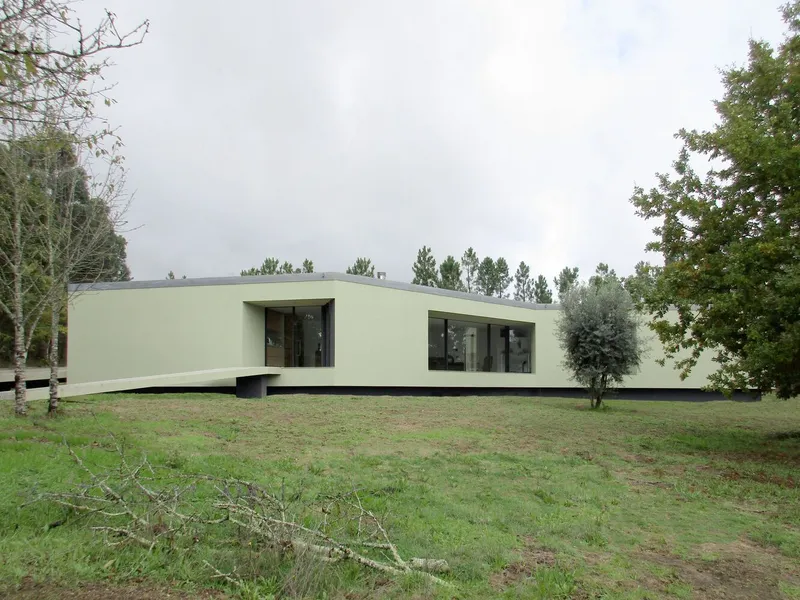
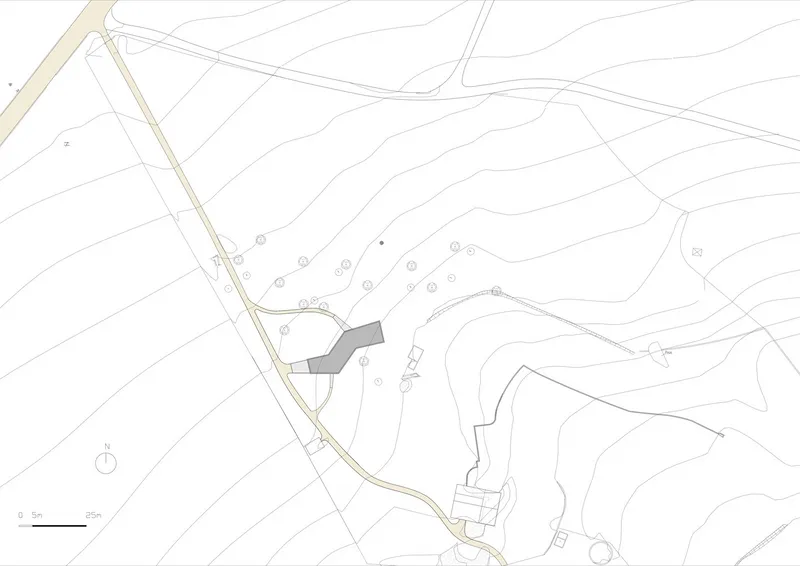
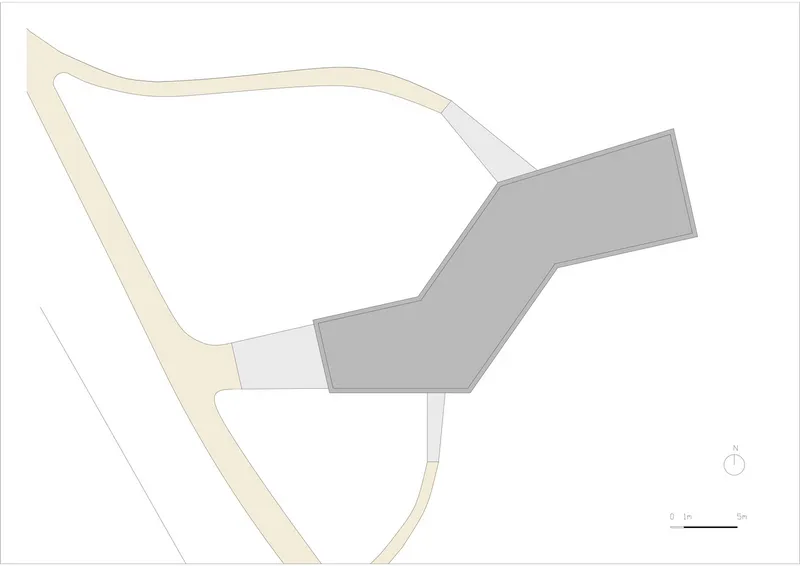
Nestled in the natural landscape of Parada, Portugal, the Bioclimatic House by Utopia – Arquitectura e Engenharia introduces a forward-thinking approach to passive house design in Portugal. With a total built area of 250 m², the residence reflects a sensitive integration between form, climate, and environmental responsibility. This architectural project challenges the dominance of high-tech solutions and instead proposes an elegant, low-impact alternative that is guided by the principles of passive architecture, natural resources, and climate adaptation.
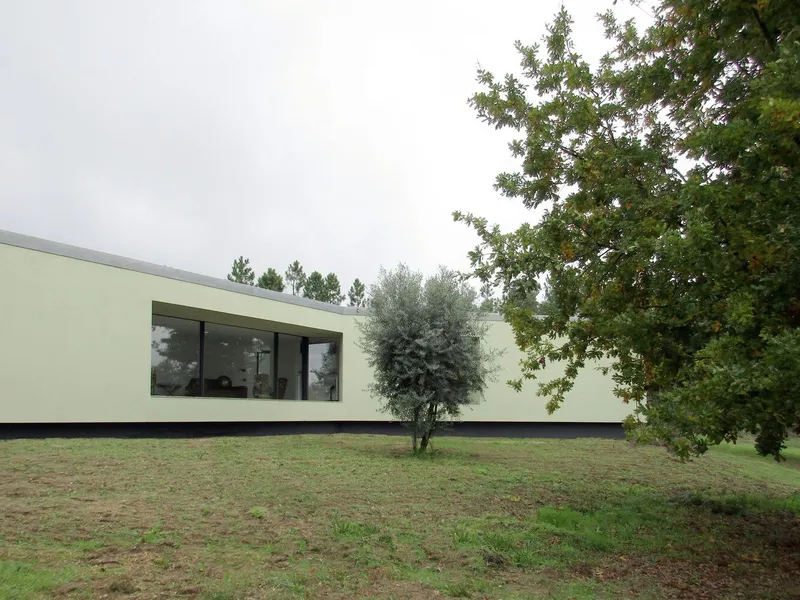
A Twisting Form Rooted in Nature
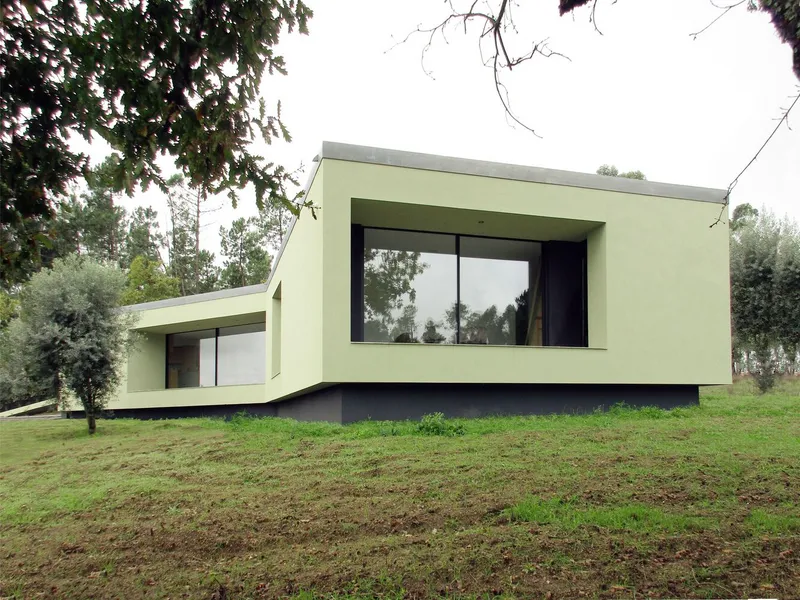
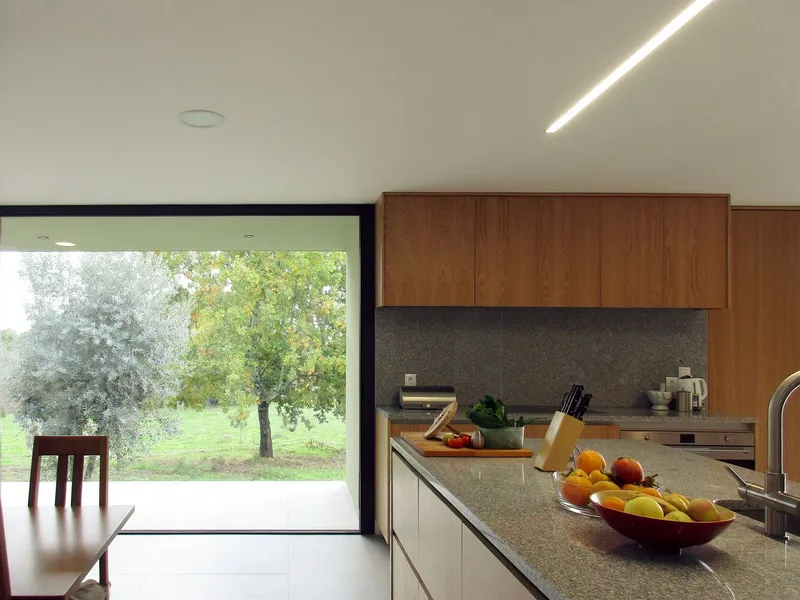
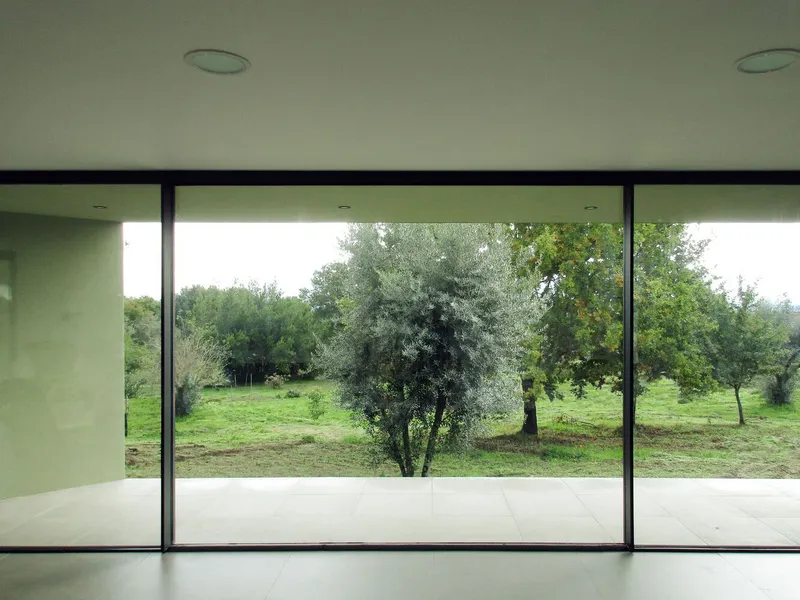
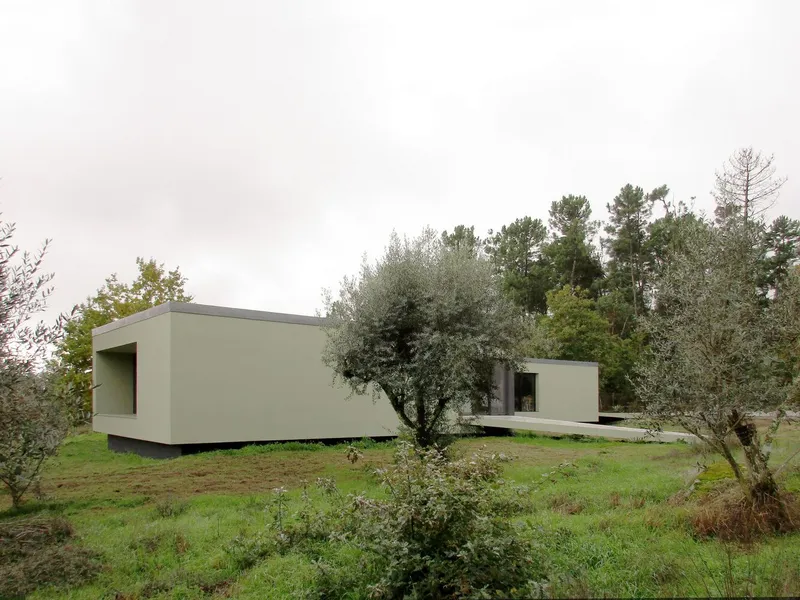
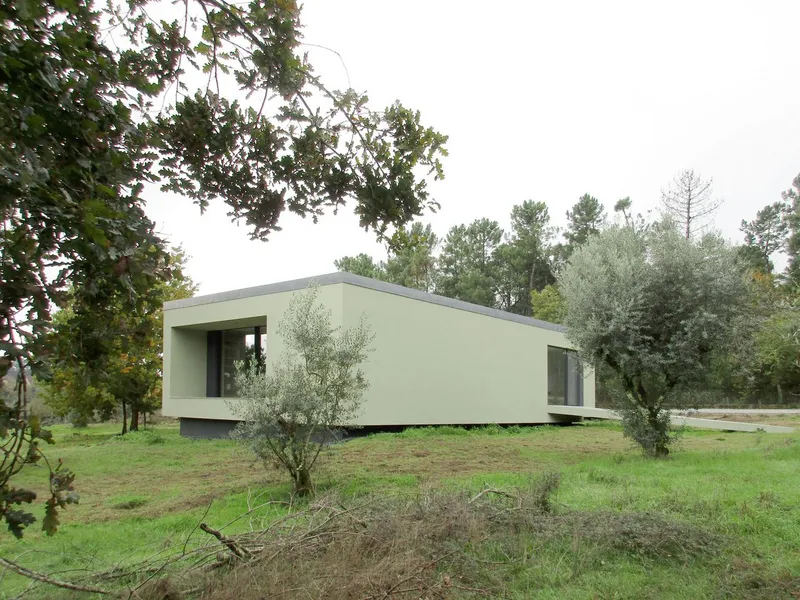
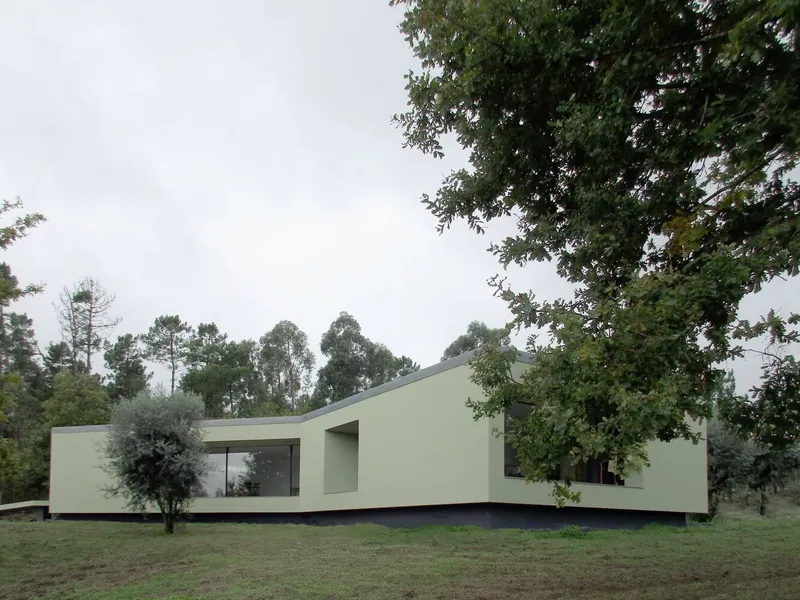
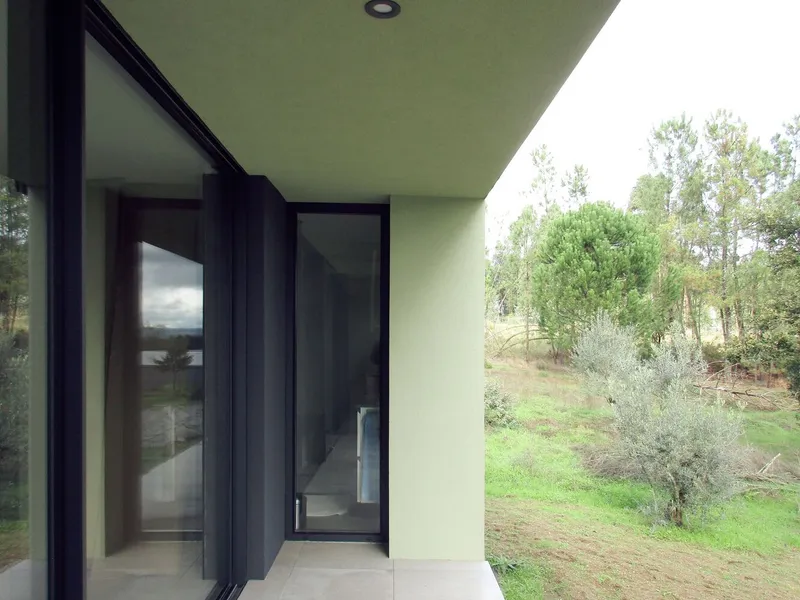
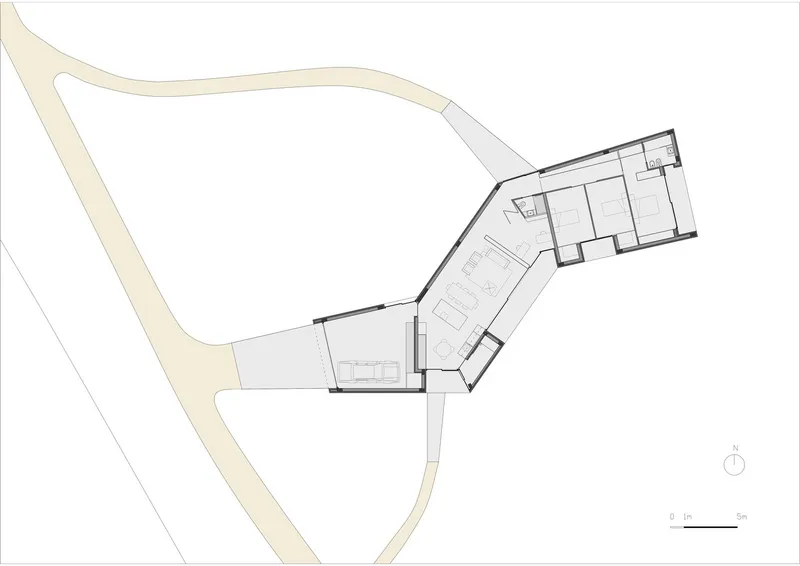
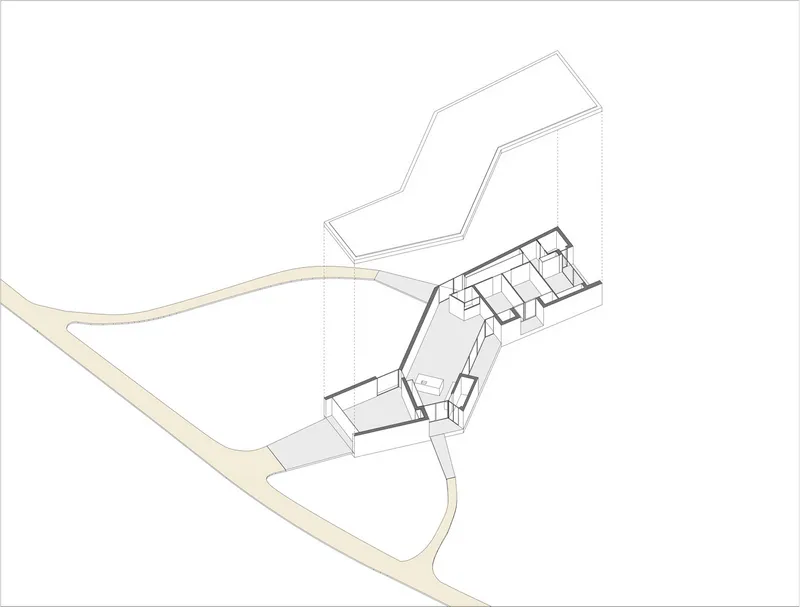
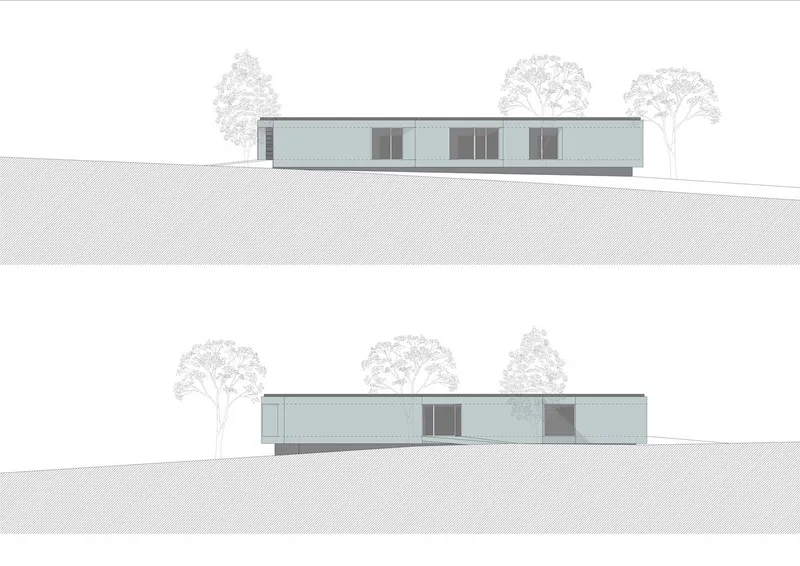
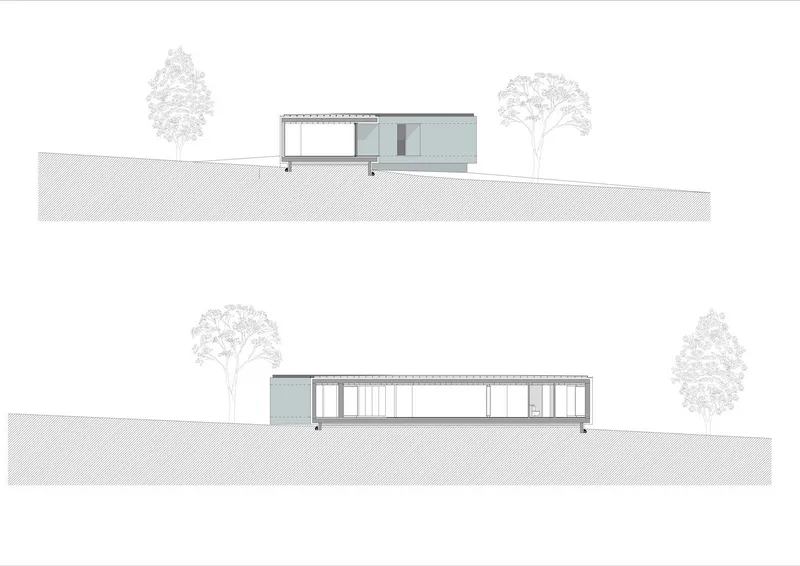
The architectural gesture begins with a form that twists and adapts to its surroundings like a living organism. These twists create strategic openings for windows and shaded voids that not only shape the experience of light and air but actively cool the house through natural ventilation. Elevated slightly above ground level, the structure maintains a thermal relationship with the earth, ensuring optimal indoor comfort without mechanical systems. This gesture of elevation also opens the home to long views across the landscape, reinforcing its connection to nature.
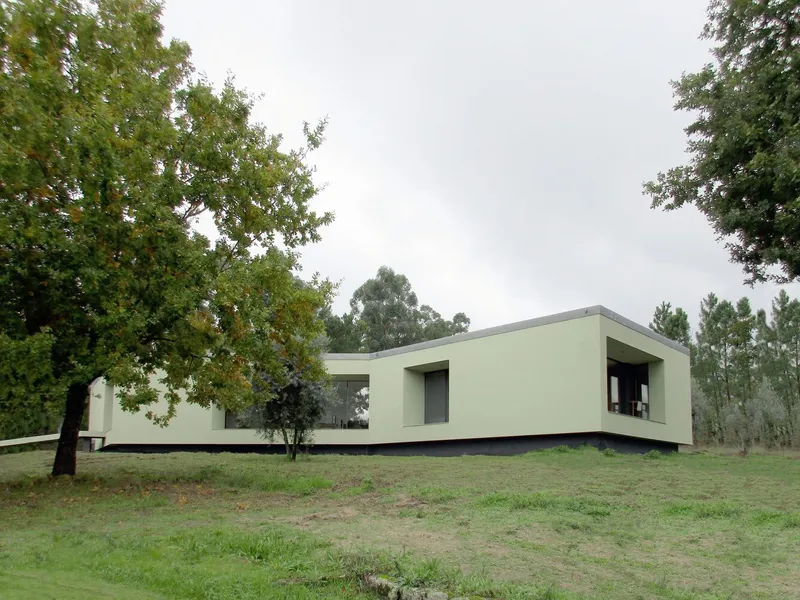
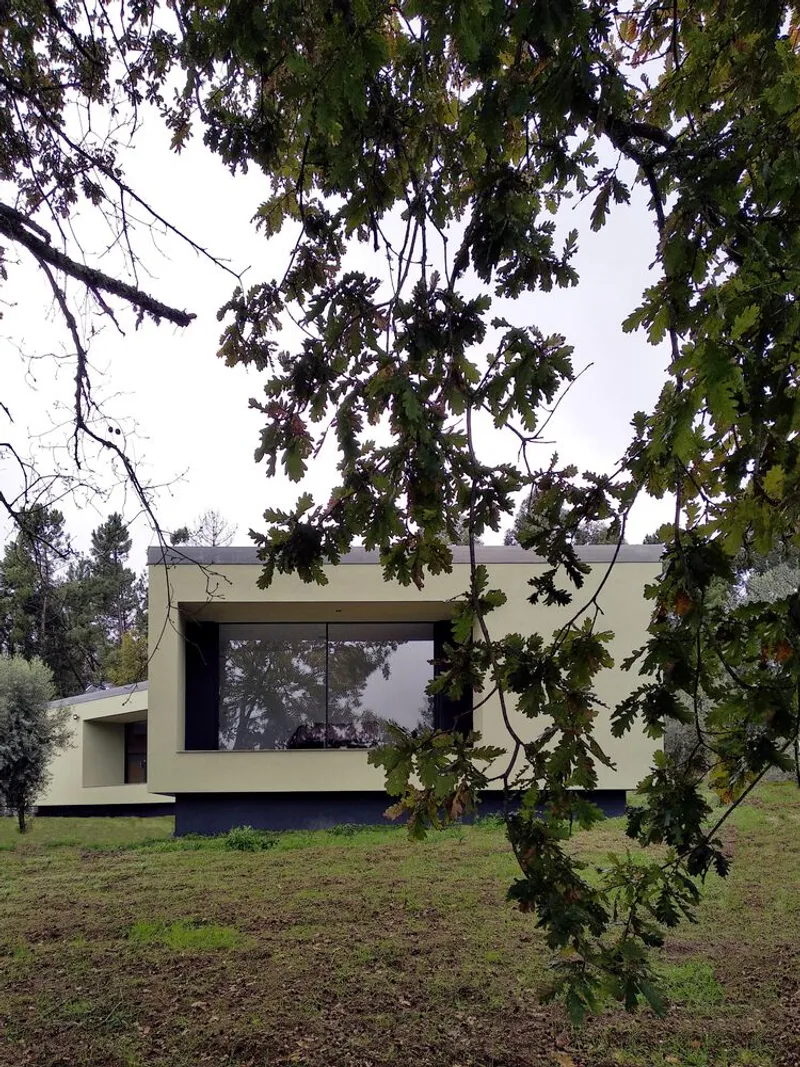
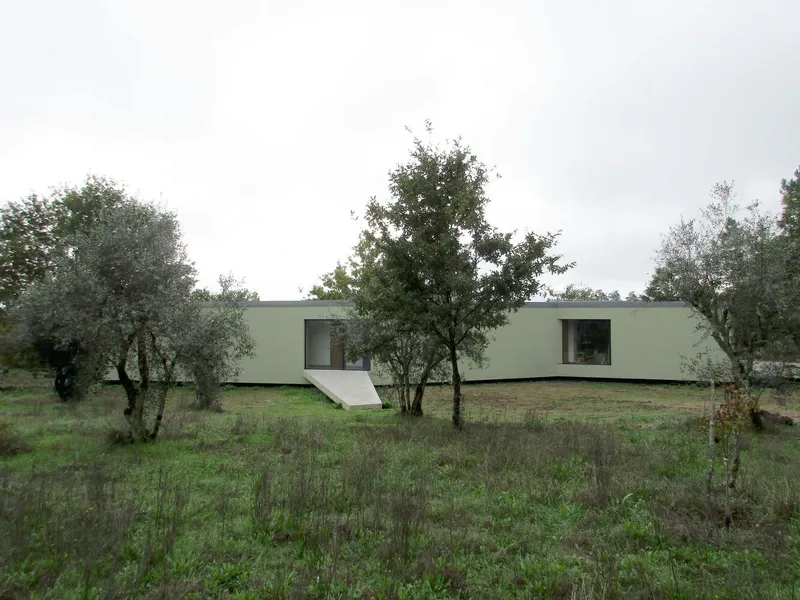
The house becomes a sculptural object immersed in its wooded site—a deliberate, poetic interruption in the forest that respects the ecosystem while offering spatial sophistication.
Architecture Without Air Conditioning: A Client’s Vision Realized
The client's vision was clear: a nearly zero-energy building (NZEB) with no air conditioning or mechanical ventilation. At the same time, he insisted on total insect-proofing, full immersion in nature, and minimum carbon footprint. In response, the architects designed a fully passive home that achieves thermal comfort through form and orientation alone. The architecture itself becomes the machine—no additional systems are required.
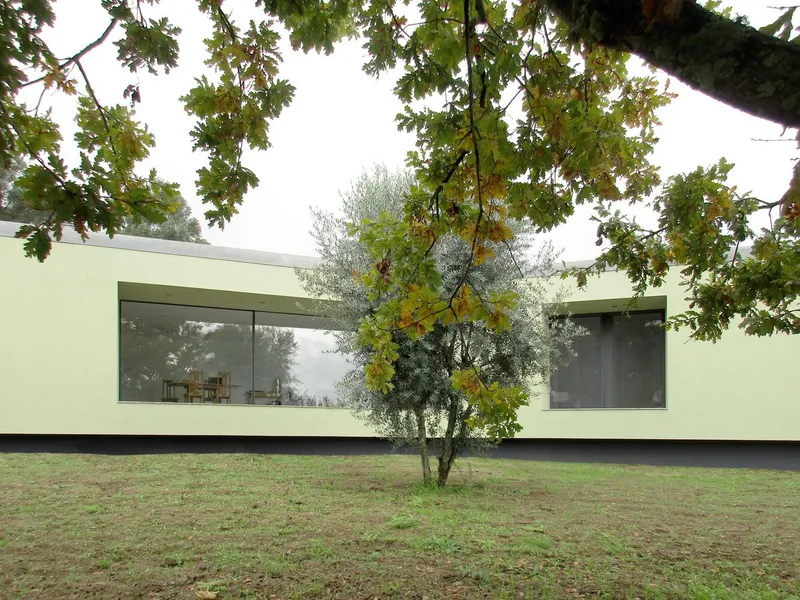
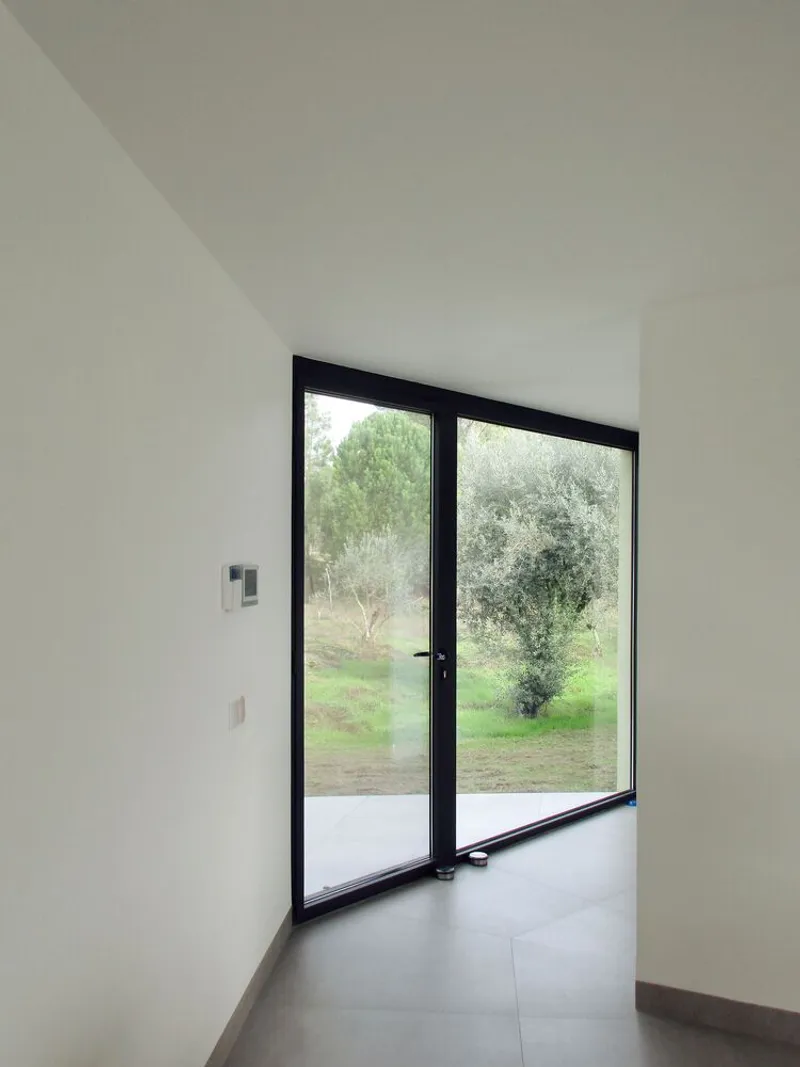
By working closely with engineers, Utopia developed a design that is both high-performance and aesthetically minimal, proving that sustainability can emerge from form, not from gadgetry.
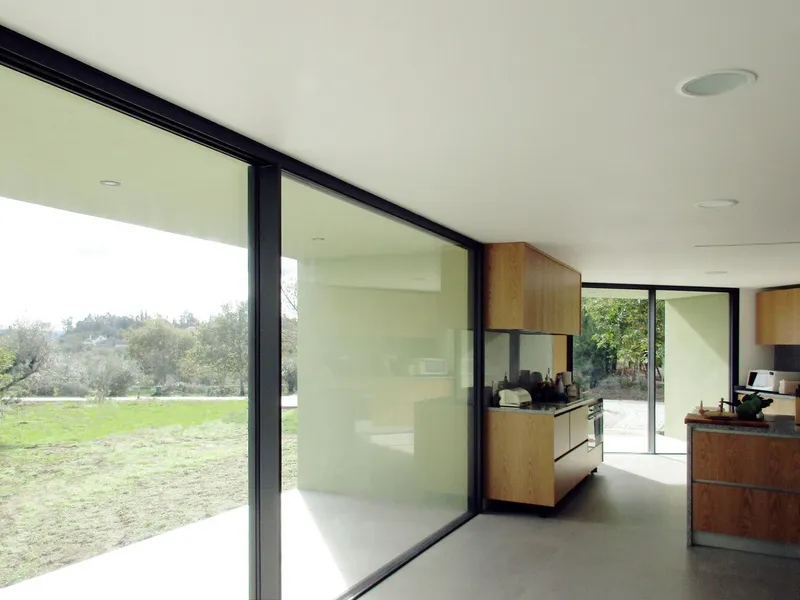
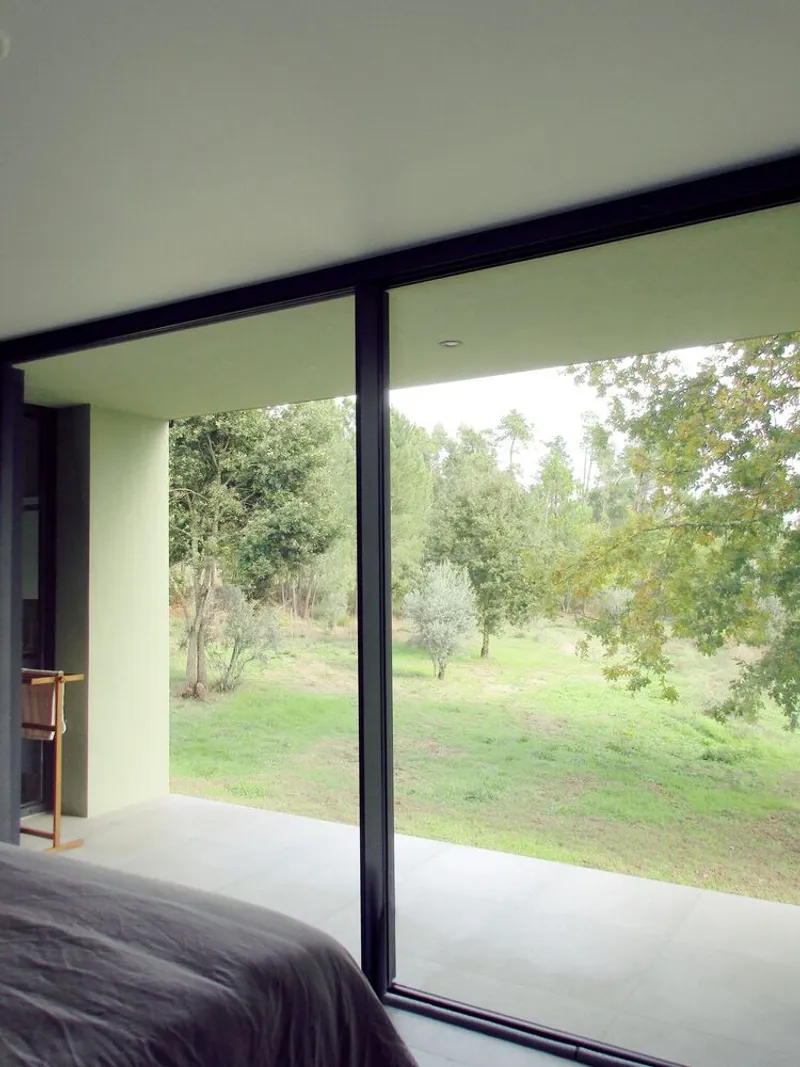
Passive Design Strategies for Portugal’s Changing Climate
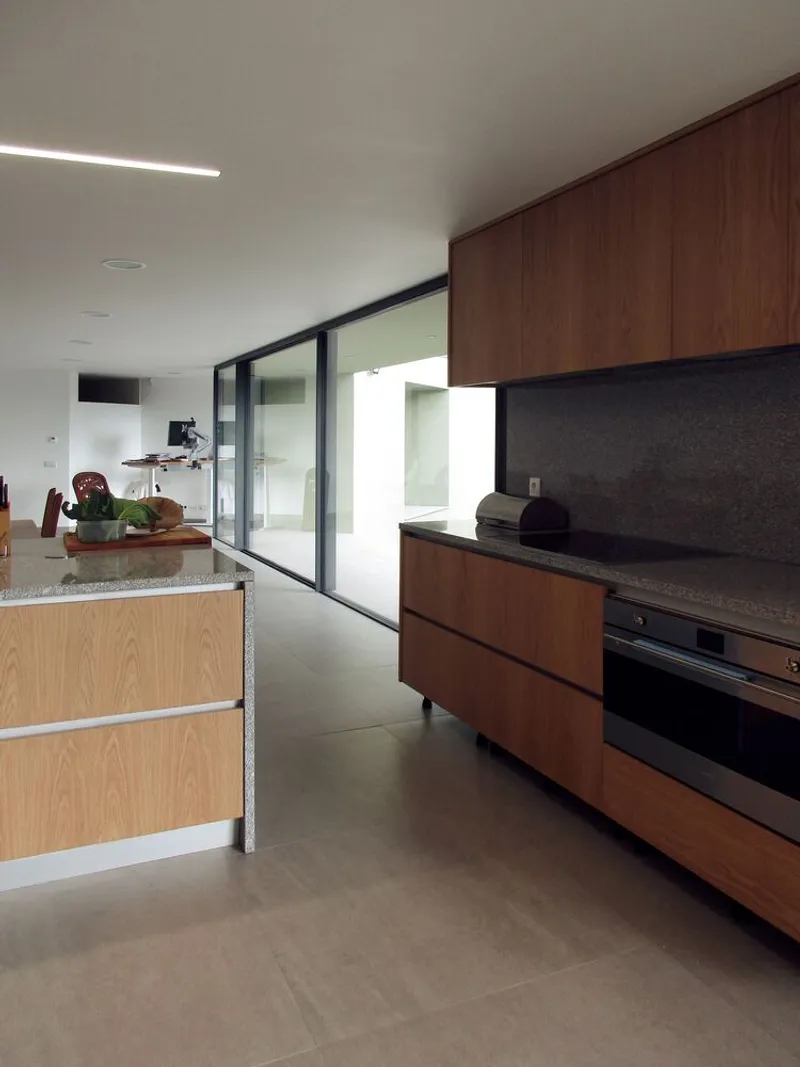
Portugal’s climate is growing warmer and drier. This project answers with a façade system that casts deep shadows to minimize solar gain in summer. Window placements across multiple façades enable natural cross-ventilation. In the hotter months, shaded windows allow cool air to circulate freely, mimicking natural air conditioning. During the winter, low sun angles allow warmth to enter through carefully positioned glazing. These are age-old principles, adapted with elegance for today’s urgent climate needs.
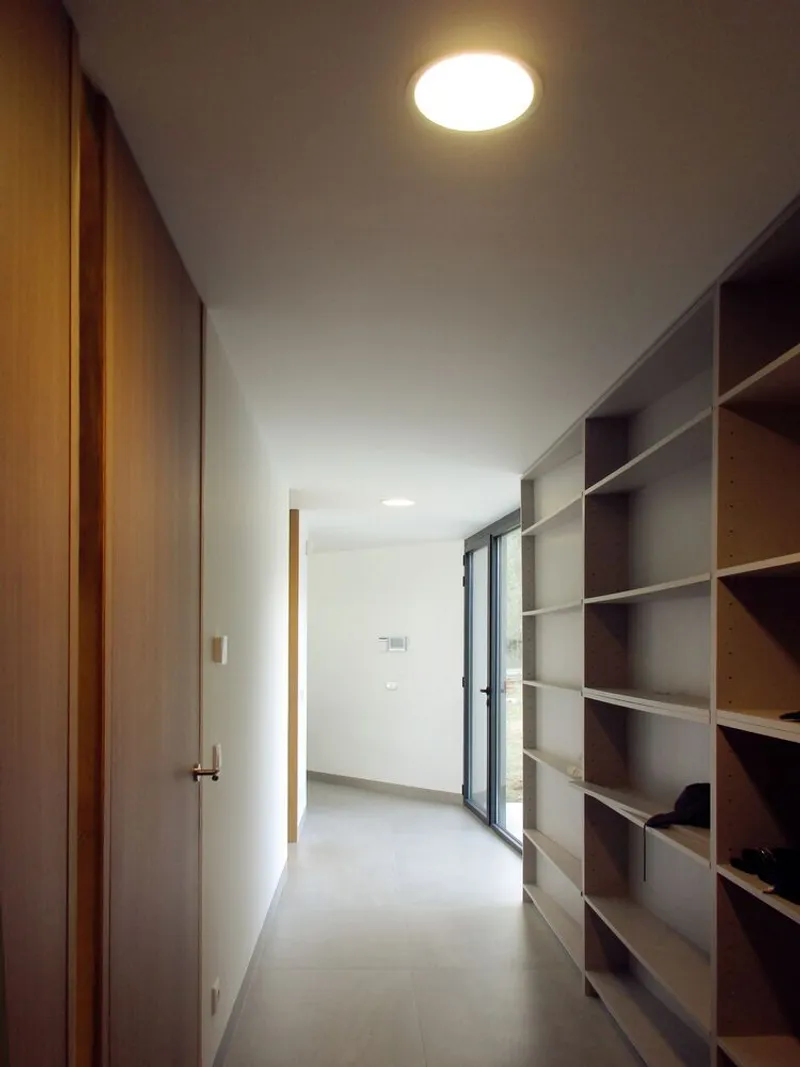
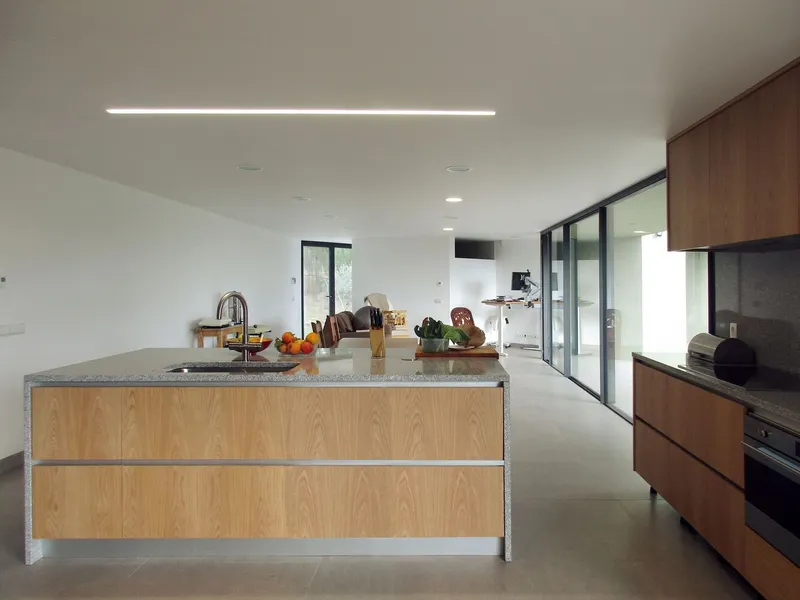
This approach is entirely low-tech—no domotics, no hidden mechanical systems—just precision architecture based on centuries-old bioclimatic intelligence.
Natural Materials and Ecological Resilience
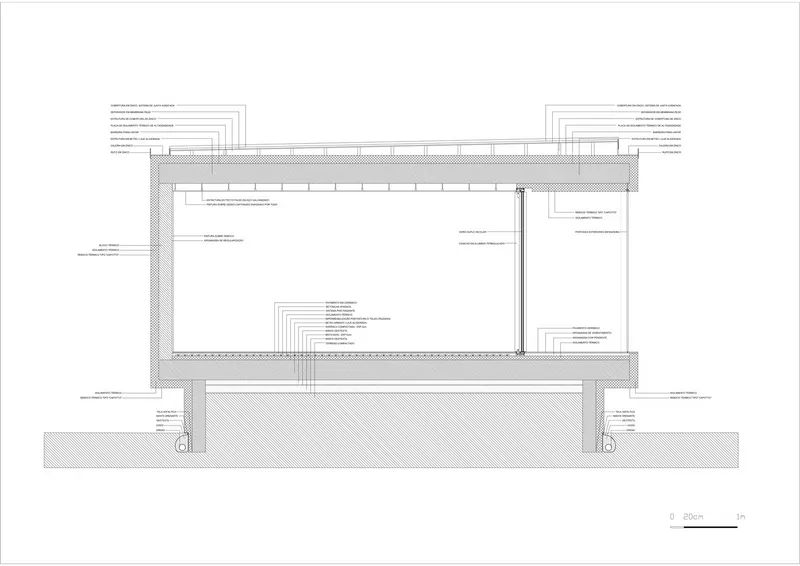
Material choices reinforce the project’s environmental ethos. The building envelope is insulated using natural cork, not only for thermal efficiency but also to resist summer wildfires—a growing threat in Portugal. Rainwater is harvested and reused, reducing pressure on dwindling water supplies. Solar panels generate clean energy and significantly reduce grid dependency.
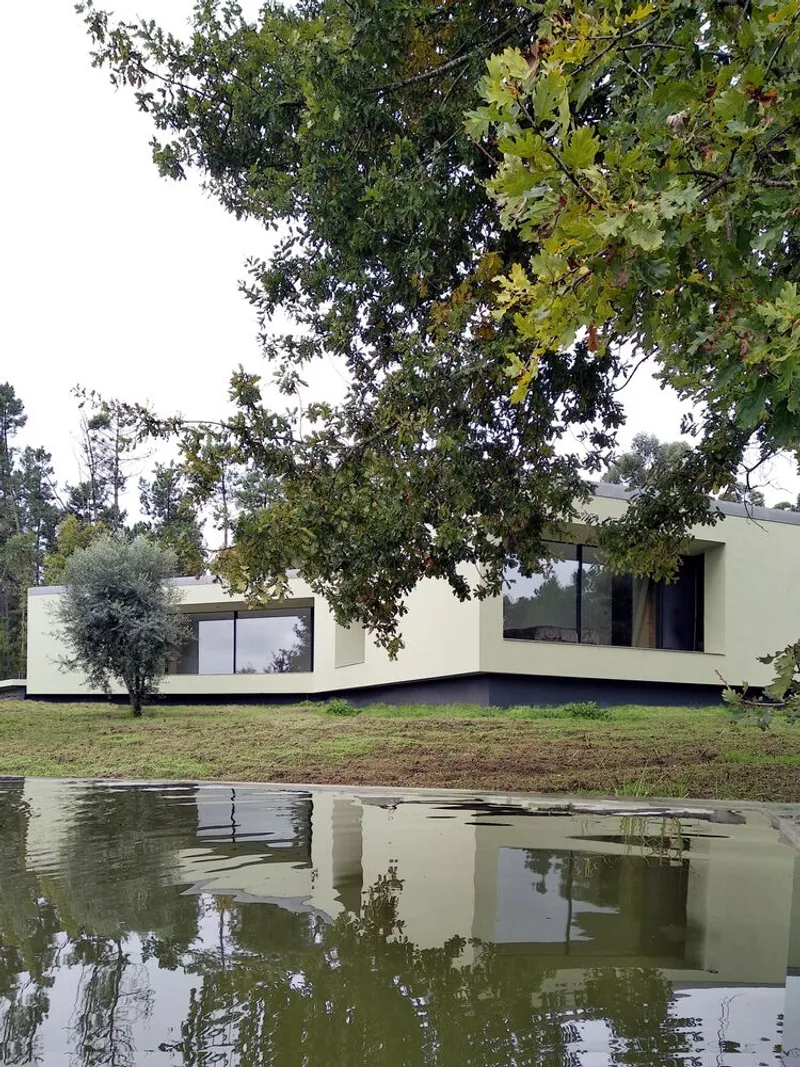
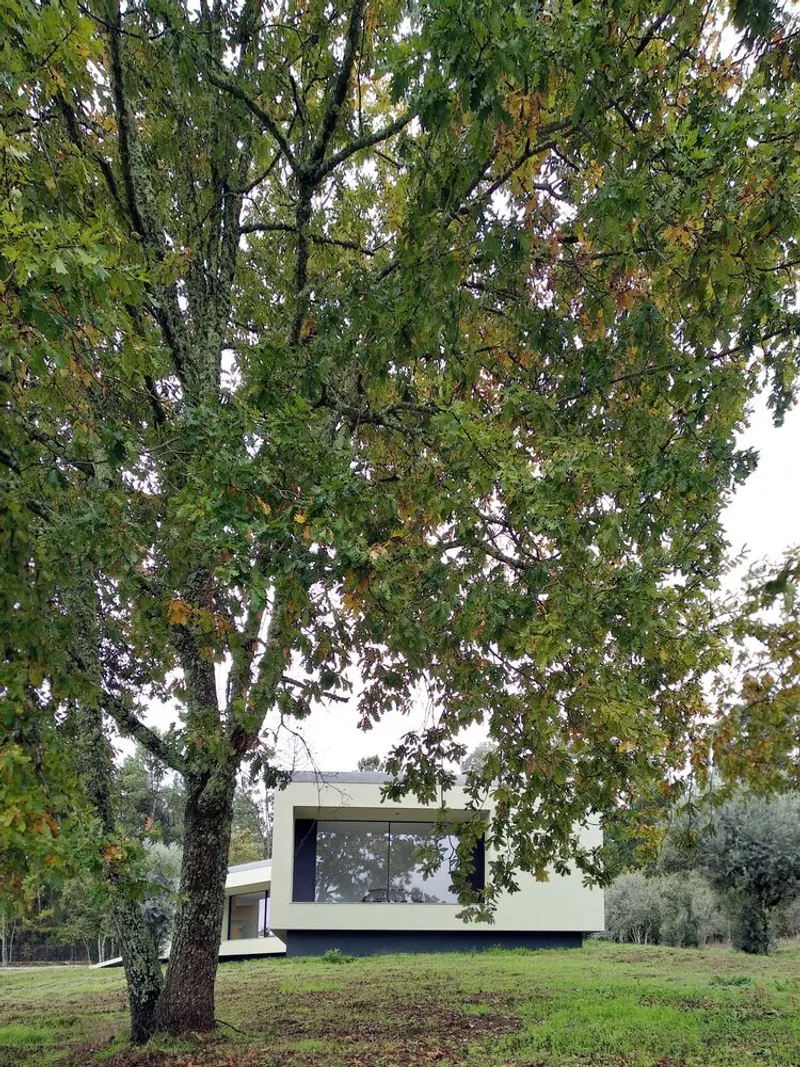
Every element of the house is designed with resource conservation in mind. The energy consumption of the home is only 12 kWh/m²/year, and the life-cycle carbon footprint is calculated at 1,140 kgCO₂e/m²—a benchmark for low-impact residential architecture.
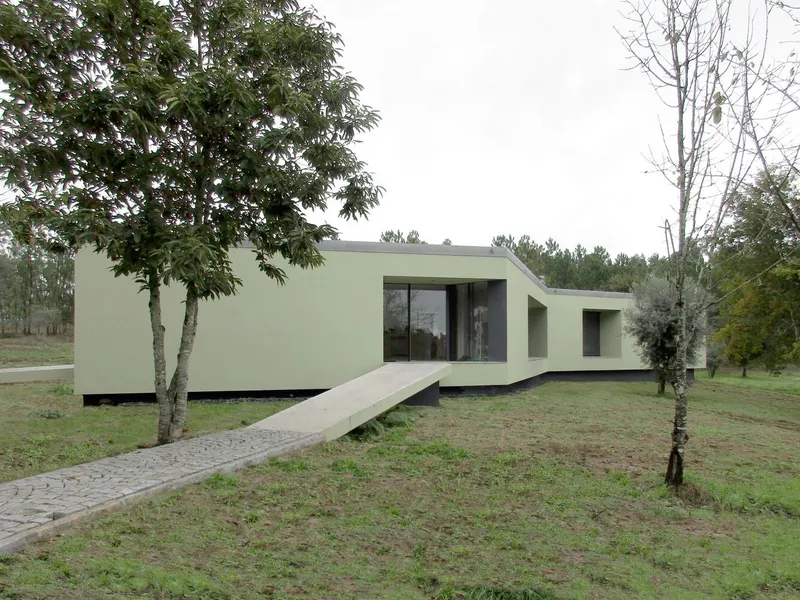
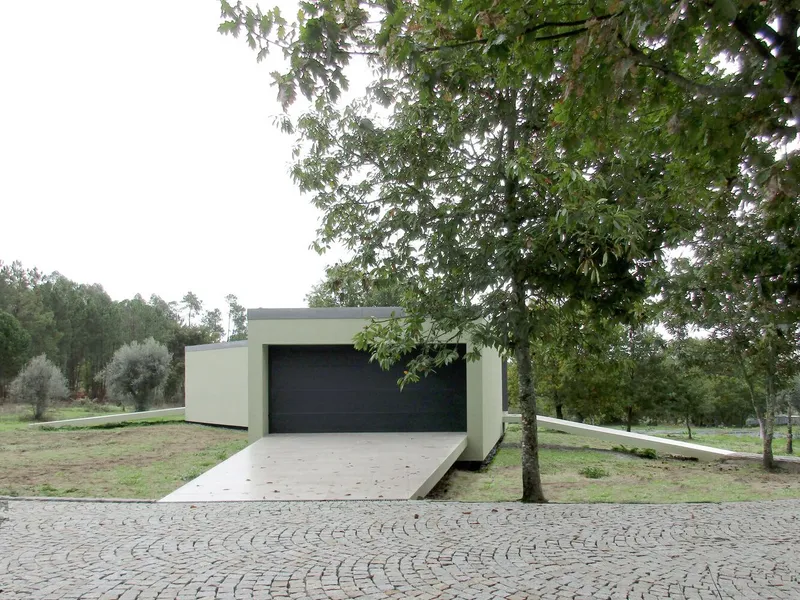
Even the pool, often criticized for excess, serves as a reserve for water reuse and fire control, aligning with the site’s ecological strategy.
Toward a New Standard of Sustainable Living
This house is not just a residence—it is a manifesto for responsible design in the face of climate change. With no need for technological crutches, the project demonstrates how architectural design alone can ensure comfort, beauty, and sustainability.
Utopia – Arquitectura e Engenharia proposes a new paradigm for passive house design in Portugal, where every line drawn contributes to both environmental balance and architectural expression. It’s a return to a more intuitive architecture—guided by nature, geometry, and logic—yet positioned firmly within the urgent challenges of our time.


Popular Articles
Popular articles from the community


The Amber Palace Opera: A Geological Fiction Surfaces on Tallinn's Baltic Waterfront
Pierre Brillard reimagines a Baltic legend as a public landscape, opera house, and waterfront promenade rooted in Tallinn's coastal identity.


graciastudio Turns a Viewless Tijuana Lot Inward Around a Courtyard of Concrete, Timber and Trees
In Tijuana, Jorge Gracia's GA2 House stacks a timber-clad private floor over exposed concrete and replaces a missing view with a planted interior patio.

Cube Design Draws an Ecological Corridor Between Two Shenzhen Hills with the Nankai Building
Beside Shenzhen's container docks, the Nankai Building pairs stacked balconies with a climbing green screen to connect two hillsides across its height.

FCC Arquitectura Expands a Portuguese Granite House with a Board-Marked Concrete Wing
In Portugal, JV House pairs a cleaned-up whitewashed and granite dwelling with a timber-shuttered concrete extension, courtyards and a garden pool.

Similar Reads
You might also enjoy these articles
Cube Design Draws an Ecological Corridor Between Two Shenzhen Hills with the Nankai Building
Beside Shenzhen's container docks, the Nankai Building pairs stacked balconies with a climbing green screen to connect two hillsides across its height.

Praksis A and Studio Sted Bend a Red Timber Cabin Across the Granite of Norway's Southern Coast
On the southern Norwegian coast, a 105 m² cabin follows the rock on slender posts, pairing red cladding outside with pine, brick and plywood within.

David Ortega Stacks a Two-Story Mexico City Penthouse Around a Steel Stair and a Pergola-Shaded Roof Terrace
In Colonia Roma, a 300 m² penthouse uses oak joinery, a planted steel stair and a slatted roof pergola to make a new-build apartment feel like a house.

PARALELA and LB2 Thread a Public Walkway Through the Base of a Las Condes Residential Tower
In Las Condes, Santiago, the Hamlet Building gives its fenceless ground floor to a 70-metre wooded passage linking two streets and the metro.

Explore Passive Architecture Competitions
Discover active competitions in this discipline

Challenge to reimagine the Iron Throne

Photograph architecture without architects

Illustrate the lost glory of Angkor Wat - Render Challenge

Design challenge to reuse E-waste
Comments (0)
Please login or sign up to add comments
No comments yet. Be the first to comment!