
Pavuna Park by Embyá: A Sustainable Urban Oasis in Rio de Janeiro
Pavuna Park by Embyá is a sustainable urban oasis in Rio, integrating landscape design, recreation, digital learning, and cultural identity.

Transforming Urban Spaces with Inclusive Landscape Design
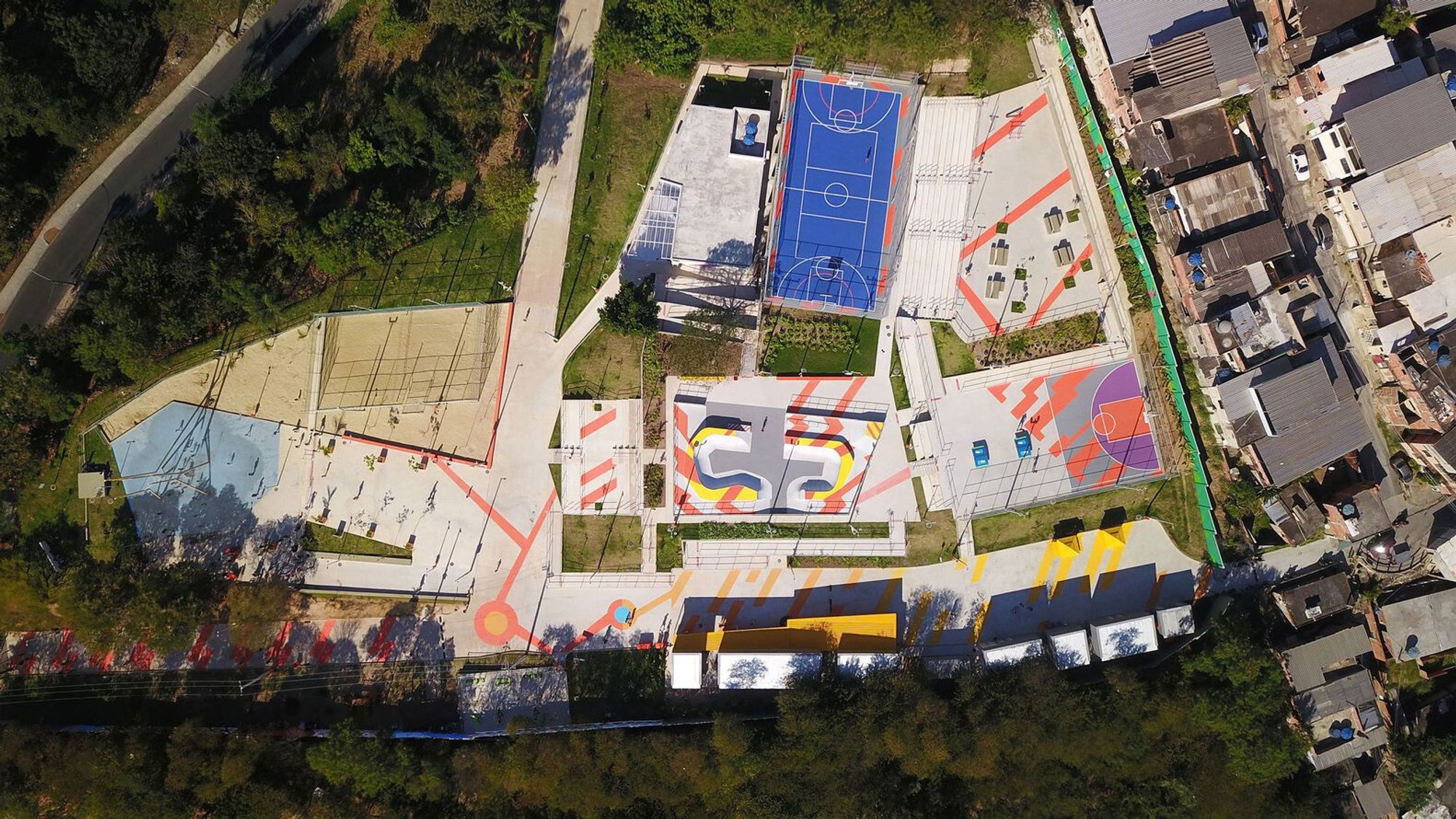
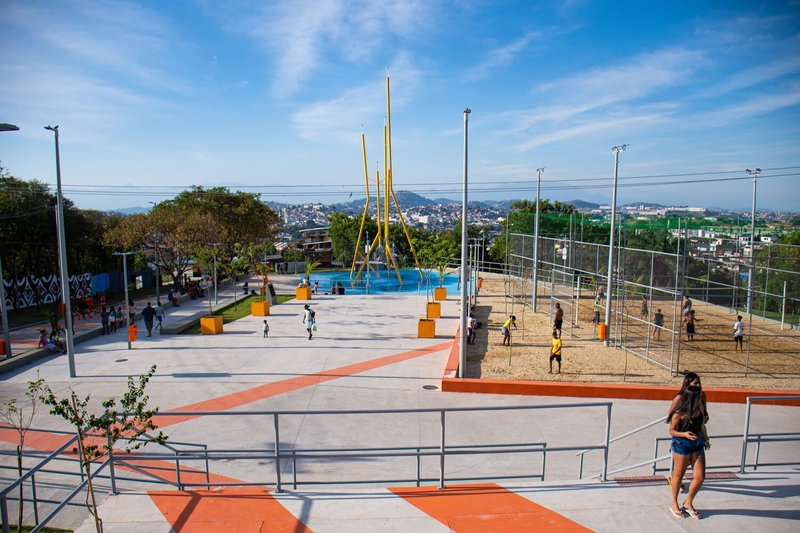
Pavuna Park by Embyá is a groundbreaking example of ecosystem-based landscape architecture, redefining public spaces in Rio de Janeiro’s North Zone. Developed at the Complexo do Chapadão, an area historically challenged by low social development indices, the park serves as a vibrant green hub, fostering community engagement, environmental sustainability, and social inclusivity.
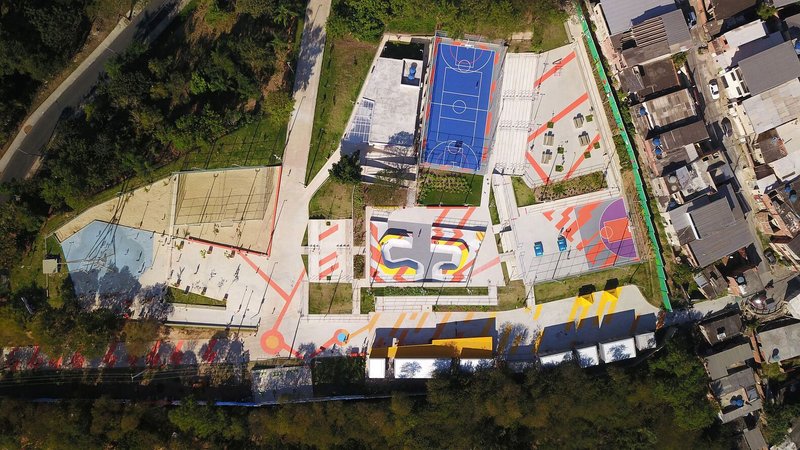
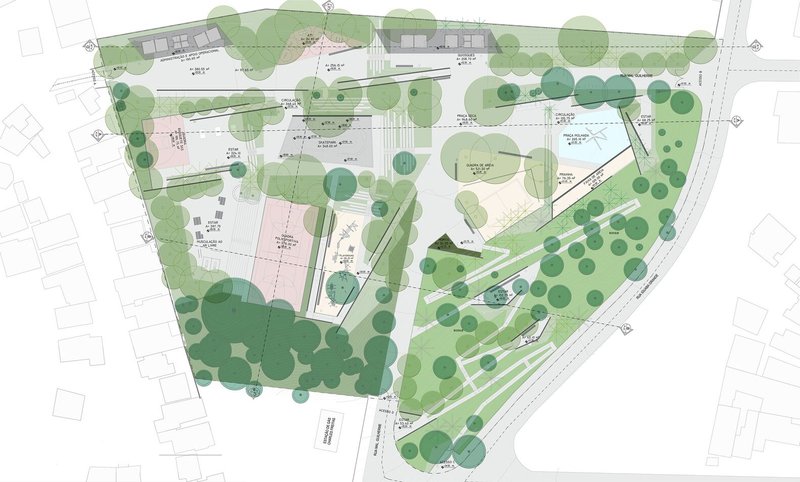
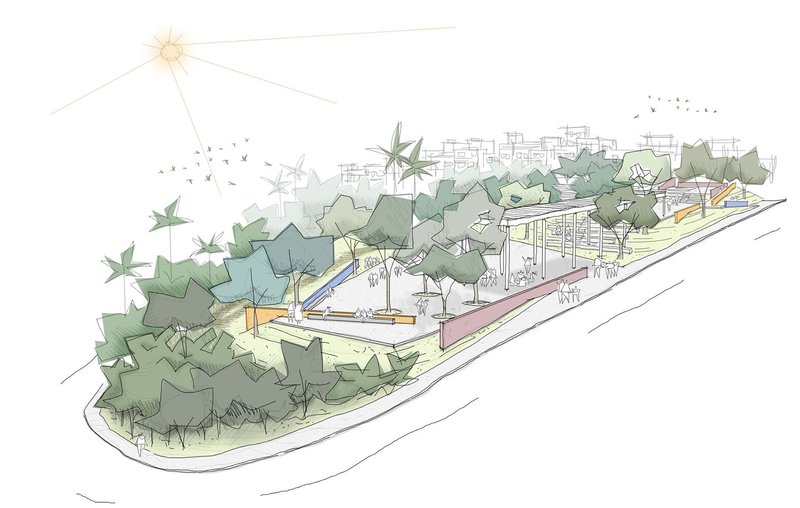
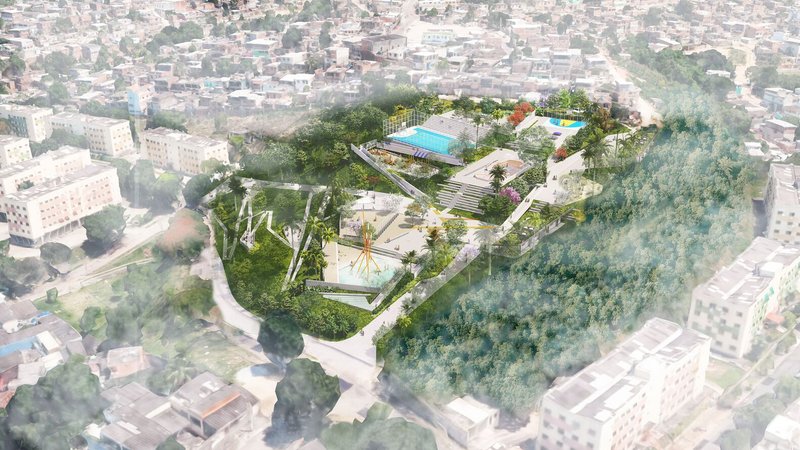
Designed by Embyá - Paisagismo Ecossistêmico, the 14,434-square-meter park is a multifunctional urban space that integrates sports, leisure, and digital inclusion facilities, creating an open, high-quality environment that enhances the well-being of residents and visitors alike.
A Landscape Adapted to Its Environment
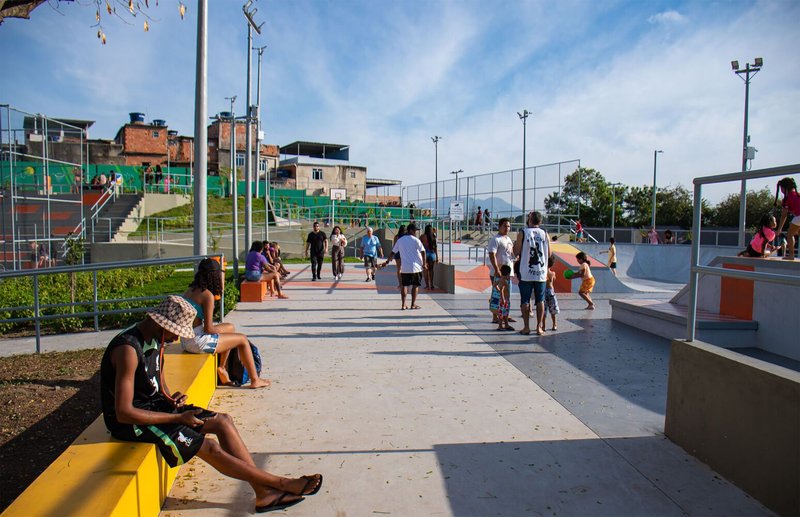
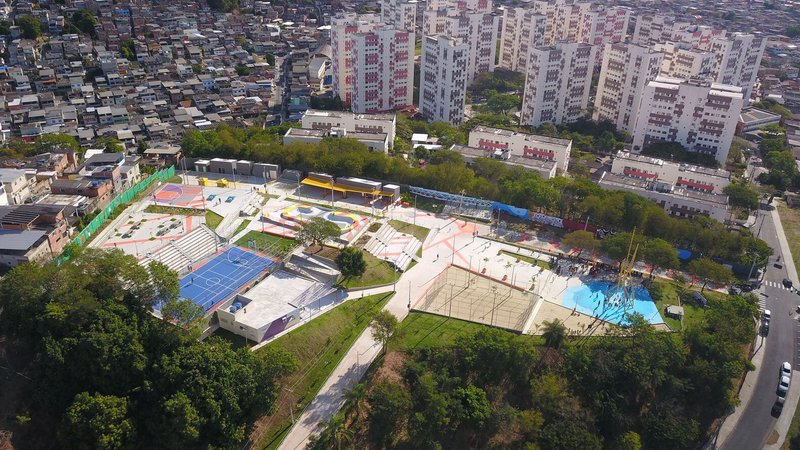
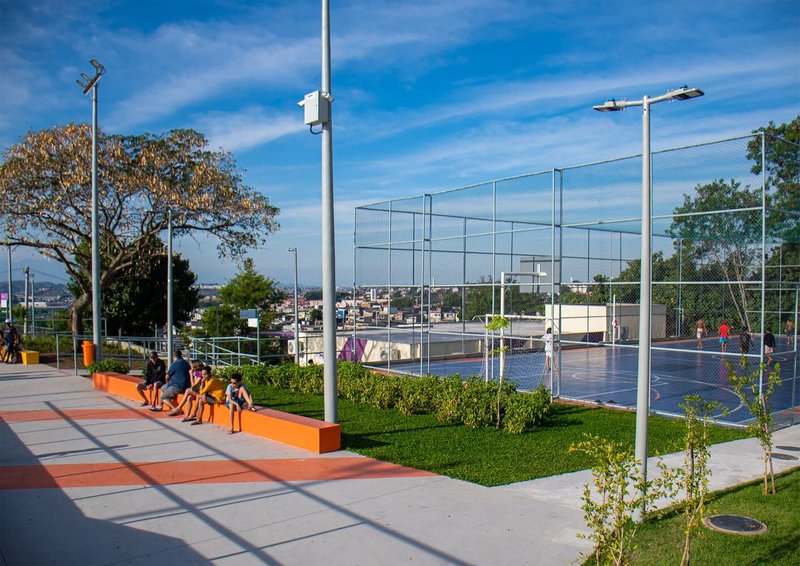
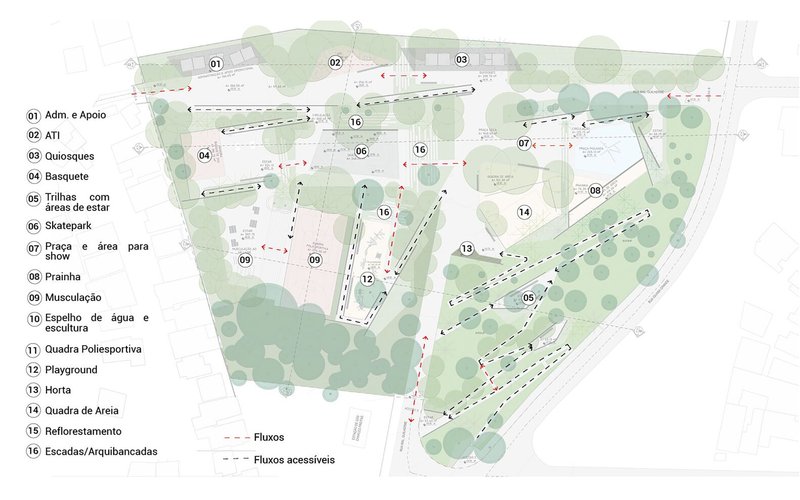
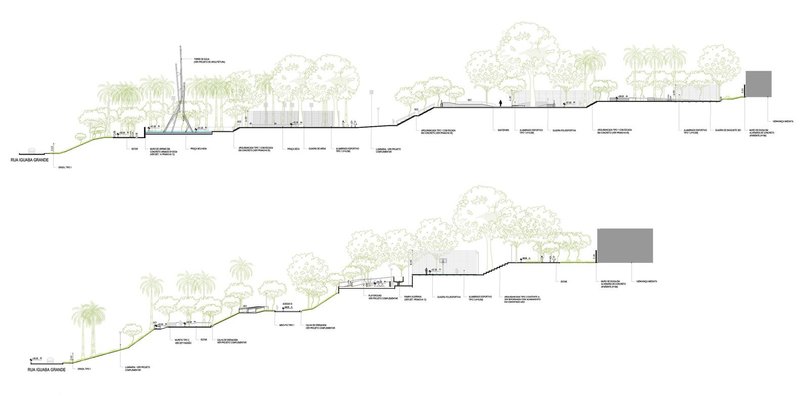
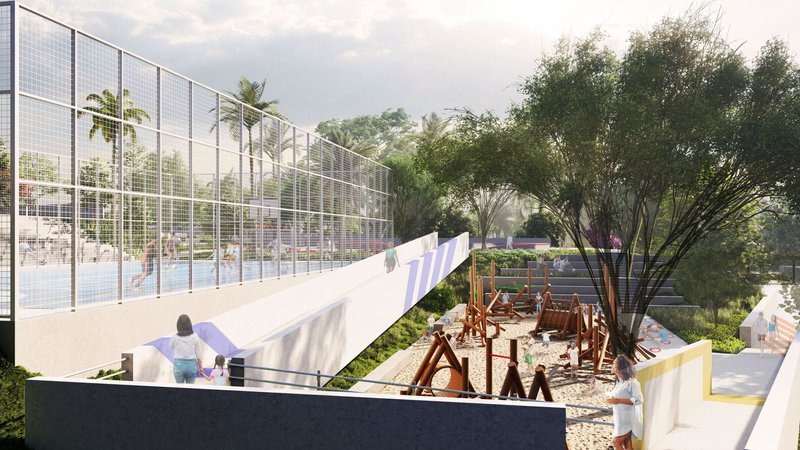
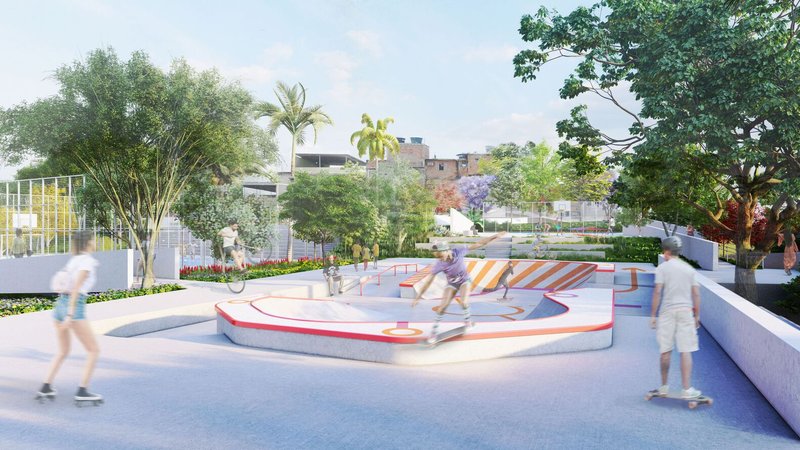
One of the key aspects of Pavuna Park by Embyá is its intelligent use of topography. The sloping land is transformed into functional plateaus, connected by stairs, ramps, and bleachers, maximizing accessibility. The design seamlessly integrates with the native flora of the Mata Atlântica biome, maintaining existing vegetation while introducing new plant species to support biodiversity and improve rainwater absorption.
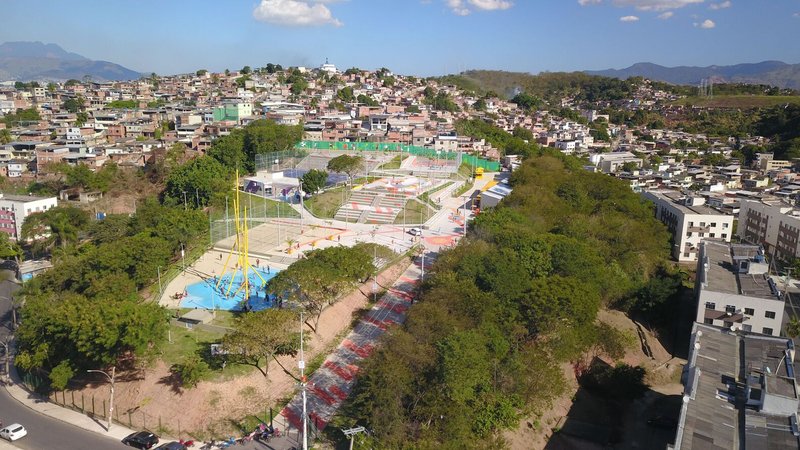
This ecological approach not only enhances the park’s natural beauty but also contributes to thermal comfort and climate resilience, making it a sustainable model for future urban developments.
A Hub for Recreation, Sports, and Community Engagement
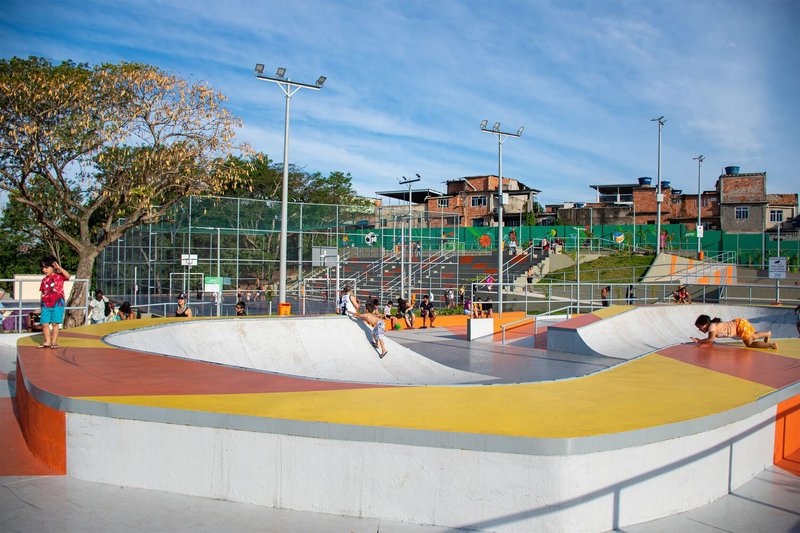
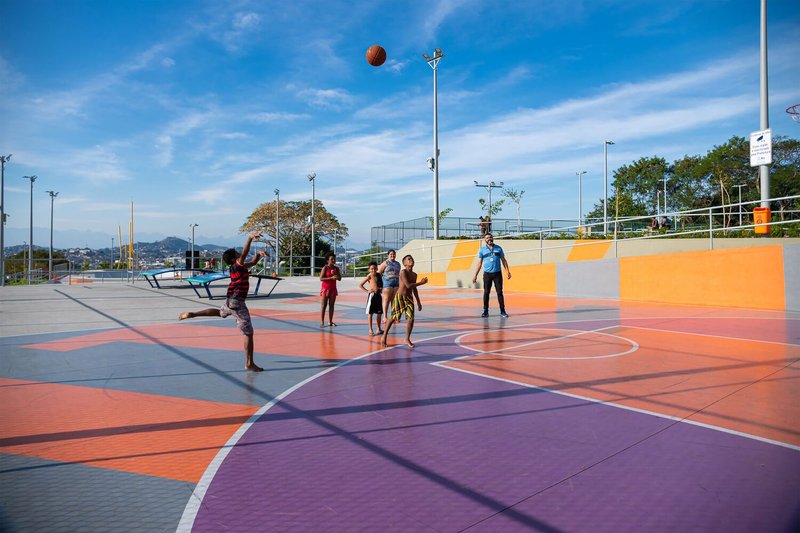
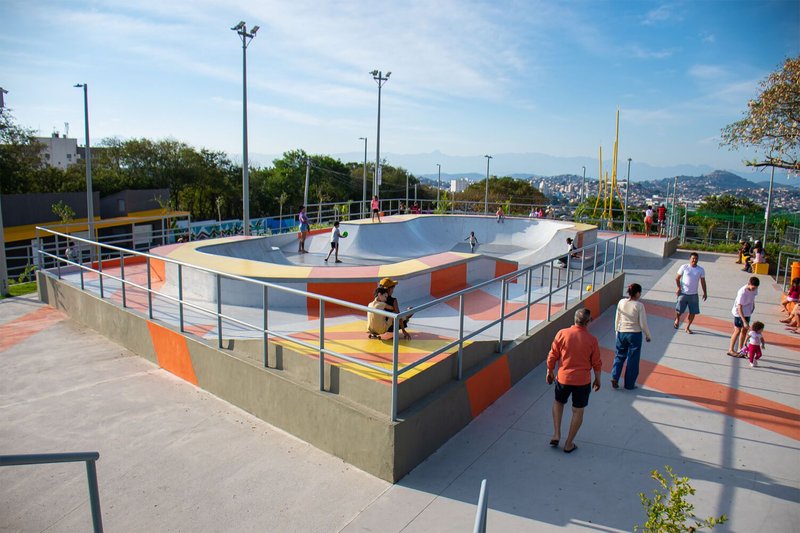
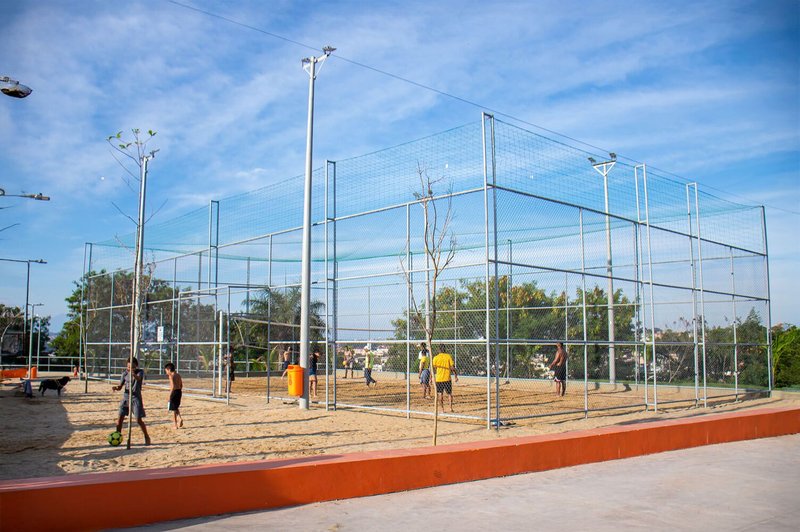
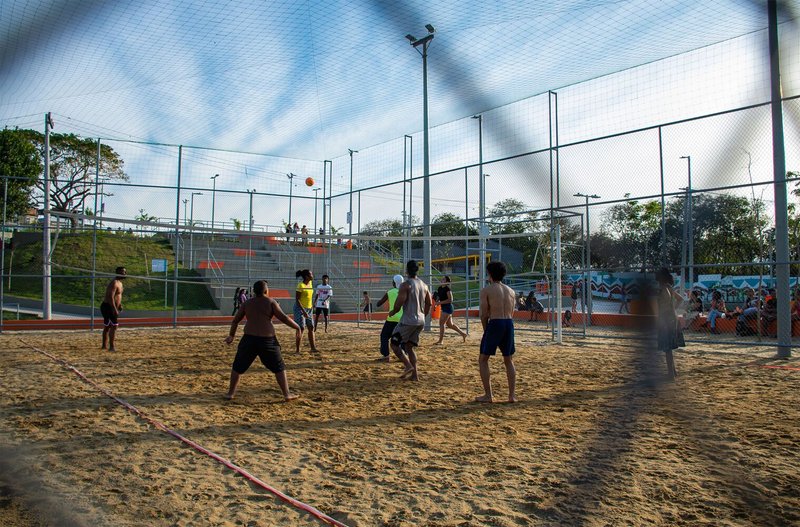
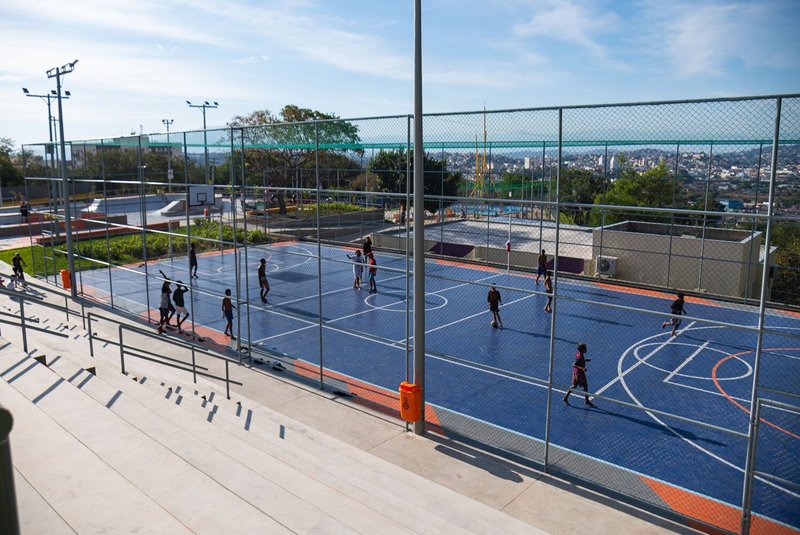
Pavuna Park is designed to accommodate diverse activities, ensuring accessibility for all age groups. It features sports courts for soccer, volleyball, and basketball, a skate park, a children’s playground, and an outdoor gym for the elderly.

The inclusion of a Nave do Conhecimento unit, a digital learning and creativity center, highlights the park’s role in bridging technological gaps and promoting education in underserved communities. This integration of technology, recreation, and environmental consciousness positions Pavuna Park as a pioneering public space that fosters holistic community development.
The Iconic Water Plaza: A Cultural and Interactive Landmark
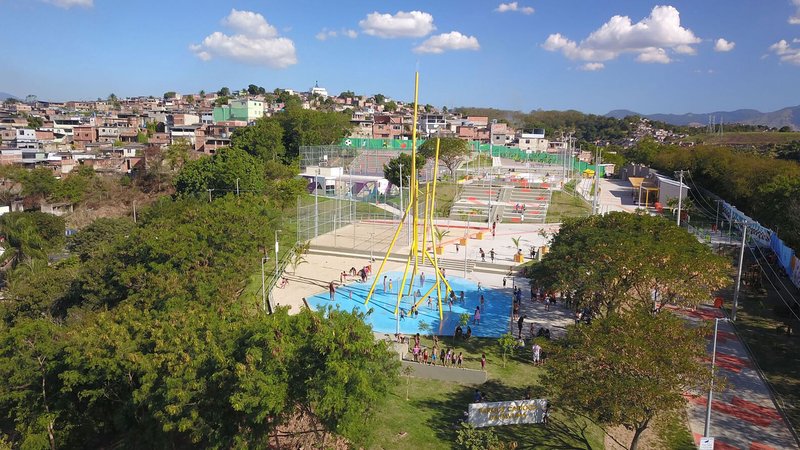
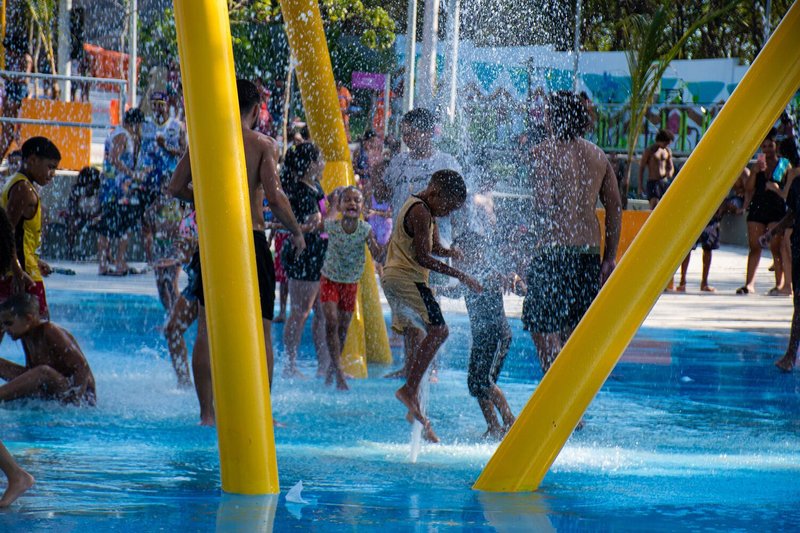
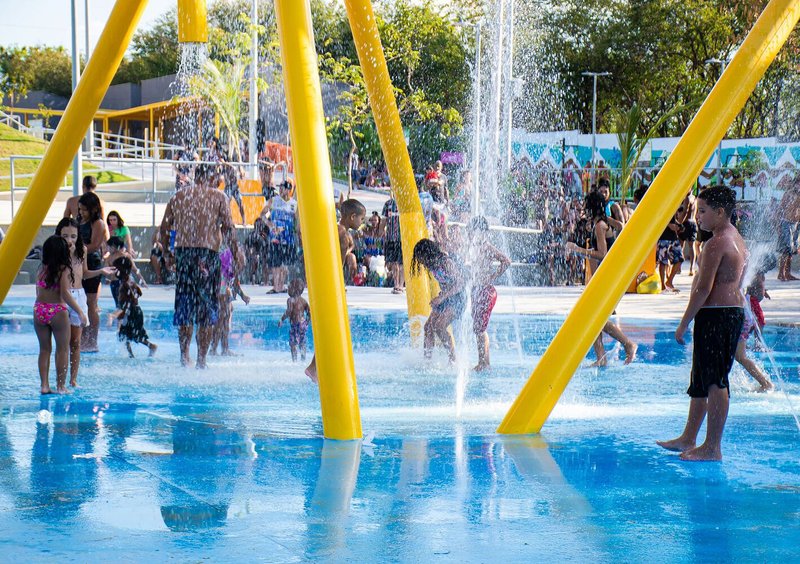
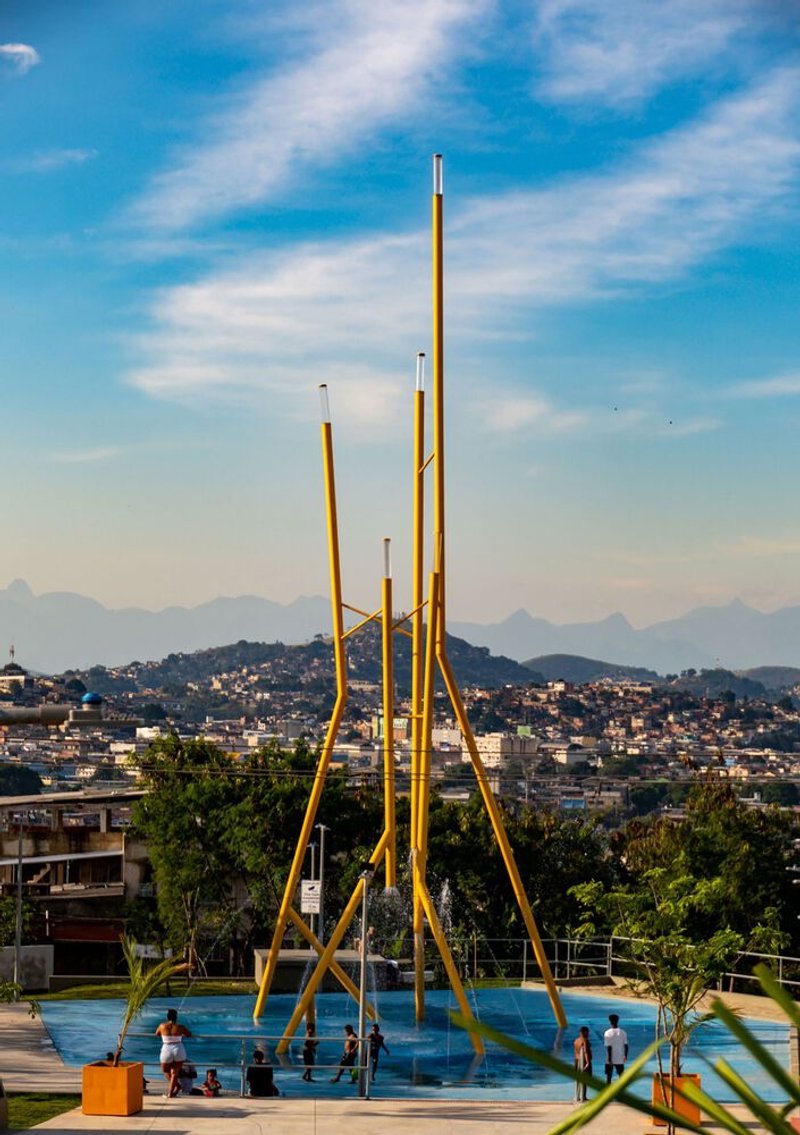
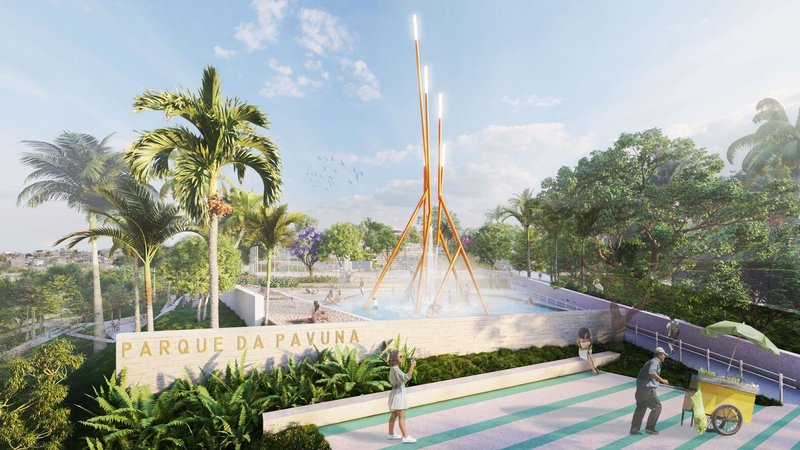
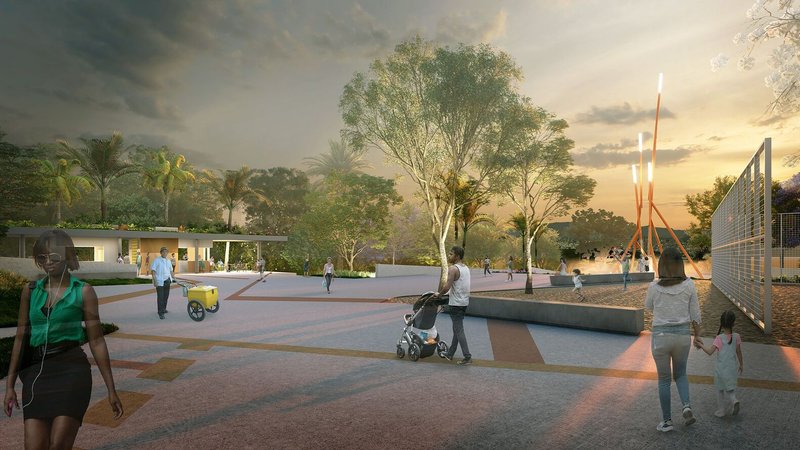
The water plaza, a defining element of Pavuna Park by Embyá, features a 22-meter-high sculpture inspired by mangrove roots, from which water jets emerge by day and light beams by night. This design references Rio’s traditional laje showers, a common feature in local homes, transferring a familiar domestic experience into the public realm.
Adjacent to this interactive water feature, sand-covered areas create a beach-like atmosphere, resonating with Carioca culture. This playful and immersive space enhances the community’s connection with nature, reinforcing the park’s role as a social and recreational anchor for the neighborhood.
Artistic and Functional Paving Design
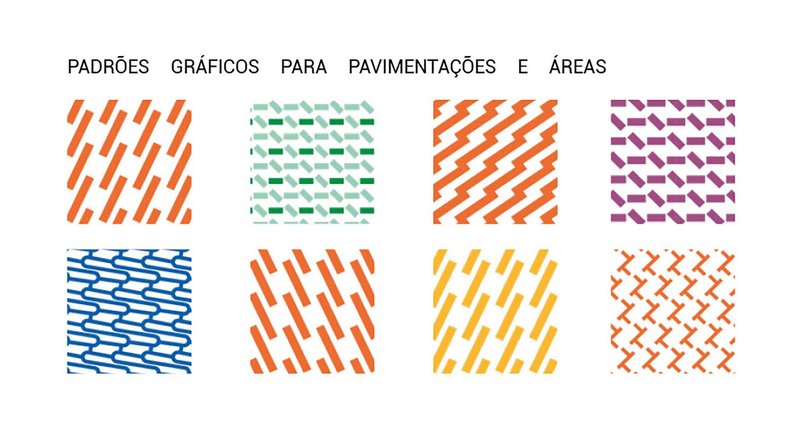
Beyond its natural and recreational features, Pavuna Park by Embyá incorporates artistic paving elements that enhance the aesthetic and spatial dynamics of the park. The concrete pathways are adorned with painted graphics inspired by the local urban fabric, incorporating hues that reflect the terracotta tones of exposed bricks and the blue shades of water tanks found in Rio’s suburban homes.
This thoughtful design approach introduces an additional layer of visual identity and cultural resonance, ensuring that every aspect of the park reflects the local community’s character.
A Model for Sustainable and Inclusive Public Spaces
By merging landscape architecture, ecological resilience, and community-driven design, Pavuna Park by Embyá stands as a transformative project that redefines urban public spaces. Its integration of sports, digital inclusion, and environmental consciousness creates a dynamic and inclusive destination that fosters coexistence, cultural exchange, and sustainability.
As cities worldwide seek to revitalize underutilized spaces, Pavuna Park serves as a model for urban renewal, demonstrating how landscape design can strengthen social ties, enhance quality of life, and contribute to a more sustainable future.
All Photographs are works of Douglas Lopes




Popular Articles
Popular articles from the community

OMCM arquitectos Builds a Summer House in Paraguay from Quarry Waste Blocks and Three Sacred Trees
In the young hillside neighborhood of Altos, a 696-square-meter concrete volume hovers on six pillars around three preserved native Yvyraju trees.
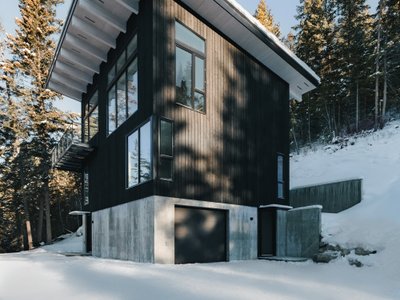
Twobytwo Architecture Studio Towers a Blackened Ski Cabin Above the Trees in Golden, BC
A compact three-storey lookout in the Kootenay mountains trades square footage for 14-foot ceilings and Columbia River Valley views.
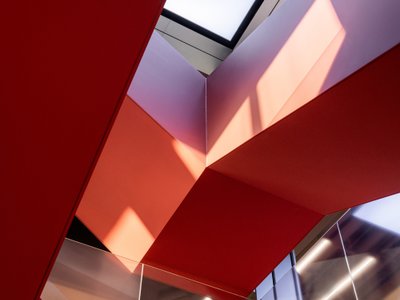
Ippolito Fleitz Group Identity Architects Turn Eight Floors in Shanghai into a Vertical Creative City
Publicis Groupe's new headquarters in Xintiandi reimagines the office as a courtyard-driven urban landscape stacked across eight floors.
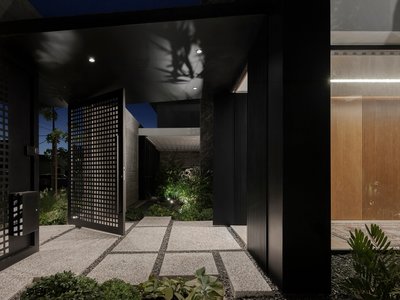
Constanti Architects Builds a Fortress of Privacy in Nicosia with House 345
A concrete and timber residence in Cyprus reinterprets the traditional introverted courtyard house for a new urban landscape.


Similar Reads
You might also enjoy these articles
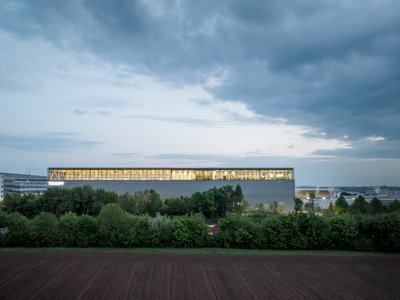
Barkow Leibinger Stacks a Timber Sports Center on Top of a Logistics Warehouse in Ditzingen
A laminated spruce fitness pavilion hovers 30 meters above the autobahn, turning a rooftop into an athletic campus for TRUMPF employees.
OMCM arquitectos Builds a Summer House in Paraguay from Quarry Waste Blocks and Three Sacred Trees
In the young hillside neighborhood of Altos, a 696-square-meter concrete volume hovers on six pillars around three preserved native Yvyraju trees.
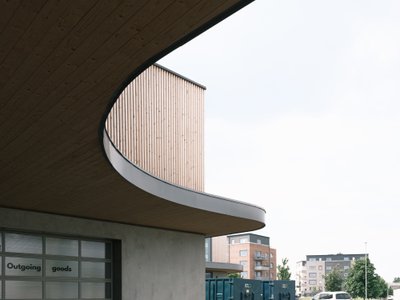
Johan Sundberg Wraps a Swedish Sticker Factory in an Undulating Timber Shell
On an industrial estate in Lomma, a production hall sheds its utilitarian skin for pine plywood, terrazzo, and a non-hierarchical plan.
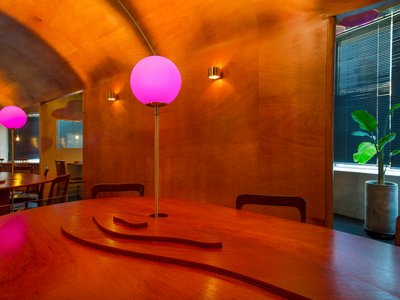
Indiesalon Carves a Plywood Cave into a Seoul Bistro's Second Floor
Munhwa Bistro's second Seongsu branch wraps diners in a laminated timber vault laced with colored light and mirror illusions.


Explore Architecture Competitions
Discover active competitions in this discipline




The International Standard for Design Portfolios


The Global Benchmark for Architecture Dissertation Awards


The Global Benchmark for Graduation Excellence


Challenge to reimagine the Iron Throne
Comments (0)
Please login or sign up to add comments
No comments yet. Be the first to comment!