
Perkins&Will Stacks a Single Home on Every Floor of a 24-Story Tower in Campo Grande
HVM Maya channels the Pantanal wetlands through board-formed concrete and biophilic layering on Avenida Afonso Pena, Brazil's Midwest.

One apartment per floor, 400 square meters of living space on each level, and a 24-story tower that insists on behaving like a house. HVM Maya, designed by Perkins&Will São Paulo and led by architect Douglas Tolaine, is the first vertical building to rise along the upper stretch of Avenida Afonso Pena in Campo Grande, directly facing the 119 hectares of native vegetation that make up Parque das Nações Indígenas. The site alone would justify ambition. What the building actually does with that context is more interesting.
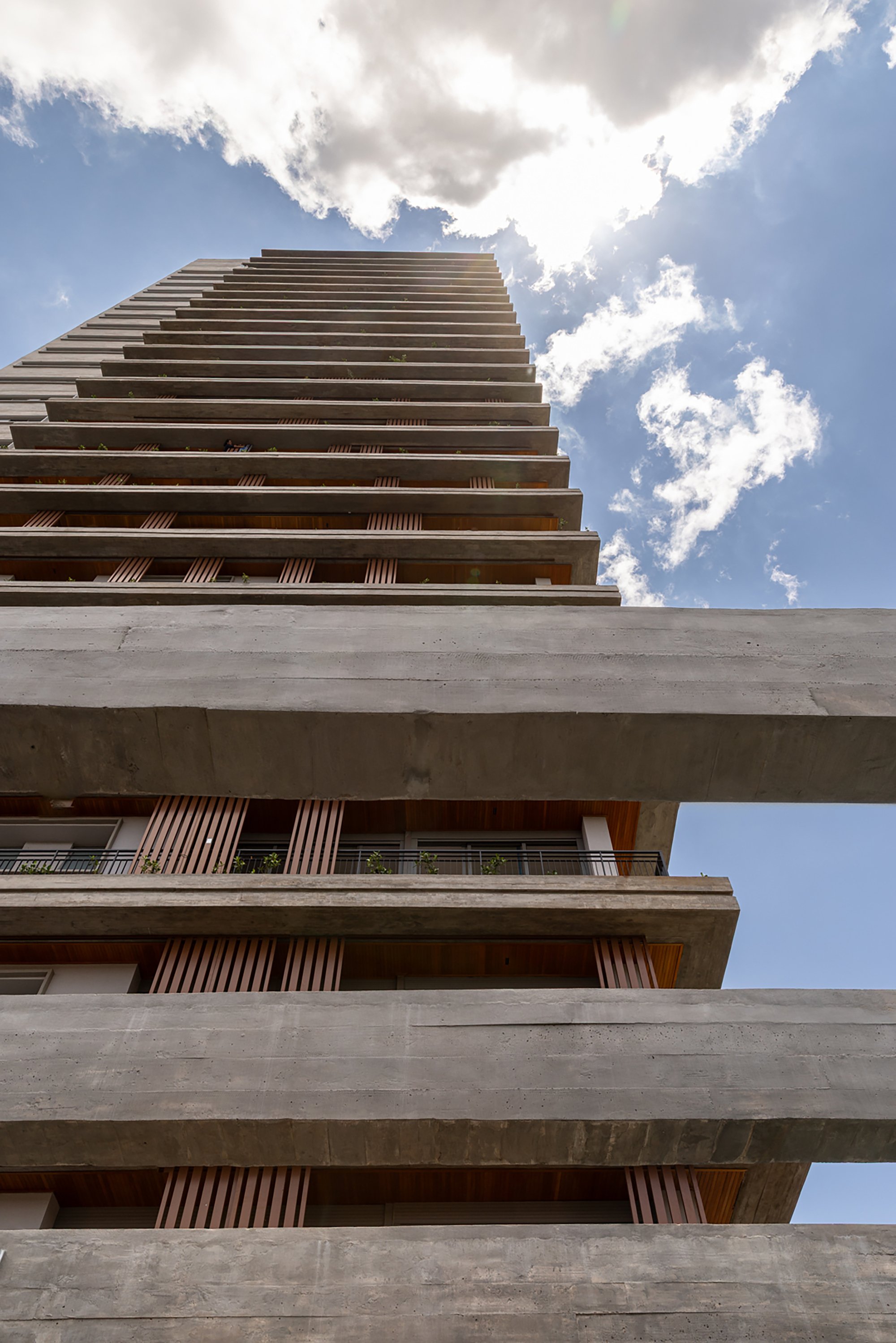
In a region where year-round heat makes thermal performance a survival strategy rather than a talking point, HVM Maya organizes its entire vertical and horizontal circulation on the west facade, turning what is normally a core problem into a climate buffer. The result is a tower where the service spine doubles as a sun shield, freeing the living spaces to open toward the park and the best orientations. Board-formed concrete, timber brise-soleils, and planted balconies on every level give the building a textural density that reads less as luxury gloss and more as regional conviction.
Concrete as Regional Language
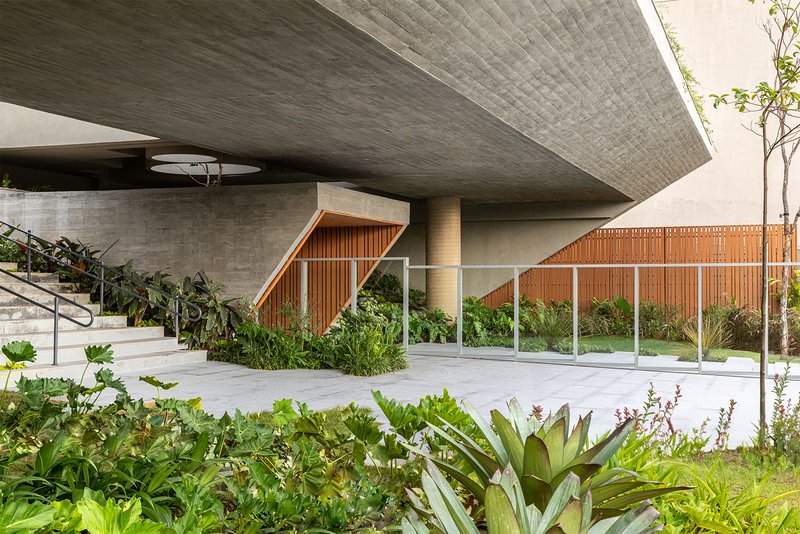
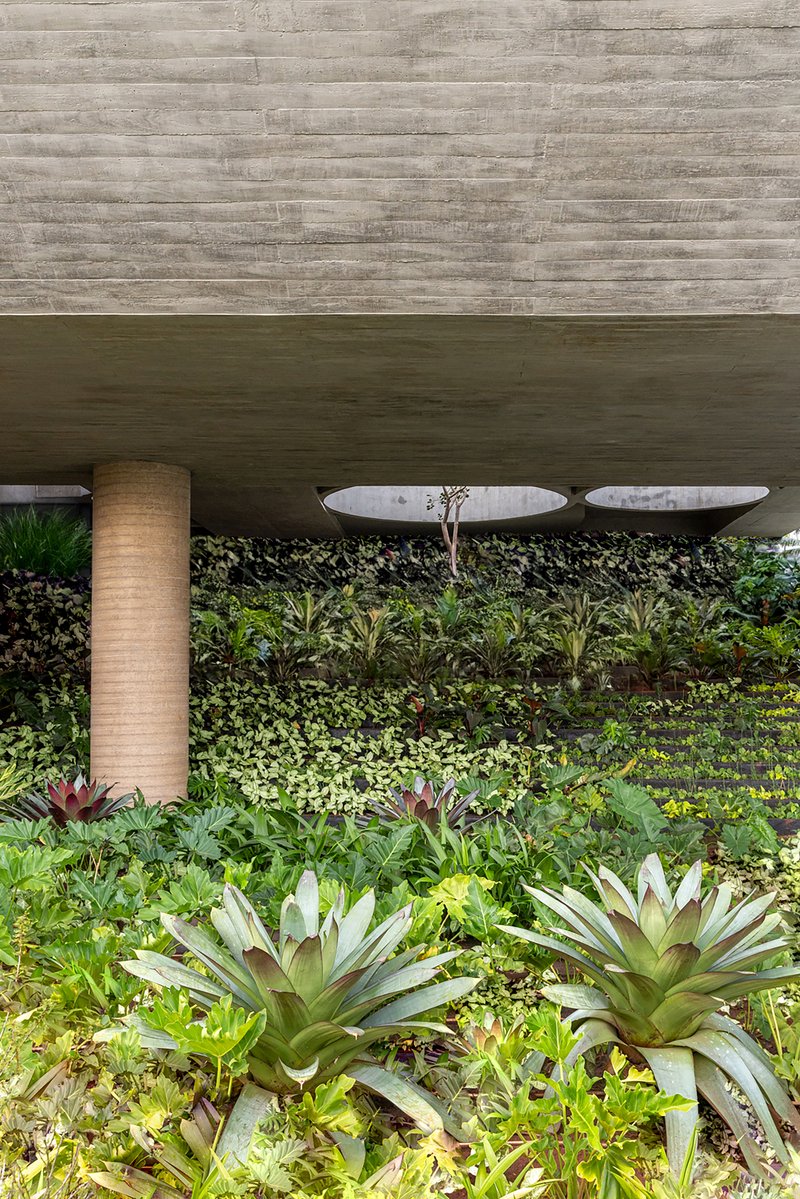
Board-formed concrete is doing heavy narrative work here. The deep grain of the formwork is visible on every soffit, cantilever, and column, producing surfaces that age and stain in response to Campo Grande's tropical climate rather than resisting it. The material choice is explicitly tied to the Pantanal wetlands: raw, exposed, and unapologetically massive. Against the sleek glass towers that dominate Brazilian luxury markets in São Paulo and Rio, this is a deliberate provocation.
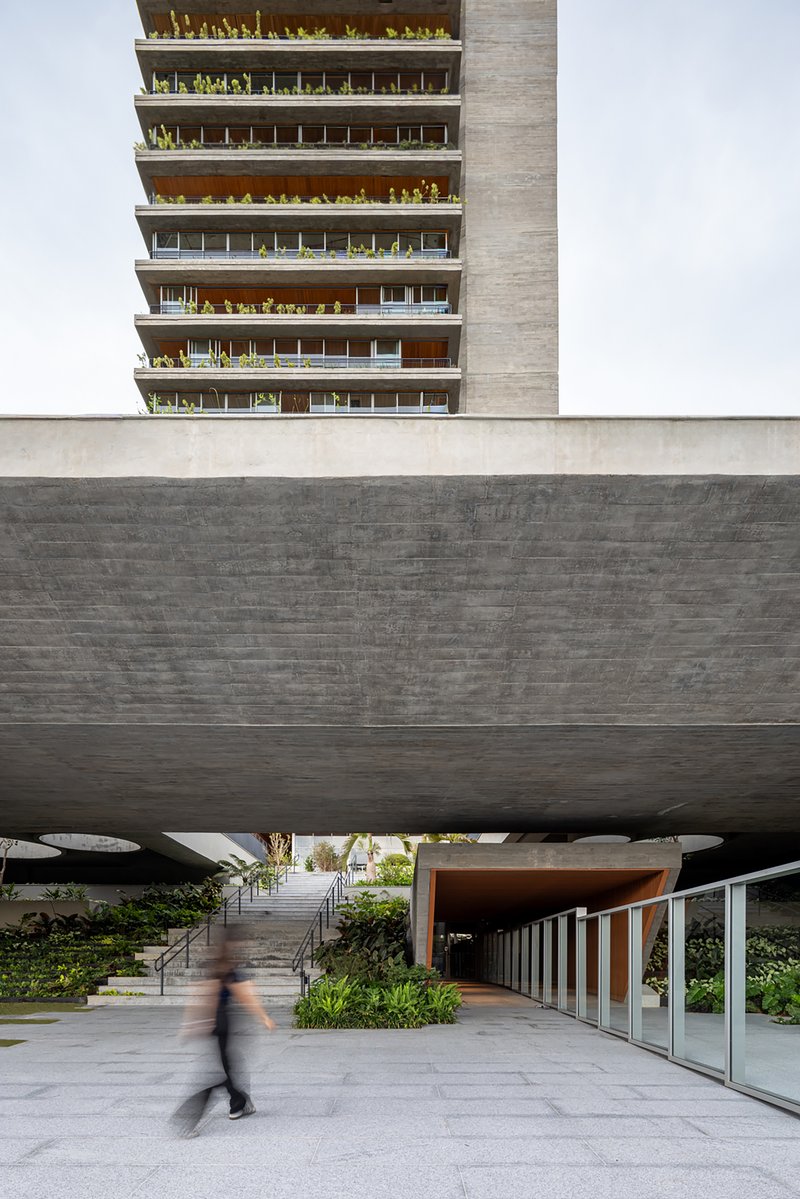
The cantilevered podium deck, with its deep overhangs and cylindrical columns, creates a covered landscape that hovers above the planted entry plaza. Agaves and tropical plantings at the base soften the brutalist geometry without domesticating it. The concrete here is not decoration. It is load-bearing identity.
A Threshold That Unfolds
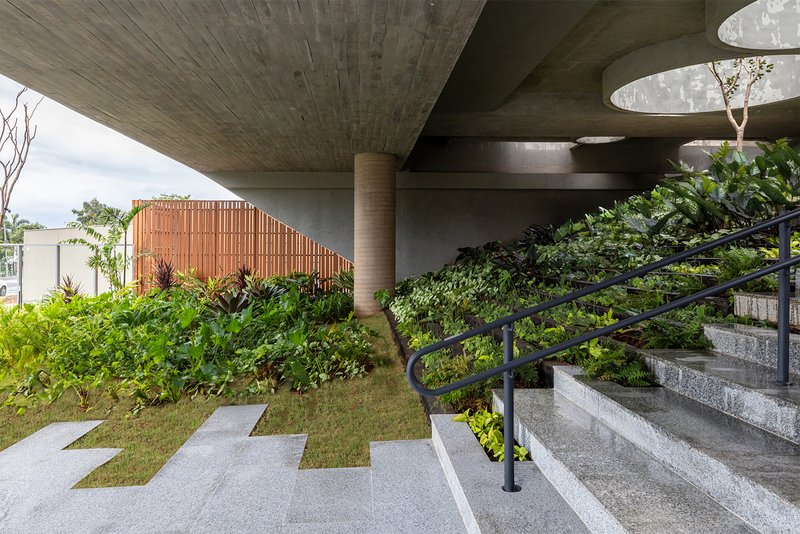
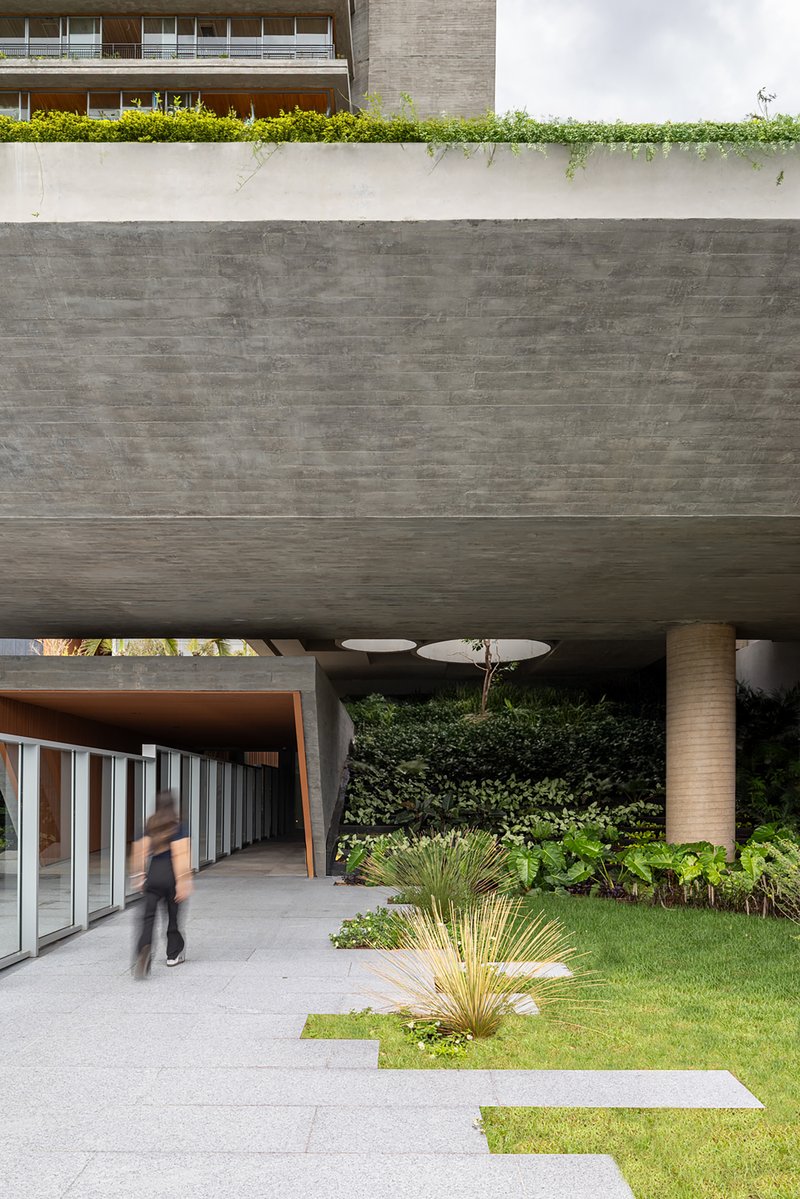
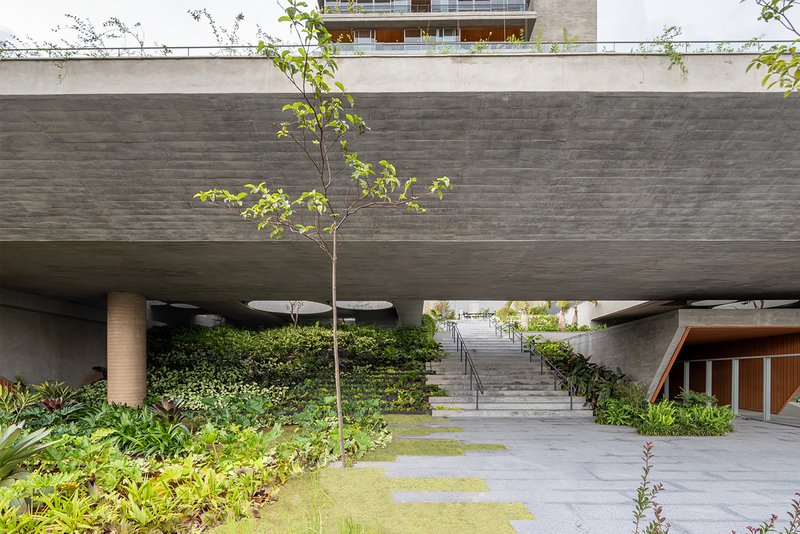
Arrival at HVM Maya is choreographed as a sequence of spaces rather than a single door. Granite steps with black steel handrails lead past planted terraces into a covered zone where concrete ceilings, timber screens, and vegetation overlap. Figures move through shaded passageways, passing reflecting pools and layered garden beds, before reaching the lobby. The effect is decompression: the city is gradually left behind.
The circular skylights punched through the concrete slabs above the entry courtyard are a particularly sharp detail. They admit columns of light into spaces that would otherwise read as bunker-like, and they establish a rhythm of openings that continues up the tower in the form of balcony voids and planted terraces. Light is never incidental in this building. It is measured and admitted on the architect's terms.
The Ground Plane as Living Room
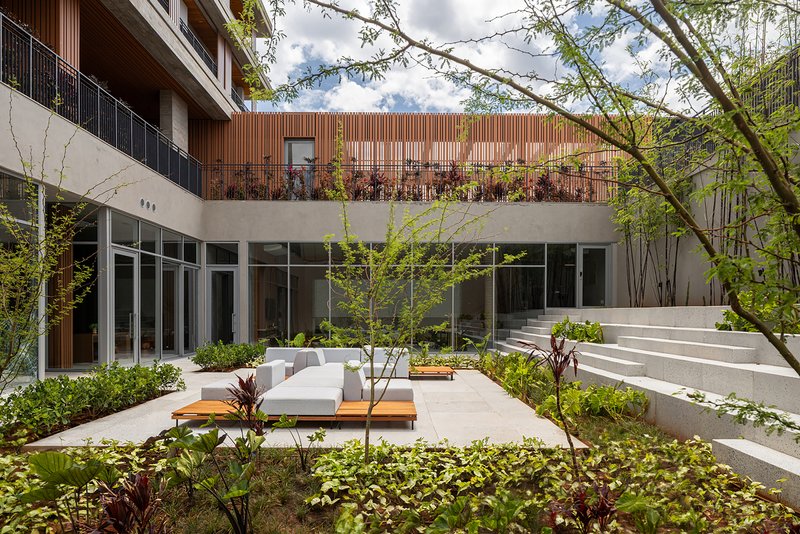
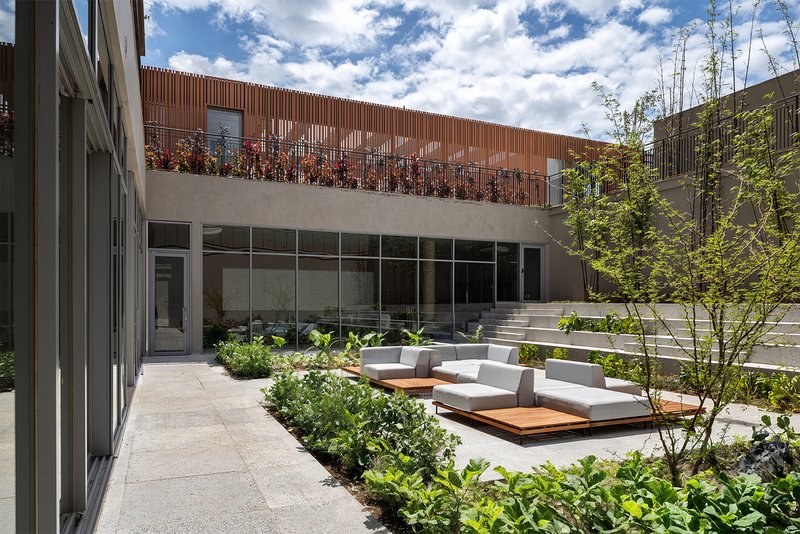
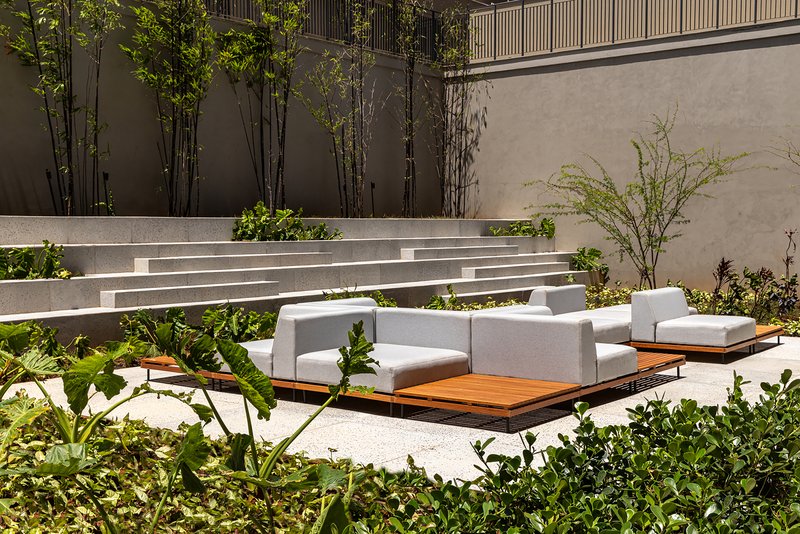
The podium level is designed to feel like an inhabited garden. Tiered concrete seating with integrated bamboo planters, timber-deck lounge modules with cushions, and stepped courts with white benches all sit beneath open sky and cantilevered slabs. Rodrigo Oliveira's landscaping is not peripheral; it is structural to the experience. The goal of drawing the neighboring park into the architecture is pursued literally, with planted beds that use species sympathetic to the Parque das Nações Indígenas next door.
What separates this from the typical amenity deck is the absence of a single grand gesture. Instead, the ground plane is broken into a series of intimate outdoor rooms, each scaled for a handful of people. It reads less as a resort and more as a neighborhood.
West Facade as Climate Machine
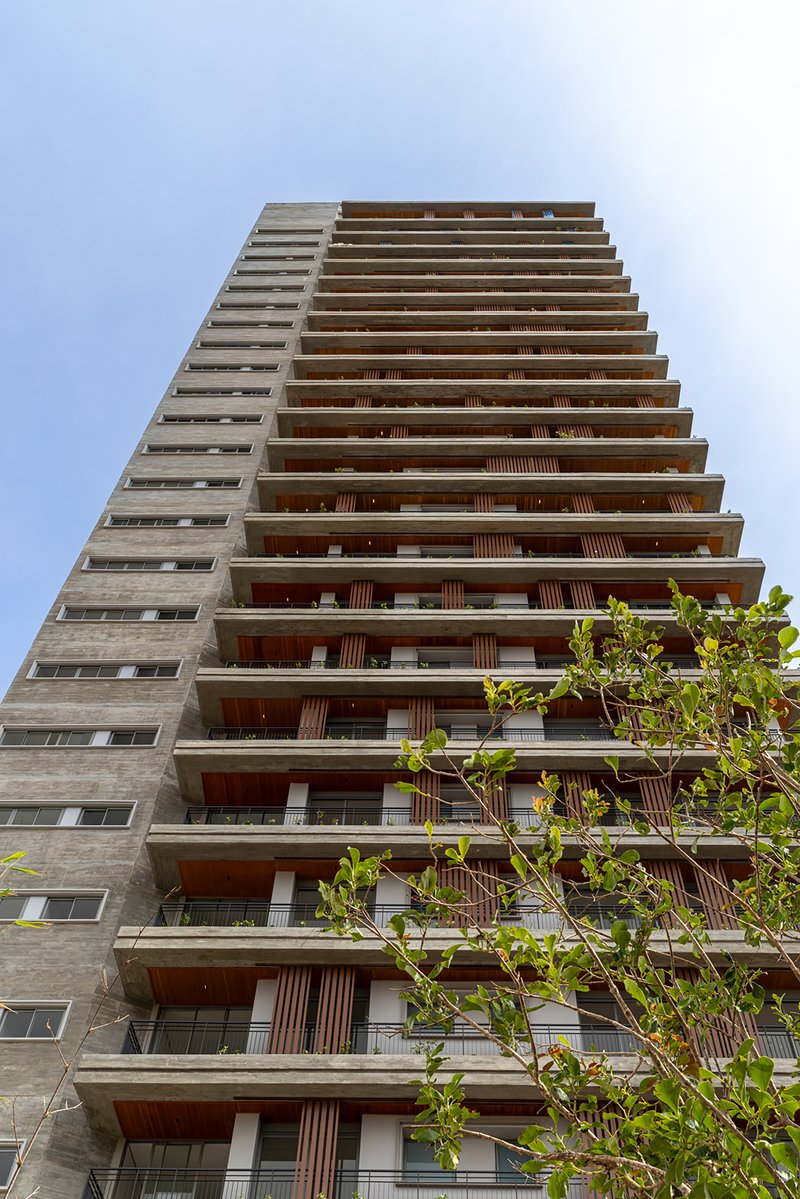
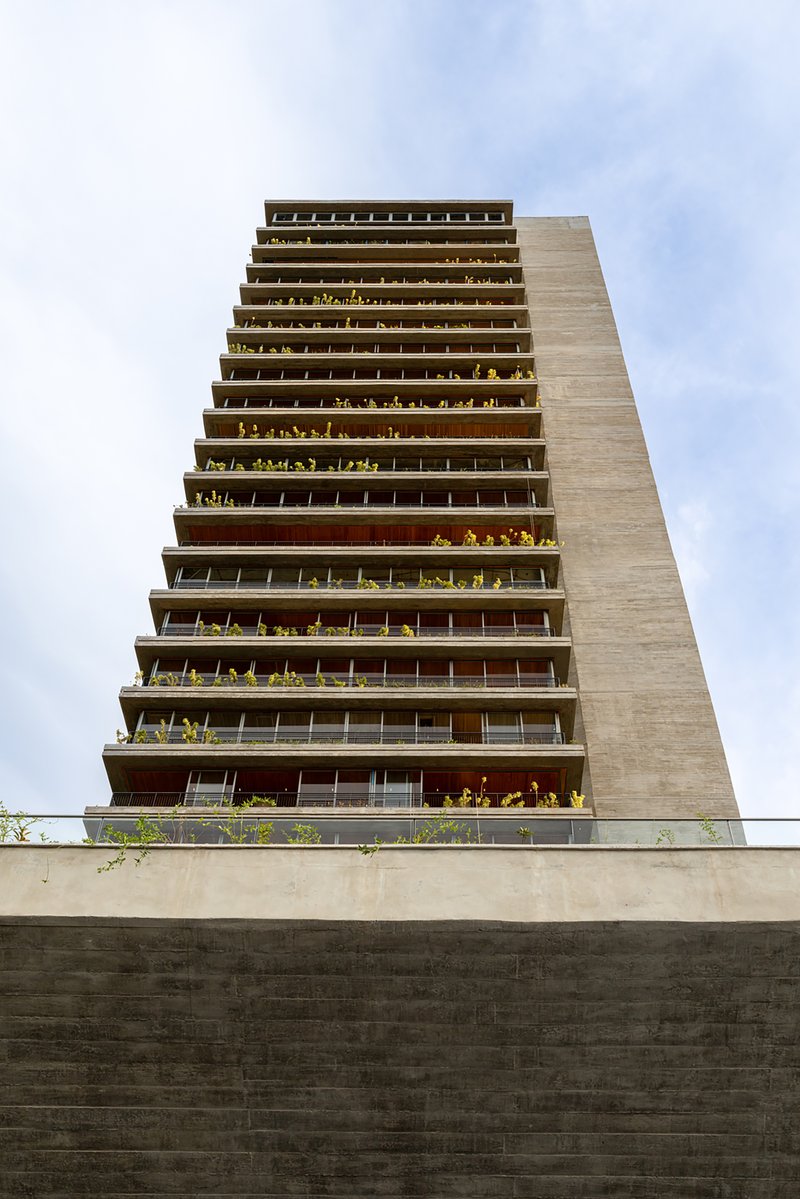
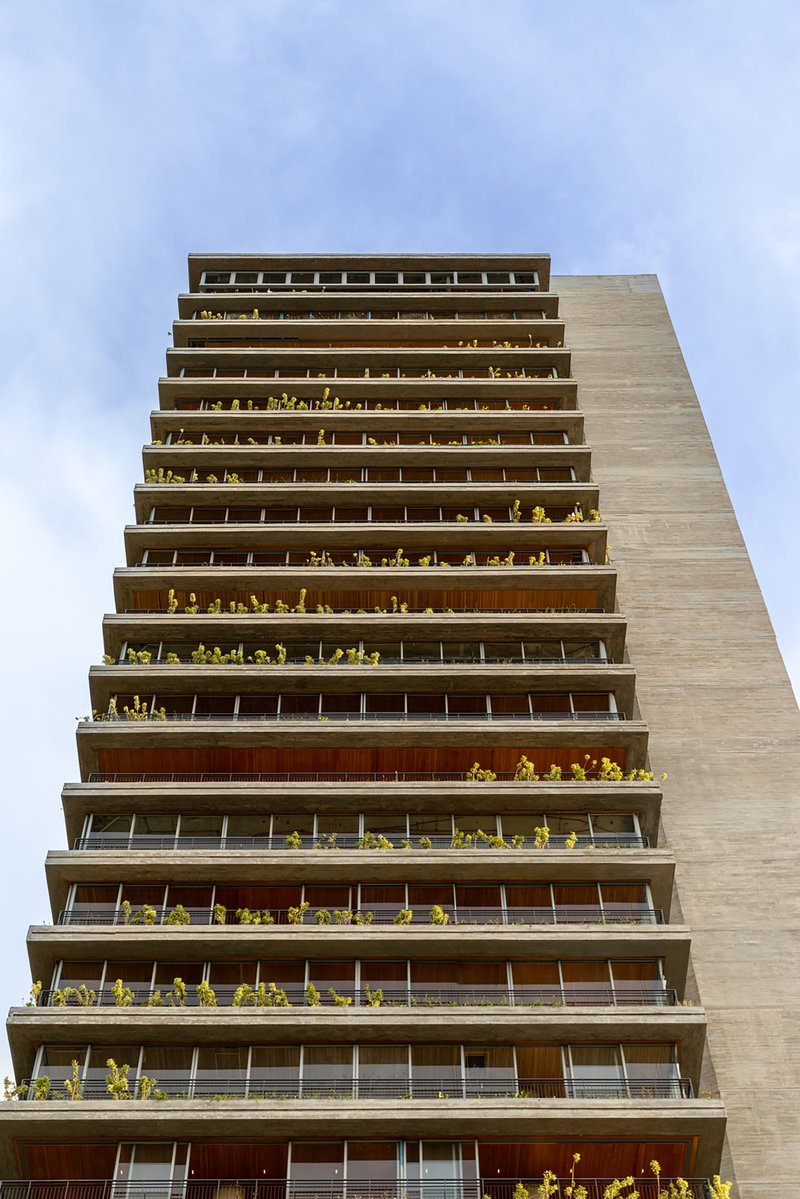
The most consequential design decision is invisible from the park side. By zoning all circulation to the west facade, the architects created a deep buffer zone that absorbs the worst solar exposure. Alternating concrete fins and timber-screened balconies stack vertically, creating a textured wall of shadow that changes character throughout the day. On the east and north faces, apartments open fully to light and air, protected by operable brise-soleils that filter heat without blocking views.
Planted balconies on every floor add a living layer of thermal insulation. Flower boxes with vegetation create shade and evaporative cooling at the building's skin, a strategy that is both biophilic and pragmatic. In a city where temperatures rarely dip below 25°C, this is not ornament. It is infrastructure.
Interior Atmosphere
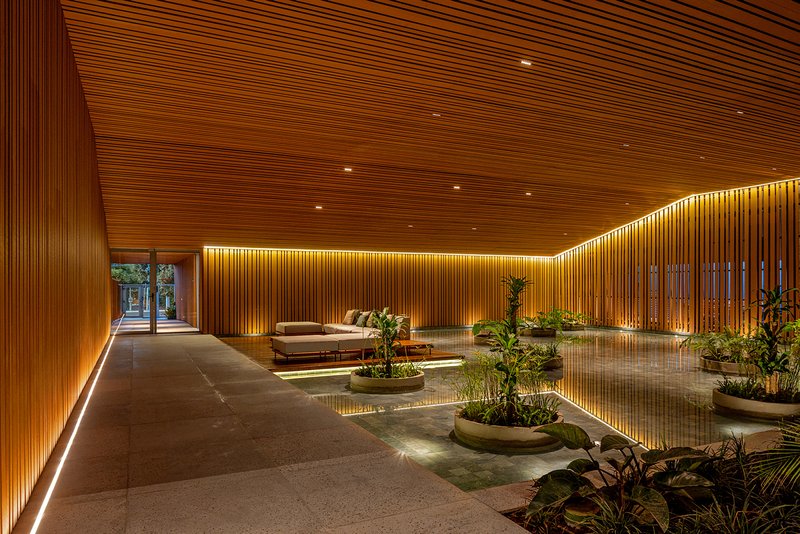
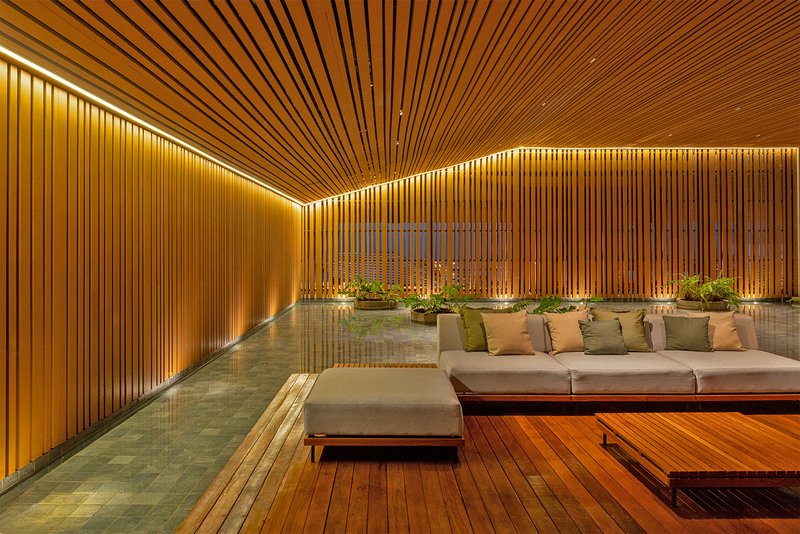
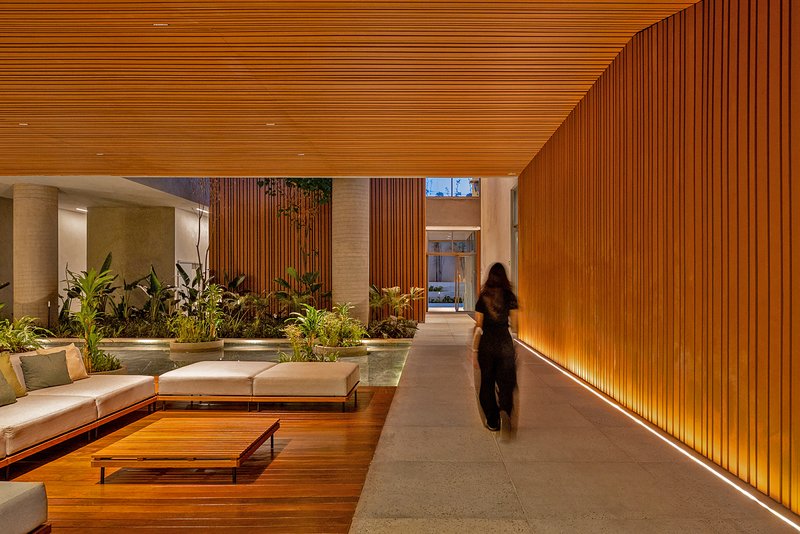
Inside the common areas, the material palette shifts from raw concrete to linear timber ceilings, backlit vertical slat walls, and polished stone flooring. The lobby reads as warm and compressed compared to the expansive entry courts, a deliberate inversion that makes the transition from outside to inside feel like entering a different atmospheric zone. Illuminated wood slats line circulation corridors, producing a soft glow that contrasts with the hard concrete envelope.
The double-height atrium, anchored by a circular concrete column and planted beds beneath clerestory glazing, is where the building's two registers meet. Raw structure and refined finish coexist without a visible seam. The effect is that the tower feels authored rather than assembled.
Timber and Light
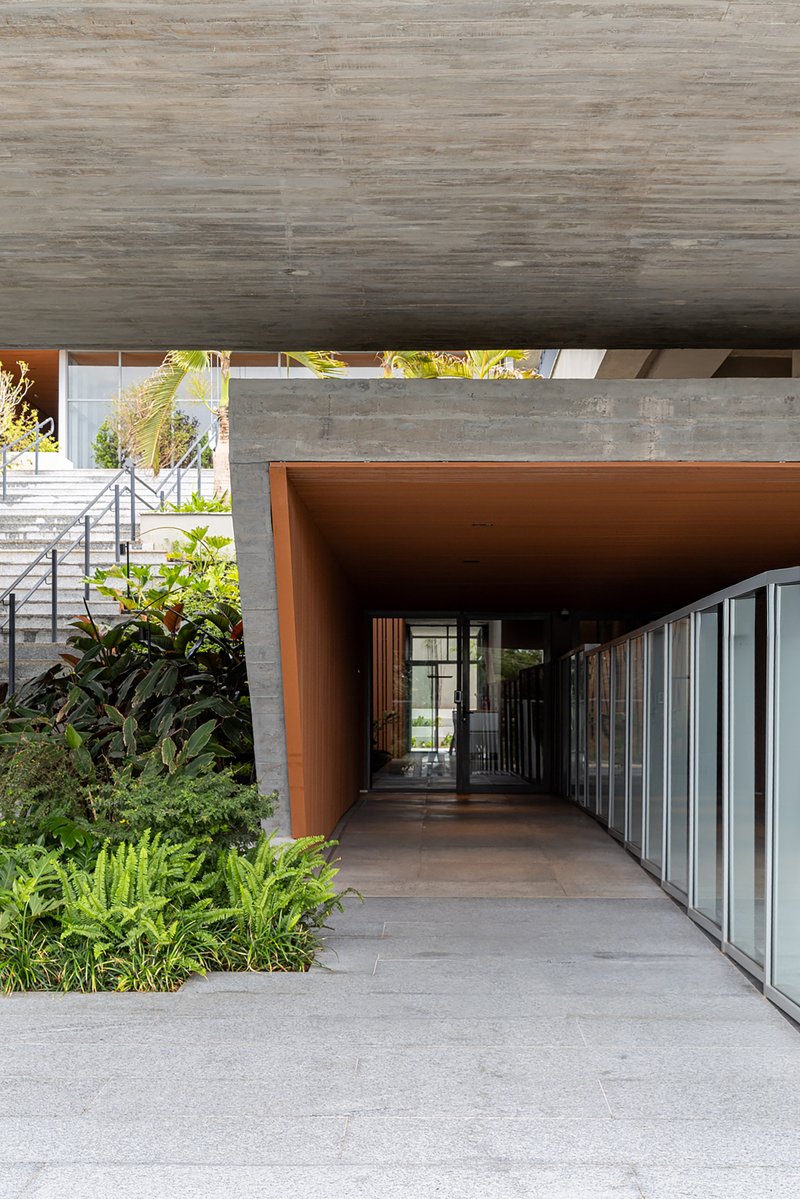
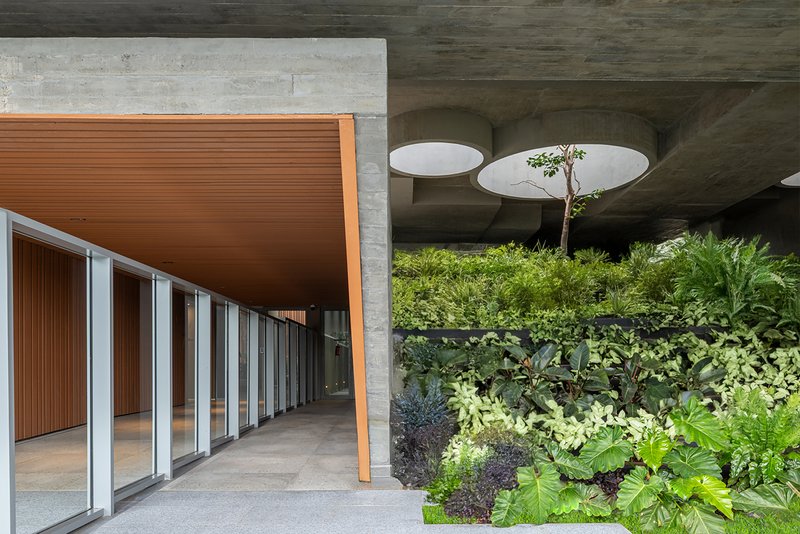
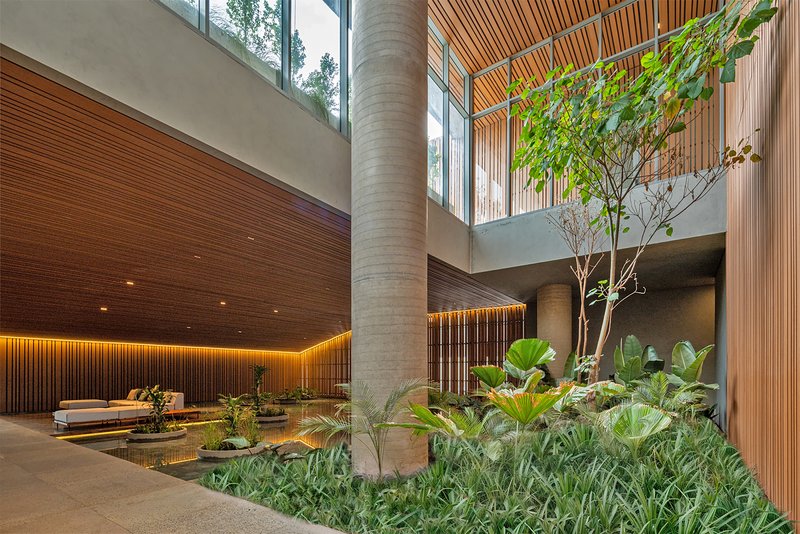
Timber appears at every scale: as brise-soleils on the tower facade, as soffits in the covered terraces, as screens wrapping stair guards and interior volumes. Its warmth counterbalances the mass of the concrete, and its grain responds to the board-formed textures above it, creating a material conversation between two natural surfaces shaped by human hands. Sliding glass doors behind timber-soffited terraces allow the living spaces to dissolve into covered outdoor rooms.
Circular skylights, clerestory strips, and deep overhangs all work together to control daylighting. The interplay between directed sunlight and diffuse shade gives the building's interior courts a quality of light that feels specific to this latitude: bright but never harsh, always filtered through at least one layer of material or vegetation.
Podium Details and Landscape Integration
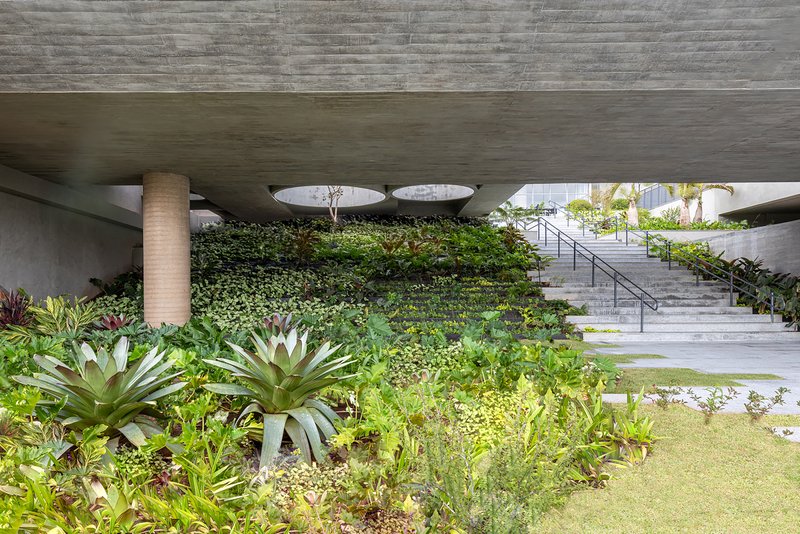
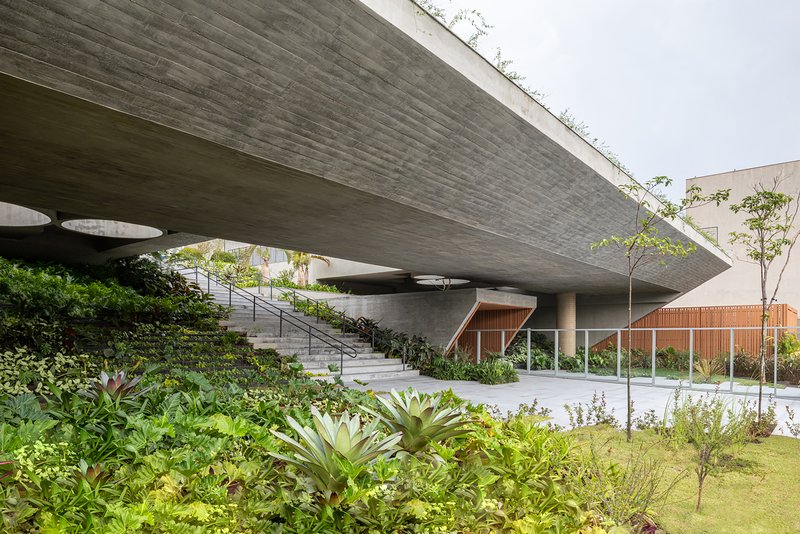
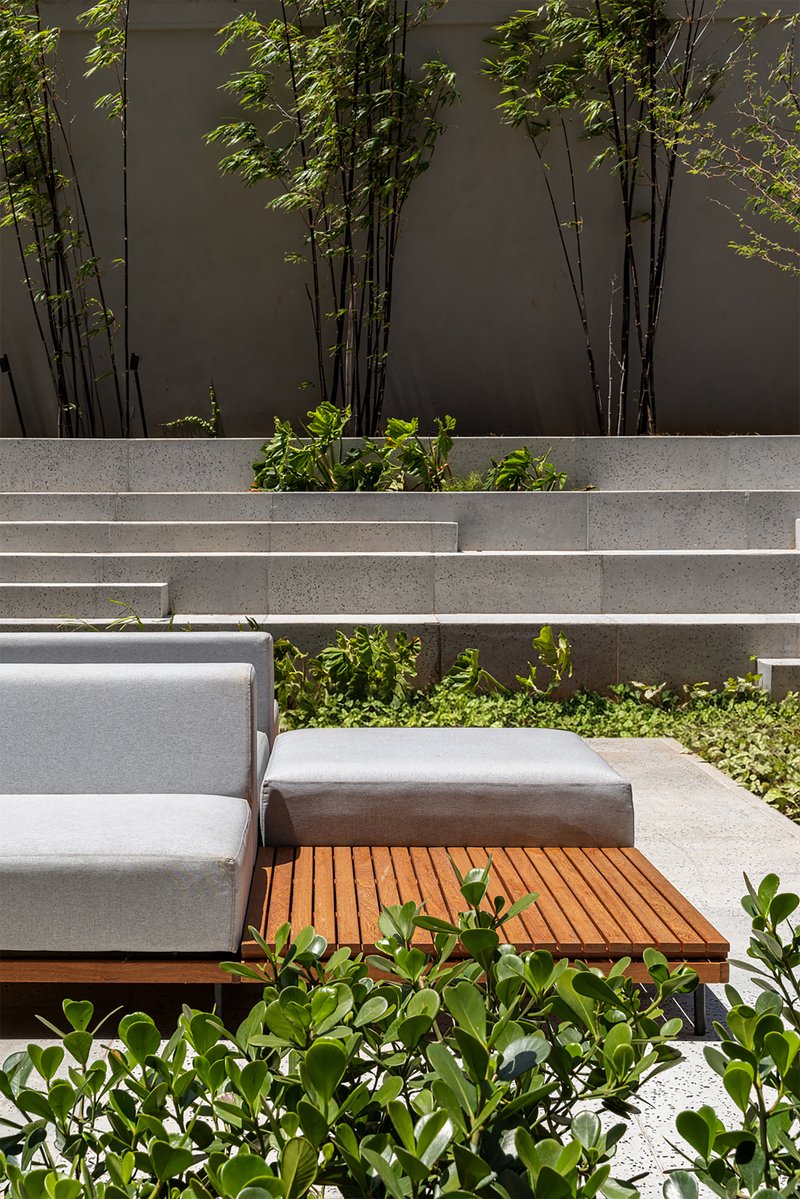
Seen from below, the podium is a landscape of circular openings, cantilevered edges, and cylindrical columns rising out of dense planting. The geometry is assertive but porous. Daylight passes through roof openings and falls onto garden beds below, creating pools of brightness surrounded by deep shadow. It is the kind of space that rewards slow movement, which may be the point: luxury here is defined not by square footage alone but by the experience of passage.
Plans and Drawings
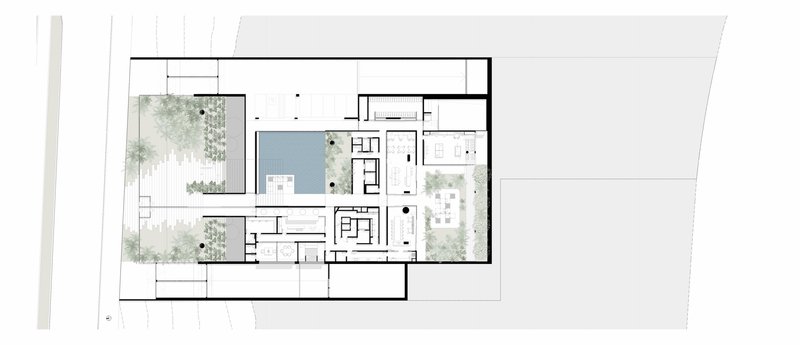
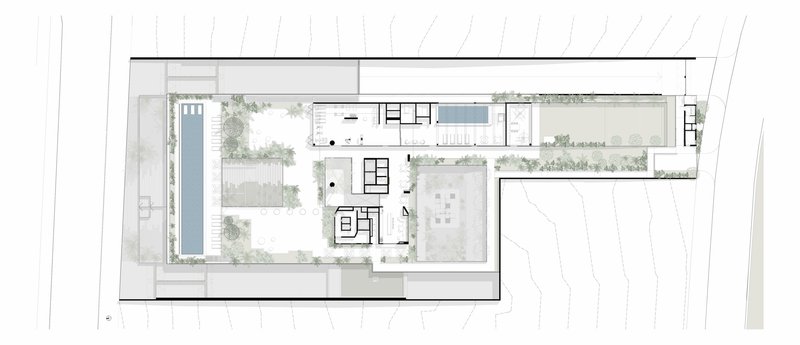
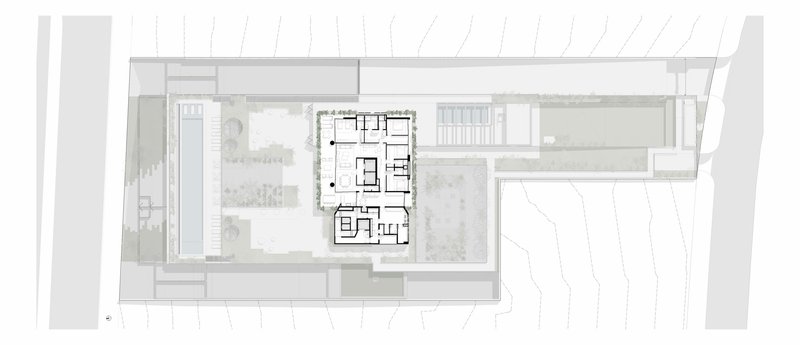
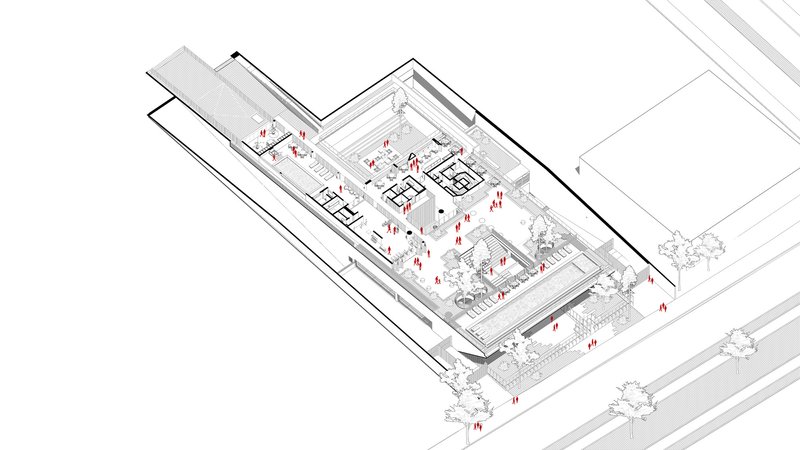
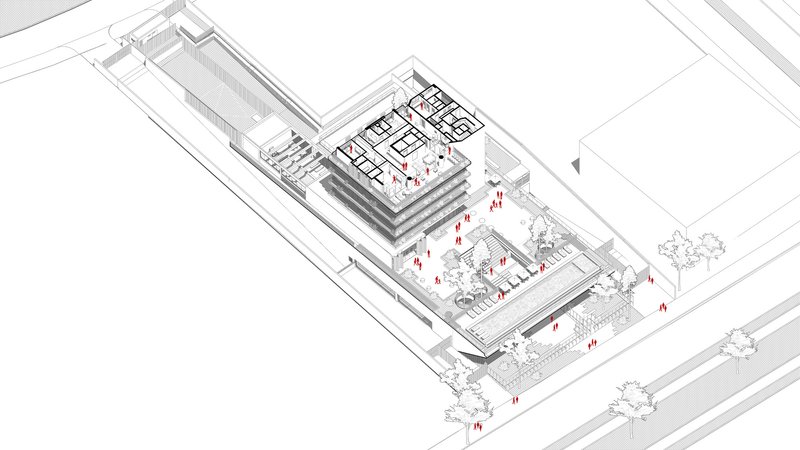
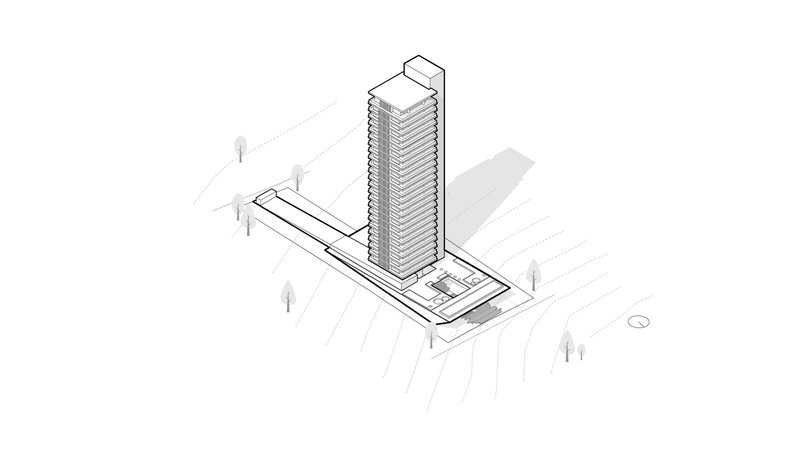
The plans reveal the organizing logic clearly. The floor plan shows rooms arranged around courtyards and a central pool, with the west-facing circulation belt visible as a thick band of service space separating living areas from sun exposure. The site plan confirms the building's linear relationship with the park, with a long pool garden and perimeter planted zones buffering the tower from the street. The axonometric drawings are especially instructive: they show the podium as an occupied landscape, with sunken planted courtyards, figures, and trees inhabiting the space between ground and tower. The isometric of the full building reveals the proportional relationship between the massive horizontal podium and the slender vertical tower, a composition that privileges ground-level experience over skyline presence.
Why This Project Matters
HVM Maya matters because it refuses the easy path available to luxury residential towers in Brazilian cities: curtain wall, imported stone, air conditioning as the primary climate strategy. Instead, it treats the heat and light of Campo Grande as design inputs, organizing the building's entire circulation to create passive thermal protection and using vegetation as a functional component of the facade. The one-apartment-per-floor model is not new, but the commitment to making each unit feel like a house connected to its surroundings, rather than a penthouse sealed from them, is carried through with rare consistency.
More broadly, the project demonstrates that Brazil's Midwest can generate architecture of genuine ambition without importing formal languages from the coast or from abroad. The Pantanal reference is not cosmetic; it is structural, embedded in the choice of exposed concrete over clad surfaces, in the insistence on planted balconies over clean glass, in the decision to let the neighboring park set the terms for how the building meets its site. In a market increasingly defined by interchangeable towers, HVM Maya is stubbornly specific to its place.
HVM Maya by Perkins&Will São Paulo. Lead architect: Douglas Tolaine. Landscape design: Rodrigo Oliveira. Campo Grande, Brazil. 18,000 m². Completed 2025. Photography by Pedro Mascaro.
About the Studio
Share Your Own Work on uni.xyz
If projects like this are the kind of work you want to make, uni.xyz is a place to publish your own, find collaborators, and enter design competitions.



Popular Articles
Popular articles from the community

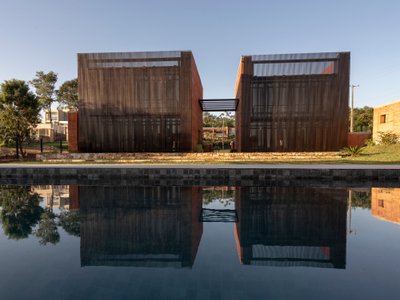
BAUEN Builds Two Rammed Earth Volumes in Paraguay Inspired by the Ovenbird's Nest
In San Bernardino, a house of compacted earth channels the instinct of a constructive bird to shelter life from the Paraguayan summer.
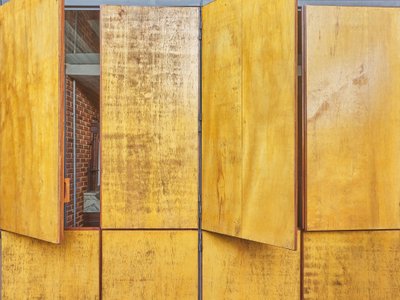
gru.a Builds a 70 m² Timber Shelter That Opens Like a Farm Door in Brazil's Valley of the Vines
In the mountainous region near Rio de Janeiro, a compact retreat uses plywood panels and deep eaves to blur the line between inside and out.
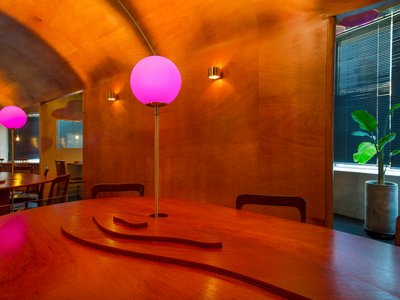
Indiesalon Carves a Plywood Cave into a Seoul Bistro's Second Floor
Munhwa Bistro's second Seongsu branch wraps diners in a laminated timber vault laced with colored light and mirror illusions.
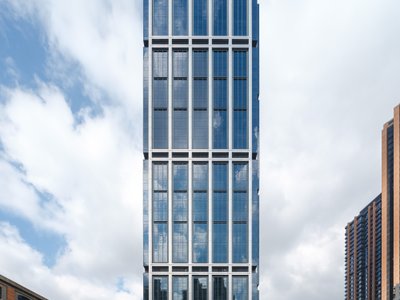
Foster + Partners Wraps a 200-Meter Shanghai Tower in Stainless Steel and Industrial Memory
The Suhe Centre Office Tower anchors a regenerated waterfront district in Shanghai with an all-steel structure that nods to local warehouse heritage.


Similar Reads
You might also enjoy these articles

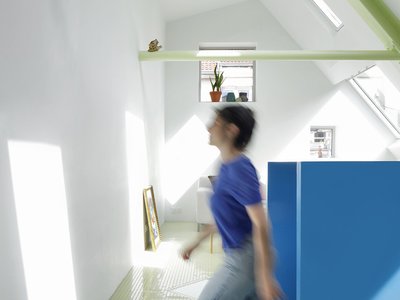
127af Flips a Tiny Bagnolet Rowhouse Upside Down with a Handcrafted Roof Extension
A 55-square-meter terraced house on the edge of Paris gains a luminous upper living floor through lightweight timber and steel.
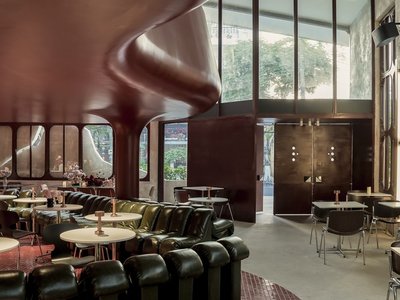
1.61 Design Workshop Wraps a 600-Square-Meter Café in Vietnam in Sculptural Burgundy Drama
Reden Café & Bistro pairs a helical staircase, mosaic floors, and deep red interiors to rethink Vietnamese hospitality space.

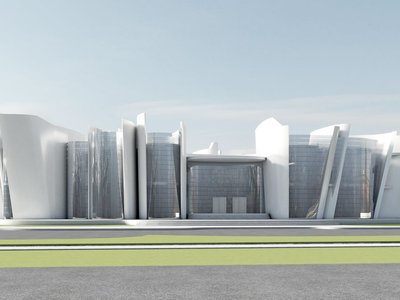
The Unbound Brain: A School Shaped by Cognitive Architecture
Cylindrical learning pods radiate like neurons from a central cortex, turning the floor plan into a spatial model of human thought.
Revival Vernacular Architecture: Rammed Earth Settlements for the Sahara
A modular desert community in Mauritania that fuses passive cooling techniques with earthen construction and local craftsmanship.


Explore Housing Competitions
Discover active competitions in this discipline




The Global Benchmark for Architecture Dissertation Awards

Challenge to design mud housing for contemporary communities
Comments (0)
Please login or sign up to add comments
No comments yet. Be the first to comment!