

Piazza in a Room by Wutopia Lab: A Micro-City Café Experience in Shanghai
Piazza in a Room by Wutopia Lab transforms a Shanghai café into an indoor plaza, blending culture, community, history, and architectural storytelling.”


A New Vision of Shanghai’s Café Culture
Shanghai has always had a deep relationship with cafés. From the lively social spaces of the 1940s described by writer Eileen Chang, to the diverse mix of Japanese, Korean, American, Taiwanese, and Southeast Asian cafés today, coffee culture has evolved but has never lost its communal essence. Yet, what was missing was a café that embodied the true spirit of Shanghai itself.
Wutopia Lab sought to change this narrative with Piazza in a Room, a bold design concept that transforms an enclosed café into a vibrant indoor plaza—a place where coffee, culture, and community converge.
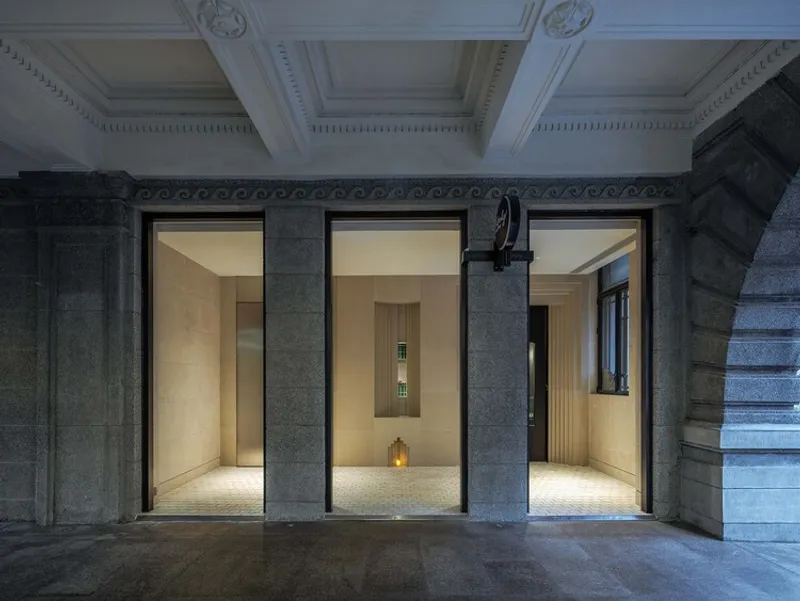
Design Inspiration: Turning Interior into Exterior
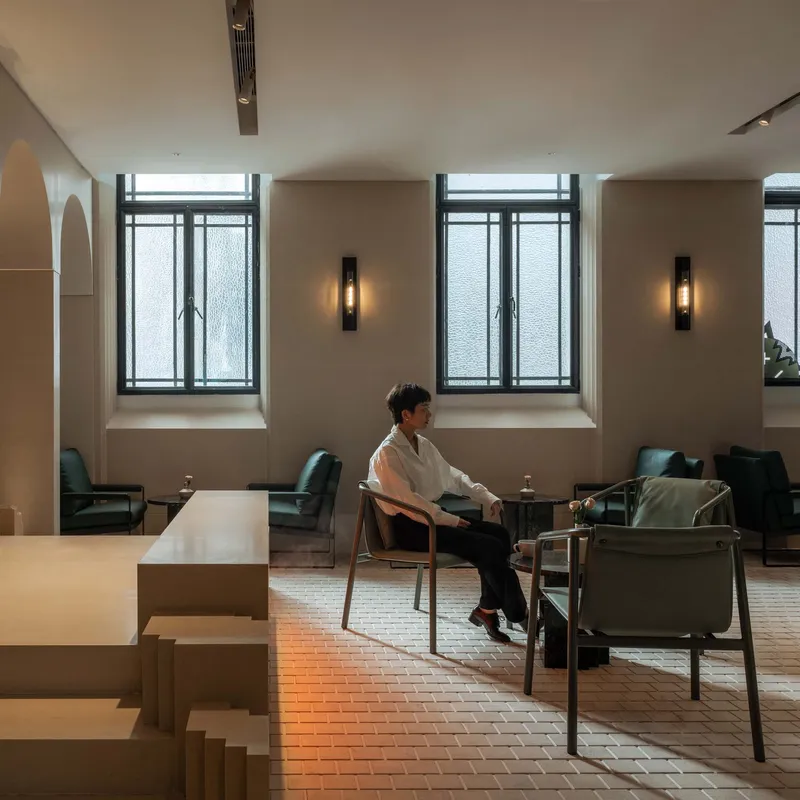
The café is located within the west building of a historic horse racing hall, where restrictions required preserving the façade with its high frosted-glass windows. This limited natural light and views to the outside. Instead of fighting the constraints, Wutopia Lab reimagined the interior as an exterior space.
By treating the interior façade as if it were an outdoor environment, the architects created an “indoor piazza”—an abstract square that mirrors the communal vibrancy of European public squares.
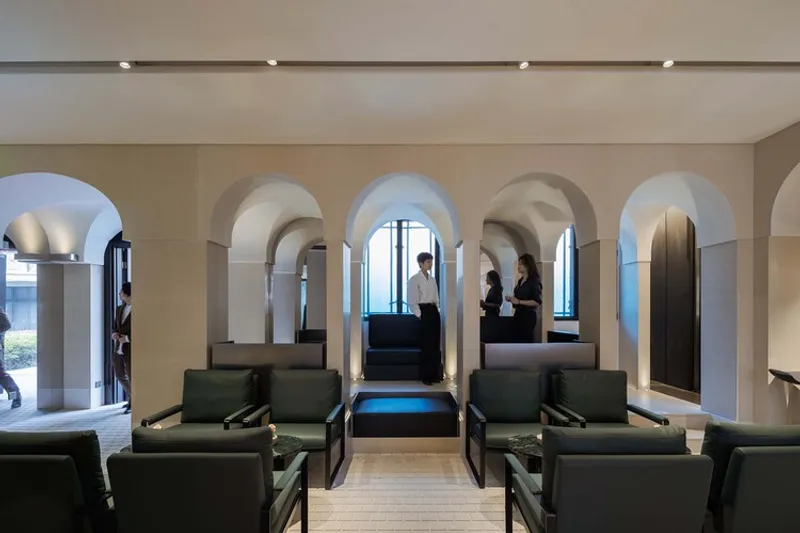

Key Architectural Features
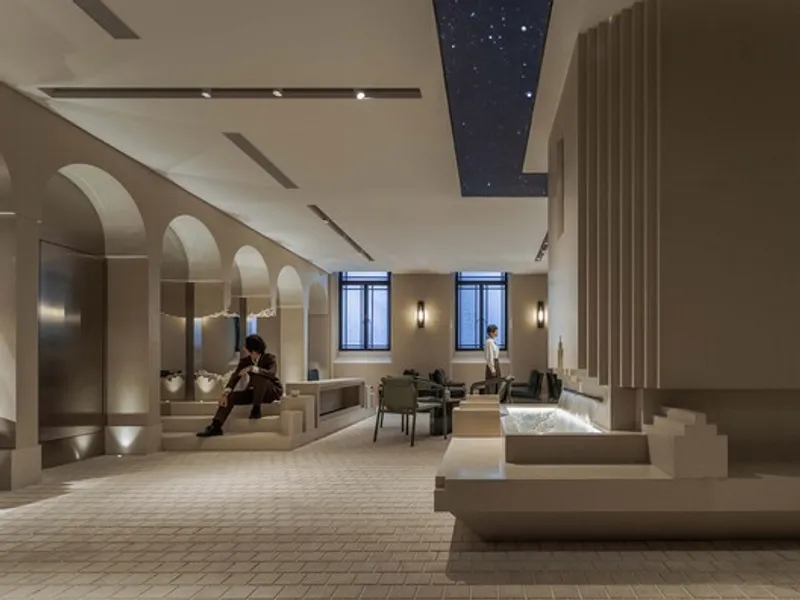
- The Central Monument & Wishing Pool A large column at the center was transformed into a monument with a wishing pool, giving the café a sense of gathering and symbolism.
- A large column at the center was transformed into a monument with a wishing pool, giving the café a sense of gathering and symbolism.
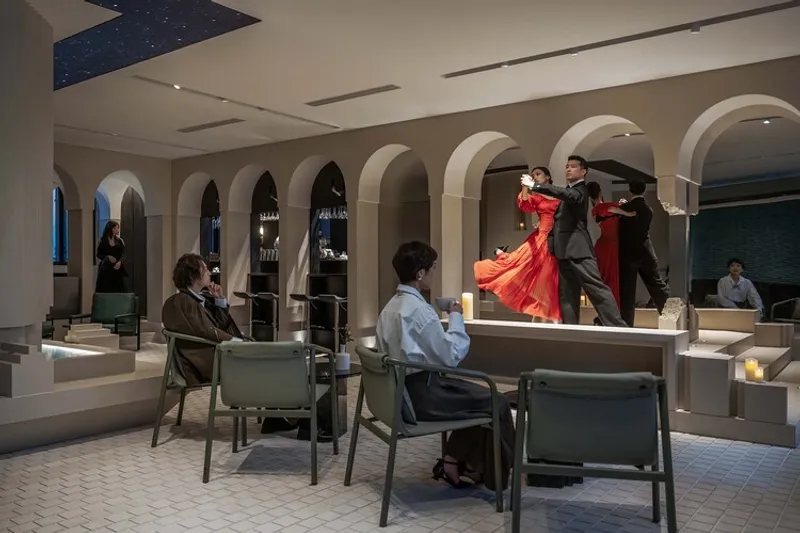
- The Black Bar & White Plaza The café is divided into two main zones: a black bar area (the functional core) and a white plaza (the communal square). This contrast creates both intimacy and openness, allowing flexible use for social gatherings, performances, and casual coffee drinking.
- The café is divided into two main zones: a black bar area (the functional core) and a white plaza (the communal square).
- This contrast creates both intimacy and openness, allowing flexible use for social gatherings, performances, and casual coffee drinking.
- Colonnades & Seating Areas Inspired by Istanbul’s hookah cafés, white colonnades line the outer walls with low sofas, where sunlight filters through like a city street.
- Inspired by Istanbul’s hookah cafés, white colonnades line the outer walls with low sofas, where sunlight filters through like a city street.
- Ambiguous Transitions The entry vestibule was redesigned as an ambiguous porch, blurring the boundary between public and private, exterior and interior.
- The entry vestibule was redesigned as an ambiguous porch, blurring the boundary between public and private, exterior and interior.
- Micro-City Concept From the entrance gallery to the museum-like exhibition space, bar, colonnade, and plaza, the café unfolds like a miniature city, echoing Wutopia Lab’s vision of Shanghai itself.
- From the entrance gallery to the museum-like exhibition space, bar, colonnade, and plaza, the café unfolds like a miniature city, echoing Wutopia Lab’s vision of Shanghai itself.
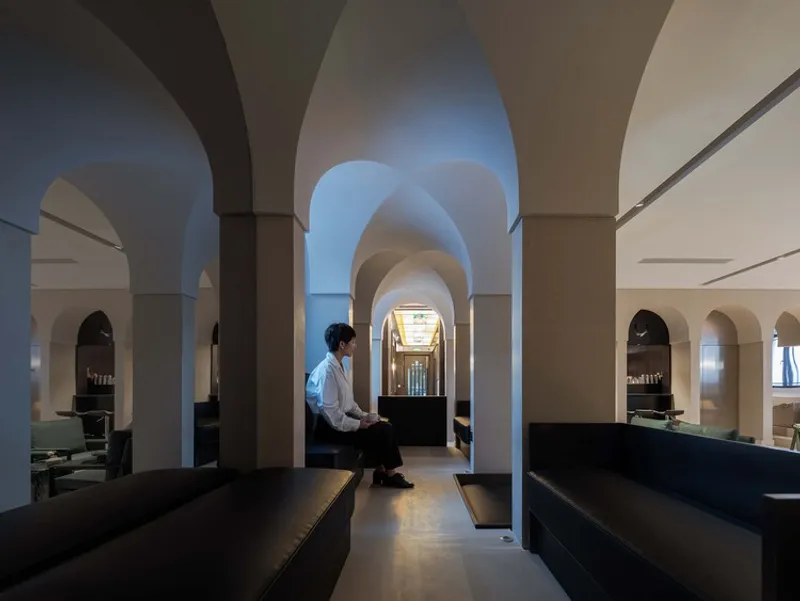

Symbolism & Materials
Wutopia Lab’s Shanghai is not minimalist. The design incorporates layers of symbolism and restrained ornamentation:
- Tiles from the original stables embedded in the floor preserve memory.
- Horseshoe motifs appear in arches, honoring the site’s past.
- Custom stained-glass inspired by coffee cherries dramatizes the ceiling with color and light.
- Black wood, white stone parquet flooring, enamel tiles, and handmade green bricks create tactile richness that blends history with modern storytelling.
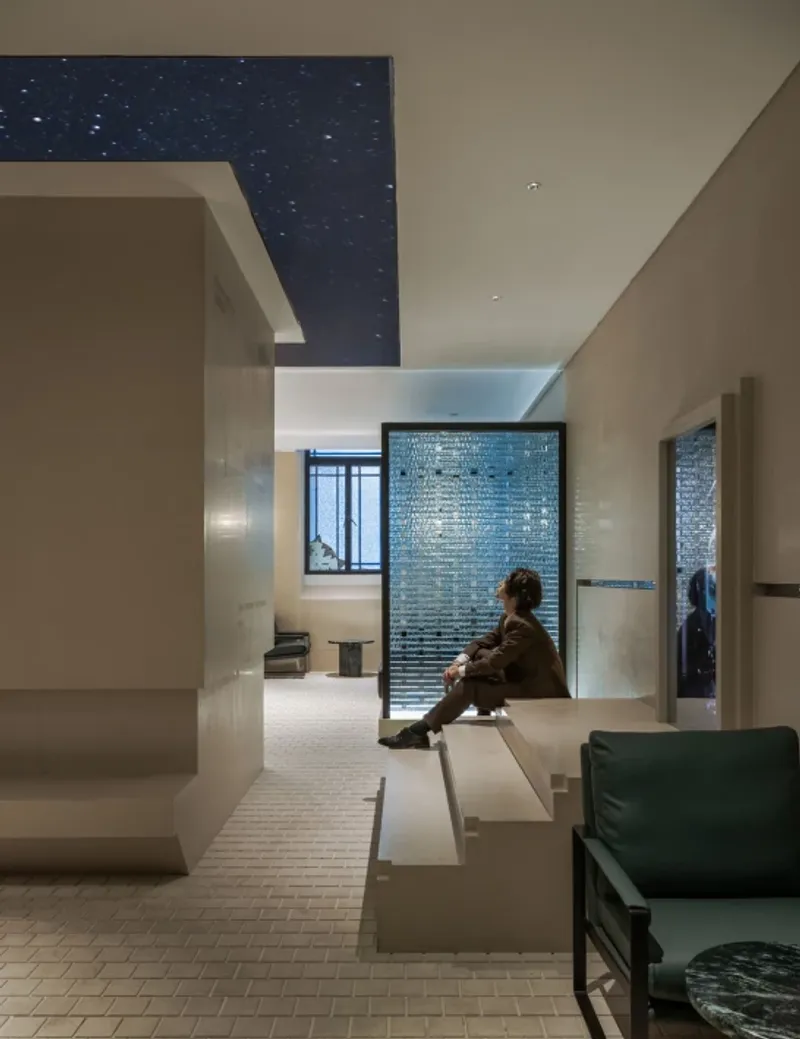
A Café Beyond Coffee
“Piazza in a Room” is more than a café—it is an urban stage for life itself. Within this space, visitors can experience:
- Conversations over coffee and wine
- Stand-up comedy and impromptu tango
- Gossip, love, and memories of the city
- A blending of culture, architecture, and daily life
It embodies the idea that cafés are not just about drinks, but about shared human experiences.
With Piazza in a Room, Wutopia Lab has redefined what a café can be. By turning an enclosed, light-restricted space into a vibrant indoor plaza, the architects created a microcosm of Shanghai itself—dynamic, symbolic, and endlessly alive.
This project stands as a celebration of Shanghai’s café heritage, architectural storytelling, and the power of design to transform limitations into opportunities.

All the photographs are works of CreatAR Images


Popular Articles
Popular articles from the community

AL-JANNAH: Sustainable Architecture and Permaculture for Afghan Widows
AL-JANNAH uses sustainable architecture and permaculture to create resilient oasis of housing, learning, work and renewal for Afghan widows.

The Earth Pod: 3D Printed Homes for Resilient Refugee Communities
The Earth Pod reimagines refugee housing through 3D printed homes made from clay, combining resilience, self-sufficiency, and rapid shelter.
EW PARK: Sustainable Architecture Reimagines the Future of Urban Parking
EW PARK reimagines city parking as a modular wooden tower combining automation, solar energy, electric mobility, and adaptable urban design.

Co-Life: Senior Housing Design That Reconnects Older Adults With the City
Co-Life reimagines senior housing design through healing gardens, shared streets, workshops, and a sustainable community across generations.


Similar Reads
You might also enjoy these articles


Hodi-Mandai Geram
Project Function: Preservation and revitalization of the Intangible heritage and socio-spatial identity of the Hodi by Housing, Cultural Memory Center, Sacred Grove, landscape, local tourism economy


Olio Towers: A Mid-Rise for Performers That Fuses Housing, Rehearsal, and Stage
Located blocks from Houston's Theater District, this modular tower stacks living units around a central performance atrium.

Oasis: Modular Green Housing Carved into Dhaka's Urban Fabric
A shortlisted Plugin Housing entry reclaims unauthorized settlements in Dhaka with stepped concrete volumes, green roofs, and ventilation-driven design.

Black Hole: A Floating Megastructure for the Post-Physical Era
Emiliano Mazzarotto envisions a spherical, self-scaling arena where e-sports, digital hotels, and holographic stadiums replace traditional public space.


Explore Hospitality Building Competitions
Discover active competitions in this discipline



Challenge to reimagine the Iron Throne


Photograph architecture without architects


Illustrate the lost glory of Angkor Wat - Render Challenge


Design challenge to reuse E-waste
Comments (0)
Please login or sign up to add comments
No comments yet. Be the first to comment!