
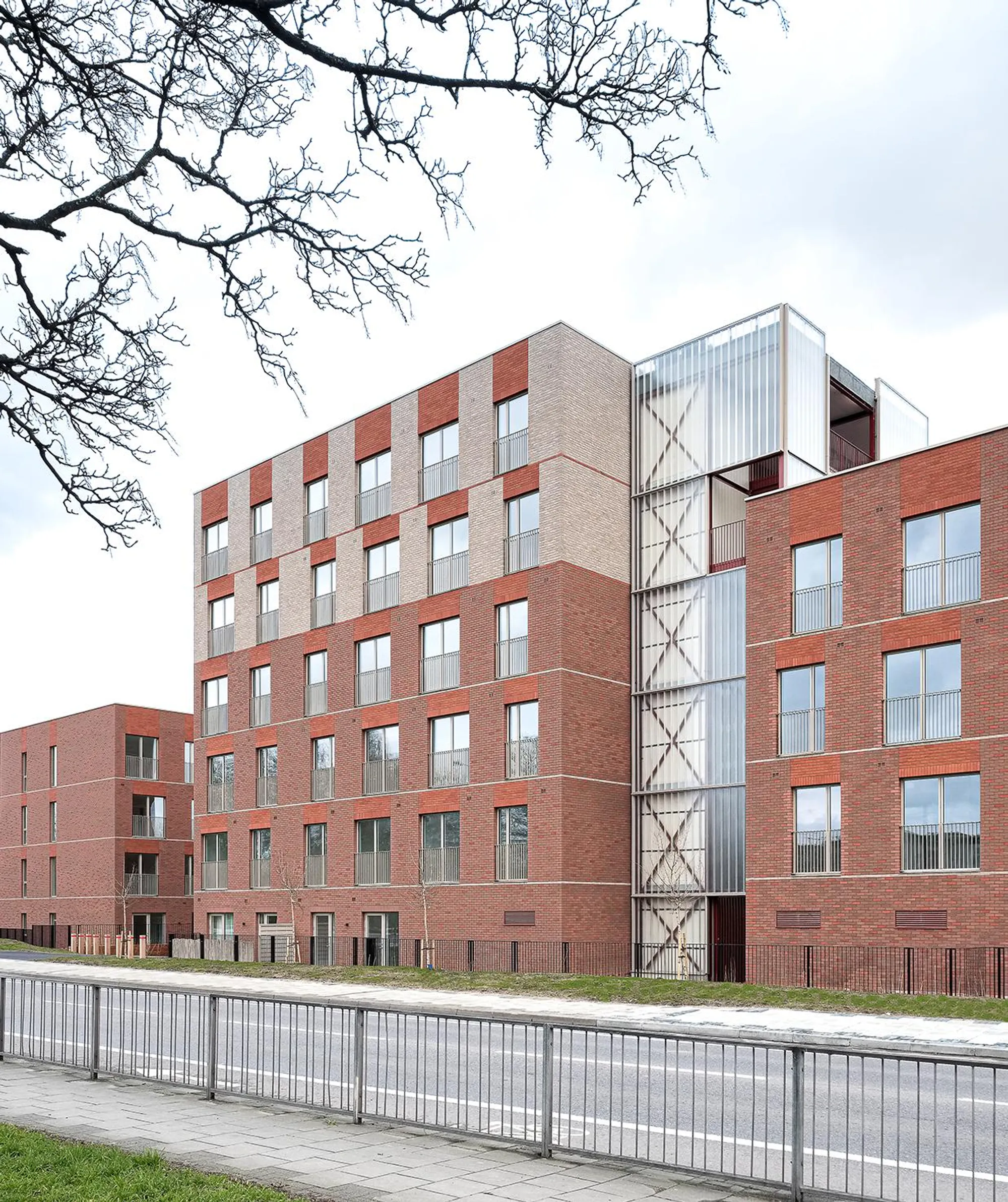
Pioneering architecture firm builds 78 pocket-sized affordable homes in Barking
How did Reed Watts Architects create affordable pocket homes in Barking?


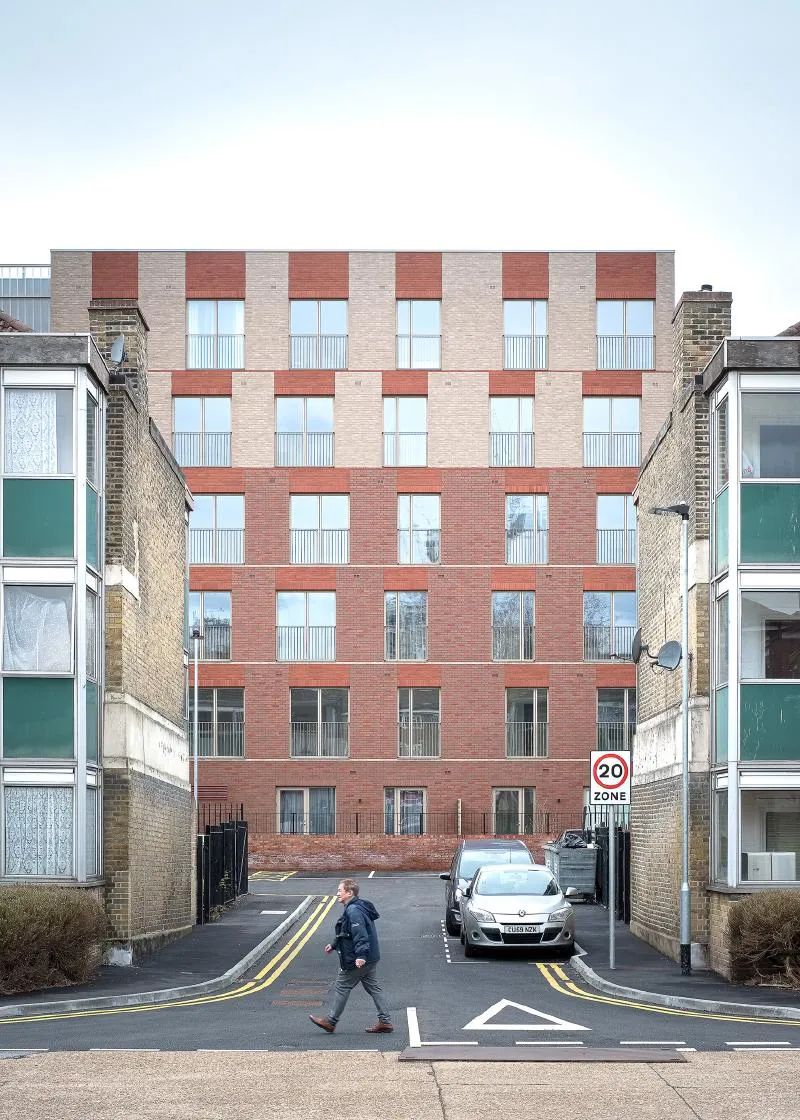
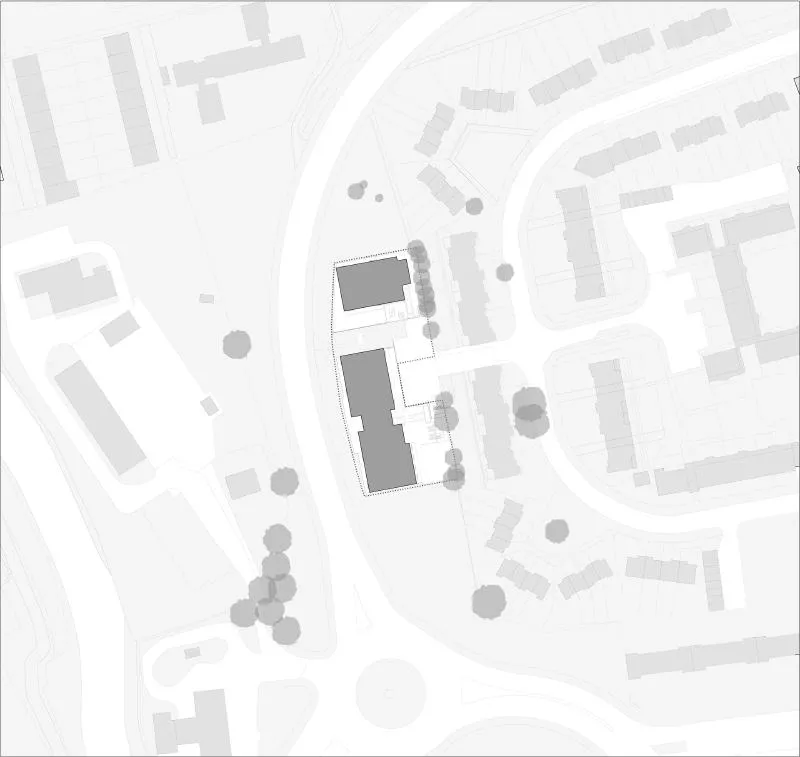
A new residential building in Barking has recently been completed by Reed Watts Architects, providing 78 pocket-sized affordable homes. The site, which was previously home to a series of prefabricated houses built as part of the post-war temporary homes programme, had been left isolated and without a clear purpose after their demolition in the 1970s. Reed Watts felt it was important to re-establish connections across the site, resulting in the creation of a new pedestrian route that defines space for shared gardens, public open spaces, and parking spaces for disabled residents.
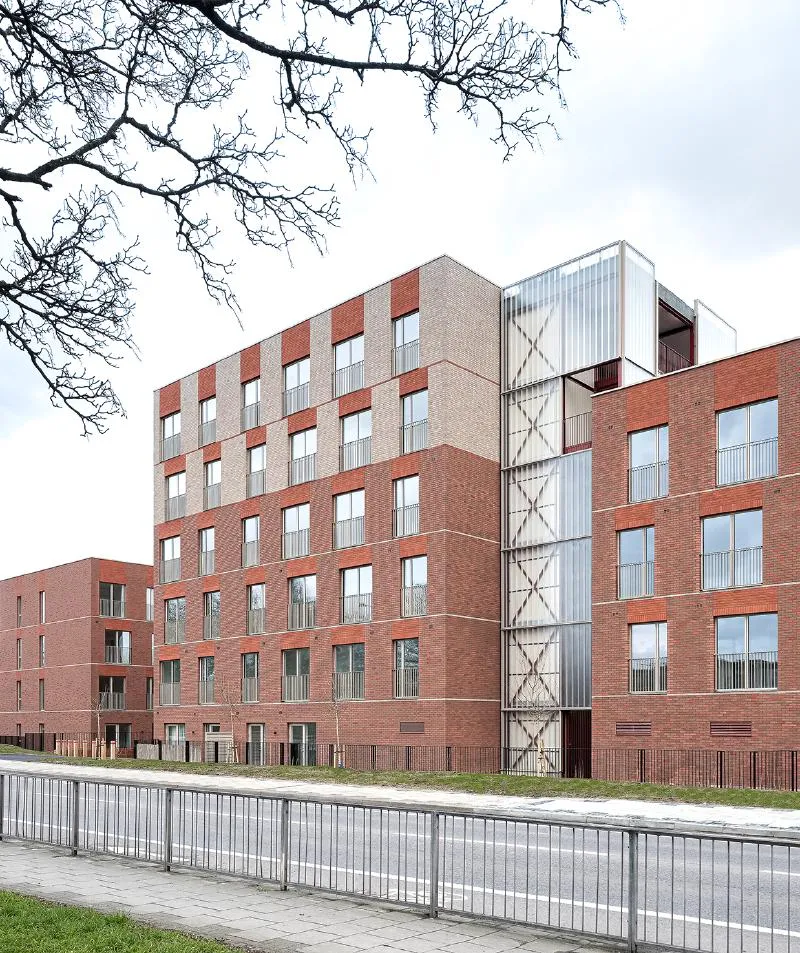
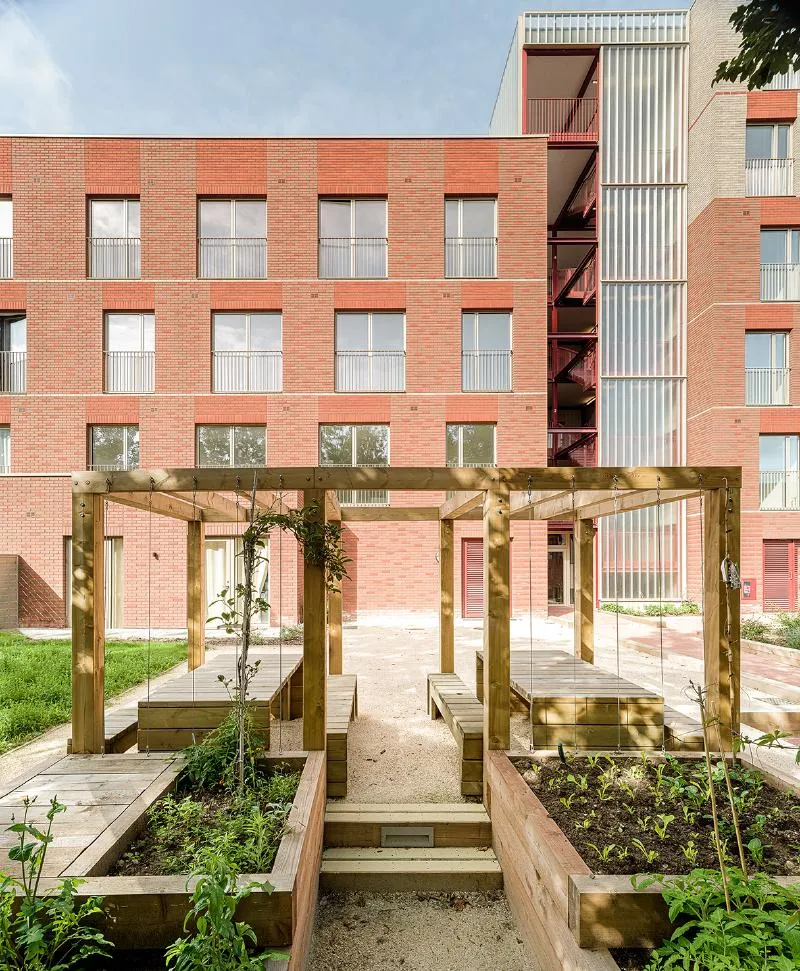
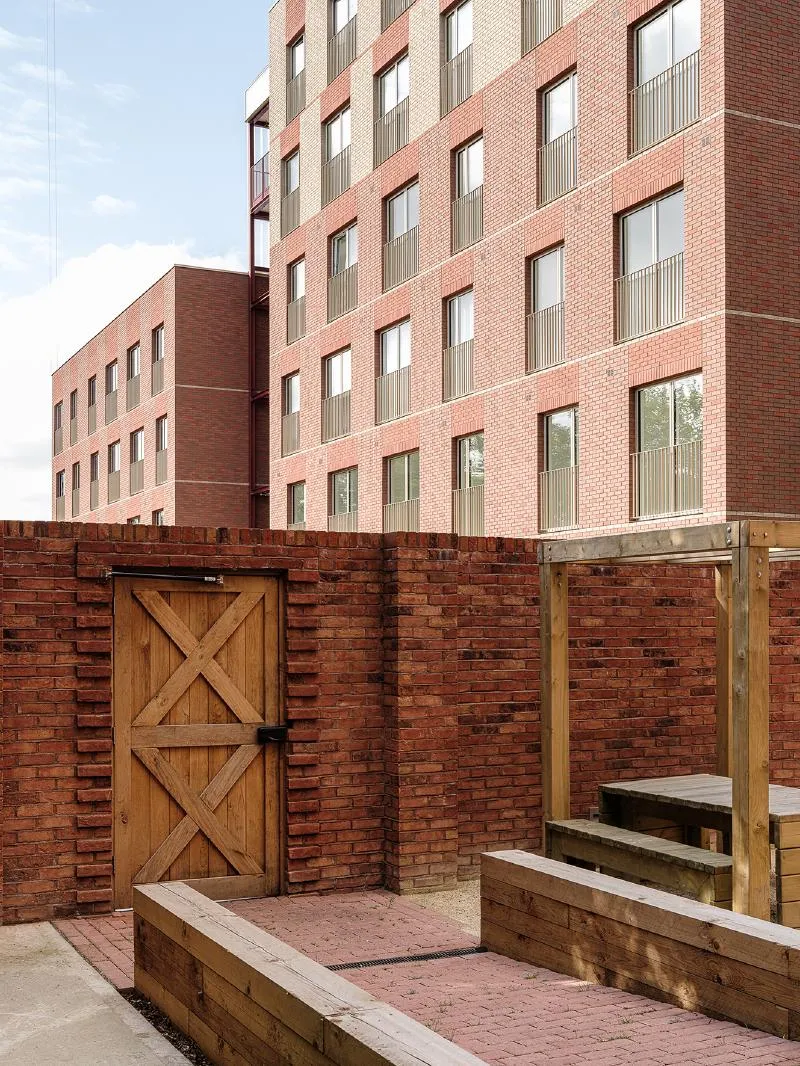
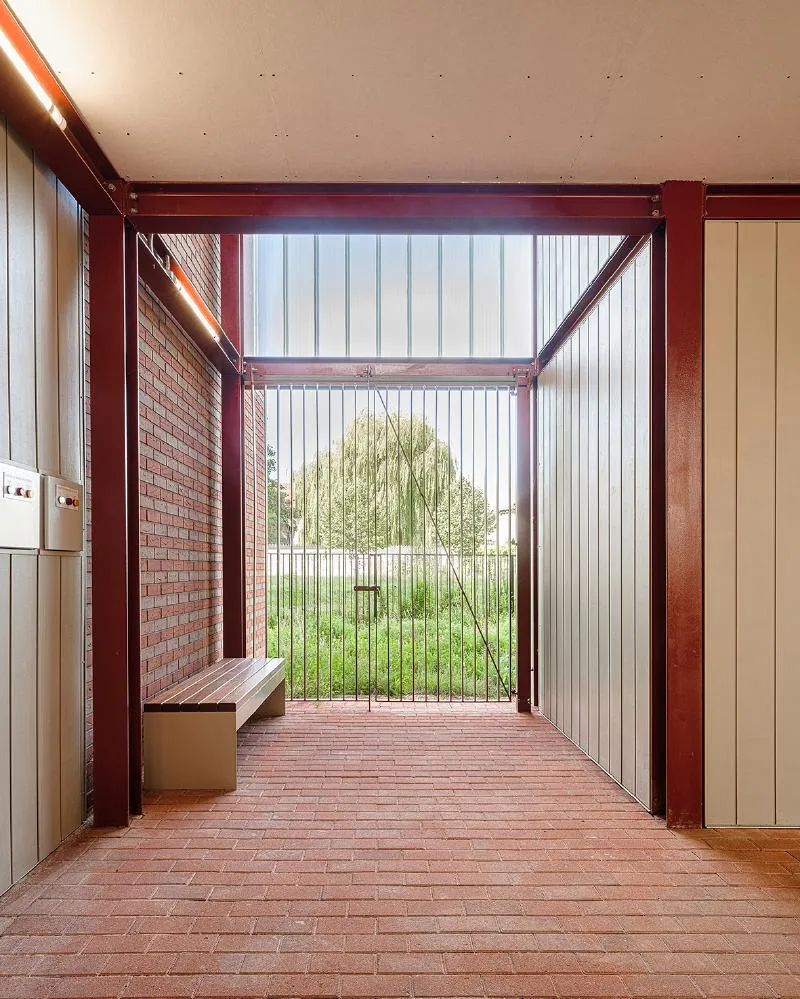
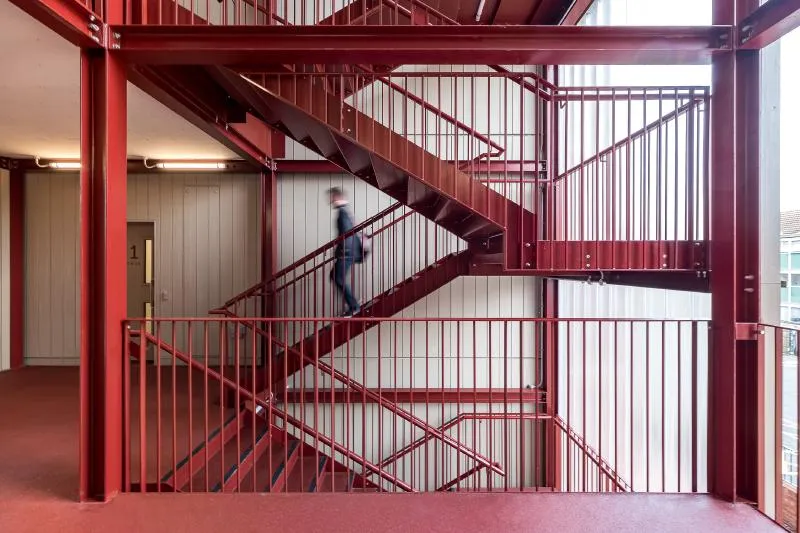
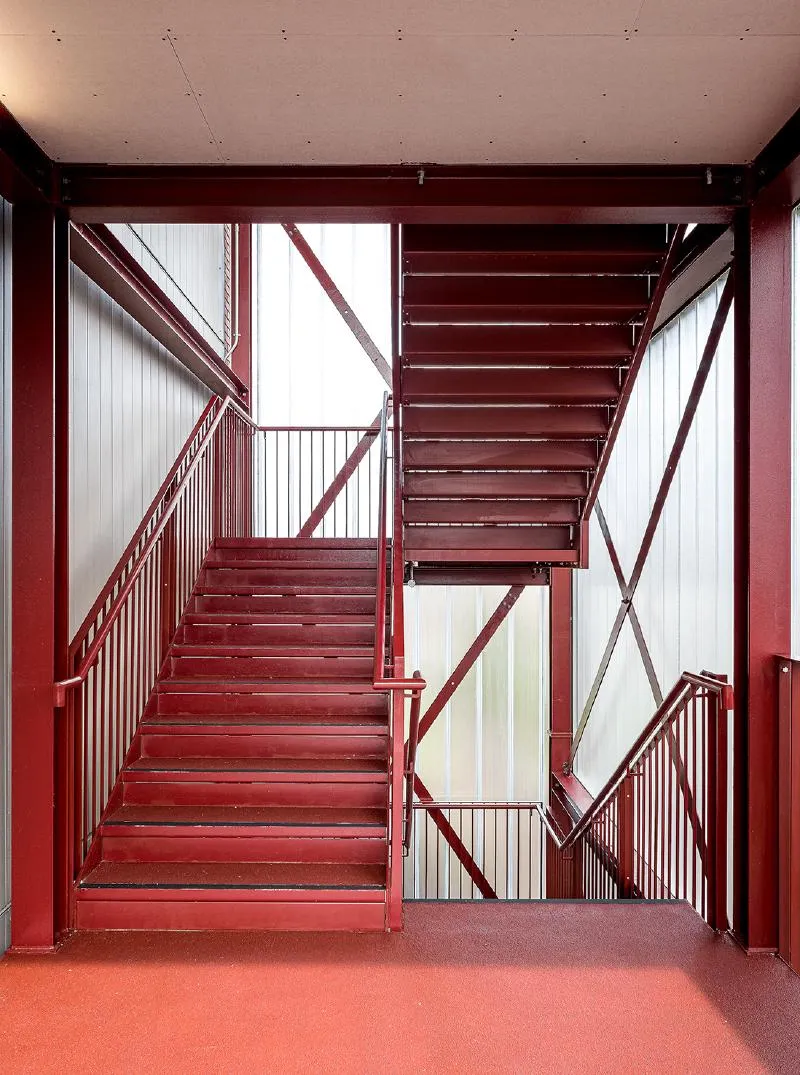
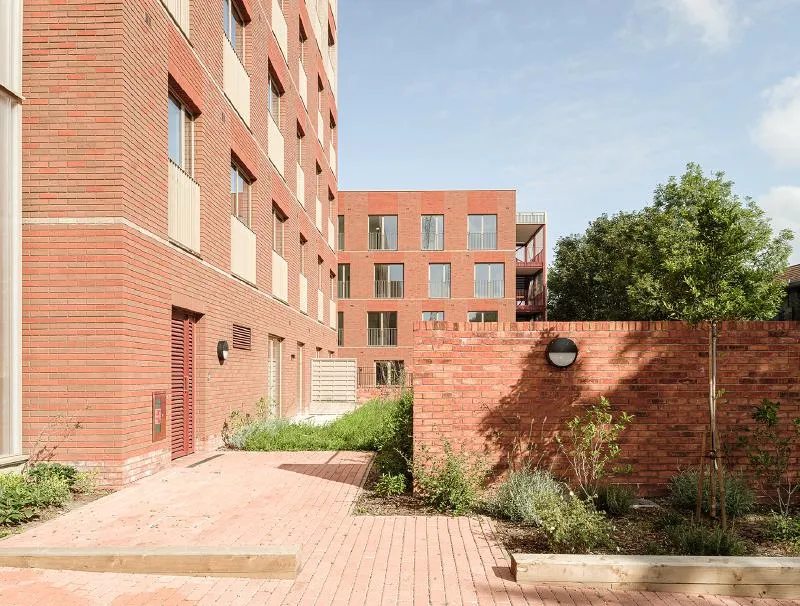
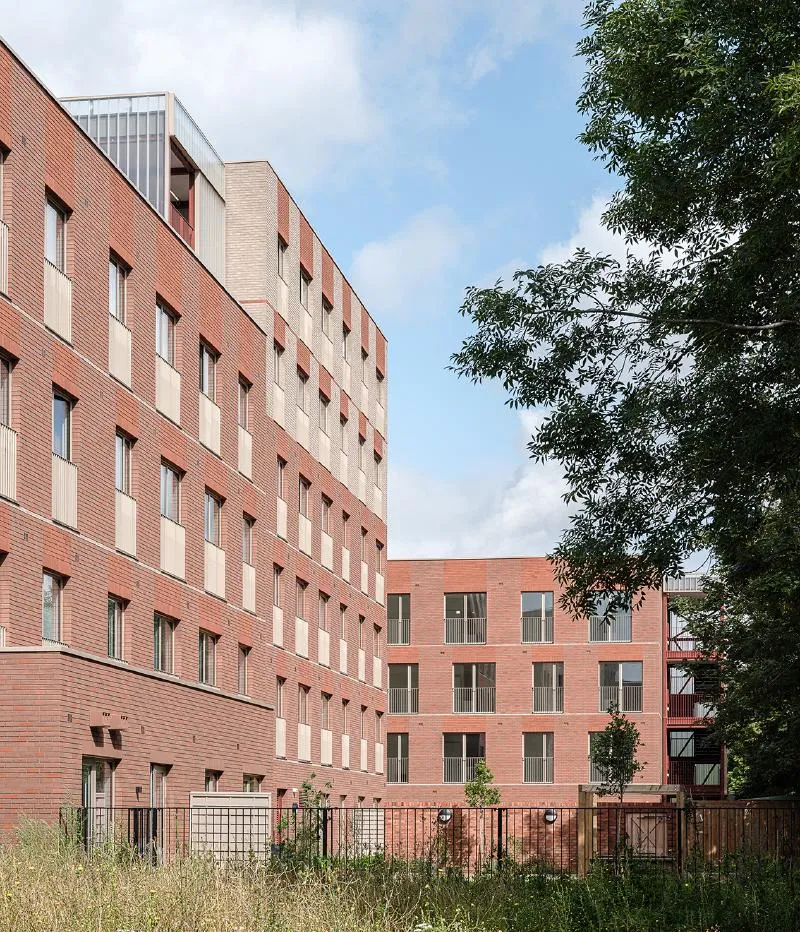
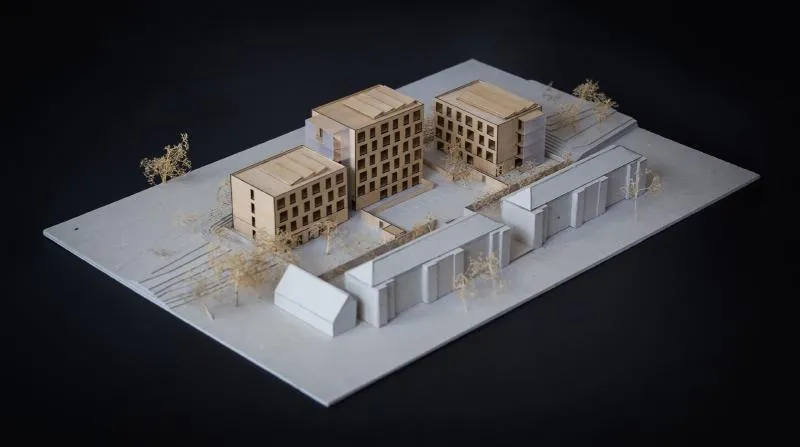
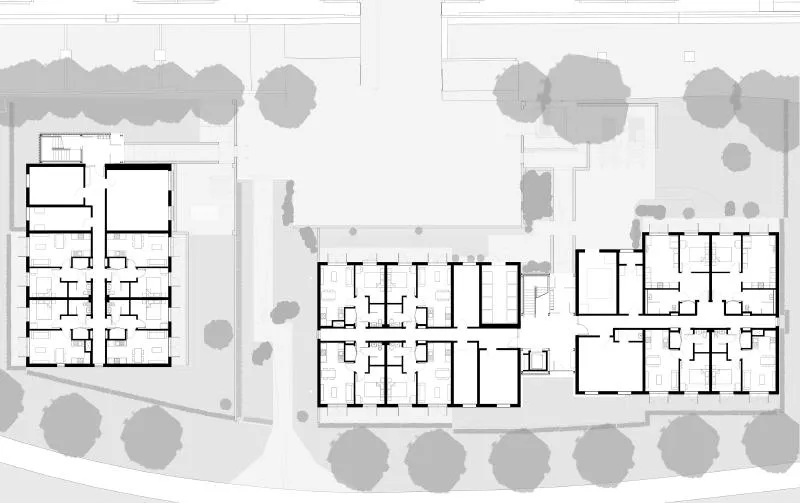
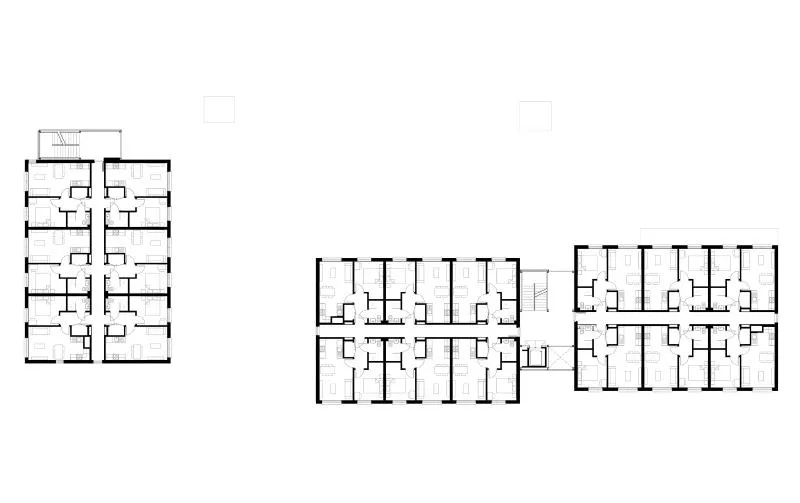
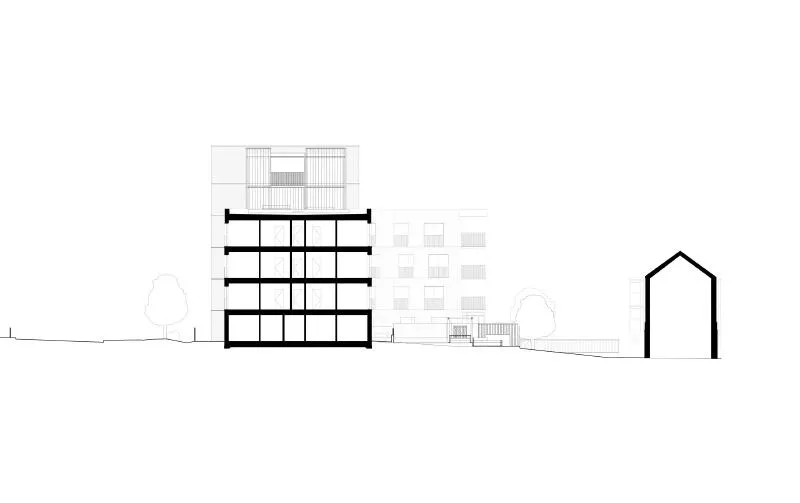
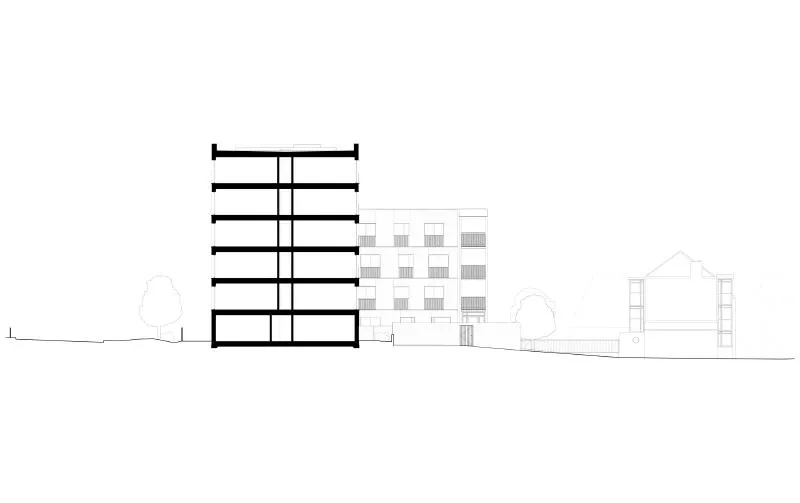
The four and six-storey blocks of the building sit to the north and south of the new route respectively, arranged in two blocks with expressed vertical circulation. This creates a dramatic new edge to Barking town centre, marking the transition from the established residential neighbourhood to the east to the more open landscape of the River Roding to the west. Each of the blocks is accessed through its own walled garden, featuring meadow planting in place of formal lawns, areas for residents to socialise together, dedicated seating areas, and raised allotment beds.
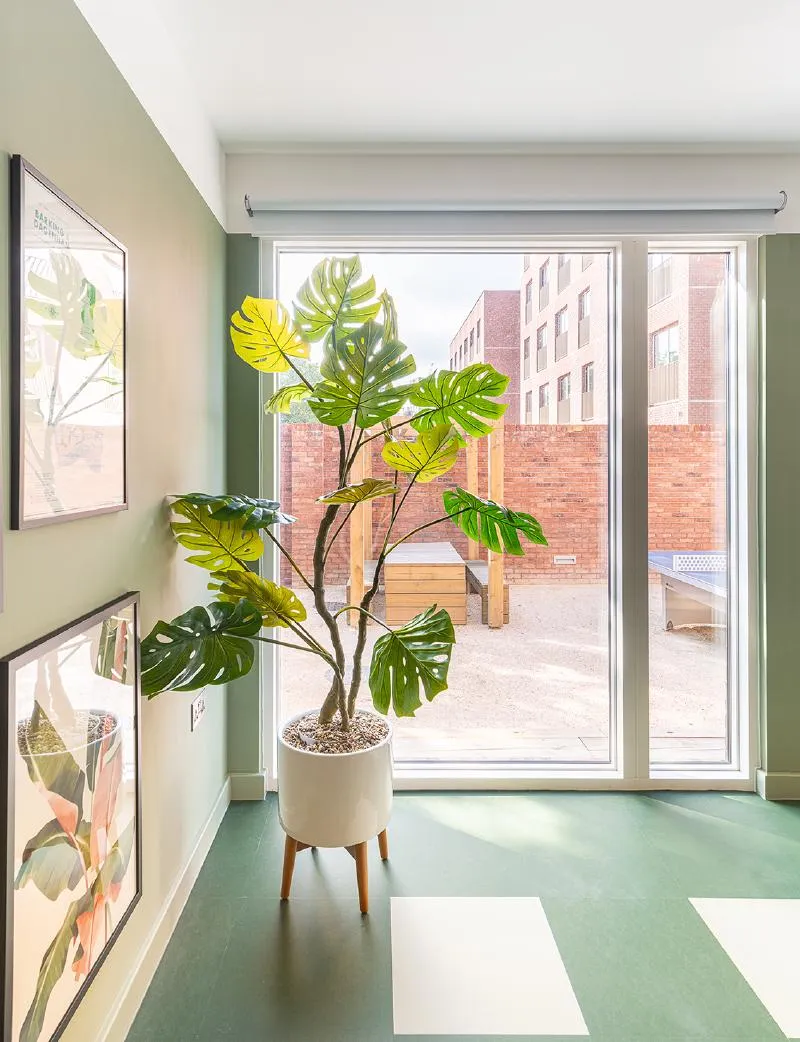
Additionally, a shared garden room is provided within the buildings where residents can come together for events, group workshops, and as an alternative to their own living rooms if working from home. The construction methods and façade materials of the building evolved during the process, with light-gauge steel frame panels and an insulated render with brick slips being used. The form and massing of the buildings were established early in the project, resulting in a residential building that not only provides affordable housing but also reconnects the site and its residents to the surrounding area.
Reed Watts Architects has successfully delivered its largest project to date, a residential building comprising of 78 one-bedroom homes in the bustling area of Barking. The design team collaborated closely with planners, contractors, and clients to create affordable pocket-sized homes for local first-time buyers.
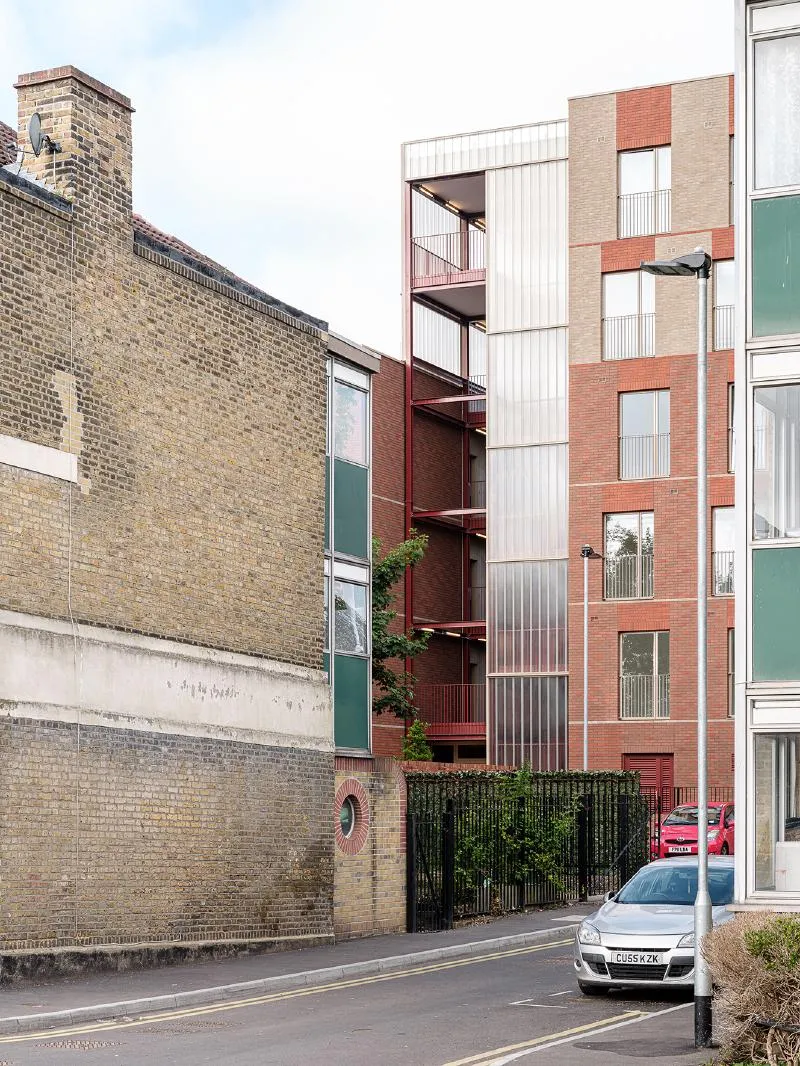
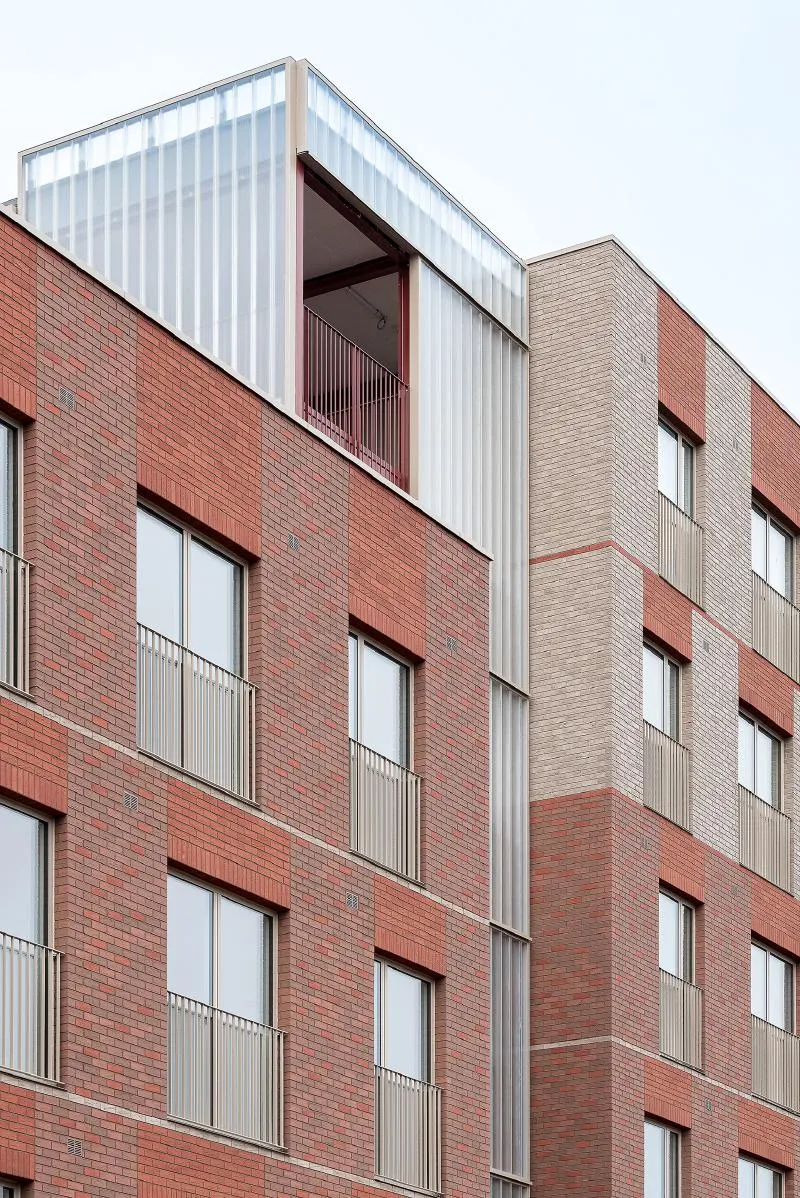
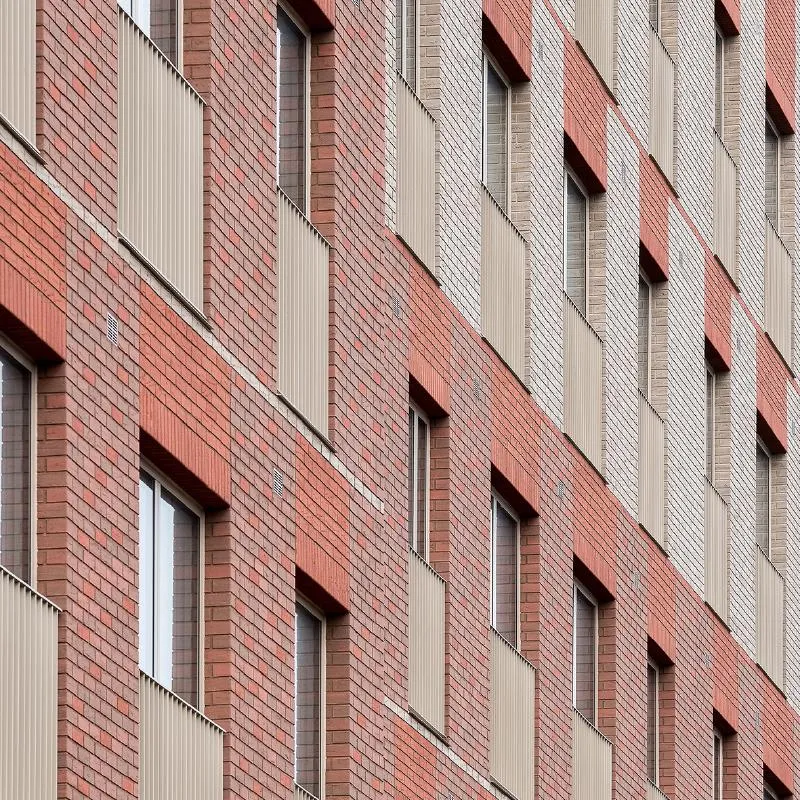
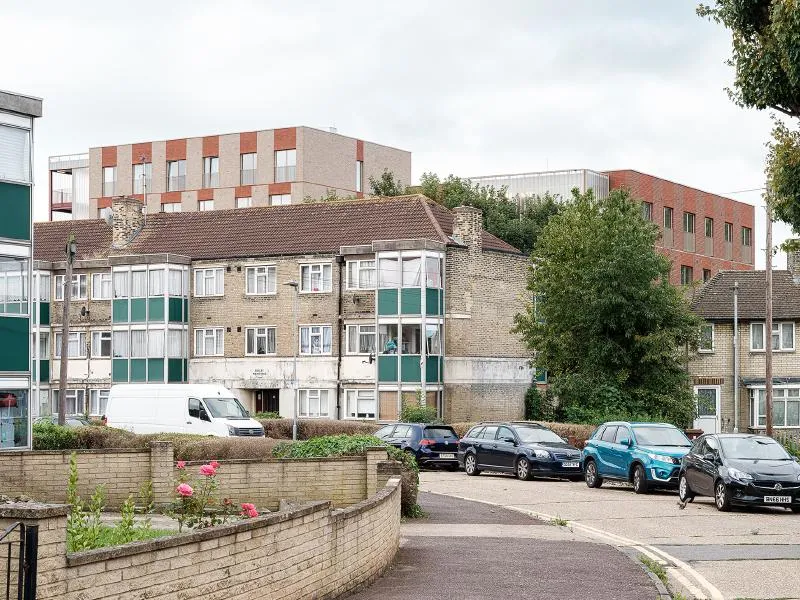
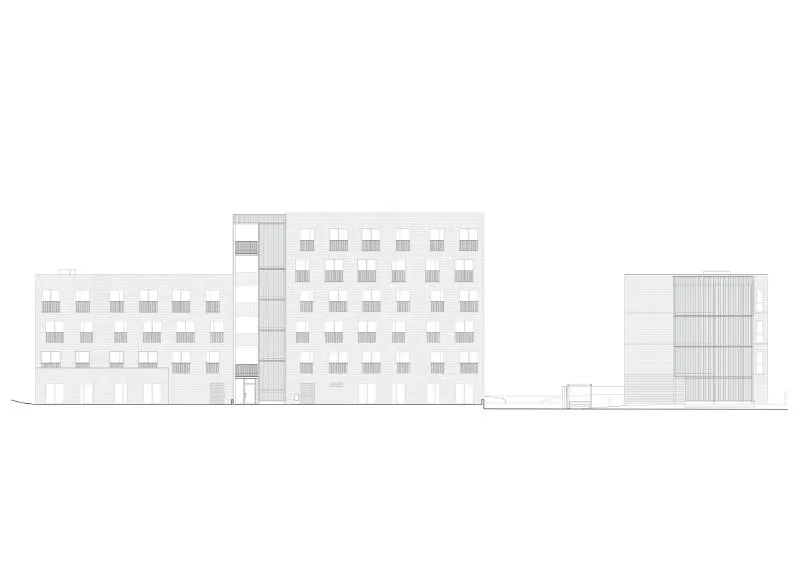
One of the challenges faced by the architects was to blend the building seamlessly into the surrounding neighbourhood. The team worked with a brick slip manufacturer to develop a colour palette that resonated with the warm terracotta and buff tones of neighbouring buildings. The resulting subtle changes in colour across the façade break up the massing and creates a sense of texture, even though the façade itself is relatively sheer.
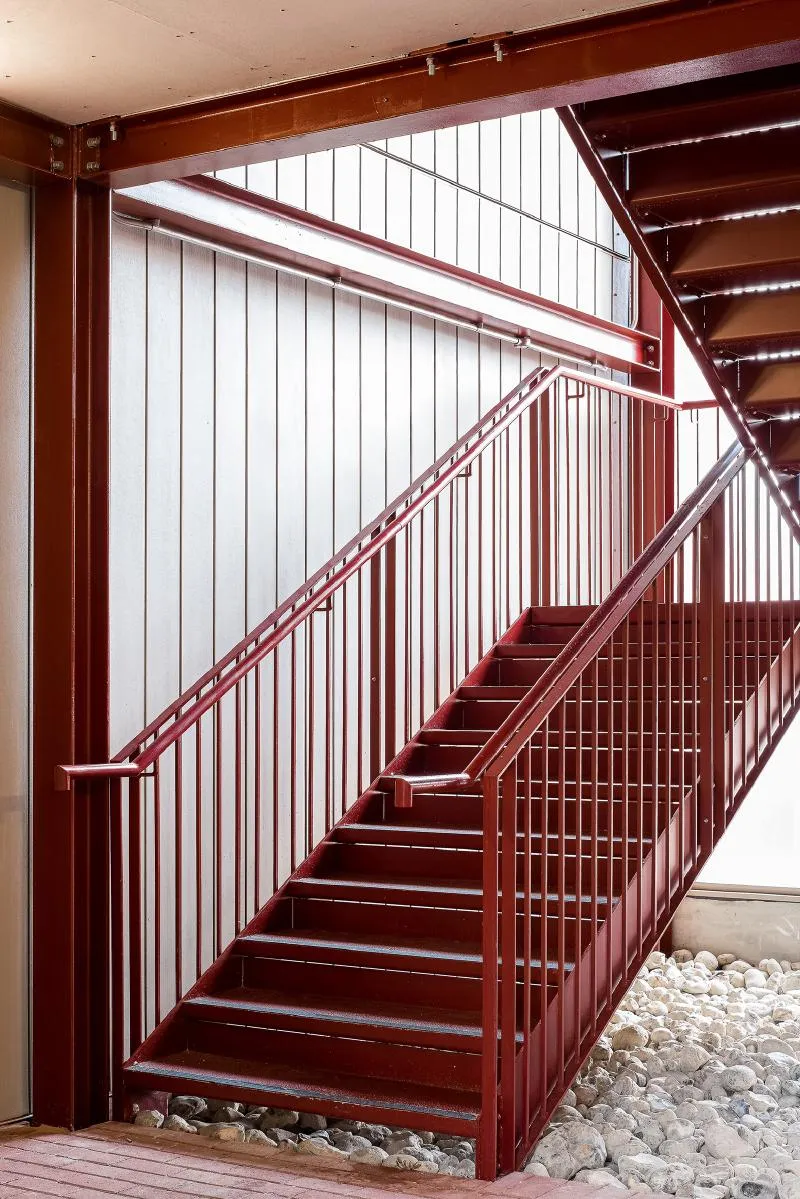
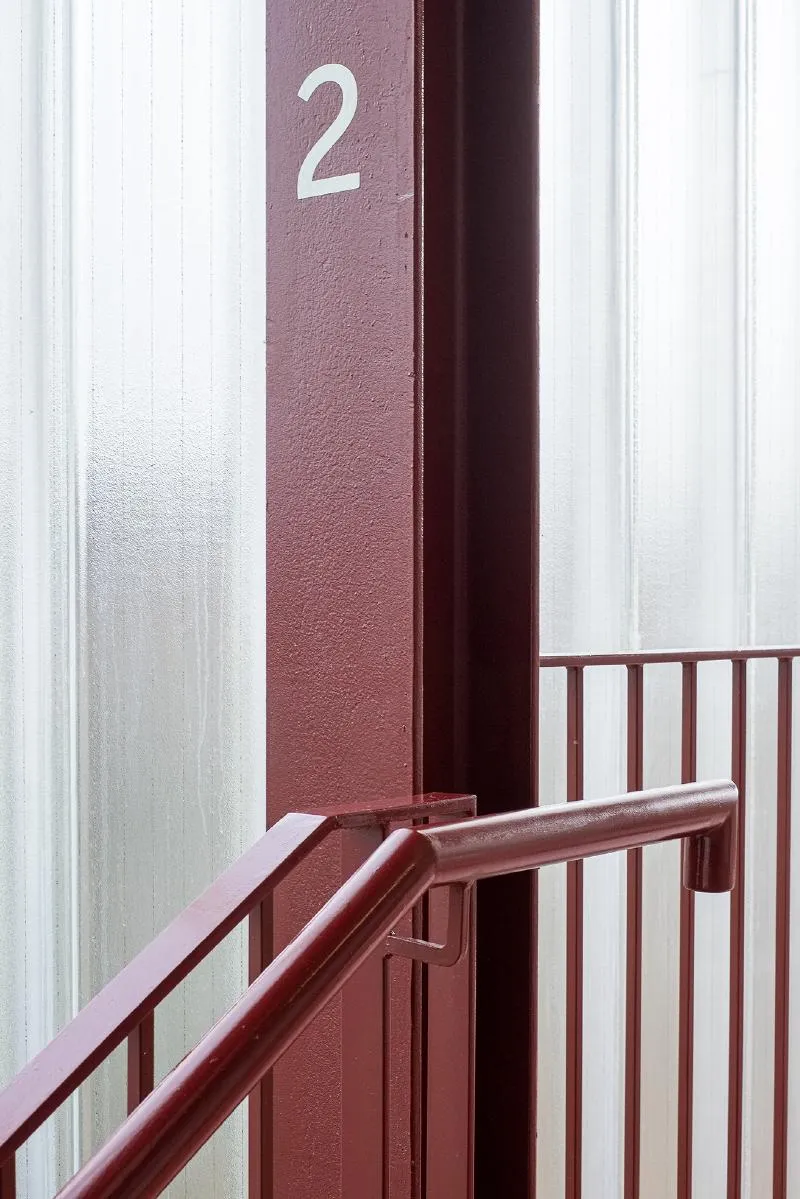
The stair cores are light and airy spaces that offer a striking contrast to the solidity of the elevations. Cast-glass cladding with openings allows residents a direct visual connection to the gardens with panoramic views across London from the higher levels. The use of cast-glass cladding was a conscious decision by the architects to provide a contemporary feel to the building.
The building provides 78 one-bedroom homes, including two wheelchair-adaptable homes, making it an inclusive and accessible residential building. The success of the project is a testament to the collaborative efforts of the design team, planners, contractors, and clients.
Reed Watts Architects has once again demonstrated their expertise in designing innovative, affordable residential buildings that enhance the built environment and provide comfortable living spaces for local communities.




Popular Articles
Popular articles from the community


The Musturak Paradise: Senior Living Architecture for a Connected Future in Temara, Morocco
The Musturak Paradise reimagines senior living architecture in Temara via private homes, social spaces, culture, community, and shared care.

Co-life: Sustainable Architecture for Age-Friendly Community Living
Co-life reimagines sustainable architecture for seniors through courtyards, rammed earth, shared gardens, and spaces designed for belonging.

The Ocean Hive: Sustainable Architecture for a Self-Sufficient Civilization at Sea
The Ocean Hive imagines sustainable architecture at sea, where modular habitats, algae, wave power and ocean waste sustain a growing colony.

Play: Fragments of Their World
Familiar architecture becomes modular playground design, creating safe spaces where displaced children can learn, connect, imagine and play.


Similar Reads
You might also enjoy these articles
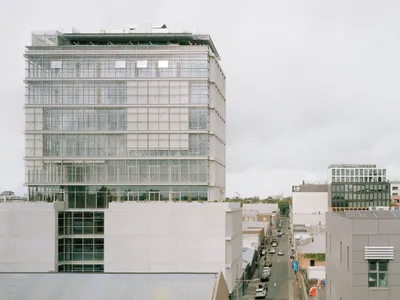
116 Rokeby Building, Collingwood
Sustainable Collingwood office building featuring double-skin façade, natural ventilation, rooftop amenities, and carbon-neutral design focused on wellbeing and longevity.
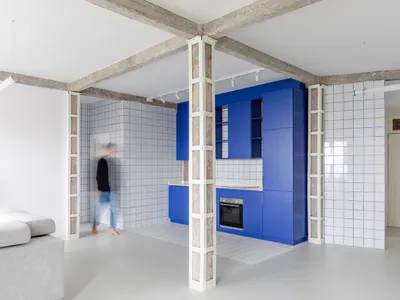
Contemporary Apartment Renovation in Spain: RV House by BIAN Opens Up to the Sea
A minimalist 1930s apartment in Santander is transformed into a flexible, sea-facing home through contemporary Spanish renovation.
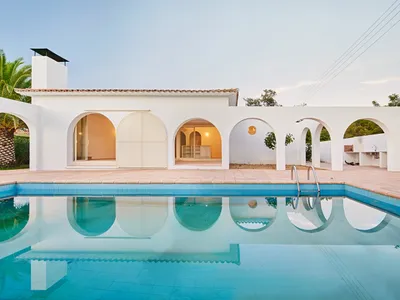
3 Marías House: A Contemporary Mediterranean Courtyard Retreat by Bajet Giramé + Burckhardt
Mediterranean courtyard home blending traditional architecture with modern design, terracotta flooring, flexible interiors, sustainable climate strategies, and garden integration.
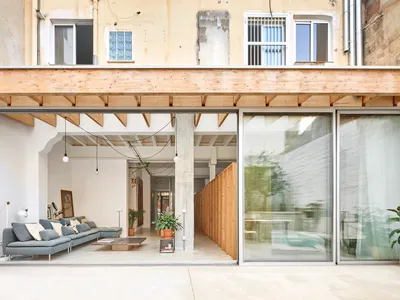
NZ10 Apartment by auba studio: Adaptive Reuse in Palma de Mallorca
Adaptive reuse apartment transforms bakery into light-filled home with patios, privacy layers, and wood interiors enhancing urban living experience.


Explore Housing Competitions
Discover active competitions in this discipline



Challenge to reimagine the Iron Throne


Photograph architecture without architects


Illustrate the lost glory of Angkor Wat - Render Challenge


Design challenge to reuse E-waste
Comments (0)
Please login or sign up to add comments
No comments yet. Be the first to comment!