
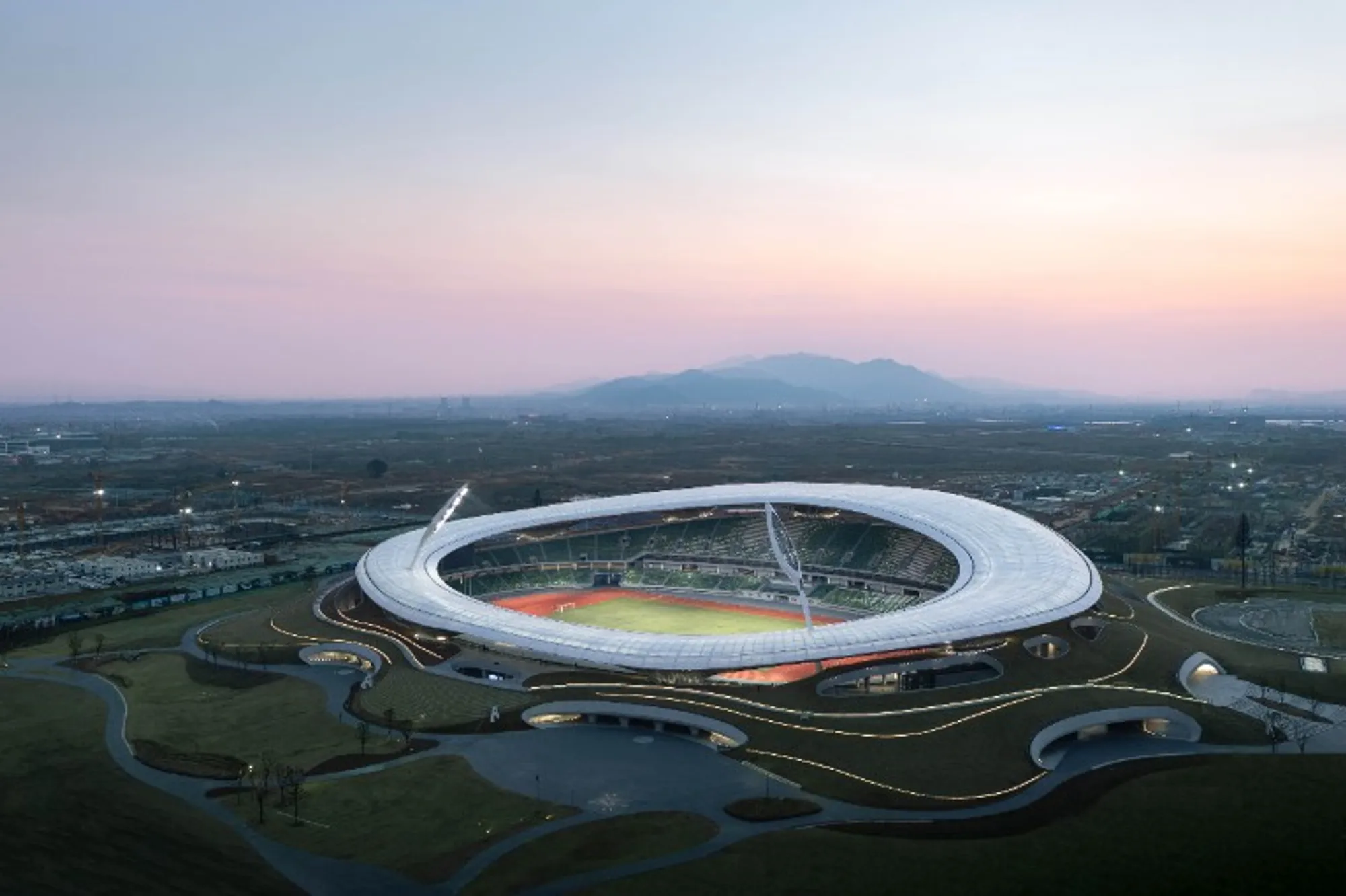
Quzhou Sports Park Unveils Its Iconic Stadium Designed by MAD Architects
Stunning Design and Cutting-Edge Technology Come Together in Quzhou's New Sports Destination

The Quzhou Stadium, the centrepiece of the Quzhou Sports Park in Zhejiang Province, has been completed by MAD architects under the leadership of Ma Yansong. Spanning an expansive 700,000 square meters, the park is located in the historic city of Quzhou, 400 kilometres southwest of Shanghai.
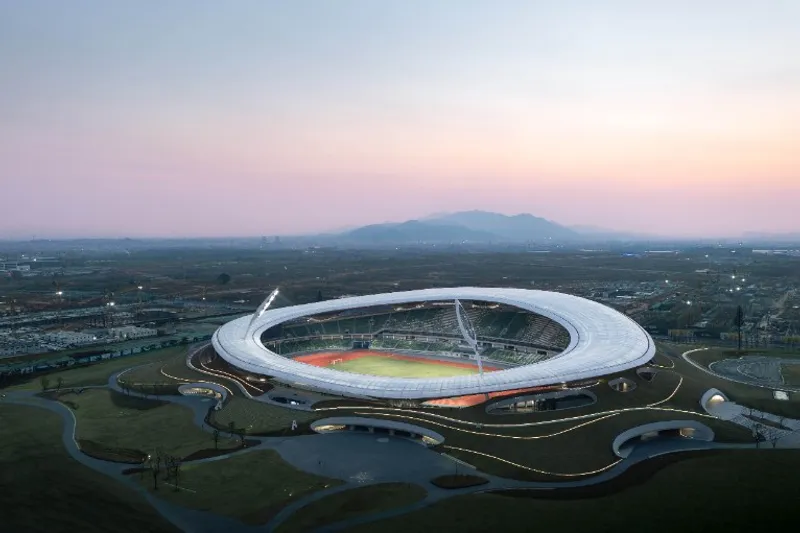
Inspired by the surrounding forested mountains, the stadium boasts a fluid exterior design that mimics the undulating ridges in the distance. The landscape of the park creates an otherworldly atmosphere, reminiscent of planets depicted in science fiction literature.
 Quzhou Stadium, photography by CreatAR Images
 Quzhou Stadium, photography by CreatAR Images
Quzhou Stadium boasts a remarkable 30,000-seat capacity, but its design was intended to blend seamlessly into the surrounding landscape rather than standing out as a standalone structure. Unlike many urban stadiums that adopt a fortress-like appearance, MAD Architects aimed to create a stadium that incorporated much of its technological features and opened it up to the public from all angles.
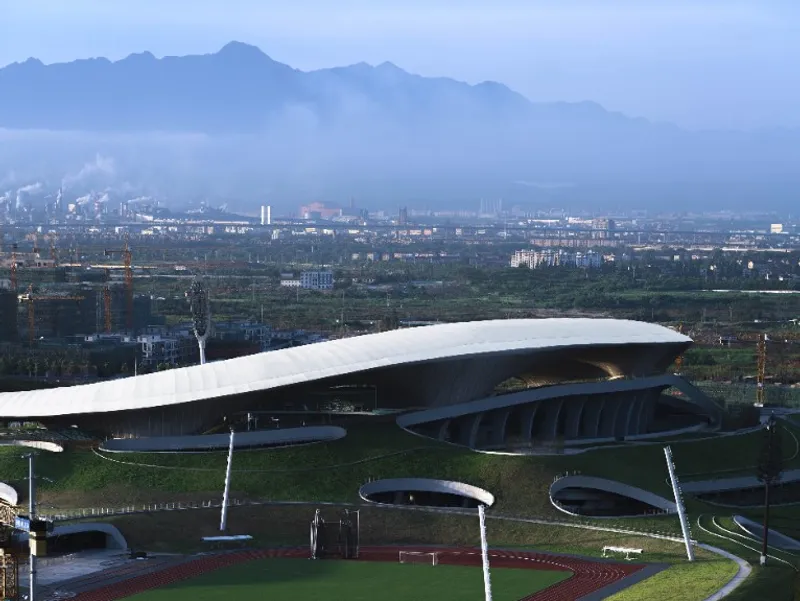 Quzhou Stadium, photography by Arch Exist
MAD Architects views the stadium grounds not only as a bustling park space near the heart of the city for athletic and recreational activities but also as a chance for a spiritual connection between individuals and nature. The Quzhou stadium, designed by Ma Yansong, departs from typical sports architecture and instead is envisioned as a work of land art that blends into nature and invites all to come together and experience the sports spirit.
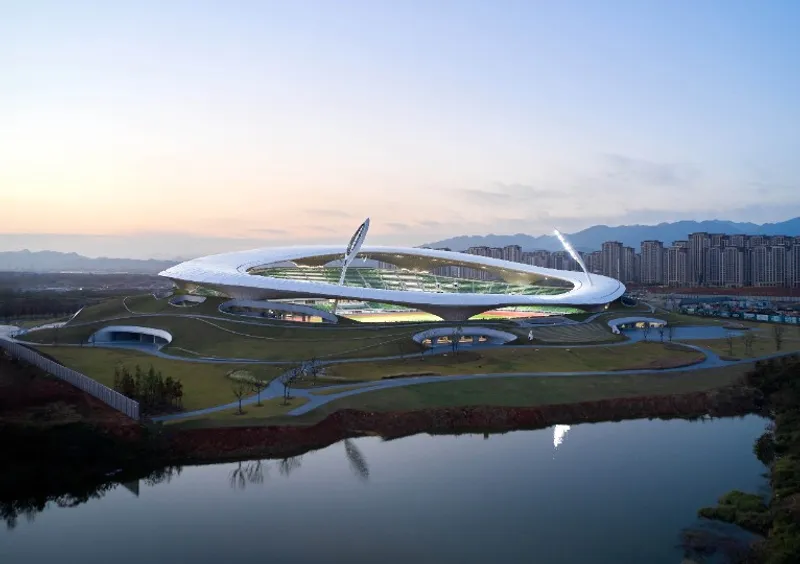 Quzhou Stadium, photography by Aogvision
Keeping the idea in mind, the building's facade takes on the curves of the surrounding terrain, blurring the line between where the land stops and the building starts. Visitors are invited to explore the structure and interact with it as if it were part of the natural environment, even when the stadium is not in use. The structure invites climbers to experience it as a living, breathing component of the landscape
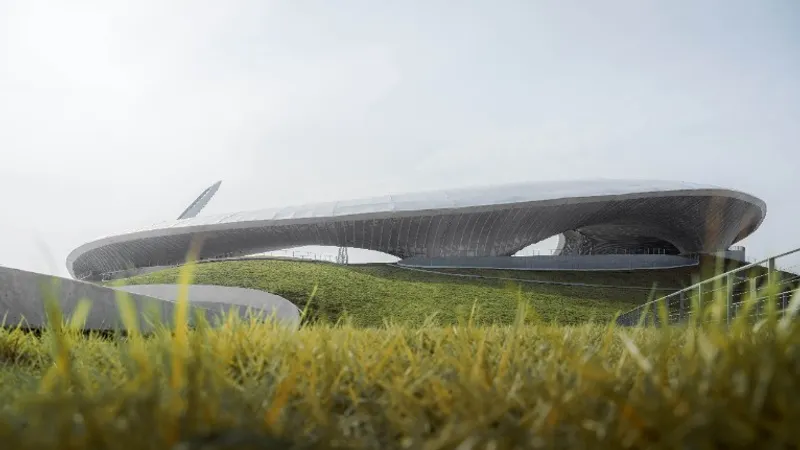 Quzhou Stadium, photography by CreatAR Images
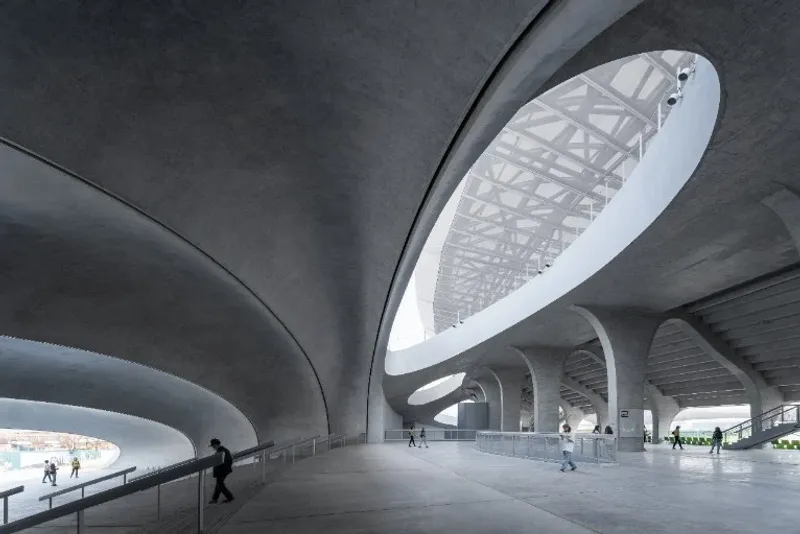
The stadium is supported by 60 concrete column walls that are comprised of exposed, wood-grained fair-faced concrete sheets. These walls bring a warm and textured feeling to the otherwise cold material and seamlessly blend the interior and exterior spaces. The canopy is made up of self-supporting steel that is wrapped in a translucent, light-emitting membrane material. This allows for a complex and long-spanning design that is able to fulfil the required geometry.
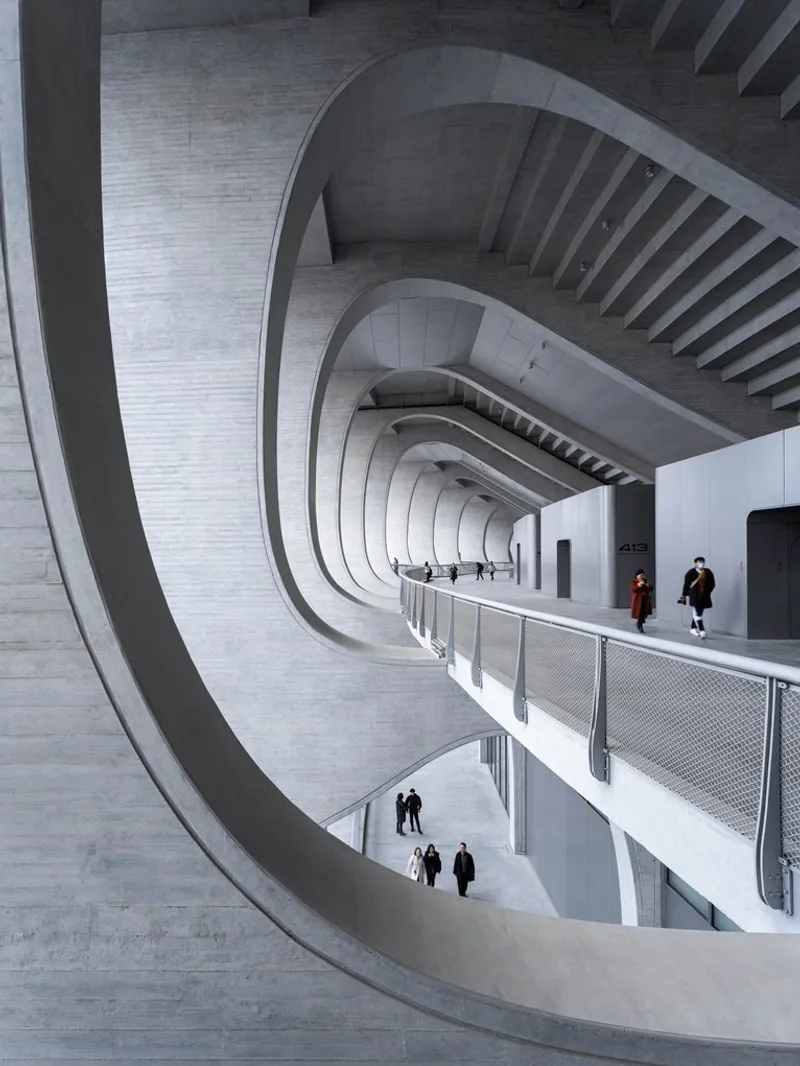 Wood-grained fair-faced concrete sheet walls of Quzhou Stadium, photography by CreatAR Images
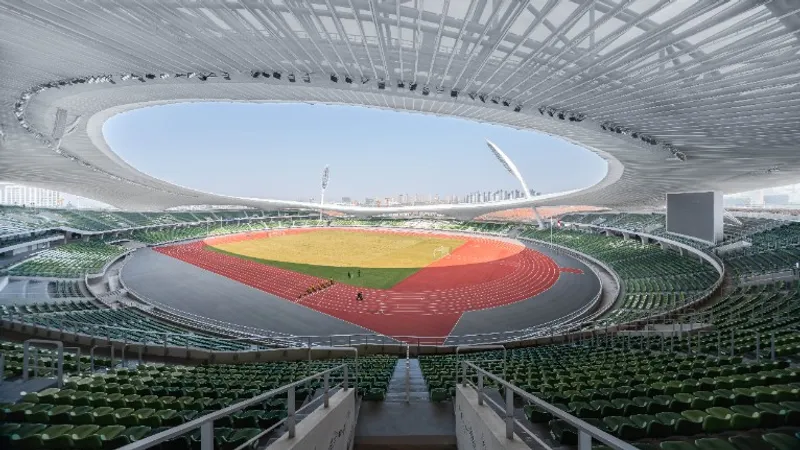 Quzhou Stadium, photography by CreatAR Images
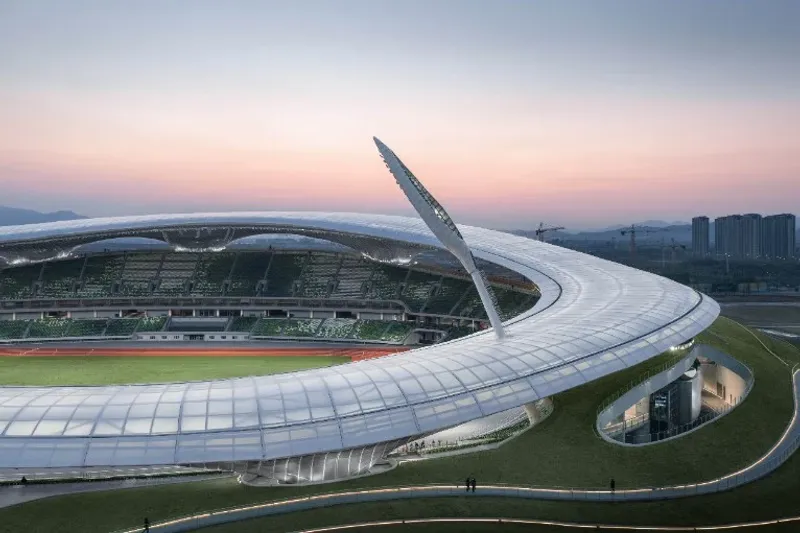
The Quzhou Stadium boasts a breathtaking structure that seems to float above the cityscape like a glowing halo. To enter the stadium, visitors pass through one of eight entrances under a magnificent canopy with undulating double-curved surfaces reminiscent of ocean waves. Despite its massive size, the canopy is suspended by only nine points with a maximum span of 95 meters, creating a floating illusion while providing magnificent views of the city from multiple perspectives.
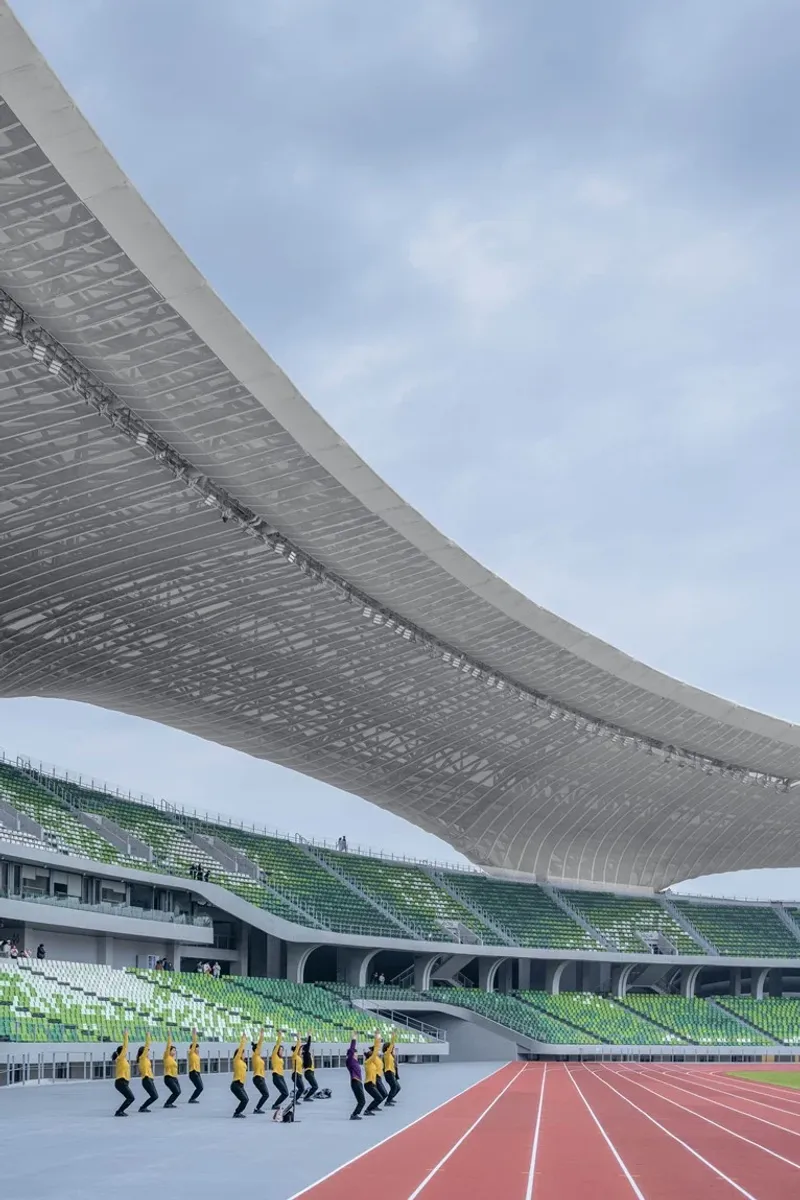 Quzhou Stadium, photography by CreatAR Images
Though the canopy is composed of a monumental steel frame, it appears lightweight thanks to the light-transmitting synthetic polymer PTFE membrane wrapped around the lower half of the structure that is composed of micro-perforations to improve acoustic performance throughout the stadium. The upper surface of the canopy is composed of a more solid PTFE membrane to prevent rain from entering the seating bowl.
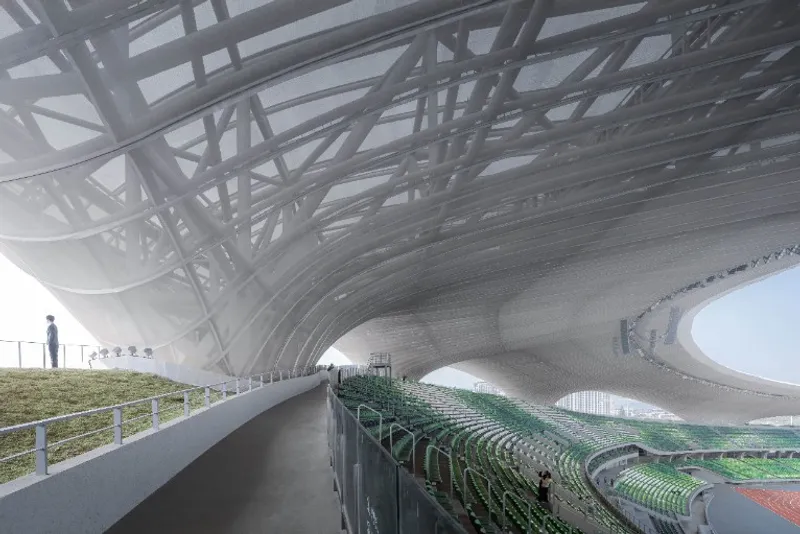 Quzhou Stadium, photography by CreatAR Images
The intricate geometry continues within the stadium, providing seating for up to 30,000 spectators. The crater-like interior offers stunning views of the city and mountainous landscape. The seating is designed to flow with the surrounding landscape, with the green hues of the seats contrasting the white canopy structure above. This creates a visual harmony with the surrounding environment.
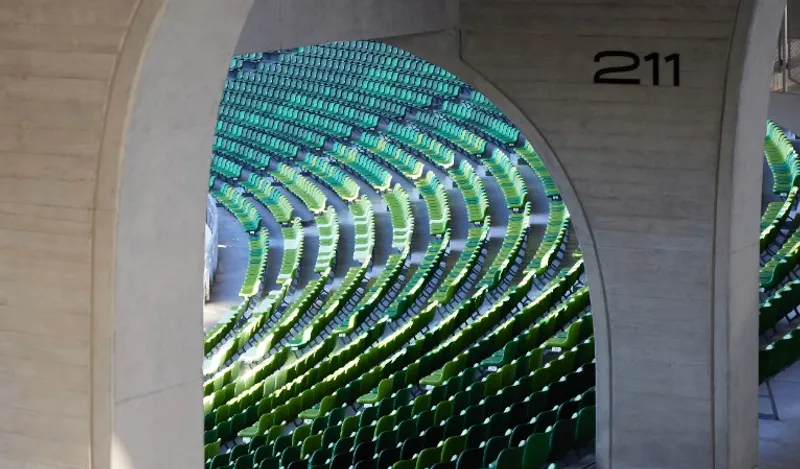 Quzhou Stadium, photography by Aogvision
The Quzhou Stadium was designed with not only an intimate atmosphere for spectators but also a range of eco-friendly features. The majority of the facilities, except for the spectator seating and arena, are situated underground.
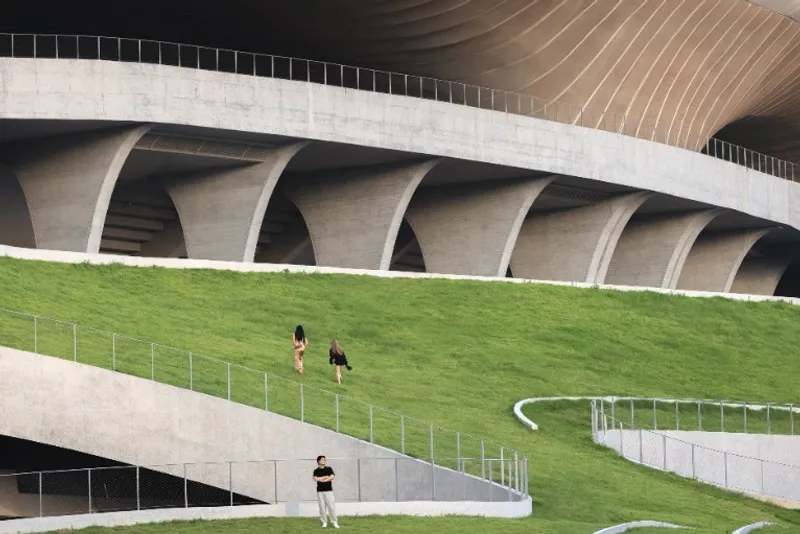 Quzhou Stadium, photography by Arch Exist
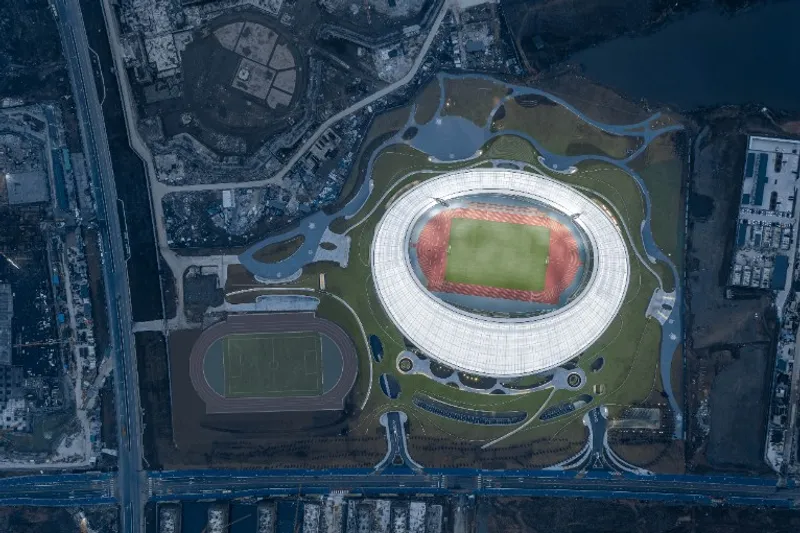 Quzhou Stadium, photography by CreatAR Images
The parking garage and entry levels of the stadium are blessed with natural light that penetrates through the large openings in the landscape. The entire design of the stadium is engineered in a way that enables it to capture, store and filter rainwater. This not only protects the building from excessive rain damage but also helps in reducing temperature fluctuations and energy consumption significantly.
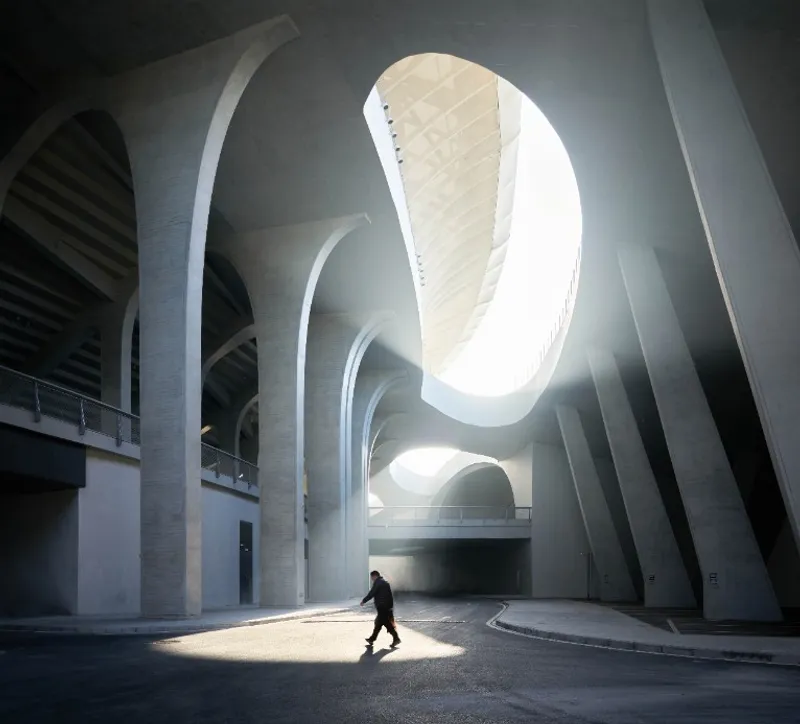 Quzhou Stadium, photography by Aogvision
MAD, as a form of land art, chose plants that are native to the region to reduce maintenance and promote water conservation. The signage for the stadium, which is outdoors, has been designed using stone and metal and has been integrated into the ground plane to harmonize with the surroundings.
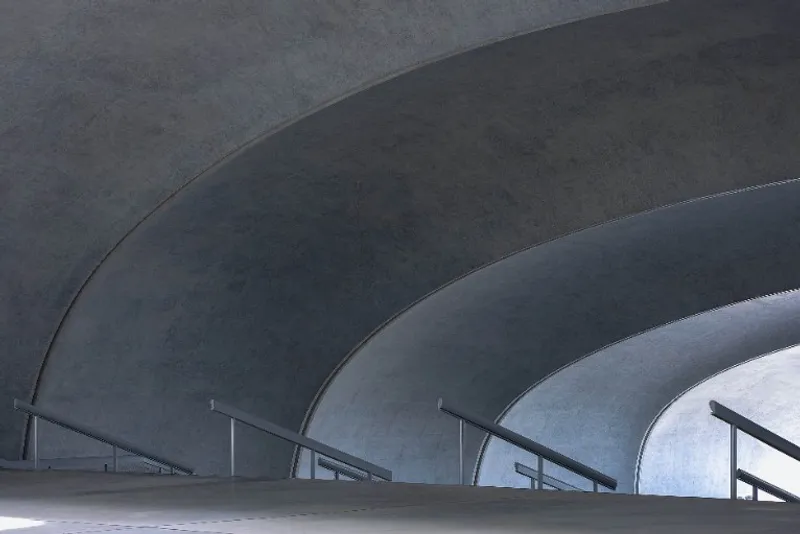 Quzhou Stadium, photography by Arch Exist
Additionally, the construction of Quzhou Stadium utilized locally sourced concrete materials, reducing the environmental impact caused by the transportation of materials. This stadium is the first of two stages in the development of the Quzhou Sports Park complex, which was first announced to the public in 2018. The complex will include a 10,000-seat gymnasium, a 2,000-seat natatorium, a science & technology museum, hotel accommodations, a youth centre, and retail programs. Unlike traditional athletic facilities, the design of the buildings in the park emphasizes their inner beauty rather than their structural strength. Upon completion, Quzhou Sports Park will become the largest earth-sheltered complex in the world, offering a much-needed contrast to the densely populated urban area surrounding it.
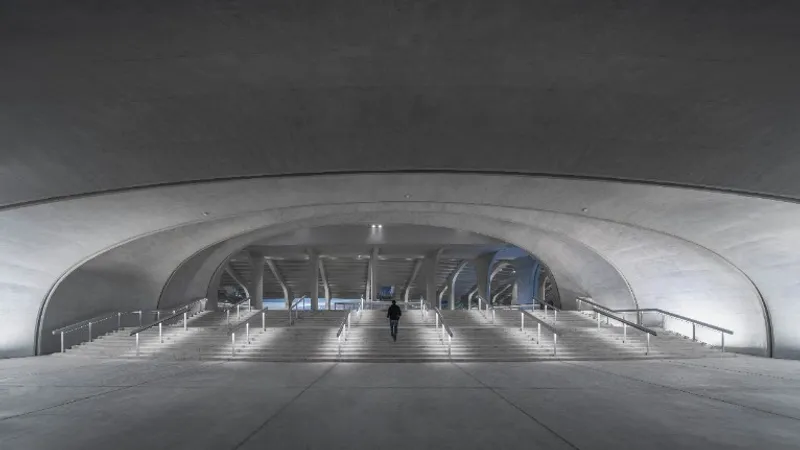 Quzhou Stadium, photography by CreatAR Images
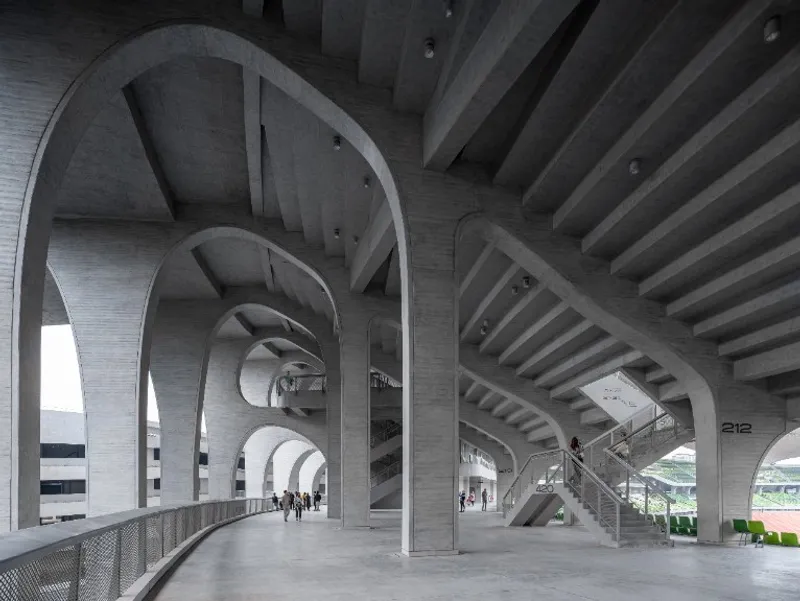 Quzhou Stadium, photography by CreatAR Images
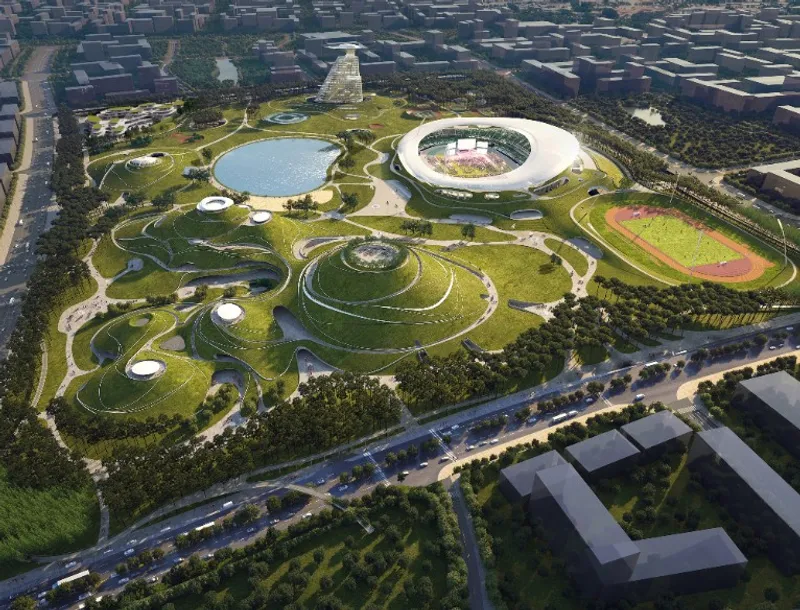 Render of Quzhou Sports Park Masterplan, © MAD Architects



Popular Articles
Popular articles from the community


The Musturak Paradise: Senior Living Architecture for a Connected Future in Temara, Morocco
The Musturak Paradise reimagines senior living architecture in Temara via private homes, social spaces, culture, community, and shared care.

Riyadh For All: Intergenerational Urban Design for Active Aging in Rabat
Riyadh For All reimagines urban design in Rabat with intergenerational co-living, adaptive courtyards, and Moroccan cultural exchange today.

Co-life: Sustainable Architecture for Age-Friendly Community Living
Co-life reimagines sustainable architecture for seniors through courtyards, rammed earth, shared gardens, and spaces designed for belonging.

Conexión: Biophilic Design Reimagines High-Rise Living in Hong Kong
Conexión reimagines high-rise living in Hong Kong through biophilic design, green facades, shared spaces, daylight, water and nature within.

Similar Reads
You might also enjoy these articles
116 Rokeby Building, Collingwood
Sustainable Collingwood office building featuring double-skin façade, natural ventilation, rooftop amenities, and carbon-neutral design focused on wellbeing and longevity.
Contemporary Apartment Renovation in Spain: RV House by BIAN Opens Up to the Sea
A minimalist 1930s apartment in Santander is transformed into a flexible, sea-facing home through contemporary Spanish renovation.
3 Marías House: A Contemporary Mediterranean Courtyard Retreat by Bajet Giramé + Burckhardt
Mediterranean courtyard home blending traditional architecture with modern design, terracotta flooring, flexible interiors, sustainable climate strategies, and garden integration.
NZ10 Apartment by auba studio: Adaptive Reuse in Palma de Mallorca
Adaptive reuse apartment transforms bakery into light-filled home with patios, privacy layers, and wood interiors enhancing urban living experience.

Explore Sports Architecture Competitions
Discover active competitions in this discipline




Challenge to design a barrier free sports center


Challenge to design an outdoor ice-rink and park


Challenge to reimagine the Iron Throne


Photograph architecture without architects
Comments (0)
Please login or sign up to add comments
No comments yet. Be the first to comment!