
Reconnecting Realms: A Cultural Architecture Proposal Inspired by Aboriginal Worldviews
Bridging culture, nature, and spirituality—this project explores cultural architecture in Australia through Aboriginal ideologies.

Project by Sérgio Pinheiro
Shortlisted entry of We Australia
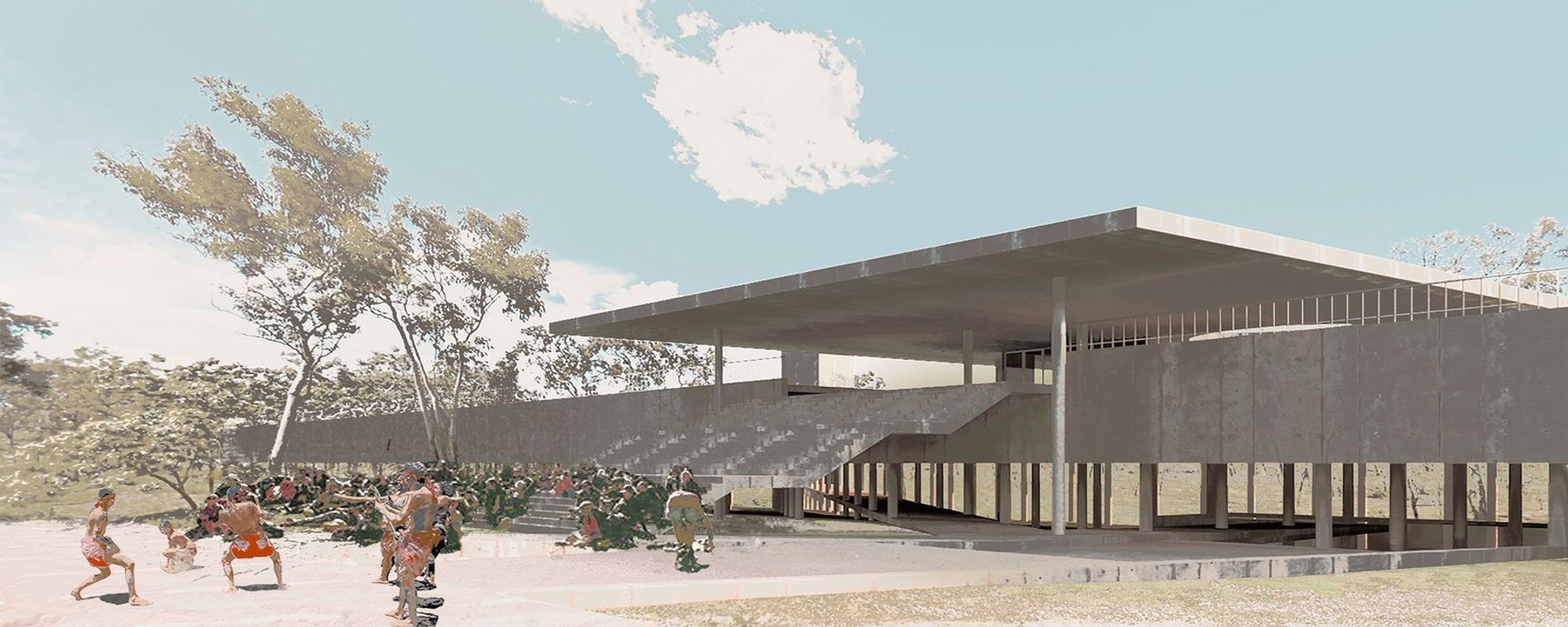
In the remote northern landscapes of Australia lies a conceptual architectural intervention that goes beyond spatial functionality. The project, titled 3 Worlds, redefines how we understand place-making by integrating the Human World, Physical World, and Sacred World into one cohesive cultural landscape. Rooted in the Aboriginal understanding of the world—Dreamtime—this proposal is a narrative-driven expression of cultural architecture in Australia.
Understanding the Three Worlds
The Human World refers to the interconnectedness of people and their relationships, encompassing social bonds, behaviors, and community life. The Physical World includes nature, animals, climate, and the tangible environment. The Sacred World draws from Dreamtime mythologies—the ancestral stories that define Aboriginal cosmology, creation, and spiritual connectivity.
The proposal aims to unify these three realms through spatial design that respects both the land and its people. The resulting built environment invites not only functional use but also contemplation, interaction, and cultural education.
A Tourism Village Rooted in Connection
Positioned strategically along a key route to Yellow Water, a major tourist destination, the site leverages its visibility to foster cultural immersion. More than a rest stop, this tourism village aims to bridge Indigenous narratives with contemporary needs. It provides opportunities for education, relaxation, and cultural exchange.
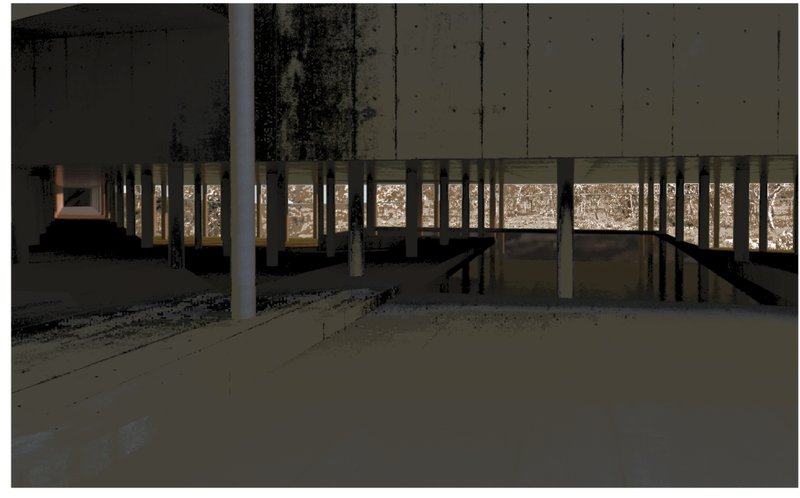
The building occupies only 25% of the 15,000-square-meter land, minimizing its footprint to emphasize environmental sensitivity. Elevated above ground level, it maintains forest continuity and allows unobstructed movement of people and wildlife.
Program and Spatial Strategy
Organized around a single elevated platform, the design facilitates smooth transitions between service, activity, and commercial zones. These zones reflect the three worlds:
- Services & Community: Linked to the Human World, this area fosters interaction through shared services and facilities.
- Nature & Activities: Representing the Physical World, it includes spaces for relaxation, workshops, and open-air interaction with nature.
- Commerce & Storytelling: Reflecting the Sacred World, it houses eateries, shops, and a pavilion for theatrical performances and oral histories.
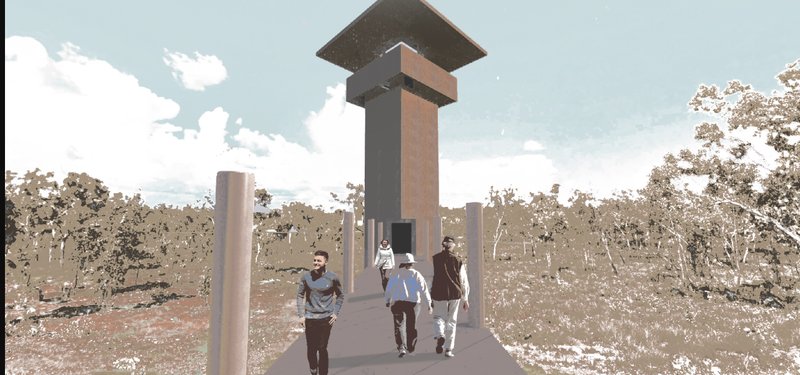
The watchtower, inspired by airstrip control towers, provides a visual anchor and symbolizes observation—a bridge between earth and sky, human and divine.
Aboriginal Ideologies as Design Principles
The architectural language borrows from Aboriginal spatial ideologies—fluid movement, circular logic, communal gathering, and grounded temporality. The three-tiered structure and the diagrammatic zoning allude to these ideas without imposing foreign spatial orders.
The circulation system respects Aboriginal movement patterns. Streets and paths are not rigid but encourage meandering and exploration, resembling the narrative paths of Dreamtime stories.
Plans and Experience
From the plans, it is evident that every spatial move is deliberate. An external meeting space precedes the entrance, encouraging gathering. Activity platforms for camping and water features create moments of pause. Inside, multifunctional areas for storytelling and learning adapt over time, honoring the oral and adaptive nature of Indigenous culture.
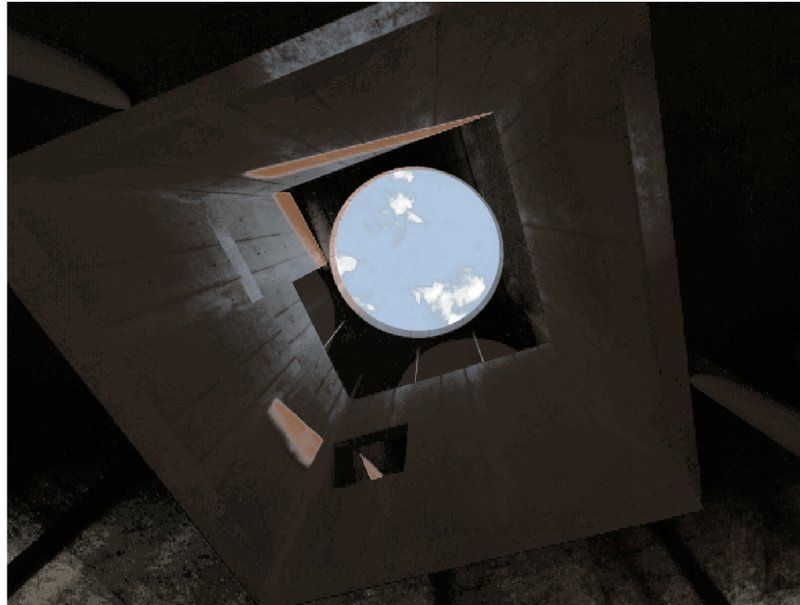
Sections show fluid interaction between levels, and the central opening of the watchtower invites visitors to look upwards—a reminder of sacred perspectives often lost in modern urbanism.
3 Worlds by Sérgio Pinheiro is more than a building; it's a cultural dialogue rendered in architecture. As an example of cultural architecture in Australia, it challenges designers to look beyond form and function, into the spiritual and relational fabric of place. In merging traditional Aboriginal ideology with contemporary tourism needs, it becomes a living archive of land, people, and story.


Popular Articles
Popular articles from the community

ure LLC Builds a Timber-Framed Suburban Office That Doubles as a Community Living Room in Hiroshima
KItoNOKO wraps sawtooth roofs and corrugated metal around an exposed timber frame to give a commercial district a new civic anchor.
Bood Design Bureau Splits a Gilan Residence in Two to Let the Forest In
Double Side House negotiates privacy and openness through interlocking concrete volumes and planted courtyards in northern Iran's humid Caspian lowlands.
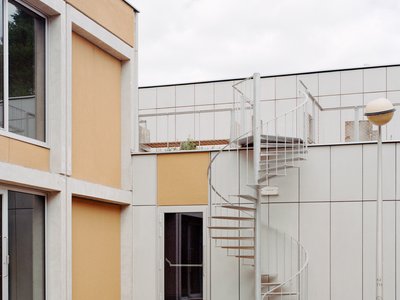
MAKER architecten Rewire a 1972 Brutalist Dormitory on the VUB Campus as a Living Lab
A modular renovation strategy in Belgium breathes new life into Willy Van Der Meeren's modernist student housing without erasing its concrete bones.
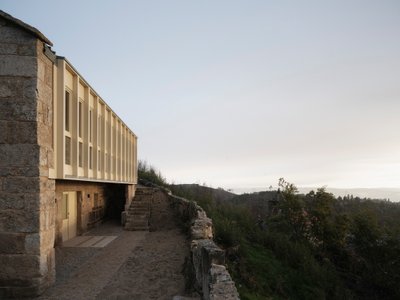
Three Architects Stitch a Social Center into a Crumbling Galician Hamlet
In Muimenta, Spain, timber and plywood volumes graft onto granite ruins to anchor a rural revitalization effort.

Similar Reads
You might also enjoy these articles
Three Architects Stitch a Social Center into a Crumbling Galician Hamlet
In Muimenta, Spain, timber and plywood volumes graft onto granite ruins to anchor a rural revitalization effort.
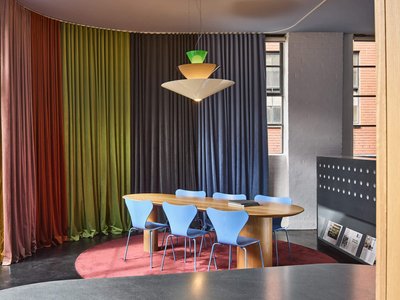
IF Architecture Designs Its Own Collingwood Studio as a Textile-Wrapped Incubator for Ideas
A 90-square-metre office in Melbourne's Collingwood uses layered curtains and color to turn a compact footprint into a laboratory for design.
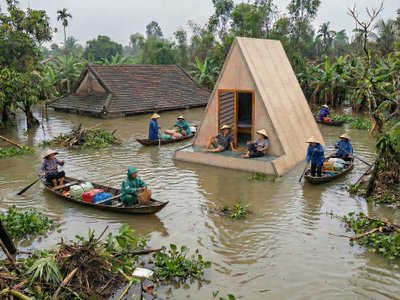
CTA | Creative Architects Designs Triangular Floating Shelters for Vietnam's Flood-Ravaged Communities
A timber-louvered triangular shelter rises on concrete pontoons to keep Vietnamese families safe and together when floodwaters come.
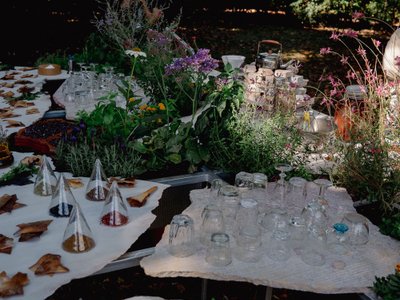
Francisca Sottomayor and Fahrenheit.Works Build a Living Kitchen Where Plants Cook Alongside People
A multispecies dining installation in Porto transforms a communal table into a working ecosystem of herbs, fire, and shared meals.






Comments (0)
Please login or sign up to add comments
No comments yet. Be the first to comment!