
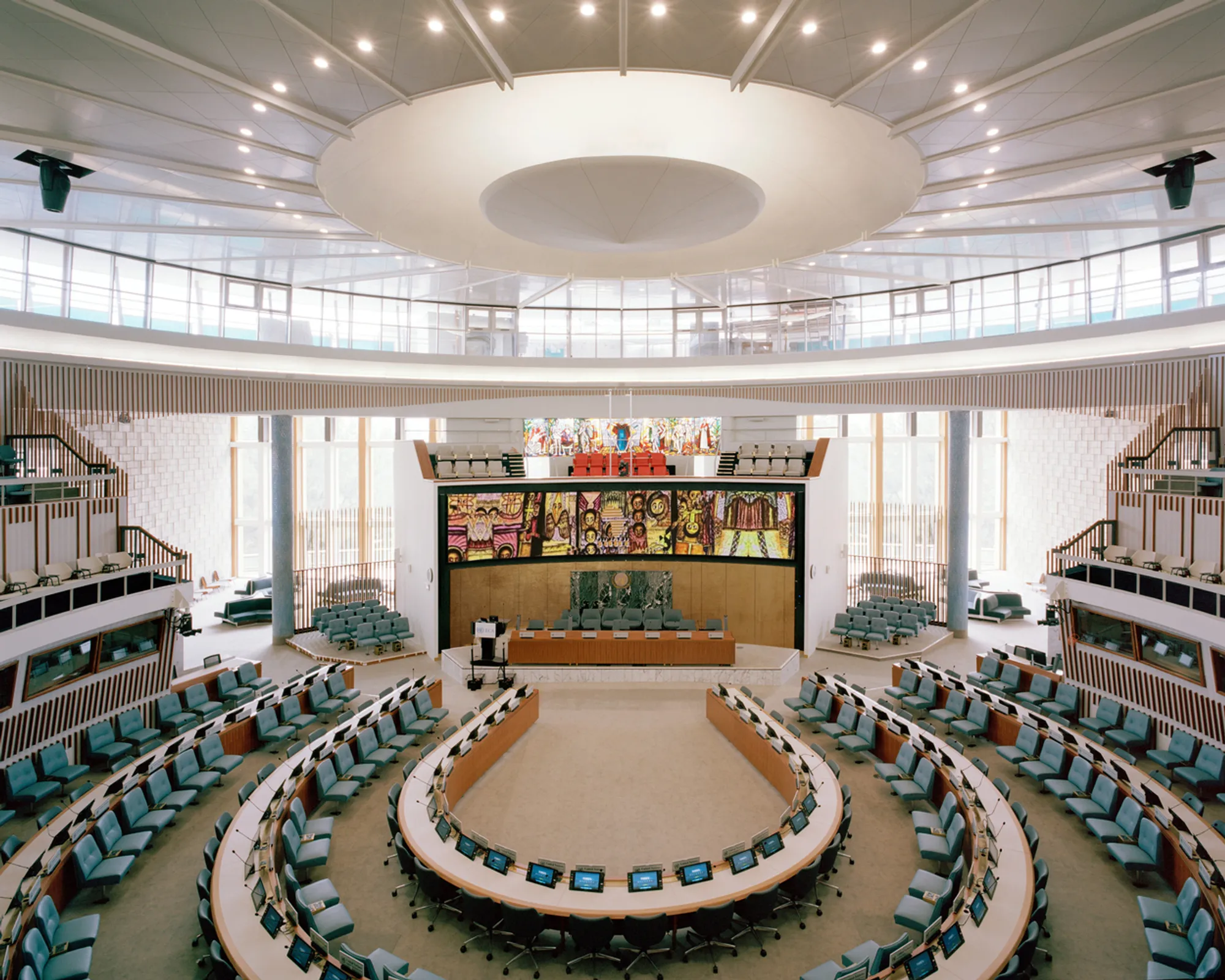
Renovation of Africa Hall Cultural Center: Preserving African History and Modernizing for the Future
The renovation of Africa Hall Cultural Center celebrates its historical significance while modernizing it for future cultural and conference use.


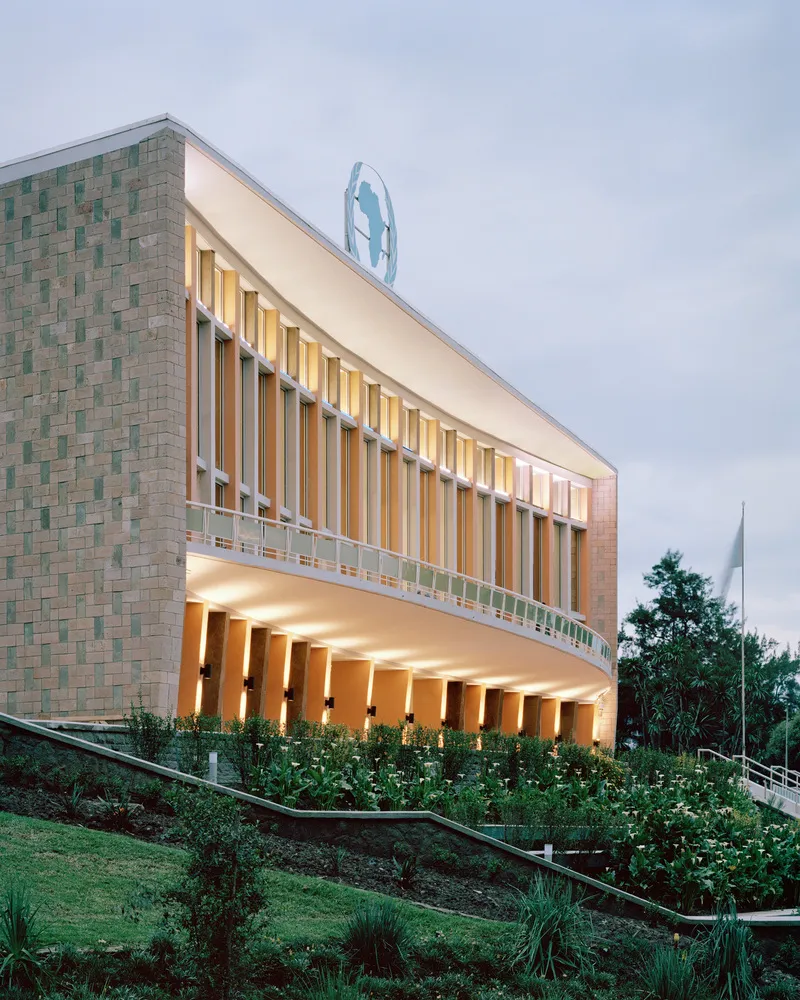
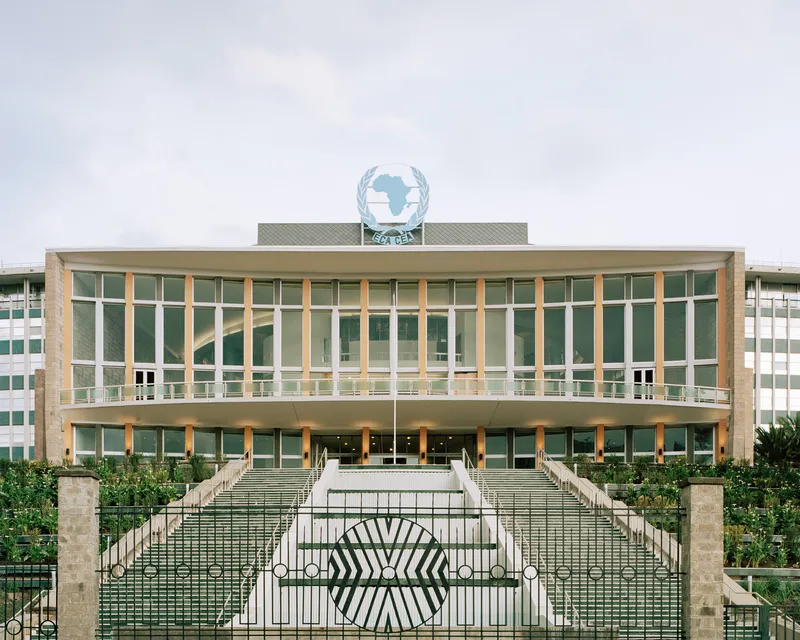
The Africa Hall Cultural Center in Addis Ababa, Ethiopia, has undergone a monumental transformation led by Architectus Conrad Gargett. This landmark building, originally designed in 1961 by Italian architect Arturo Mezzèdimi, holds profound historical and cultural significance as the birthplace of the Organisation of African Unity (OAU). The decade-long renovation revitalizes the hall as a world-class conference and cultural venue while honoring its legacy as a symbol of African unity.
Historical Context of Africa Hall
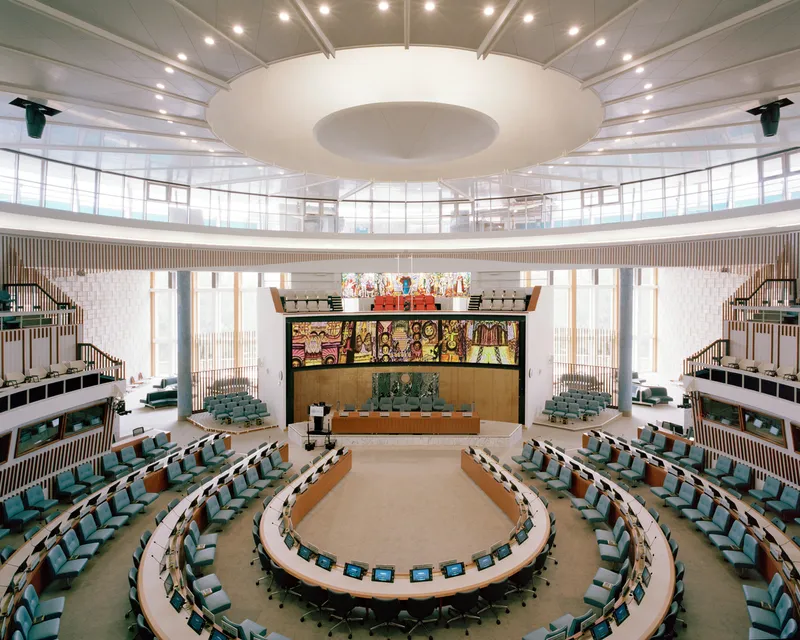
Africa Hall was a gift from Emperor Haile Selassie I, envisioned as a meeting place for African nations and the headquarters of the United Nations Economic Commission for Africa (ECA). The hall played a pivotal role in shaping the continent's history, hosting the 1963 founding of the OAU, now known as the African Union (AU). With decades of wear and evolving needs, a comprehensive renovation was initiated to preserve its historical essence while modernizing its functionality.
A Holistic Approach to Renovation
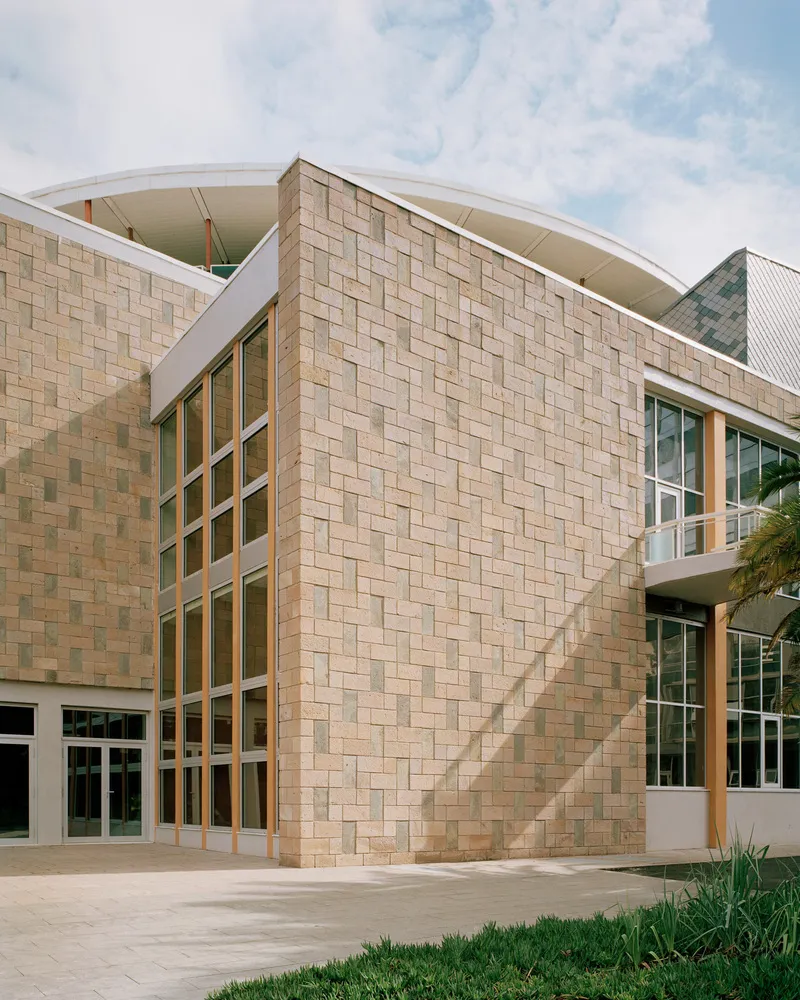
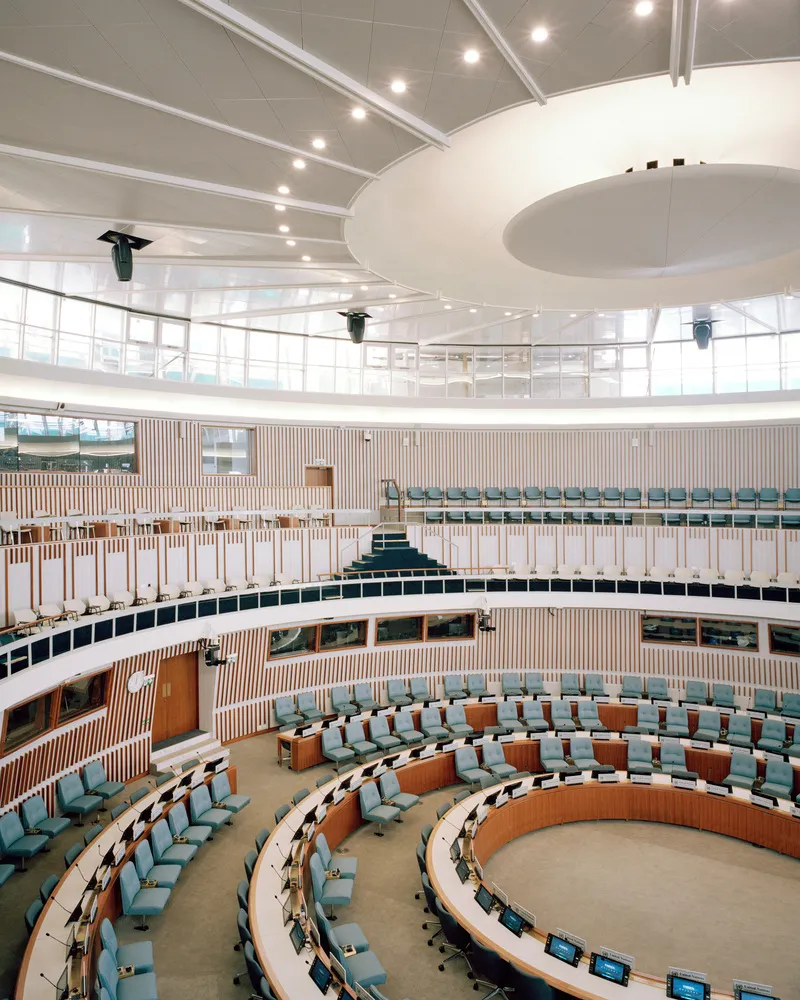
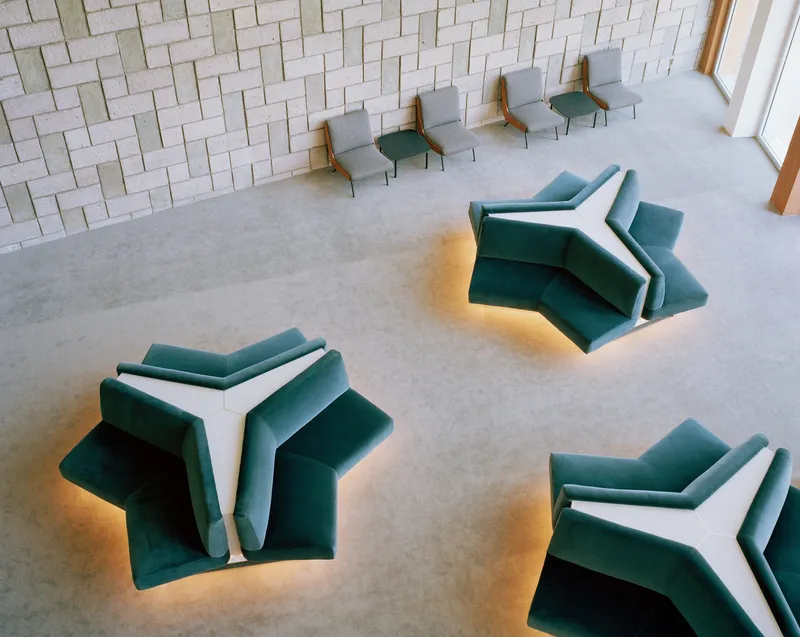
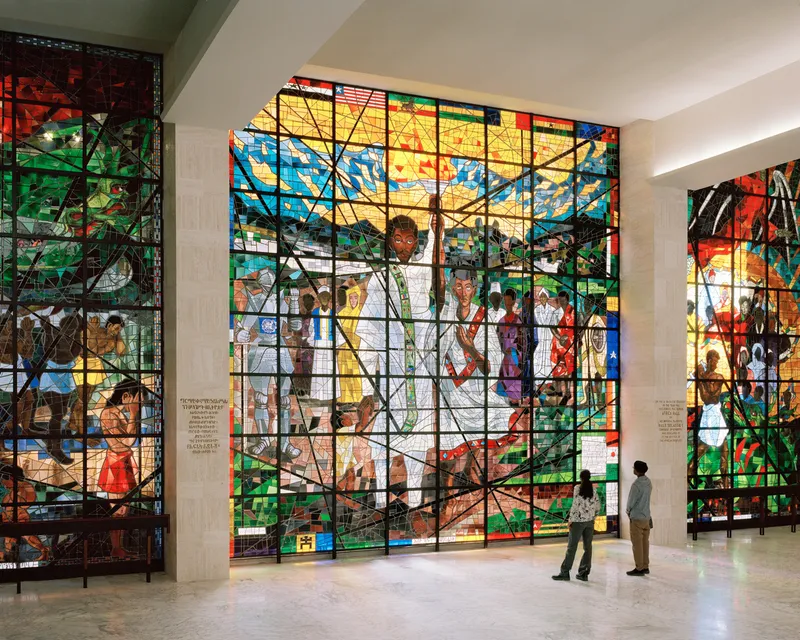
The renovation was guided by a Conservation Management Strategy to maintain the integrity of Mezzèdimi's original design. Extensive research into the building's history informed every aspect of the project. Iconic features such as the reinforced concrete structure, mosaic ceramic tiles, and stained-glass artwork by Ethiopian artist Afewerk Tekle were meticulously restored. Thirteen million tiles were custom-fabricated to match the originals, and Tekle's 150-square-meter stained glass piece was carefully rejuvenated by the grandson of its original maker. Over 500 bespoke furniture pieces, originally crafted for the hall, were restored to their initial configurations, preserving their historical value.
Modern Enhancements for a Contemporary Purpose
To adapt Africa Hall for contemporary use, the Assembly Hall was reconfigured to accommodate 55 member states, up from its original 32. Advanced audio-visual systems, including a 13-meter-wide LED display, were integrated to support its role as a conference center. Modern interventions, such as rooftop service spaces and an external lift core, were clad in zinc shingles to blend seamlessly with the building’s design. These updates were carefully crafted to respect the aesthetic integrity of Mezzèdimi’s vision while offering cutting-edge functionality.
Sustainability and Accessibility
The renovation aligned with the United Nations’ "Greening the Blue" initiative, emphasizing sustainability throughout the project. Accessibility improvements were made to comply with the UN Disability Inclusion Strategy, ensuring that Africa Hall remains an inclusive space for all visitors and participants.
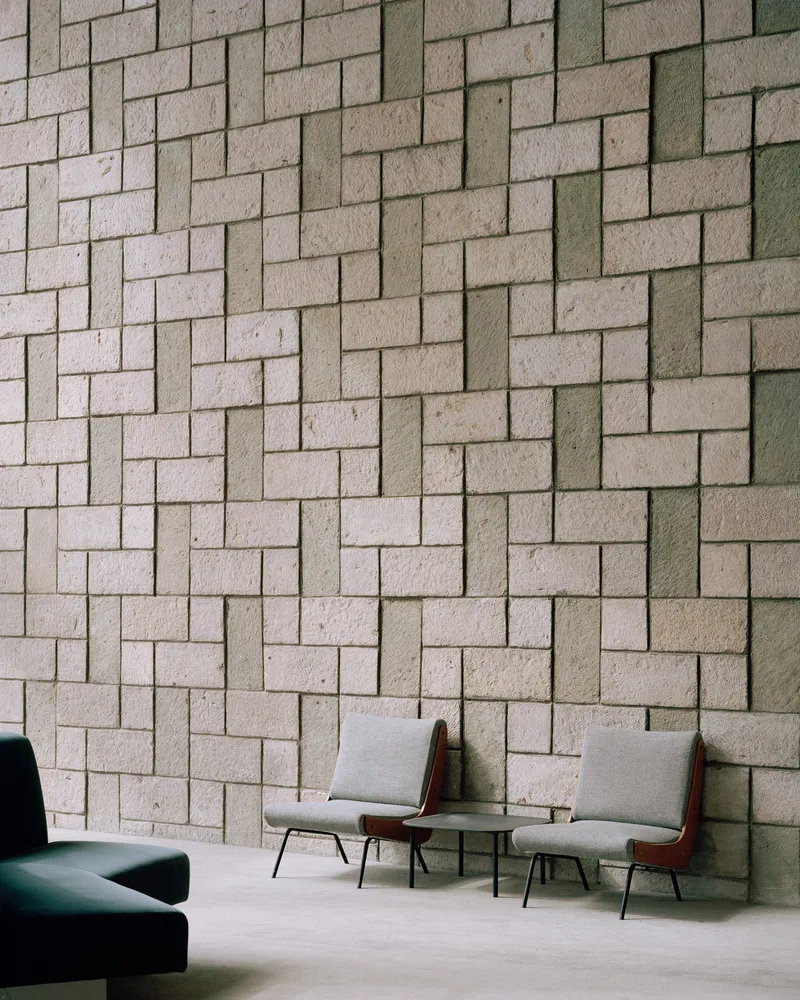
New Visitor Experiences
Africa Hall has expanded its purpose beyond being a conference center to include an engaging cultural and educational component. A new museum and exhibition space narrate the building’s historical significance. Visitors can now enjoy a café, a separate visitor center, and enhanced parking and transport access. These additions transform the site into a destination for learning, reflection, and celebration of African heritage.
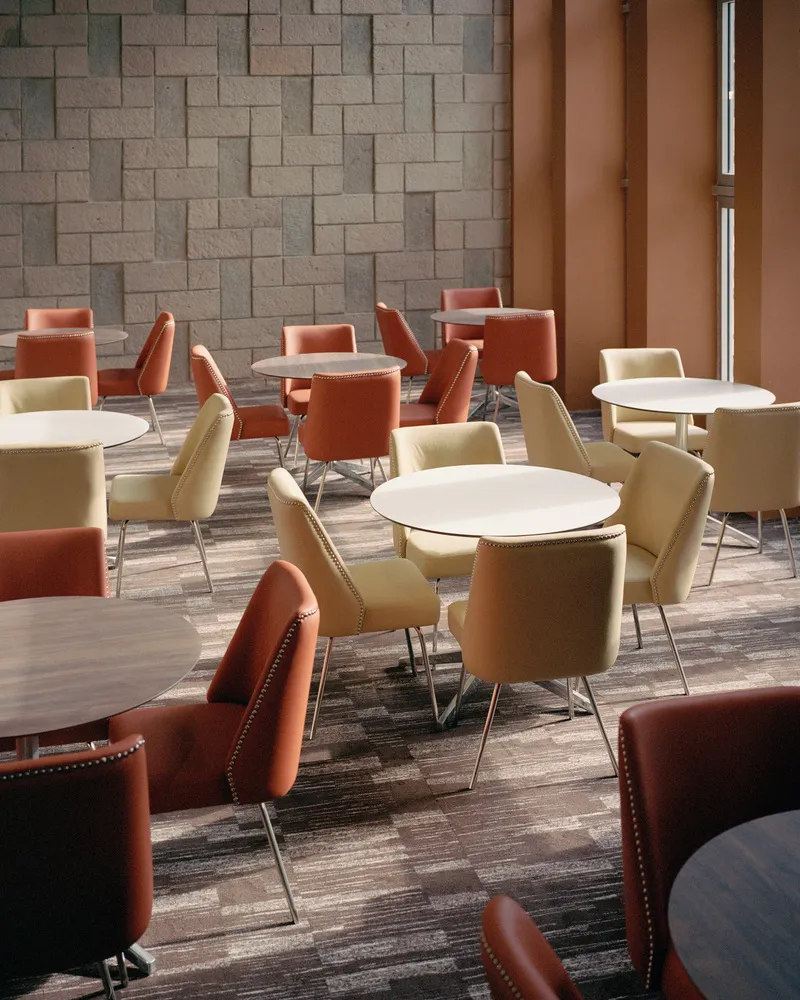
The renovation of Africa Hall Cultural Center by Architectus Conrad Gargett is a testament to the importance of preserving historical landmarks while adapting them for modern needs. By blending meticulous restoration with forward-looking functionality, the project ensures that Africa Hall will remain a beacon of African unity, cultural heritage, and progress for generations to come.
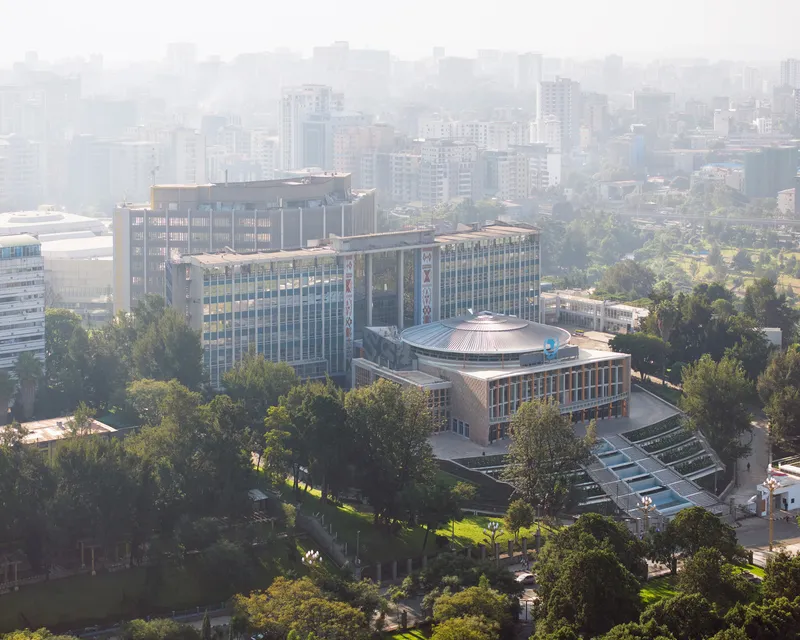
All Photographs are work of Rory Gardiner




Popular Articles
Popular articles from the community


Riyadh For All: Intergenerational Urban Design for Active Aging in Rabat
Riyadh For All reimagines urban design in Rabat with intergenerational co-living, adaptive courtyards, and Moroccan cultural exchange today.

Lunar Spiral: Space Architecture Shaped by the Mathematics of the Universe
Lunar Spiral reimagines space architecture through Fibonacci geometry, lunar regolith, levitating habitats, and self-sustaining Moon living.

The Earth Pod: 3D Printed Homes for Resilient Refugee Communities
The Earth Pod reimagines refugee housing through 3D printed homes made from clay, combining resilience, self-sufficiency, and rapid shelter.

Conexión: Biophilic Design Reimagines High-Rise Living in Hong Kong
Conexión reimagines high-rise living in Hong Kong through biophilic design, green facades, shared spaces, daylight, water and nature within.


Similar Reads
You might also enjoy these articles

FAMM Arquitectura Organizes Ten Villas Around Courtyards and Jungle in Nosara, Costa Rica
El Molino pairs two elongated volumes with deep overhangs and timber louvers to build a compact coastal community five minutes from the beach.
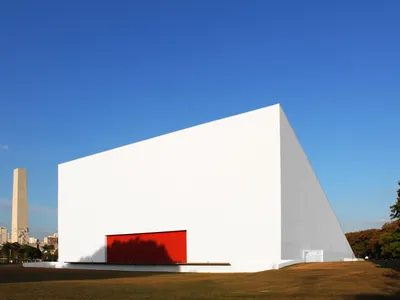
Oscar Niemeyer's Ibirapuera Park Pavilions Define São Paulo's Cultural Identity in Concrete and Curve
A constellation of modernist volumes set within São Paulo's most important urban park, conceived for the city's 400th anniversary in 1954.
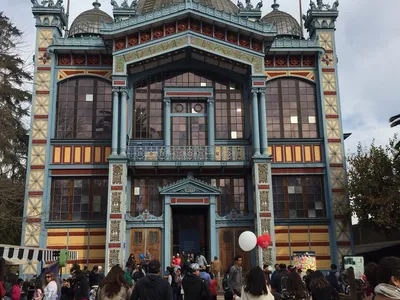
How Henri Picq's 1889 Paris Pavilion Traveled 11,000 Kilometers to Become Santiago's Artequín Museum
A prefabricated iron and glass pavilion built for the Paris Universal Exposition found a second life as a children's art museum in Chile.
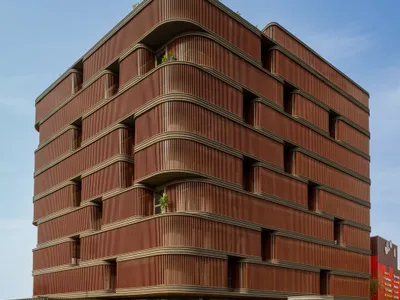
Sanjay Puri Architects Wraps a Jaipur Office Tower in Capsule-Shaped Green Buffers
A nine-level climate-responsive workplace near Jaipur Airport uses stacked planter terraces and aluminium screens to fight 40°C heat.


Explore African Architecture Competitions
Discover active competitions in this discipline



Challenge to reimagine the Iron Throne


Photograph architecture without architects


Illustrate the lost glory of Angkor Wat - Render Challenge


Bring back Drive In's
Comments (0)
Please login or sign up to add comments
No comments yet. Be the first to comment!