
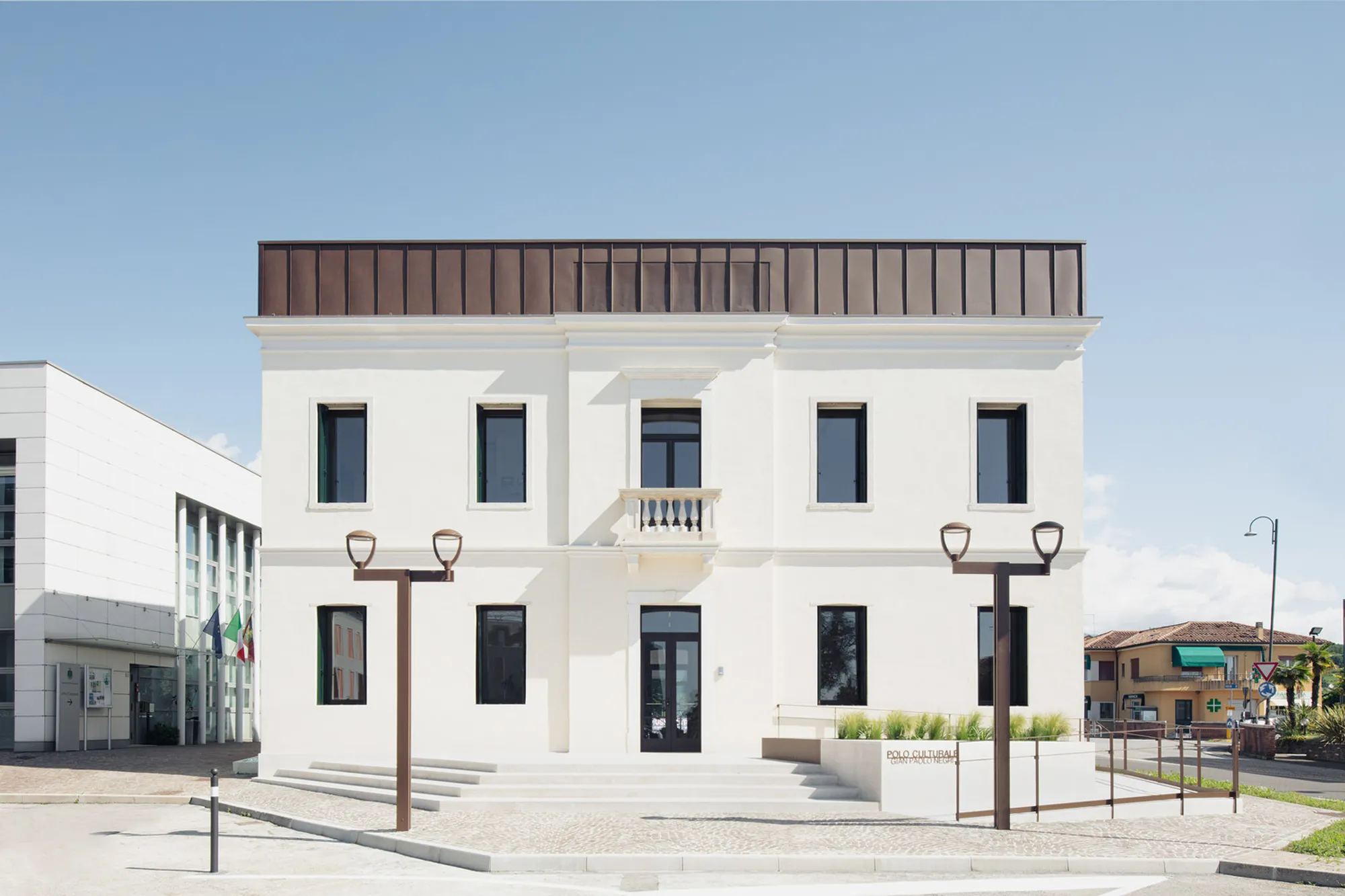
Renovation of the Gian Paolo Negri Cultural Center by Didonè Comacchio Architects
The Gian Paolo Negri Cultural Center renovation blends Venetian heritage with modern design, seismic safety, and community-focused terraces overlooking Monte Grappa.


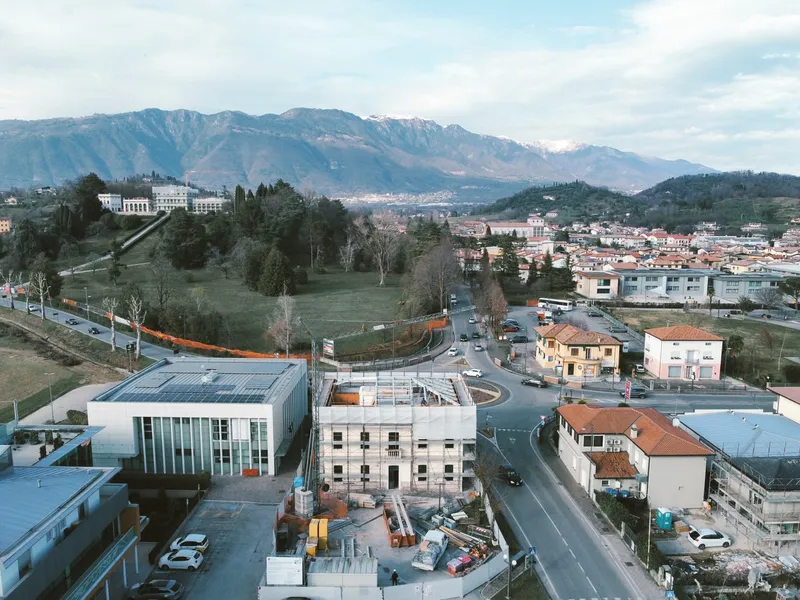
The Gian Paolo Negri Cultural Center Renovation in Mussolente, Italy, is a remarkable architectural intervention led by Didonè Comacchio Architects. Completed in 2024, this 576 m² project successfully blends historical preservation with contemporary design, enhancing both public engagement and the protection of artistic heritage.
Balancing History and Modernity
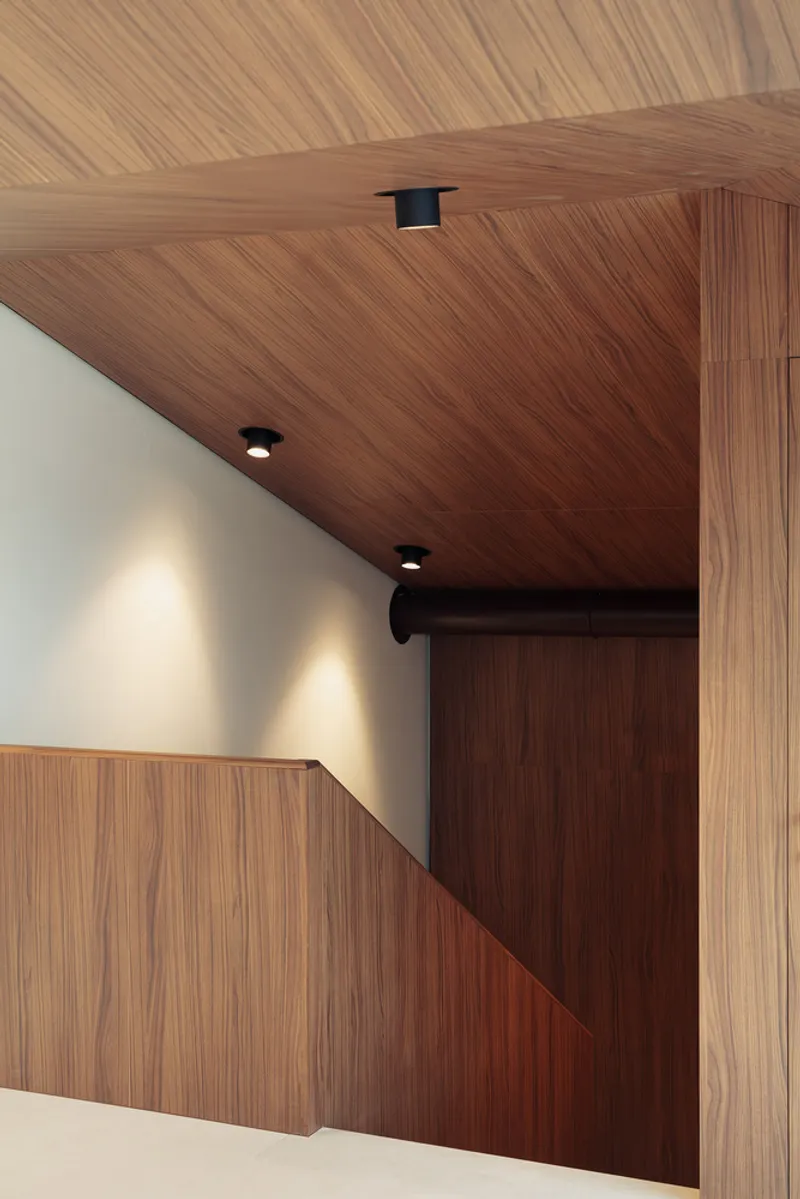
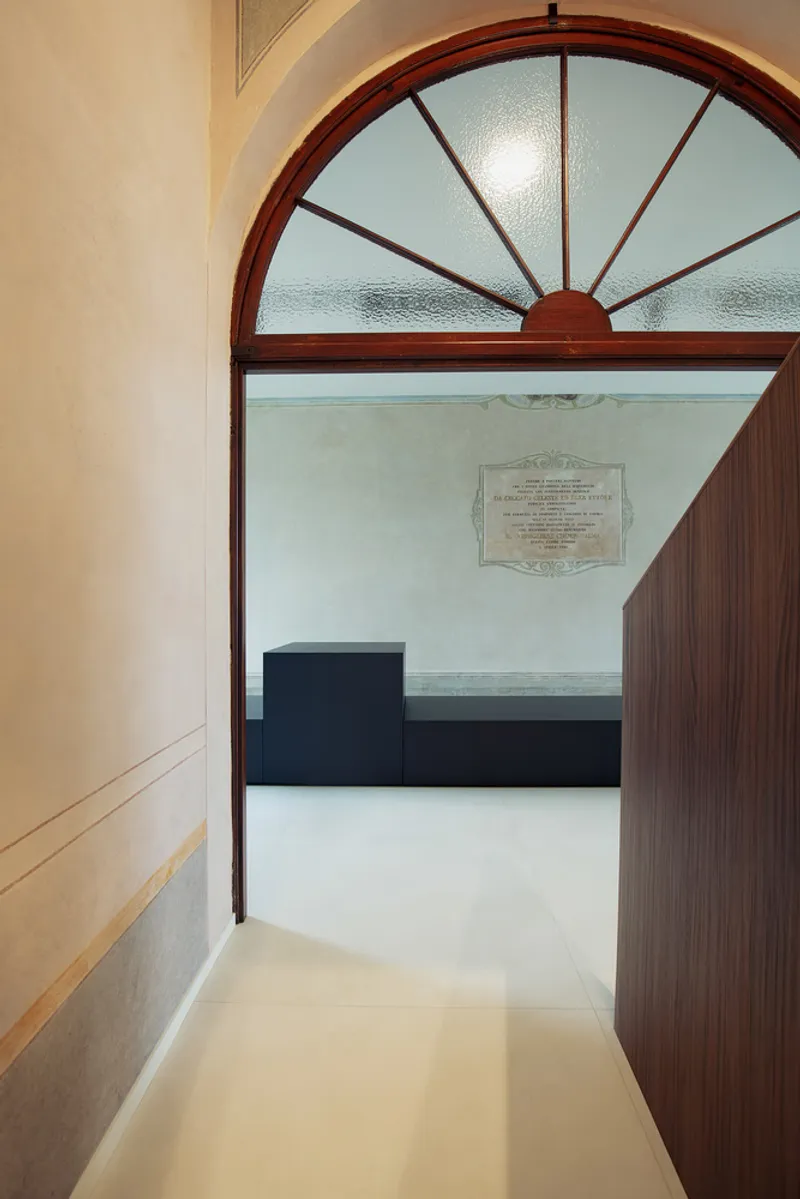
The renovation prioritizes the seismic adaptation of the pre-existing structure while revitalizing its interior spaces. A key challenge was to preserve the memory of the building while accommodating modern programmatic needs. The architects maintained the tripartite spatial hierarchy characteristic of Venetian villa typologies, retaining original circulation elements like the central staircase and elevator as pivotal features for vertical movement.
The project carefully integrates contemporary interventions with the building’s historic fabric. Original perimeter walls coexist with a structural reinforcement system, incorporating steel bracing frames within discreet false walls along the north and south façades. This approach ensures structural safety without compromising the building’s historical identity.
Contemporary Architectural Expression
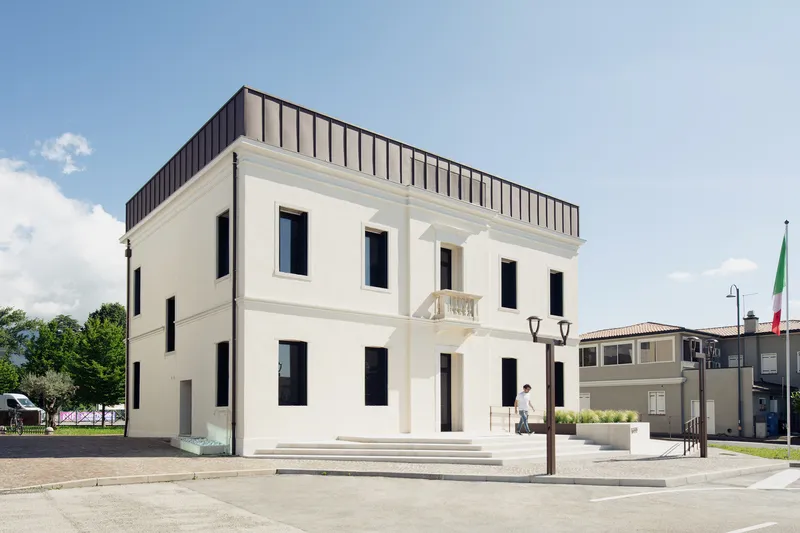
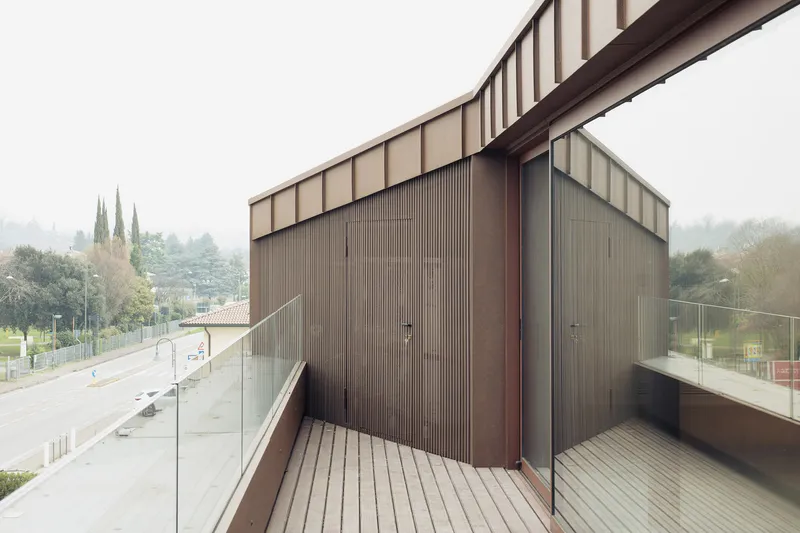
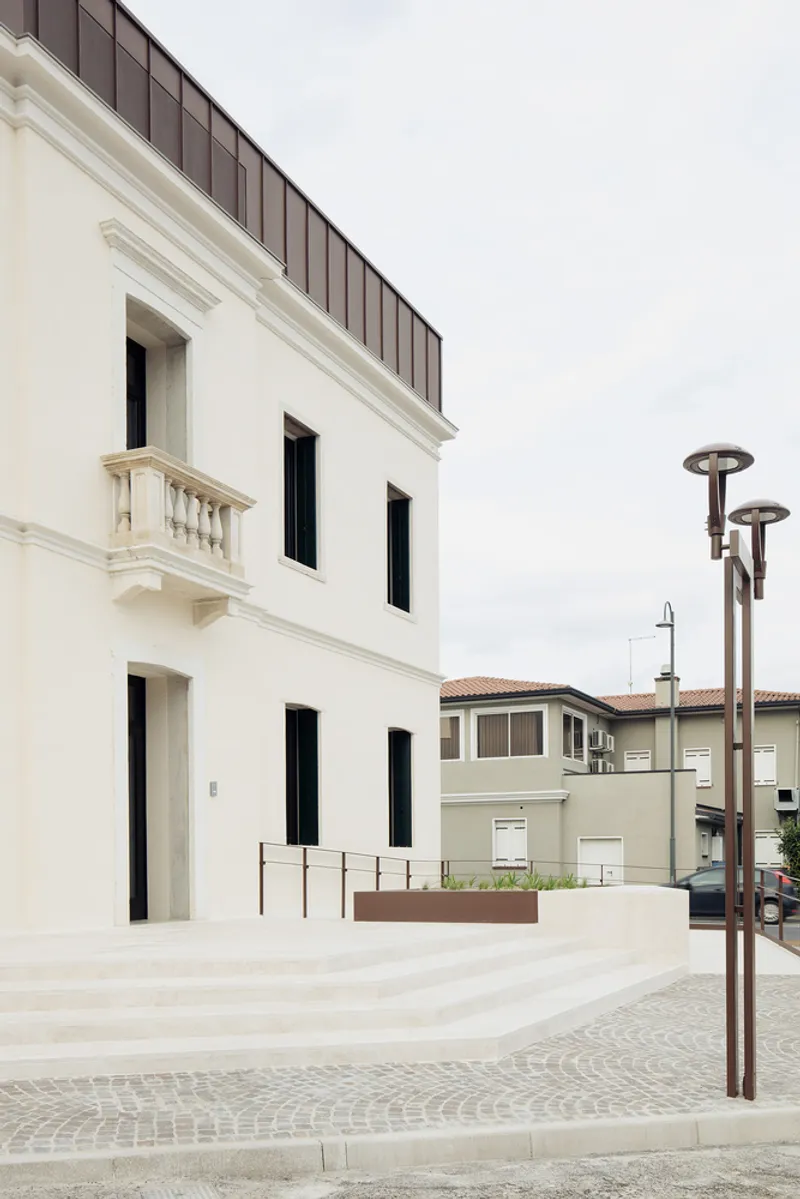
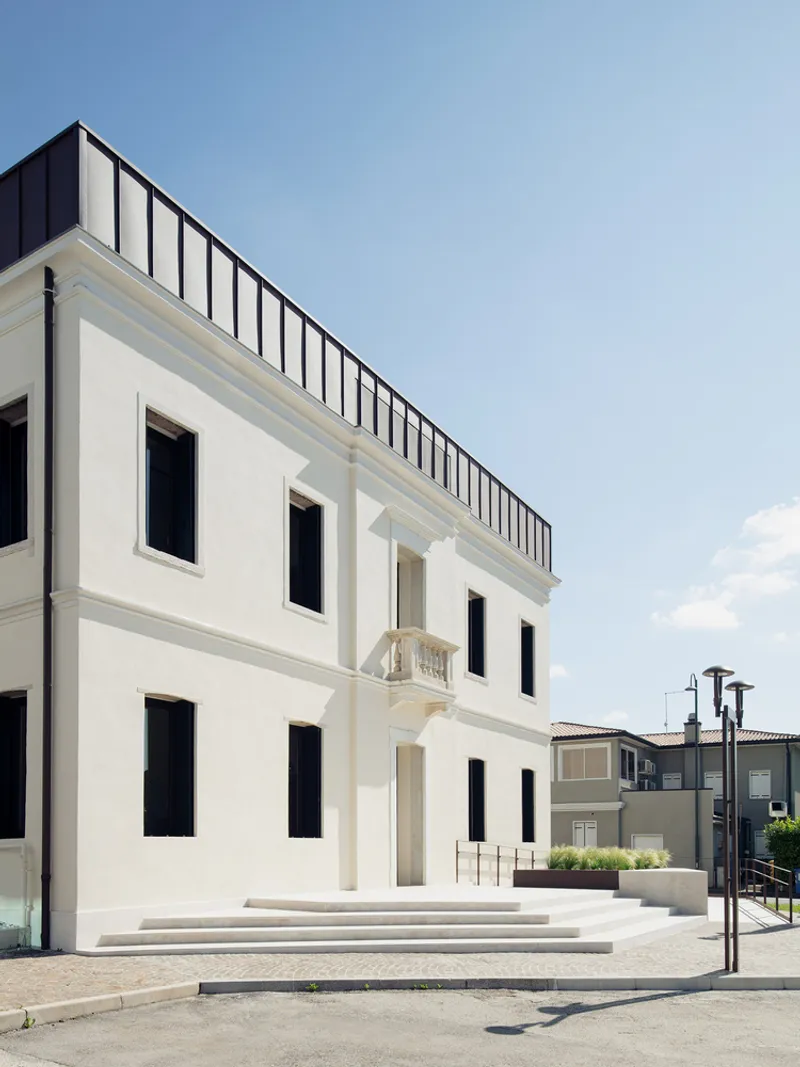
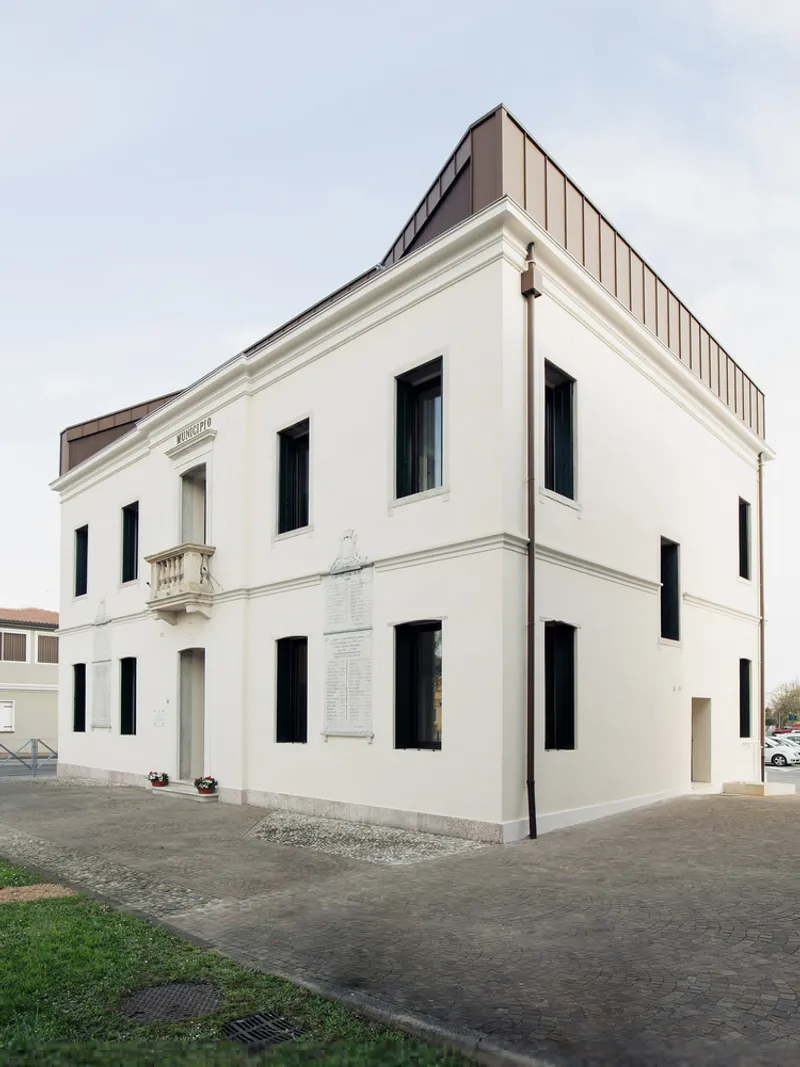
The design introduces a clear, essential architectural language that enhances spatial qualities and daylight penetration. The second level, added during the 1960s, has been demolished and rebuilt with a lightweight steel structure, offering a refined, modern volume. Its cladding, composed of burnished pre-painted sheet metal, creates a dialogue between the contemporary addition and the historic base.
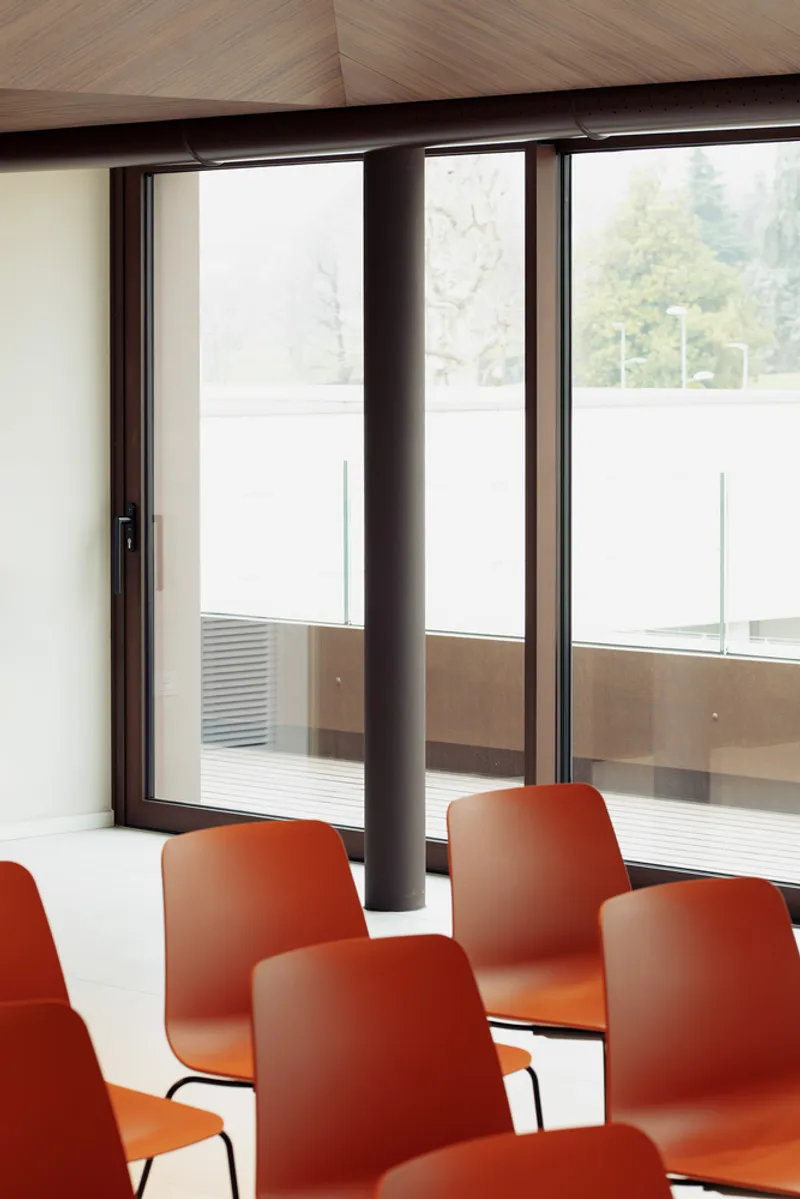
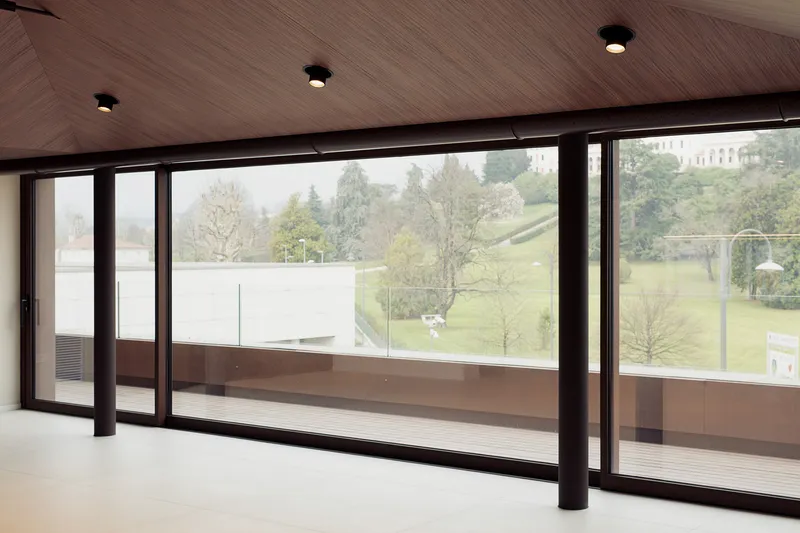
A key highlight of the renovation is the creation of a terrace belvedere, formed by excavating the second-floor volume. This terrace offers panoramic views of Monte Grappa and the iconic Villa Piovene, establishing a new public focal point and a high-quality space for community engagement.
Harmonized Interior Design and Materials
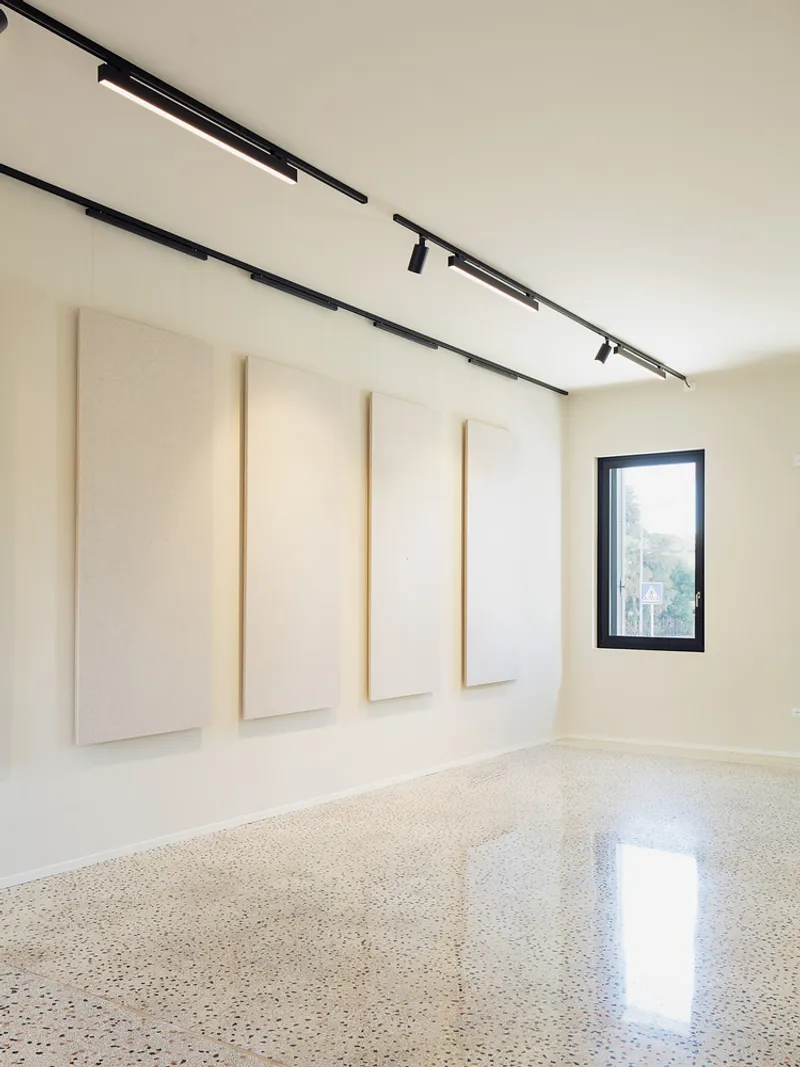
The internal design balances tradition with modernity. Vicenza stone flooring is preserved on the first floor, while the top floor features warm wooden floors, complementing the overall material palette. Exterior finishes, including pre-painted metal fixtures, are reinterpreted through contemporary design principles, reinforcing the building’s refined aesthetic while respecting its heritage.
On the west façade, the system of openings was rebalanced to restore a more orderly composition reminiscent of the original design, blending classical proportions with modern clarity. The renovation ensures that both visitors and the local community can experience the cultural center as a safe, functional, and visually compelling space.
Architectural Impact
The Gian Paolo Negri Cultural Center now embodies a harmonious blend of past and present, serving as a model for sensitive historical renovation combined with innovative design. By carefully preserving architectural memory while introducing contemporary elements, the project enhances Mussolente’s cultural landscape and provides a dynamic space for public engagement.
Project Details:
- Location: Mussolente, Italy
- Architects: Didonè Comacchio Architects
- Lead Architects: Paolo Didonè, Devvy Comacchio
- Year: 2024
- Area: 576 m²
- Photographs: Alberto Sinigaglia
- Manufacturers: Linea Light Group, The Skin
All photographs are works of
Alberto Sinigaglia


Popular Articles
Popular articles from the community


Co-life: Sustainable Architecture for Age-Friendly Community Living
Co-life reimagines sustainable architecture for seniors through courtyards, rammed earth, shared gardens, and spaces designed for belonging.

Riyadh For All: Intergenerational Urban Design for Active Aging in Rabat
Riyadh For All reimagines urban design in Rabat with intergenerational co-living, adaptive courtyards, and Moroccan cultural exchange today.

Hill & Cross Opera: Sculptural Opera House Architecture Shaped by Tallinn’s Landscape and Identity
Hill & Cross Opera reimagines opera house architecture in Tallinn through its sculptural hill, civic plaza, glass wave and a luminous cross.

Conexión: Biophilic Design Reimagines High-Rise Living in Hong Kong
Conexión reimagines high-rise living in Hong Kong through biophilic design, green facades, shared spaces, daylight, water and nature within.


Similar Reads
You might also enjoy these articles

FAMM Arquitectura Organizes Ten Villas Around Courtyards and Jungle in Nosara, Costa Rica
El Molino pairs two elongated volumes with deep overhangs and timber louvers to build a compact coastal community five minutes from the beach.
Oscar Niemeyer's Ibirapuera Park Pavilions Define São Paulo's Cultural Identity in Concrete and Curve
A constellation of modernist volumes set within São Paulo's most important urban park, conceived for the city's 400th anniversary in 1954.
How Henri Picq's 1889 Paris Pavilion Traveled 11,000 Kilometers to Become Santiago's Artequín Museum
A prefabricated iron and glass pavilion built for the Paris Universal Exposition found a second life as a children's art museum in Chile.
Sanjay Puri Architects Wraps a Jaipur Office Tower in Capsule-Shaped Green Buffers
A nine-level climate-responsive workplace near Jaipur Airport uses stacked planter terraces and aluminium screens to fight 40°C heat.

Explore Cultural Architecture Competitions
Discover active competitions in this discipline



Challenge to reimagine the Iron Throne


Photograph architecture without architects


Illustrate the lost glory of Angkor Wat - Render Challenge


Bring back Drive In's
Comments (0)
Please login or sign up to add comments
No comments yet. Be the first to comment!