
Riells Square by Comas-Pont Arquitectes: Revitalizing Public Space with History and Nature
Riells Square by Comas-Pont Arquitectes transforms a historic village space into a pedestrian-friendly, nature-integrated public square honoring its past.


A Modern Restoration of a Historic Village Square
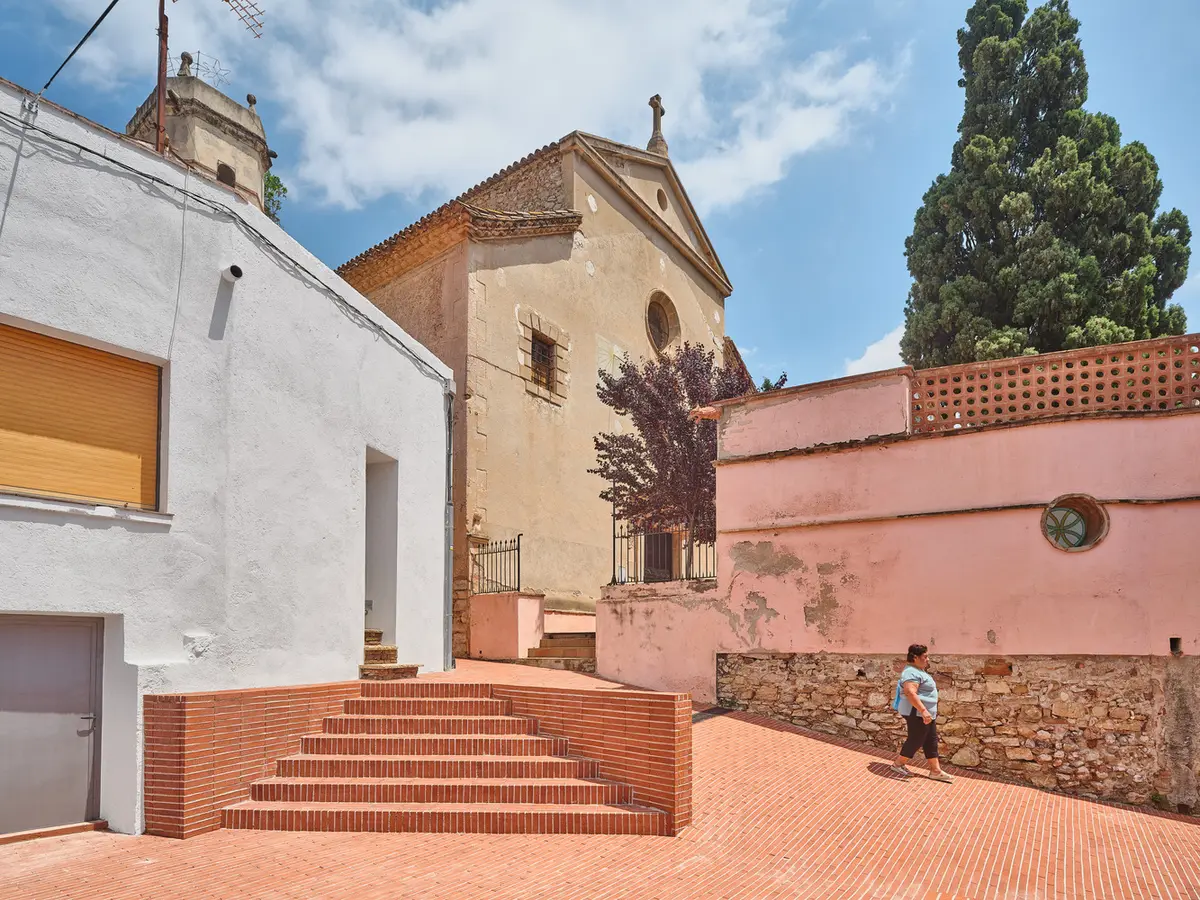
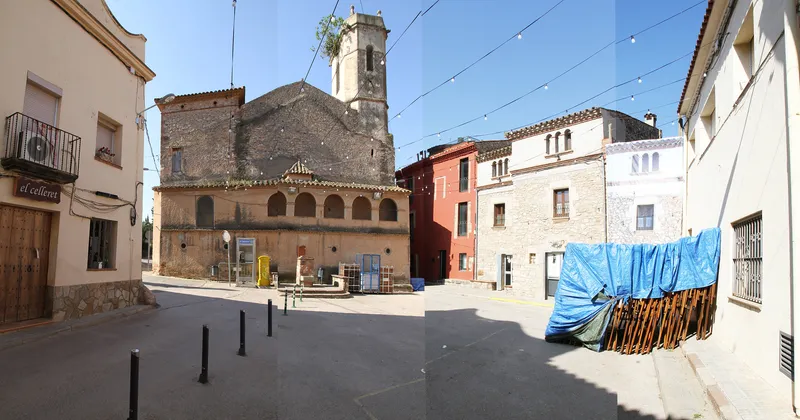
Riells Square by Comas-Pont Arquitectes is a public space transformation that reclaims the historic heart of Riells, Spain, and reconnects it with its natural and architectural heritage. Located near the Gallifa and d'en Bertí Cliffs, this 900-square-meter intervention integrates the rural landscape with the built environment, creating a harmonious and accessible gathering space for the community.
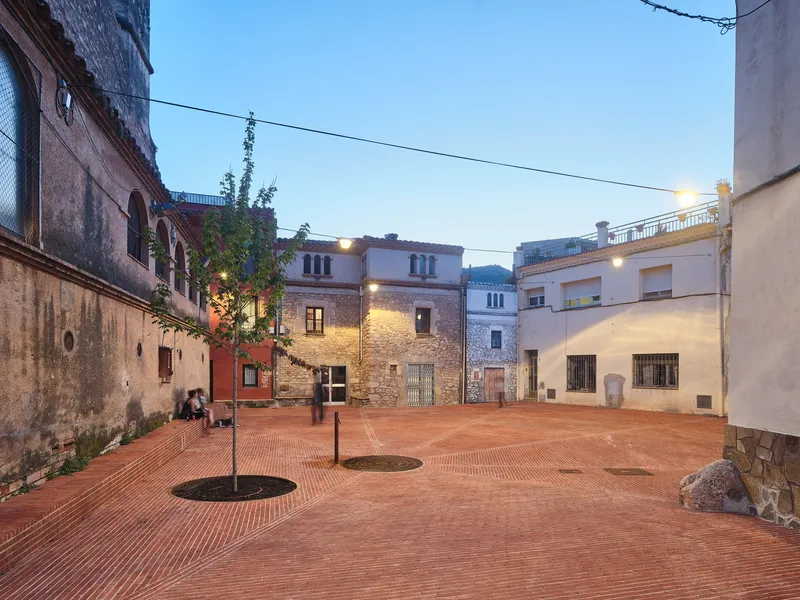
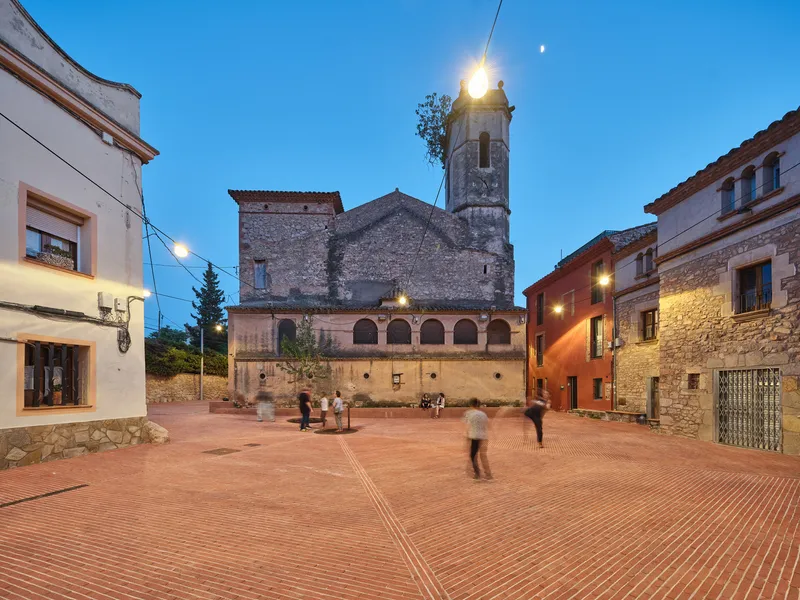
At the center of the redesign is a red brick-paved platform, echoing the earthy tones of the surrounding cliffs while enhancing accessibility and cohesion around the 11th-century Church of Sant Vicenç. The project prioritizes human interaction, pedestrian movement, and the preservation of historical elements, returning the square to the people.
A Dialogue Between Past and Present
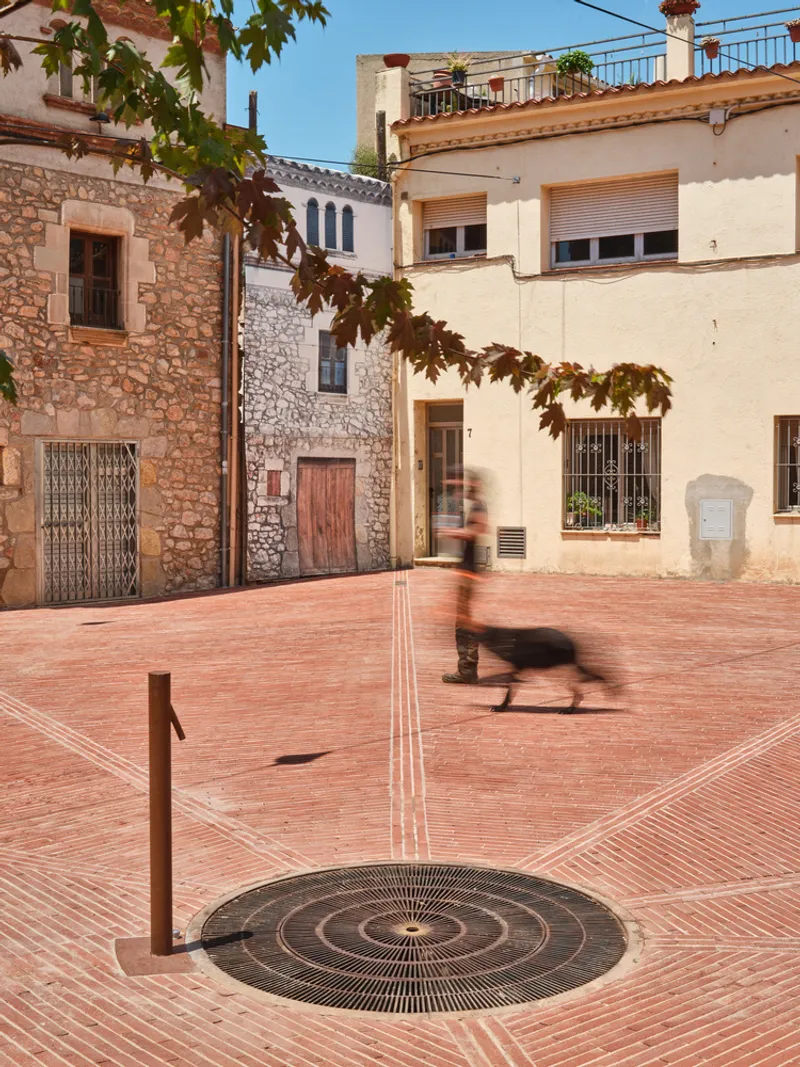
The historic well, once concealed, has been restored as a focal point in the square, serving both aesthetic and functional purposes. It plays a central role in the new radial pavement design, integrating a fountain and rainwater collection system. This feature reconnects the village with its past, while promoting sustainability through water conservation.
A linear bench extends along the church's façade, creating a relaxing and social space for locals and visitors. This simple yet effective addition also mitigates moisture issues within the church, ensuring the preservation of the historic structure.
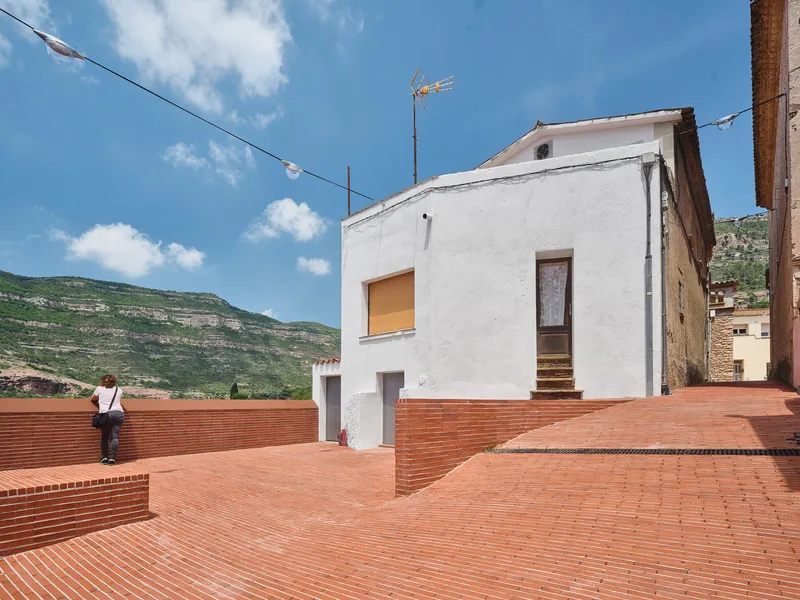
A single tree, carefully placed to dialogue with an existing fig tree near the bell tower, introduces natural shading to the seating area, enhancing comfort and atmosphere throughout the seasons.
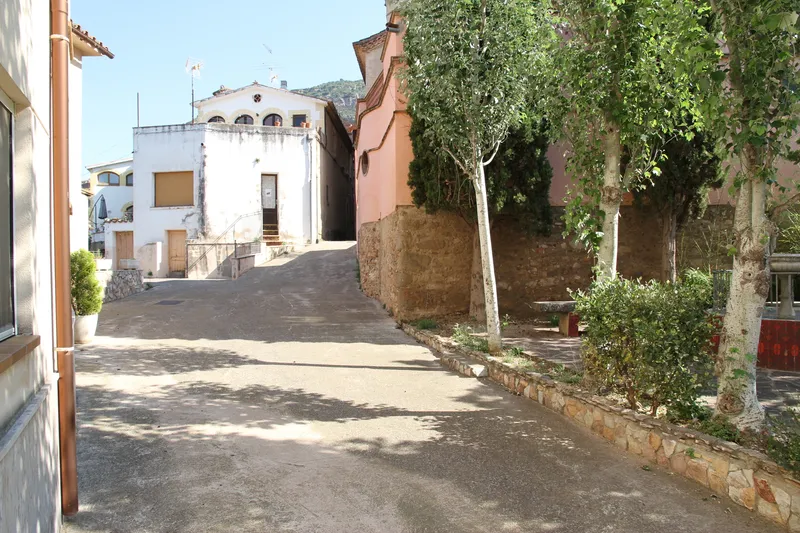
A Public Space for All
The renovation of Riells Square transforms what was once a vehicular space into a pedestrian-friendly environment where children can play, residents can gather, and visitors can experience the village's tranquil rhythm. The design fosters inclusivity and community engagement, embodying the principles of democratic architecture—a space equally accessible to all.
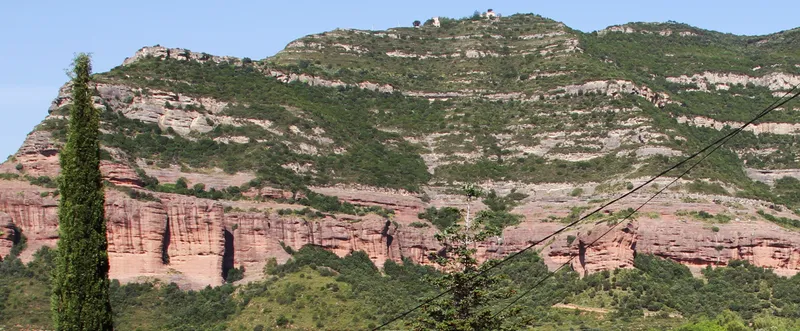
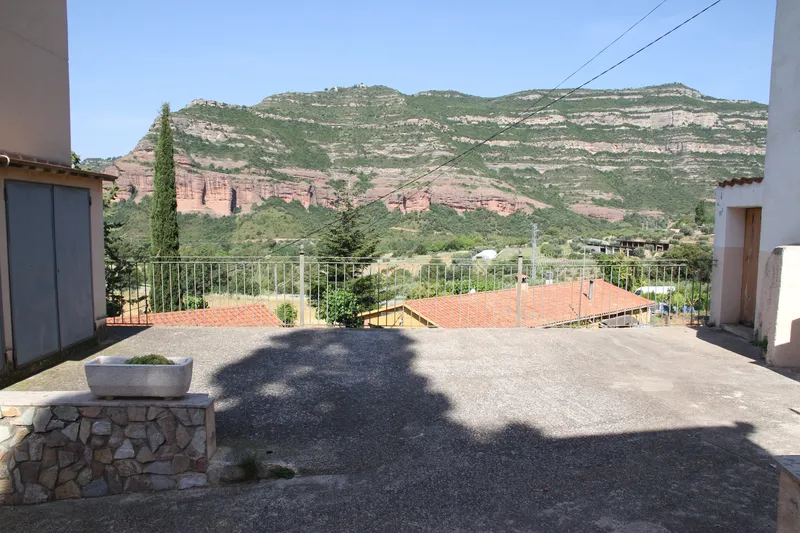
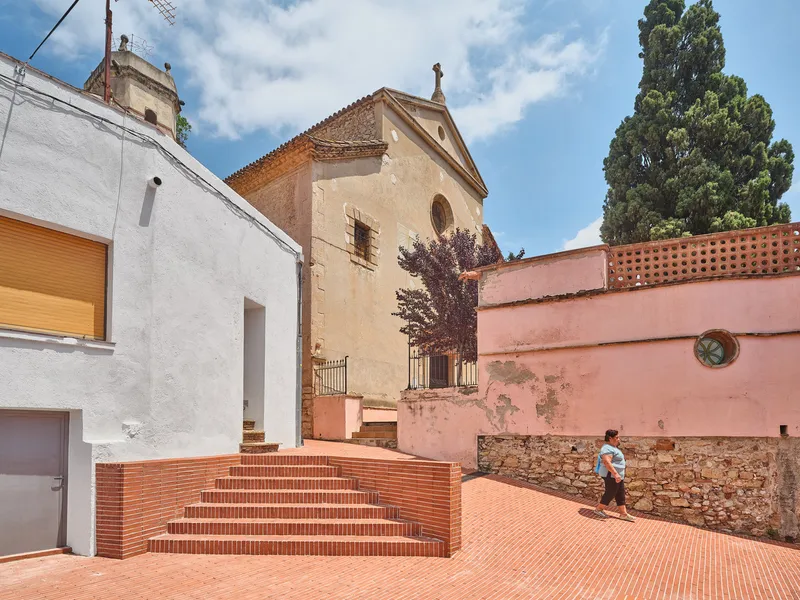
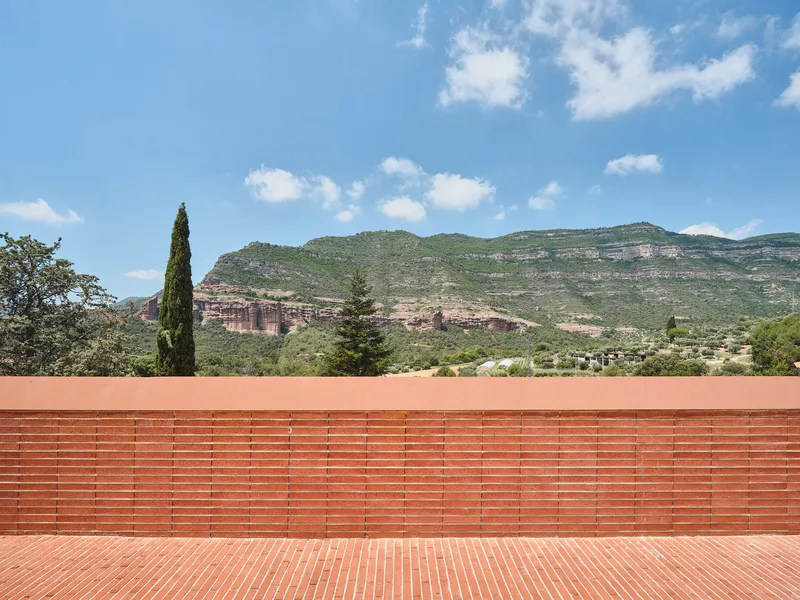
In the viewpoint section, a stepped staircase adapts to the site's natural slope, offering panoramic views of the d’en Bertí Cliffs. A solid railing discreetly screens the buildings below, allowing the landscape to take center stage.
Merging Architecture and Nature
The project skillfully integrates earth, water, and light into its design. Reddish solid bricks, crafted in a Roman strip format (30x5x5 cm), are used for paving, seating, and steps, reinforcing a sense of belonging to the land. The use of local materials further strengthens the site’s connection to its surroundings.
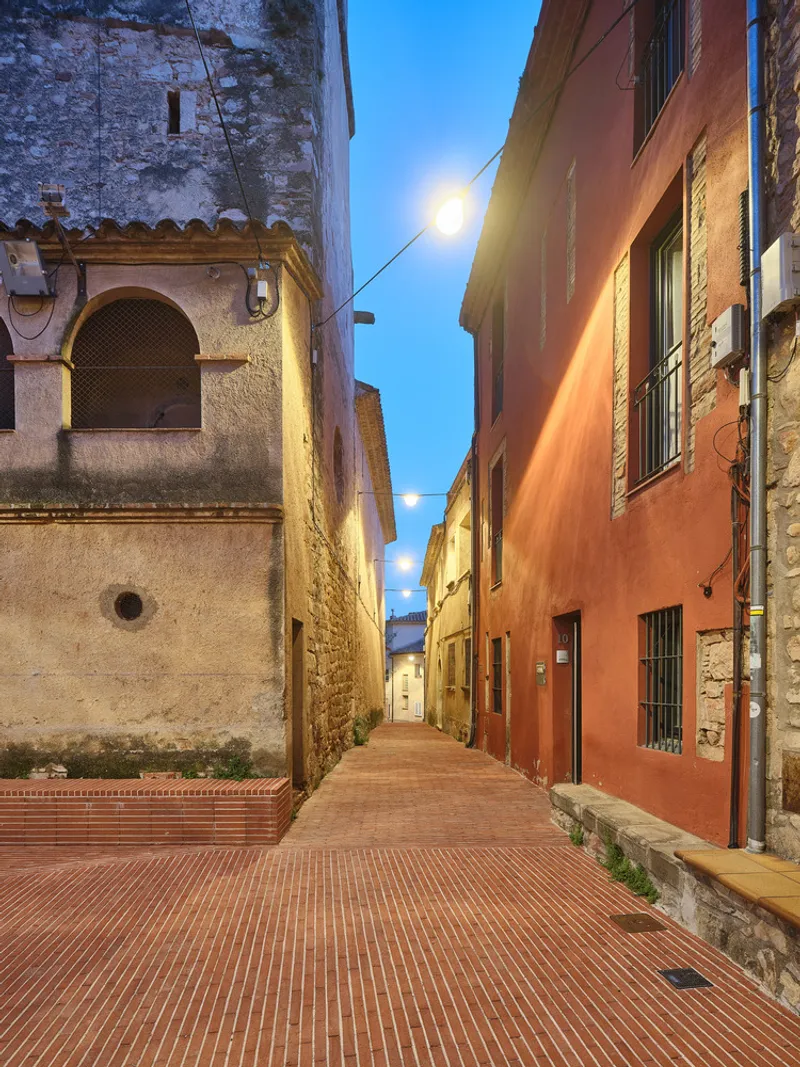
By preserving historic elements, improving accessibility, and prioritizing sustainability, Riells Square by Comas-Pont Arquitectes revitalizes an aging public space into a timeless, welcoming environment. It is a poetic intervention that celebrates heritage, community, and the natural landscape, ensuring the square remains a vibrant heart of the village for generations to come.
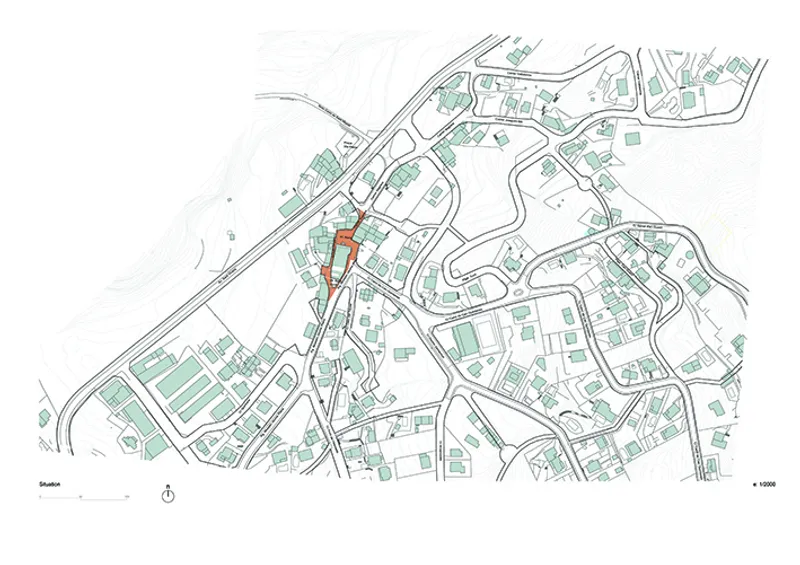
All Photographs are works of Adrià Goula


Popular Articles
Popular articles from the community

Temporary Home for Dogs: A Reversed Zoo Rethinks Animal Shelter Architecture
In Bucharest, a sinuous corridor and freed landscape flip the logic of containment, designing a shelter that works to make itself unnecessary.

Opera by the Sea Estonia: Three Shells Dissolving Architecture into Tallinn's Coastline
A winning opera house proposal replaces monumental form with interconnected shells that blur the boundary between building, park and Baltic Sea.

The Amber Palace Opera: A Geological Fiction Surfaces on Tallinn's Baltic Waterfront
Pierre Brillard reimagines a Baltic legend as a public landscape, opera house, and waterfront promenade rooted in Tallinn's coastal identity.

Faces of the Soviet Avant-Garde: Turning Moscow's Street Names into an Open-Air Museum
A network of sculptural installations across a Moscow residential district transforms forgotten architect names into spatial encounters with cultural memor

Similar Reads
You might also enjoy these articles

FAMM Arquitectura Organizes Ten Villas Around Courtyards and Jungle in Nosara, Costa Rica
El Molino pairs two elongated volumes with deep overhangs and timber louvers to build a compact coastal community five minutes from the beach.
Oscar Niemeyer's Ibirapuera Park Pavilions Define São Paulo's Cultural Identity in Concrete and Curve
A constellation of modernist volumes set within São Paulo's most important urban park, conceived for the city's 400th anniversary in 1954.
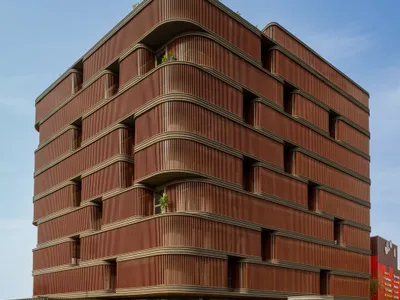
Sanjay Puri Architects Wraps a Jaipur Office Tower in Capsule-Shaped Green Buffers
A nine-level climate-responsive workplace near Jaipur Airport uses stacked planter terraces and aluminium screens to fight 40°C heat.
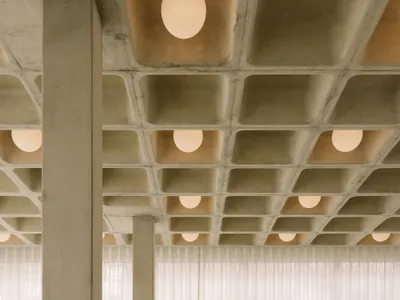
RHO Converts a Berlin Spree-Side Industrial Courtyard into Enkime's 1,000 m² Agency Headquarters
A social media agency's new home in Charlottenburg trades glossy branding for concrete waffle ceilings, glazed tile, and sheer curtains.

Explore Public Square Competitions
Discover active competitions in this discipline

Challenge to reimagine the Iron Throne

Photograph architecture without architects

Illustrate the lost glory of Angkor Wat - Render Challenge

Design challenge to reuse E-waste
Comments (0)
Please login or sign up to add comments
No comments yet. Be the first to comment!