

Rives de l'Ourcq Housing: Revitalizing Bondy's Waterfront with Sustainable Urban Design
Rives de l'Ourcq Housing in Bondy features industrial-inspired brick buildings, waterfront views, green lanes, and sustainable design enhancing urban connectivity.


The Ourcq Canal has long been a defining feature of eastern Paris, shaping new urban and economic horizons. Stretching from the Porte de la Villette, the canal corridor is experiencing a wave of eco-district developments, having already transformed areas like Pantin, Romainville, and Bobigny. Bondy is now joining this evolution, embracing a comprehensive urban revitalization project that reconnects the city with its waterways while preserving its industrial heritage.
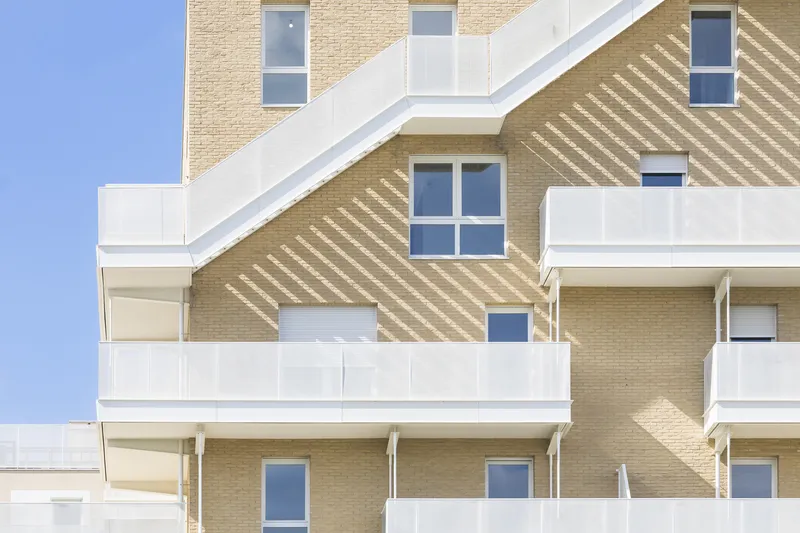
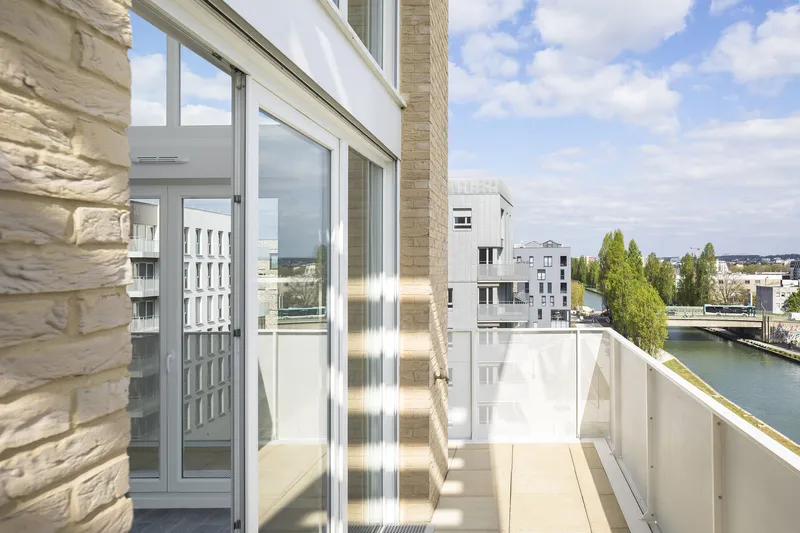
The Rives de l'Ourcq Housing project exemplifies this transformation, delivering a contemporary residential complex that harmonizes with the canal’s natural and cultural character. The site is fully greened, blending sustainable landscape architecture with the historical industrial aesthetic of the area.
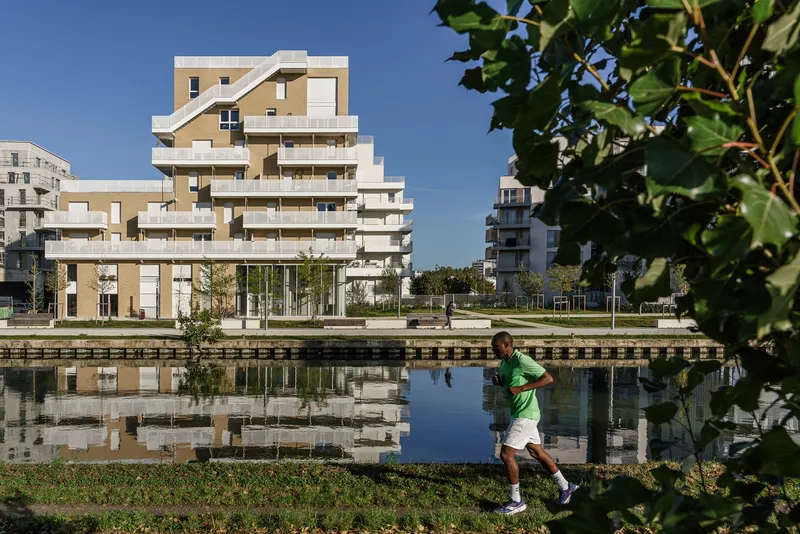
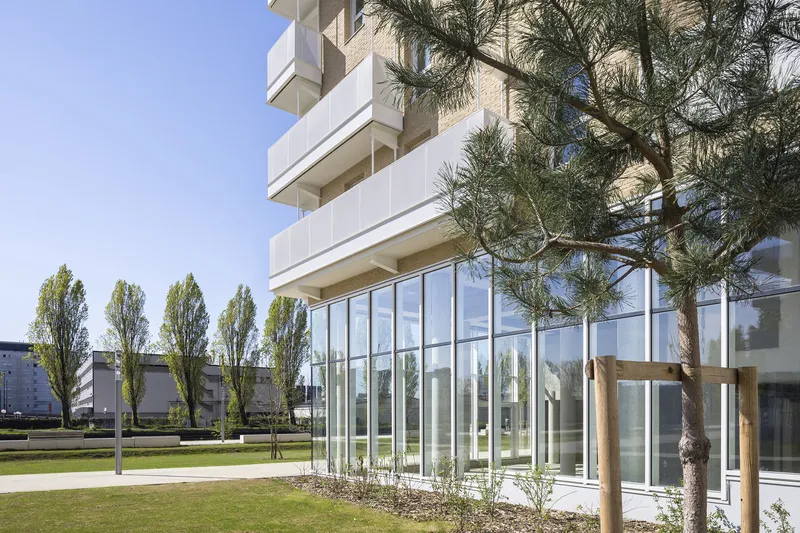
Architectural Concept and Layout
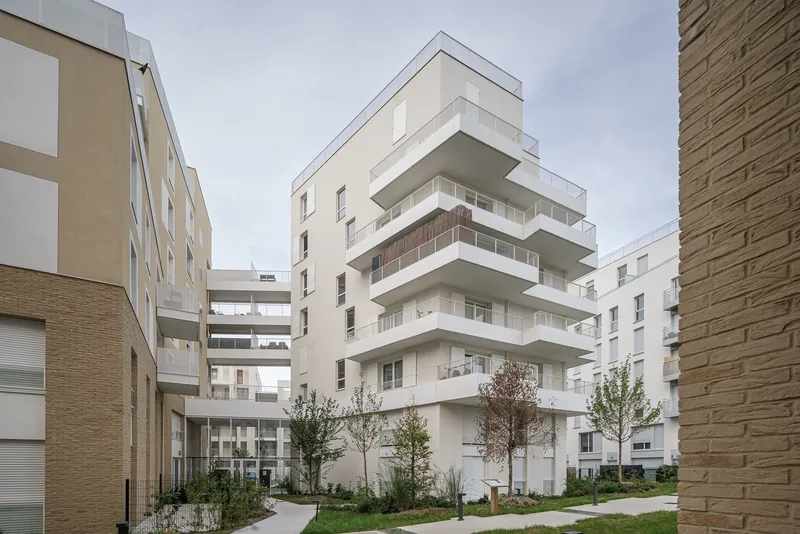
Completed in 2023, this residential development was commissioned by Cogedim and designed to foster a dynamic relationship between public space, private life, and the canal. The site is divided by the Chemin Latéral, a north-south corridor dedicated to soft mobility, ensuring pedestrian and cycling accessibility while integrating green porosities that enhance visual and spatial connectivity.
The project is structured into three main buildings:
- Northwest Corner Building: Anchors the new road frontage, providing a clear urban edge.
- Canal-Facing Figurehead: Oriented southward, this building emphasizes the identity of the waterfront site.
- Western Fragment: Derived from the first building, it retains autonomy while linking the block’s western edge.
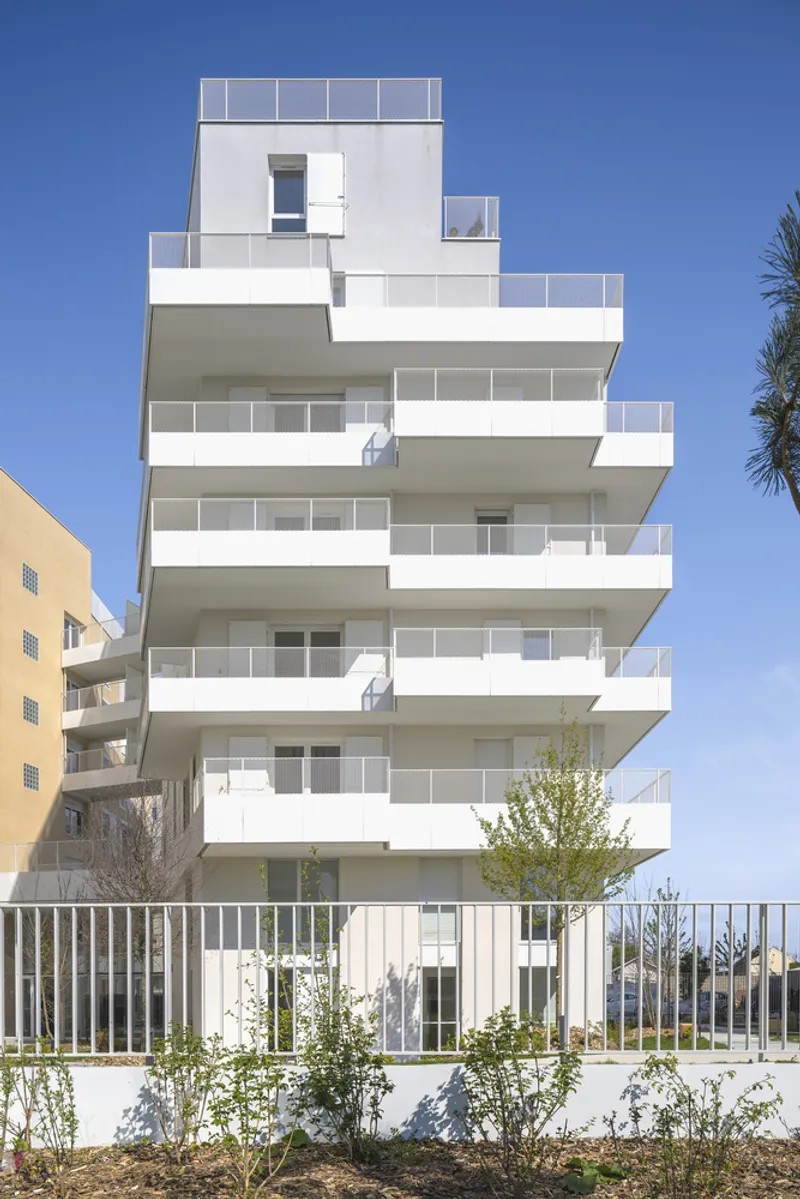
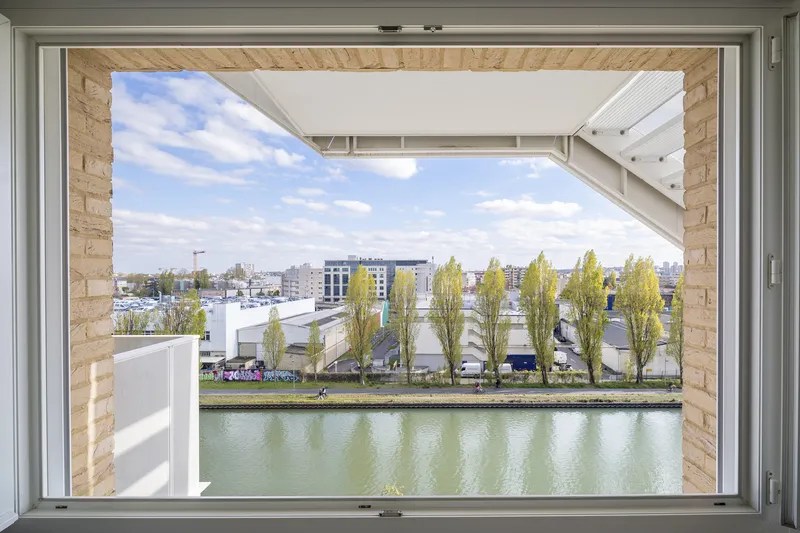
The volumetric fragmentation creates a continuous urban alignment while opening deep visual vistas and unobstructed views of the canal. Public spaces feature generous vegetation-filled rifts that respond elegantly to the high-density urban context.
Materials and Aesthetic Identity
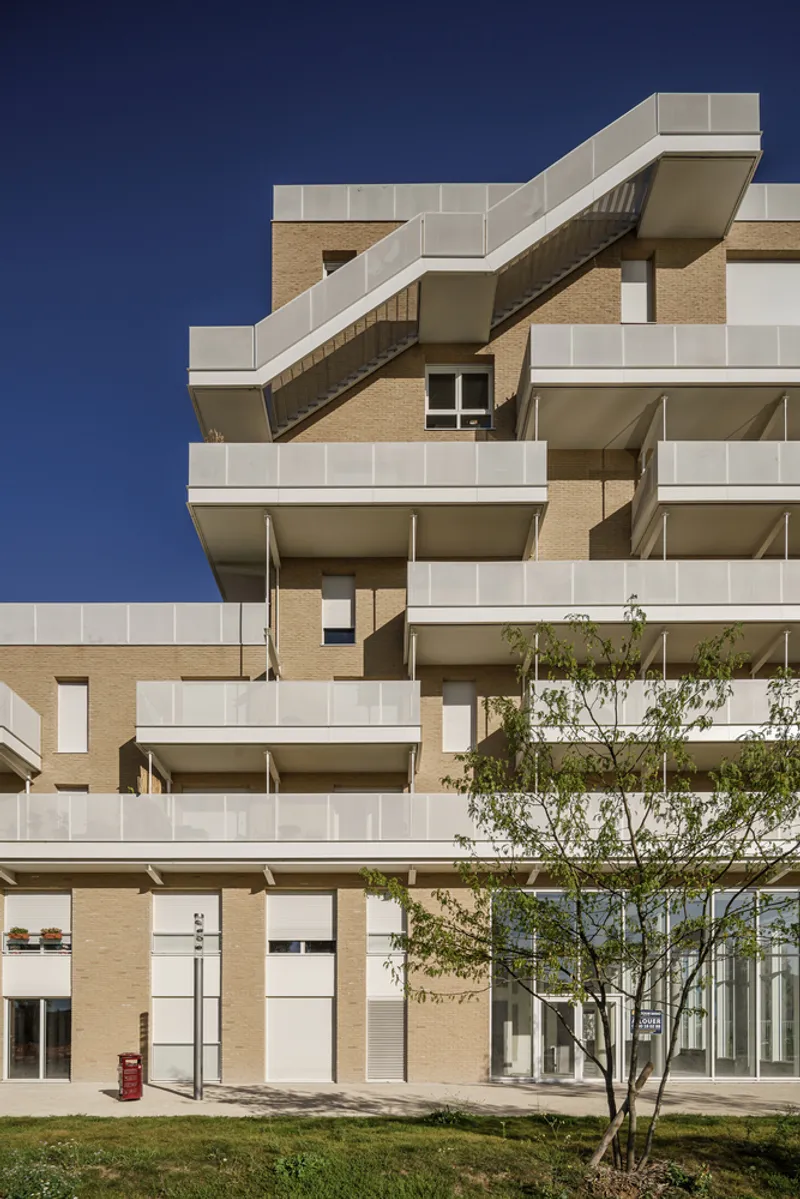
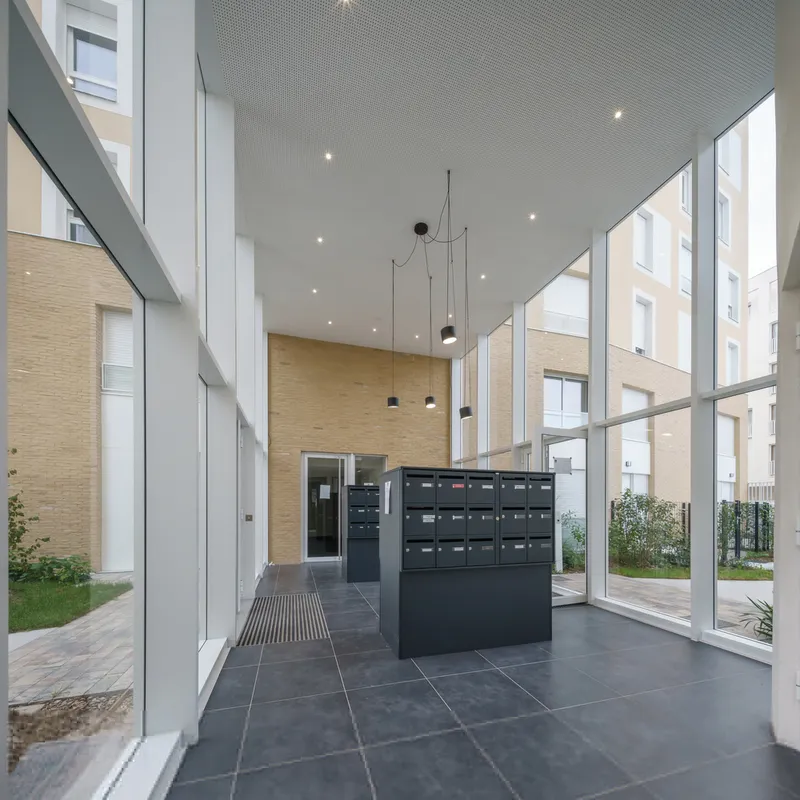
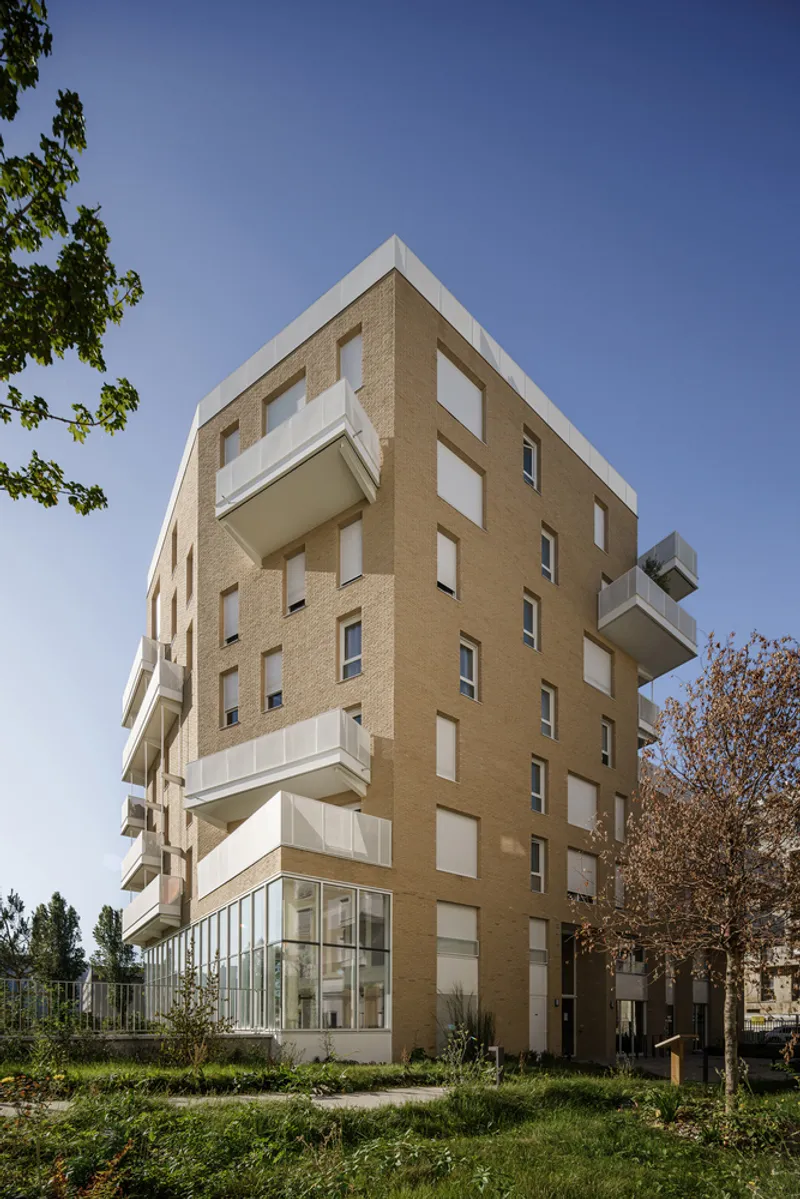
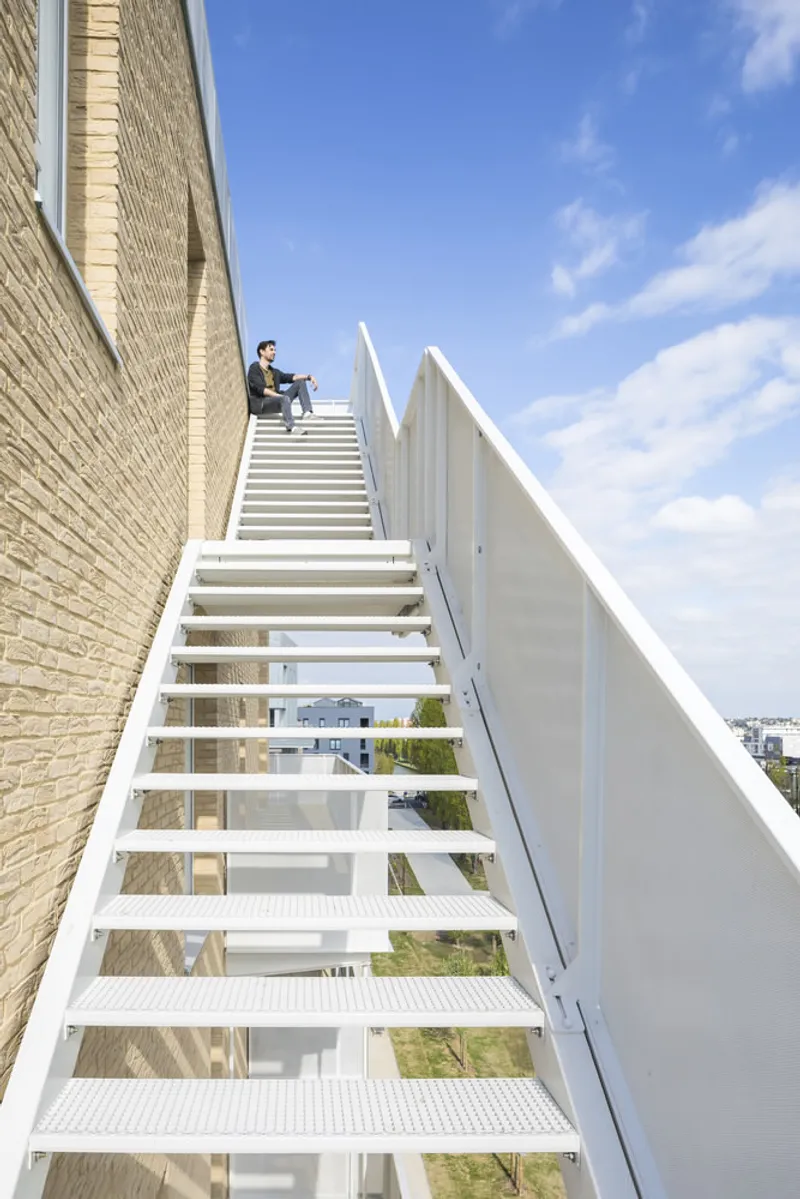
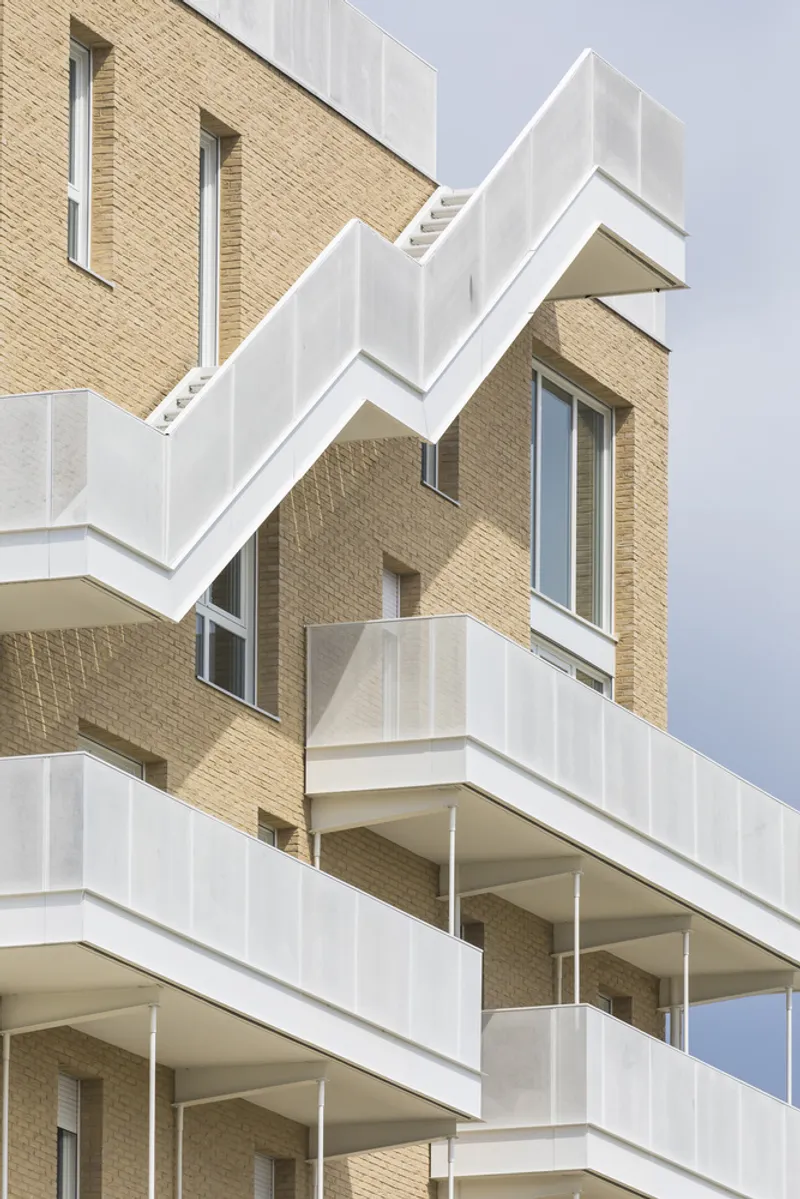
The architecture of Rives de l'Ourcq Housing celebrates its industrial past while embracing contemporary design. The buildings’ exterior envelopes consist of a sculpted brick monolith, providing durability and a cohesive aesthetic. Light beige bricks are paired with white lacquered metal structures, creating a harmonious palette that complements the surrounding urban fabric.
Balconies are crafted with metal brackets and tie rods, evoking the harbor and industrial character of the area, and reinforcing the site’s unique waterfront identity. A play of offsets and recesses enhances visual interest, allows natural light to penetrate deep into the block, and preserves distant landscape views.
Connectivity, Sustainability, and Urban Life
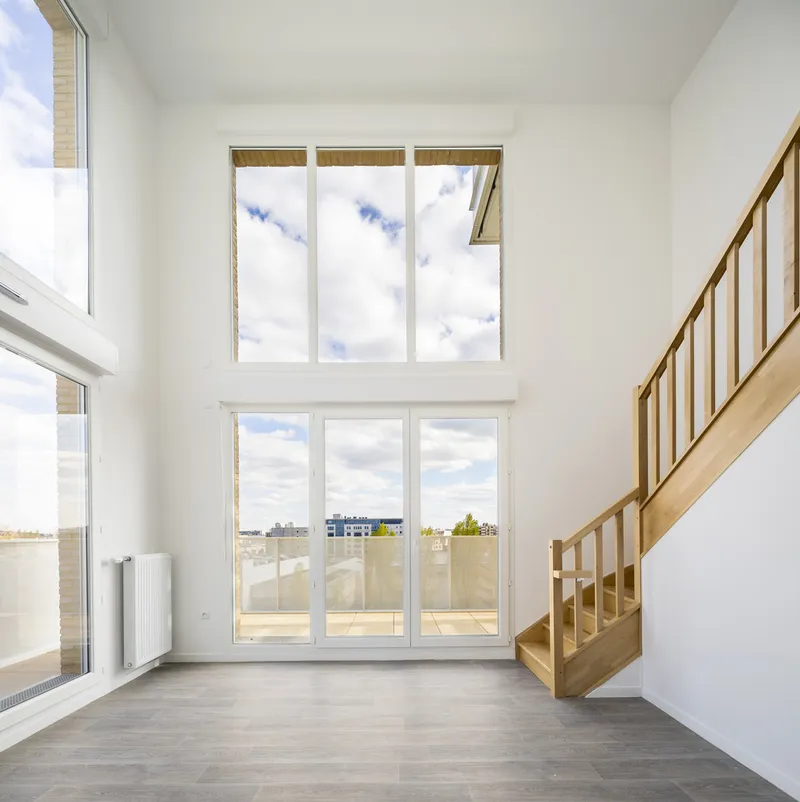
Rives de l'Ourcq Housing seamlessly integrates urban living with eco-friendly design principles. Greened internal lanes, canal-facing vistas, and thoughtfully designed pedestrian pathways emphasize social interaction, well-being, and connectivity. This project is a key example of how sustainable architecture can revitalize urban districts while respecting heritage and enhancing public spaces.
All photographs are works of Sergio Grazia, Stefan Tuchila


Popular Articles
Popular articles from the community


Cloaked Colonization: A Mobile Underwater Habitat That Moves Like a Fish
Micah Abaya's shortlisted EHC Pacific entry reimagines ocean settlement as a dispersed network of self-sustaining architectural organisms.
Temporary Home for Dogs: A Reversed Zoo Rethinks Animal Shelter Architecture
In Bucharest, a sinuous corridor and freed landscape flip the logic of containment, designing a shelter that works to make itself unnecessary.
Extended Shell: Retrofitting Kolkata's Balconies as Living Urban Thresholds
A modular retrofit system recovers the social and environmental intelligence of Kolkata's historic verandas for contemporary Park Street residents.

The Amber Palace Opera: A Geological Fiction Surfaces on Tallinn's Baltic Waterfront
Pierre Brillard reimagines a Baltic legend as a public landscape, opera house, and waterfront promenade rooted in Tallinn's coastal identity.

Similar Reads
You might also enjoy these articles


Hodi-Mandai Geram
Project Function: Preservation and revitalization of the Intangible heritage and socio-spatial identity of the Hodi by Housing, Cultural Memory Center, Sacred Grove, landscape, local tourism economy


Olio Towers: A Mid-Rise for Performers That Fuses Housing, Rehearsal, and Stage
Located blocks from Houston's Theater District, this modular tower stacks living units around a central performance atrium.

Oasis: Modular Green Housing Carved into Dhaka's Urban Fabric
A shortlisted Plugin Housing entry reclaims unauthorized settlements in Dhaka with stepped concrete volumes, green roofs, and ventilation-driven design.

Black Hole: A Floating Megastructure for the Post-Physical Era
Emiliano Mazzarotto envisions a spherical, self-scaling arena where e-sports, digital hotels, and holographic stadiums replace traditional public space.

Explore Riverfront Development Competitions
Discover active competitions in this discipline

Challenge to reimagine the Iron Throne

Photograph architecture without architects

Illustrate the lost glory of Angkor Wat - Render Challenge

Design challenge to reuse E-waste
Comments (0)
Please login or sign up to add comments
No comments yet. Be the first to comment!