
Roxbury House by Desai Chia Architecture: A Dialogue Between Art, Landscape, and Sustainability
Roxbury House by Desai Chia Architecture blends art, nature, and sustainability with shou sugi ban, courtyards, natural light, and renewable energy.

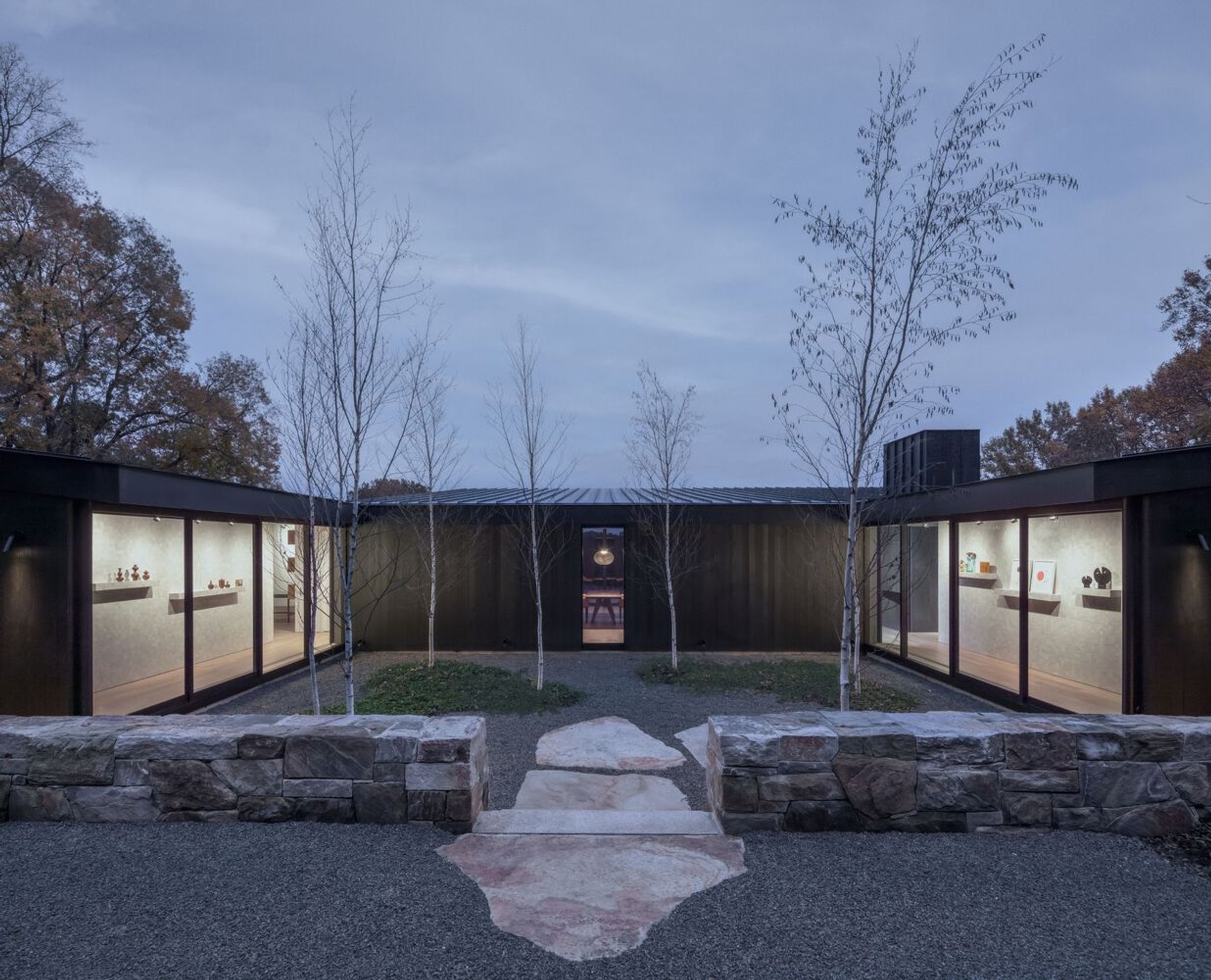
Located in the rolling landscapes of Roxbury, Connecticut, the Roxbury House by Desai Chia Architecture is more than a residence—it is a carefully curated intersection of architecture, art, and nature. Designed for a pair of art gallery owners specializing in contemporary Latinx art, the 4,000-square-foot home blurs the boundaries between indoor living, outdoor courtyards, and the surrounding 12-acre property, creating a seamless environment where art and landscape coexist.
Site Strategy and Environmental Integration
The house is strategically positioned at the upper edge of the property to minimize ecological disturbance and maximize natural ventilation from prevailing winds. This careful placement preserves the existing meadow and forest, supporting local wildlife and native vegetation.
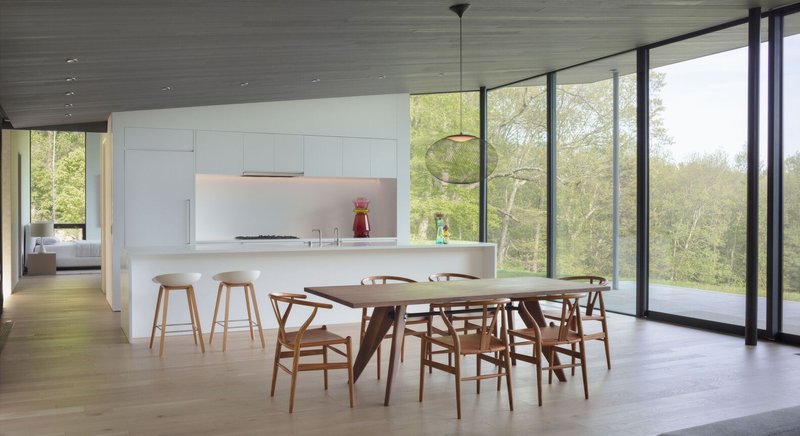
A series of undulating rooflines with deep overhangs bring sunlight into the home at different times of the day while shielding interiors from glare and excess solar heat gain. Integrated rain gardens and retention ponds manage stormwater across the steep terrain, reducing erosion and enhancing biodiversity.
Inspiration from Calder’s Estate
The design draws inspiration from the nearby estate of Alexander Calder, where expansive meadows served as a living canvas for his large-scale sculptures. Similarly, Roxbury House was envisioned as both a residence and a gallery extension—an adaptable framework where site-specific art installations could unfold across the landscape.
Spatial Experience: Axial Views and Courtyards
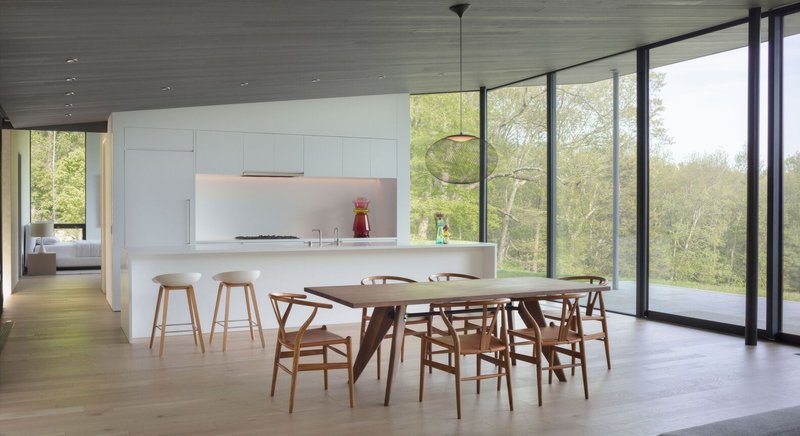
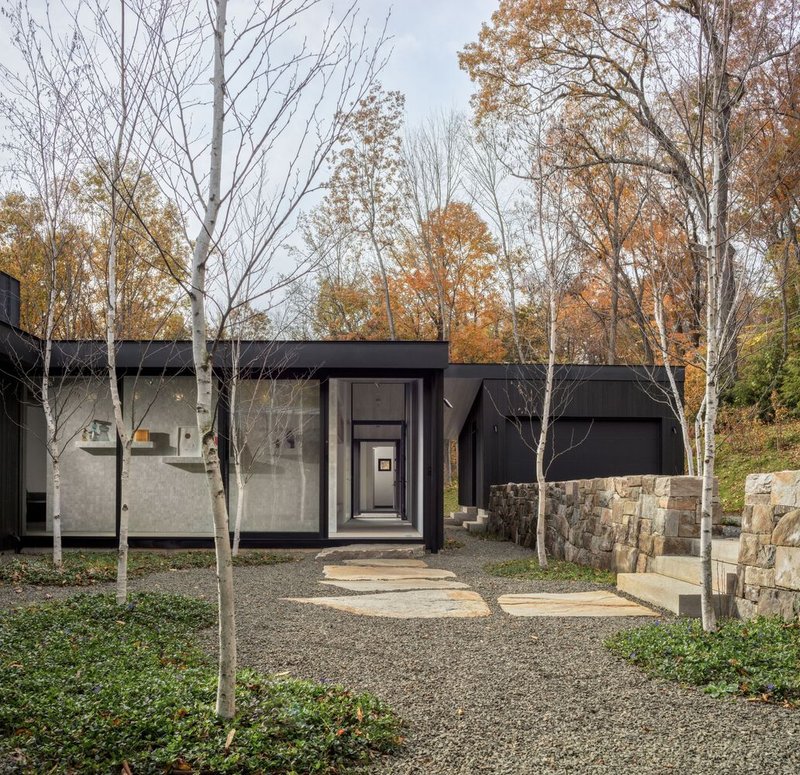
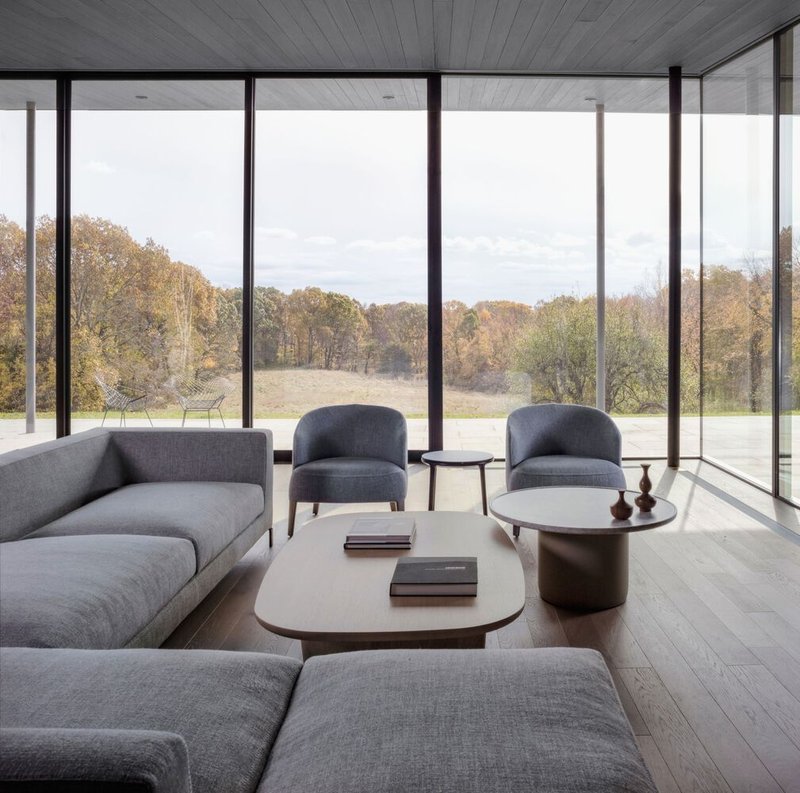
The home’s layout oscillates between intimate courtyards and expansive vistas. Long sightlines connect rooms, layering views through indoor and outdoor spaces while framing the distant forested landscape. Courtyards are punctuated by native birch trees, establishing continuity with the surrounding woodlands and grounding the art experience within nature.
Inside, hallways double as gallery walls, enhanced by floor-to-ceiling glazing that brings in natural light and frames curated outdoor views. These transitional zones act as exhibition corridors, reinforcing the home’s identity as both dwelling and cultural space.
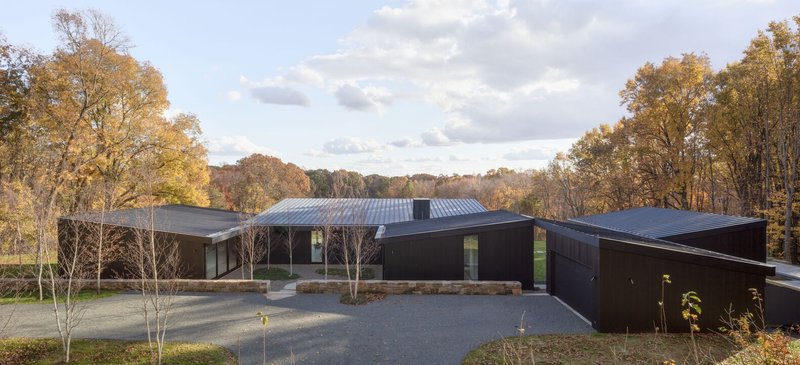
Material Expression: Shou Sugi Ban and Local Craftsmanship
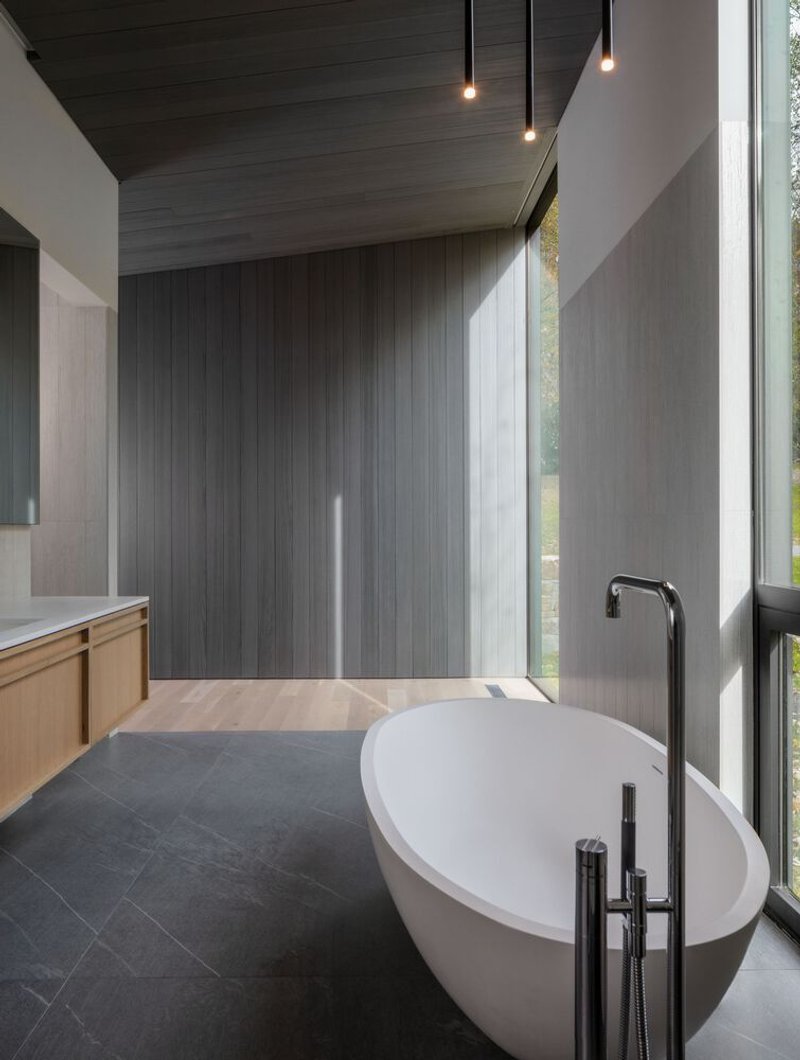
The exterior is clad in shou sugi ban, a traditional Japanese technique of charring wood, which not only ensures durability but also grounds the house with a bold, textured façade. Inside, a softer treatment of charred wood warms the vaulted interiors with a rich, tactile quality.
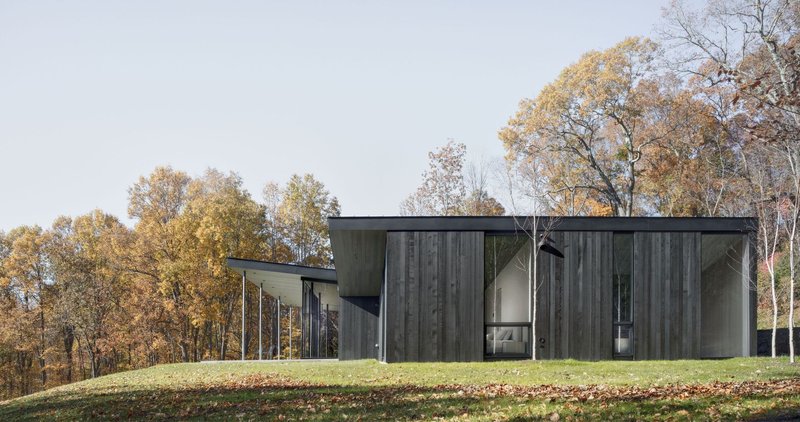
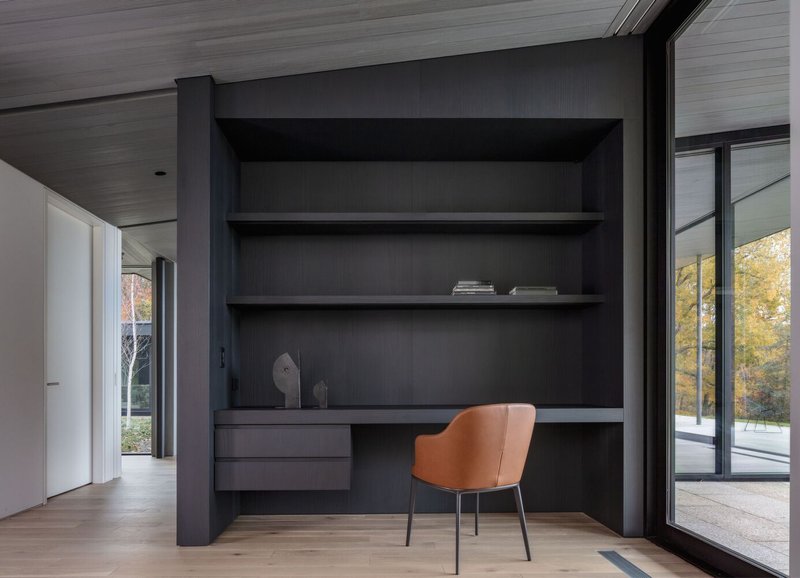
Local craftsmanship is celebrated throughout the detailing—custom millwork, cabinetry, and built-in furnishings showcase the artistry of material manipulation. A standout example is the media room desk, created through wire-brushed wood grain that reveals raised textures, transforming a functional surface into a sculptural element.
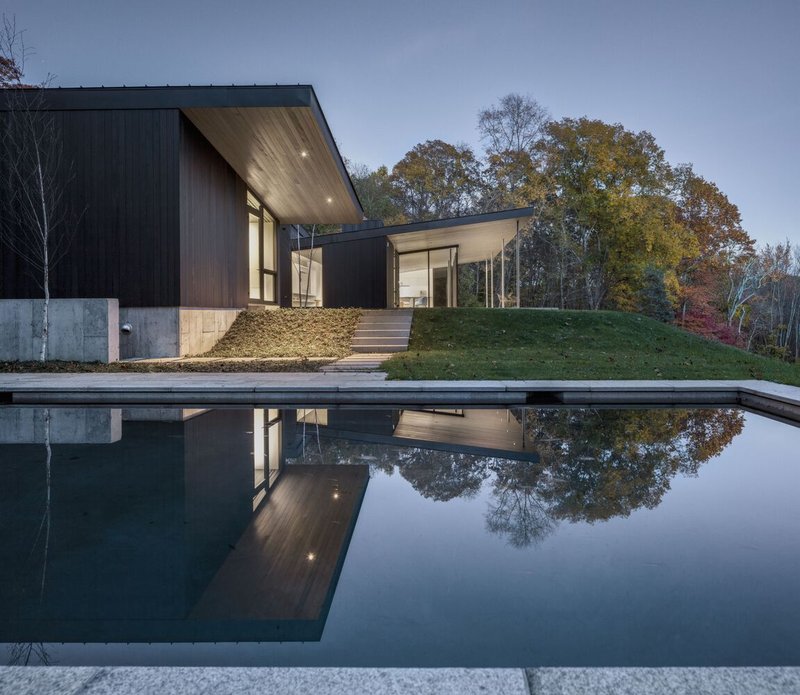
Light, Texture, and Artful Interiors
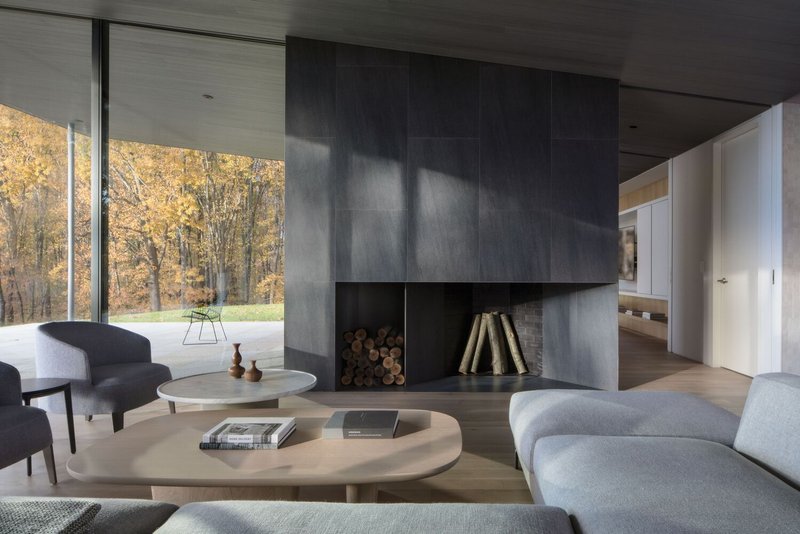
Lighting design plays a pivotal role in shaping atmosphere. Concealed accent lights highlight anodized aluminum backdrops, while handmade Mexican tiles line gallery hallways, scattering light in dynamic patterns throughout the day. In the living room, a faceted porcelain-clad fireplace captures shifting plays of light and shadow, creating a constantly evolving focal point.
Bathrooms and gallery spaces are defined by reflective glazed tiles, further enhancing the relationship between daylight and materiality. These design gestures emphasize the house’s role as both a living environment and an ever-changing art installation.
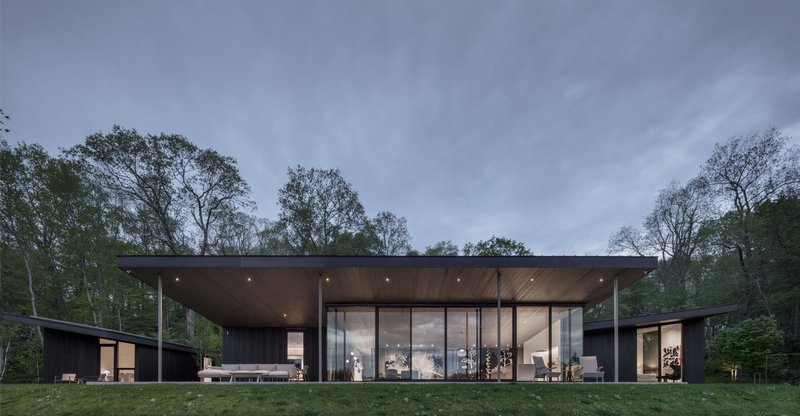
Sustainability and Energy Independence
Sustainability is embedded in every layer of the design. Beyond its passive ventilation, rainwater management, and ecological site strategy, the house is equipped with a photovoltaic array atop the garage. This renewable energy system powers the home, recharges the owners’ electric vehicle, and provides backup energy during outages, reinforcing the project’s commitment to sustainable living.
A Living Gallery in Nature
The Roxbury House by Desai Chia Architecture exemplifies how residential architecture can transcend domestic function, becoming a stage for art, a framework for ecological stewardship, and a celebration of craftsmanship. By weaving together charred wood, courtyards, natural light, and site-specific art, the home is not just a retreat in Connecticut—it is a living gallery rooted in the landscape.
All photographs are works of Paul Warchol




Popular Articles
Popular articles from the community

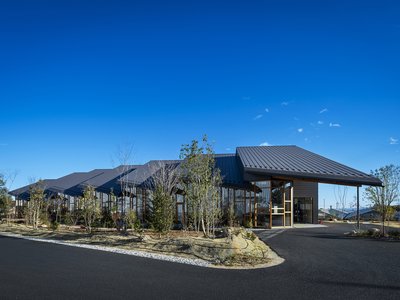
20 Most Popular Office Building Projects of 2025
From biophilic workspaces in India to net-positive energy offices in New Delhi, 20 office building projects that defined architecture in 2025.

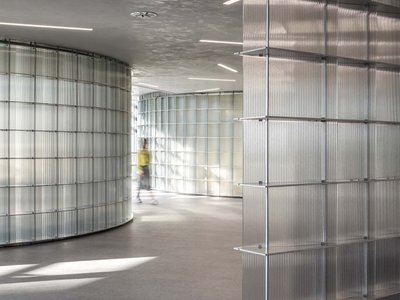
HCCH Studio Wraps a Shanghai High-Rise Office in Curved Walls of Translucent Glass
A 1,000 square meter fit-out in Lujiazui replaces the typical tech-office palette with layered glass, micro-cement, and quiet rigor.
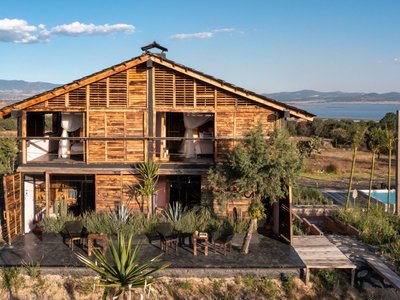
Fausto Terán and Toro Fuse Japanese Craft with Mexican Tradition in a Lakeside Retreat
Nakamura House pairs Shou-Sugi-Ban charred pine with handmade clay tile at the foot of Atlangatepec Lagoon in Mexico.
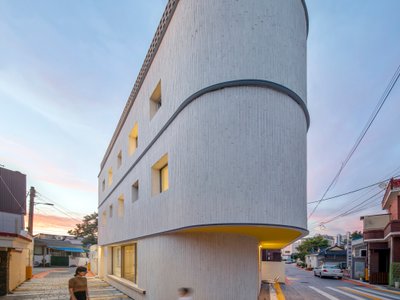
YOAP Architects Round a Corner in Yeongcheon with a Cylindrical Community Hub
A 197-square-meter brick and ribbed-clad tower turns a forgotten alley corner in South Korea into a public garden with a low threshold.

Similar Reads
You might also enjoy these articles
Olio Towers: A Mid-Rise for Performers That Fuses Housing, Rehearsal, and Stage
Located blocks from Houston's Theater District, this modular tower stacks living units around a central performance atrium.
Oasis: Modular Green Housing Carved into Dhaka's Urban Fabric
A shortlisted Plugin Housing entry reclaims unauthorized settlements in Dhaka with stepped concrete volumes, green roofs, and ventilation-driven design.

Black Hole: A Floating Megastructure for the Post-Physical Era
Emiliano Mazzarotto envisions a spherical, self-scaling arena where e-sports, digital hotels, and holographic stadiums replace traditional public space.
Compact & Sustainable Living in Piraeus: A Four-Level Family Home Built Around Light and Air
A narrow townhouse in one of Greece's densest port cities uses a central atrium and passive strategies to house three generations under one roof.


Explore Architecture Competitions
Discover active competitions in this discipline




The International Standard for Design Portfolios


The Global Benchmark for Architecture Dissertation Awards


The Global Benchmark for Graduation Excellence


Challenge to reimagine the Iron Throne
Comments (0)
Please login or sign up to add comments
No comments yet. Be the first to comment!