

Rustic Botanic Garden Design: The Wildgreen Botanic Garden by Studio YUDA
The Wildgreen Botanic Garden blends rustic architecture with nature, creating a serene space for education, workshops, and ecological appreciation.


A Harmony Between Nature and Architecture
The Wildgreen Botanic Garden, nestled in Cheng De, China, redefines rustic botanic garden design. Created by Studio YUDA, this 199 m² space emphasizes the seamless blending of architecture with nature, showcasing native plants while providing an immersive space for education, workshops, and the appreciation of wild beauty.


Architectural Vision: Bringing Nature to the Forefront
Reimagining the Layout
The original north-side entrance was relocated to face the courtyard, enhancing the connection between the garden and its architecture. A modest concrete pathway leads visitors through a curated space of natural stones and plants, transitioning seamlessly from the outdoors to the interior.


Central Courtyard Design
The building features a U-shaped layout centered around a lush courtyard. The open design fosters interaction between interior and exterior spaces, with floor-to-ceiling windows blurring the boundaries and filling the interiors with natural light.


Materiality and Rustic Aesthetics
Natural and Reclaimed Materials
The design prioritizes simplicity and authenticity, utilizing natural stone, reclaimed wood, and concrete. These materials celebrate their raw, unrefined textures, emphasizing a rugged charm that complements the surrounding landscape.
- Natural Stone: Used in pathways, borders, and decorative elements, it anchors the structure in its environment.
- Concrete: Adds durability and modernity to the workshop and exhibition areas.
- Reclaimed Wood: Warms the space, balancing the rawness of the other materials with organic textures.


Functional Spaces: Merging Education and Nature
First-Floor Exhibition Space
This level serves as a gallery showcasing the garden's native plant collection. The floor-to-ceiling windows allow light to interact with indoor plants, creating a dynamic interplay of shadow and greenery.


Second-Floor Workshop
The upper floor is designed for interactive activities like plant cultivation and nature crafts. Its high ceilings and skylights enhance daylight, encouraging creativity and engagement with the natural world.


Sustainable Design Features
Passive Design Principles
The generous use of natural light reduces the need for artificial lighting, while the open layout promotes ventilation. These features contribute to energy efficiency and a reduced carbon footprint.


Integrating Landscape and Architecture
By incorporating the surrounding primitive landscape into its design, the Wildgreen Botanic Garden reinforces its commitment to sustainability and ecological preservation.


A Rustic Sanctuary for Learning and Connection
The Wildgreen Botanic Garden is a testament to rustic botanic garden design, offering a tranquil yet functional space that fosters a deeper connection with nature. Studio YUDA has crafted a space where architecture serves as a bridge, blending seamlessly with the rugged beauty of its environment.


All Photographs are work of Songkai Liu


Popular Articles
Popular articles from the community

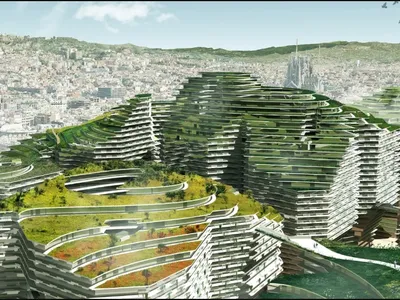
Manzana Morphosis: Stretching Barcelona's Grid into a Living Landscape for 2050
A radical reworking of the Eixample manzana turns density into a tool for generous public space, vertical ecology, and environmental performance.

Tsunami Convergenics: Turning Catastrophic Ocean Forces into Underwater Housing Infrastructure
A speculative underwater settlement off the coast of Onagawa, Japan, treats tsunamis and typhoons as energy sources rather than threats.
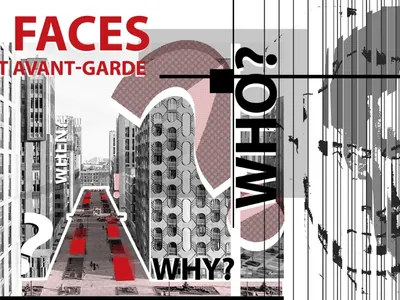
Faces of the Soviet Avant-Garde: Turning Moscow's Street Names into an Open-Air Museum
A network of sculptural installations across a Moscow residential district transforms forgotten architect names into spatial encounters with cultural memor

Singing Woman: An Opera House That Performs Before the Curtain Rises
Ovidiu Cristian Pavel's conceptual opera house translates Estonia's choral identity into a sculpted waterfront landmark facing the Baltic Sea.

Similar Reads
You might also enjoy these articles


Hodi-Mandai Geram
Project Function: Preservation and revitalization of the Intangible heritage and socio-spatial identity of the Hodi by Housing, Cultural Memory Center, Sacred Grove, landscape, local tourism economy


Olio Towers: A Mid-Rise for Performers That Fuses Housing, Rehearsal, and Stage
Located blocks from Houston's Theater District, this modular tower stacks living units around a central performance atrium.

Oasis: Modular Green Housing Carved into Dhaka's Urban Fabric
A shortlisted Plugin Housing entry reclaims unauthorized settlements in Dhaka with stepped concrete volumes, green roofs, and ventilation-driven design.

Black Hole: A Floating Megastructure for the Post-Physical Era
Emiliano Mazzarotto envisions a spherical, self-scaling arena where e-sports, digital hotels, and holographic stadiums replace traditional public space.

Explore Forest Garden Competitions
Discover active competitions in this discipline

Challenge to reimagine the Iron Throne

Photograph architecture without architects

Illustrate the lost glory of Angkor Wat - Render Challenge

Design challenge to reuse E-waste
Comments (0)
Please login or sign up to add comments
No comments yet. Be the first to comment!