

S House by MM++ Architects, Ho Chi Minh City, Vietnam
A compact urban home inspired by rural living, blending nature, openness, and simplicity to create a calm, ecological retreat within the city.


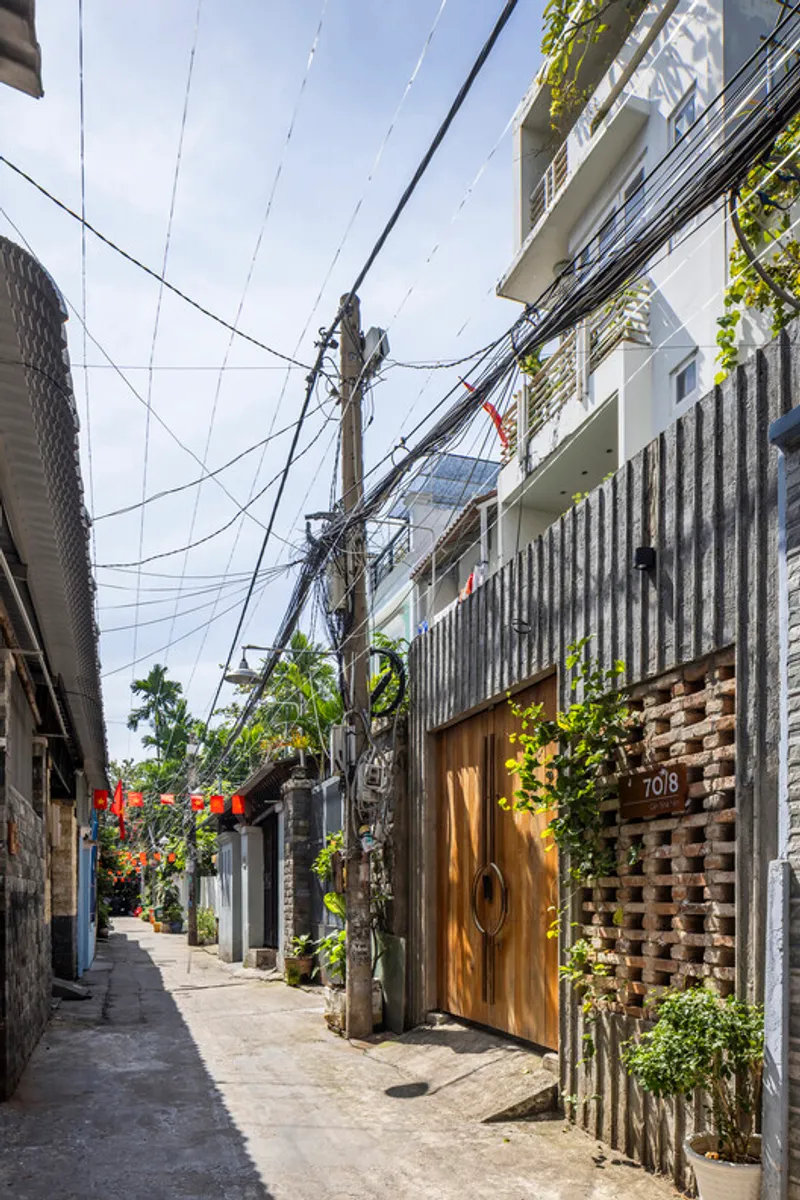
S House by MM++ Architects in Ho Chi Minh City offers a poetic rethinking of urban living, where density meets nature through simplicity, openness, and ecological sensitivity. Built on a narrow plot in District 7, the 80 m² house challenges conventional urban housing by drawing inspiration from the rural landscapes of the Mekong Delta: embracing climate, vegetation, and everyday rituals as integral components of architecture.
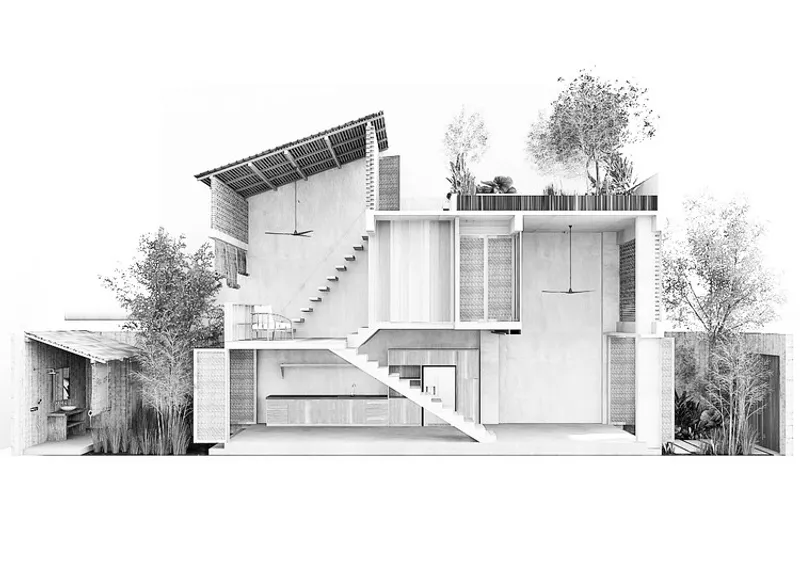
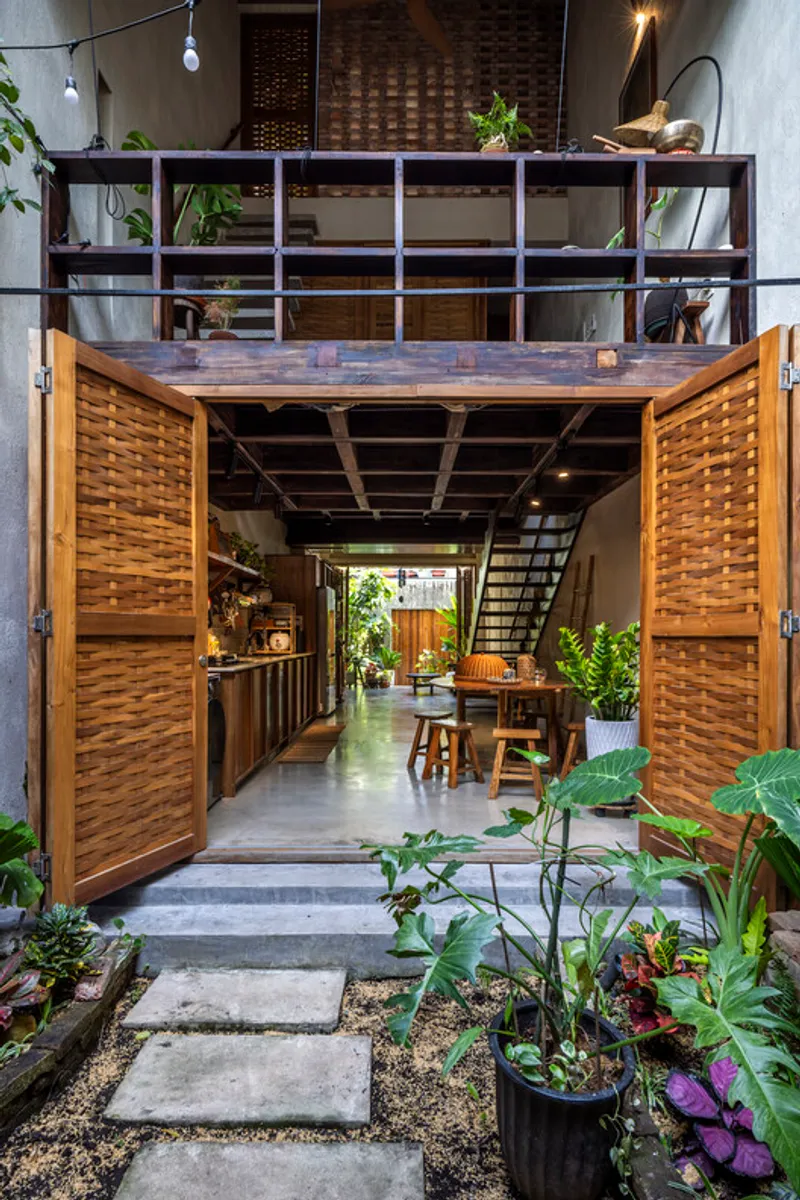
Rather than resisting the constraints of the city, S House transforms them into opportunities for a more mindful and lightweight way of living. Conceived as a personal retreat for a film director and his family, the house balances moments of solitude with domestic intimacy, creating an environment that supports both creative reflection and daily life.
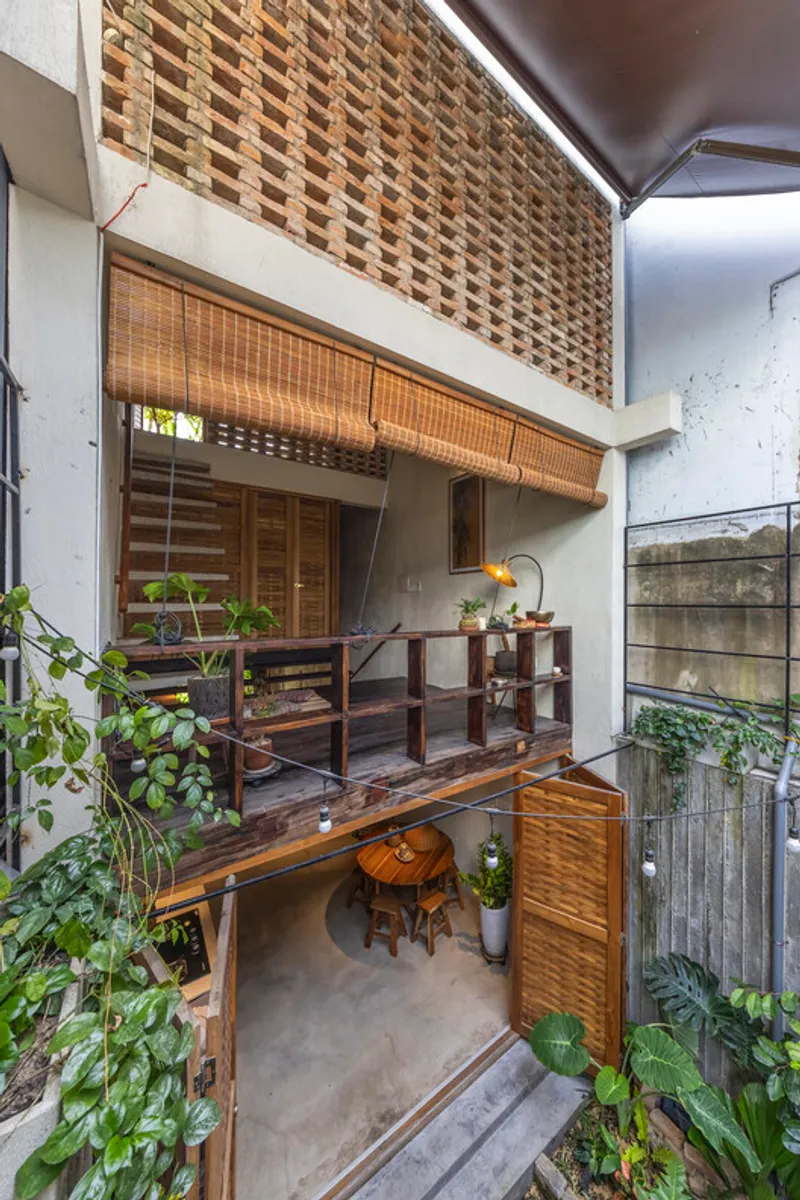
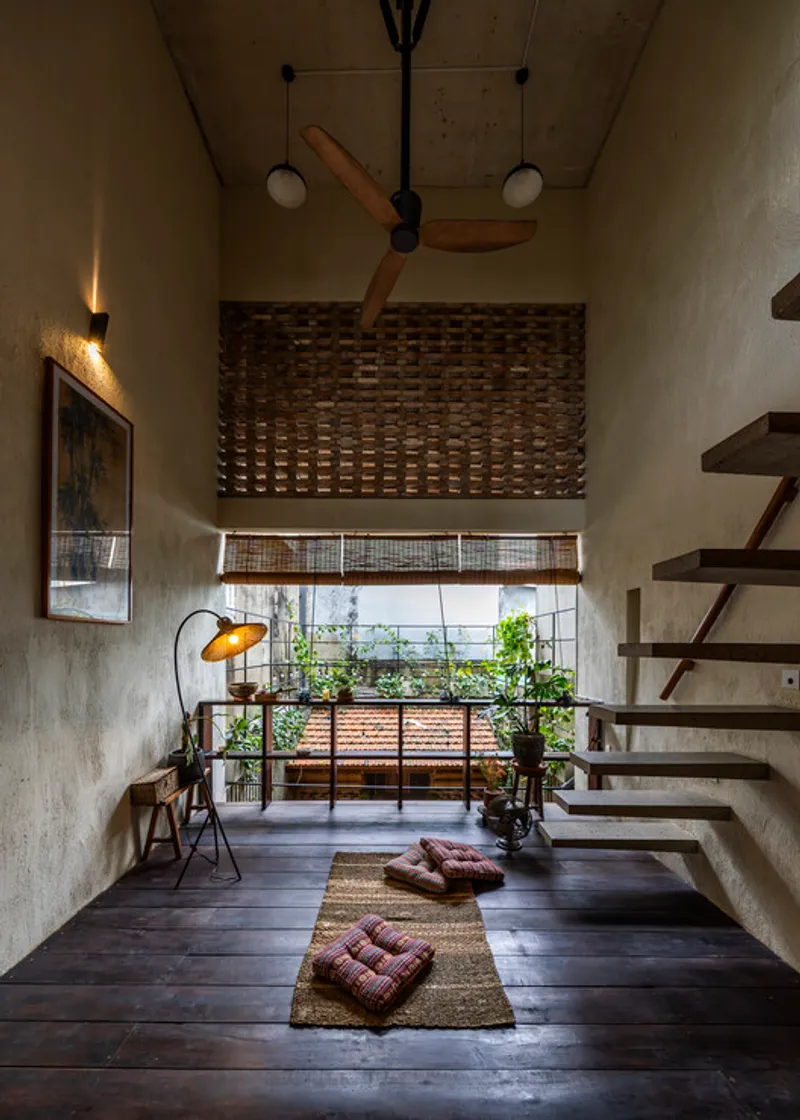
The design is guided by four core principles: rural, ecological, flexible, and humble. These ideas are not expressed through formal gestures but through lived experience. The house is intentionally porous, allowing air, light, and weather to flow freely through its spaces. Rain is not excluded but welcomed, while sunlight and wind become essential elements that shape the atmosphere of the home.
At the front, a small garden merges seamlessly with the living area, dissolving the boundary between exterior and interior. A subtly raised floor defines the indoor space without interrupting visual continuity, creating a calm and open environment suited for reading, thinking, and quiet activities. The generous vertical volume enhances this sense of spatial freedom, despite the compact footprint.
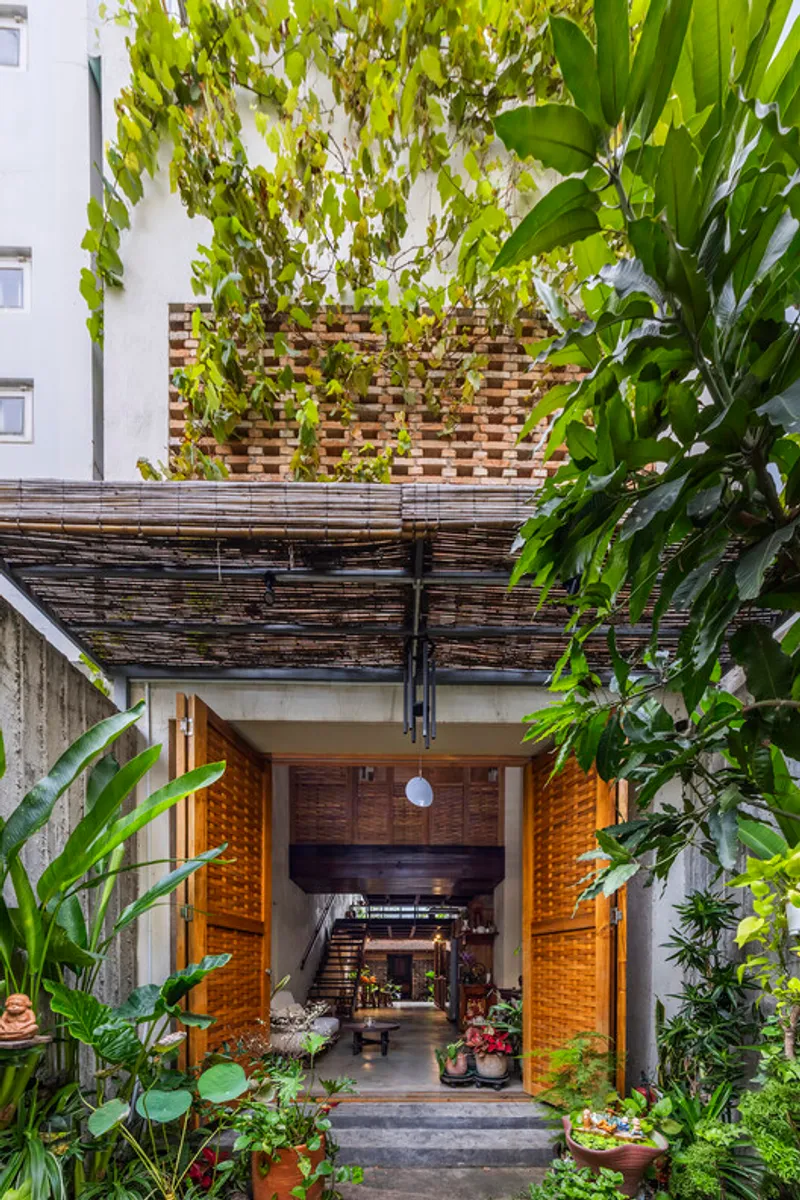
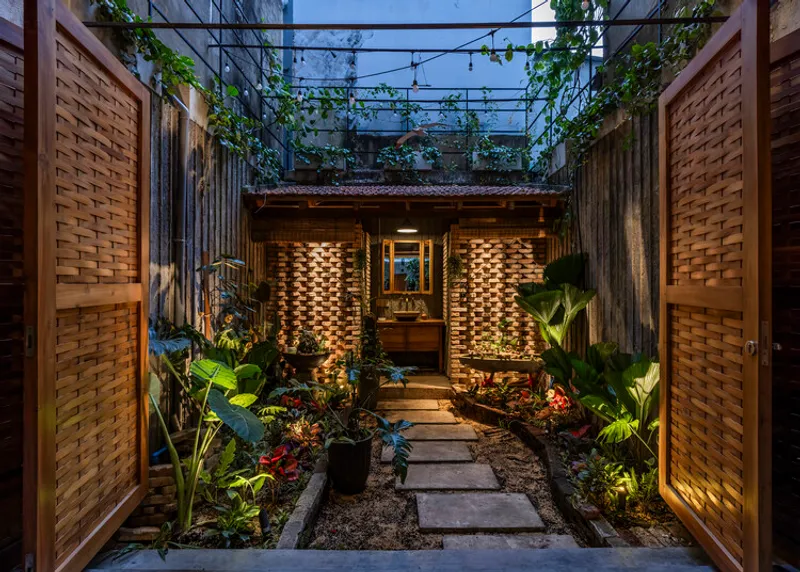
Toward the rear, the house opens again to nature. The kitchen connects directly to the garden, encouraging an almost outdoor cooking experience. Traditional cooking methods, such as charcoal and clay stoves, are supported, reinforcing a tactile and grounded relationship with food and daily routines. Adjacent spaces, including the shower and toilet, are semi-open, sheltered yet exposed, connected through simple garden pathways.
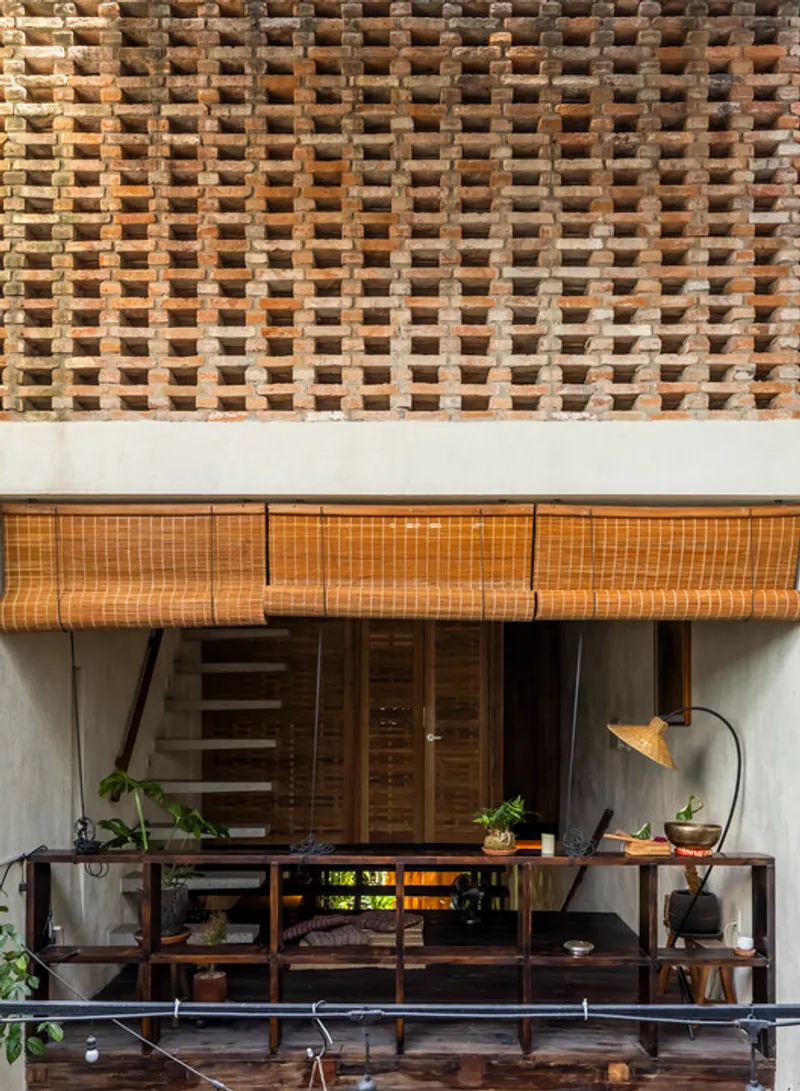
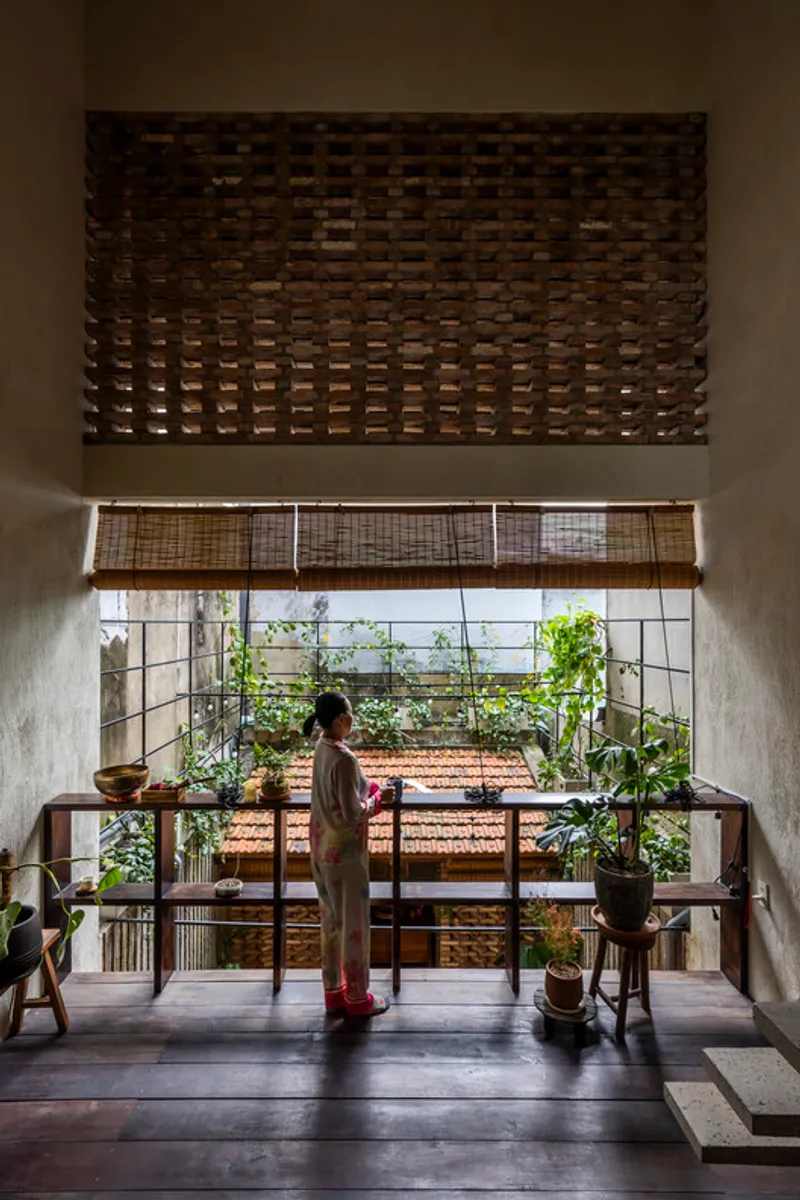
Materiality plays a key role in reinforcing the project’s ethos. Wood is used extensively to create warmth and texture, while open structures and minimal enclosures ensure ventilation and comfort in the tropical climate. The architecture avoids unnecessary complexity, instead focusing on essential elements that support a slower, more intentional lifestyle.
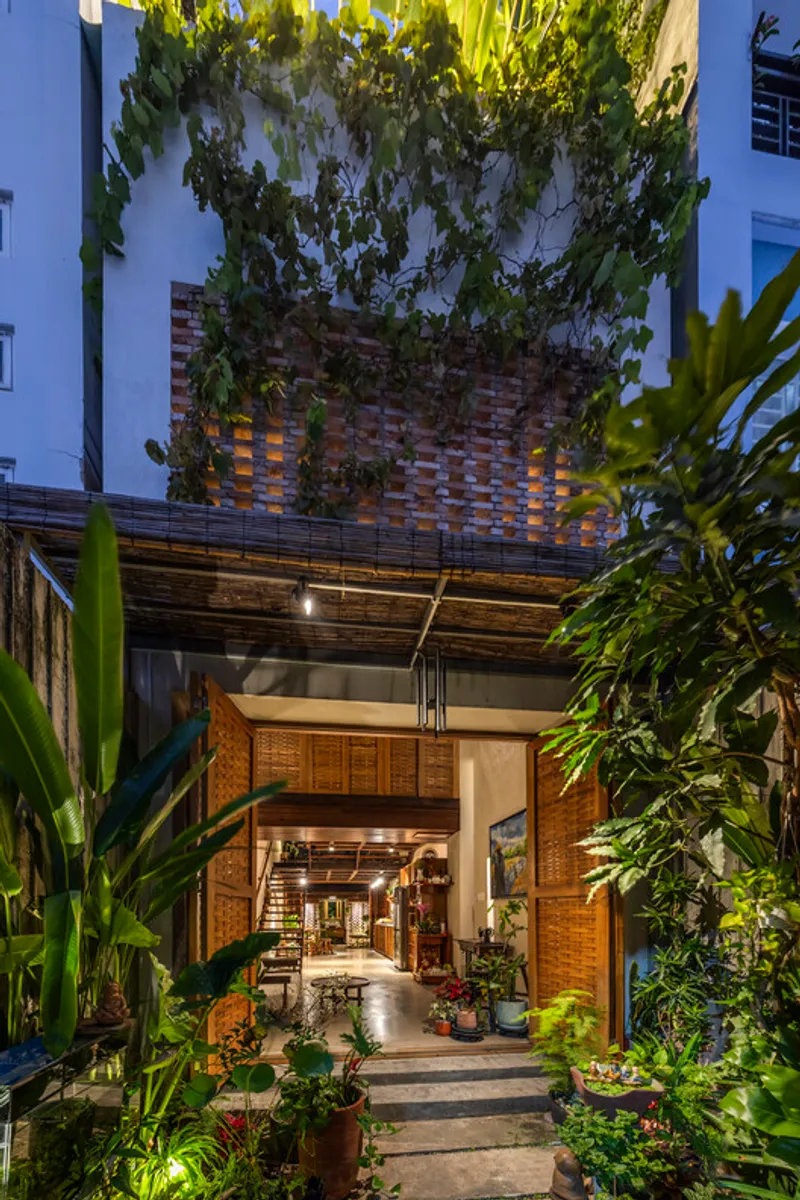
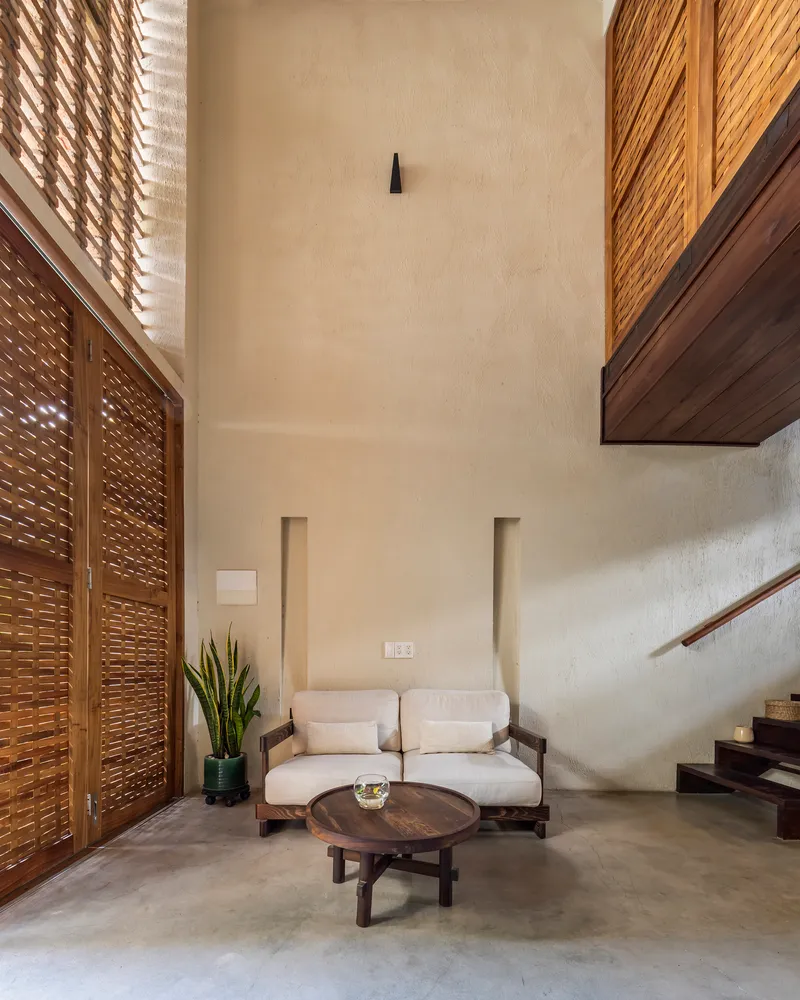
The upper level continues this dialogue between architecture and nature. The bedroom overlooks both the front and rear gardens, creating a continuous visual connection with greenery. Above, the rooftop is transformed into an edible garden, where fruits and vegetables grow under the open sky. This productive landscape not only provides sustenance but also reinforces the idea of self-sufficiency within an urban context.
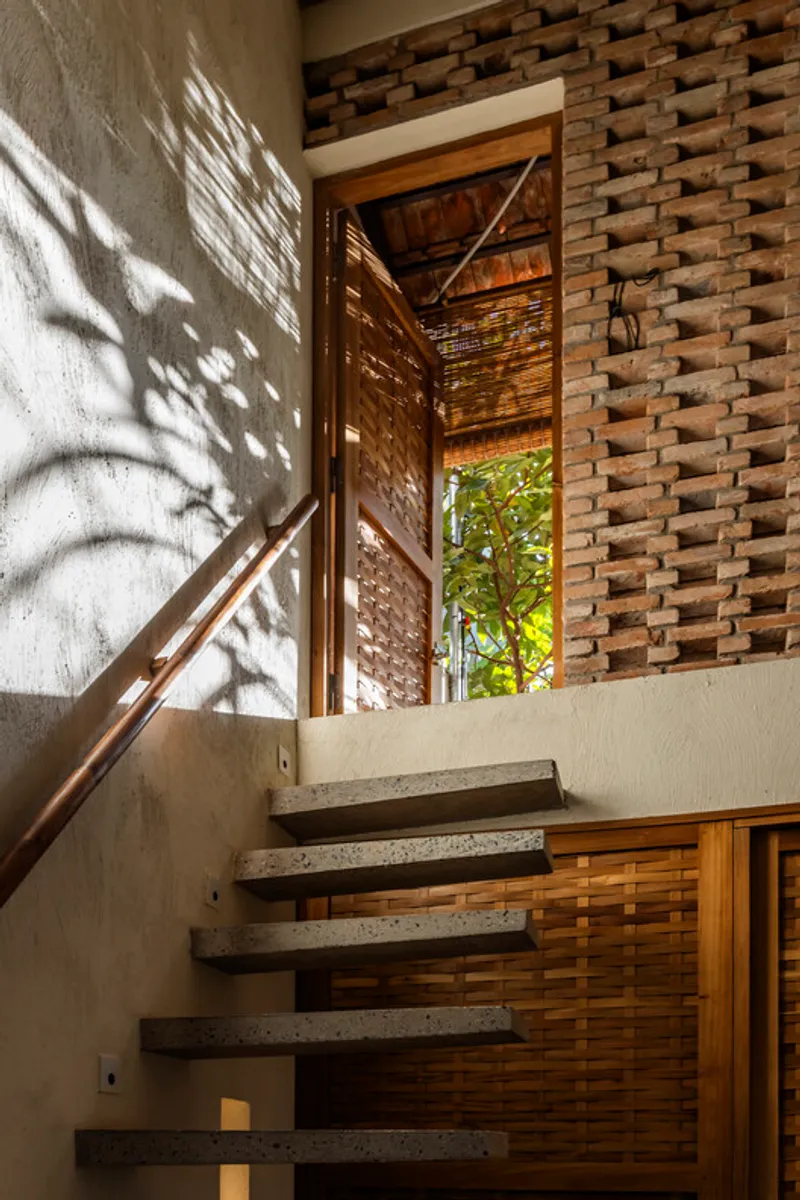
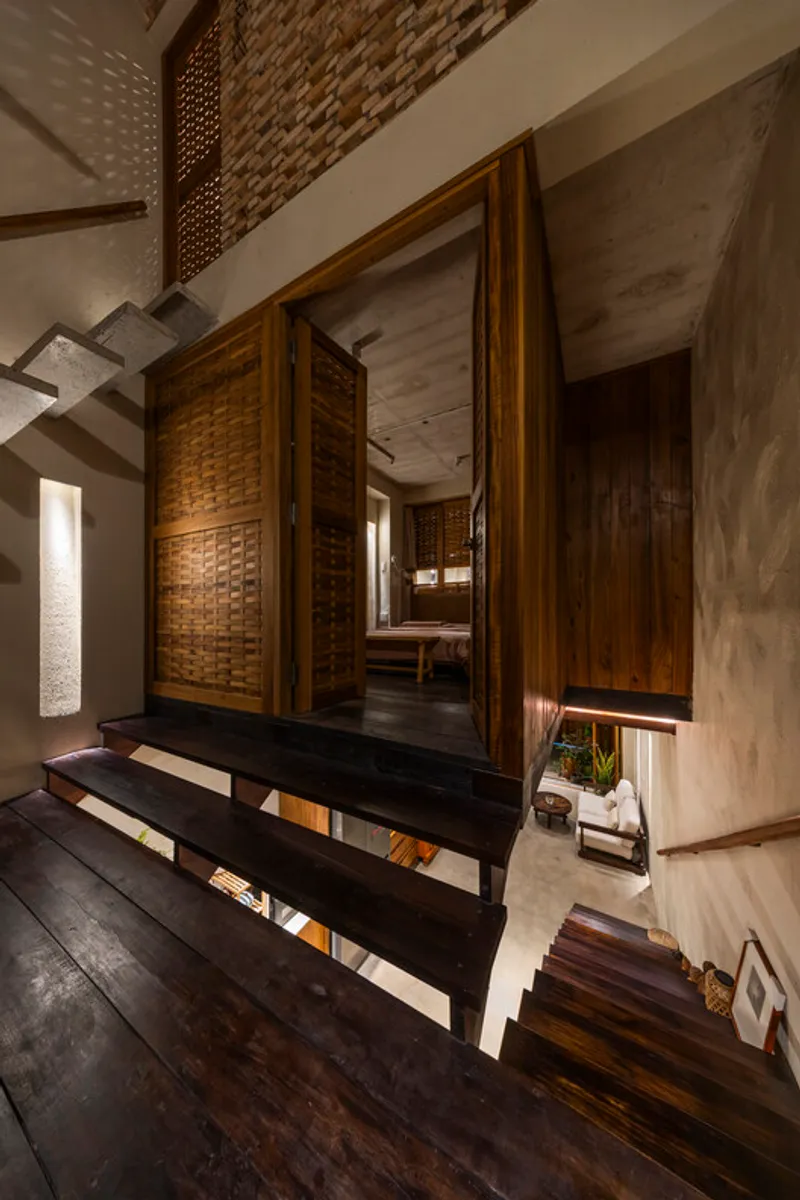
S House encourages a return to simple, everyday practices: sitting on the floor, drying clothes in the sun, tending plants, and spending time outdoors. It is an architecture that gently shapes behavior, fostering calmness, awareness, and a deeper connection to natural cycles.
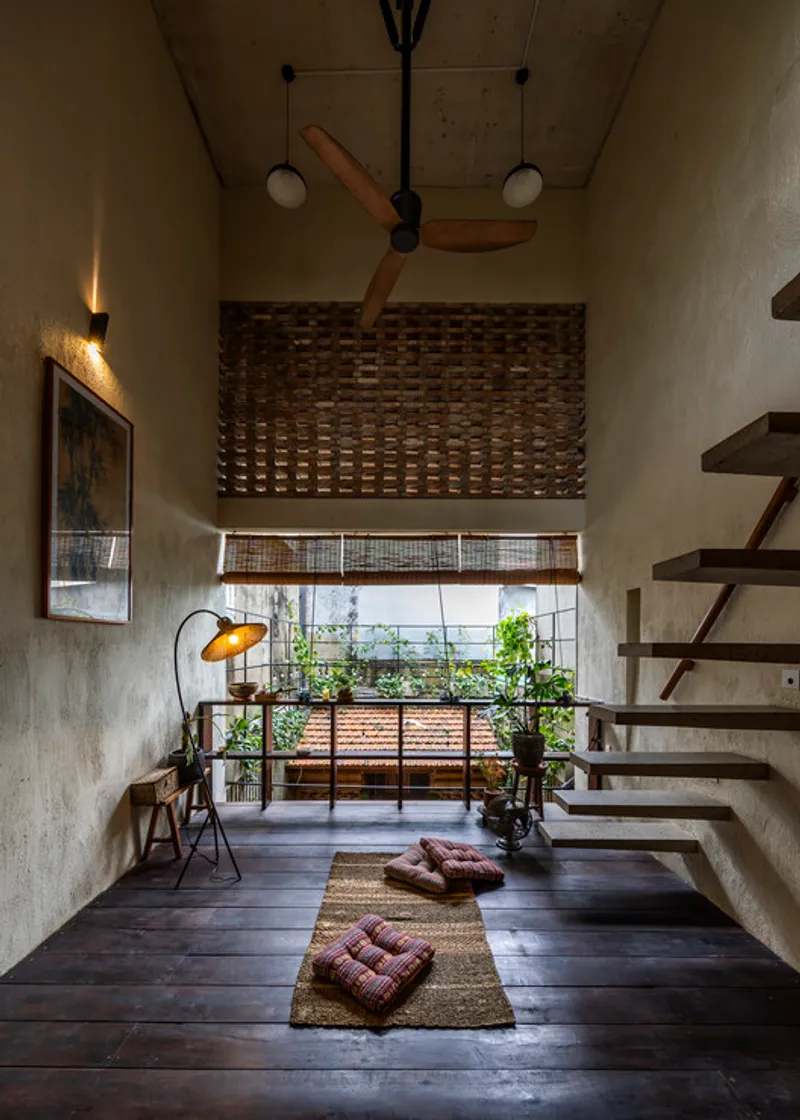
Ultimately, S House is not an escape from the city but a reinterpretation of how urban life can be lived. By blending rural sensibilities with contemporary design, MM++ Architects propose a new model of dwelling: one that is slower, greener, and profoundly human, even within the intensity of a modern metropolis.
All the Photographs are works of Hirouyki Oki


Popular Articles
Popular articles from the community


Architekt Andreas Gruber Scatters 23 Dark Timber Chalets Across a South Tyrolean Forest Edge
In Molini di Tures, Amonti Chalets breaks a resort into a hamlet of gabled timber houses, with parking, storage and services pushed into the slope.

Cube Design Draws an Ecological Corridor Between Two Shenzhen Hills with the Nankai Building
Beside Shenzhen's container docks, the Nankai Building pairs stacked balconies with a climbing green screen to connect two hillsides across its height.

Juan García Correa, John González and Claudia Rueda Sink a Circular Amphitheater into a Manizales Engineering Building
On the La Nubia campus in Manizales, Colombia, the S1 Building folds labs and offices into a hillside of ramped lawns that double as a campus route.

LT2A and OPEN Architectes Thread a Brick and Glass High School Through a Wooded Belgian Campus
In Braine-l'Alleud, a 3,000 m² wing for Collège Cardinal Mercier pairs pale brick with a glazed colonnade, deferring to a small chapel and a dense wood.

Similar Reads
You might also enjoy these articles

Gil Mello Arquitetura Tilts a Single Roof Toward the Waterfalls on a Plateau Above Aiuruoca, Brazil
In Aiuruoca, Minas Gerais, a 200 m² house of local labor and reclaimed poles pairs a low valley veranda with a tall mountain one.

U.GA Architects Wraps an Oval Rooftop Pool in Curved Board-Formed Concrete on Busan's Jeollidan-gil
In Busan's Jeonpo-dong, a 454 m² mixed-use block stacks a neighborhood facility, guest rooms and an oval rooftop pool inside spiraling concrete walls.

Felipe Hess Arquitetos Turns a Blind Stone Wall to the Street and Opens a Brazilian House onto a Courtyard and Canal
A canal-front house in Brazil hides behind painted stone and planting, then opens to an olive-tree courtyard, a reed-ceilinged porch and a curving pool.

David Macias Steps a Doorless Stone and Plaster House Down a Tropical Colombian Hillside
In the humid hills of Colombia, Threshold House replaces the front door with an open void and terraces its 850 m² down the slope instead of fighting it.

Explore Architecture Competitions
Discover active competitions in this discipline

Challenge to reimagine the Iron Throne

Photograph architecture without architects

Illustrate the lost glory of Angkor Wat - Render Challenge

Design challenge to reuse E-waste
Comments (0)
Please login or sign up to add comments
No comments yet. Be the first to comment!