

Santa Monica Courtyard Houses: A Net-Zero Vision by Inaba Williams Architects
A net-zero courtyard home in Santa Monica by Inaba Williams Architects, optimizing energy efficiency, passive cooling, and seamless indoor-outdoor living.


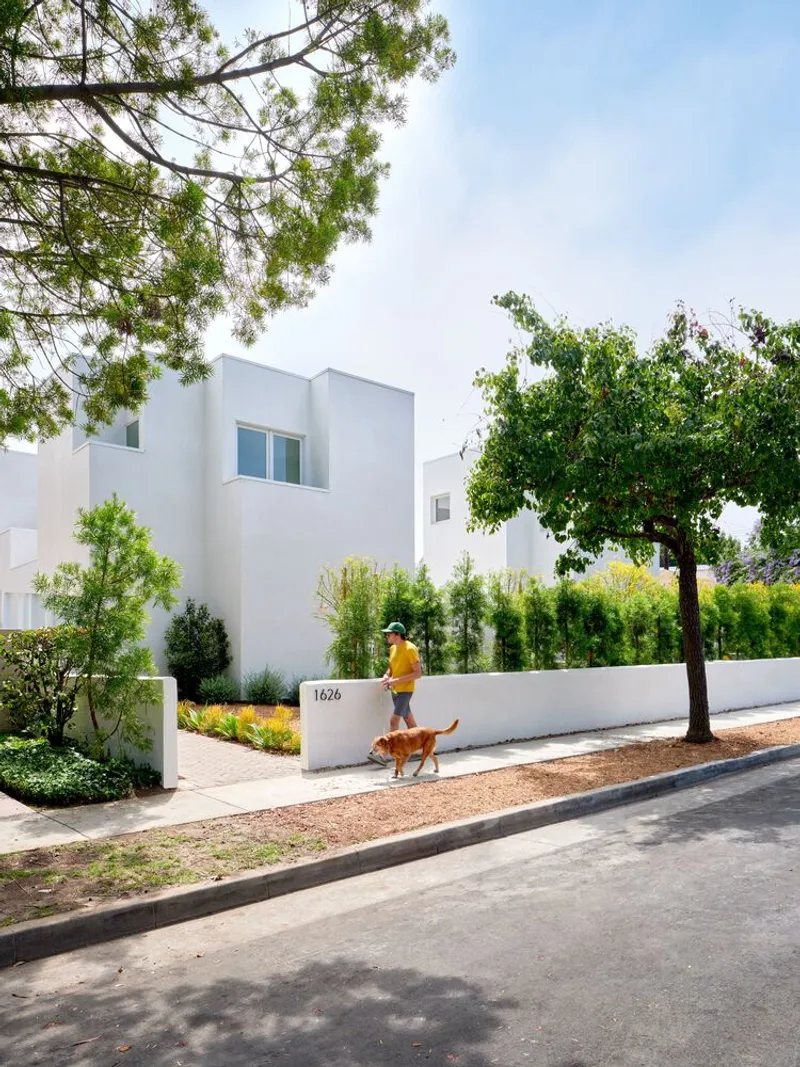
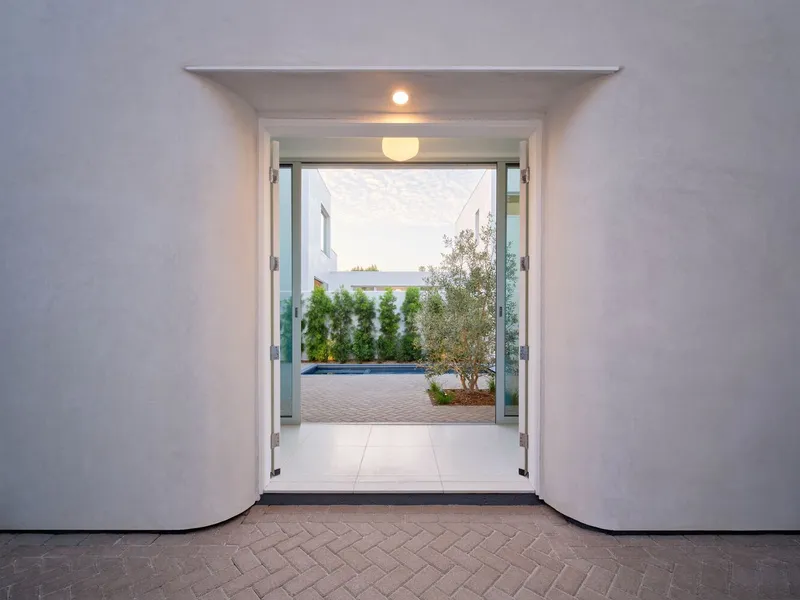
The Santa Monica Courtyard Houses, designed by Inaba Williams Architects, redefine the Southern California single-family home with a focus on energy efficiency, sustainability, and indoor-outdoor living. Located in Santa Monica, California, this 3900-square-foot residential project aligns with Title 24, California’s Building Energy Efficiency Standards, to create a net-zero home that balances modern aesthetics with climate-responsive design.
Sustainable Architecture Aligned with Title 24
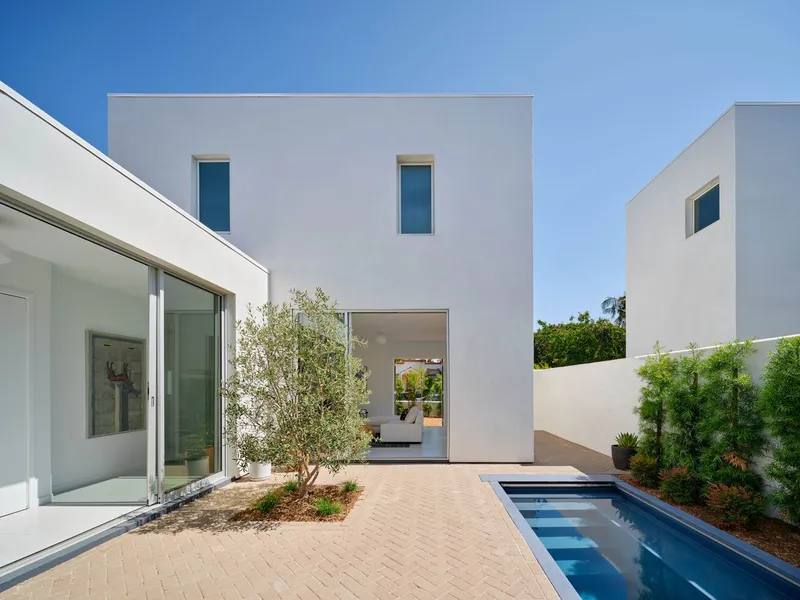
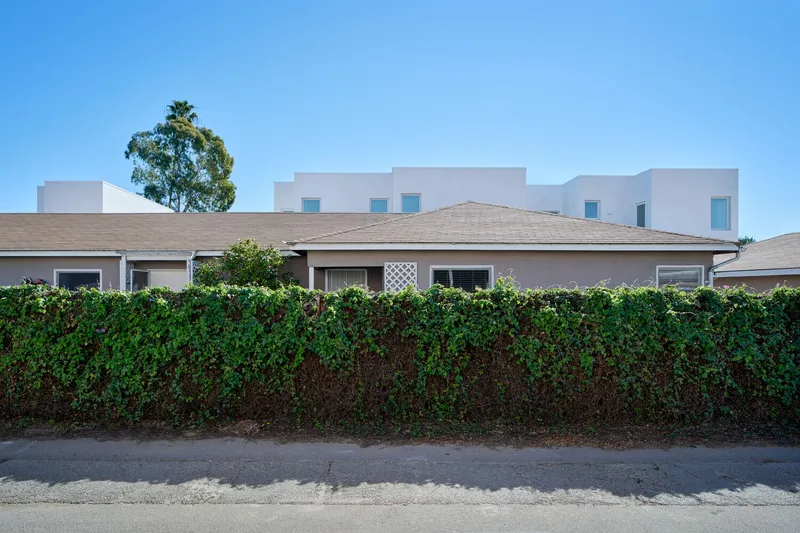
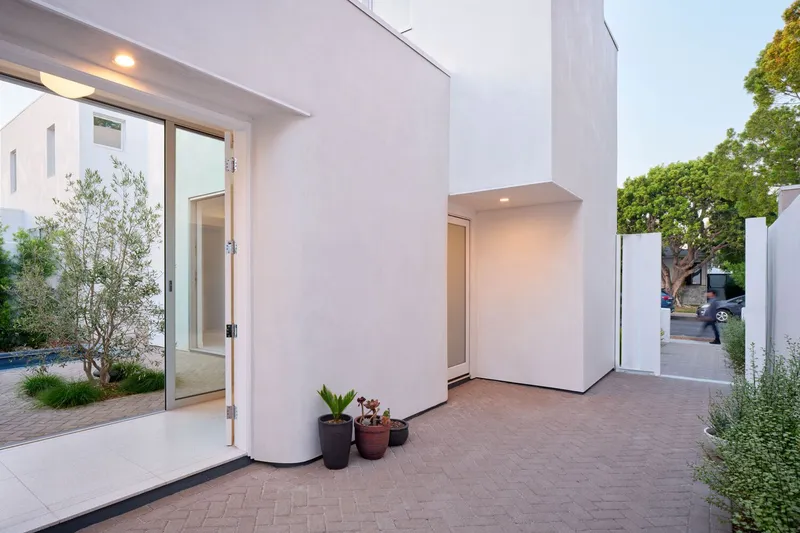
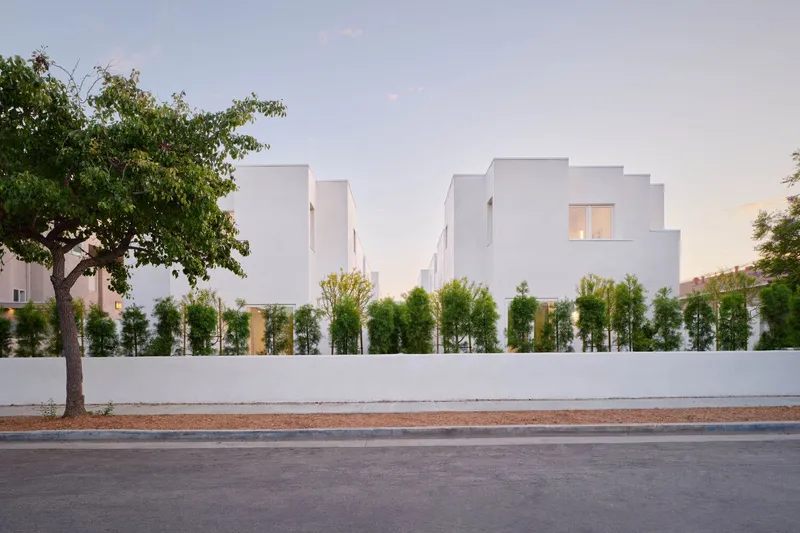
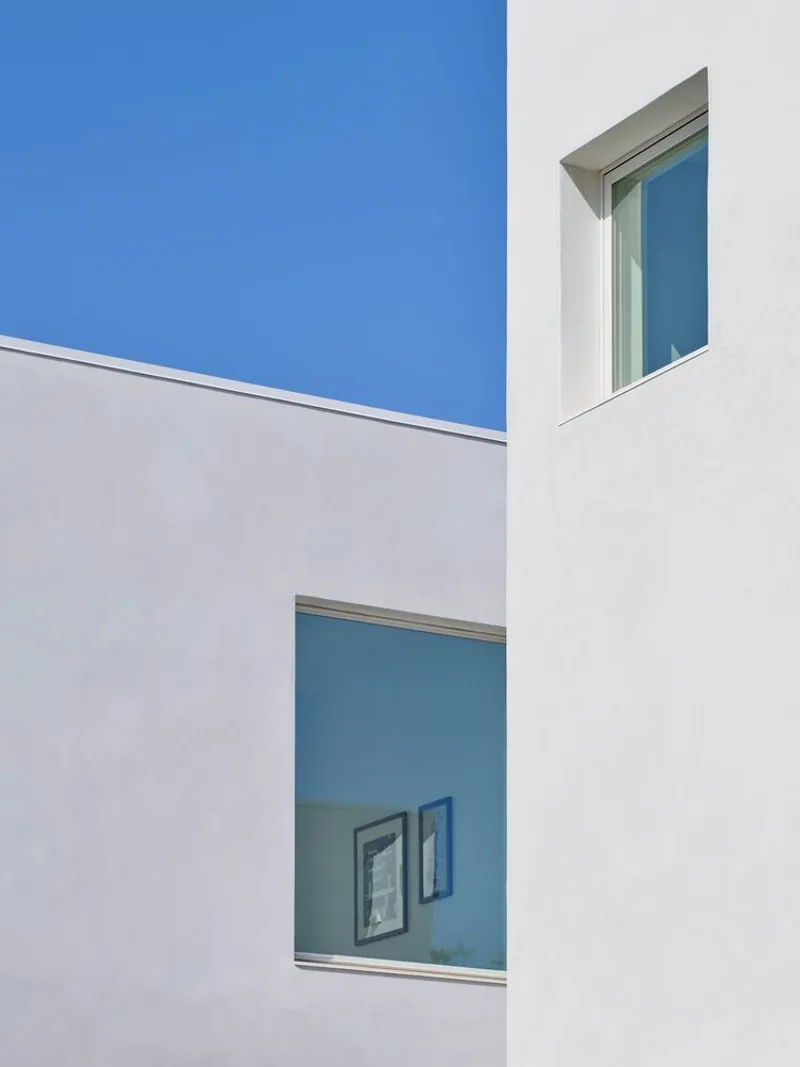
While midcentury glass houses remain an architectural symbol in California, their high embodied energy and excessive power consumption conflict with modern energy efficiency standards. The Santa Monica Courtyard Houses take a different approach—featuring a solid exterior with limited glazing, reducing heat gain while maintaining the seamless indoor-outdoor connection synonymous with California living.
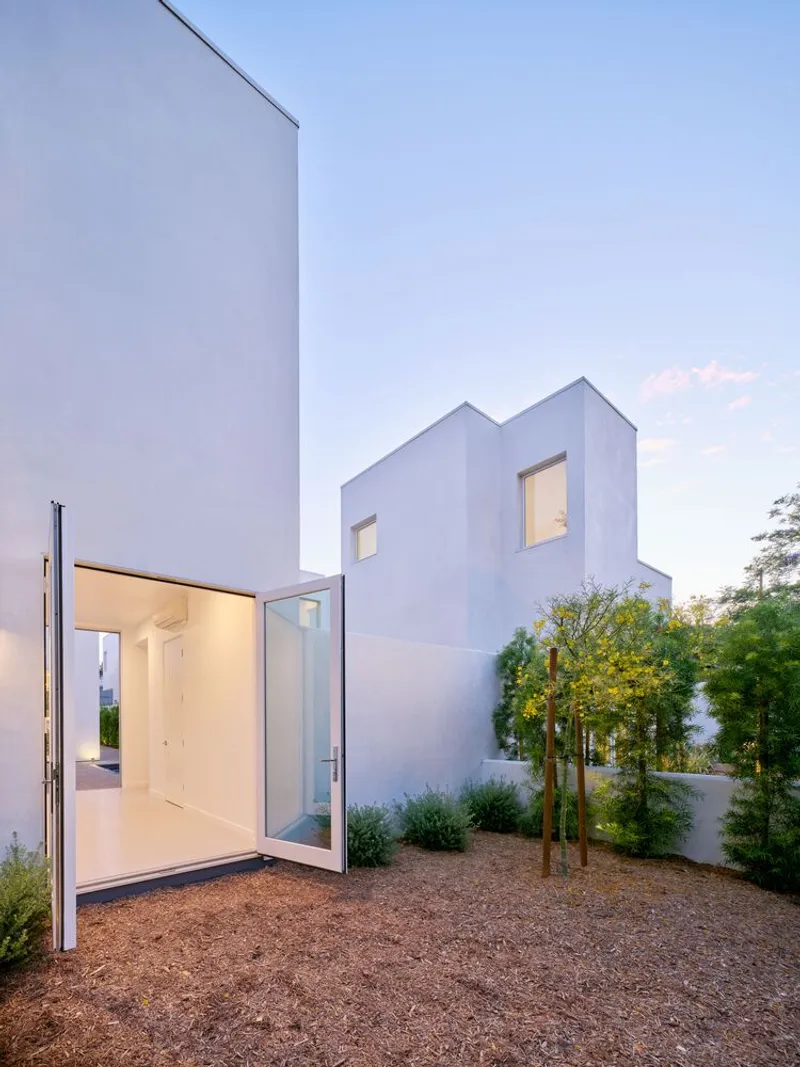
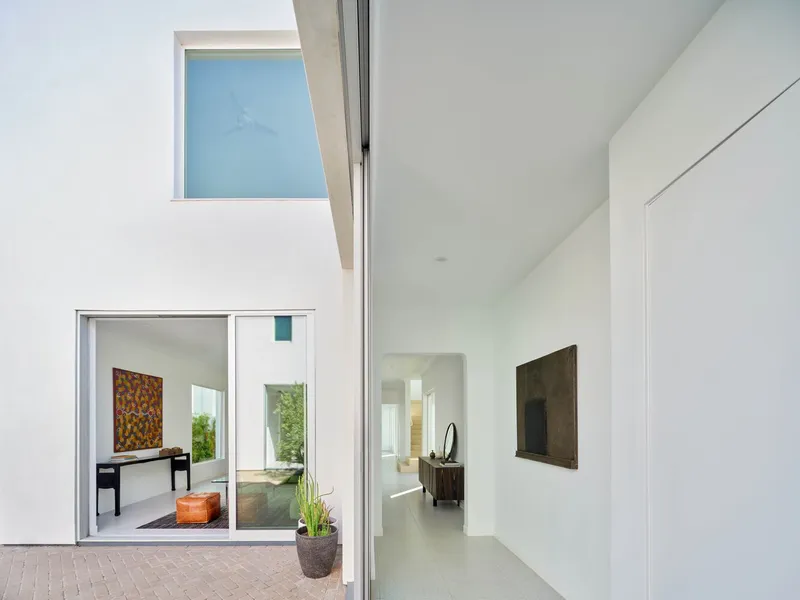
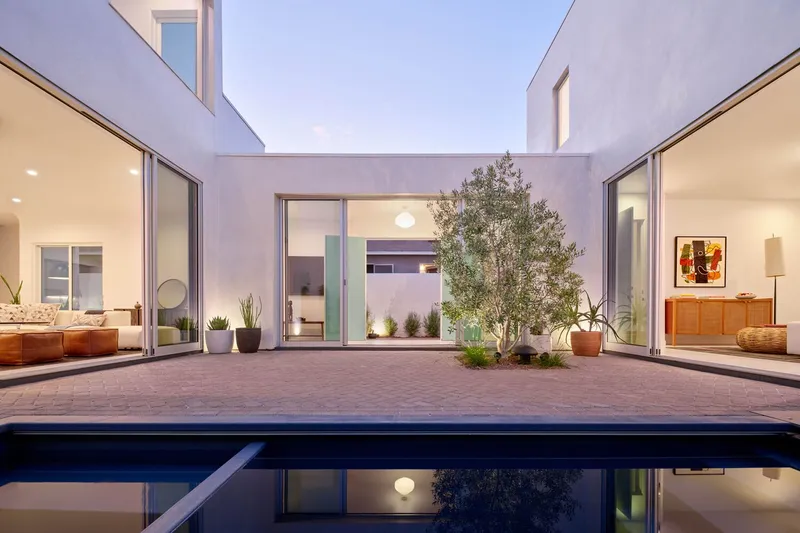
By strategically placing windows and glazed doors around primary living spaces, the homes maximize natural daylighting without excessive energy use. The courtyard-facing rooms receive ample sunlight from three sides, while skylights and stairwell windows introduce additional natural illumination. This design minimizes the need for artificial lighting and improves thermal performance, ensuring passive cooling and reduced energy consumption.
Maximizing Outdoor Living with Minimal Footprint
Rather than maximizing indoor floor area, the project prioritizes outdoor living spaces. The side-by-side homes are set back to frame a central courtyard, offering an open-air retreat complete with a dining area, fire pit, and zen garden. This layout not only enhances natural ventilation but also decreases the interior spaces that require heating and cooling, further supporting its net-zero energy goals.
A New Model for Sustainable Urban Housing
Just as New York’s 1916 zoning resolution influenced the development of modern skyscrapers, the Santa Monica Courtyard Houses set a precedent for climate-adaptive architecture. By reinterpreting zoning codes and energy regulations, this project demonstrates how contemporary housing can embrace sustainability, resilience, and architectural innovation.
As climate change continues to shape the future of urban living, projects like this provide a replicable framework for low-carbon, high-performance housing in coastal cities. The Santa Monica Courtyard Houses stand as an exemplar of sustainable residential architecture, offering a forward-thinking solution for the evolving needs of energy-efficient homes.
All Photographs are works of Brandon Shigeta


Popular Articles
Popular articles from the community


longwave studio Reorganizes a 112 m² Tainan Apartment Around the Daily Routines of a Family and Two Cats
In Tainan, Taiwan, birch plywood, rust-red furniture and a freestanding plaster wall link arrival, storage, work and family life in one apartment.

U.GA Architects Wraps an Oval Rooftop Pool in Curved Board-Formed Concrete on Busan's Jeollidan-gil
In Busan's Jeonpo-dong, a 454 m² mixed-use block stacks a neighborhood facility, guest rooms and an oval rooftop pool inside spiraling concrete walls.

David Macias Steps a Doorless Stone and Plaster House Down a Tropical Colombian Hillside
In the humid hills of Colombia, Threshold House replaces the front door with an open void and terraces its 850 m² down the slope instead of fighting it.

David Ortega Stacks a Two-Story Mexico City Penthouse Around a Steel Stair and a Pergola-Shaded Roof Terrace
In Colonia Roma, a 300 m² penthouse uses oak joinery, a planted steel stair and a slatted roof pergola to make a new-build apartment feel like a house.

Similar Reads
You might also enjoy these articles


Hodi-Mandai Geram
Project Function: Preservation and revitalization of the Intangible heritage and socio-spatial identity of the Hodi by Housing, Cultural Memory Center, Sacred Grove, landscape, local tourism economy


Olio Towers: A Mid-Rise for Performers That Fuses Housing, Rehearsal, and Stage
Located blocks from Houston's Theater District, this modular tower stacks living units around a central performance atrium.

Oasis: Modular Green Housing Carved into Dhaka's Urban Fabric
A shortlisted Plugin Housing entry reclaims unauthorized settlements in Dhaka with stepped concrete volumes, green roofs, and ventilation-driven design.

Black Hole: A Floating Megastructure for the Post-Physical Era
Emiliano Mazzarotto envisions a spherical, self-scaling arena where e-sports, digital hotels, and holographic stadiums replace traditional public space.

Explore Housing Competitions
Discover active competitions in this discipline

Challenge to reimagine the Iron Throne

Photograph architecture without architects

Illustrate the lost glory of Angkor Wat - Render Challenge

Design challenge to reuse E-waste
Comments (0)
Please login or sign up to add comments
No comments yet. Be the first to comment!