
Shinonome Shinkin Bank in Maebashi: A Renovation that Redefines Urban Banking Spaces
Renovation of Shinonome Shinkin Bank transforms it into a sustainable, community-focused space blending historic preservation with modern design.


Preserving History Through Modern Renovation
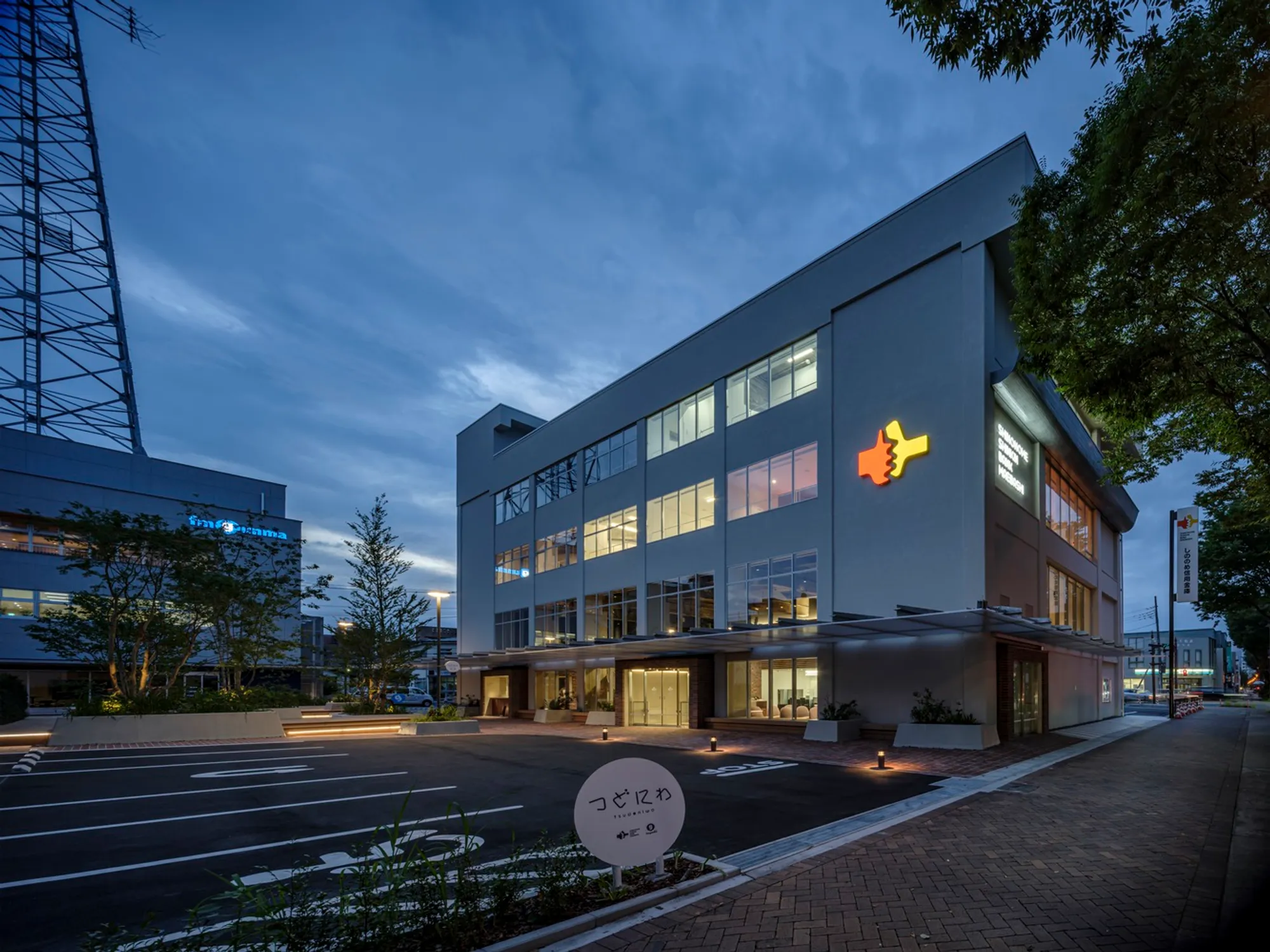
The Shinonome Shinkin Bank in Maebashi, redesigned by HAGISO and twism design studio, is a striking example of how architecture can blend preservation and innovation. Originally built in 1964 during the Tokyo Olympics era, the structure served as the Maebashi Shinkin Bank headquarters. Decades later, the building underwent a transformative renovation in 2022, proving that thoughtful design can rejuvenate existing structures into vibrant, functional spaces.
From Reconstruction to Renovation: A Sustainable Approach
Assessing Earthquake Resistance
In 2015, an earthquake resistance assessment flagged potential structural vulnerabilities. Initially, the plan was to demolish and rebuild. However, upon inspection by structural engineers, it was determined that the building could meet modern standards with appropriate retrofitting. This decision not only preserved the historic steel-reinforced concrete structure but also aligned with sustainable design principles by minimizing waste.
Embracing Adaptive Reuse
Renovation became the chosen path, allowing the project to retain its original architectural character while introducing contemporary design elements. This approach highlights the bank's commitment to sustainability, a cornerstone of the renovation.
Enhancing Community Connectivity
Creating a Vibrant Plaza
A key feature of the renovation was the introduction of a central plaza, designed as a "relay point" for the community. This space connects the bank with the relocated FM Gunma building, fostering synergy between these two key institutions.
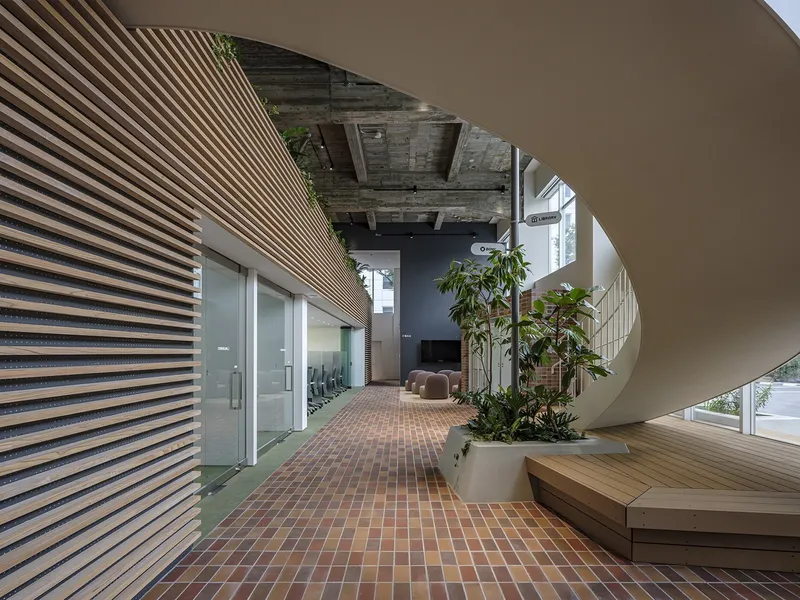
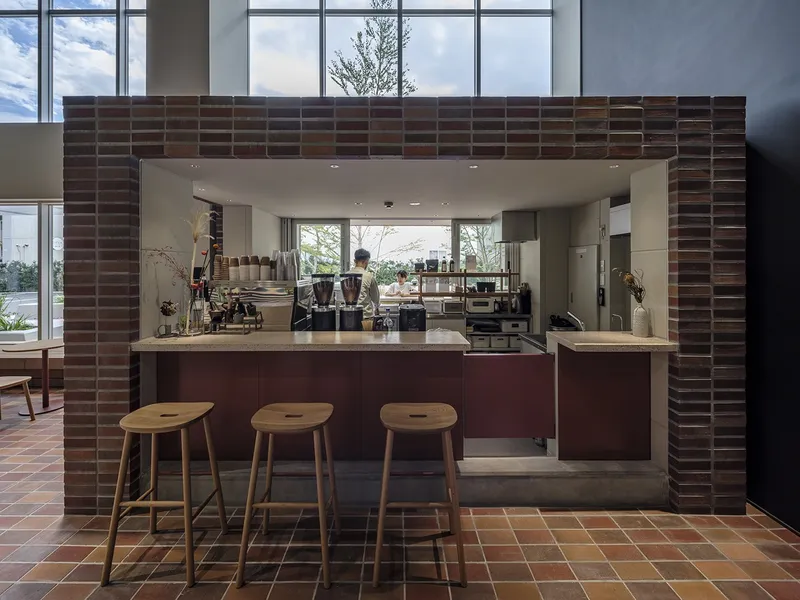
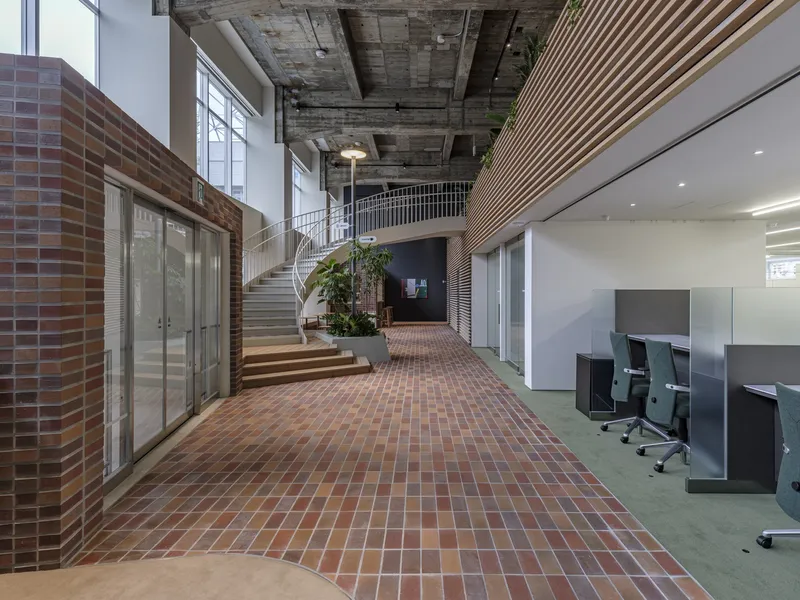
The plaza is paved with locally inspired brick tiles and surrounded by tall trees and planting strips, providing shade and creating a natural cooling effect in Maebashi's hot summers. Elevated wooden decks add layers of visual interest and functionality, offering places for rest and social interaction.
Reorienting the Building Facades
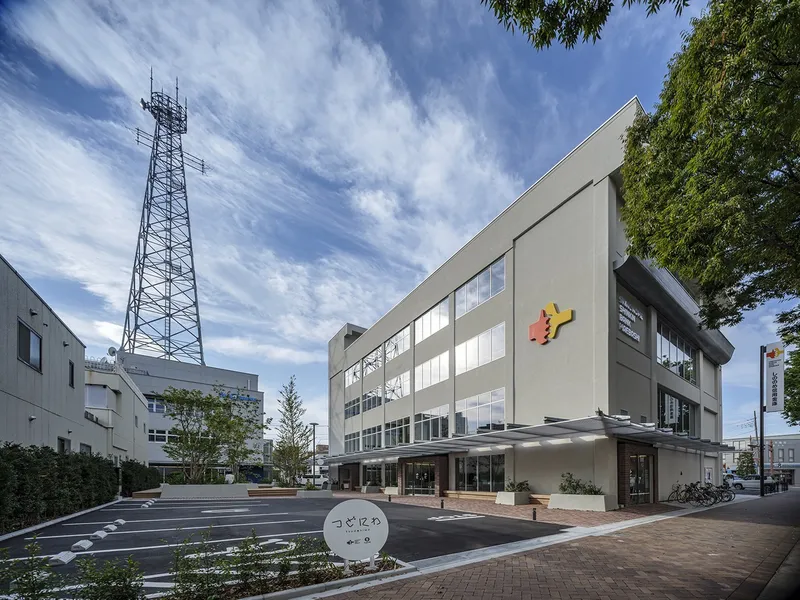
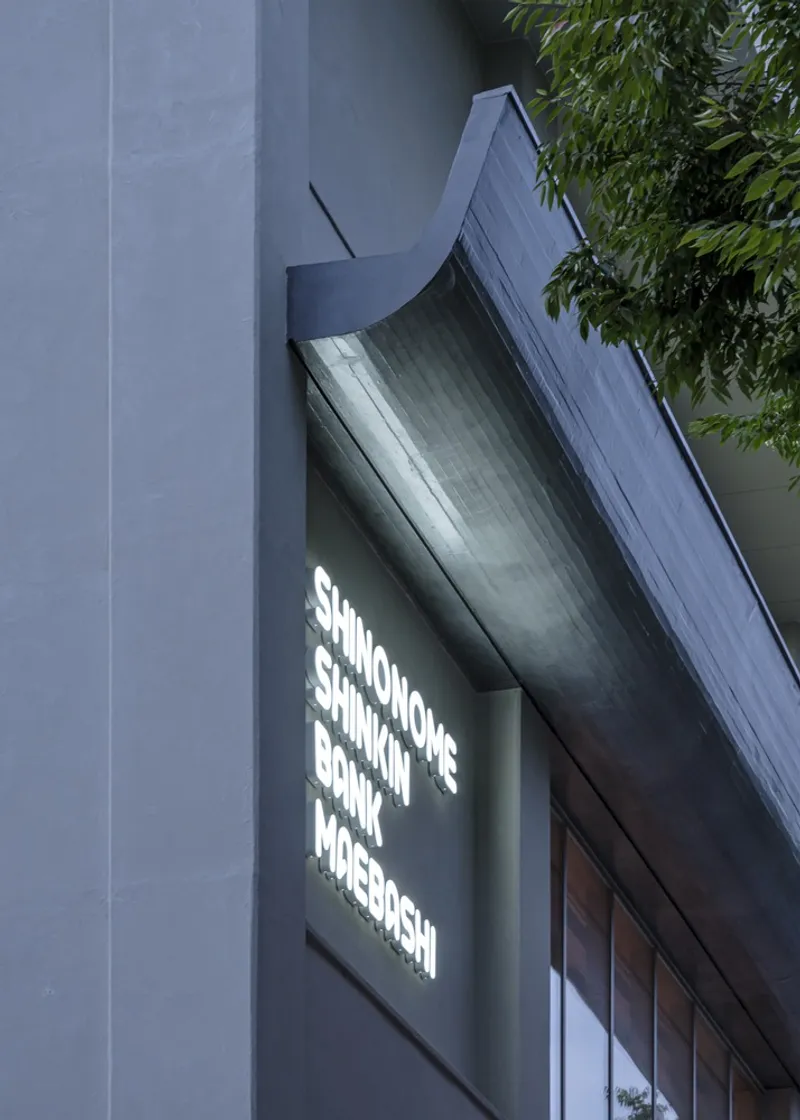
The building's design reimagines urban connectivity. By repositioning the primary entrance and making the south and west sides active facades, the architects created a seamless connection between the building, the plaza, and the surrounding streets. This redesign maximizes pedestrian engagement and transforms the once-neglected rear areas into lively, accessible spaces.
Interior Innovations: Blurring the Lines Between Inside and Outside
Integrating Indoor and Outdoor Spaces
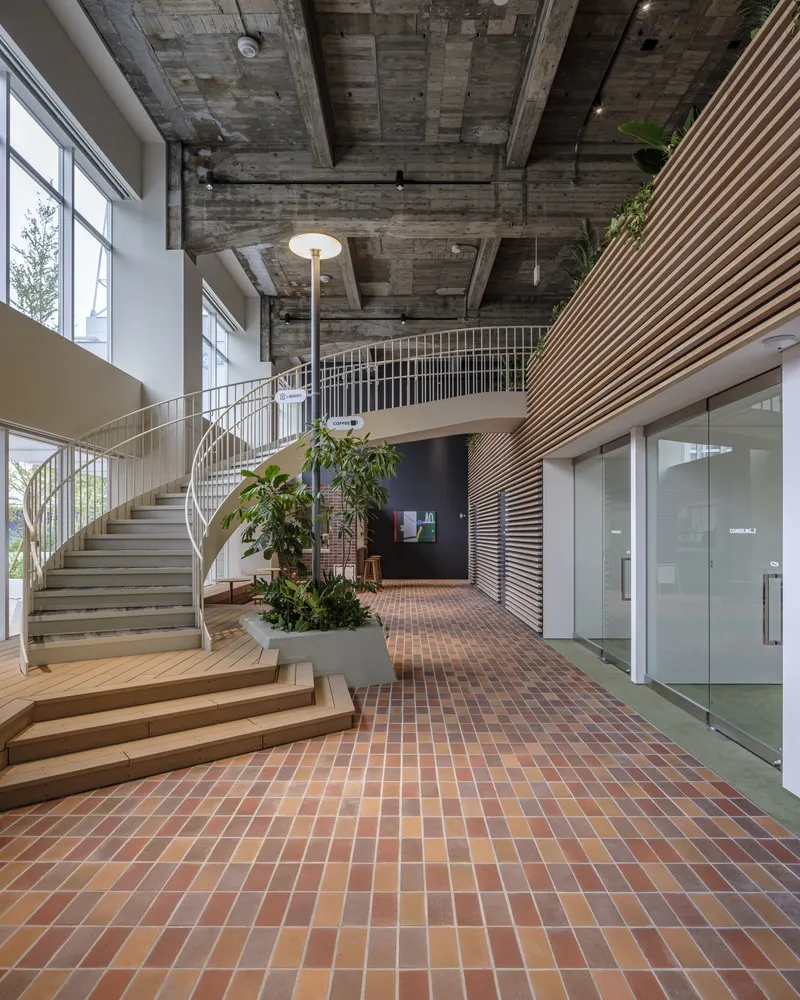
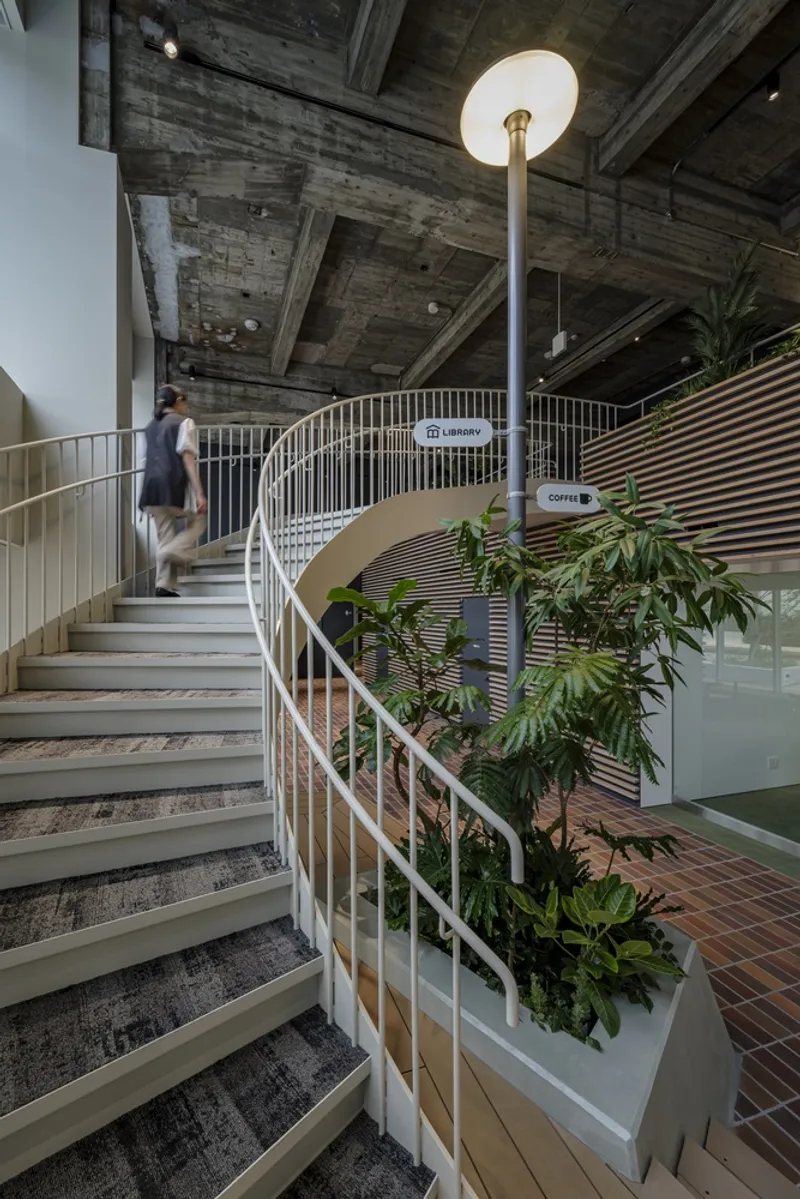
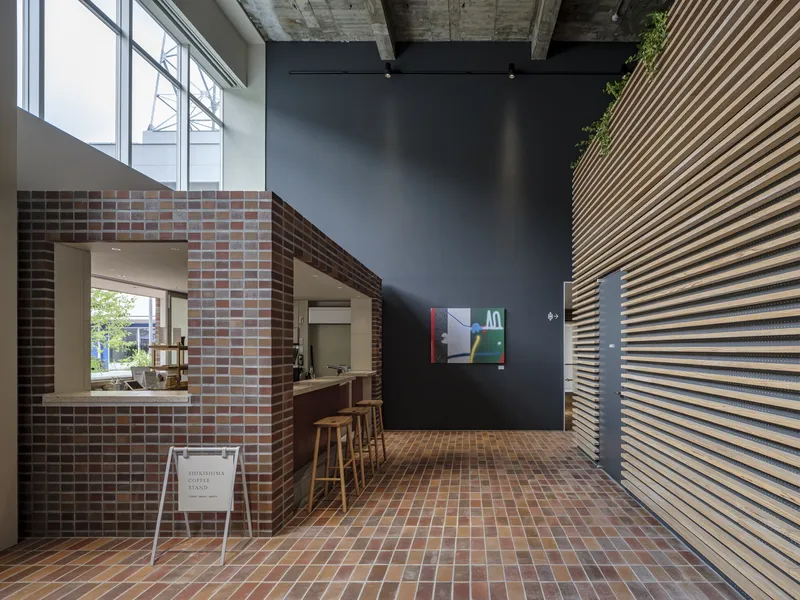
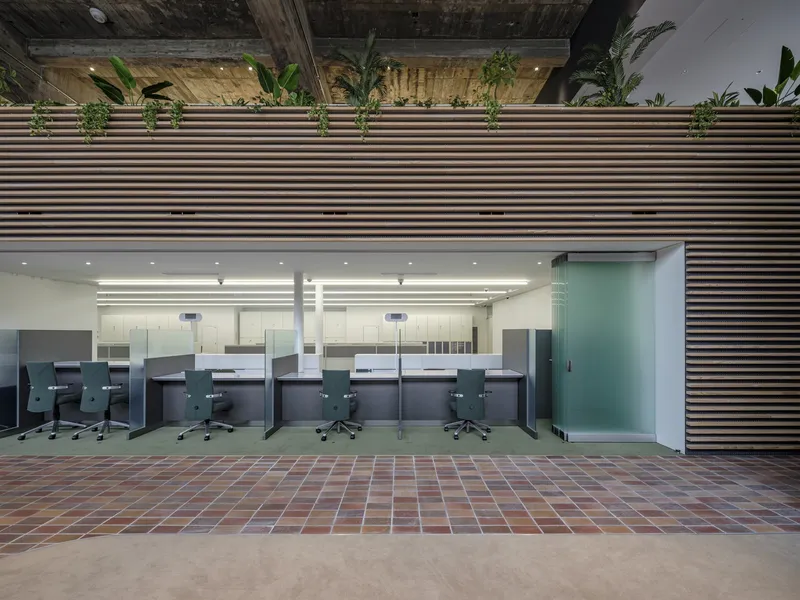
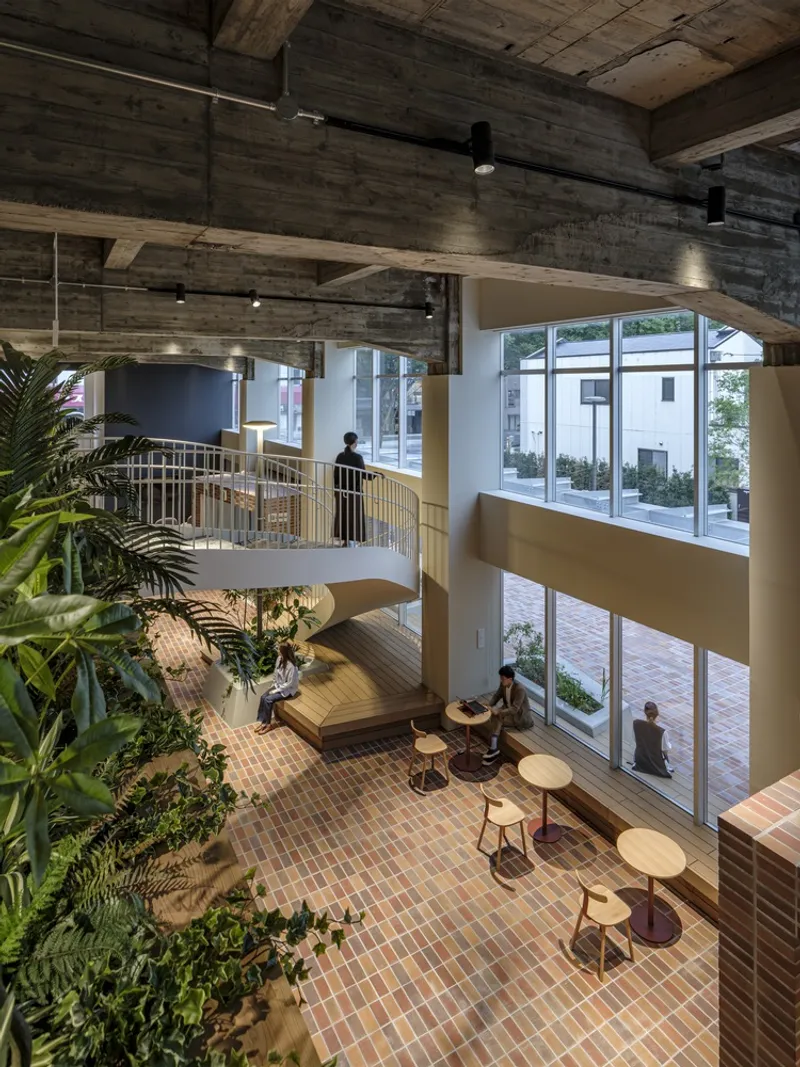
The first and second floors of the building are interconnected, forming a central space that embodies the core of the bank's new design philosophy. The lobby, treated as a semi-exterior space, features planting strips, streetlights, and a coffee stall. This continuity between indoor and outdoor areas is further emphasized by the consistent use of brick tiles across both spaces.
Public Spaces for Community Use
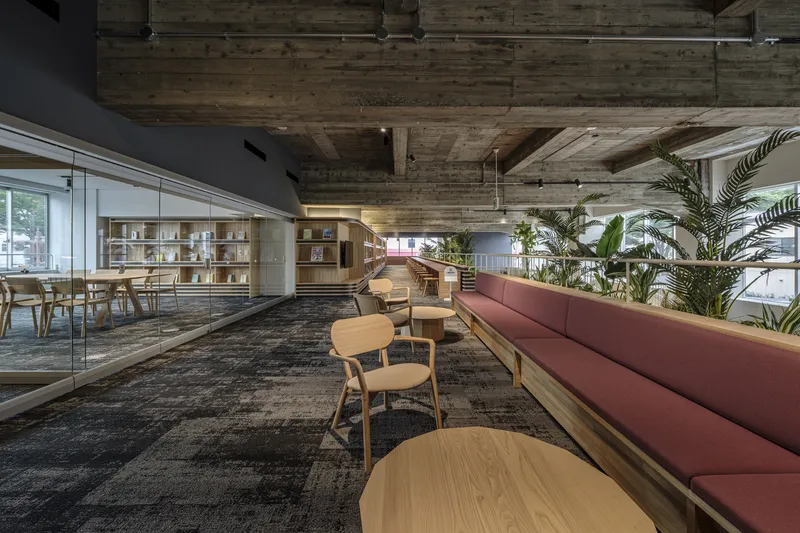
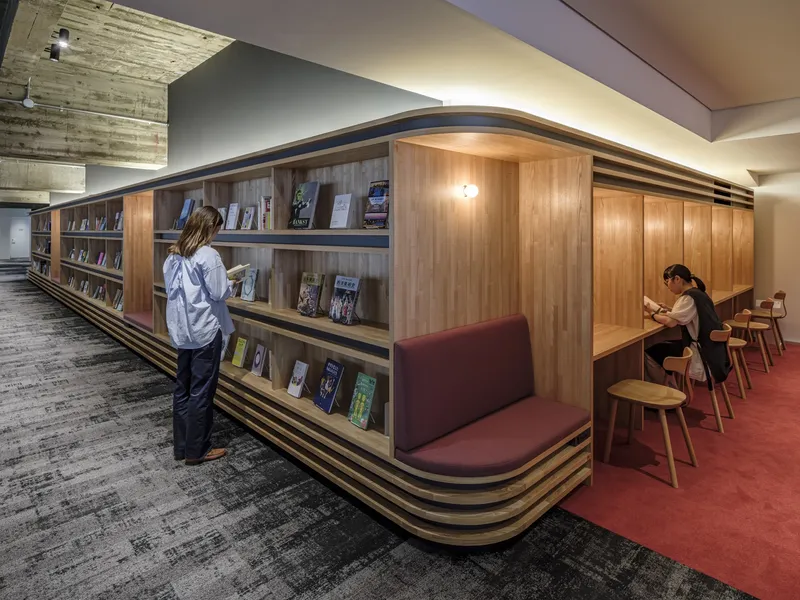
The second floor houses a public library accessible beyond banking hours, making the space a cultural hub. This community-centric feature aligns with the bank's vision of creating a welcoming environment that serves more than financial needs.
Revitalizing Existing Spaces
The Conference Room Transformation
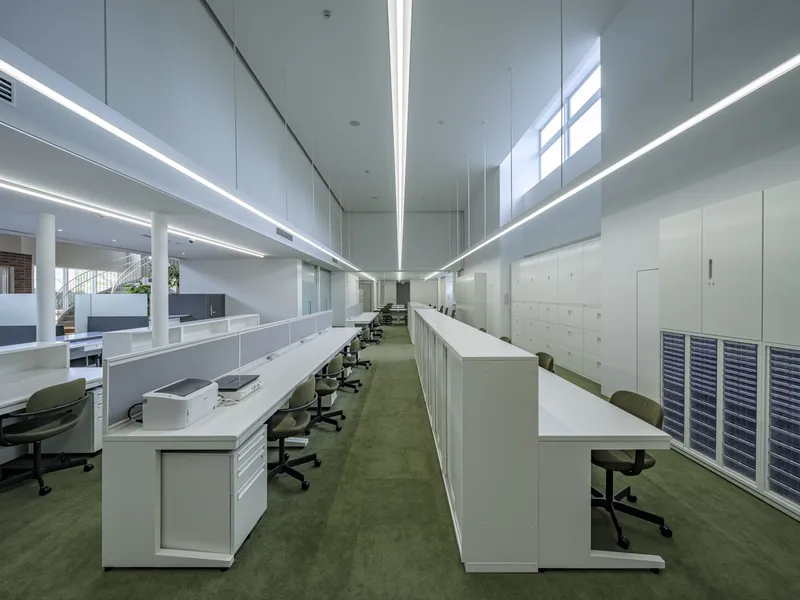
The third-floor conference room underwent a remarkable transformation. Once a low-ceilinged administrative office, it was restored to its original double-height form. Large windows were added to provide sweeping views of the surrounding tree canopy, connecting users with nature.
Structural Aesthetics
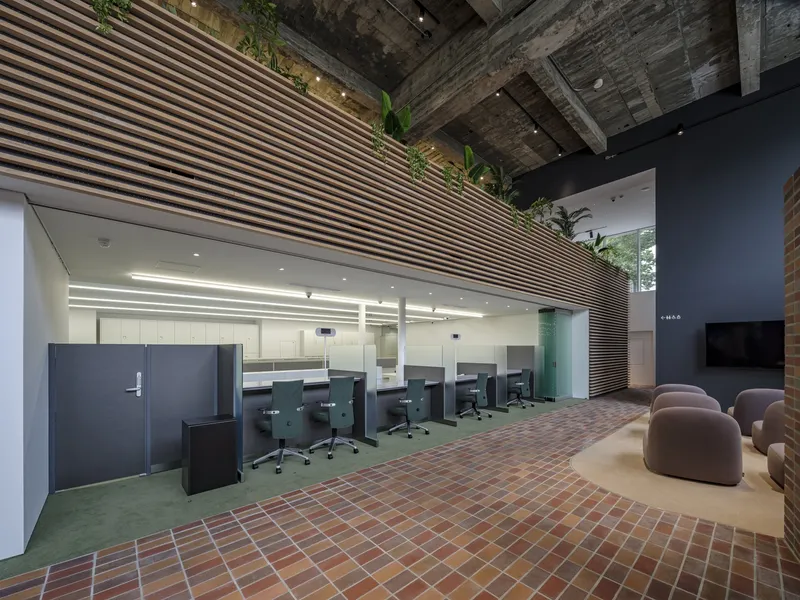
The renovation celebrated the building's original structure by exposing its beams and columns, juxtaposing raw architectural elements with modern finishes. Column-and-beam joints were accentuated with different materials, adding an artistic touch to the interiors.
Architectural Materials and Collaborators
The project utilized high-quality materials and collaborated with renowned manufacturers like AICA CINERGY, ECOROCA, and Karimoku New Standard, ensuring durability and aesthetic appeal. Brick tiles, a unifying element, were chosen to reflect Maebashi's architectural language and to harmonize with the surrounding urban fabric.
Biophilic Design and Urban Sustainability
Green Integration
Tall trees and lush greenery, combined with irregularly shaped planting strips, define the plaza's biophilic character. These elements not only enhance the plaza’s aesthetic appeal but also improve its environmental impact by providing natural cooling and fostering biodiversity.
Sustainable Urban Design
The renovation demonstrates how architecture can support urban sustainability by integrating natural elements, reusing existing structures, and promoting community interaction.
Key Features of Shinonome Shinkin Bank
- Sustainable Renovation: Adaptive reuse of a steel-reinforced concrete structure.
- Community-Centric Spaces: A public library and an inviting plaza for residents.
- Biophilic Design: Integration of greenery and natural materials to enhance user experience.
- Urban Connectivity: Reoriented facades and pathways for seamless pedestrian engagement.
A Model for Future Renovations
The Shinonome Shinkin Bank renovation is a testament to the potential of adaptive reuse in architecture. By preserving its historic essence while integrating modern design, the project creates a space that serves the community and promotes sustainability. It stands as an inspiring model for future architectural renovations in urban settings.
All Photographs are work ofMasatoChiba



Popular Articles
Popular articles from the community


Hill & Cross Opera: Sculptural Opera House Architecture Shaped by Tallinn’s Landscape and Identity
Hill & Cross Opera reimagines opera house architecture in Tallinn through its sculptural hill, civic plaza, glass wave and a luminous cross.

Lunar Spiral: Space Architecture Shaped by the Mathematics of the Universe
Lunar Spiral reimagines space architecture through Fibonacci geometry, lunar regolith, levitating habitats, and self-sustaining Moon living.

Co-Life: Senior Housing Design That Reconnects Older Adults With the City
Co-Life reimagines senior housing design through healing gardens, shared streets, workshops, and a sustainable community across generations.

Conexión: Biophilic Design Reimagines High-Rise Living in Hong Kong
Conexión reimagines high-rise living in Hong Kong through biophilic design, green facades, shared spaces, daylight, water and nature within.


Similar Reads
You might also enjoy these articles


Hodi-Mandai Geram
Project Function: Preservation and revitalization of the Intangible heritage and socio-spatial identity of the Hodi by Housing, Cultural Memory Center, Sacred Grove, landscape, local tourism economy


Olio Towers: A Mid-Rise for Performers That Fuses Housing, Rehearsal, and Stage
Located blocks from Houston's Theater District, this modular tower stacks living units around a central performance atrium.

Oasis: Modular Green Housing Carved into Dhaka's Urban Fabric
A shortlisted Plugin Housing entry reclaims unauthorized settlements in Dhaka with stepped concrete volumes, green roofs, and ventilation-driven design.

Black Hole: A Floating Megastructure for the Post-Physical Era
Emiliano Mazzarotto envisions a spherical, self-scaling arena where e-sports, digital hotels, and holographic stadiums replace traditional public space.

Explore Historic Preservation Competitions
Discover active competitions in this discipline



Challenge to reimagine the Iron Throne


Photograph architecture without architects


Illustrate the lost glory of Angkor Wat - Render Challenge


Design challenge to reuse E-waste
Comments (0)
Please login or sign up to add comments
No comments yet. Be the first to comment!