
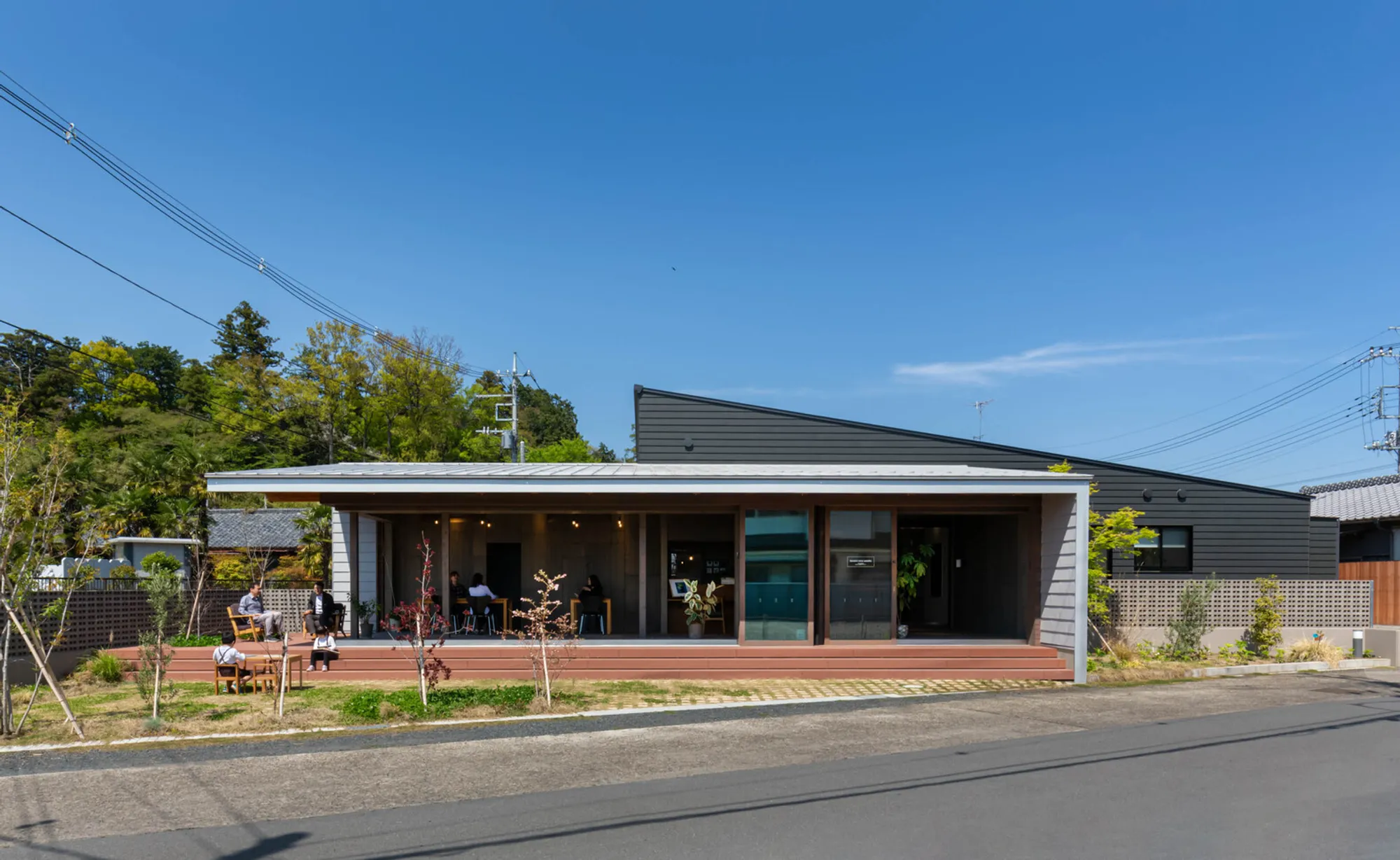
SMS Nursery by HIBINOSEKKEI + Youji no Shiro
SMS Nursery blends wood architecture and open design to support parenting, post-illness childcare, and community connection in Sano.


A Community-Integrated Nursery Addressing Modern Parenting Challenges
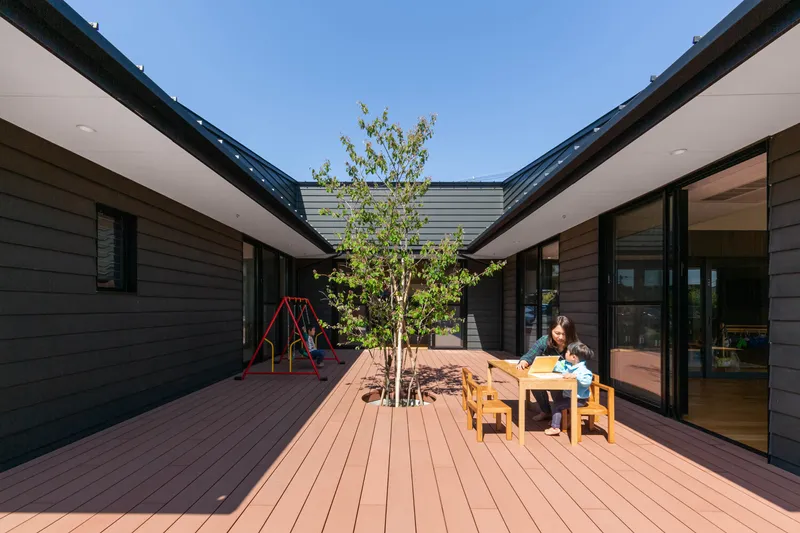
In response to the growing number of nuclear and dual-income families in Japan, the SMS Nursery was designed to counteract the increasing isolation and stress surrounding contemporary child-rearing. Developed by HIBINOSEKKEI and Youji no Shiro, the facility reimagines the role of daycare architecture by creating an inclusive space that connects parents, children, childcare providers, and the wider community.
Breaking Down Barriers Through Open and Accessible Design
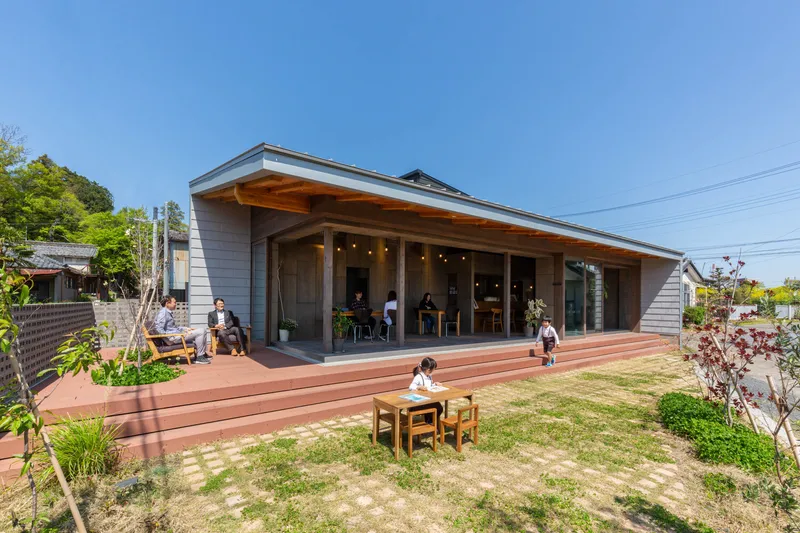
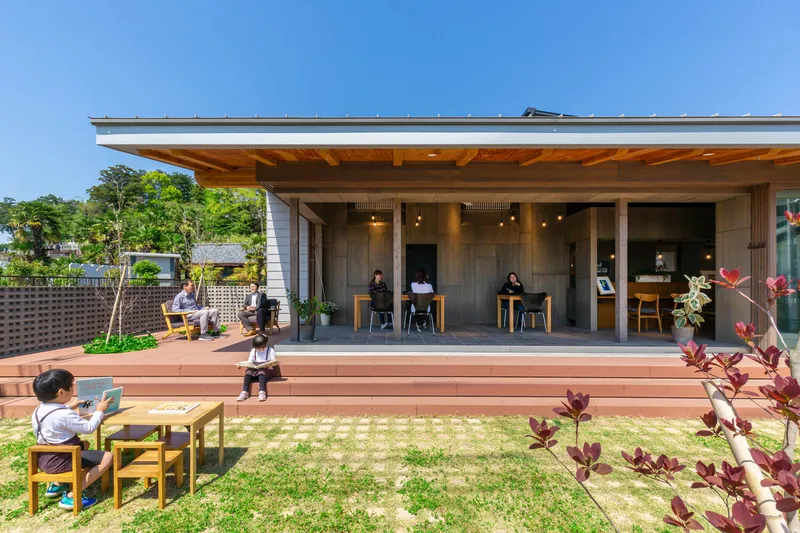
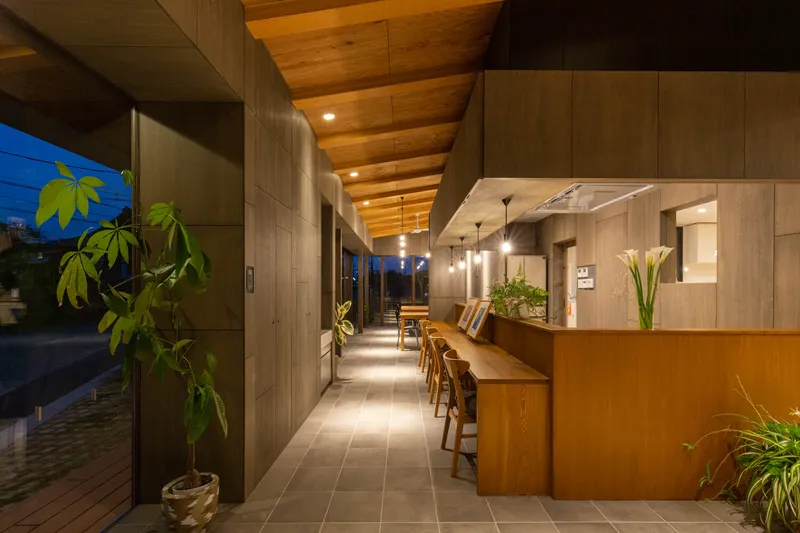
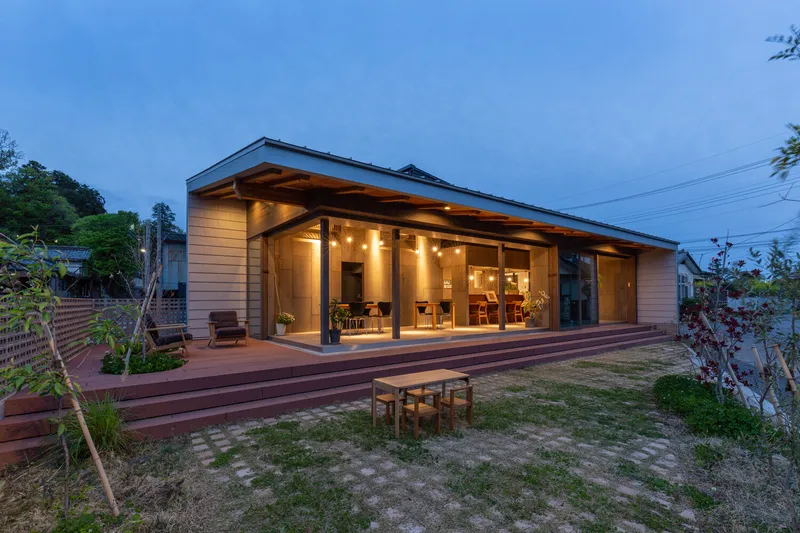
Facing a major public road in Sano, the nursery’s architecture embraces openness. By eliminating boundary fences, the design encourages spontaneous interactions and reduces the psychological barriers often associated with institutional childcare environments. A community café located at the entrance fosters casual drop-ins, coffee chats, and support-seeking conversations. The café has since become a popular neighborhood gathering point—helping reduce the sense of parental isolation.
Inside, a parenting support counter is placed adjacent to the administrative office, offering an easily accessible consultation point for families. This spatial arrangement enhances transparency, trust, and dialogue, allowing parenting to become a more shared and supported experience.

Introducing Post-Illness Childcare: A City First
SMS Nursery pioneers a unique post-illness childcare facility—the first of its kind in Sano. This dedicated space, staffed by trained professionals, provides care for children in recovery from illness. By supporting families during these difficult transitions, the nursery enables parents to return to work with peace of mind, thus addressing one of the critical gaps in Japan’s early childhood care system.

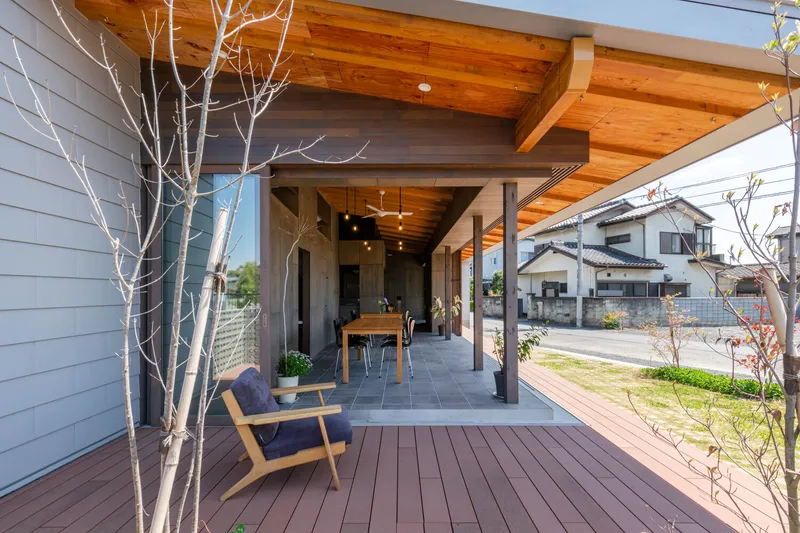
Embracing Wood for Warmth and Wellness
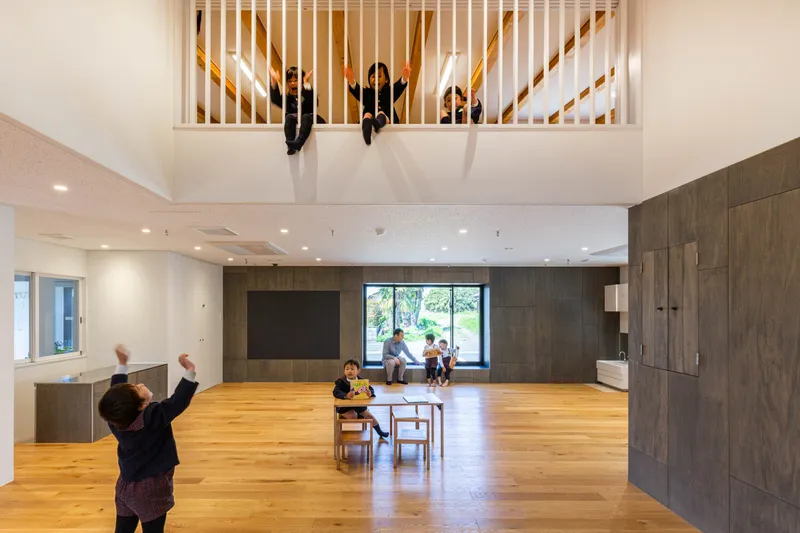
The entire facility is constructed with an emphasis on wooden materials, chosen for their tactile warmth, natural fragrance, and calming aesthetic. From structural beams to furniture, the material palette creates a soothing atmosphere beneficial not only to children but also to parents and local residents. The welcoming environment promotes relaxation and reduces anxiety—qualities essential for a supportive childcare setting.
All Photographs are works of Studio BAUHAUS




Popular Articles
Popular articles from the community


Conexión: Biophilic Design Reimagines High-Rise Living in Hong Kong
Conexión reimagines high-rise living in Hong Kong through biophilic design, green facades, shared spaces, daylight, water and nature within.
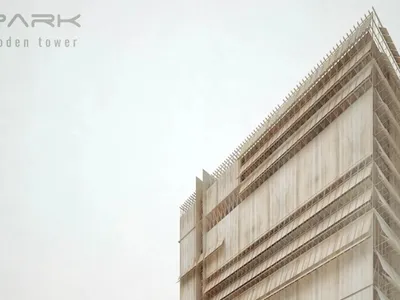
EW PARK: Sustainable Architecture Reimagines the Future of Urban Parking
EW PARK reimagines city parking as a modular wooden tower combining automation, solar energy, electric mobility, and adaptable urban design.

Hill & Cross Opera: Sculptural Opera House Architecture Shaped by Tallinn’s Landscape and Identity
Hill & Cross Opera reimagines opera house architecture in Tallinn through its sculptural hill, civic plaza, glass wave and a luminous cross.

The Musturak Paradise: Senior Living Architecture for a Connected Future in Temara, Morocco
The Musturak Paradise reimagines senior living architecture in Temara via private homes, social spaces, culture, community, and shared care.


Similar Reads
You might also enjoy these articles


Hodi-Mandai Geram
Project Function: Preservation and revitalization of the Intangible heritage and socio-spatial identity of the Hodi by Housing, Cultural Memory Center, Sacred Grove, landscape, local tourism economy


Olio Towers: A Mid-Rise for Performers That Fuses Housing, Rehearsal, and Stage
Located blocks from Houston's Theater District, this modular tower stacks living units around a central performance atrium.

Oasis: Modular Green Housing Carved into Dhaka's Urban Fabric
A shortlisted Plugin Housing entry reclaims unauthorized settlements in Dhaka with stepped concrete volumes, green roofs, and ventilation-driven design.

Black Hole: A Floating Megastructure for the Post-Physical Era
Emiliano Mazzarotto envisions a spherical, self-scaling arena where e-sports, digital hotels, and holographic stadiums replace traditional public space.

Explore Educational Building Competitions
Discover active competitions in this discipline



Challenge to design public laboratory


Challenge to reimagine the Iron Throne


Photograph architecture without architects


Illustrate the lost glory of Angkor Wat - Render Challenge
Comments (0)
Please login or sign up to add comments
No comments yet. Be the first to comment!