
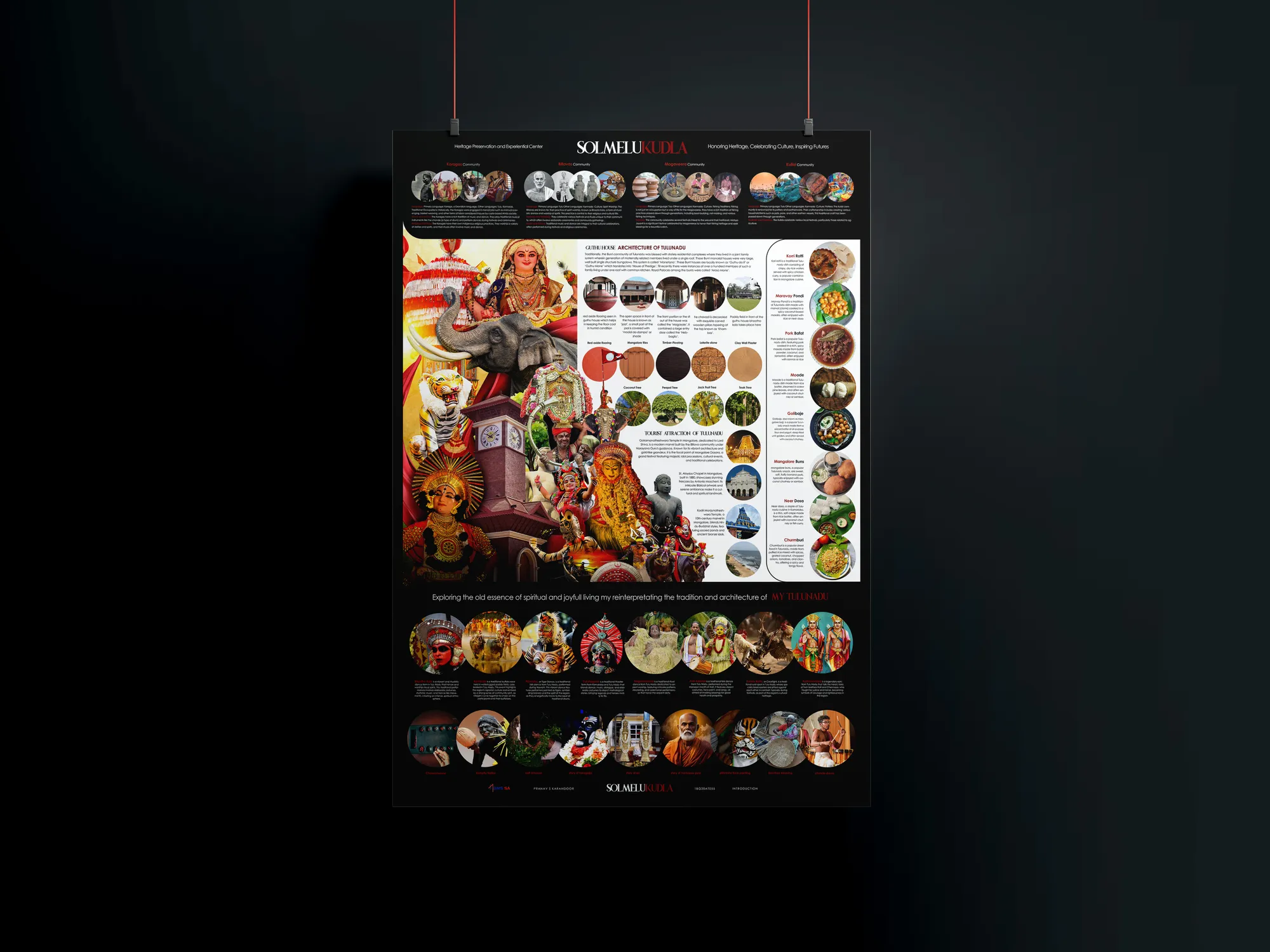
Solmelu Kudla: A Living Testament to Tulunadu
Every city carries a soul, and Mangalore’s soul is Tulunadu — a culture of stories, rituals, and rhythms now fading into whispers.

In the coastal lands of Karnataka, nestled between the Arabian Sea and the lush Western Ghats, lies Tulunadu — a region unlike any other in India. Known for its rich traditions, folk performances, language, cuisine, and rituals that intertwine myth and memory, Tulunadu has always been a living museum. Yet today, much of this cultural fabric stands on fragile ground. Rapid urbanization, migration, and the tidal waves of modernity are slowly eroding the identity that once defined this land.
Solmelu Kudla — which translates to Thank You, Mangalore — is born from an urgency to preserve this heritage before it slips away. It is not merely a building, but an embrace: a space where stories are archived, but also lived; where the young can meet their ancestors not in photographs but in experiences. This cultural heritage preservation and interpretation center is envisioned as a vessel of memory — a sanctuary where architecture becomes language, where concrete and light carry the emotions of a people who refuse to be forgotten.
This project is rooted in gratitude. It is an offering to the city that raised generations, an ode to the rituals that shaped its festivals, an echo of the folk songs that still linger in its air. In a time when identities risk dilution, Solmelu Kudla dares to say: our culture is not obsolete, it is alive, breathing, and worthy of being carried forward.
The architecture draws from the minimal yet profound. Spaces are left open for dialogue, courtyards for performances, walls for memory. Nothing is designed as static display — everything is alive, interactive, and human. It becomes less of a museum and more of a heartbeat, resonating with the rhythm of Tulunadu itself.
Solmelu Kudla is, at its heart, a promise. A promise that Tulunadu — with its dances, rituals, and ancestral wisdom — will not vanish into footnotes of history, but will continue to inspire, educate, and belong. It is an architecture of remembrance, a prayer cast in stone and light, and a gentle but resolute voice saying: Thank you, Mangalore.




Popular Articles
Popular articles from the community


Co-Life: Senior Housing Design That Reconnects Older Adults With the City
Co-Life reimagines senior housing design through healing gardens, shared streets, workshops, and a sustainable community across generations.

Lunar Spiral: Space Architecture Shaped by the Mathematics of the Universe
Lunar Spiral reimagines space architecture through Fibonacci geometry, lunar regolith, levitating habitats, and self-sustaining Moon living.

The Earth Pod: 3D Printed Homes for Resilient Refugee Communities
The Earth Pod reimagines refugee housing through 3D printed homes made from clay, combining resilience, self-sufficiency, and rapid shelter.

Play: Fragments of Their World
Familiar architecture becomes modular playground design, creating safe spaces where displaced children can learn, connect, imagine and play.


Similar Reads
You might also enjoy these articles

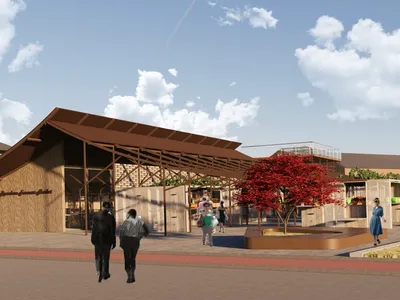
The Rhythm of Seasons
A Farmers' Market Connecting Nature and the City
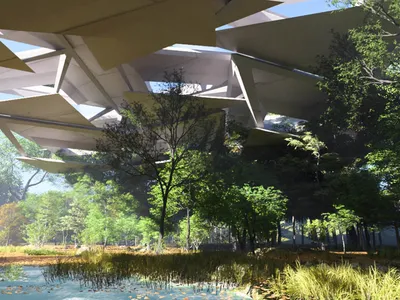

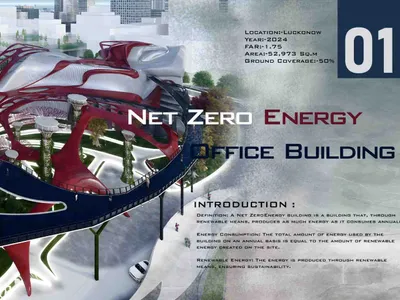
More Than a Building-Designing a Living System
More Than a Building-Designing a Living System
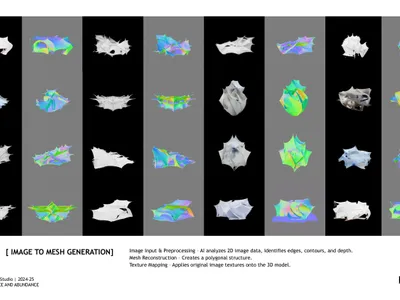
Base Beyond
DESERT COMPOUND ARID: TOURISM OF ABSENCE AND ABUNDANCE


Explore Architecture Competitions
Discover active competitions in this discipline




Challenge to reimagine the Iron Throne


Photograph architecture without architects


Illustrate the lost glory of Angkor Wat - Render Challenge


Design challenge to reuse E-waste
Comments (0)
Please login or sign up to add comments
No comments yet. Be the first to comment!