

Soochow University Future Campus Phase 1 by Nikken Sekkei — A Vision of Future Education in Suzhou
Soochow University Future Campus by Nikken Sekkei blends nature, innovation, and sustainability to create a modern, collaborative educational environment in Suzhou.


A New Chapter in University Design
The Soochow University Future Campus Phase 1, designed by the world-renowned architectural firm Nikken Sekkei, redefines the concept of academic environments in the 21st century. Located approximately 30 kilometers south of the main campus in Suzhou City, this innovative satellite campus integrates education, research, and industry — realizing a “trinity” of intellectual and cultural growth.
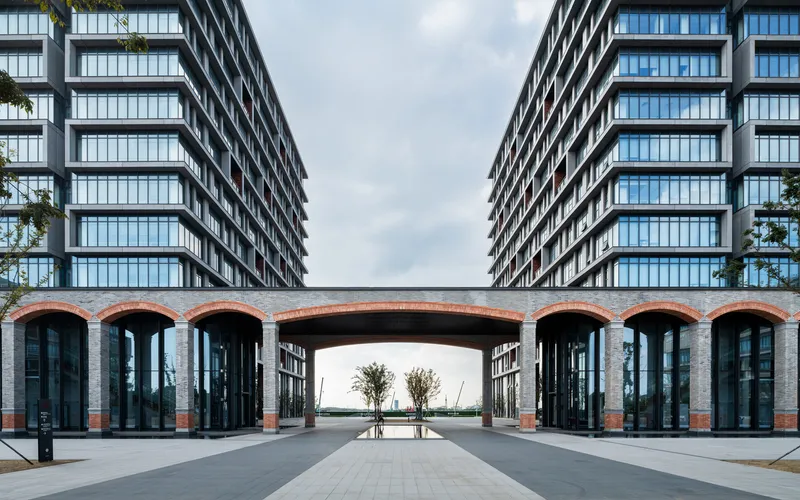
Set between the historic Grand Canal and a lush natural park, the Future Campus symbolizes the harmony between urban progress and ecological balance. The project’s first phase, completed in 2022, establishes the foundation for a forward-thinking educational ecosystem designed to nurture talent, foster innovation, and strengthen the link between academia and community.
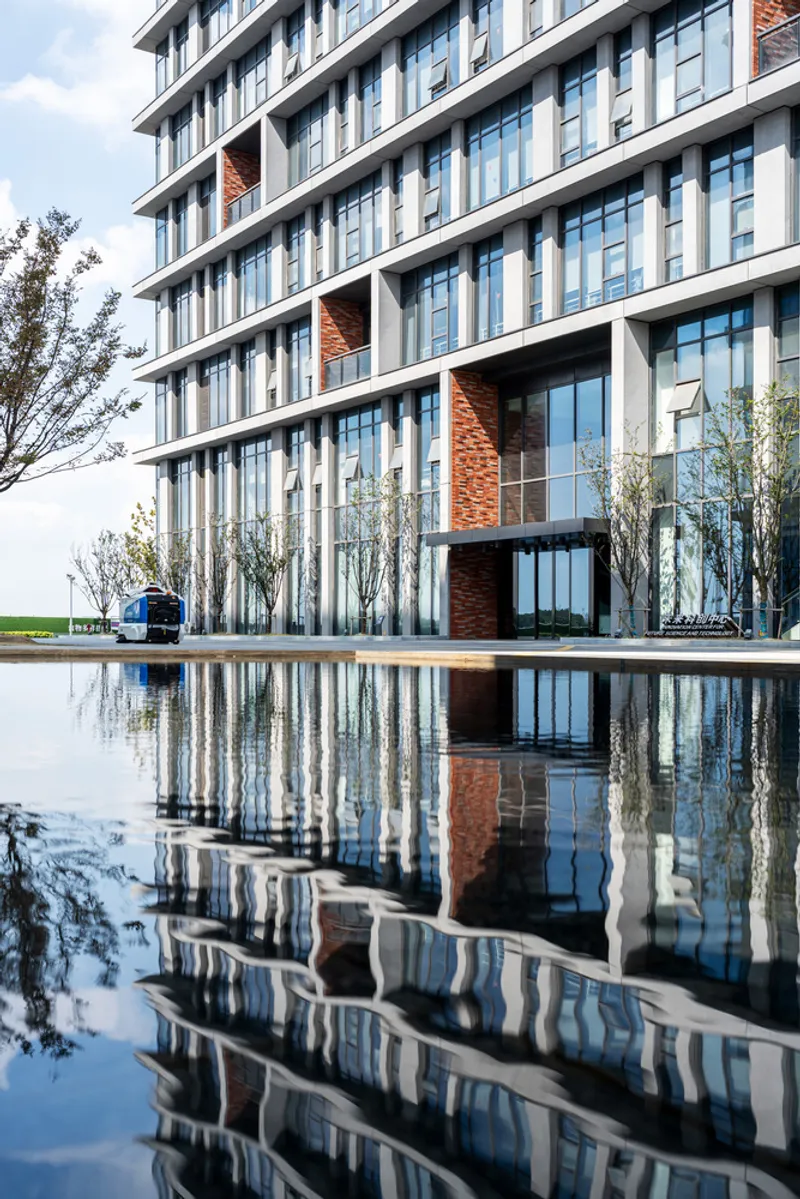
The Heart of the Campus – The “City”
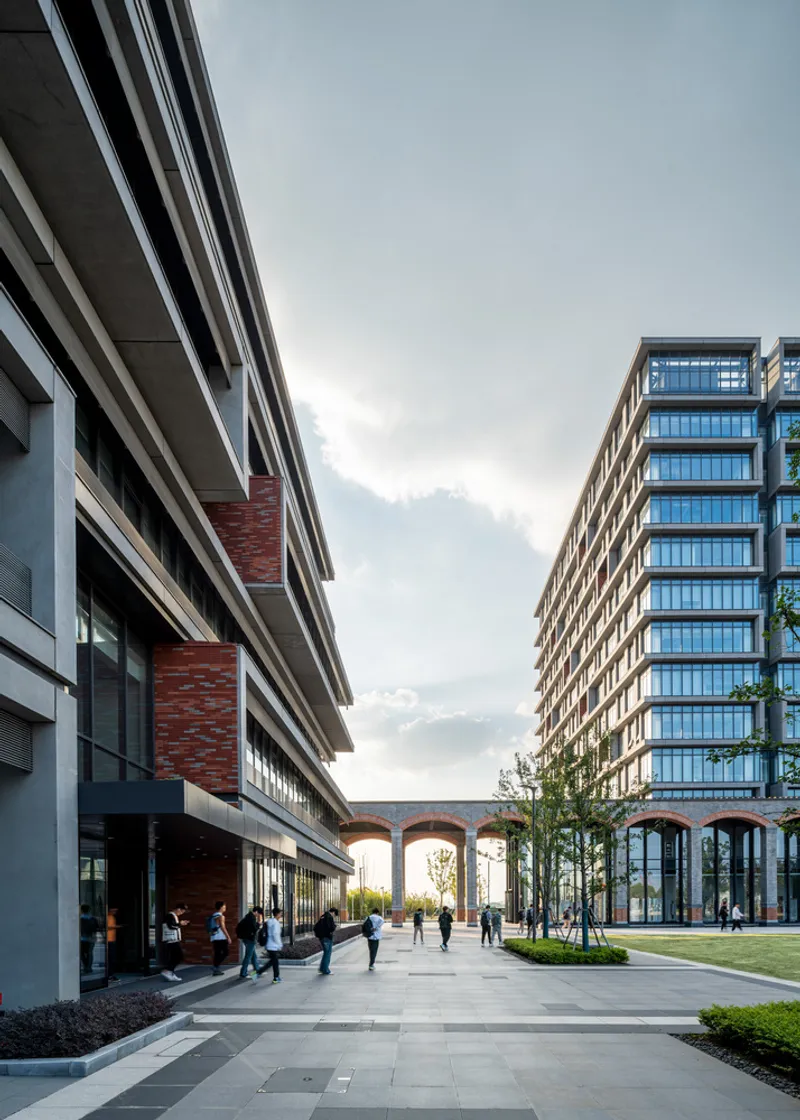
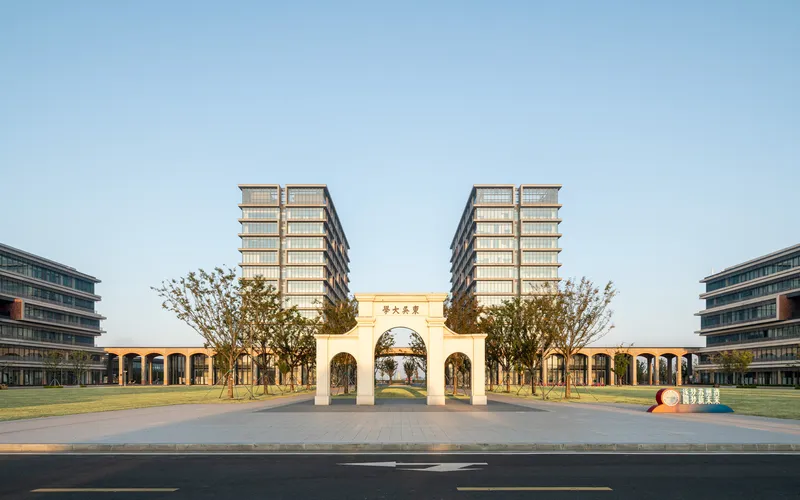
At the core of the design lies a monumental 400-meter-square corridor-shaped complex, aptly named “The City.” This central building acts as the intellectual and social heart of the campus, housing shared facilities such as libraries, lecture halls, and collaborative learning spaces.
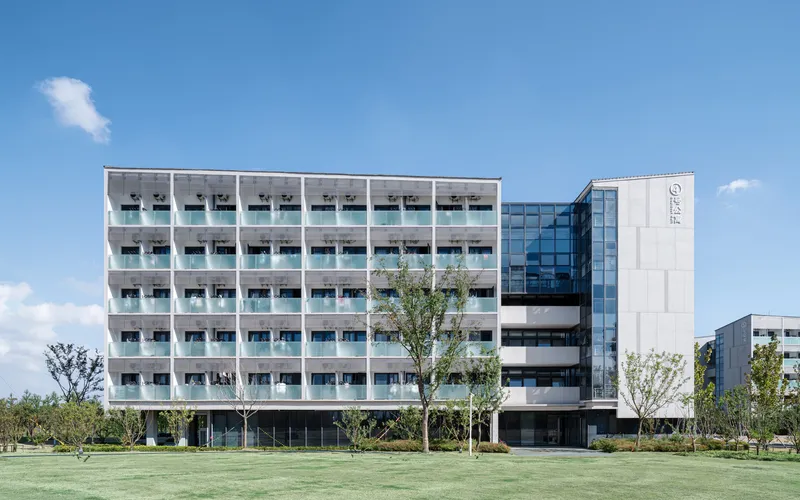
Designed as a magnet for interaction, The City encourages spontaneous communication and interdisciplinary exchange among students and faculty members from diverse academic fields. At its center, a vast outdoor plaza provides a venue for academic ceremonies, exhibitions, and student gatherings — serving as the spiritual heart of campus life and embodying the essence of community-driven learning.
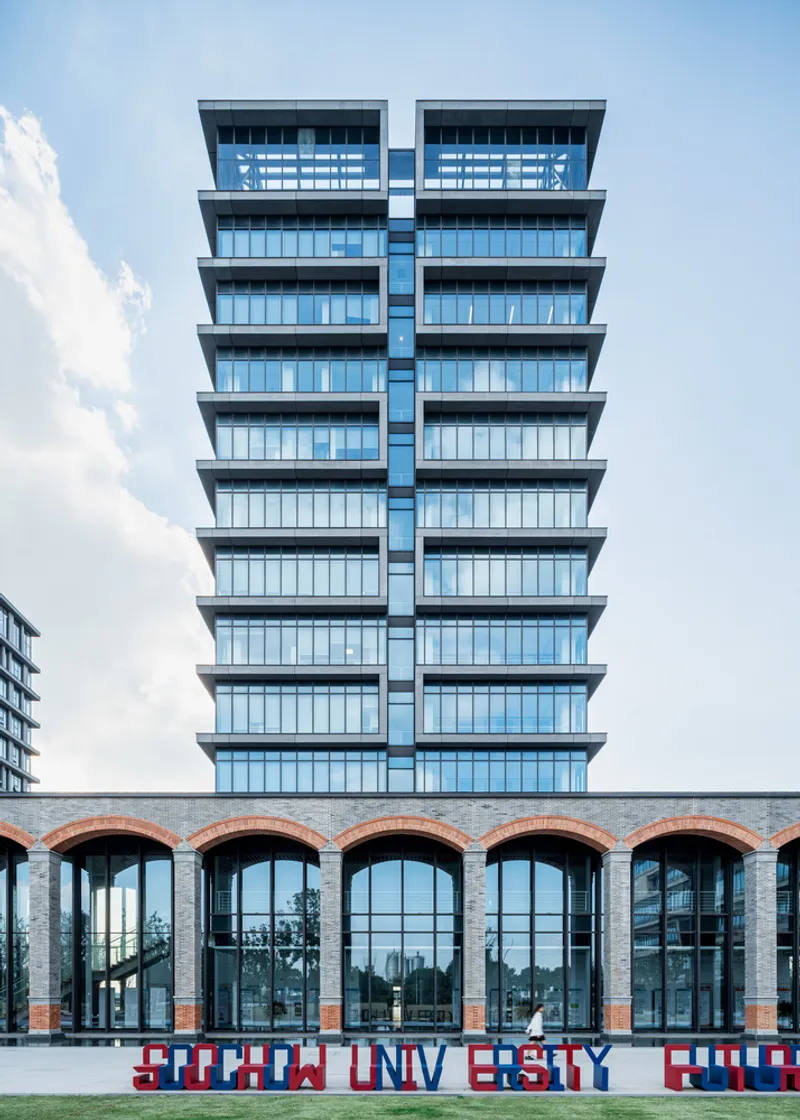
Living Within Nature – The Villages
Encircling the City are the residential zones, known as “Villages.” These clusters of dormitories and housing are dispersed throughout the surrounding forest, offering a seamless transition between work, study, and leisure. The design draws inspiration from Wujiang’s rich landscape, featuring bridges, riverside walkways, and green corridors that connect students to the region’s abundant natural resources.
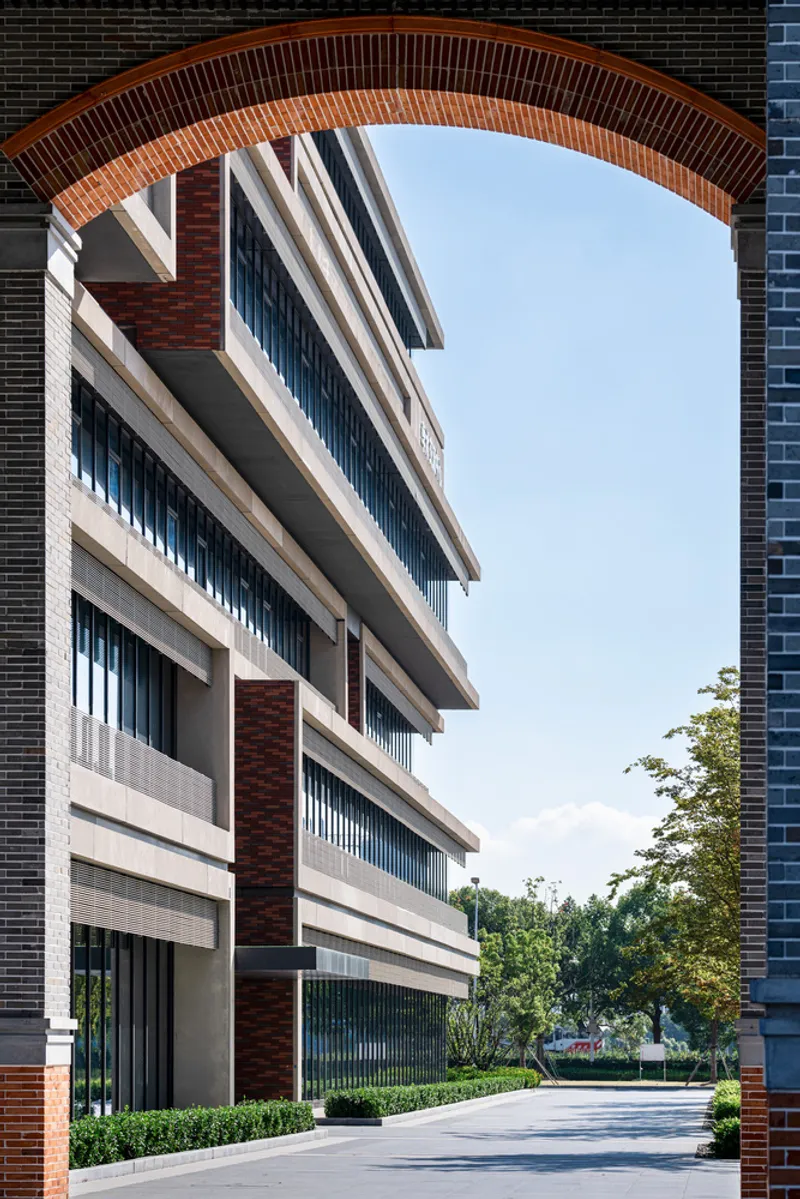
By embracing the interplay between built space and nature, the Future Campus not only enhances well-being and sustainability but also reflects Suzhou’s identity as a city of water and gardens. The result is a vision-realizing campus that cultivates both personal growth and environmental stewardship.
Design Principles – The Light and Green Axes
Nikken Sekkei structured the campus around two symbolic and functional axes:
- The Light Axis runs east to west, following the sun’s path. It links the main gates, academic buildings, gymnasium, and dormitories, representing the rhythm of daily campus life.
- The Green Axis, extending north to south, connects the wetlands in the south with the scenic park in the north, weaving the natural landscape into the academic fabric.
Together, these axes define the spatial and emotional orientation of the campus — where light, greenery, and movement shape an immersive environment for learning and discovery.
Phase 1: Architecture Inspired by Knowledge
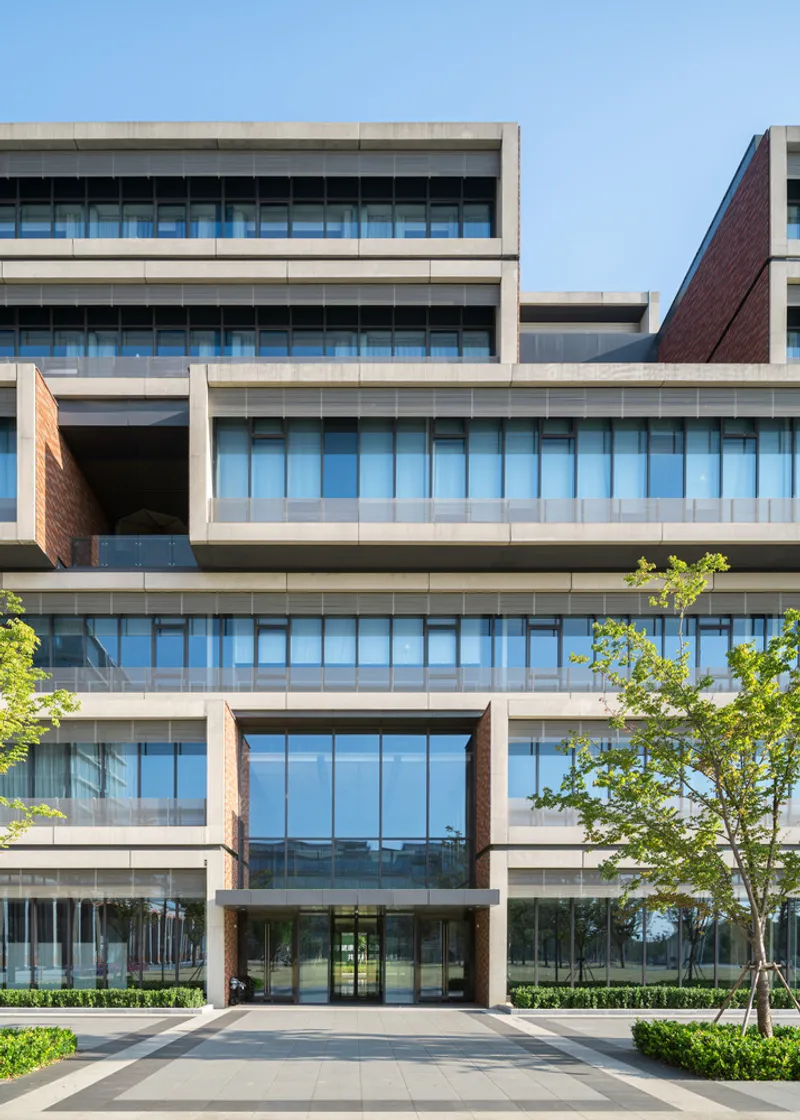
The first phase of construction includes the General Building, Faculty Building, Administrative Building, and two college buildings, linked through connecting corridors and complemented by communal facilities such as a cafeteria, gymnasium, and guest accommodations.
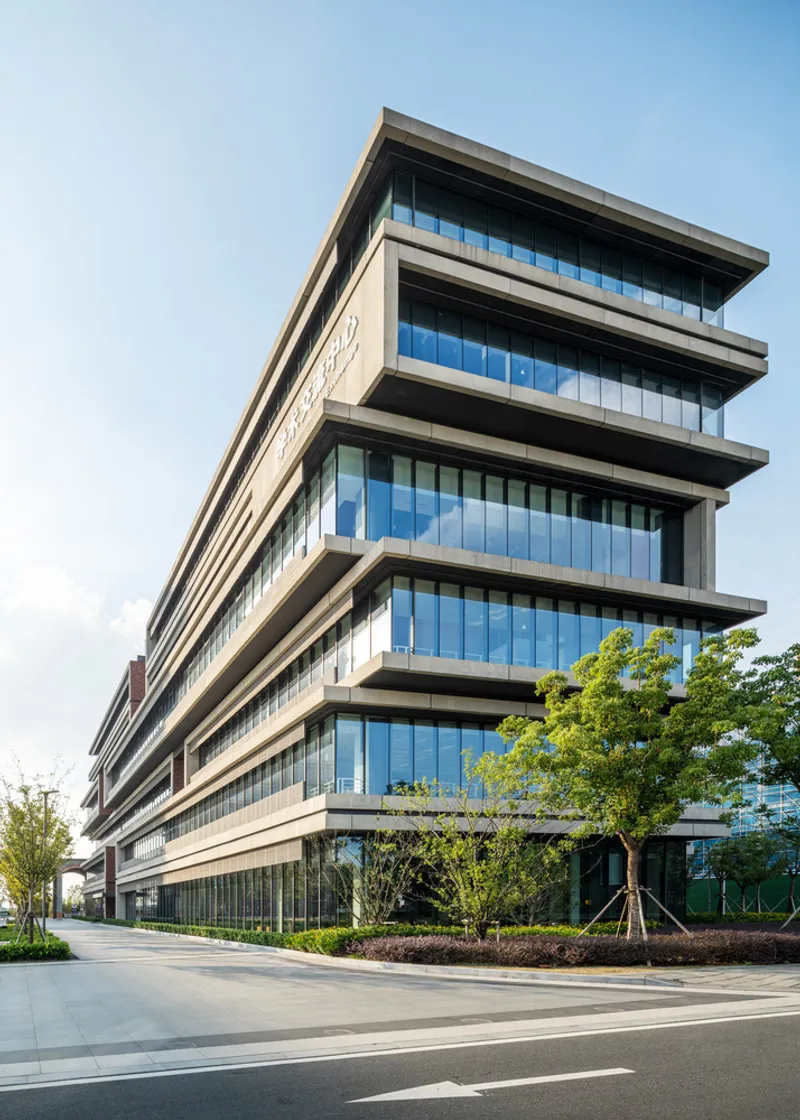
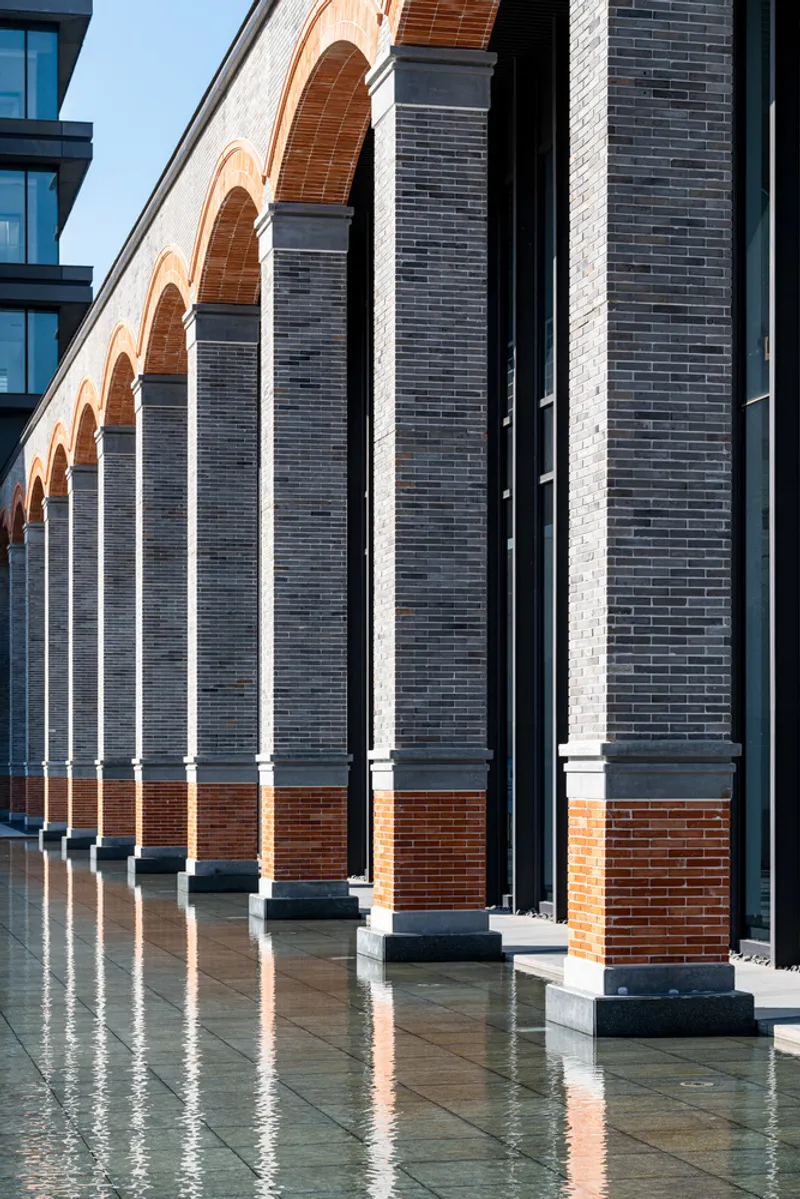
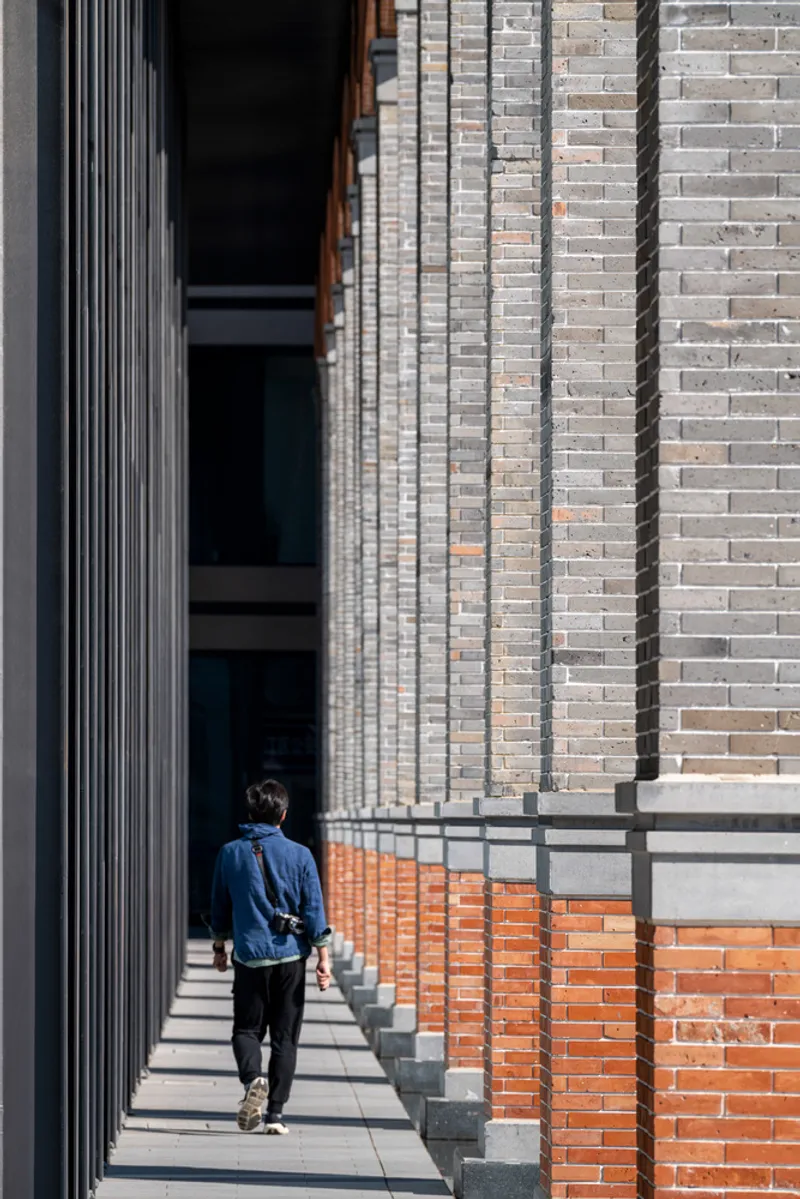
Paying homage to Soochow University’s historic campus, brick tones and textures are carried through the design, establishing a sense of continuity between the old and new.
The architectural concept draws inspiration from a quote by the renowned calligrapher Ouyang Xun:
“Self-cultivation is based on learning, and learning is based on reading.”
This philosophy is embodied in the “stacked books” motif that defines the facades — where interstitial spaces between “volumes” become vibrant zones for interaction, echoing the idea of learning through dialogue and connection.
People, Greenery, and Water – The Future of Education
The overarching design philosophy of the Soochow University Future Campus centers on people, greenery, and water. By integrating the surrounding natural ecosystems — parks, canals, and wetlands — the architects created a calming, restorative environment that enhances mental well-being and supports creative research.
As a living platform for innovation, the campus encourages continuous exchange among students, scholars, and local residents. It serves as a prototype for future education, where architecture becomes a catalyst for collaboration, sustainability, and shared growth.
The Soochow University Future Campus Phase 1 by Nikken Sekkei stands as a powerful model for the university of tomorrow — a campus where architecture, ecology, and human potential converge. By blending traditional cultural values with cutting-edge design, it shapes a new paradigm of sustainable education and community engagement in China and beyond.


Popular Articles
Popular articles from the community


Opera on the Sea: Driftwood Logic Shapes a Timber Opera House on Estonia's Coast
Trevor Orgill's opera house translates the entangled drift of floating timber into a civic building where wood, water, and music converge.

Extended Shell: Retrofitting Kolkata's Balconies as Living Urban Thresholds
A modular retrofit system recovers the social and environmental intelligence of Kolkata's historic verandas for contemporary Park Street residents.

Faces of the Soviet Avant-Garde: Turning Moscow's Street Names into an Open-Air Museum
A network of sculptural installations across a Moscow residential district transforms forgotten architect names into spatial encounters with cultural memor

Opera by the Sea Estonia: Three Shells Dissolving Architecture into Tallinn's Coastline
A winning opera house proposal replaces monumental form with interconnected shells that blur the boundary between building, park and Baltic Sea.

Similar Reads
You might also enjoy these articles


Hodi-Mandai Geram
Project Function: Preservation and revitalization of the Intangible heritage and socio-spatial identity of the Hodi by Housing, Cultural Memory Center, Sacred Grove, landscape, local tourism economy


Olio Towers: A Mid-Rise for Performers That Fuses Housing, Rehearsal, and Stage
Located blocks from Houston's Theater District, this modular tower stacks living units around a central performance atrium.

Oasis: Modular Green Housing Carved into Dhaka's Urban Fabric
A shortlisted Plugin Housing entry reclaims unauthorized settlements in Dhaka with stepped concrete volumes, green roofs, and ventilation-driven design.

Black Hole: A Floating Megastructure for the Post-Physical Era
Emiliano Mazzarotto envisions a spherical, self-scaling arena where e-sports, digital hotels, and holographic stadiums replace traditional public space.

Explore Modern University Competitions
Discover active competitions in this discipline

Challenge to design public laboratory

Challenge to reimagine the Iron Throne

Photograph architecture without architects

Illustrate the lost glory of Angkor Wat - Render Challenge
Comments (0)
Please login or sign up to add comments
No comments yet. Be the first to comment!