
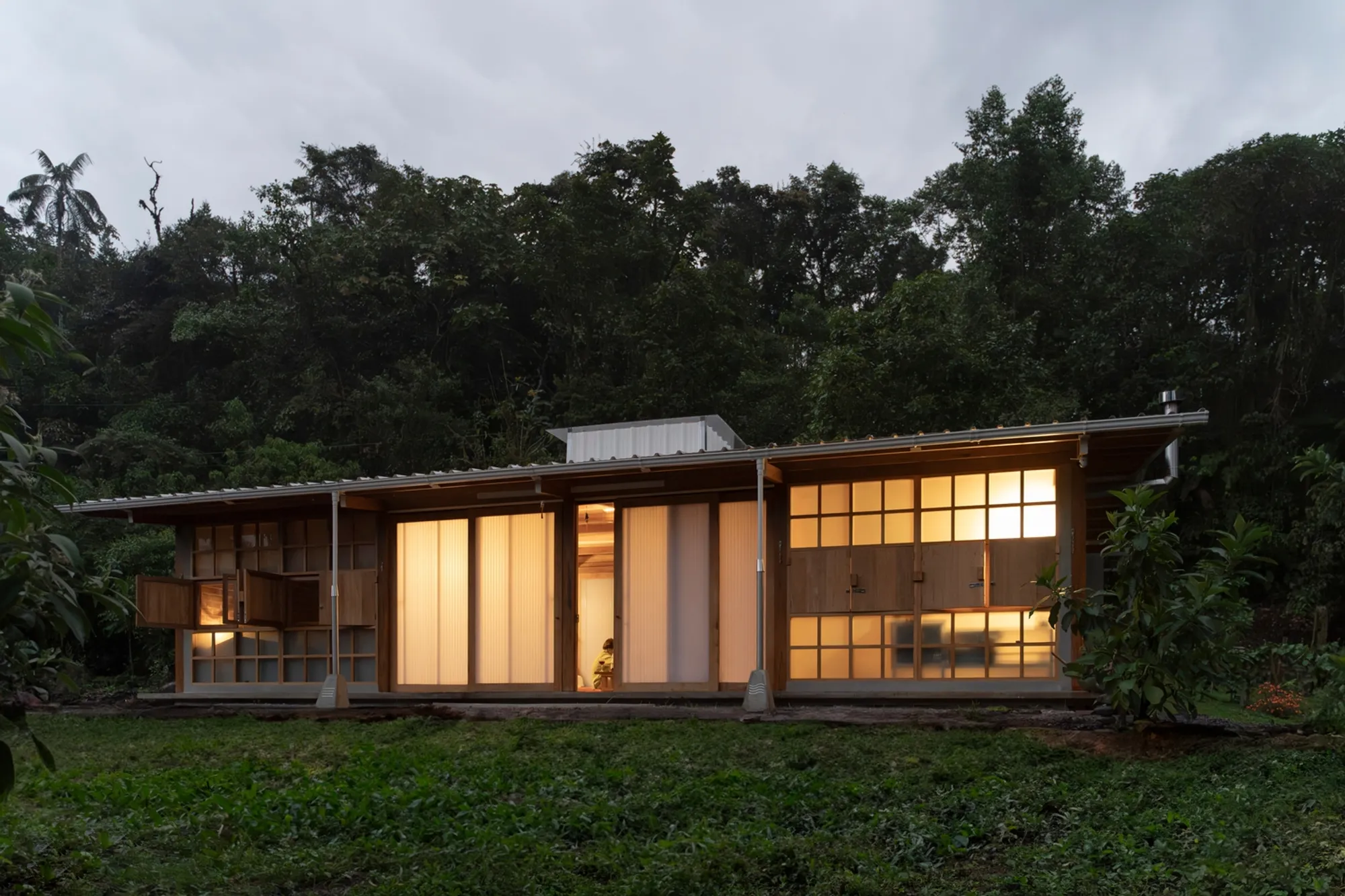
Soul House: Sustainable Wooden House in Ecuador’s Mindo Valley by Idem
Soul House by Idem is a sustainable wooden house in Ecuador’s Mindo Valley, blending ecological design, symbolism, and artisanal construction.


A Wooden Retreat in the Heart of Mindo Valley
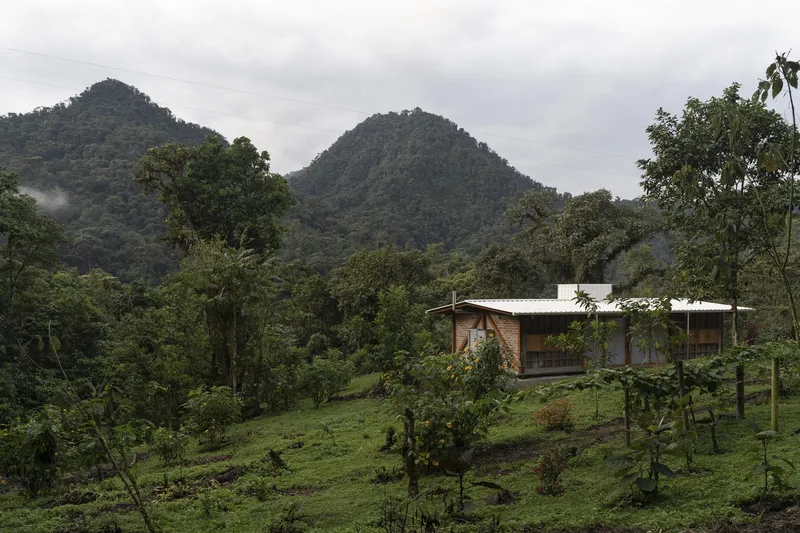
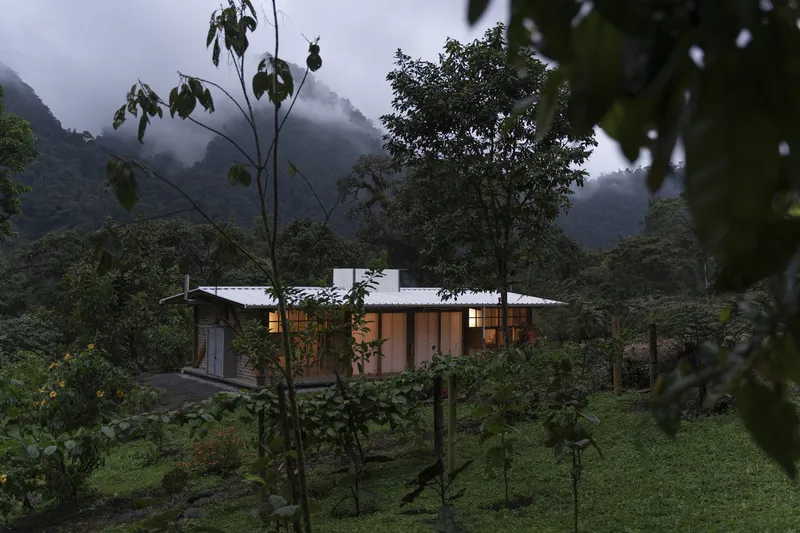
Soul House, designed by Idem, is a 72 m² sustainable wooden house located in the lush Valle de Mindo, Ecuador. Conceived as a refuge deeply rooted in its natural surroundings, the house embodies both symbolic resonance and material logic. Its geometry organizes every element, creating a microcosm where body and atmosphere, matter and mood coexist in harmony.
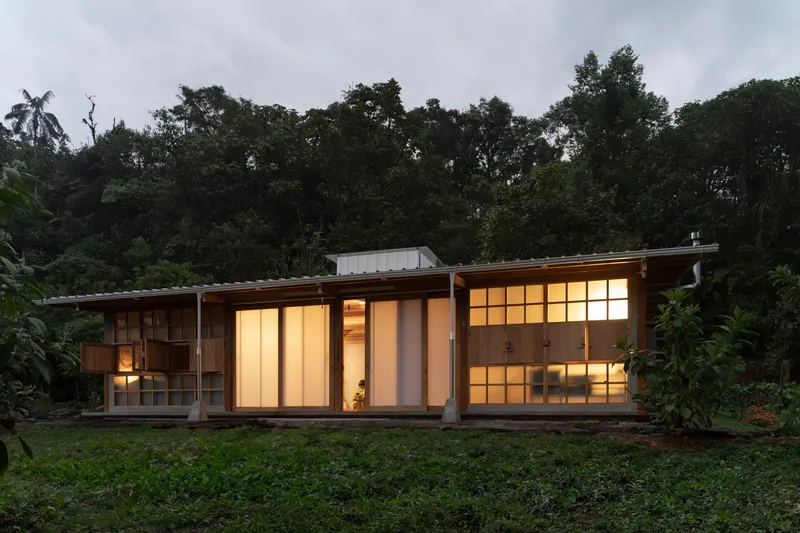
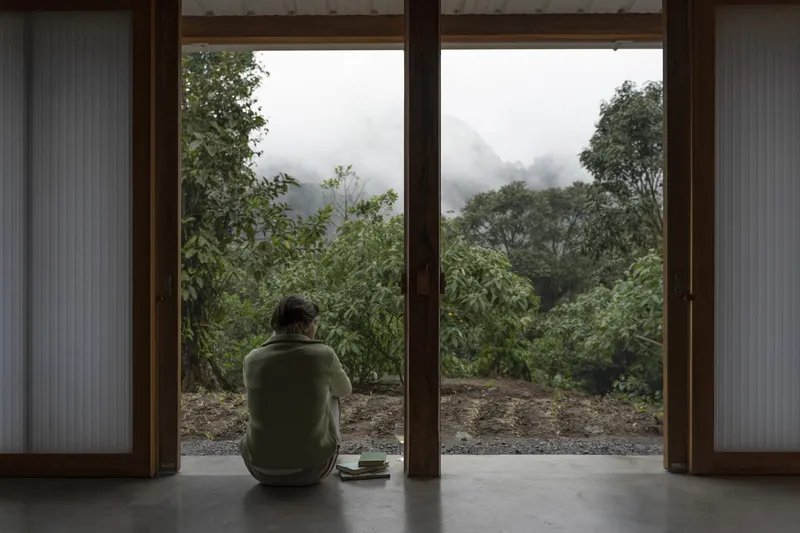
The project offers not just a home, but a contemplative retreat that captures the shifting skies and surrounding forest, allowing its inhabitants to withdraw from the outside world while maintaining a profound connection with nature.
Spatial Concept and Symbolic Design
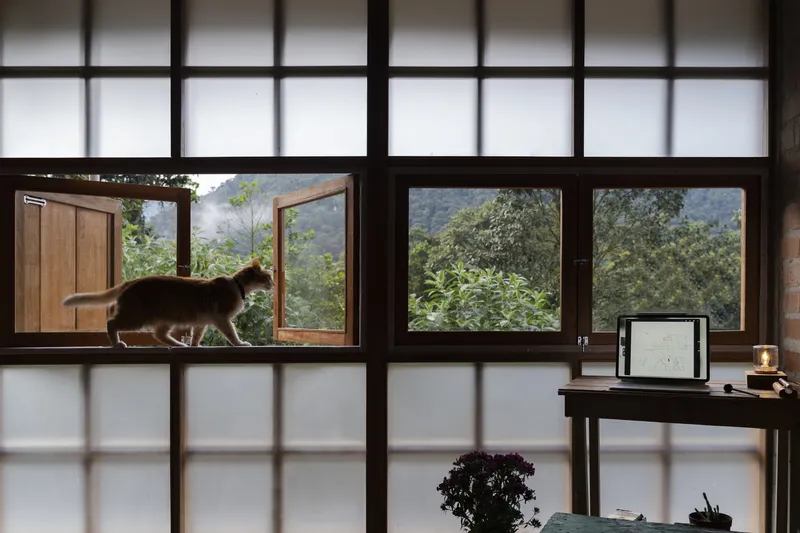
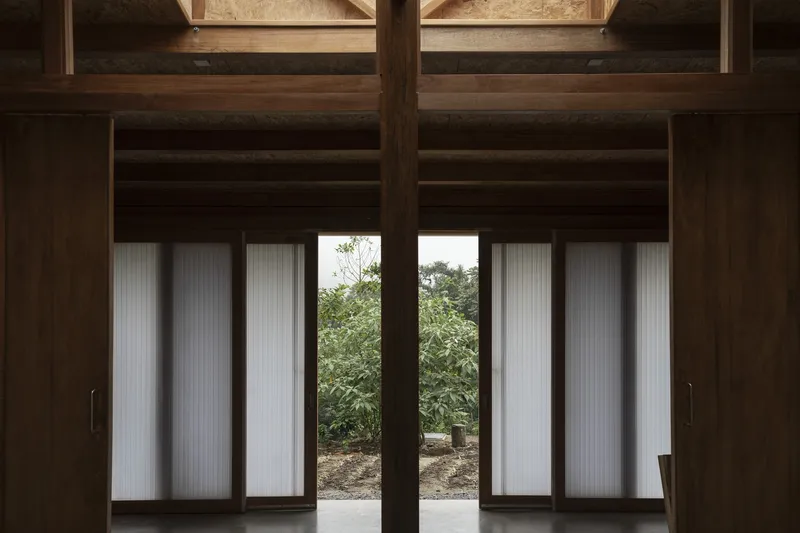
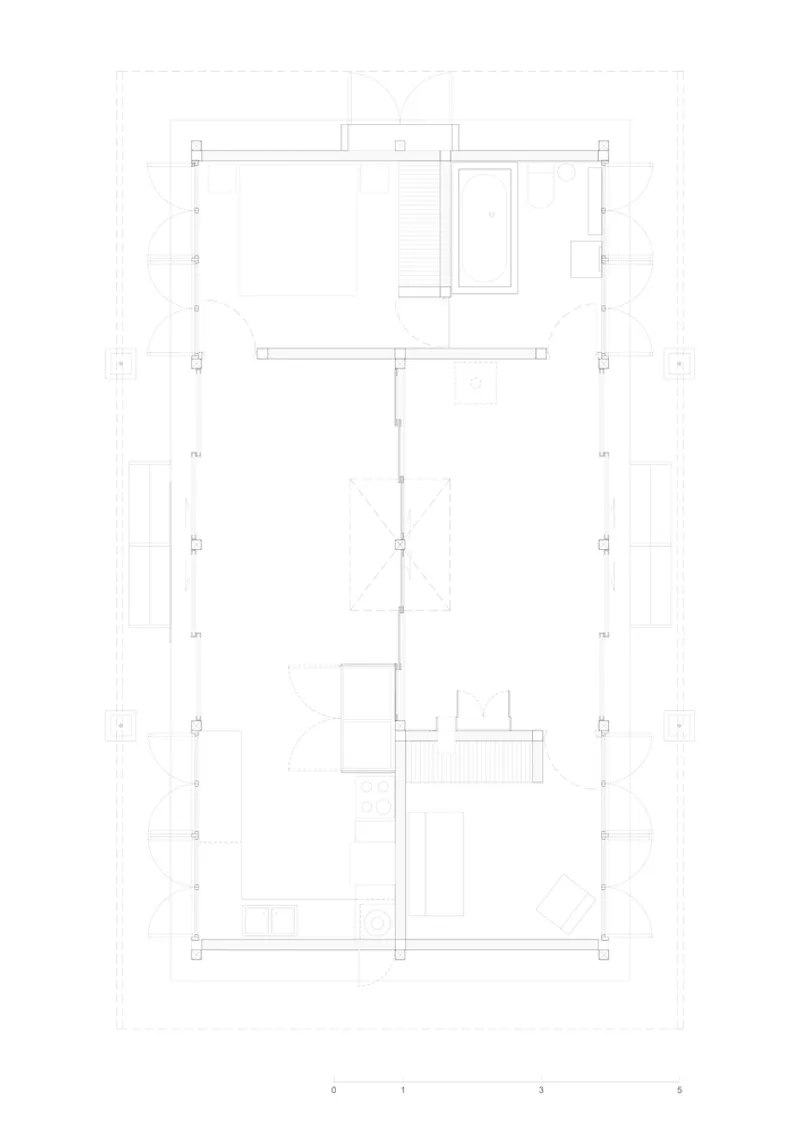
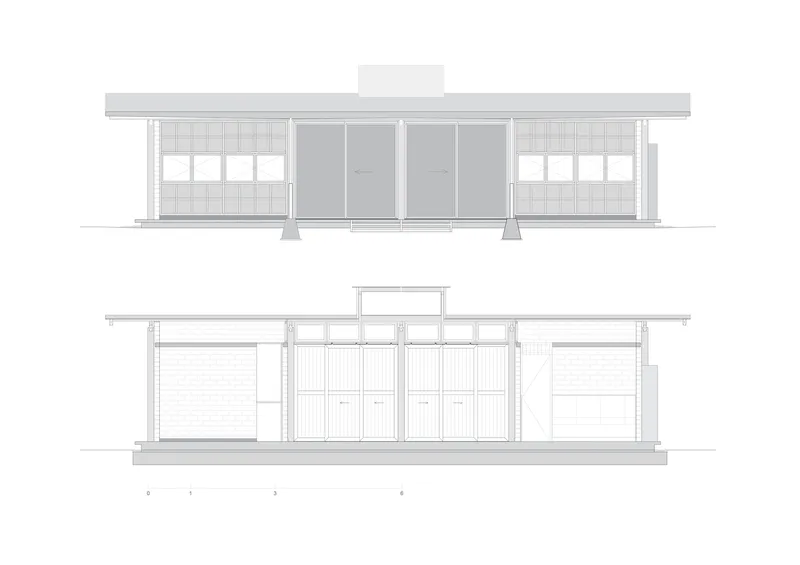
Soul House is symmetrical on both axes, envisioned as a dual structure where interior and atmosphere interact. At its heart lies a transversal void that opens the home to the landscape, anchored by a luminous skylight that captures light and sky movements. This element becomes a central witness to time, turning the inward-facing home into a contemplative space.
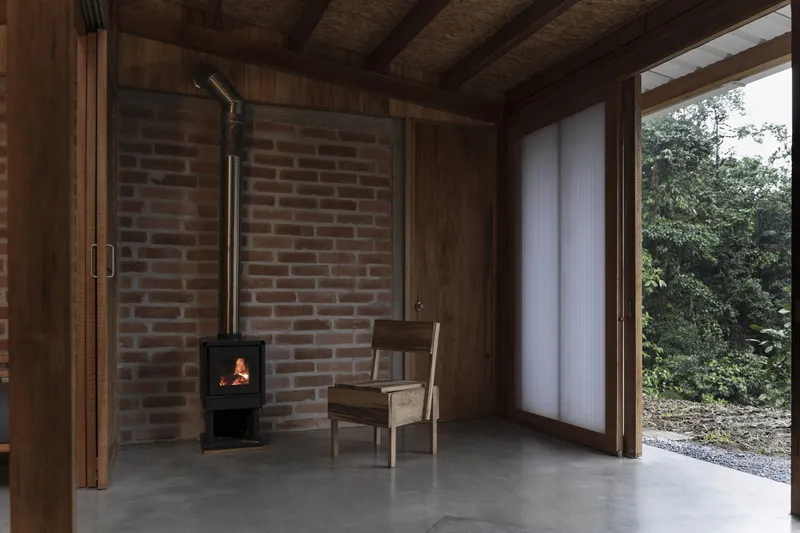
The house also embraces flexibility through a central set of sliding panels that can divide the single expansive interior into two independent environments. This design allows for shared domesticity while also providing private retreats within the same space.
Sustainable Systems and Environmental Integration
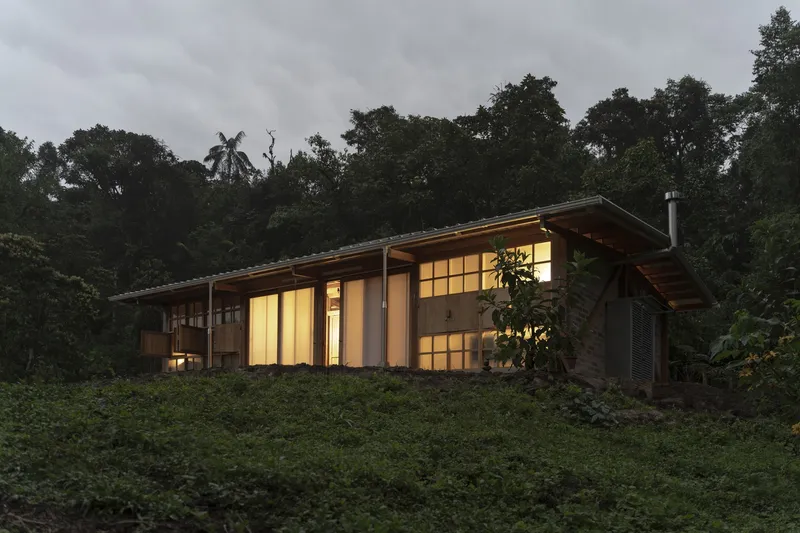
Sustainability is integral to Soul House. A rainwater harvesting system irrigates the surrounding gardens, while a wastewater treatment system relies on specific plants and bacteria to return purified water to the earth. These ecological strategies minimize environmental impact and respect the fragile ecosystem of Mindo Valley.
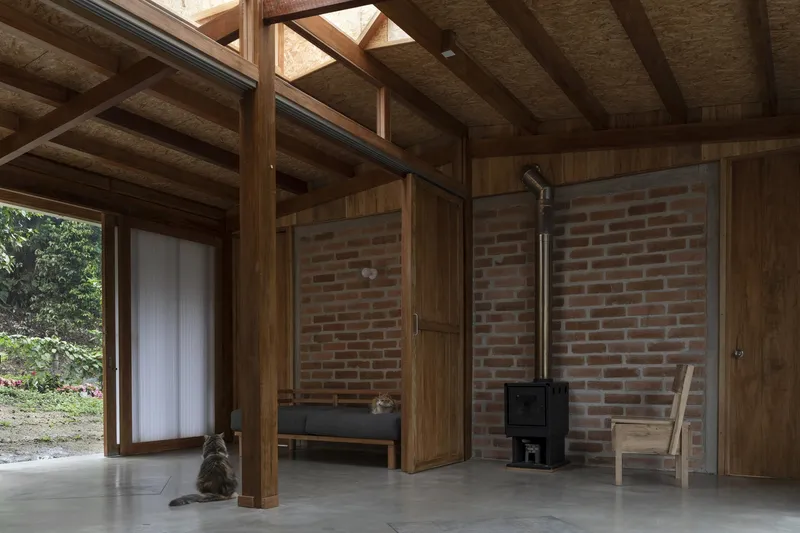
By adopting passive systems and local resources, the project demonstrates how a sustainable wooden house can embody environmental responsibility without sacrificing architectural depth.
Construction and Structural Logic
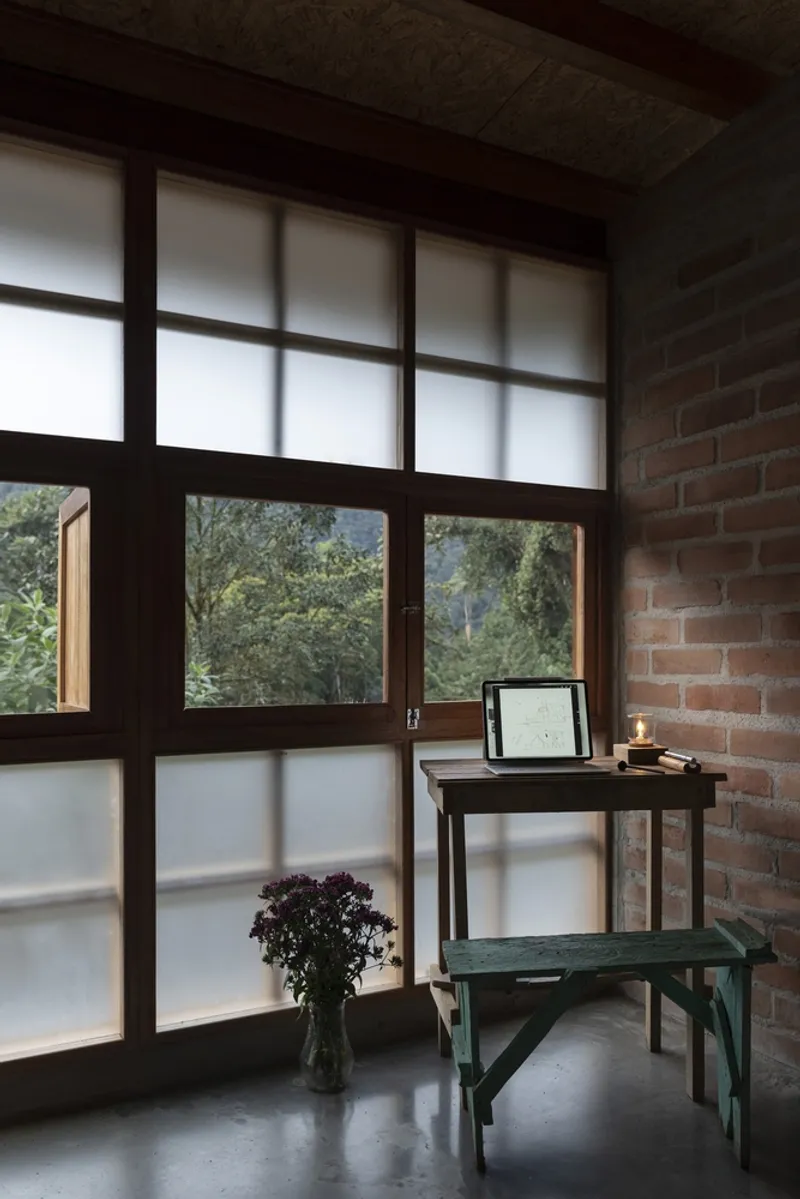
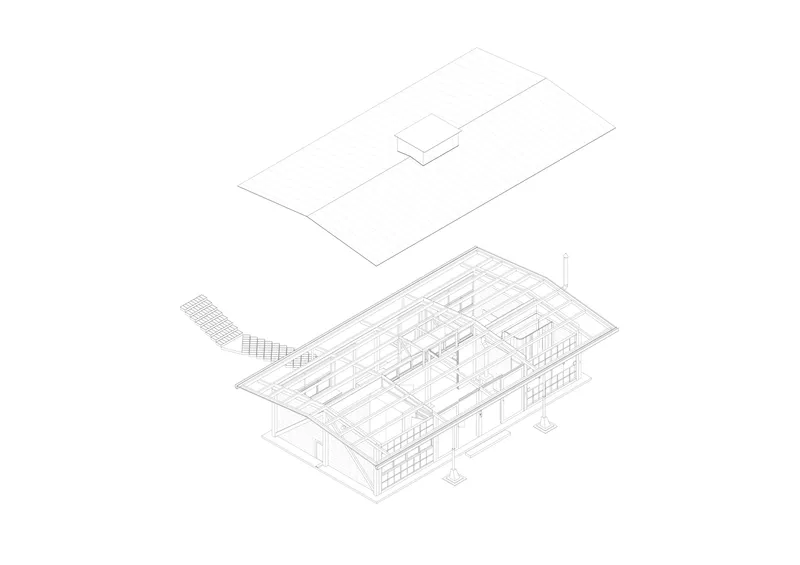
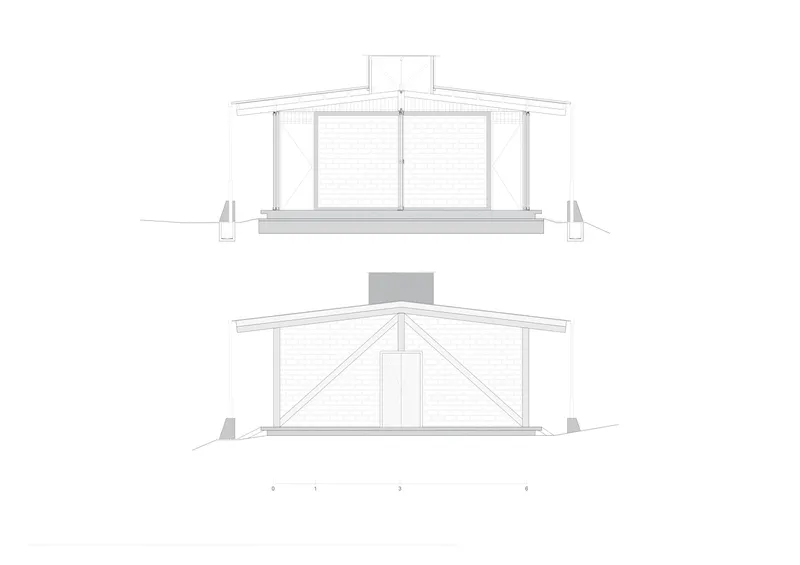
The construction draws from two traditions: local rudimentary wooden structures and Jean Prouvé’s prefabricated housing. The result is a repetitive post-and-beam framework, resilient against lateral forces and simple to assemble.
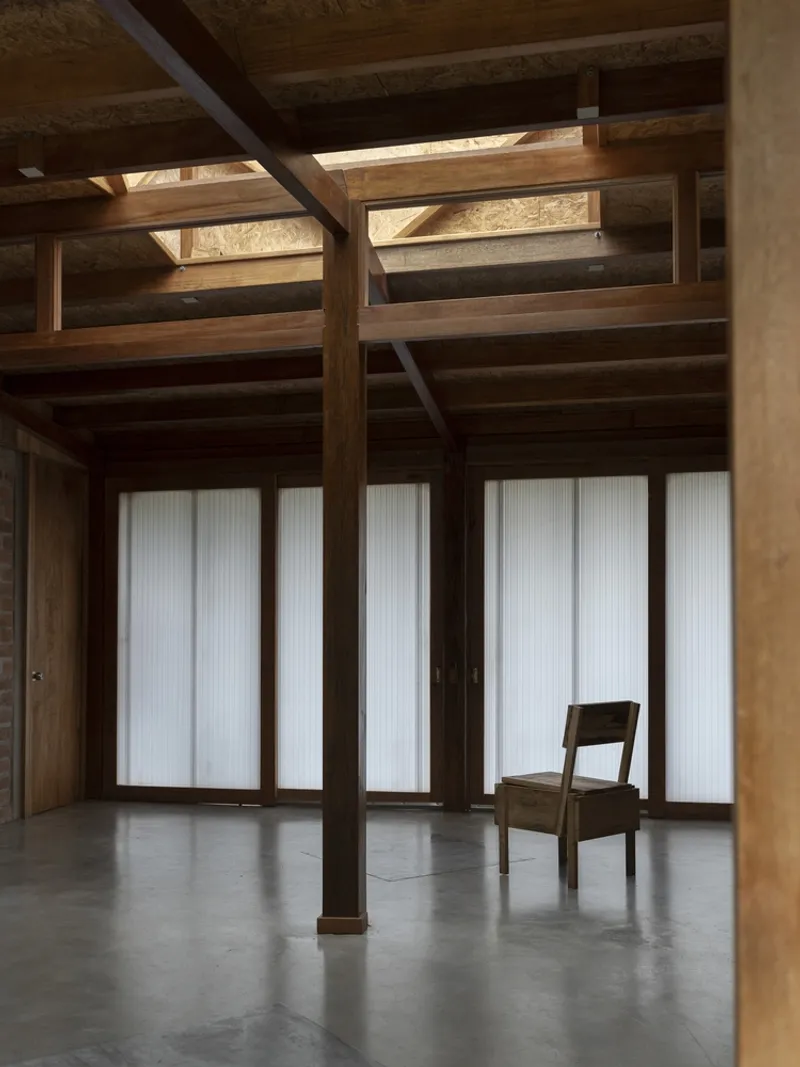
At the center of the house stands a singular column beneath the skylight. This element, freed from structural necessity, becomes symbolic—a poetic device that recalls Kazuo Shinohara’s philosophy of architecture as both stability and art. It represents not only support but also presence, a marker of the home’s inner landscape.
Local Craftsmanship and Detail
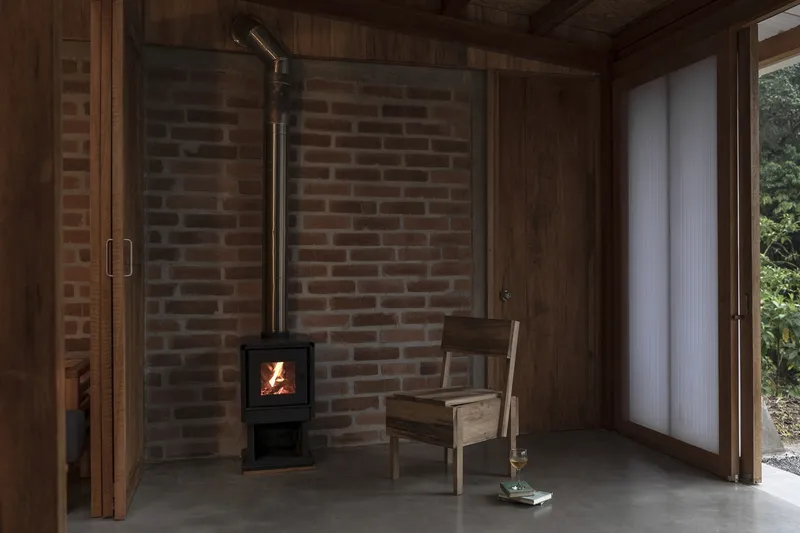
Soul House was realized through collaboration with local artisans, who meticulously crafted each joint and connection through mockups. Budget constraints, site conditions, and construction contingencies shaped the project into a layered and enriched architectural expression, where precision met improvisation.
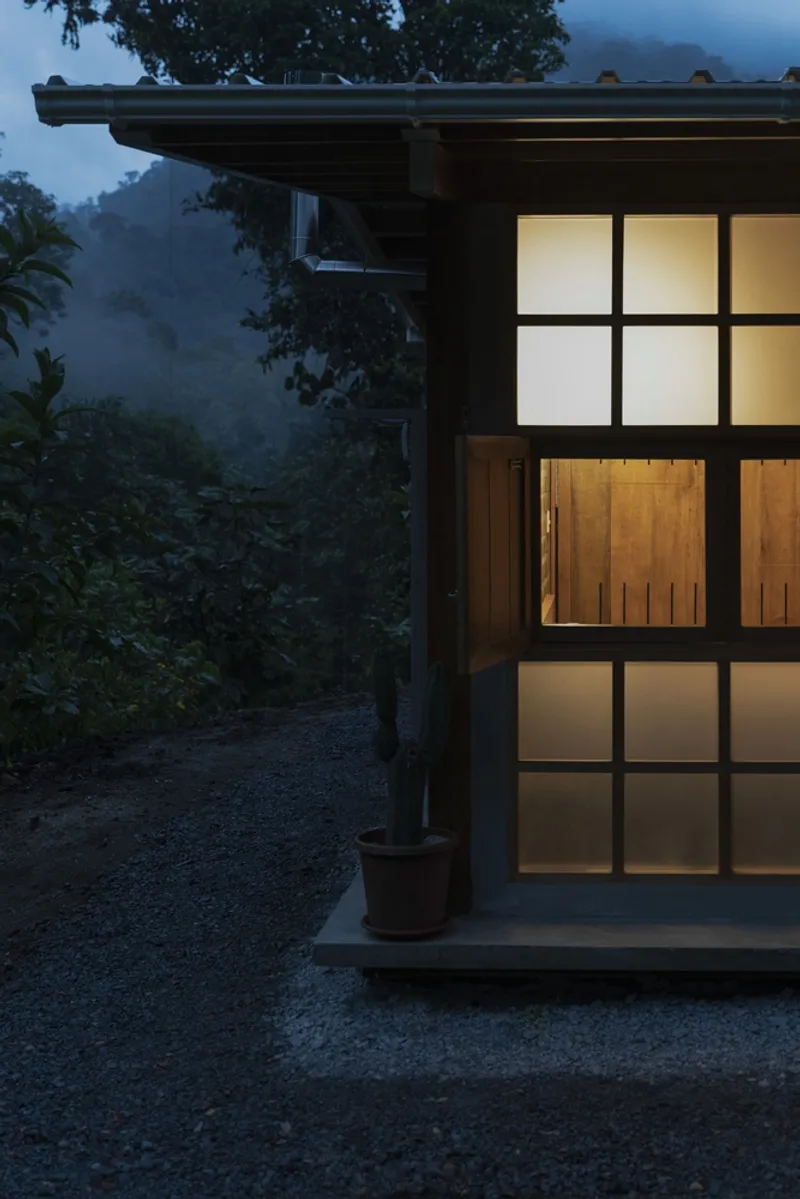
This process imbued the house with authenticity, reflecting both the design intent and the craftsmanship of the region.
Redefining Sustainable Wooden Architecture
Soul House exemplifies the potential of sustainable wooden houses in rural Ecuador. By merging ecological strategies, symbolic design, and artisanal construction, Idem created a refuge that resonates with its natural and cultural context.
It is not merely a dwelling but an architectural statement that transforms the act of living into a dialogue with light, structure, and landscape.




Popular Articles
Popular articles from the community


The Musturak Paradise: Senior Living Architecture for a Connected Future in Temara, Morocco
The Musturak Paradise reimagines senior living architecture in Temara via private homes, social spaces, culture, community, and shared care.

The Earth Pod: 3D Printed Homes for Resilient Refugee Communities
The Earth Pod reimagines refugee housing through 3D printed homes made from clay, combining resilience, self-sufficiency, and rapid shelter.

Play: Fragments of Their World
Familiar architecture becomes modular playground design, creating safe spaces where displaced children can learn, connect, imagine and play.

Riyadh For All: Intergenerational Urban Design for Active Aging in Rabat
Riyadh For All reimagines urban design in Rabat with intergenerational co-living, adaptive courtyards, and Moroccan cultural exchange today.


Similar Reads
You might also enjoy these articles

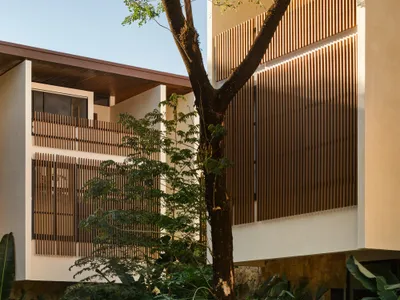
FAMM Arquitectura Organizes Ten Villas Around Courtyards and Jungle in Nosara, Costa Rica
El Molino pairs two elongated volumes with deep overhangs and timber louvers to build a compact coastal community five minutes from the beach.
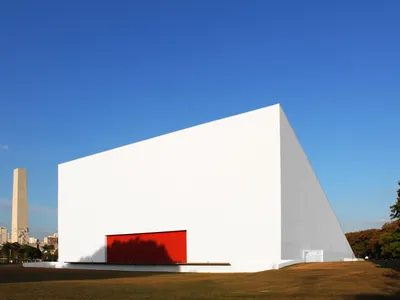
Oscar Niemeyer's Ibirapuera Park Pavilions Define São Paulo's Cultural Identity in Concrete and Curve
A constellation of modernist volumes set within São Paulo's most important urban park, conceived for the city's 400th anniversary in 1954.
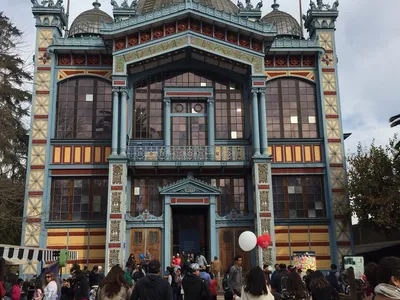
How Henri Picq's 1889 Paris Pavilion Traveled 11,000 Kilometers to Become Santiago's Artequín Museum
A prefabricated iron and glass pavilion built for the Paris Universal Exposition found a second life as a children's art museum in Chile.
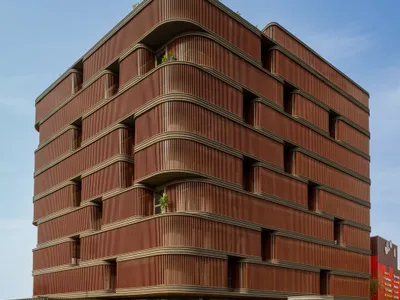
Sanjay Puri Architects Wraps a Jaipur Office Tower in Capsule-Shaped Green Buffers
A nine-level climate-responsive workplace near Jaipur Airport uses stacked planter terraces and aluminium screens to fight 40°C heat.


Explore Architecture Competitions
Discover active competitions in this discipline



Challenge to reimagine the Iron Throne


Photograph architecture without architects


Illustrate the lost glory of Angkor Wat - Render Challenge


Design challenge to reuse E-waste
Comments (0)
Please login or sign up to add comments
No comments yet. Be the first to comment!