
Spa Architecture Design: Creating Tranquil, Healing Spaces with Thoughtful Architecture
Explore the importance of spa architecture design, focusing on the Naz Spa project, highlighting materials, layout, and emotional impact.


Spa Architecture Design
In today’s fast-paced world, spa environments are becoming increasingly important as sanctuaries for healing, relaxation, and personal rejuvenation. The design of these spaces—referred to as spa architecture design—goes beyond aesthetics; it plays a critical role in shaping the visitor experience, promoting well-being, and supporting emotional and physical healing. In this article, we explore the importance of spa architecture design, using the recent Naz Spa project by Traama Arquitetura as a case study to highlight how thoughtful design can enhance a spa’s effectiveness.
What is Spa Architecture Design?
Spa architecture design is the art and science of creating spaces that encourage relaxation, healing, and rejuvenation through careful consideration of layout, materials, lighting, and overall ambiance. Spa architecture incorporates principles from wellness design, focusing on creating an environment where the mind, body, and spirit can rejuvenate. Spa architecture design typically includes the careful arrangement of spaces for treatments, relaxation areas, and sensory experiences, ensuring that each element promotes calmness and relaxation.
Key Elements of Spa Architecture Design:
- Natural Materials: Wood, stone, and linen are often used to create a connection with nature.
- Lighting: Both artificial and natural lighting are carefully considered to create a calming atmosphere.
- Fluid Spaces: Open floor plans and thoughtful spatial organization ensure a seamless flow from one area to another, promoting ease and comfort.
- Privacy: Elements like screens or partitions can provide privacy and intimacy for treatments.
- Indoor-Outdoor Integration: Incorporating gardens or natural elements into the design enhances the sense of tranquility.
The Naz Spa Case Study: A Vision of Healing Through Architecture
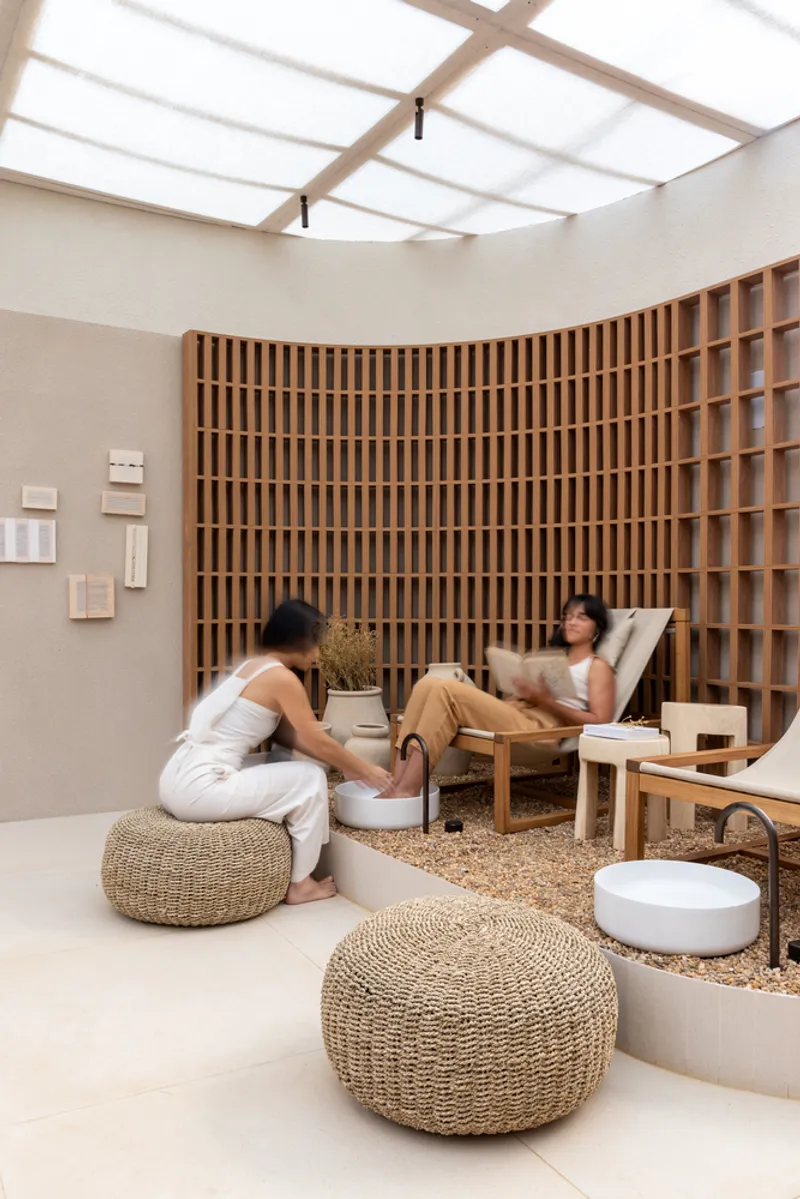
The Naz Spa, located in Asa Sul, Brazil, is an exemplary project of spa architecture design. Designed by Traama Arquitetura, this project epitomizes the healing power of thoughtful architectural design. With a focus on accessibility, inclusivity, and a deep connection to the human experience, the spa creates a safe, welcoming environment for all.
Concept: The Role of Care in Spa Architecture
The design concept behind the Naz Spa centers on the theme of care as a vital element for healing. In the architects' words, the space is meant to inspire self-pride, encourage acceptance of one’s body, and promote the re-establishment of fragmented connections. This theme is not just about the treatments offered but also about the physical space itself.
The Naz Spa design is a reflection of the philosophy that care is a responsibility, an occupation, and an attitude. By incorporating these values into its architecture, the spa becomes more than a physical structure—it becomes a place where visitors can heal, restore balance, and find peace. The architectural elements are meticulously planned to provoke emotional responses that support these goals.
Key Architectural Features of Naz Spa
1. Materiality: Natural and Healing
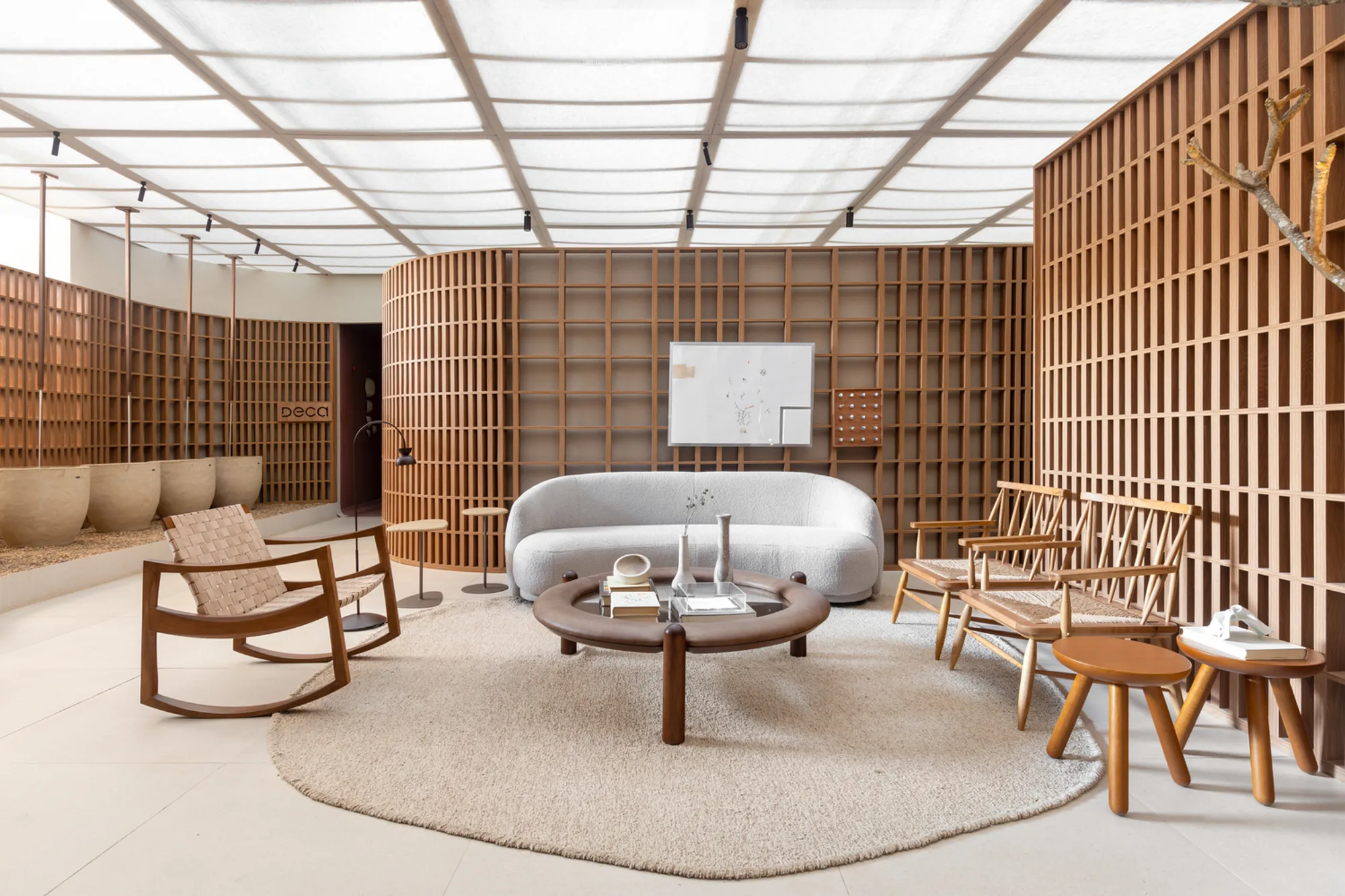
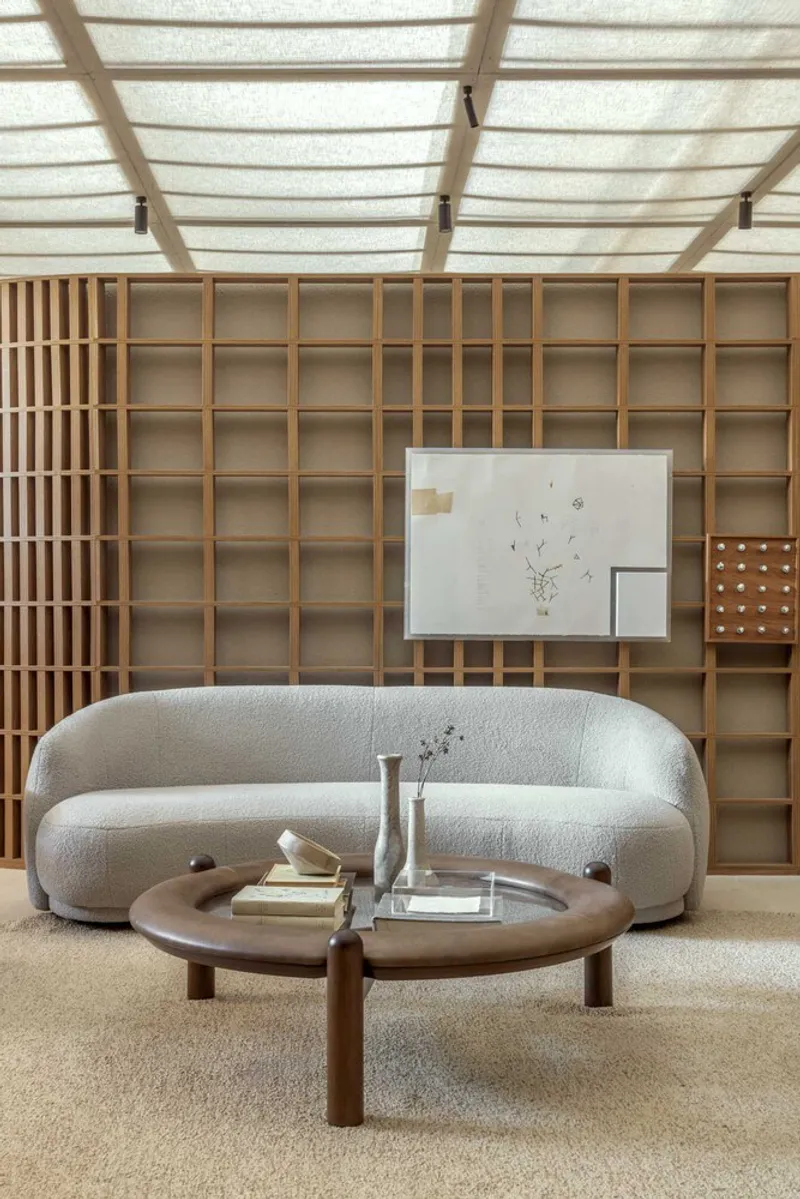
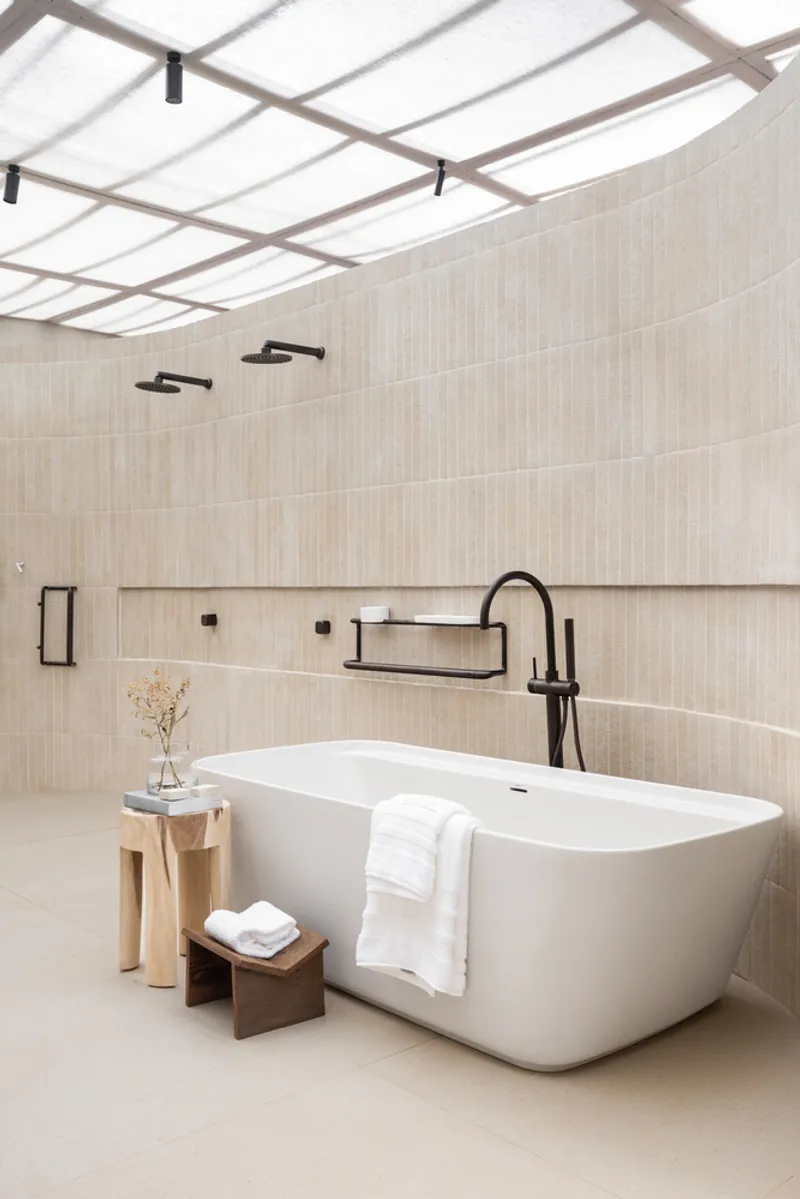
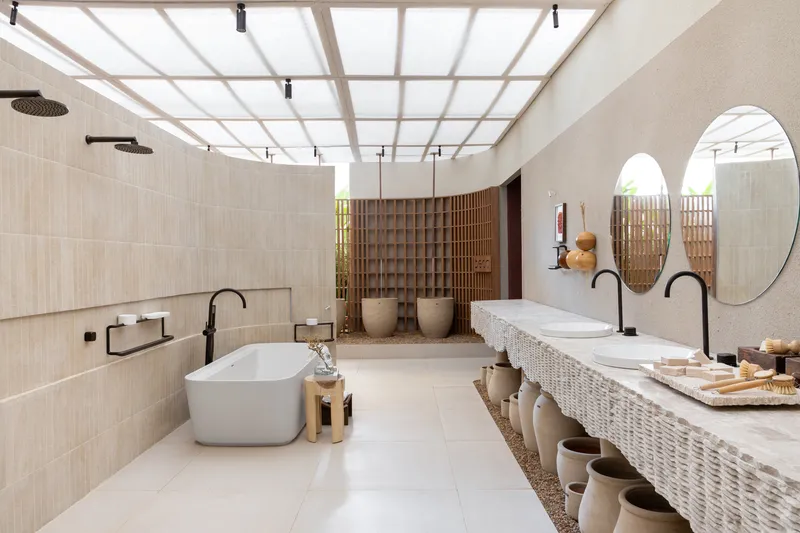
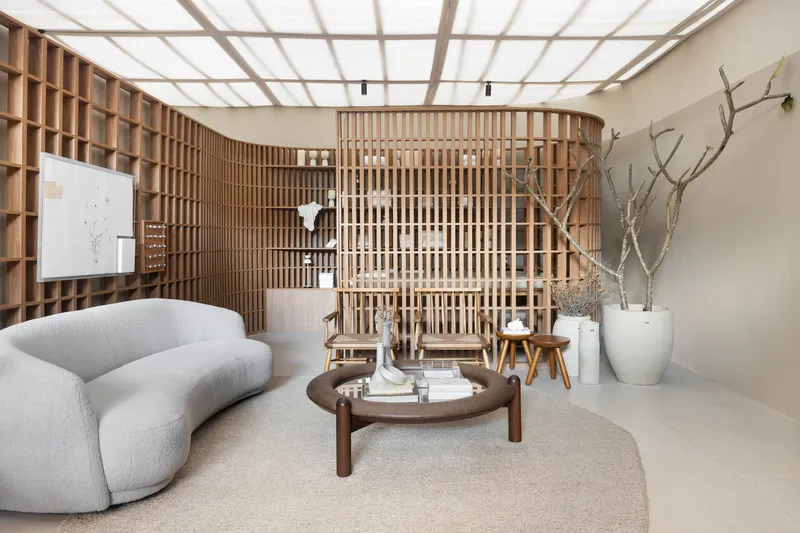
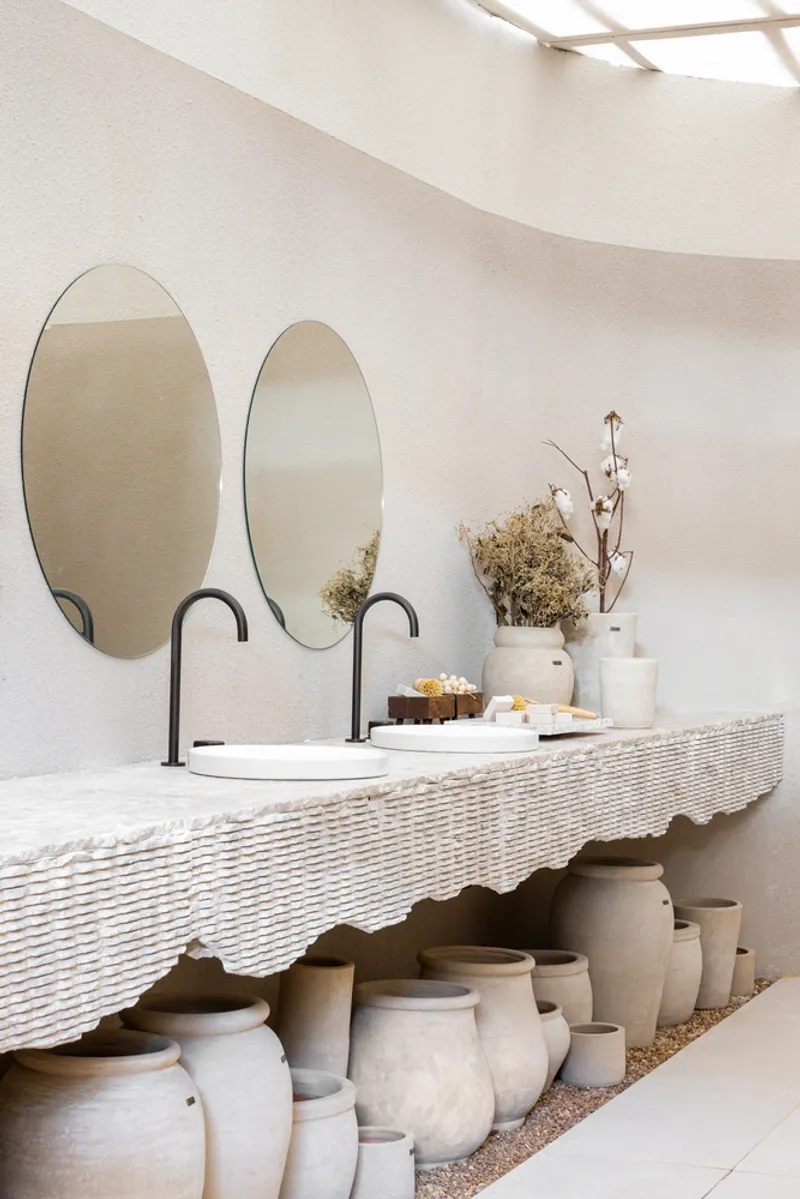
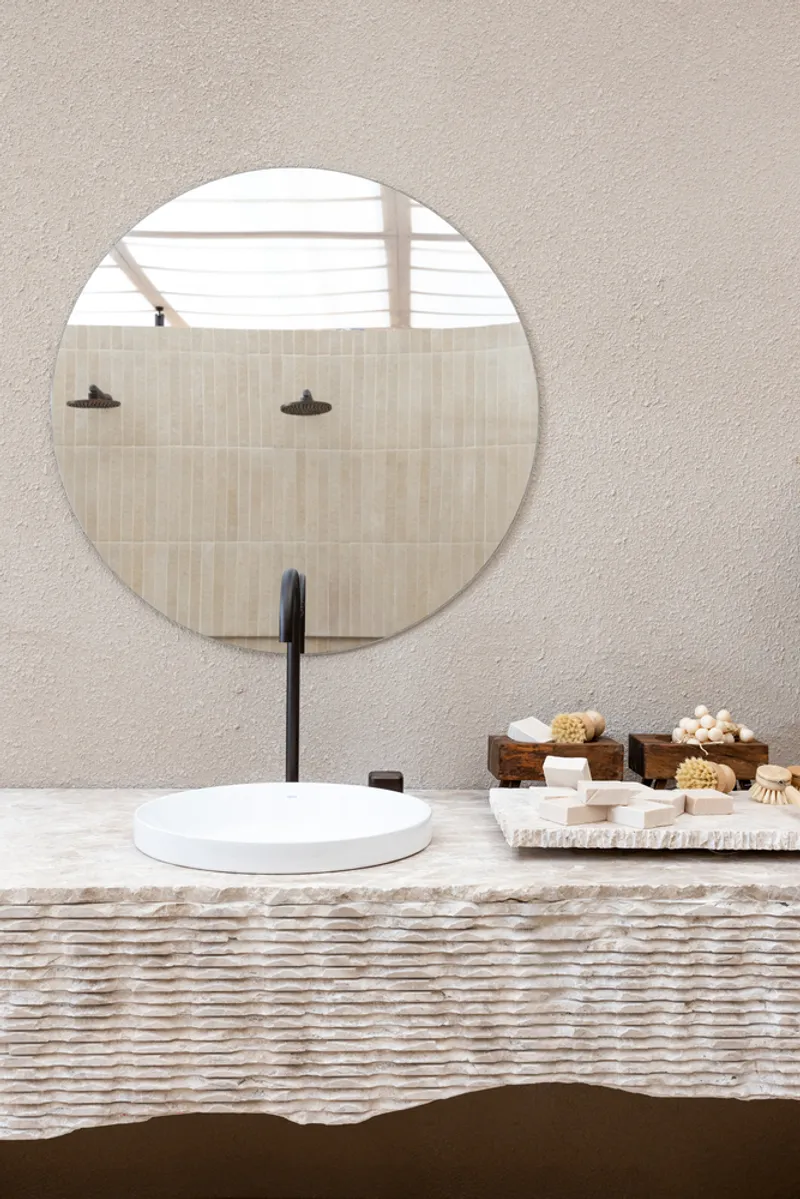
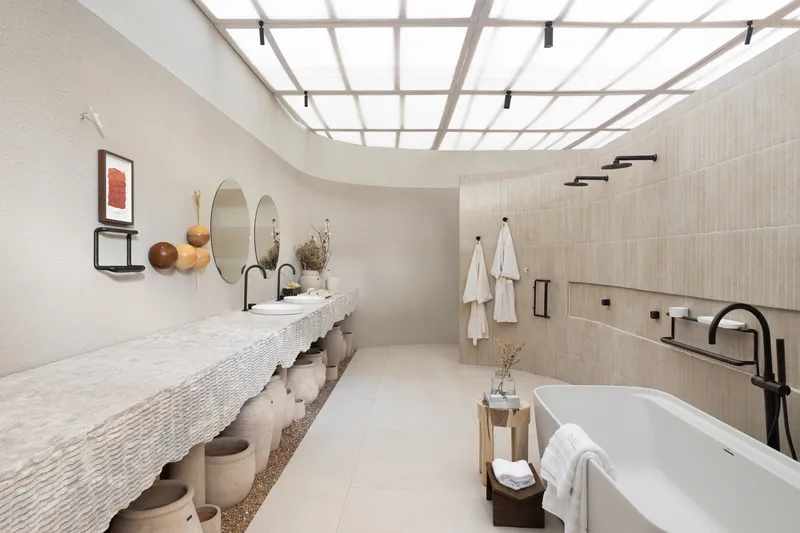
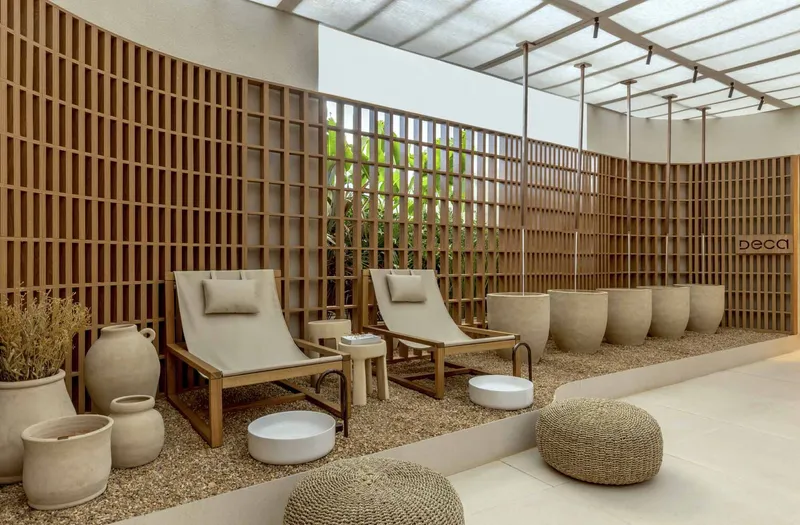
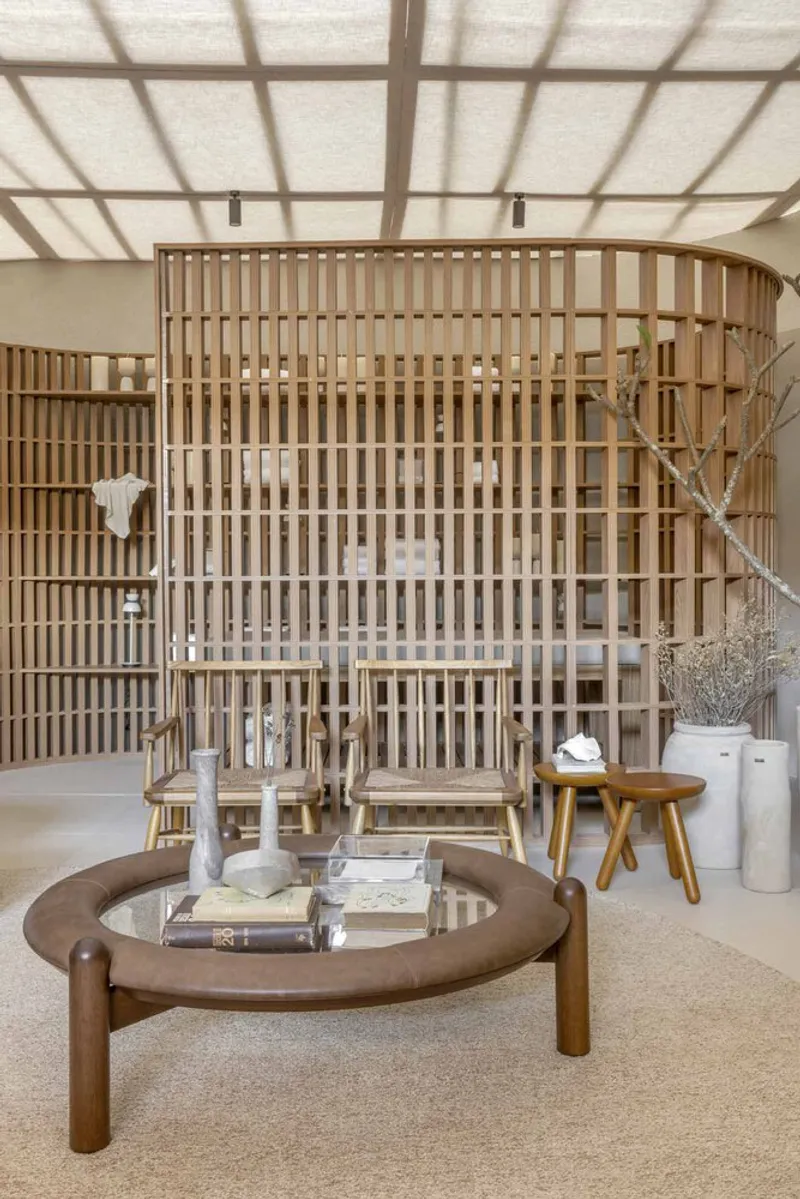
The materials used in the Naz Spa are integral to its design. Beige tones dominate the space, evoking a sense of warmth, calm, and simplicity. Natural elements like hand-carved stone and porcelain tiles with a mineral texture are used throughout to create an organic, grounded feel. These materials also contribute to the spa's theme of natural healing—creating a space that feels harmonious and aligned with nature.
2. Lighting: Creating an Atmosphere of Calm
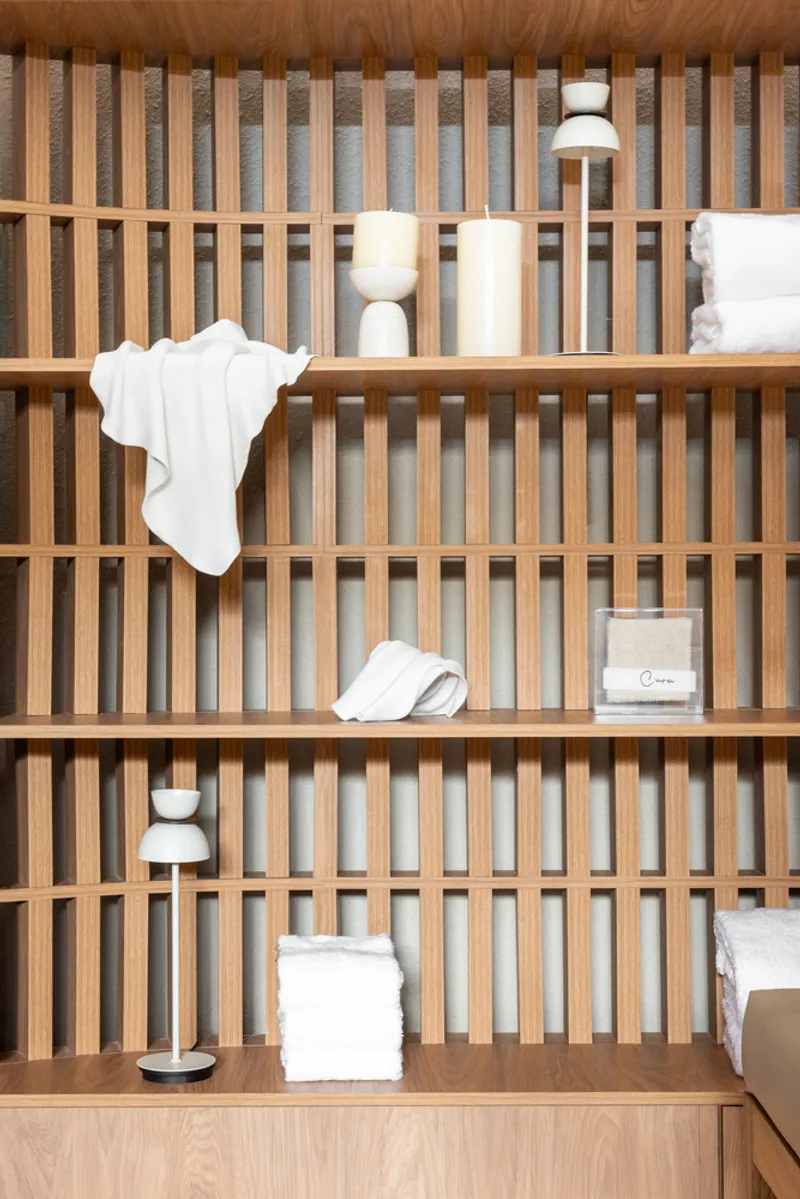
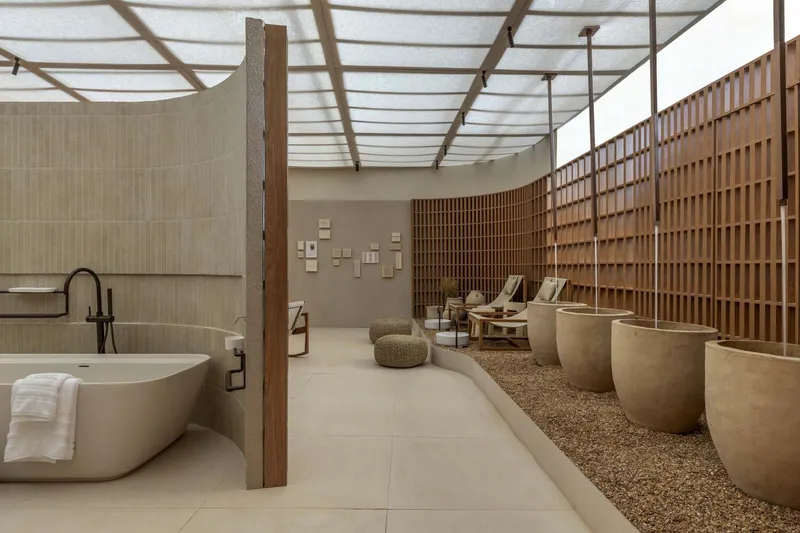
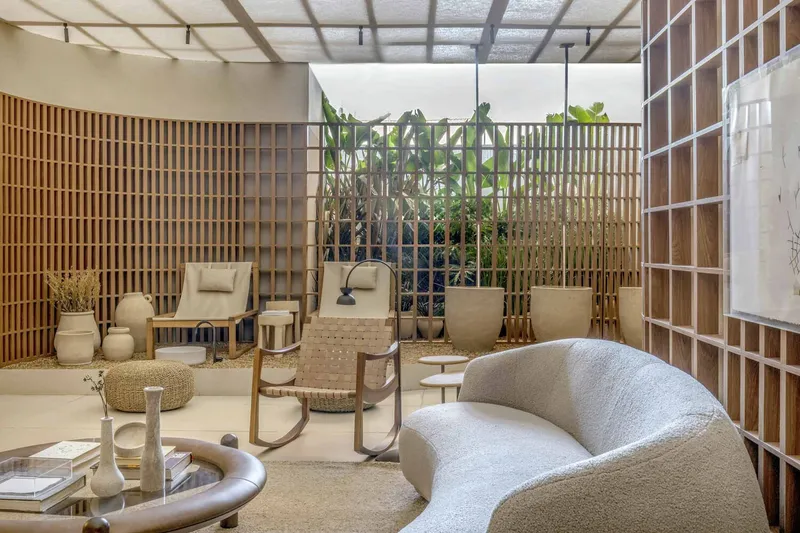
Lighting plays an essential role in spa architecture design. At the Naz Spa, natural light is strategically allowed to filter through the ceiling using wooden frames with linen, providing a soft and diffused glow. This lighting creates a peaceful environment that contributes to the overall sense of well-being. The integration of natural ventilation also enhances the atmosphere by maintaining freshness and connection with the outside world.
3. Fluid and Open Spaces
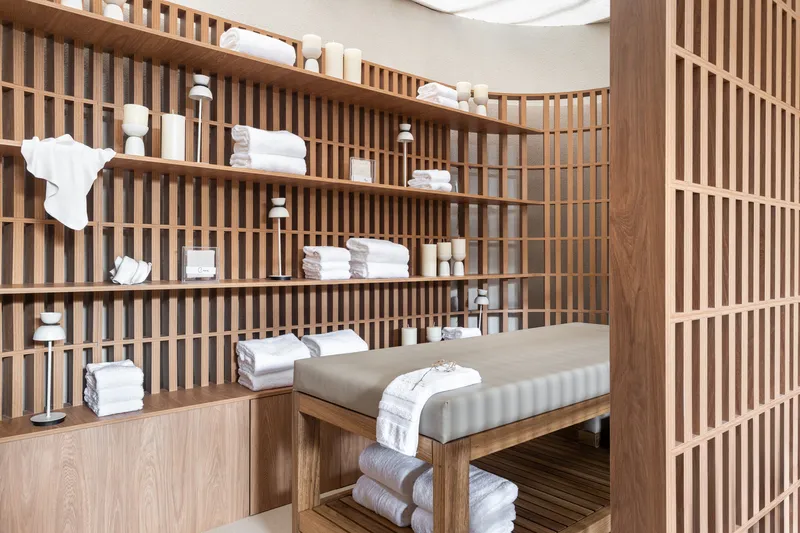
In the design of the Naz Spa, the layout ensures smooth transitions between different areas. From the waiting room to the massage areas, each space flows seamlessly into the next. The use of sinuous and light lines further contributes to this sense of fluidity. The folding screen, which separates the massage area, is a central design element that enhances the dynamic movement of the space while providing privacy.
4. Indoor-Outdoor Connection: A Garden Sanctuary
A key feature of the Naz Spa is the integration of nature into the design. Behind the folding screen, a garden introduces greenery in a subtle, pleasant way, reinforcing the connection to nature. This outdoor space is designed to provide a peaceful retreat for spa visitors, encouraging relaxation and mindfulness.
The Psychological and Emotional Impact of Spa Architecture Design
Spa architecture design is not just about creating beautiful spaces—it is about creating environments that promote emotional well-being. The Naz Spa serves as an excellent example of how thoughtful design can shape the way people feel and interact with their surroundings. The architecture is designed to promote emotional healing, self-care, and physical restoration.
Through its materials, spatial planning, lighting, and integration with nature, the spa encourages visitors to feel safe, calm, and cared for. This is especially important in a wellness environment, where the primary goal is to help individuals feel restored and rejuvenated.
The Future of Spa Architecture Design
The Naz Spa illustrates the powerful role of spa architecture design in creating a space that nurtures both the body and the mind. As wellness continues to be a priority for many, architectural designs like those at the Naz Spa will continue to influence how we think about and experience spa environments. By focusing on care, emotional connection, and natural elements, designers can craft spaces that go beyond luxury—they create places of healing and well-being.
The future of spa architecture is bright, with increasing recognition of the importance of design in promoting health, healing, and relaxation. By incorporating elements that respect diversity, support individual needs, and provide a sense of belonging, future spas will continue to evolve as spaces where visitors can find both peace and pride in the act of self-care.




Popular Articles
Popular articles from the community

A Reinforced Cocoon: Vernacular Architecture for Security, Healing and Community in Qandahar
A Reinforced Cocoon reimagines Afghan vernacular architecture as secure community space for widowed women, families, healing and resilience.

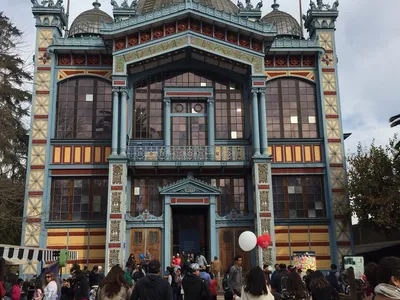
How Henri Picq's 1889 Paris Pavilion Traveled 11,000 Kilometers to Become Santiago's Artequín Museum
A prefabricated iron and glass pavilion built for the Paris Universal Exposition found a second life as a children's art museum in Chile.
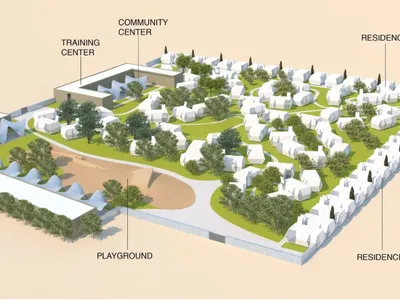
Garden of Hope: Sustainable Architecture for a Resilient Community in Qandahar
Garden of Hope reimagines sustainable architecture as secure, organic community where women rebuild lives through housing, work, and nature.

Riyadh For All: Intergenerational Urban Design for Active Aging in Rabat
Riyadh For All reimagines urban design in Rabat with intergenerational co-living, adaptive courtyards, and Moroccan cultural exchange today.

Similar Reads
You might also enjoy these articles


Hodi-Mandai Geram
Project Function: Preservation and revitalization of the Intangible heritage and socio-spatial identity of the Hodi by Housing, Cultural Memory Center, Sacred Grove, landscape, local tourism economy


Olio Towers: A Mid-Rise for Performers That Fuses Housing, Rehearsal, and Stage
Located blocks from Houston's Theater District, this modular tower stacks living units around a central performance atrium.

Oasis: Modular Green Housing Carved into Dhaka's Urban Fabric
A shortlisted Plugin Housing entry reclaims unauthorized settlements in Dhaka with stepped concrete volumes, green roofs, and ventilation-driven design.

Black Hole: A Floating Megastructure for the Post-Physical Era
Emiliano Mazzarotto envisions a spherical, self-scaling arena where e-sports, digital hotels, and holographic stadiums replace traditional public space.


Explore Healthcare Building Competitions
Discover active competitions in this discipline



The International Standard for Design Portfolios


The Global Benchmark for Architecture Dissertation Awards

The Global Benchmark for Graduation Excellence


Challenge to reimagine the Iron Throne
Comments (0)
Please login or sign up to add comments
No comments yet. Be the first to comment!