

Step Inside the Enchanting World of Ted'A Arquitectes' Can Guillem i na Cati - A Home Like No Other!
What Design Secrets Did Ted'A Arquitectes Use to Create Can Guillem i na Cati - The Ultimate Dream Home?
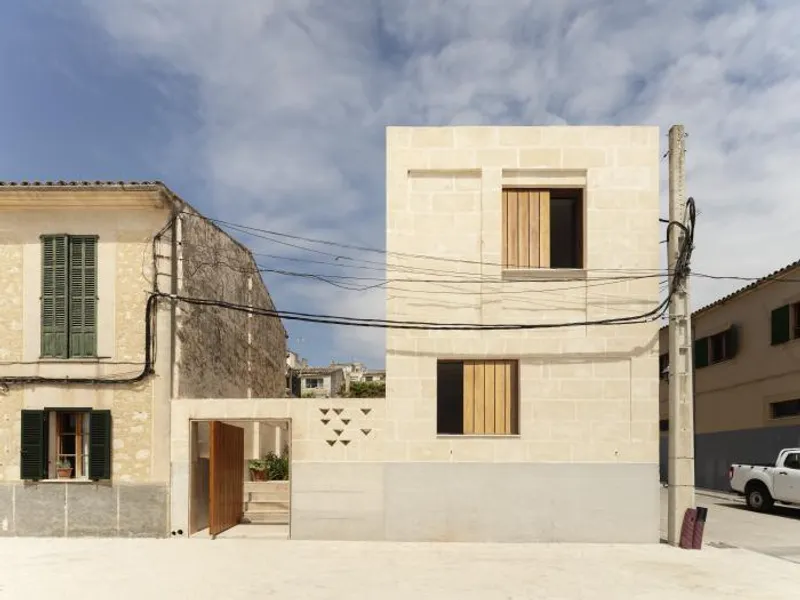
As the fashion industry continues to grapple with the impact of climate change, architects are taking note and incorporating environmental considerations into their designs. The latest example is Ted'A Arquitectes' Can Guillem I na Cati, a stunning fashion store that balances aesthetics and sustainability.
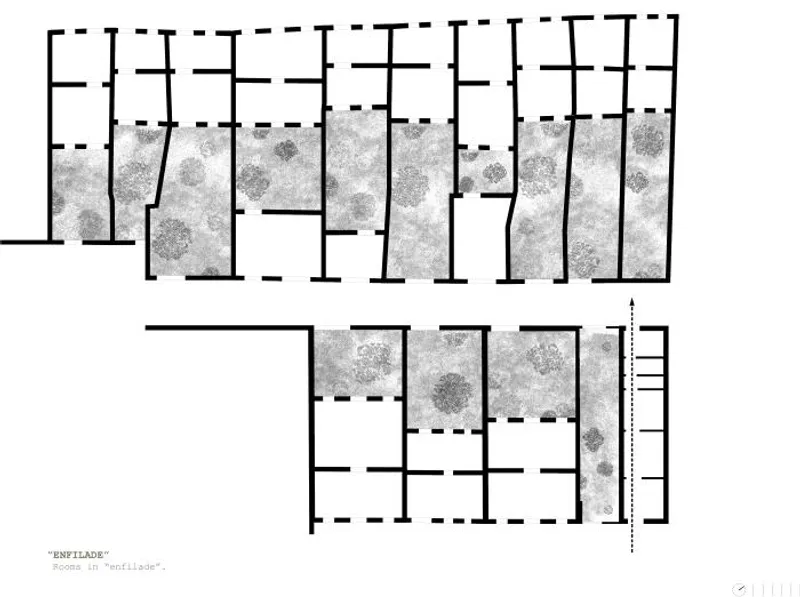
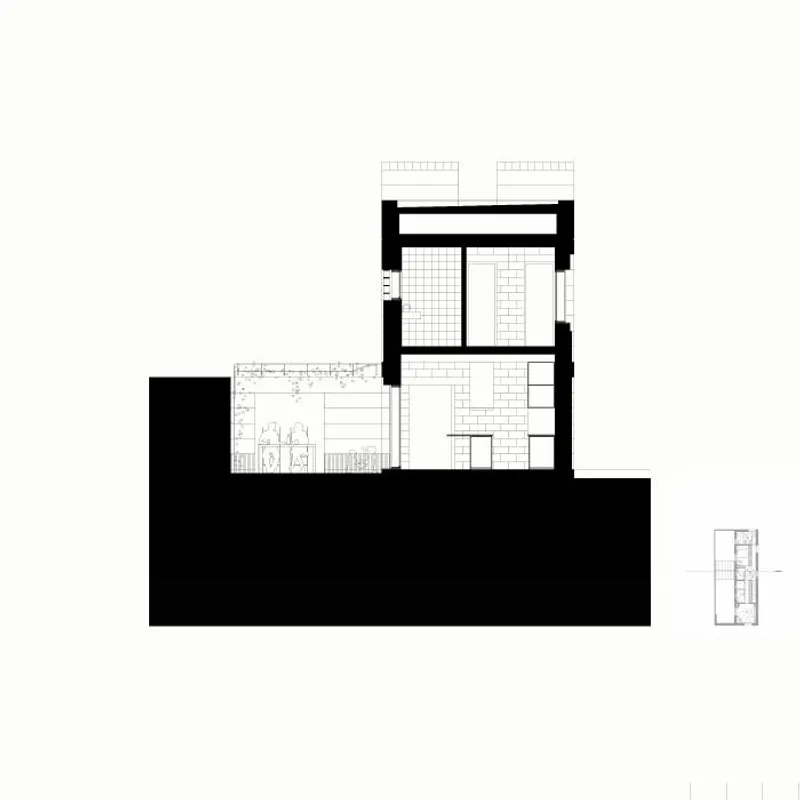
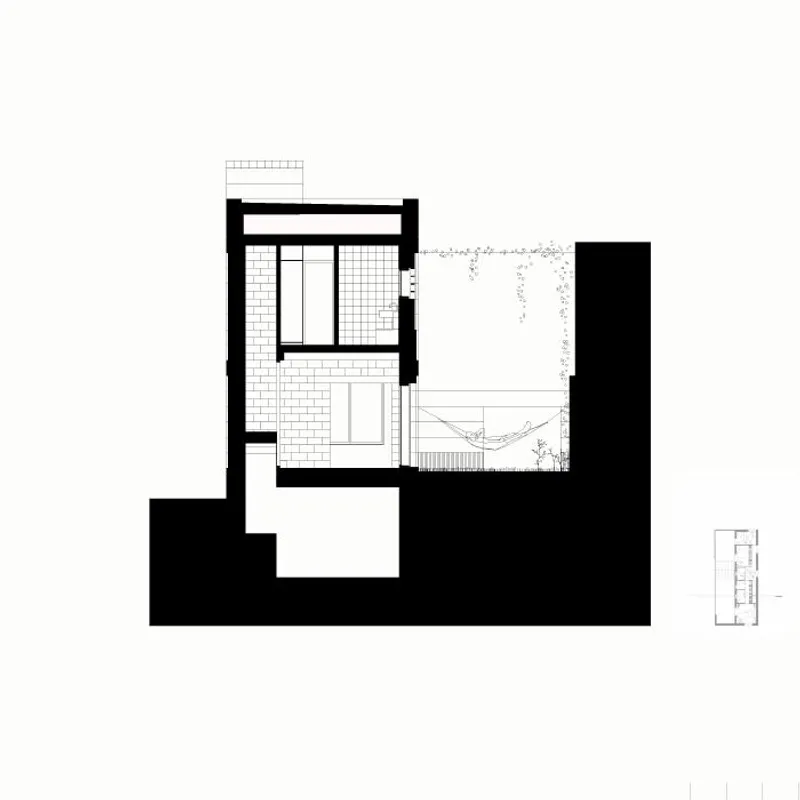
The architects' first concern was the building's position and the space it freed up. They aimed to adjust the balance between the store and the courtyard and understand how they complement each other. The occupied space and open space engage in a mutual feedback dynamic, highlighting the importance of outdoor spaces.
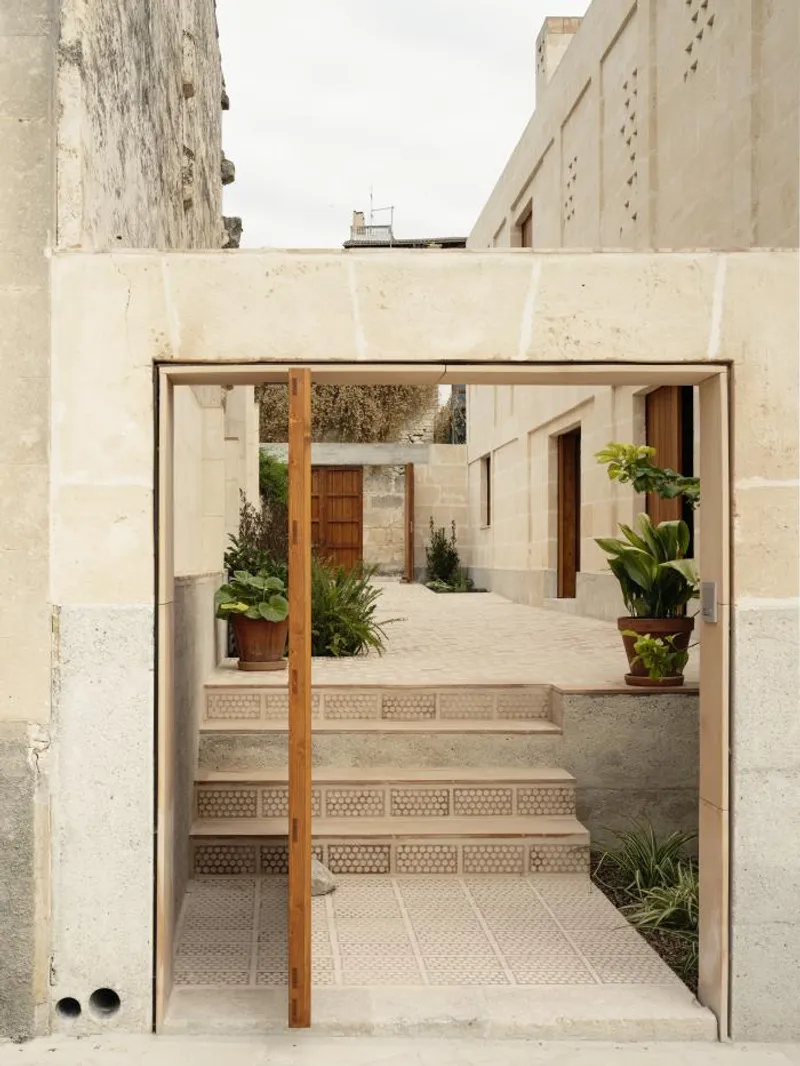
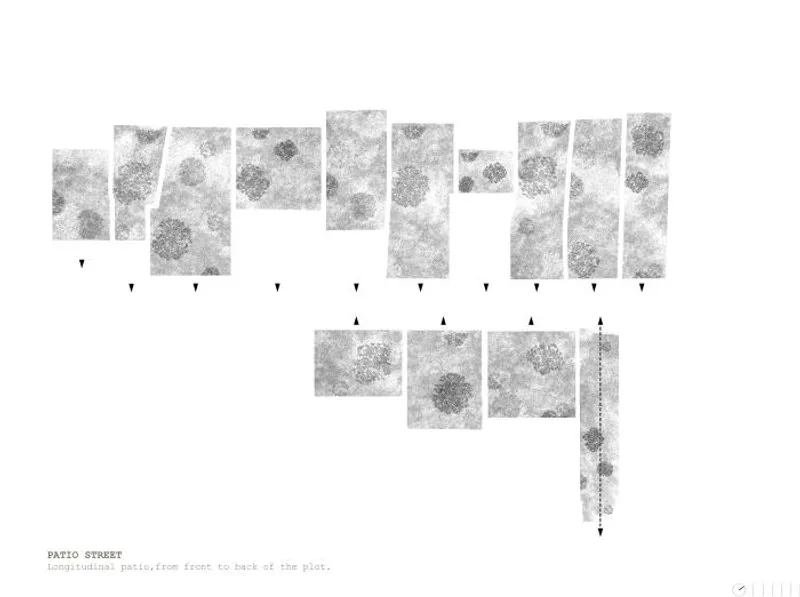
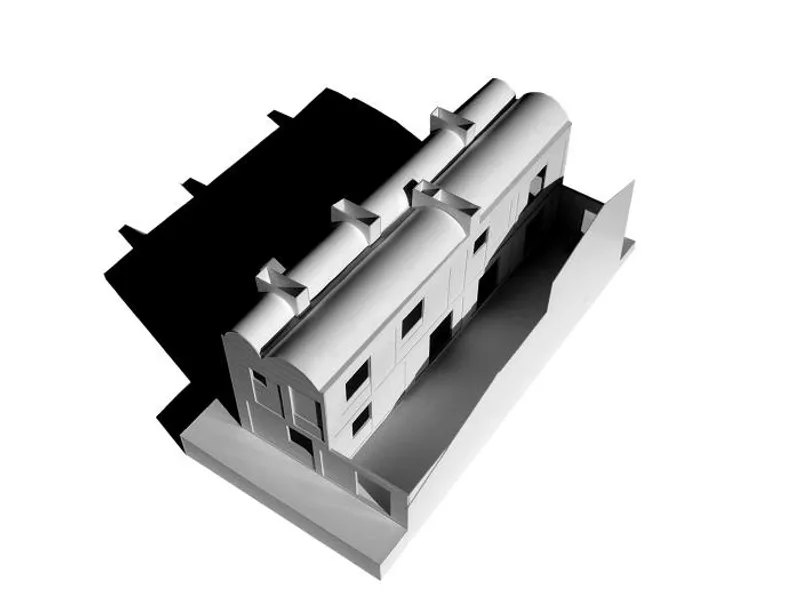
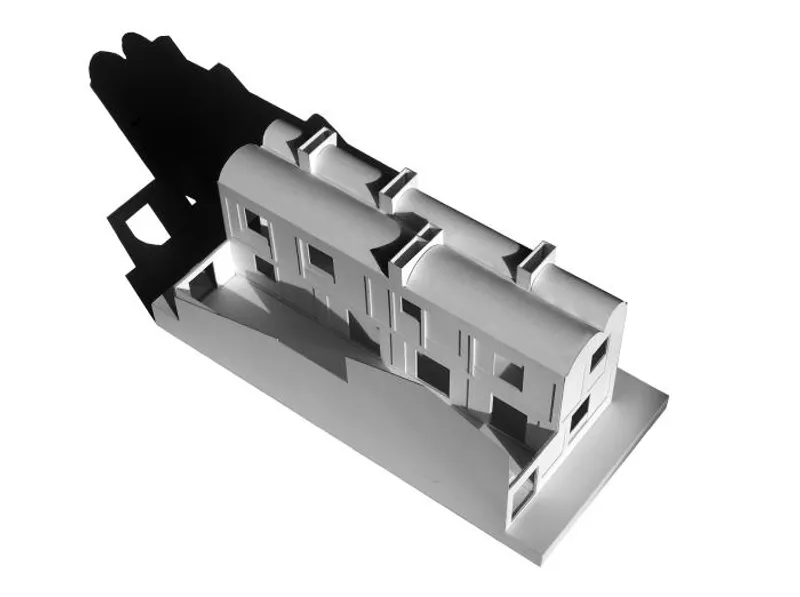
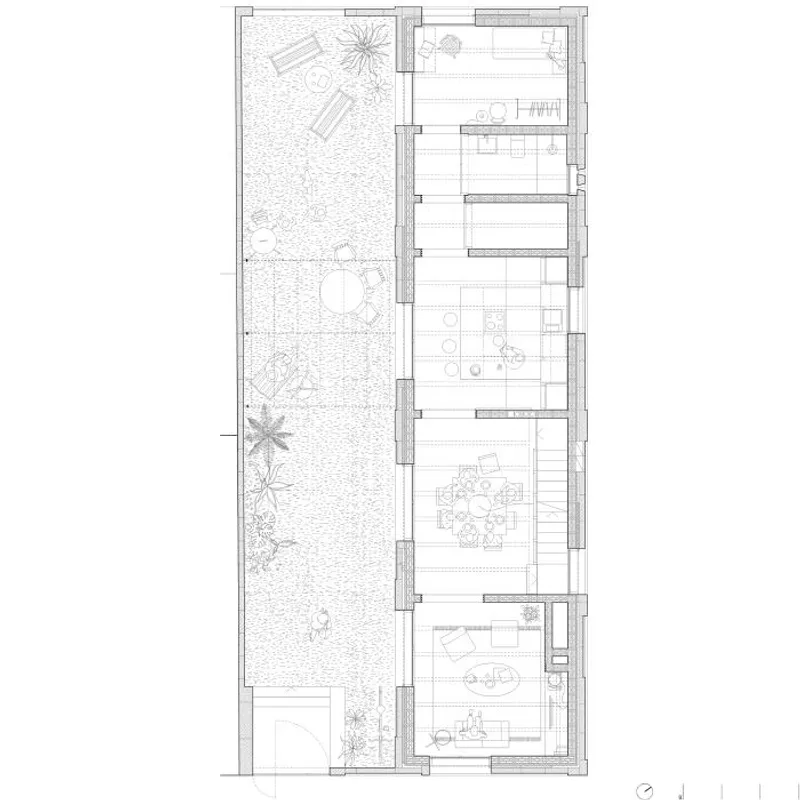
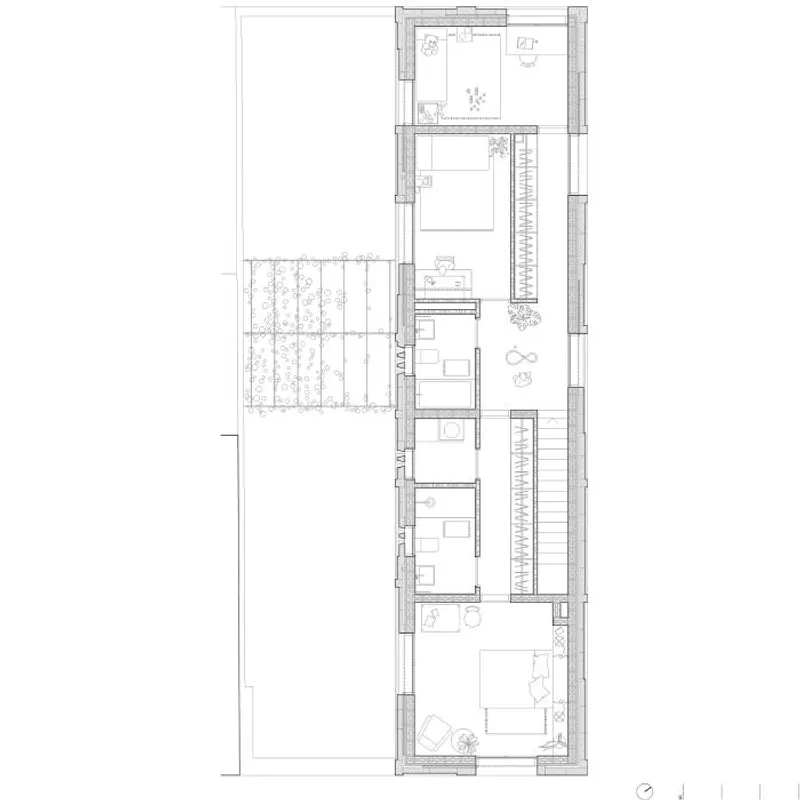
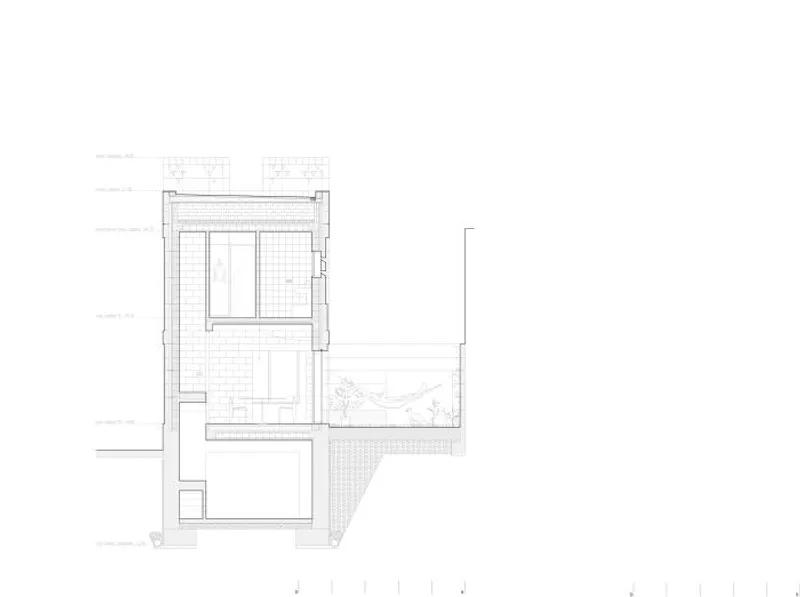
To reformulate the courtyard, the architects utilized a traditional typology and discovered the open-ended courtyard as a transformation of the normal central courtyard. They even included a courtyard/lane as a variation that serves each and every room in the store.
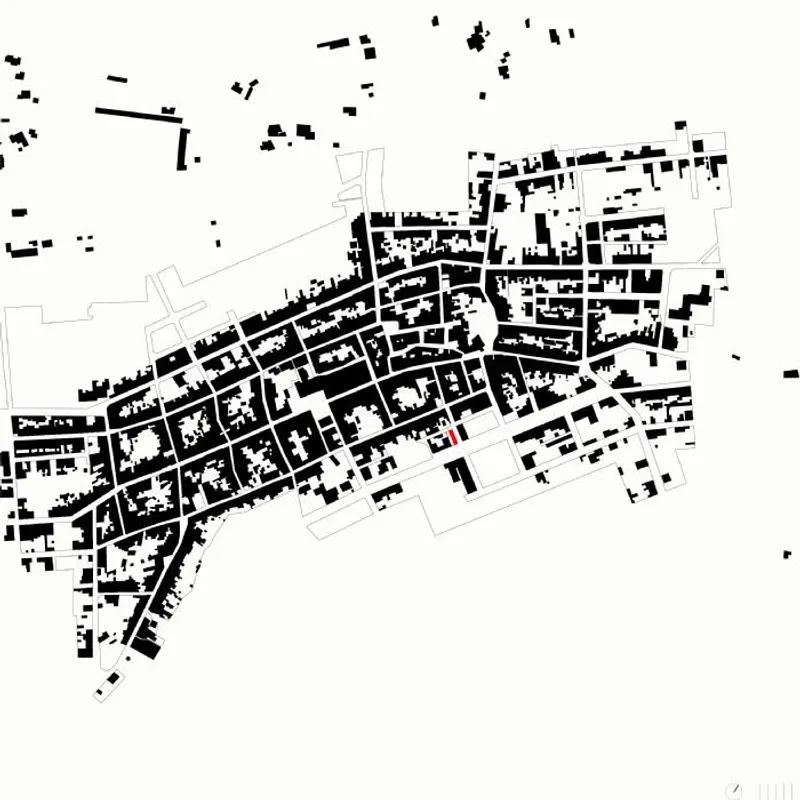
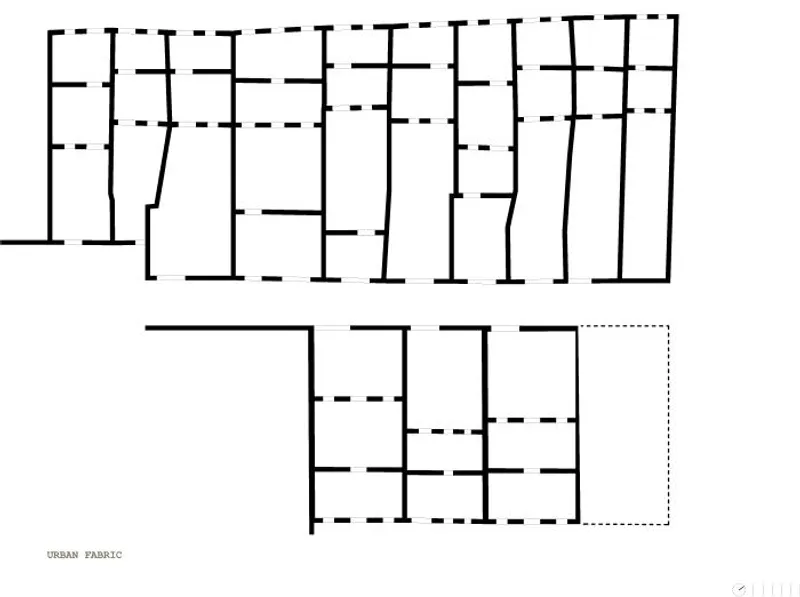
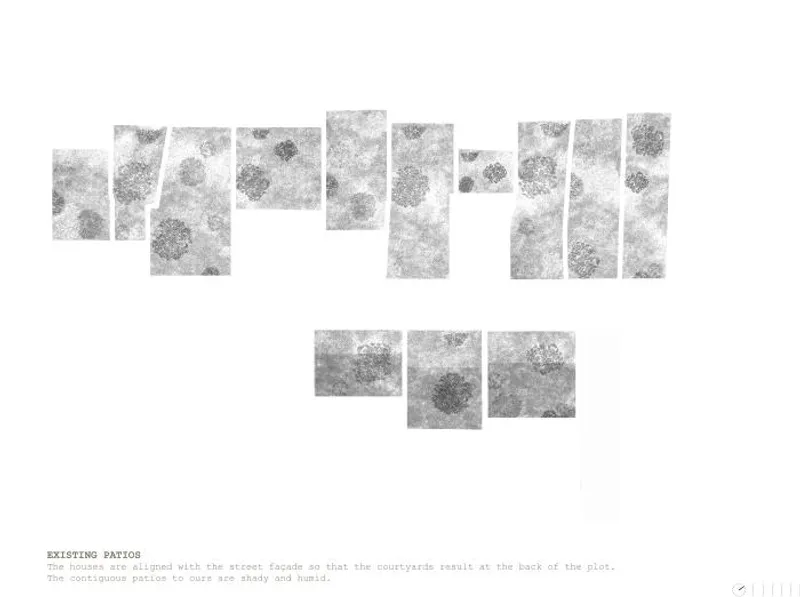
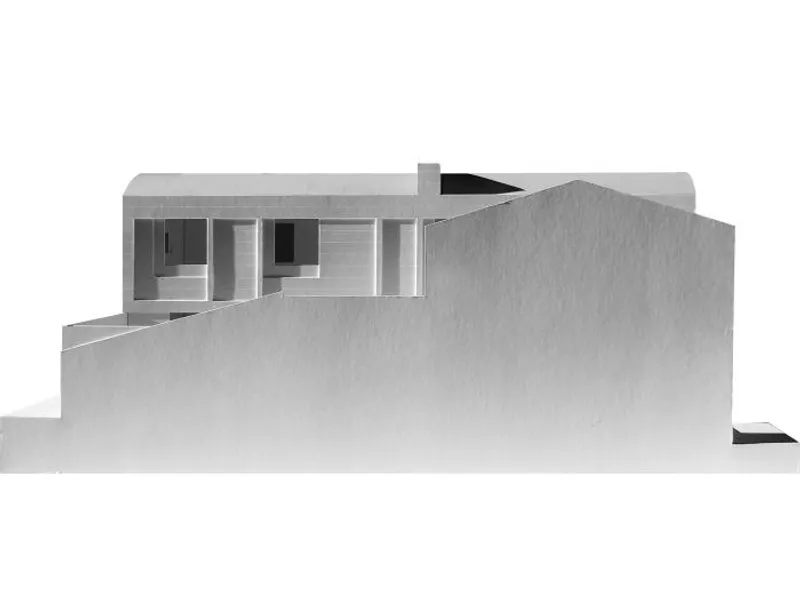
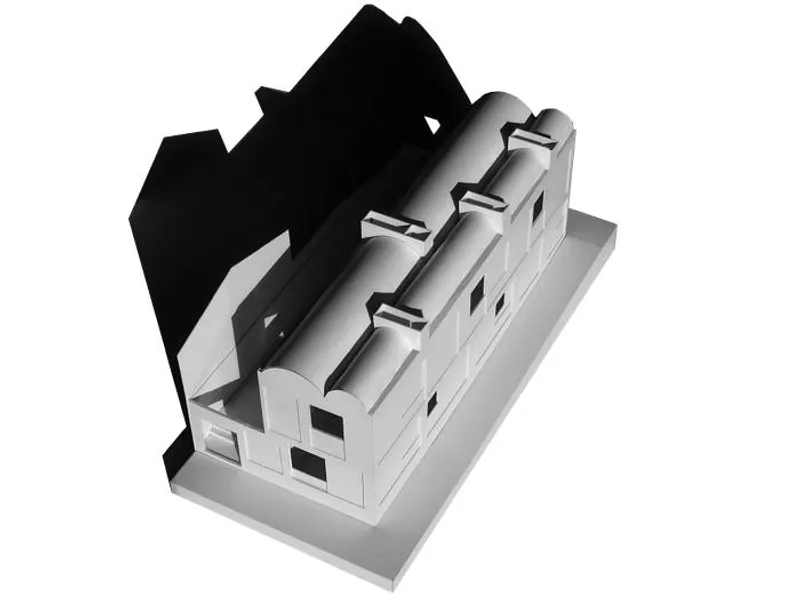
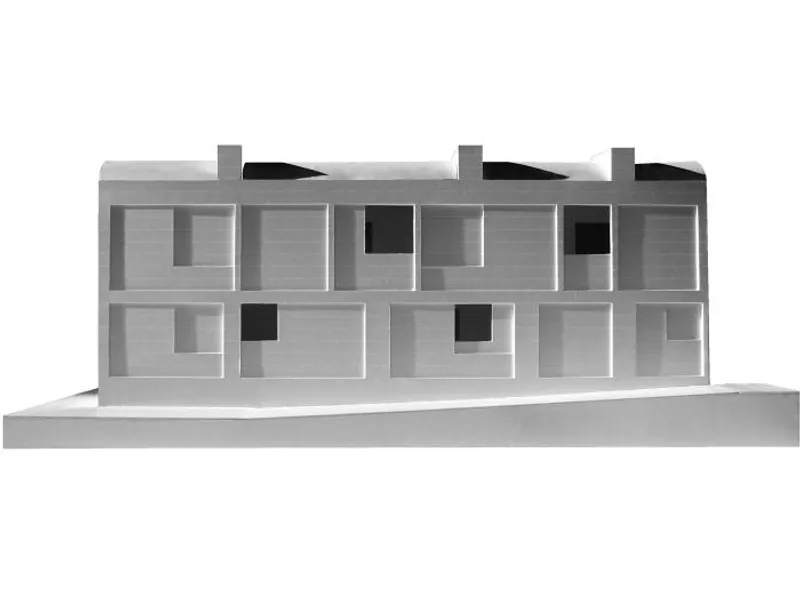
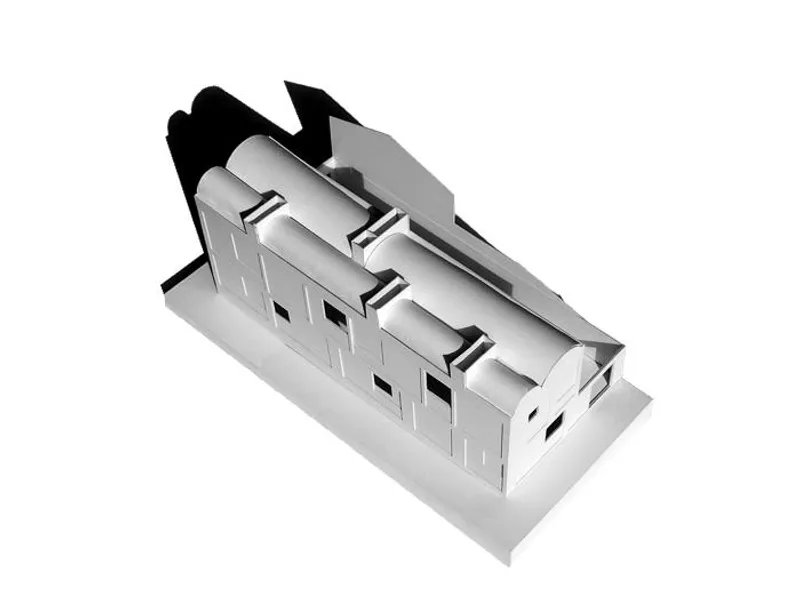
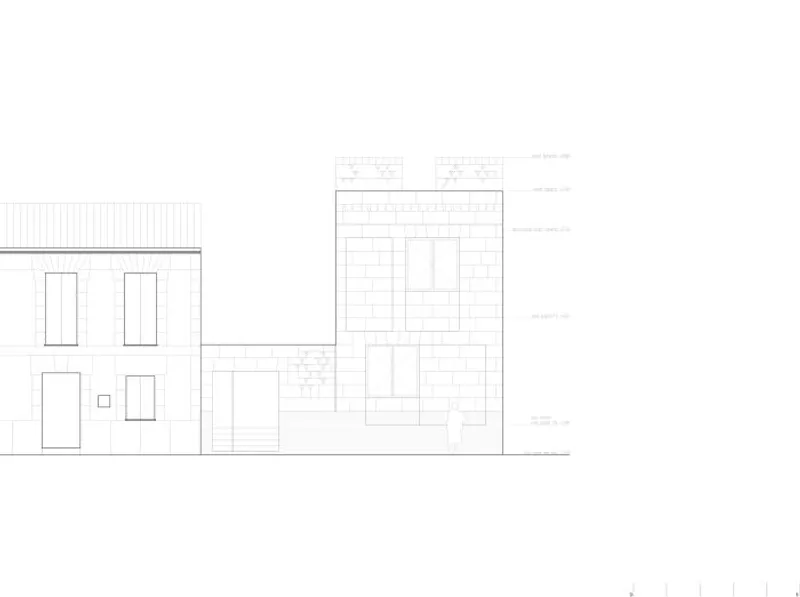
The building is situated on the last plot in a sequence with similar dimensions and proportions, all with party walls and laid out with the buildings set on the south side facing the avenue and the courtyards facing north. These patios are shaded and damp, with no direct sunlight for most of the year.
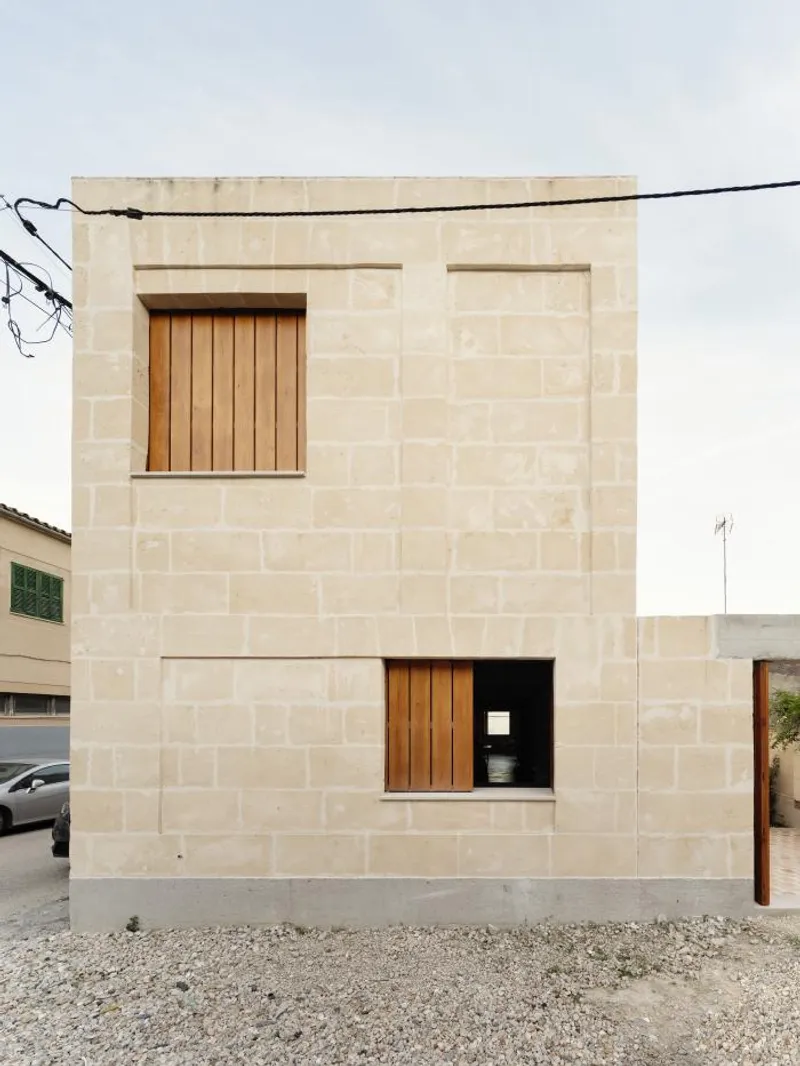
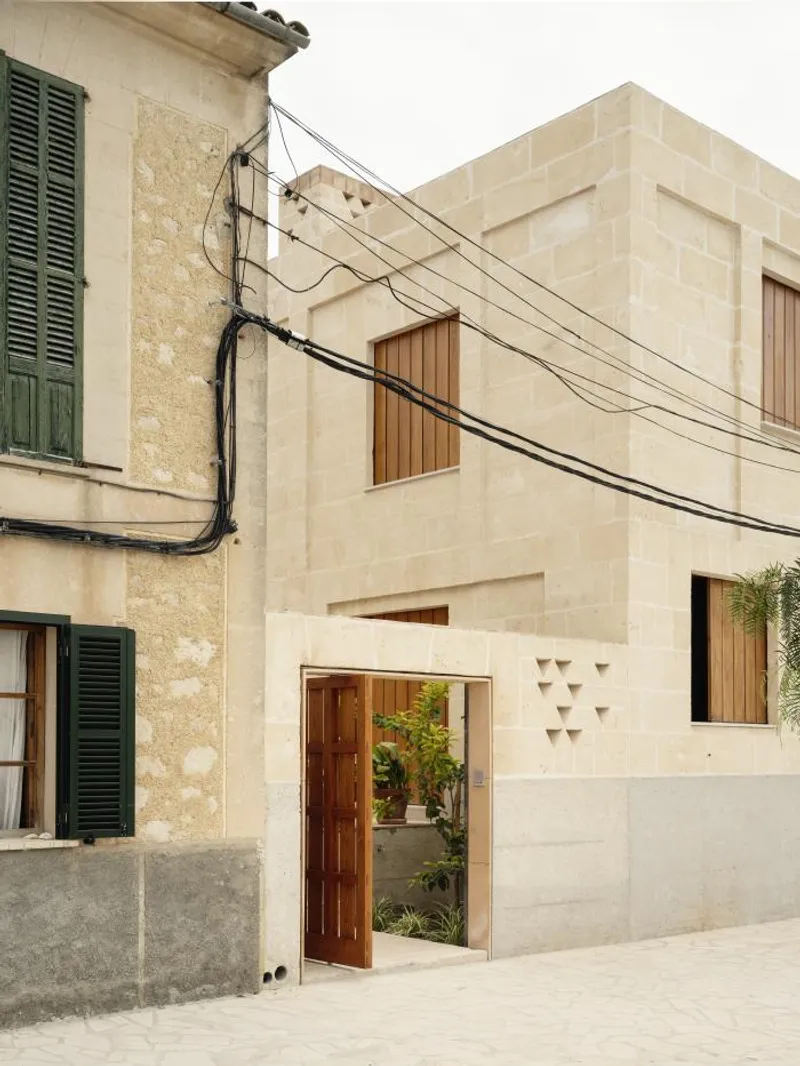
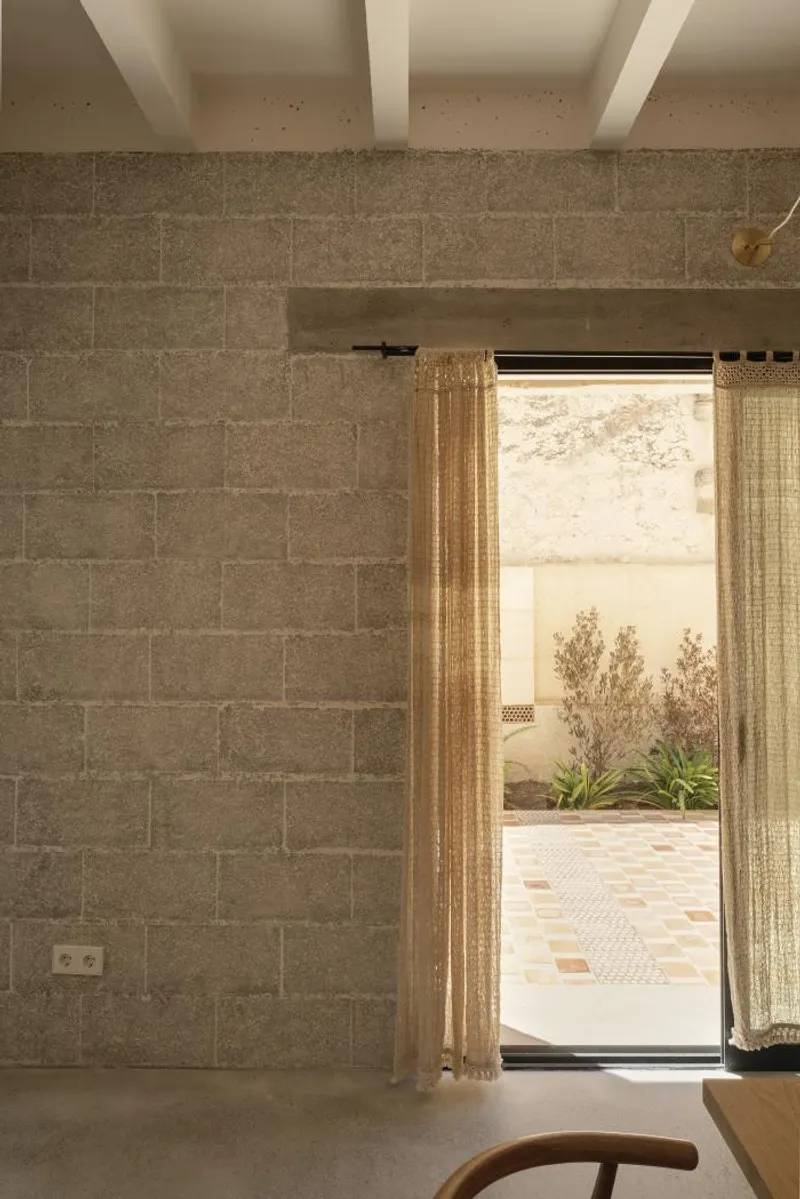
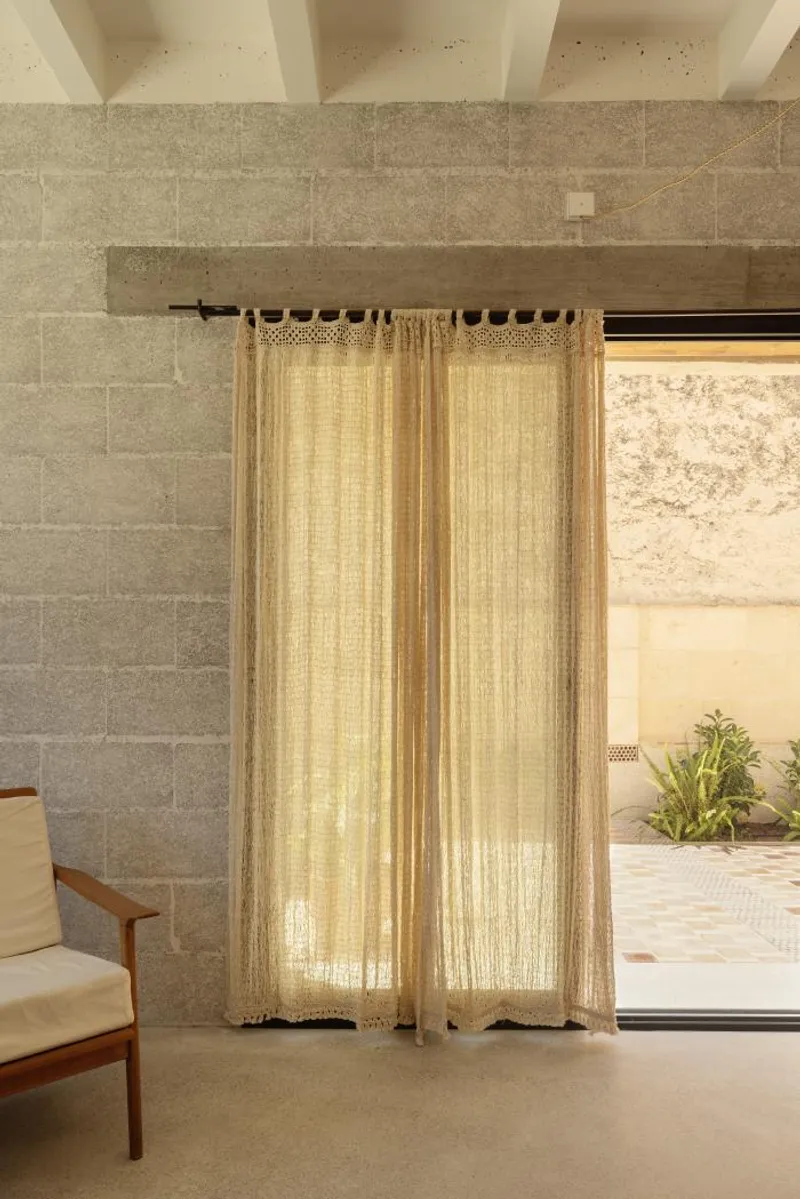
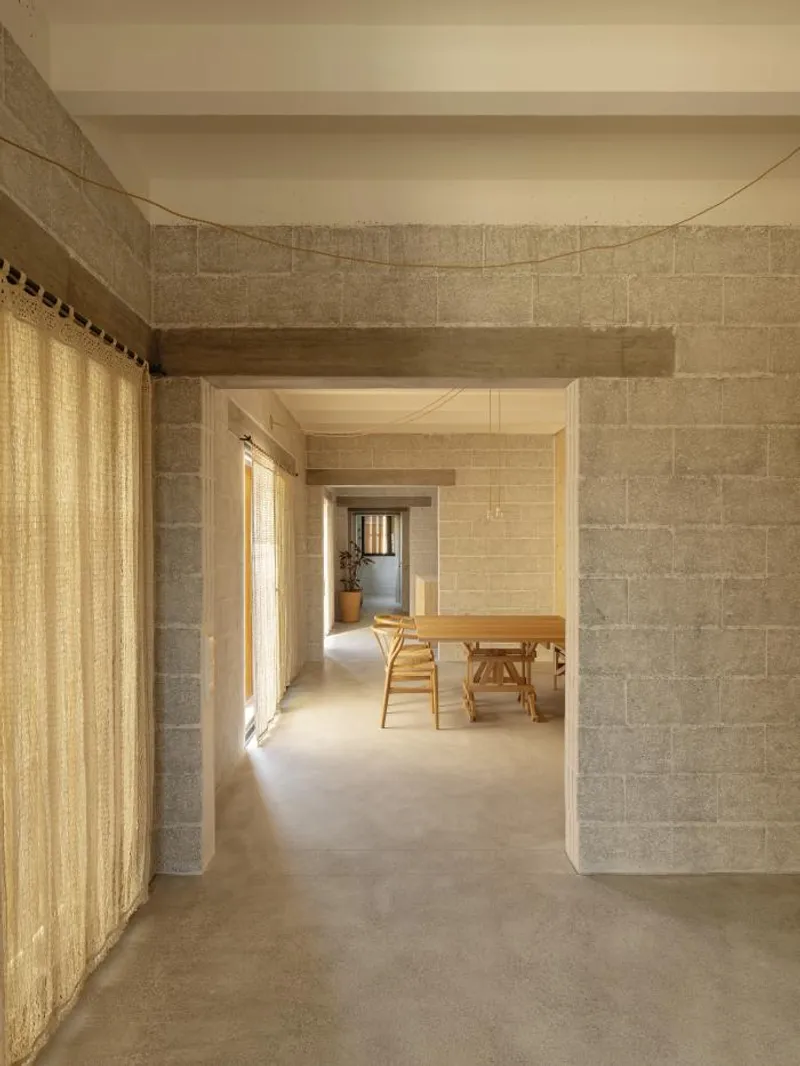
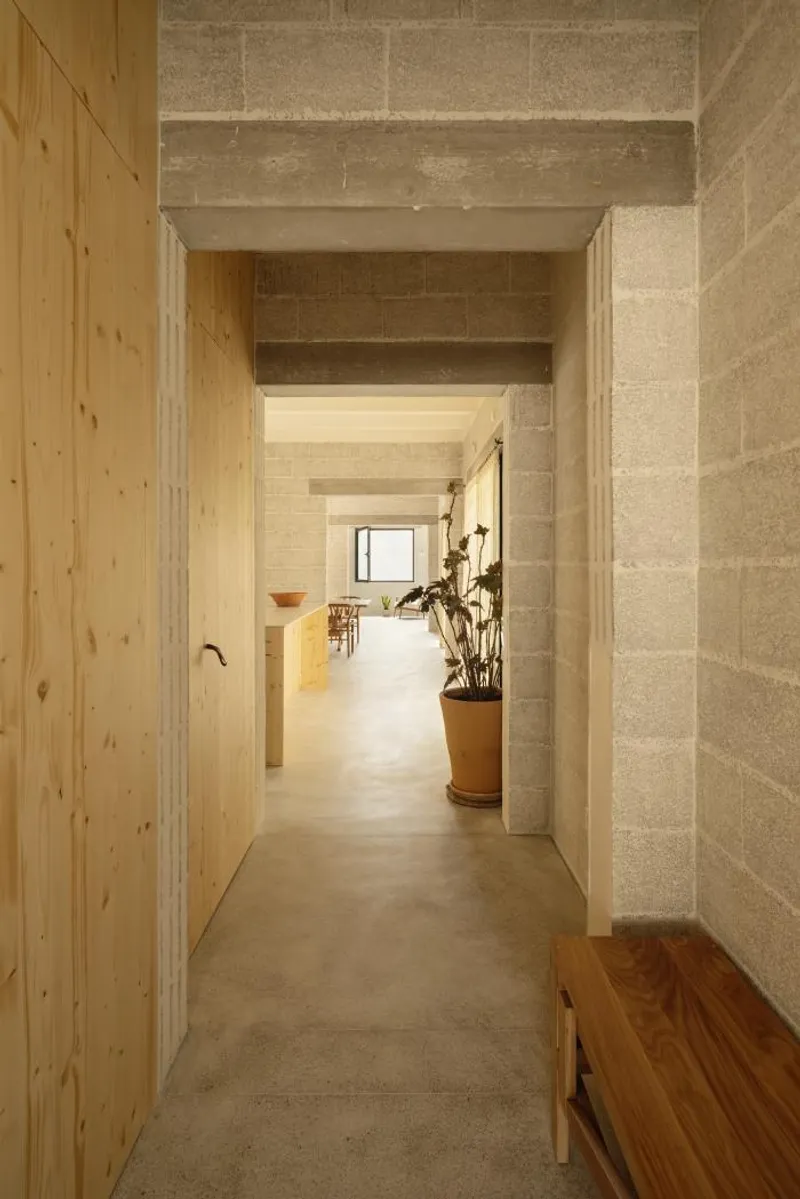
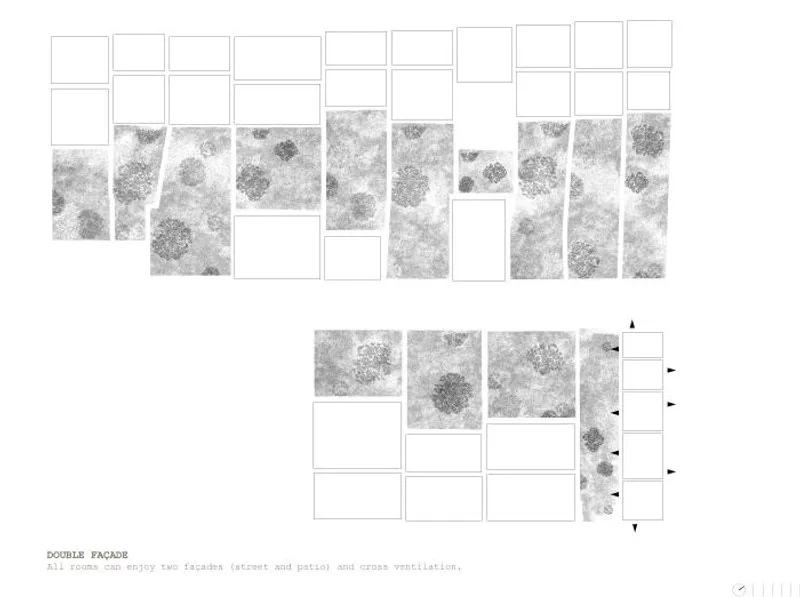
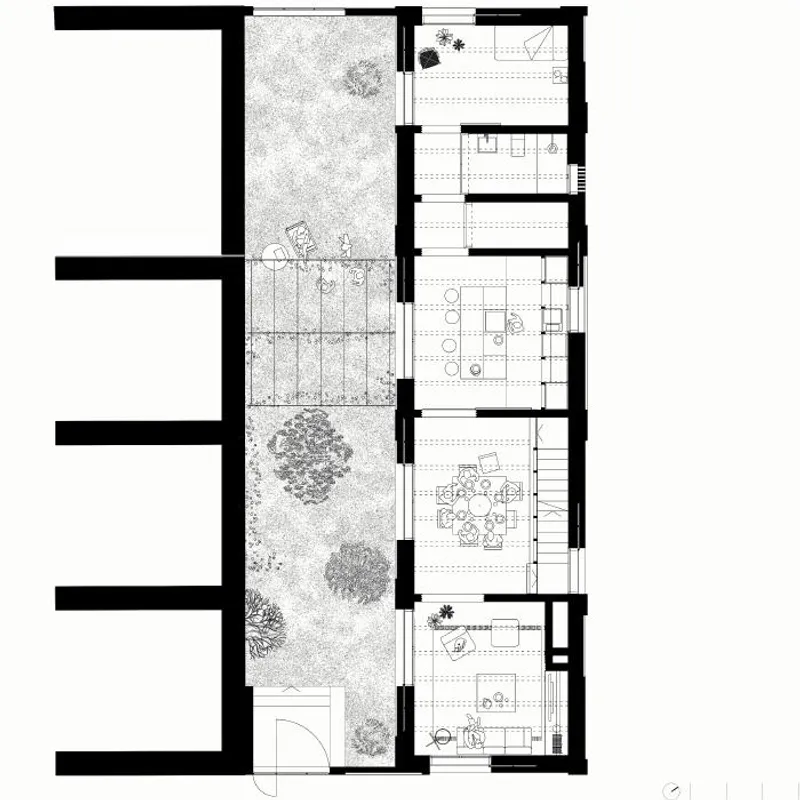
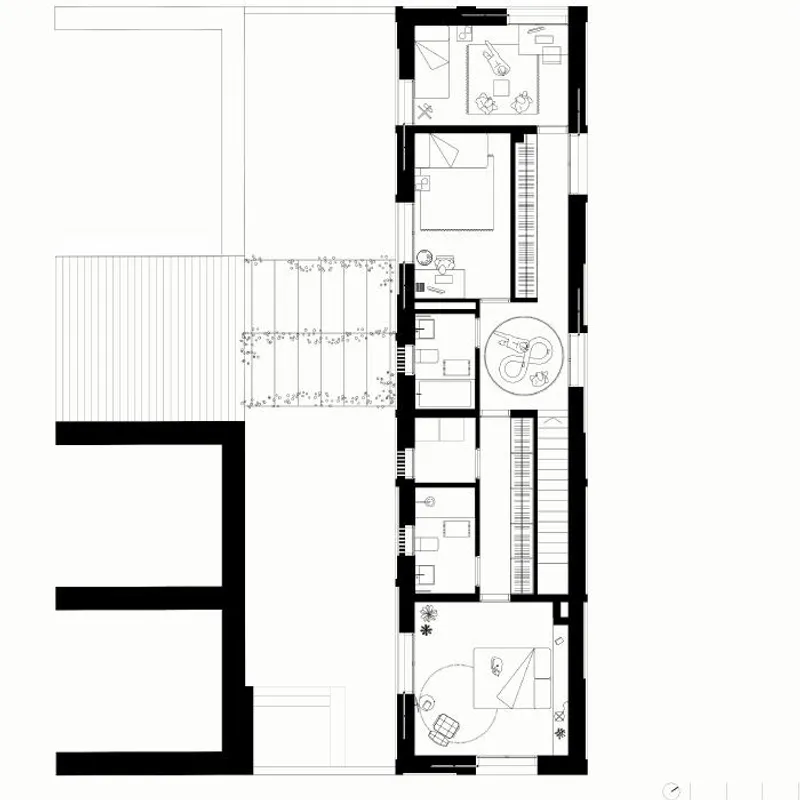
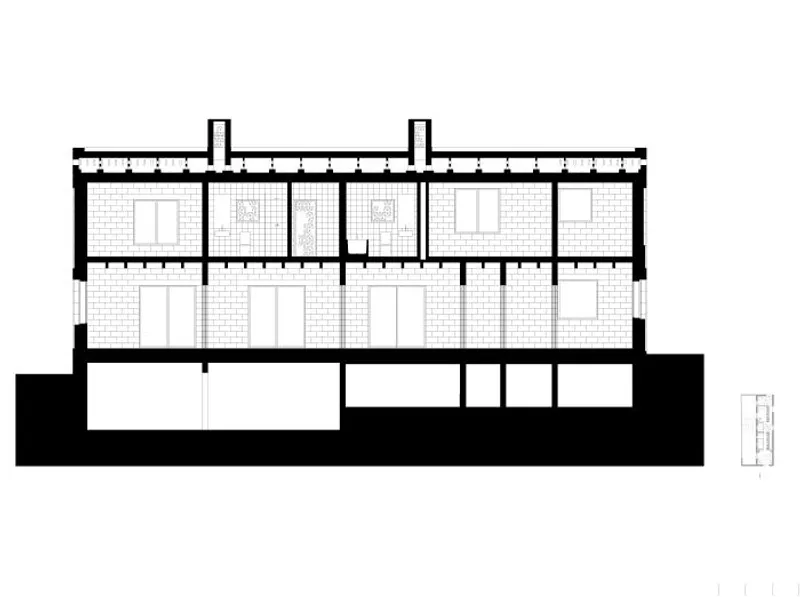
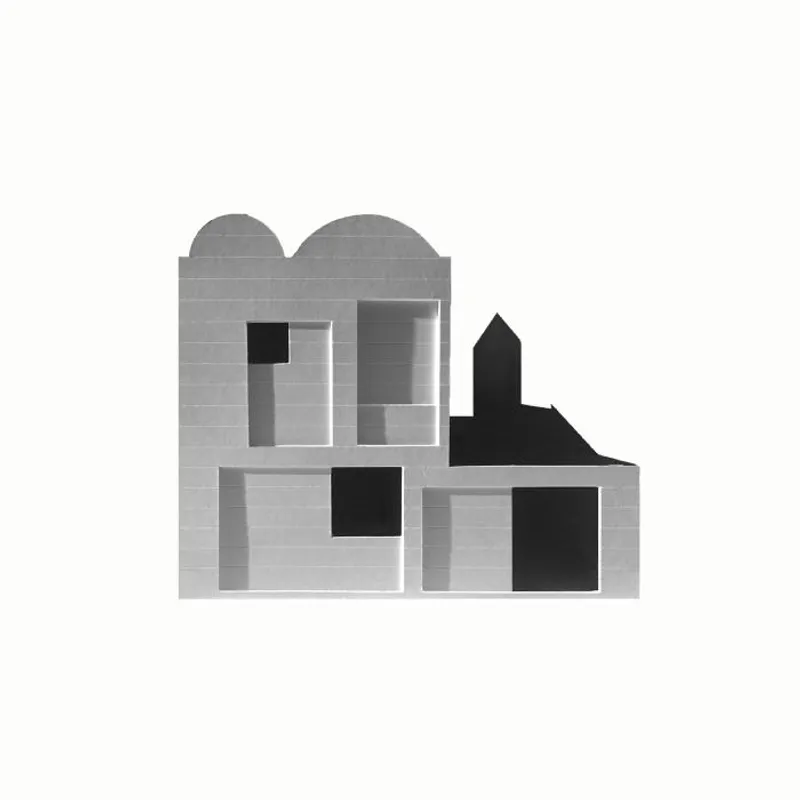
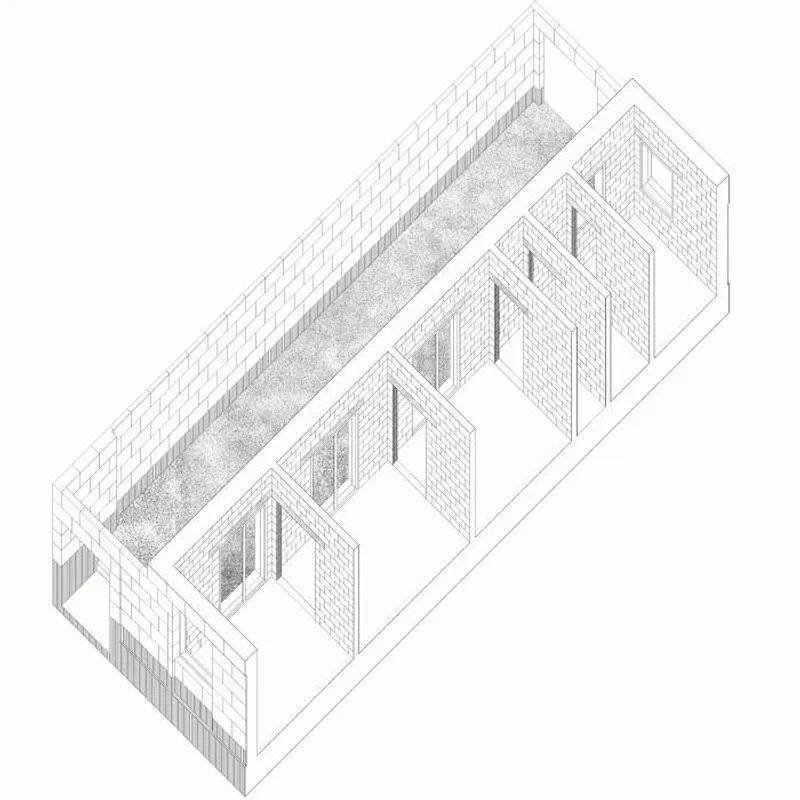
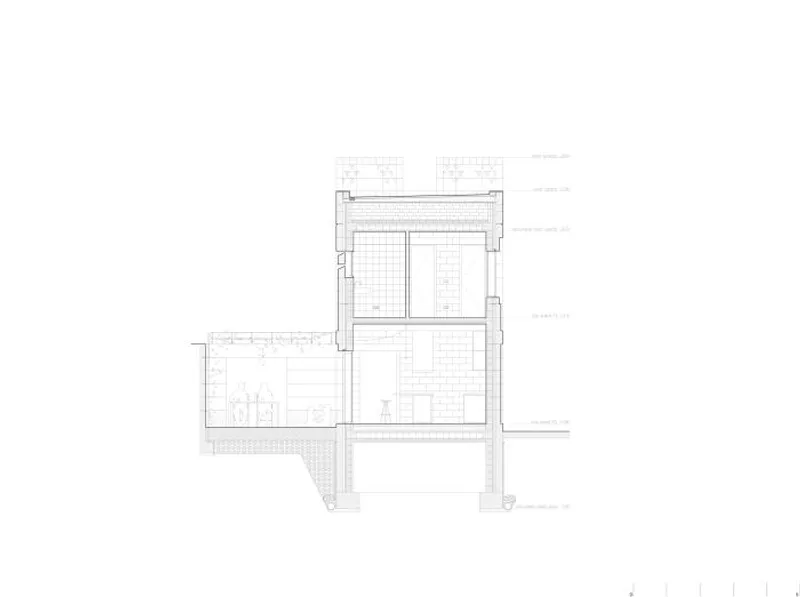
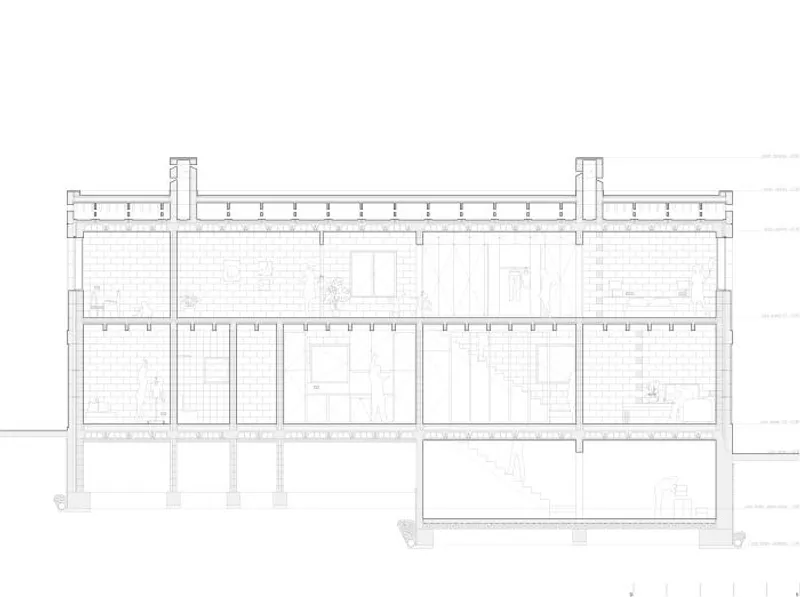
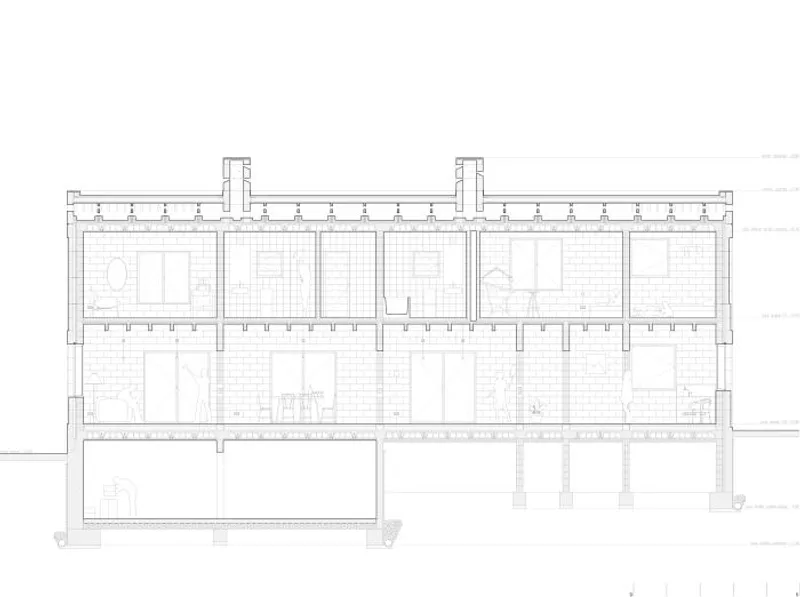
The house is set in the longest direction of the plot, on the side street, to free up a courtyard/lane between the new house and the wall shared with the neighbour. The room structure and the bearer structure are coincident, providing each space with cross-ventilation between the street and the patio, and each room is directly related to the patio, making use of a piece of it.
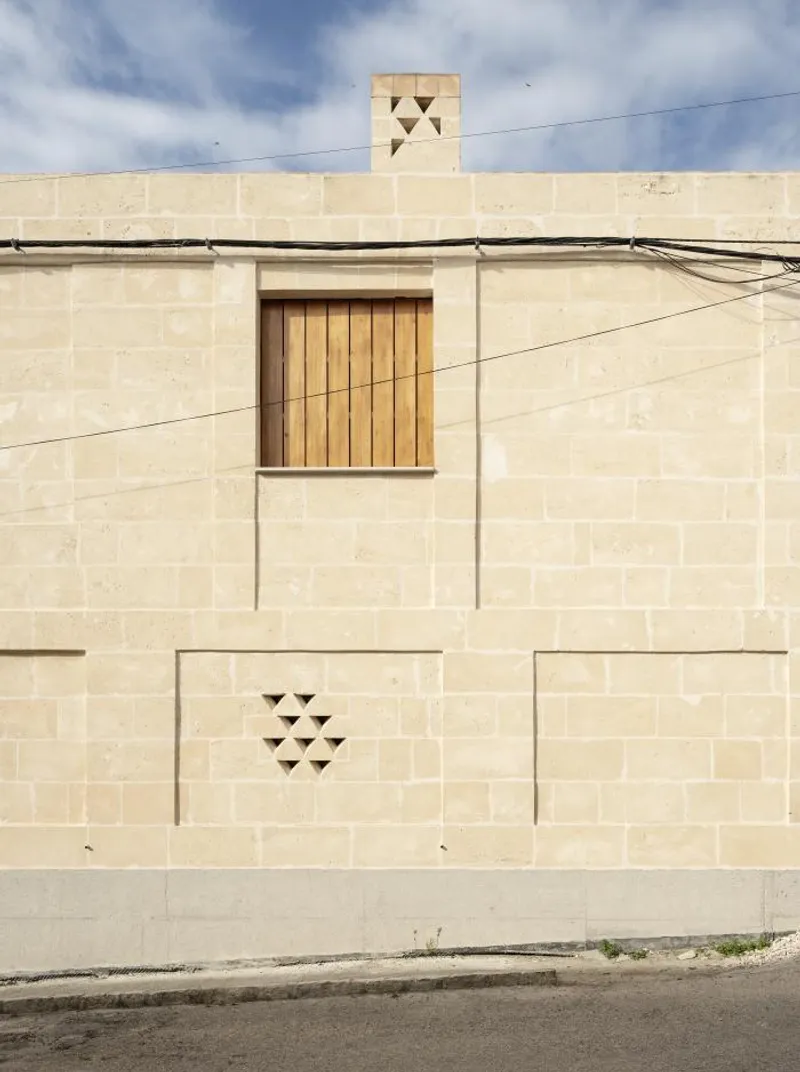
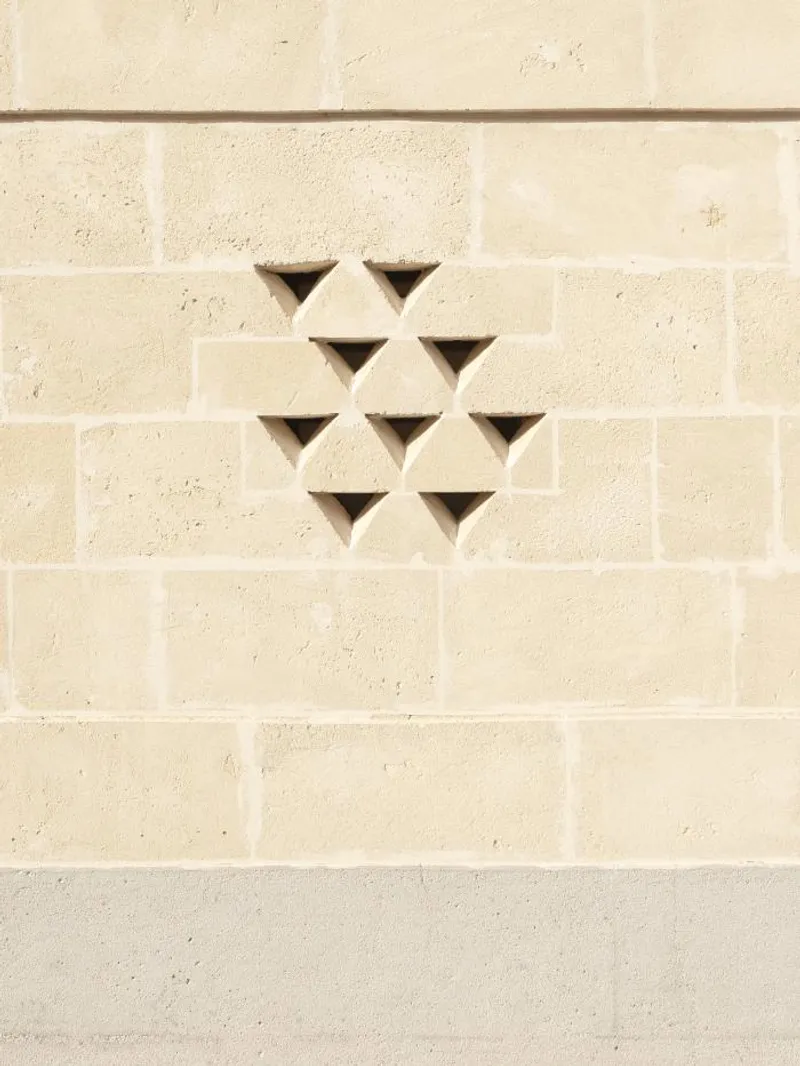
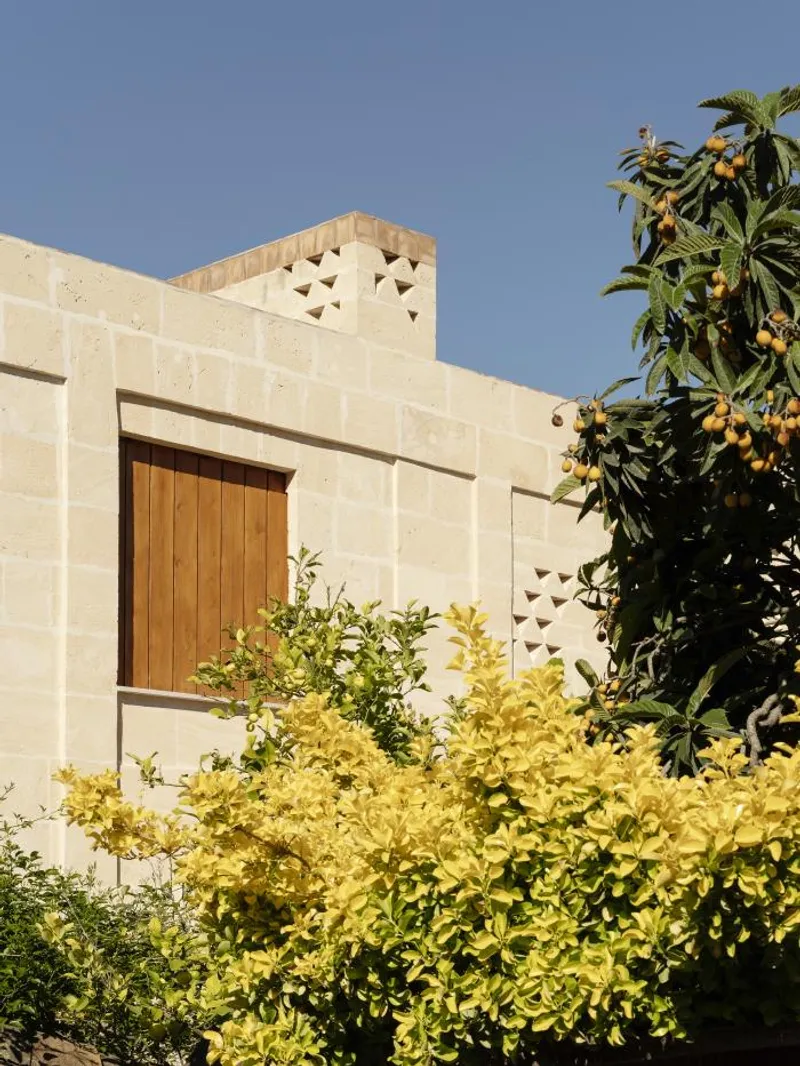
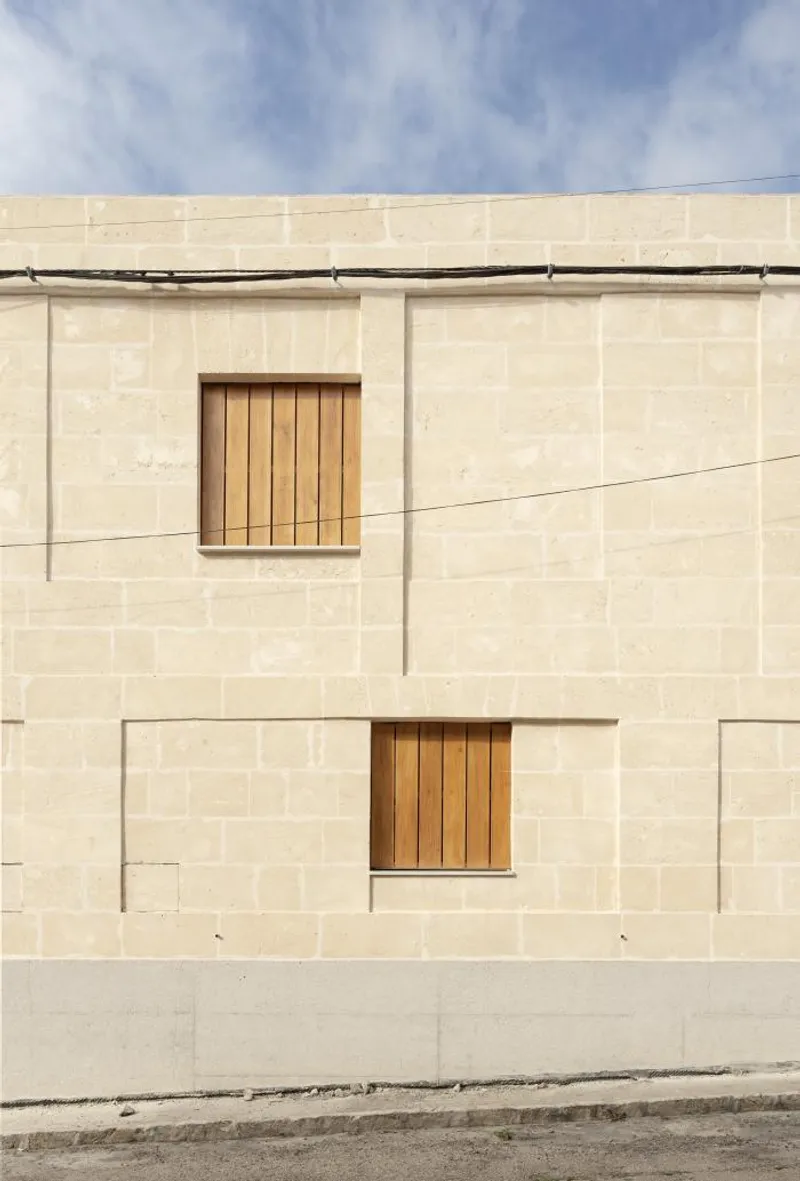
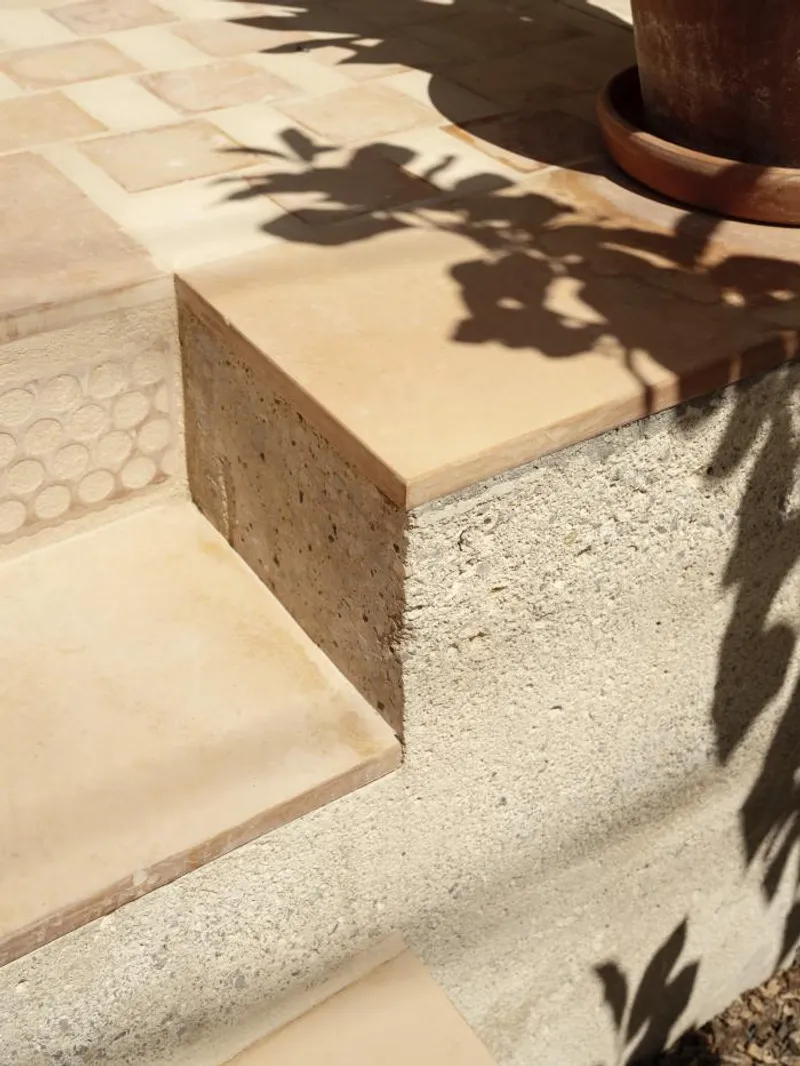
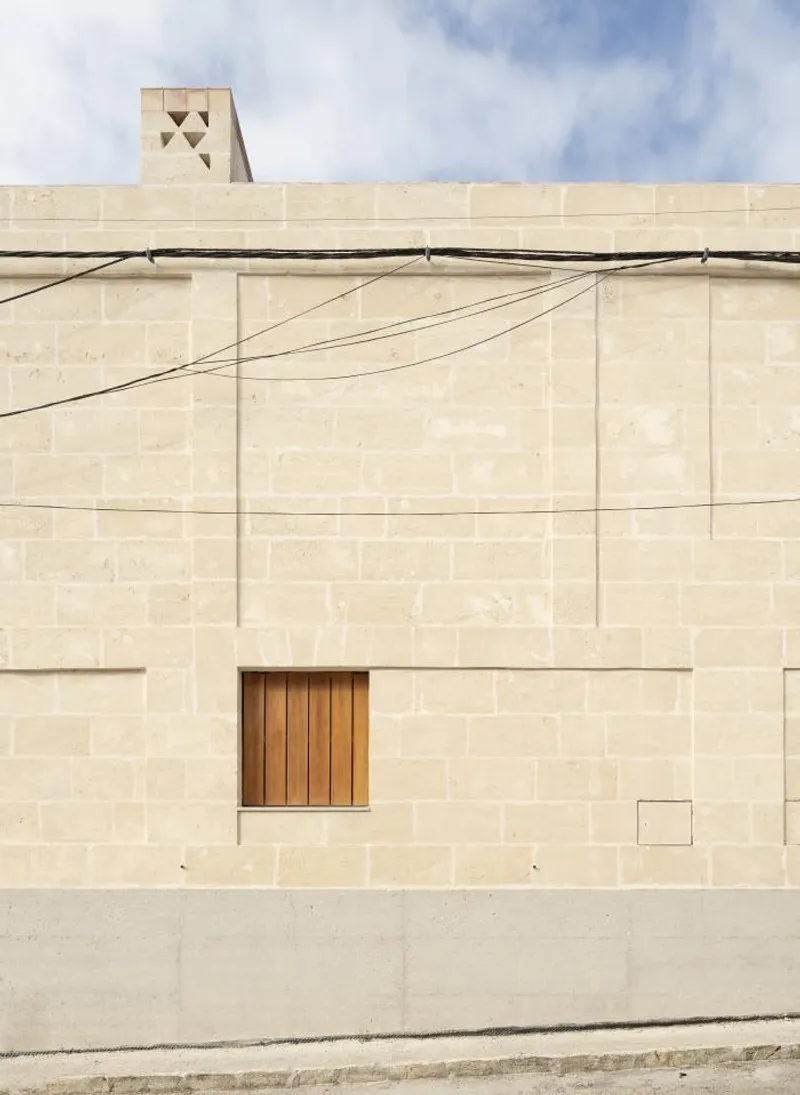
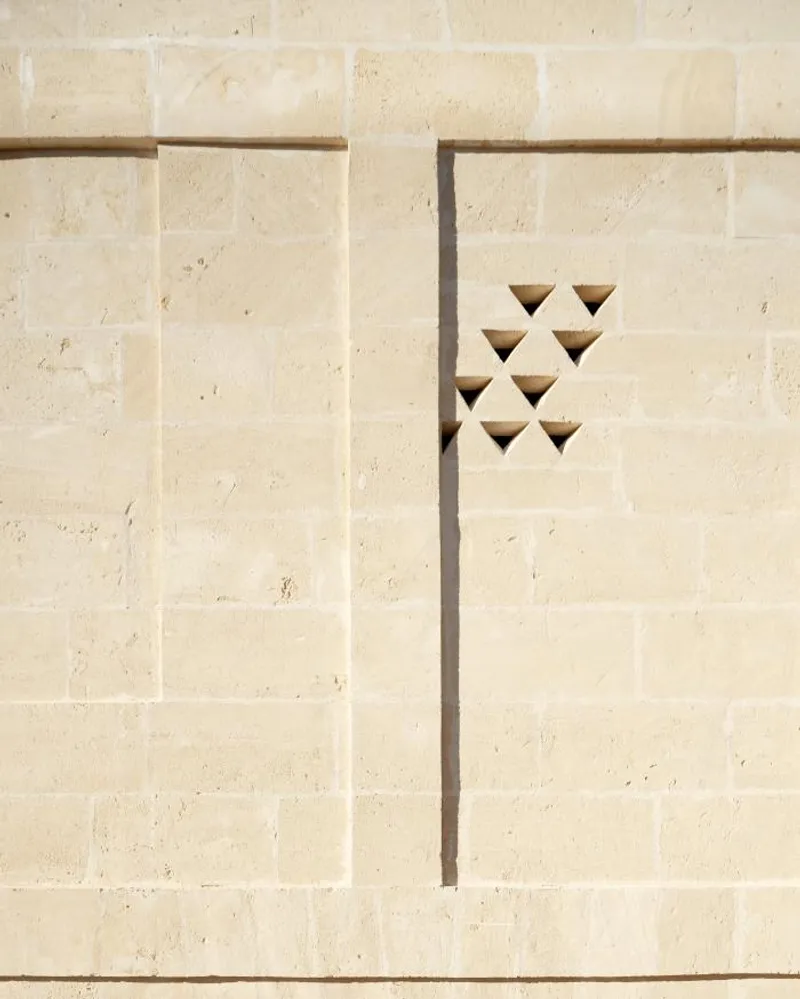
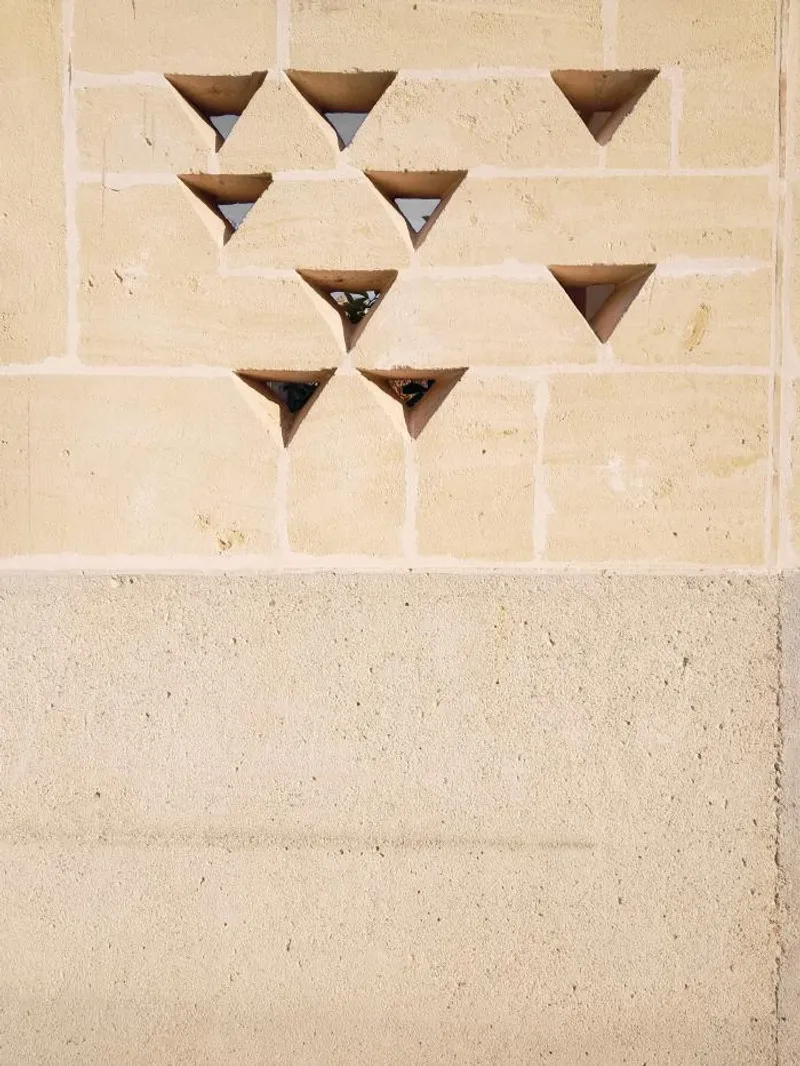
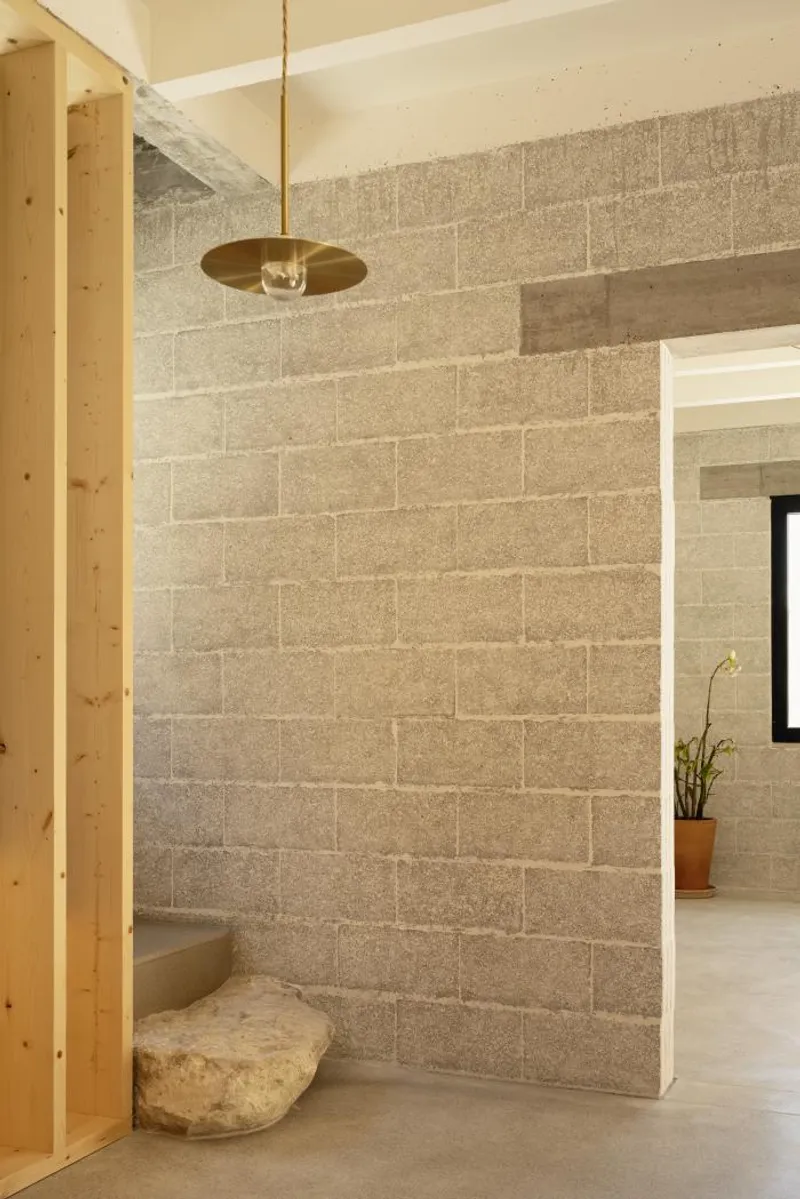
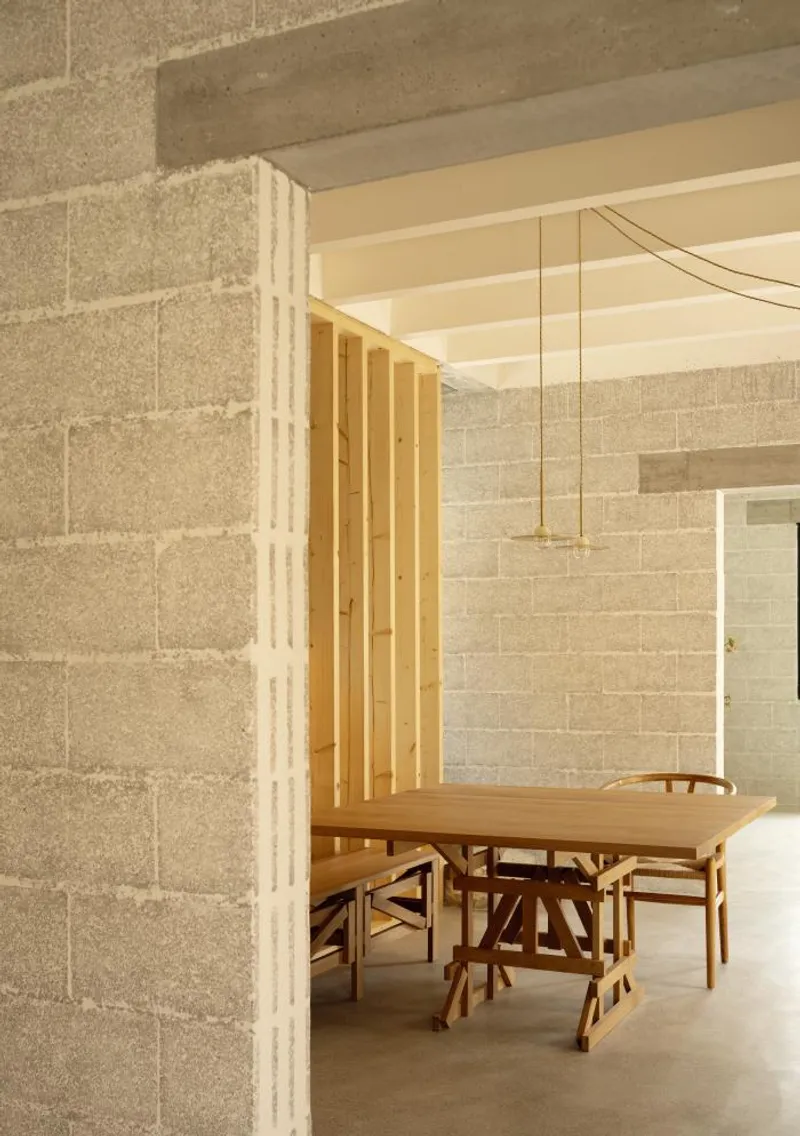
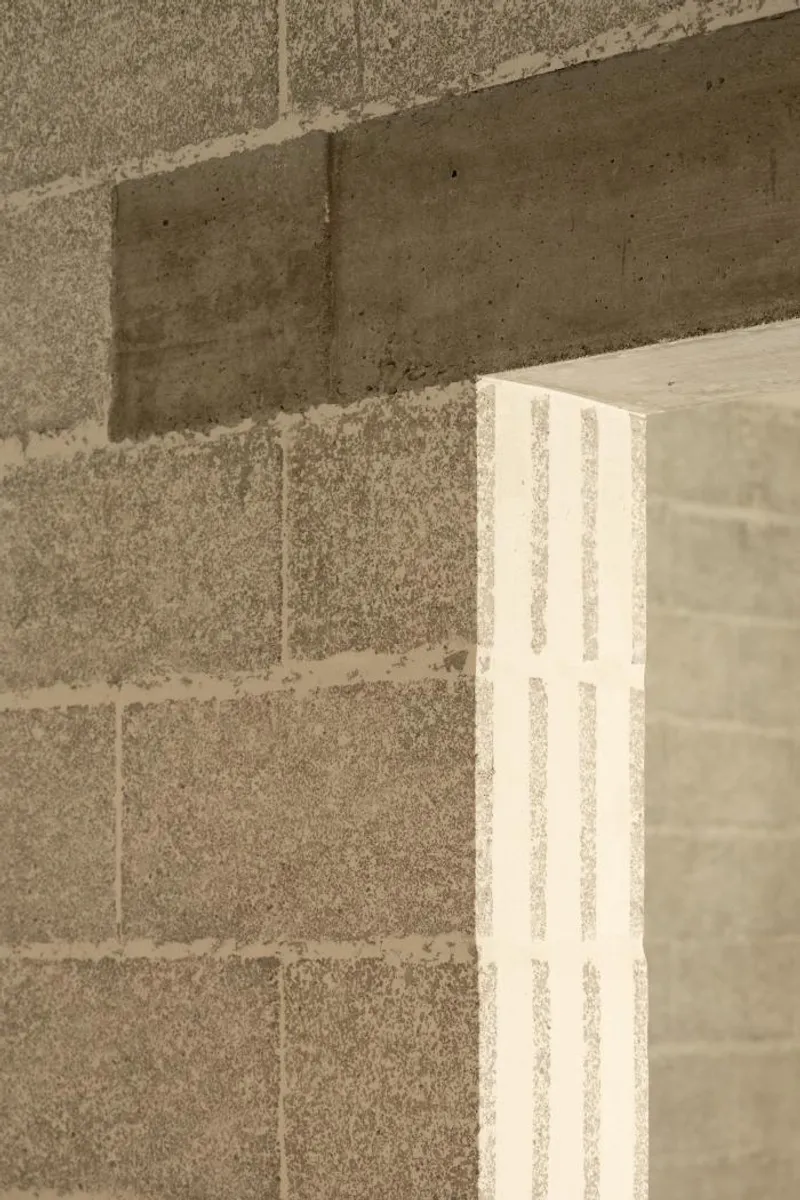
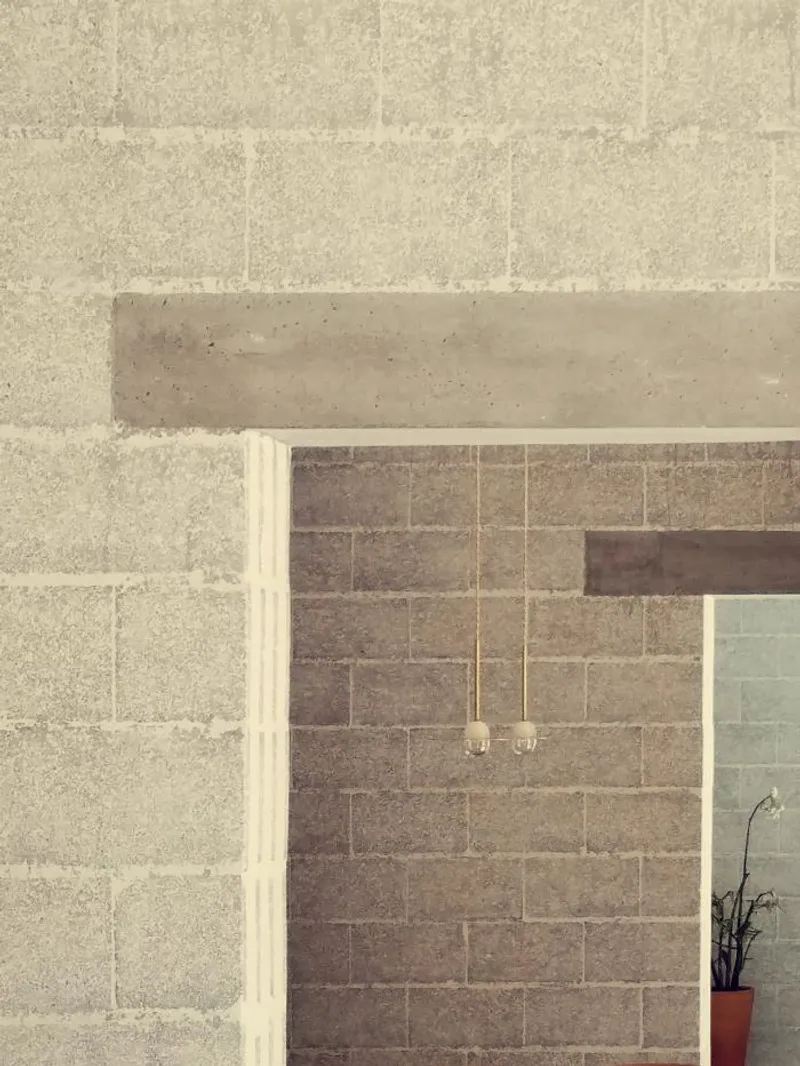
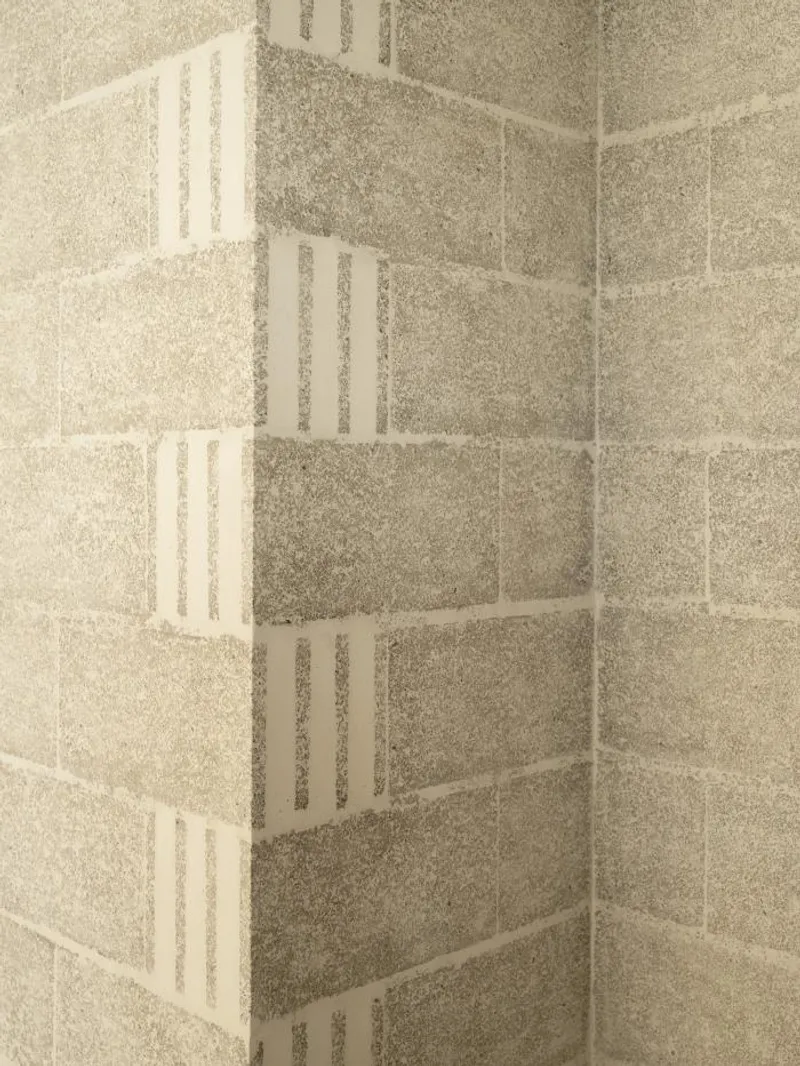
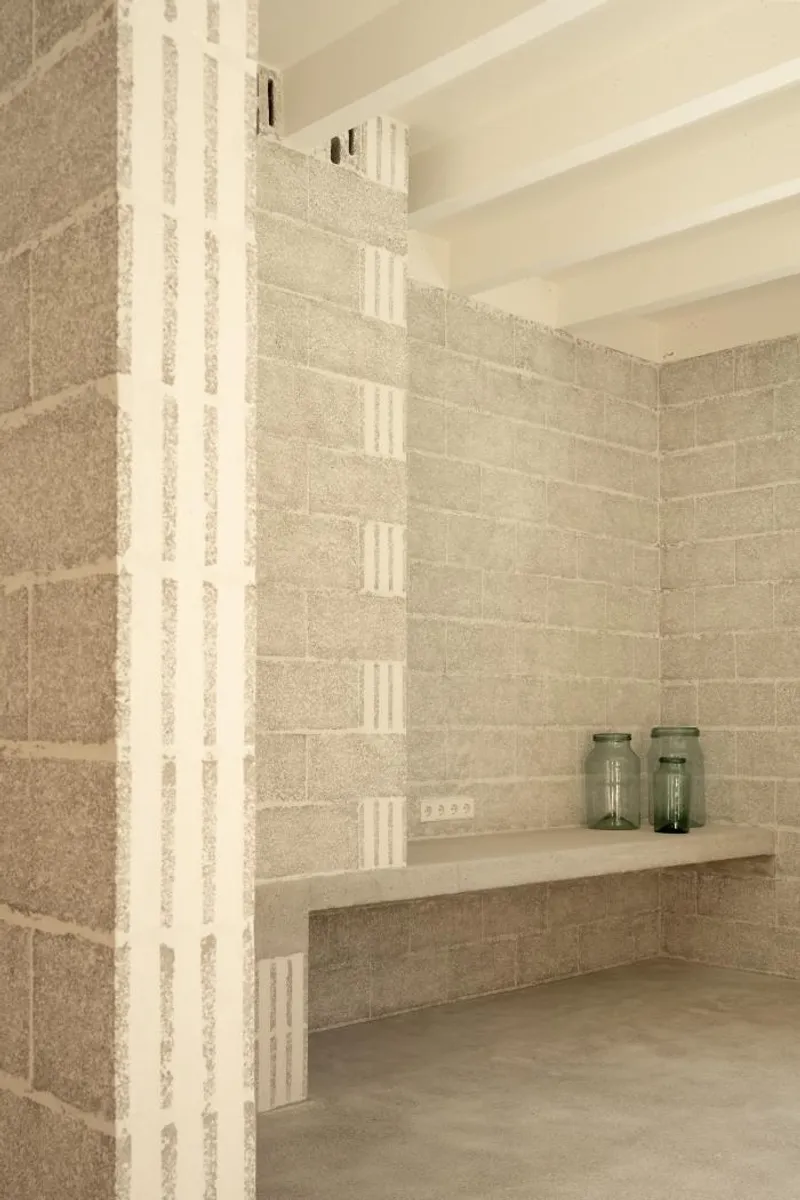
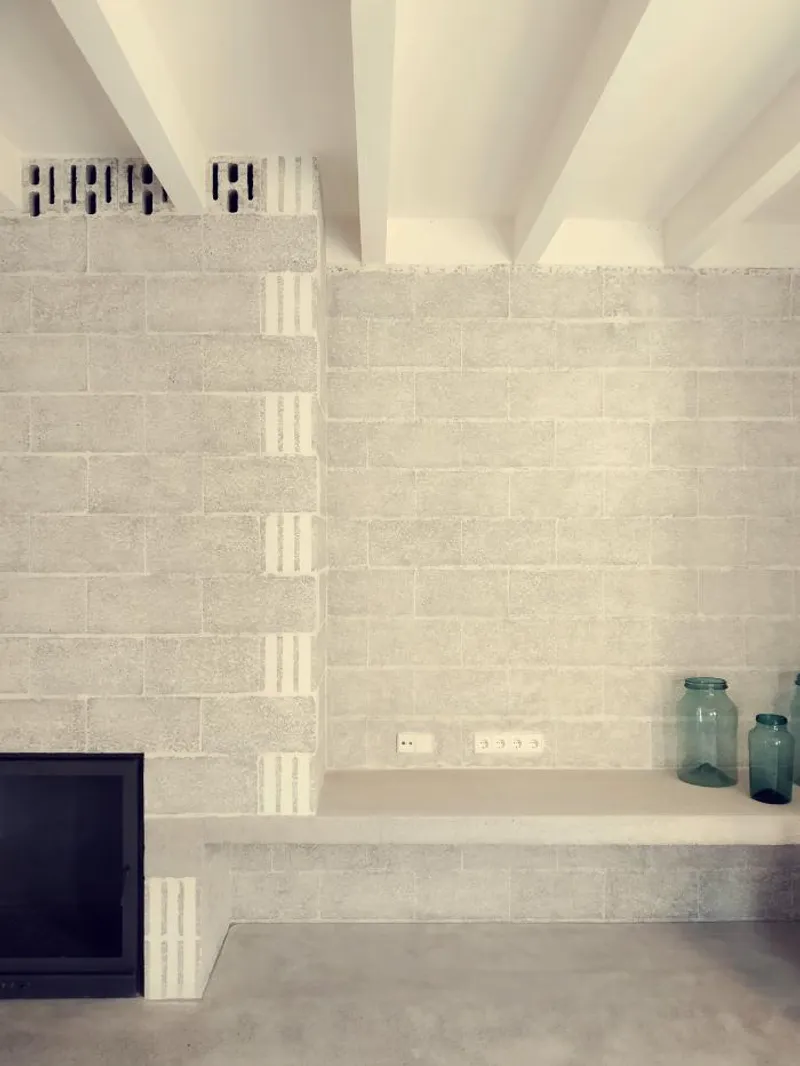
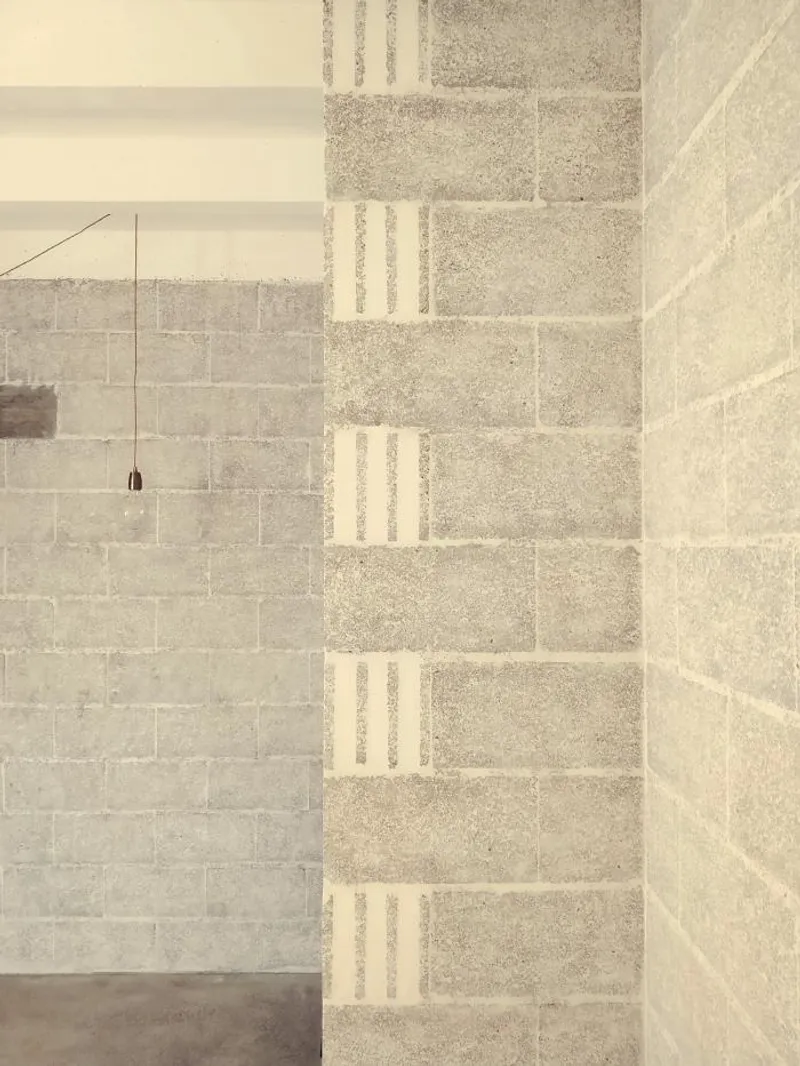
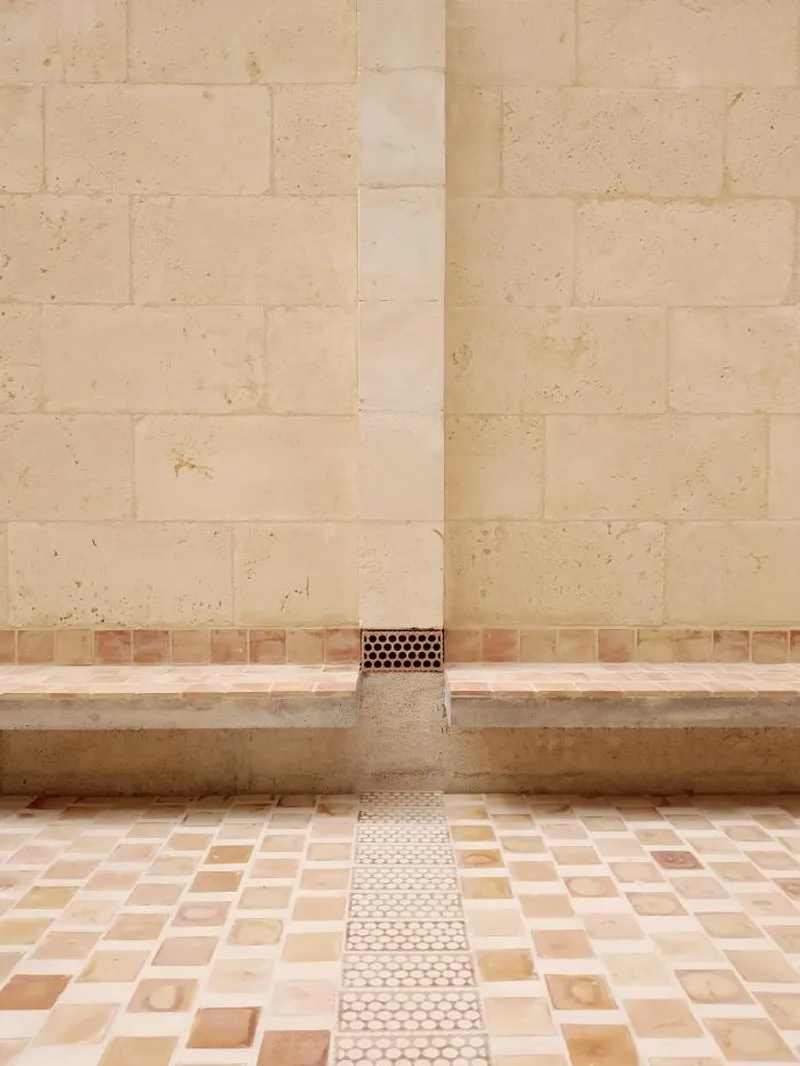
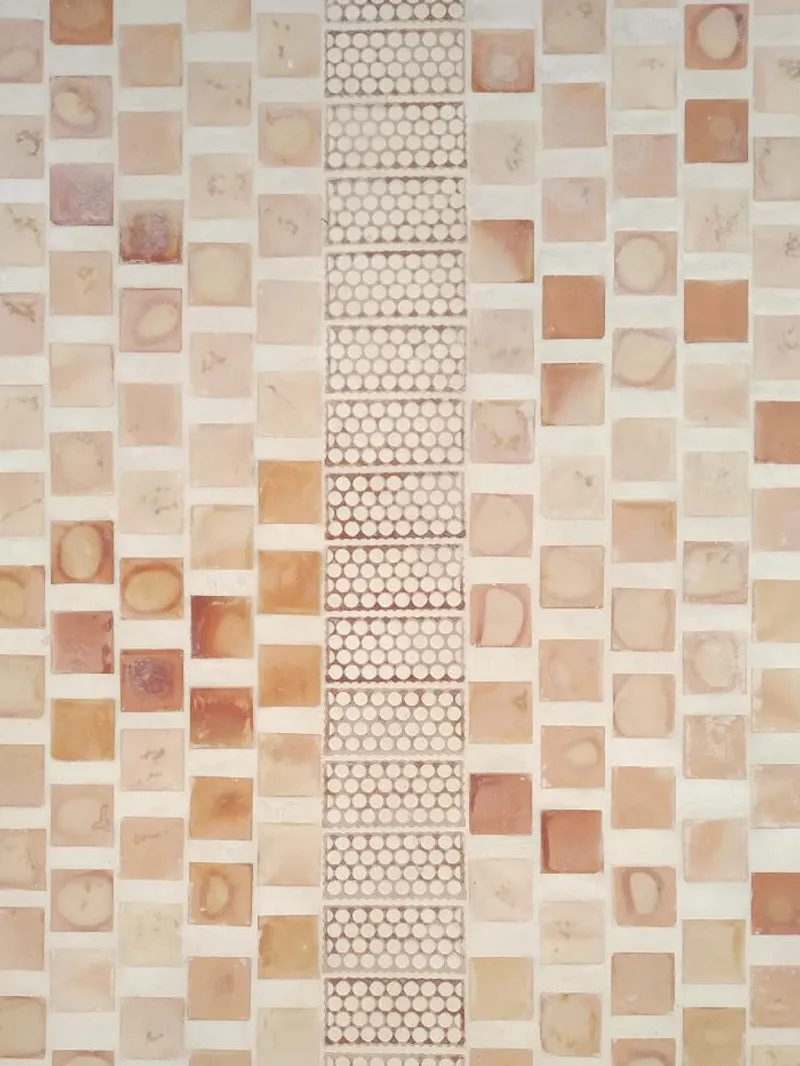
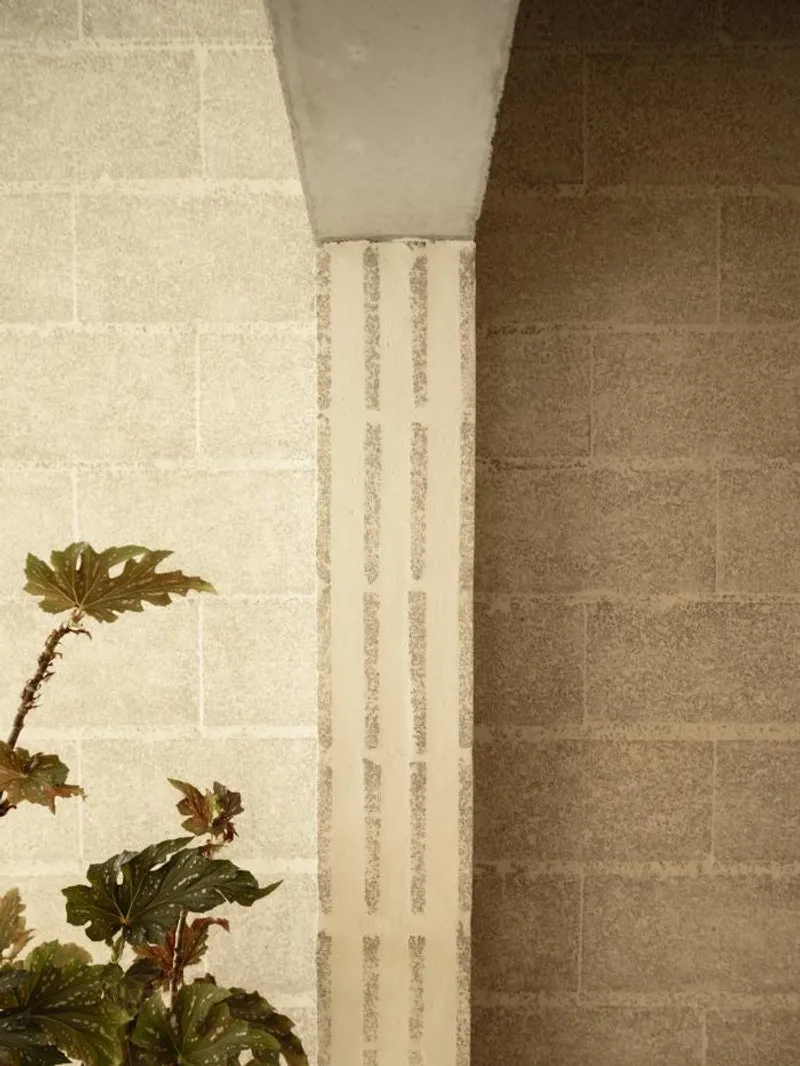
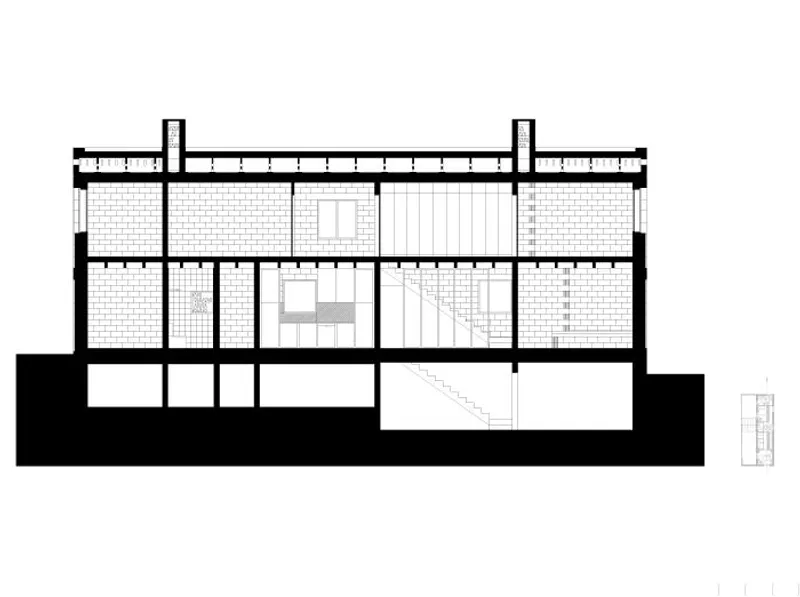
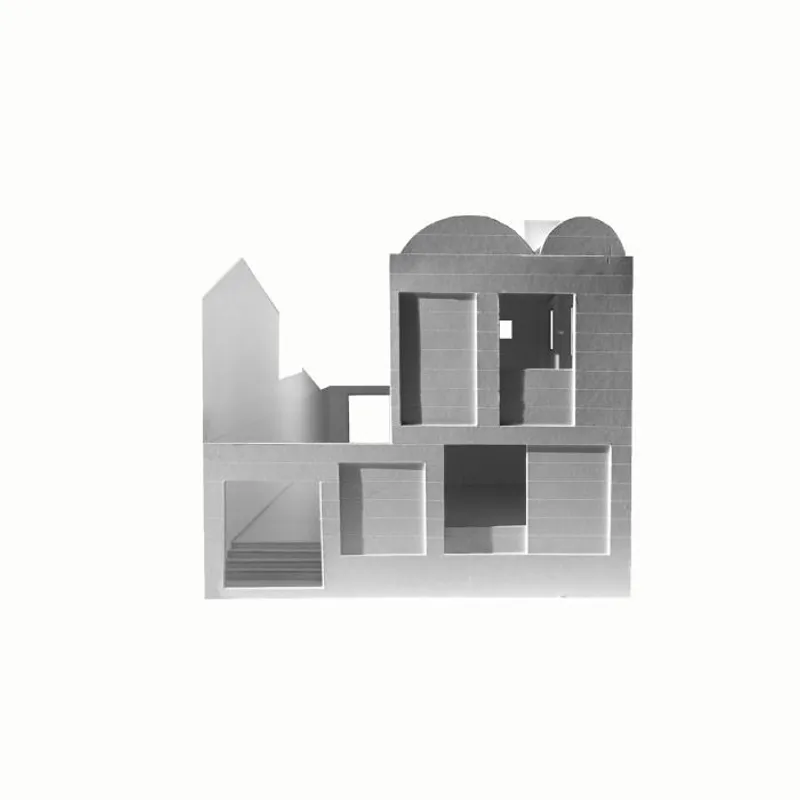
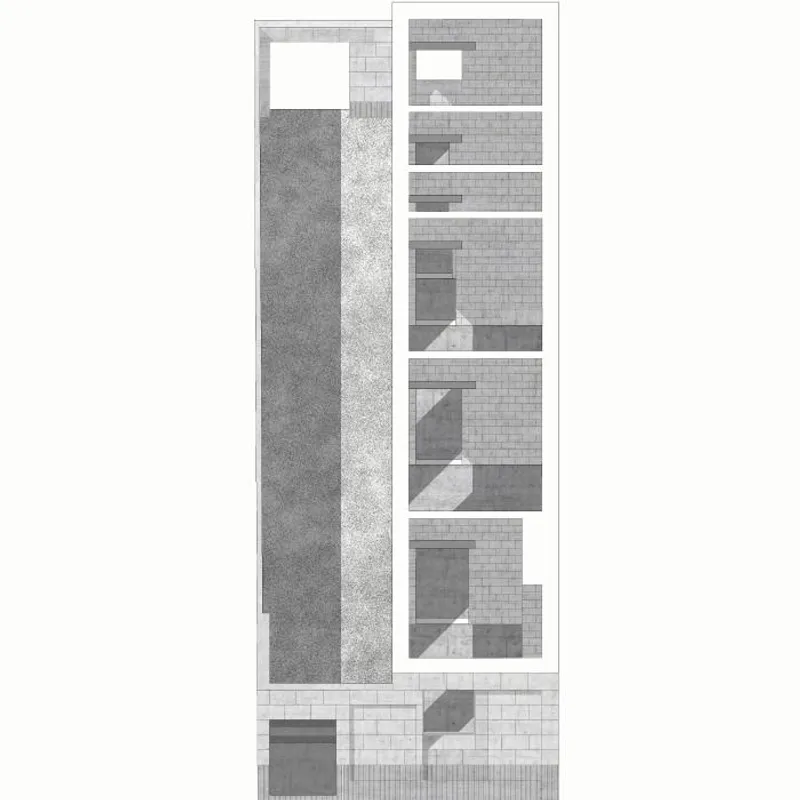
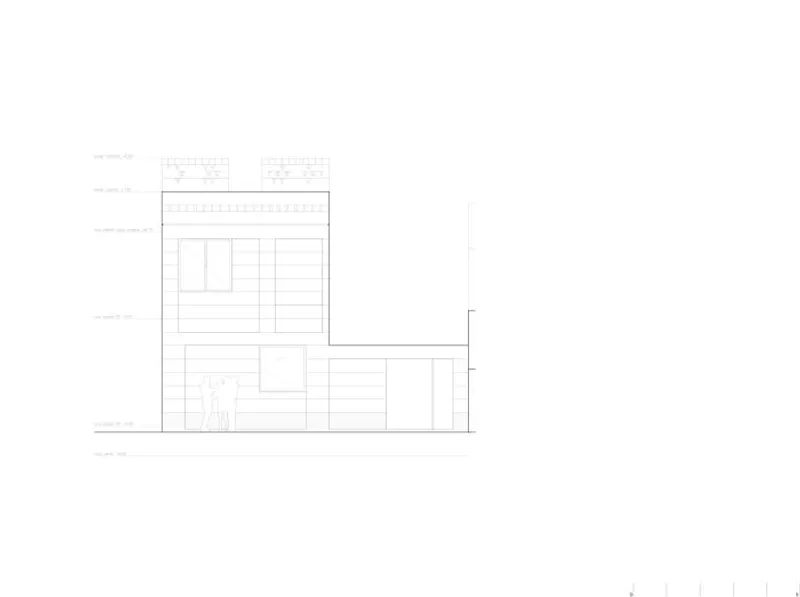
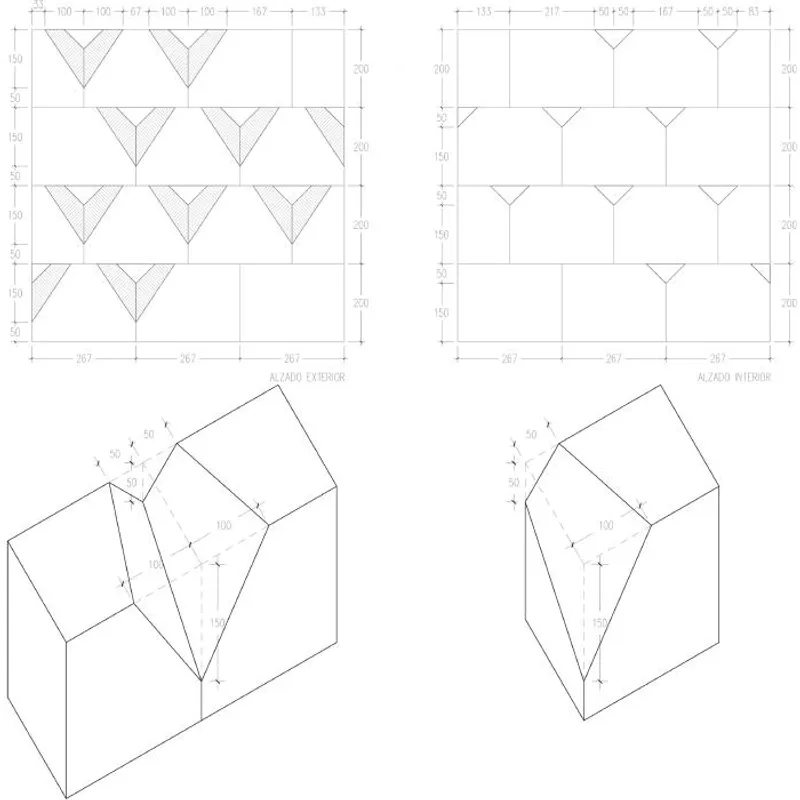
The use of vibro-pressed concrete blocks for the load-bearing walls and sandstone for the outer wall and plinth provides a heavy facade with high inertia, an energy and climate strategy that enhances the store's sustainability.
Overall, Ted'A Arquitectes' Can Guillem i na Cati is a stunning example of how architecture can merge aesthetics and sustainability, especially in fashion retail, where the industry is under pressure to reduce its carbon footprint.




Popular Articles
Popular articles from the community


The Ocean Hive: Sustainable Architecture for a Self-Sufficient Civilization at Sea
The Ocean Hive imagines sustainable architecture at sea, where modular habitats, algae, wave power and ocean waste sustain a growing colony.

Co-Life: Senior Housing Design That Reconnects Older Adults With the City
Co-Life reimagines senior housing design through healing gardens, shared streets, workshops, and a sustainable community across generations.

Lunar Spiral: Space Architecture Shaped by the Mathematics of the Universe
Lunar Spiral reimagines space architecture through Fibonacci geometry, lunar regolith, levitating habitats, and self-sustaining Moon living.

The Musturak Paradise: Senior Living Architecture for a Connected Future in Temara, Morocco
The Musturak Paradise reimagines senior living architecture in Temara via private homes, social spaces, culture, community, and shared care.


Similar Reads
You might also enjoy these articles
116 Rokeby Building, Collingwood
Sustainable Collingwood office building featuring double-skin façade, natural ventilation, rooftop amenities, and carbon-neutral design focused on wellbeing and longevity.
Contemporary Apartment Renovation in Spain: RV House by BIAN Opens Up to the Sea
A minimalist 1930s apartment in Santander is transformed into a flexible, sea-facing home through contemporary Spanish renovation.
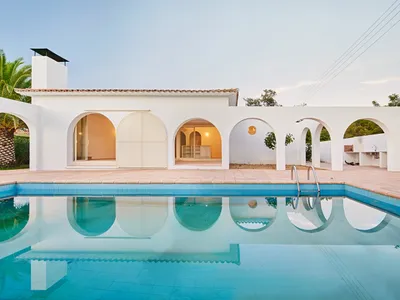
3 Marías House: A Contemporary Mediterranean Courtyard Retreat by Bajet Giramé + Burckhardt
Mediterranean courtyard home blending traditional architecture with modern design, terracotta flooring, flexible interiors, sustainable climate strategies, and garden integration.
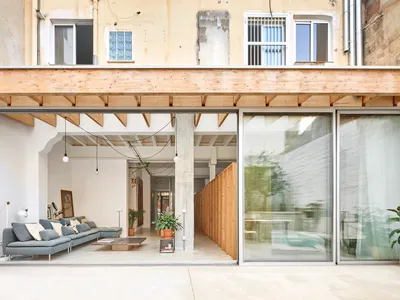
NZ10 Apartment by auba studio: Adaptive Reuse in Palma de Mallorca
Adaptive reuse apartment transforms bakery into light-filled home with patios, privacy layers, and wood interiors enhancing urban living experience.


Explore Architecture Competitions
Discover active competitions in this discipline




Challenge to reimagine the Iron Throne


Photograph architecture without architects


Illustrate the lost glory of Angkor Wat - Render Challenge


Design challenge to reuse E-waste
Comments (0)
Please login or sign up to add comments
No comments yet. Be the first to comment!