

Stubberupgaard Supportive Housing by Leth & Gori
Stubberupgaard Supportive Housing by Leth & Gori transforms historic farm buildings into sustainable apartments, fostering community, daylight, and healing architecture.


A Healing Community Through Architecture
The Stubberupgaard Supportive Housing project by Leth & Gori transforms a historic farmhouse complex into a modern residential community for vulnerable citizens living with mental illness. Comprising 44 sheltered apartmentssurrounded by landscaped courtyards and gardens, the project integrates renovation, adaptive reuse, and new construction into a unified whole.
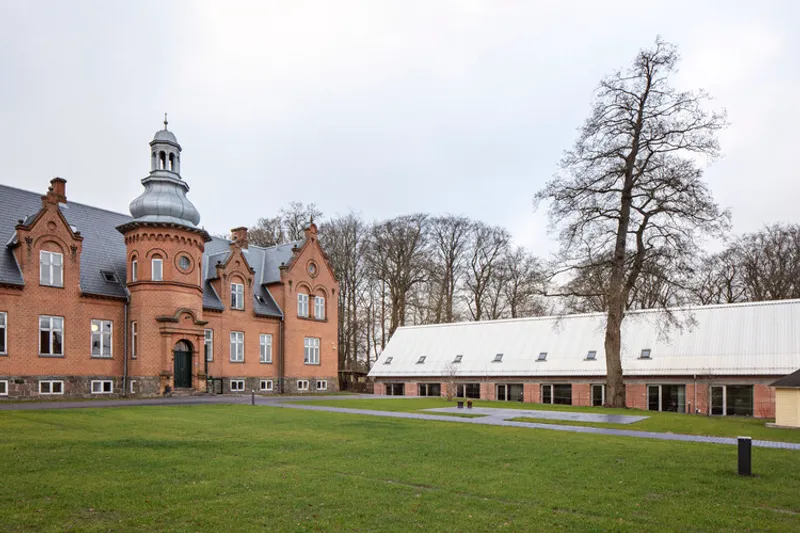
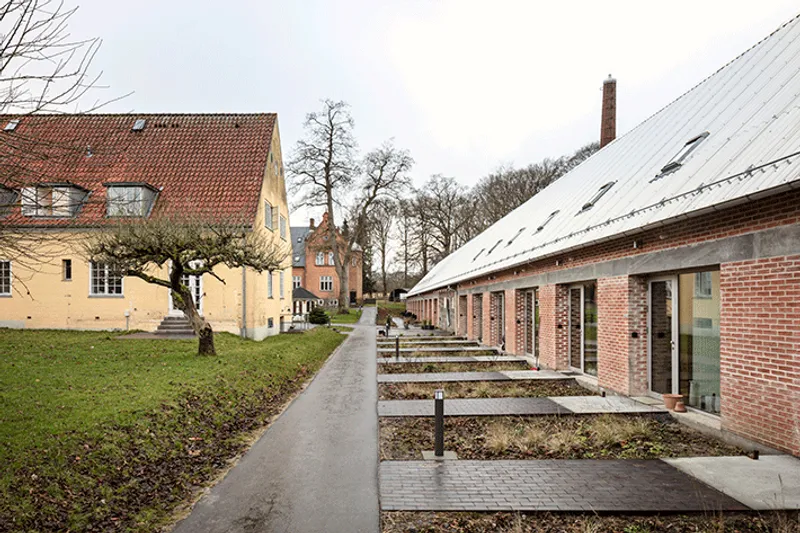
The design reinterprets the historical cluster of stables, cowsheds, and guesthouses, weaving them into a new master plan that strengthens spatial connections between old and new buildings, outdoor spaces, and communal facilities.
Architectural Vision: Respecting Heritage, Building Community
The architects approached the project with sensitivity, carefully documenting the character and typology of the existing farmhouse structures. Instead of erasing the past, they added new layers of architecture that respect and reinterpret the site’s historical DNA.
“Our aim was to create a community of buildings—a careful, thoughtful space with the residents’ needs at its heart,” say architects Karsten Gori and Uffe Leth.
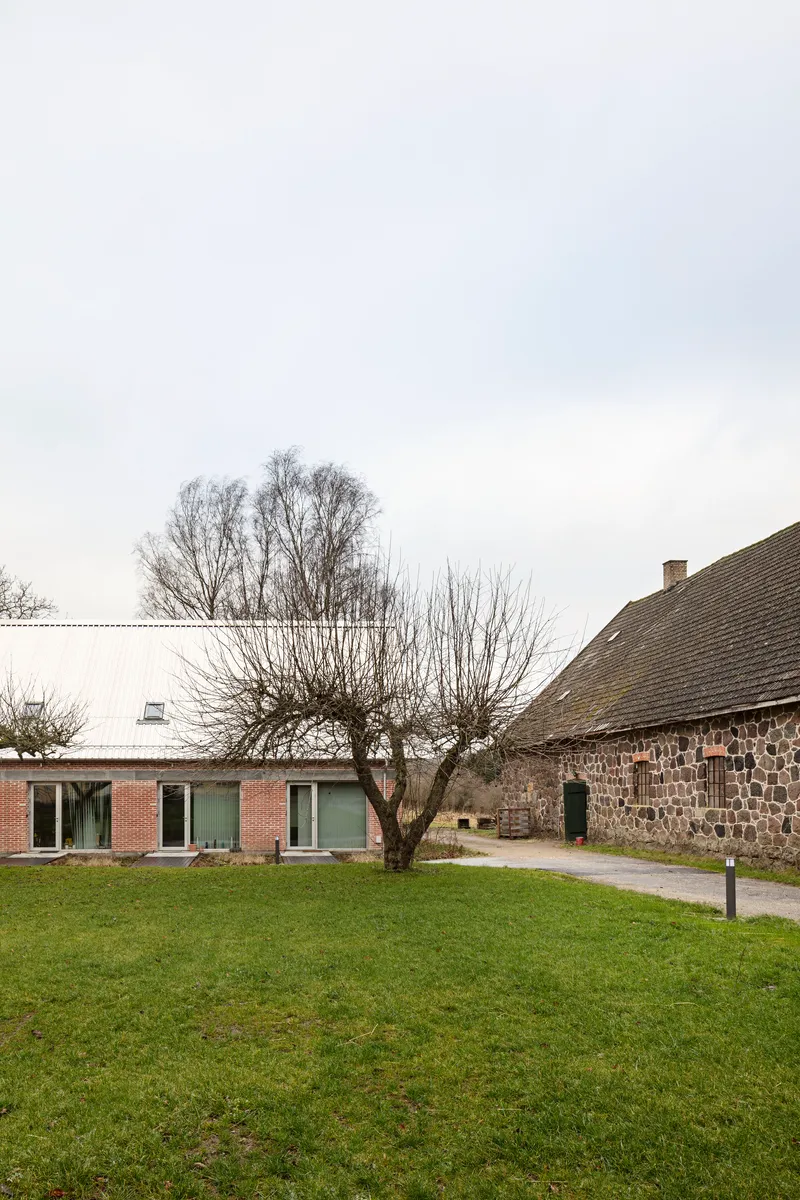
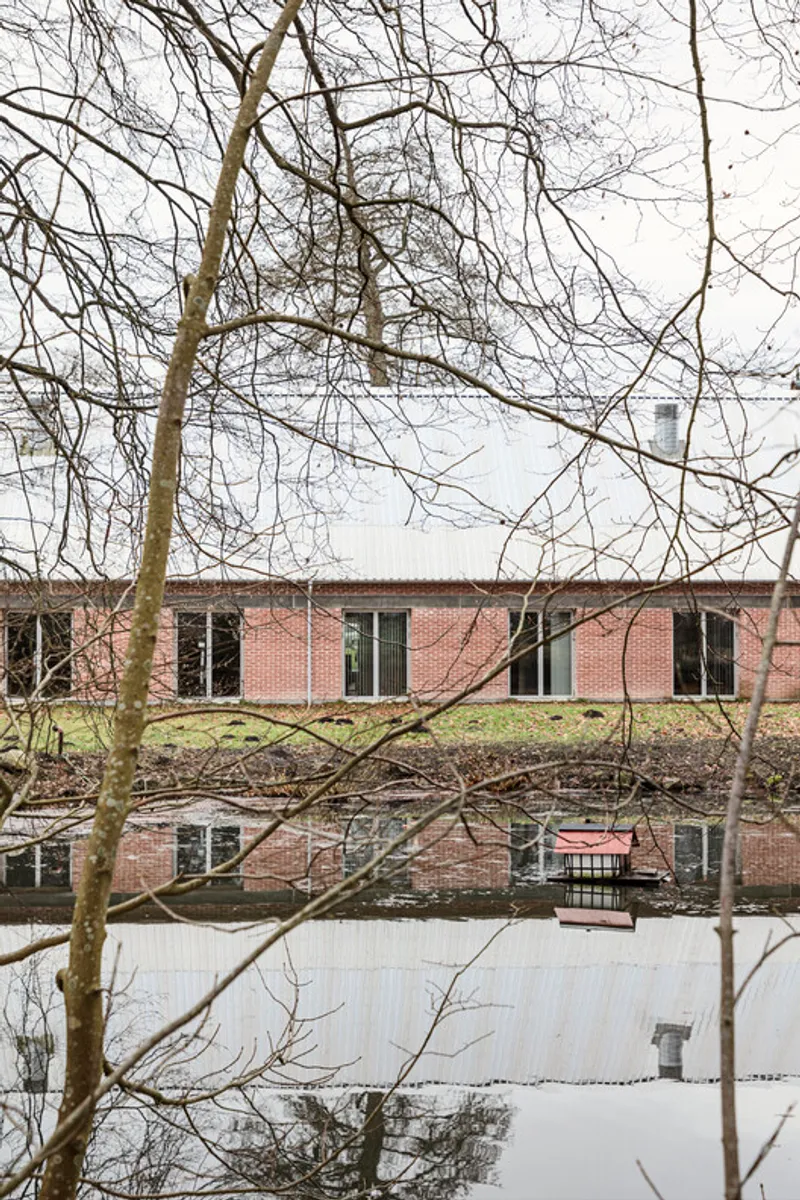
The result is a housing complex where neighborly interaction, social connection, and inclusivity are embedded at multiple scales, nurturing a sense of belonging and community.
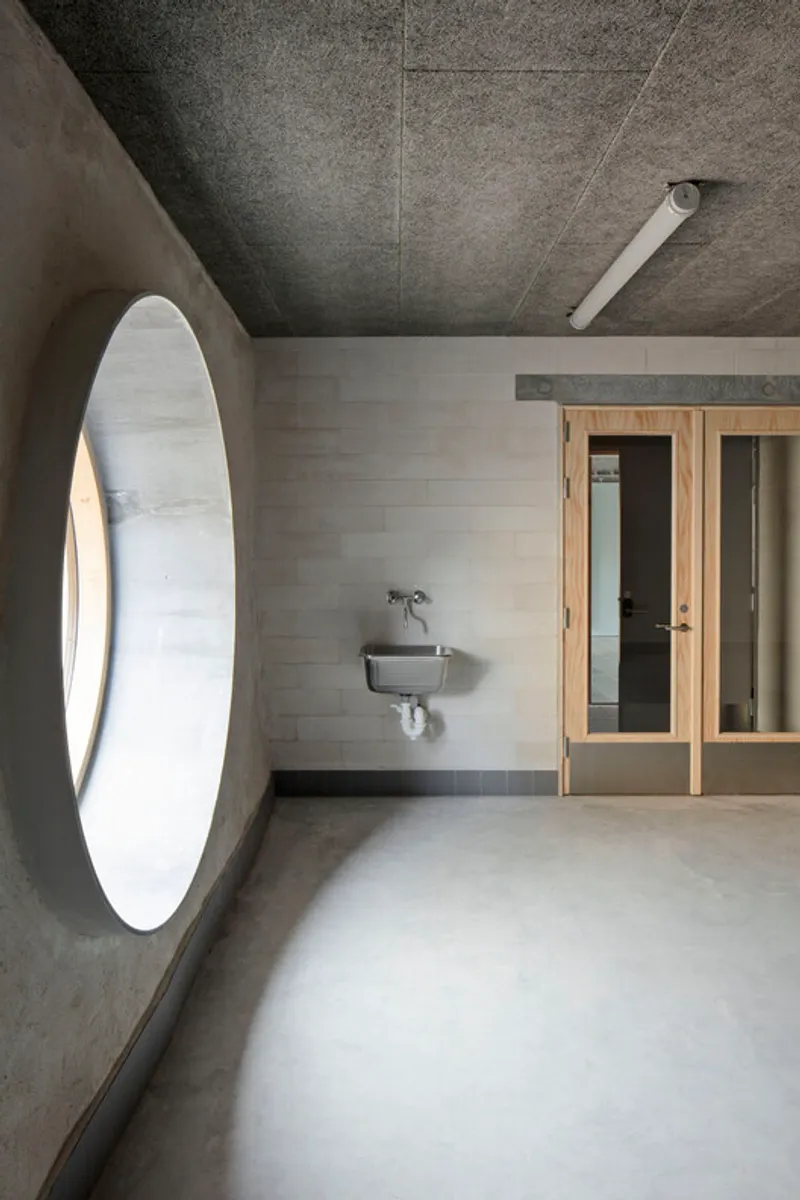
Spaces for Living, Sharing, and Healing
Beyond private residences, Stubberupgaard provides a range of shared facilities designed to foster daily interaction and support well-being. These include:
- A common kitchen and dining hall
- A café run by residents
- A fitness room and workshops
- Flexible social areas for collaboration and informal gatherings
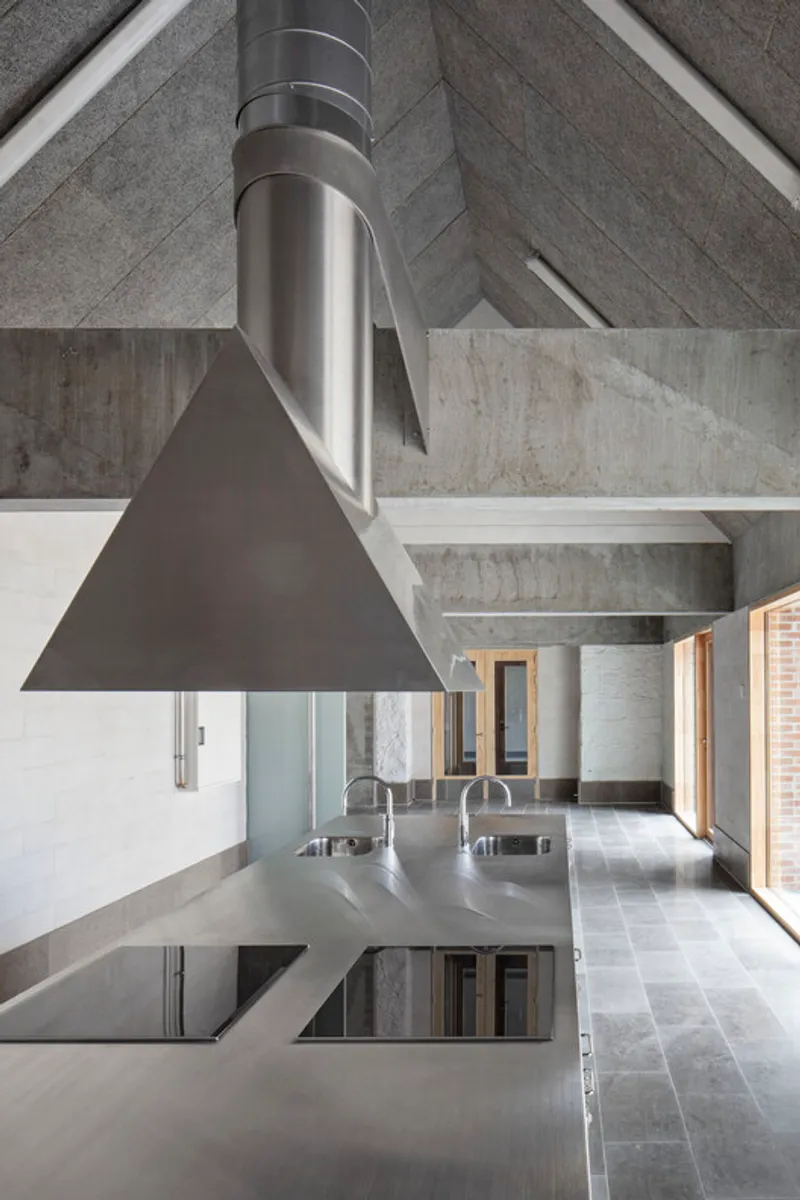
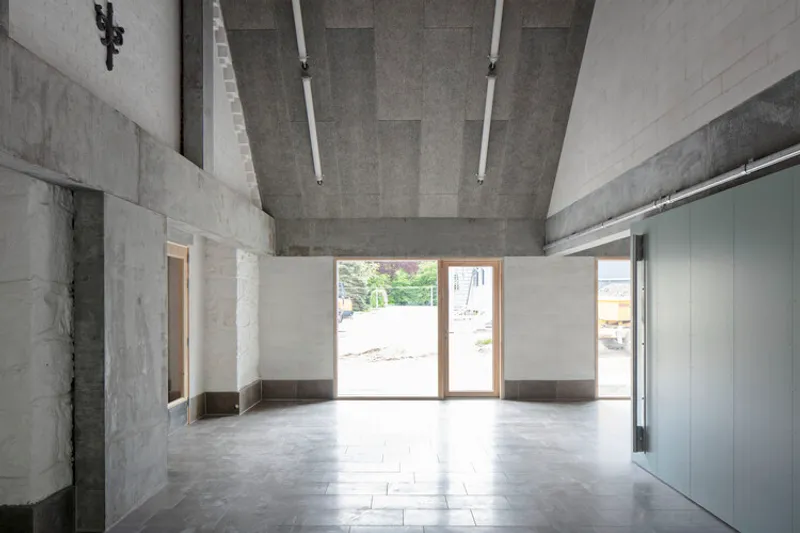
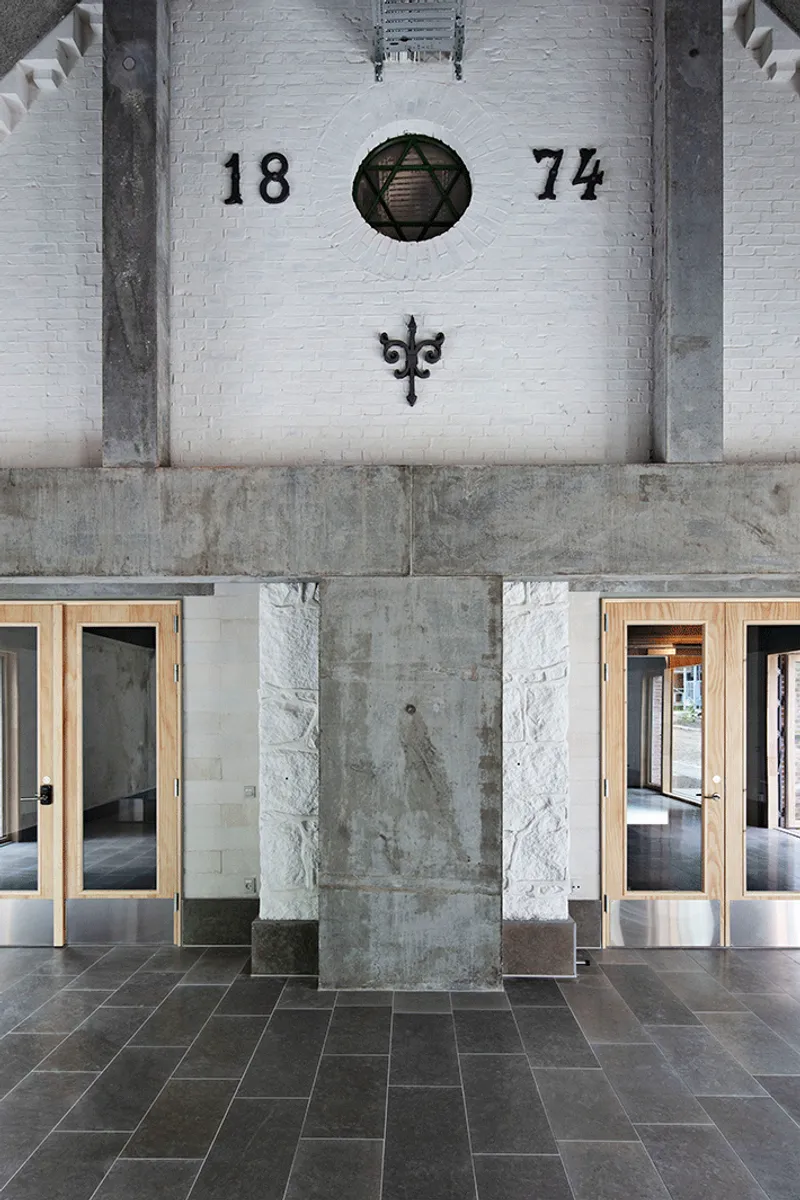
The interiors emphasize daylight, warmth, and homeliness, with natural materials and meticulous detailing to ensure comfort. This approach acknowledges the role of domesticity and familiarity in creating a safe and supportive environment for residents.
Daylight, Materials, and Healing Architecture
Daylight was a central design driver. Each building offers unique window openings and light conditions tailored to its form and function. Combined with artificial lighting, these solutions create a healing architectural framework that enhances comfort and mental well-being.
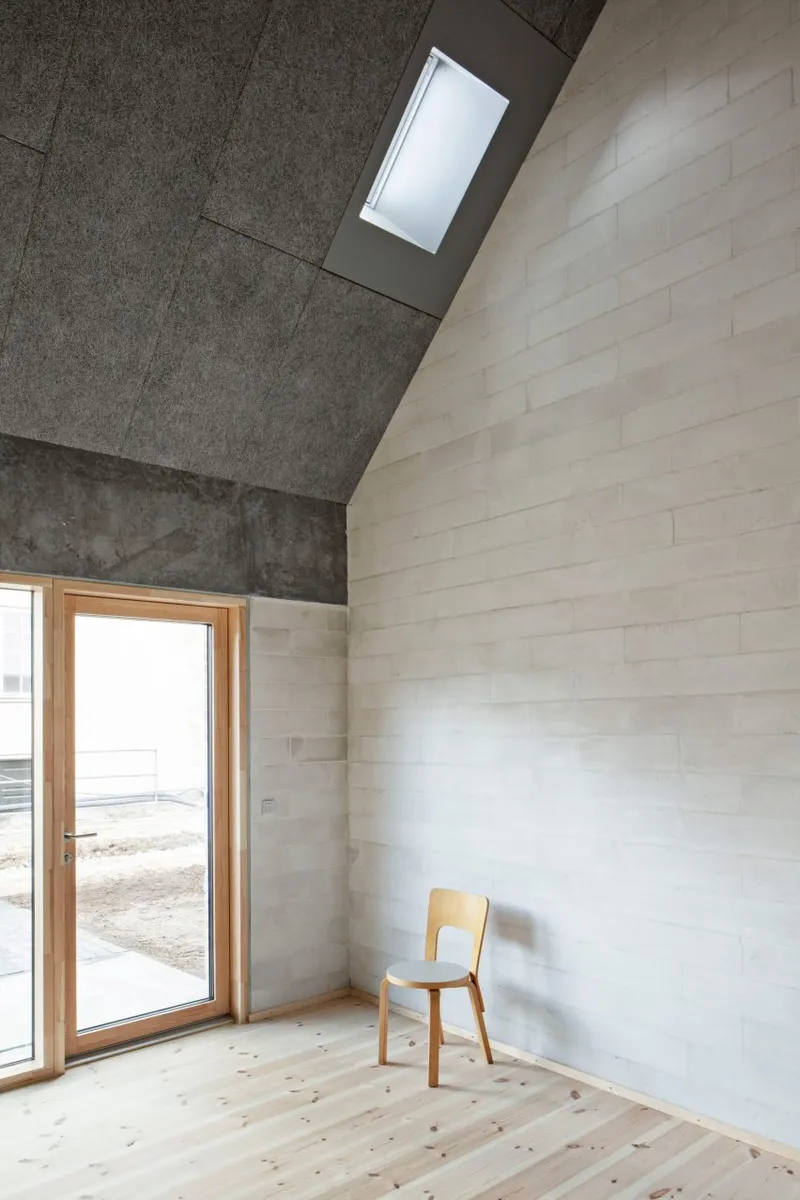
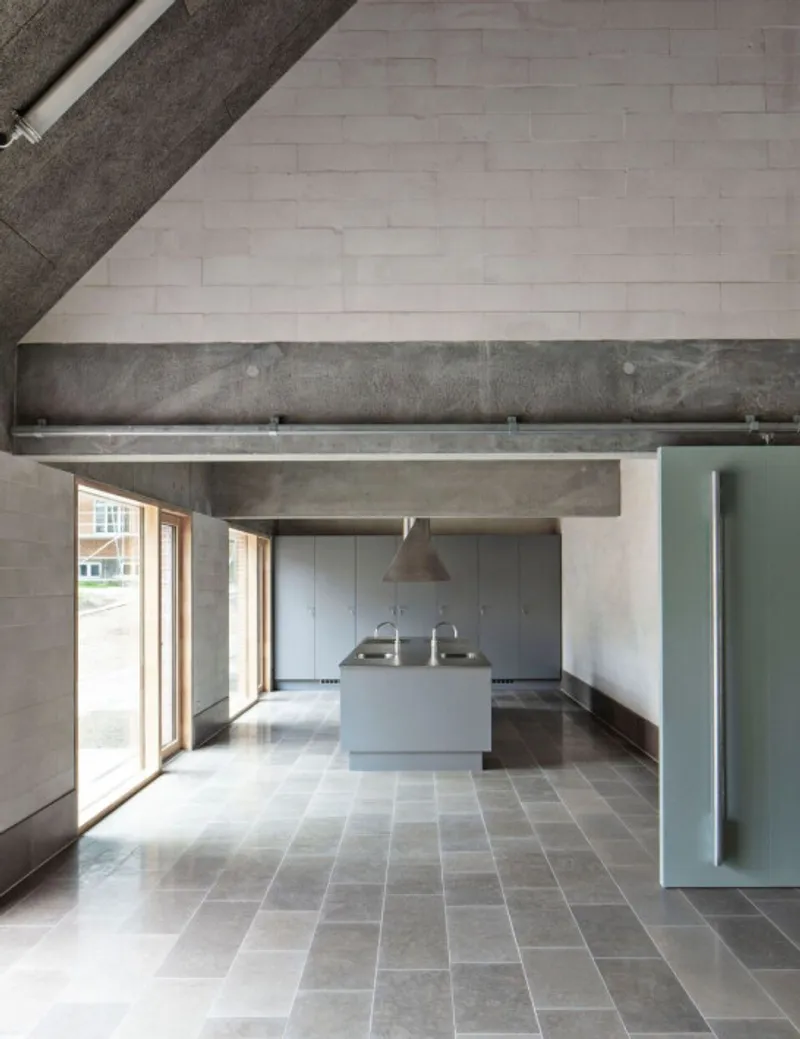
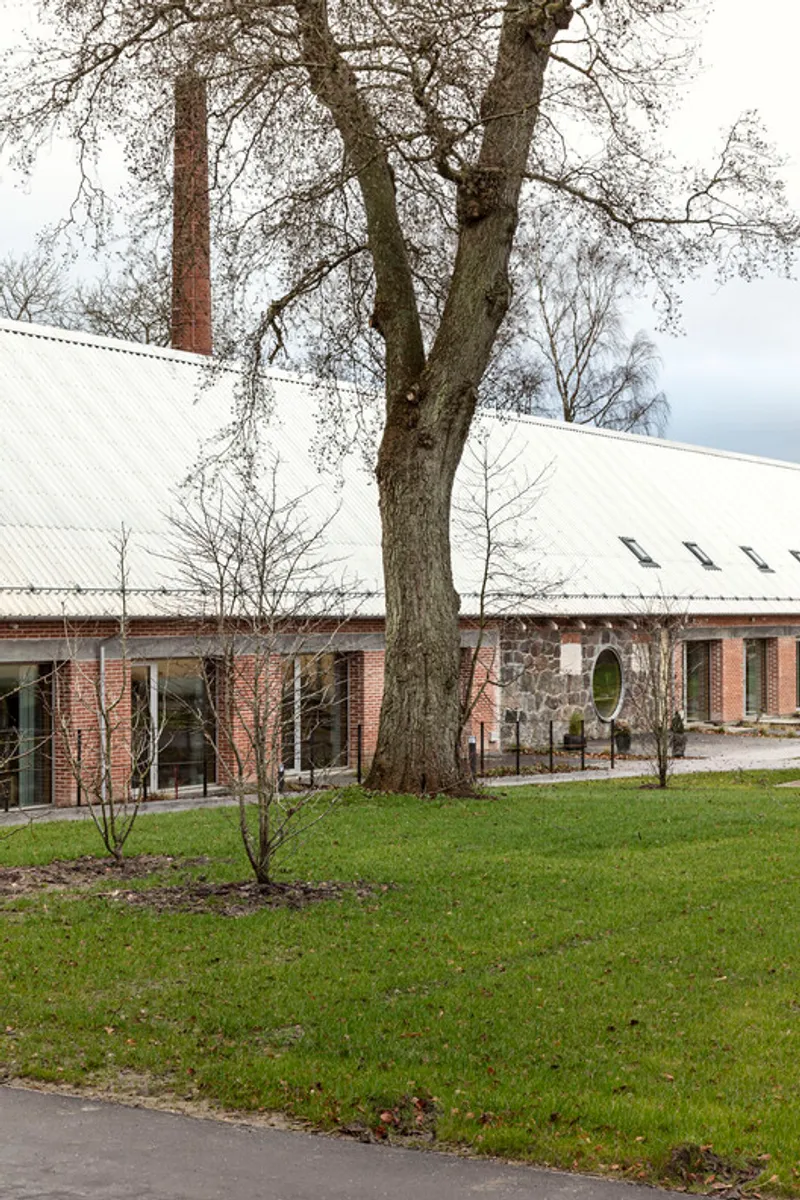
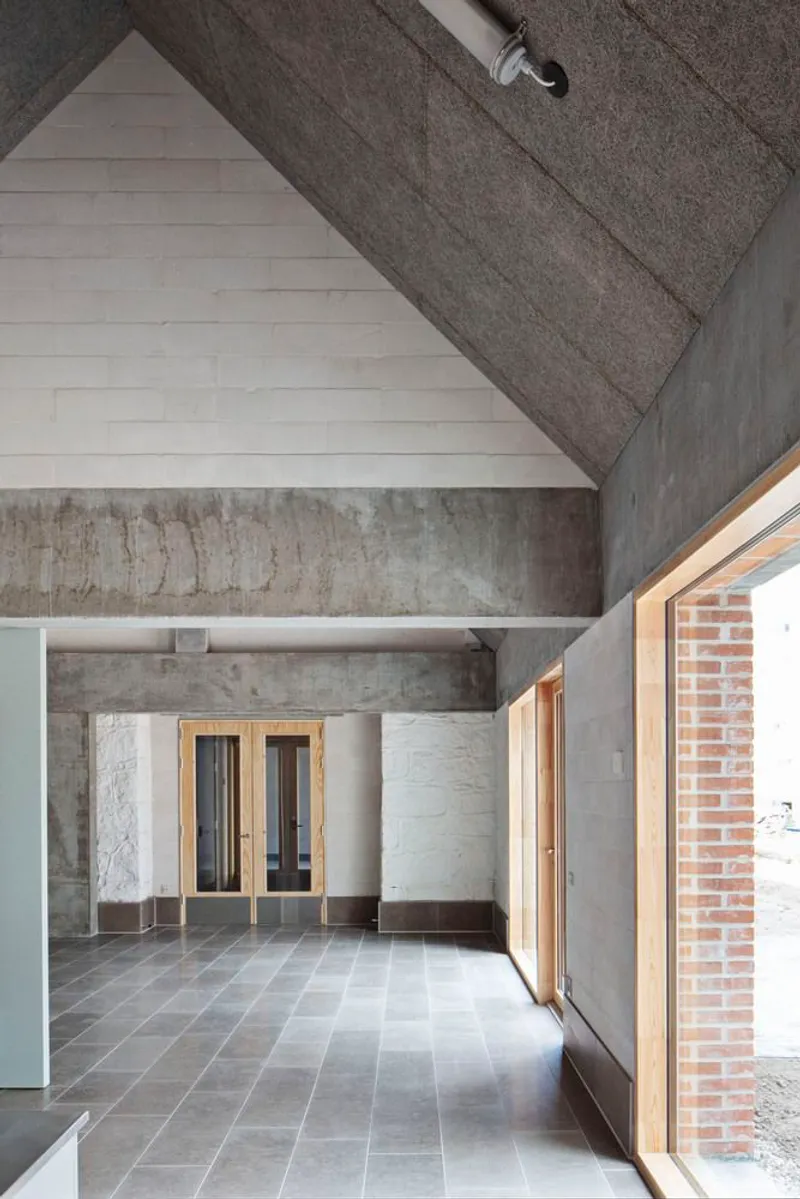
Materiality reinforces the project’s balance of tradition and sustainability. Brick, timber, and robust finishes reflect the durability and tactility of the historic farmhouse while ensuring longevity and low maintenance. Outdoor courtyards and landscaped gardens by SCHUL extend the living environment, creating social meeting spots that connect architecture with nature.
Sustainability and Strategic Collaboration
The project is rooted in sustainable design principles, embracing sturdy, natural materials and energy-conscious solutions. It was carried out under a strategic partnership model involving Copenhagen Municipality / ByK, DSP PLUS, Jakon A/S (lead contractor), Leth & Gori, Rørbæk og Møller Architects, EKJ Engineers, and SCHUL Landscape Architects.
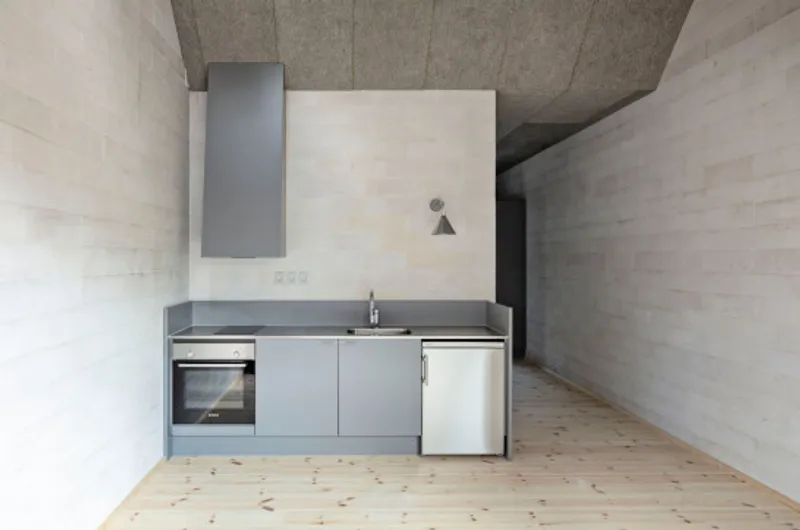
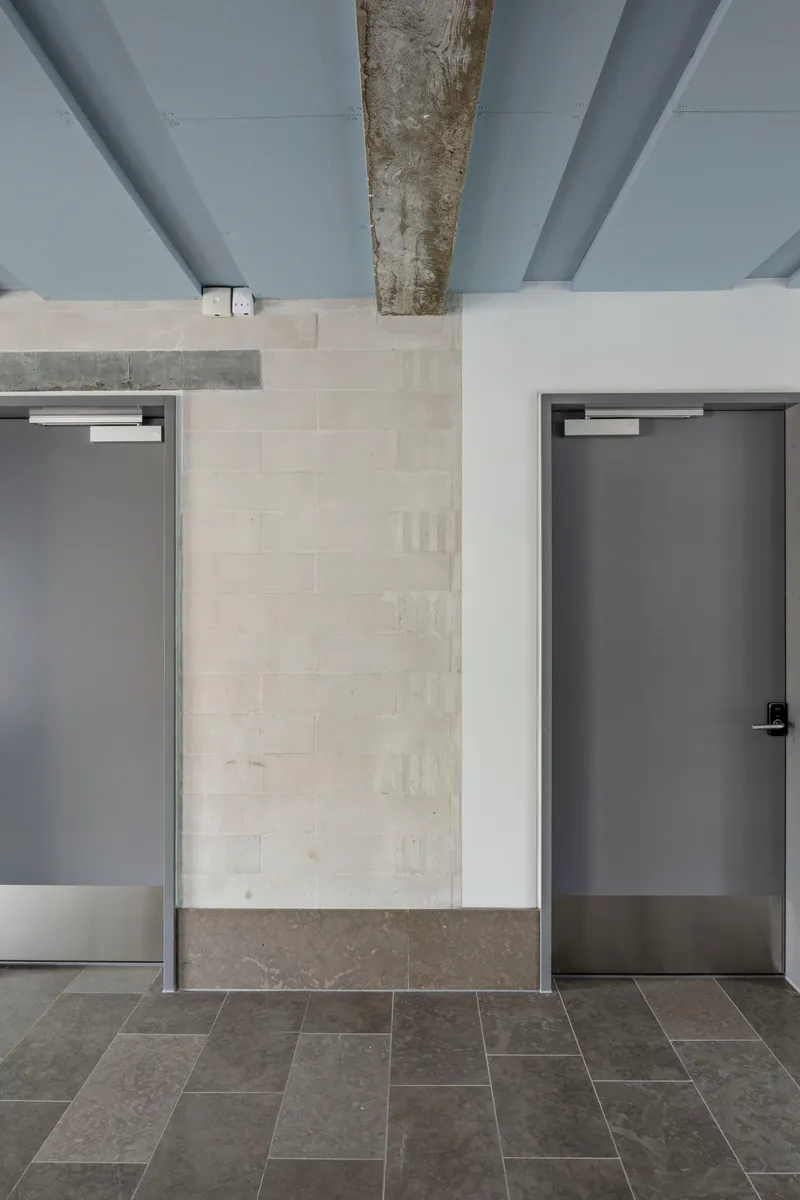
This collaborative framework ensured design continuity across all stages, from concept to completion, while maintaining a strong focus on quality, sustainability, and resident well-being.
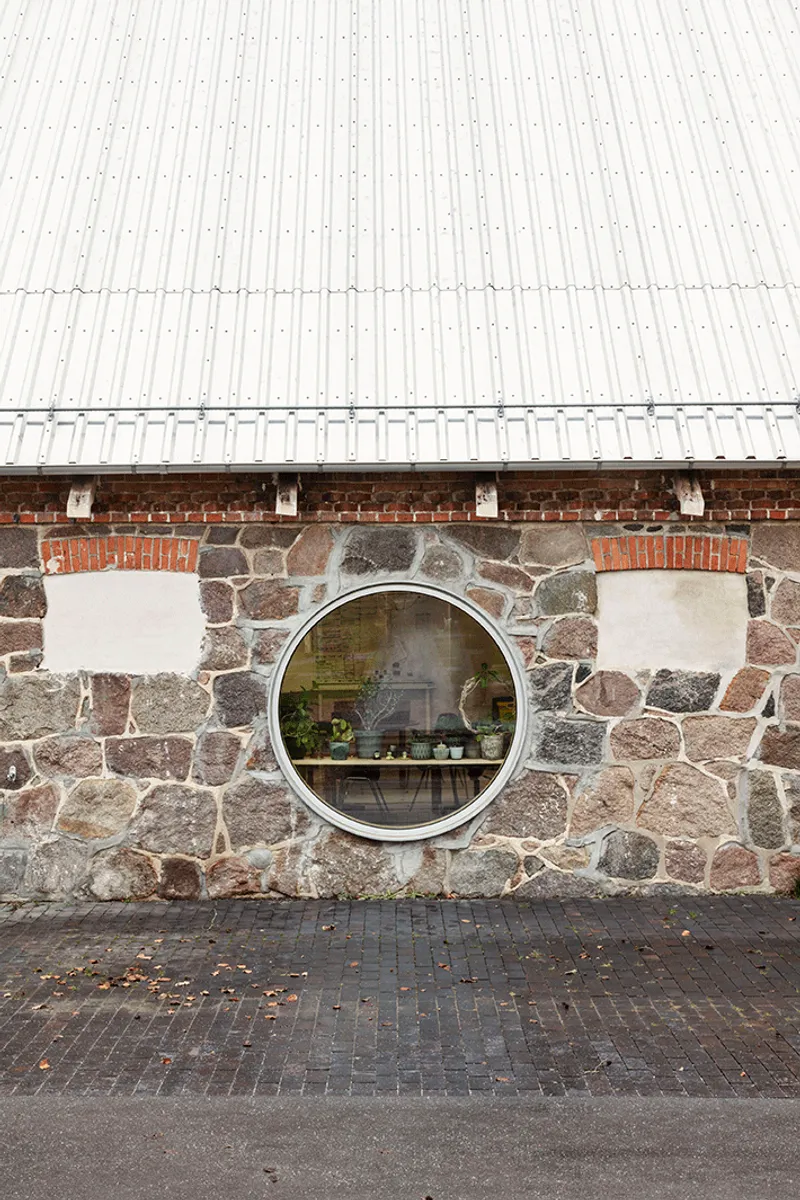
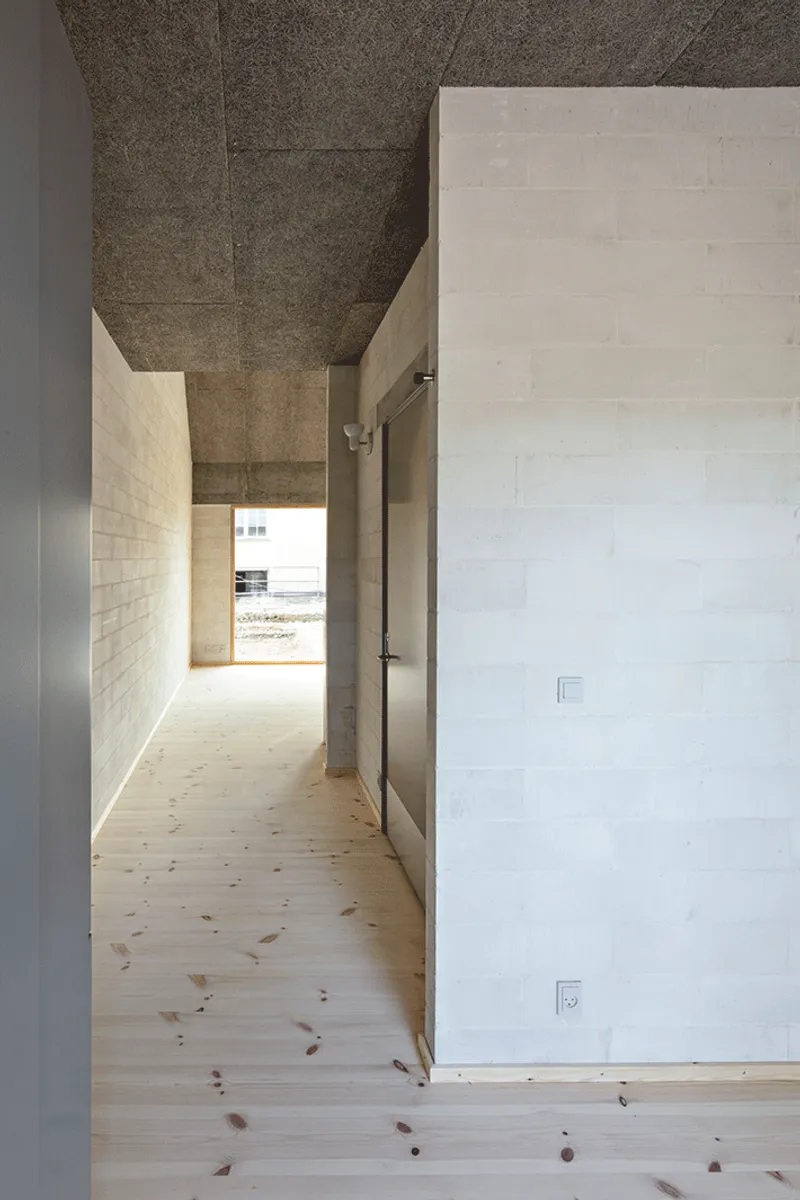
All the photographs are works of Laura Stamer


Popular Articles
Popular articles from the community


The Amber Palace Opera: A Geological Fiction Surfaces on Tallinn's Baltic Waterfront
Pierre Brillard reimagines a Baltic legend as a public landscape, opera house, and waterfront promenade rooted in Tallinn's coastal identity.
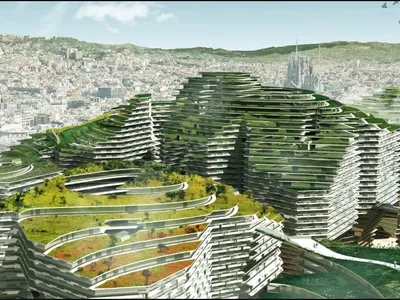
Manzana Morphosis: Stretching Barcelona's Grid into a Living Landscape for 2050
A radical reworking of the Eixample manzana turns density into a tool for generous public space, vertical ecology, and environmental performance.
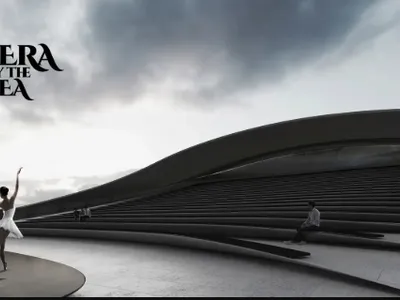
Opera by the Sea Estonia: Three Shells Dissolving Architecture into Tallinn's Coastline
A winning opera house proposal replaces monumental form with interconnected shells that blur the boundary between building, park and Baltic Sea.
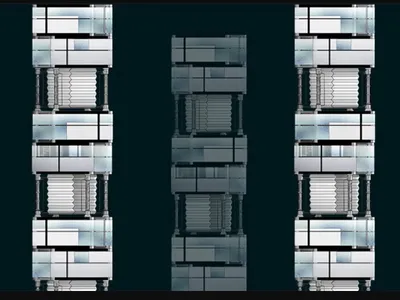
Tsunami Convergenics: Turning Catastrophic Ocean Forces into Underwater Housing Infrastructure
A speculative underwater settlement off the coast of Onagawa, Japan, treats tsunamis and typhoons as energy sources rather than threats.

Similar Reads
You might also enjoy these articles


Hodi-Mandai Geram
Project Function: Preservation and revitalization of the Intangible heritage and socio-spatial identity of the Hodi by Housing, Cultural Memory Center, Sacred Grove, landscape, local tourism economy


Olio Towers: A Mid-Rise for Performers That Fuses Housing, Rehearsal, and Stage
Located blocks from Houston's Theater District, this modular tower stacks living units around a central performance atrium.

Oasis: Modular Green Housing Carved into Dhaka's Urban Fabric
A shortlisted Plugin Housing entry reclaims unauthorized settlements in Dhaka with stepped concrete volumes, green roofs, and ventilation-driven design.

Black Hole: A Floating Megastructure for the Post-Physical Era
Emiliano Mazzarotto envisions a spherical, self-scaling arena where e-sports, digital hotels, and holographic stadiums replace traditional public space.
Explore Healthcare Building Competitions
Discover active competitions in this discipline

Challenge to reimagine the Iron Throne

Photograph architecture without architects

Illustrate the lost glory of Angkor Wat - Render Challenge

Design challenge to reuse E-waste
Comments (0)
Please login or sign up to add comments
No comments yet. Be the first to comment!